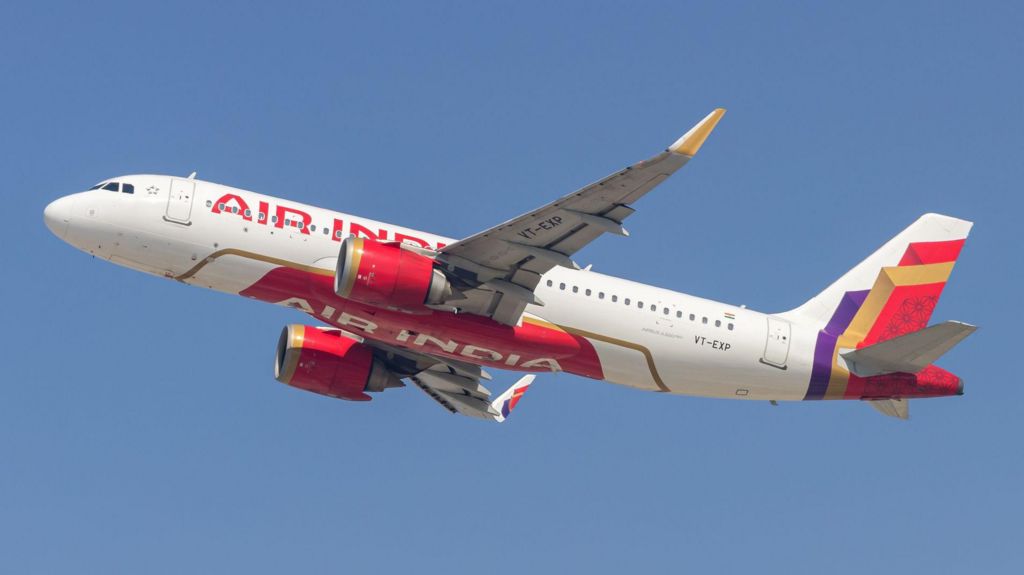
In a sweeping move to restore public confidence in its aviation safety standards, Air India has announced it will immediately implement mandatory banned substance testing for all of its pilots, a policy that far exceeds current Indian regulatory requirements. The sudden policy shift follows a high-altitude incident earlier this month that left multiple people injured and sparked fresh scrutiny of the carrier’s safety protocols, coming on the heels of a devastating fatal crash just over a year prior.
The triggering incident took place on August 4, when an Air India Airbus operating a flight from Phuket to Delhi experienced an unplanned rapid loss of altitude shortly after departing the Thai resort city. The plane dropped roughly 300 feet (91 meters) mid-ascent, resulting in injuries to 17 passengers and crew members. Preliminary investigations into the near-accident have revealed that the flight’s senior captain tested positive for marijuana, a banned substance under global aviation safety rules, and has since been ordered to undergo a confirmatory retest. Both the captain and co-pilot of the flight have been suspended from active flying duties pending the outcome of the full probe, which is being conducted jointly by Indian aviation authorities, aircraft manufacturer Airbus, and France’s civil aviation safety agency.
The mandatory testing requirement will not be limited to Air India’s mainline fleet. The airline confirmed that pilots working for its low-cost subsidiary, Air India Express, will also begin undergoing the tests starting this Thursday. Current Indian aviation regulations only require airlines to conduct random drug testing of at least 10 percent of their pilot workforce annually. Air India’s new policy moves far beyond this baseline, a decision the carrier framed in an internal memo reviewed by the BBC as a necessary step to strengthen its safety culture.
“It is important to go further in our testing,” the memo stated. “This initiative, which goes beyond regulatory requirements, reflects our determination to uphold the highest standards of safety and professionalism, and to provide reassurance to our passengers, stakeholders and the community at large.”
The policy announcement comes at a time of intense ongoing scrutiny for Air India, which has not yet fully recovered from public outrage over the June 2025 crash of an Ahmedabad-to-London flight that went down shortly after takeoff. That disaster killed all but one of the 241 people on board, as well as 19 people on the ground, making it one of the deadliest aviation accidents in South Asia in recent decades.
Testing will screen for both recreational banned substances and prescription medications that are prohibited under international aviation rules, as any form of impairment can pose catastrophic risks to flight safety. According to Air India, the tests will be integrated into existing training schedules at the airline’s in-house training academy, and will also be administered at other operational locations including pilot briefing centers and corporate offices.
The policy change is the first major safety-related announcement from Air India since the arrival of its new chief executive, Tewolde Gebremariam, the former long-serving CEO of Ethiopian Airlines, who took over the top role at the Indian carrier last week.