博客

  • ‘I lost $14,000 in a month’: Investors hit by Korean stock market’s wild swings

    ‘I lost $14,000 in a month’: Investors hit by Korean stock market’s wild swings

    South Korea’s tech-heavy Kospi stock index, long known as the world’s most volatile major benchmark, is reeling from one of the sharpest downward corrections in its history, triggered by a sudden pullback in AI-fueled tech stock gains that has left millions of retail investors facing devastating losses on life-changing savings. The rout, which unfolded between June and August, has drawn comparisons to the catastrophic market drops seen during the 1997 Asian financial crisis and the 2020 Covid-19 pandemic, shining a bright spotlight on the risks of overconcentrated bets on high-growth artificial intelligence assets among amateur traders.

    The scale of the swing has been staggering: after more than doubling in value in the first half of the year to push past the 9,000-point threshold in mid-June, the index plummeted to 5,500 points in just a matter of weeks. It has since clawed back some losses to stabilize around 6,800 points, but the damage to individual investors’ portfolios has already been done. The root cause of the sell-off, according to Wee Khoon Chong, a strategist at global financial services firm BNY, is growing investor anxiety over the massive amounts of capital being poured into AI development, with many market participants questioning whether the current valuations of leading chipmakers and AI firms are sustainable.

    For many ordinary South Korean savers, the downturn has turned anticipated life milestones into financial uncertainty. Take Yongjoon Kim, a bank worker who had earmarked his investment gains for a down payment on a new home ahead of his wedding later this year. Kim lost roughly 20 million Korean won (equivalent to $14,000 USD) after his concentrated tech portfolio dropped by 25% in July alone. “This loss is going to hurt, and I’ll have to put in extra work for years to make up the gap,” Kim said in an interview. “But I’m luckier than many of my friends who went all in with their entire life savings – they’re in desperate situations right now.”

    Kim’s experience is far from unique. Woongsa Kim, another retail investor, bought shares of leading memory chipmaker SK Hynix at the start of the year using half of his annual work bonus. The stock surged to four times its original value at the index’s peak, only to wipe out almost all those gains in the subsequent correction, cutting the investment’s value to half its peak high. “Just thinking about what I lost brings me to tears,” he told the BBC.

    The crisis has been amplified by the explosive growth of leveraged trading among South Korea’s retail investors, a trend that has also picked up steam in markets including Taiwan and the United States, according to Frank Benzimra, head of Asia equity strategy at Societe Generale. Leverage allows investors to borrow money to control a larger block of shares than their own capital can afford, magnifying gains when prices rise but triggering forced liquidations – called margin calls – when prices fall below a pre-agreed threshold. By the end of July, an estimated 1.2 million South Korean retail investor accounts had received margin calls, a figure equal to roughly one out of every 30 working-age adults in the country.

    Many of the traders caught up in the rout were first-time investors lured into the market by the global AI boom and widespread fear of missing out on fast gains. Marketing professional Chanyong Park saw his holdings in US-based AI chip giant Nvidia surge by more than 1,000%, then reinvested almost all of those profits into SK Hynix – only to see the bet go sour, erasing roughly $10,000 in value. The losses have thrown his plans to quit his job in October and launch his own business into doubt. “I’m now seriously questioning whether I’ll have enough capital to move forward with that plan,” Park said. Like many other affected investors, he is holding onto his shares in hopes of a rebound, but recent wild swings have made him hesitant to add more capital to his position. “It often doesn’t feel like price movements are driven by rational fundamentals – it feels a lot like gambling,” he added.

    Another investor, Youngji Park, went all in on Samsung shares, which peaked at a total value of 45 million Korean won before suffering what he describes as a gut-wrenching downturn. “I feel like a fool for trusting the Korean market,” he said, adding that he has no choice but to hold his position and wait for a recovery over the long term. Even college students have been caught up in the damage: Soomin Yi pooled her money with a friend to buy SK Hynix shares after feeling FOMO (fear of missing out) on the AI boom, but neither had any formal investing experience or access to experienced guidance. They held onto their shares even after they peaked in June, clinging to speculation that prices would rise even higher to five million won per position, and are now sitting on heavy losses.

    The extreme volatility of the Kospi has raised ripple effect concerns for other global markets, with Benzimra noting that other tech-heavy benchmarks like Japan’s Nikkei 225 have moved in lockstep with South Korea’s wild swings. However, he added that most large, diversified global markets are unlikely to see the same level of extreme volatility, as their indexes include a far broader mix of sectors that can cushion against sector-specific sell-offs. “You won’t see this kind of extreme movement in large diversified markets like the Tokyo Stock Price Index or US equity markets,” he explained.

    Investors who followed traditional diversification advice have fared far better in the downturn, with diversified portfolios softening the blow of the tech rout. Yongjoon Kim, who also holds positions in overseas markets, says the entire episode is a critical warning for young and new investors, especially in South Korea. “This is a wake-up call not to put all your eggs in one basket and hope for the best,” he said, adding that he regrets not taking a more cautious approach to his tech stock bets. His fiancée, Gaeon Lee, remains optimistic that the market will eventually recover, but she says the constant stress of monitoring plummeting investments has taken a clear toll on her partner. “Seeing our home savings take a hit was definitely a wake-up call for all of us,” she said.
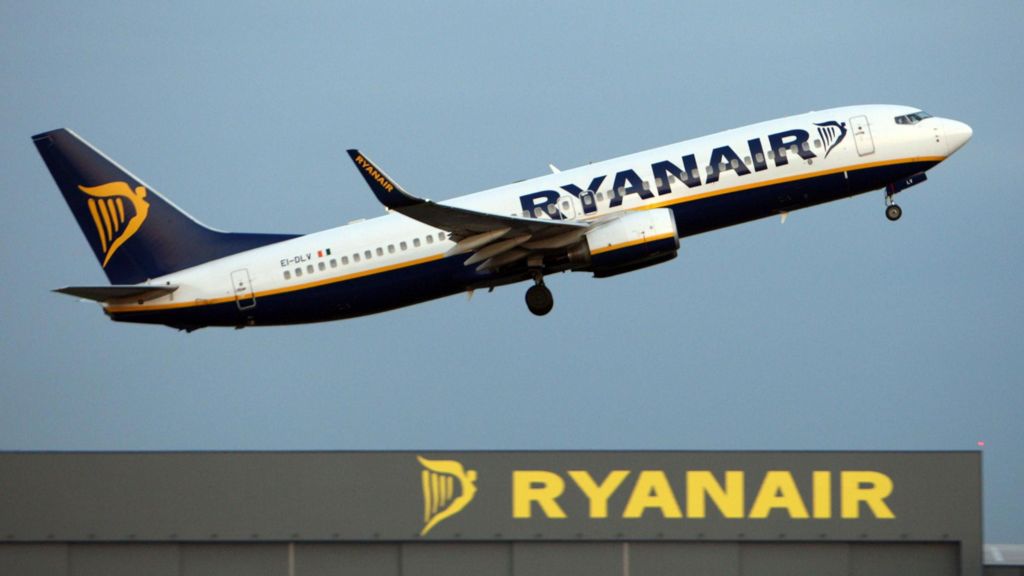

  • Engine parts smashed Ryanair window that man’s head was sucked out of, report says

    Engine parts smashed Ryanair window that man’s head was sucked out of, report says

    A mid-flight engine failure on a Ryanair-operated flight last July left one passenger seriously injured after broken engine fragments shattered a cabin window, pulling his head and shoulder partially out of the aircraft, US transportation investigators have confirmed in a newly released preliminary assessment.

    The event unfolded on 10 July, when the flight — traveling from Thessaloniki, Greece, to Memmingen, Germany, and operated by Ryanair’s subsidiary Malta Air — suffered a catastrophic fan blade break in its right-side engine just moments after departing Thessaloniki International Airport. As the broken fan blade fragmented, pieces of the engine structure collided with the plane’s cabin, dislodging one window entirely.

    National Transportation Safety Board (NTSB) investigators, who took over full probe responsibilities at the request of Greek civil aviation authorities, confirmed that 62-year-old Serbian national Ljubisa Karović was seated adjacent to the broken window. The sudden change in cabin pressure pulled Karović’s head and right shoulder through the opening, leaving him with serious injuries and in acute shock following the incident.

    In accounts collected after the emergency landing, Karović’s wife Svetlana Grković Maksimović recalled that she and two other traveling passengers grabbed onto her husband’s legs and held him firmly for several minutes, preventing him from being pulled completely out of the aircraft as the crew worked to stabilize the plane.

    The NTSB’s timeline of the incident matches the chaotic sequence reported by crew members. Shortly after takeoff, as the plane climbed to cruising altitude, the flight crew received an alert indicating high engine vibration. Following standard protocol, they reduced power to the affected engine and ran a series of system checks. When vibrations temporarily subsided, the crew resumed the climb on autopilot.

    Minutes later, however, vibrations spiked dramatically, followed by a loud bang that alerted the entire cabin to the seriousness of the failure. The crew immediately declared an in-flight emergency and initiated an immediate descent back to Thessaloniki, the departure airport.

    Cabin crew members told investigators they felt the growing vibrations, spotted a small amount of smoke in the cabin, and deployed emergency oxygen masks before passengers began calling for help over the partially ejected passenger. The crew ultimately made a safe, uneventful landing back at Thessaloniki, with emergency crews waiting on the tarmac to treat the injured passenger.

    Preliminary inspection records show the affected engine underwent routine ultrasonic testing for structural faults in May of this year, and no anomalies or damage were detected during that check. Ryanair Group CEO Michael O’Leary has previously hypothesized that the failure stemmed from foreign object damage — debris from the airfield or environment striking the engine fan blade during or before takeoff. The NTSB has not yet issued a final determination on the root cause of the incident, with the full investigation ongoing.

  • Fireworks light skies over Pakistan’s capital as crowds celebrate Independence Day

    Fireworks light skies over Pakistan’s capital as crowds celebrate Independence Day

    ISLAMABAD – Jubilant crowds across Pakistan flooded city streets and public plazas at midnight on August 14, launching nationwide celebrations for the country’s 79th anniversary of independence from British colonial rule. As fireworks exploded in vivid arcs over the capital Islamabad, participants from all age groups, including women and children, joined the festivities, dressed in Pakistan’s national green and white, waving hand-held flags and rallying with the resounding chant “Long Live Pakistan.” Major thoroughfares in the capital were packed shoulder-to-shoulder with celebrants, who watched as pyrotechnics lit up the dark night sky.

    Pakistan gained sovereign statehood on August 14, 1947, following the end of British colonial governance and the partition of the Indian subcontinent into two separate independent nations. Official commemorative events were scheduled to continue through Friday, kicking off with formal flag-raising ceremonies hosted at government institutions, public parks, and educational facilities across the country.

    What sets this year’s independence celebrations apart from previous years is the inauguration of a new landmark in Islamabad: the Yadgar-e-Fatah, or Monument of Victory. The memorial was built to honor what Pakistani officials refer to as the “Battle of Truth,” a four-day armed conflict between Pakistan and neighboring India that took place in May 2025.

    In a nationally televised address to the Pakistani people marking the holiday, Prime Minister Shehbaz Sharif stressed that Pakistan seeks peaceful diplomatic relations with India, rather than open conflict. However, he issued a clear warning that the country’s desire for peace should not be misinterpreted as a sign of vulnerability. Any act that threatens Pakistan’s territorial sovereignty, he emphasized, will be met with a forceful, decisive response.

    The 2025 cross-border conflict was triggered by a deadly attack that left 26 people dead in Indian-administered Kashmir. Indian authorities quickly placed blame on militants backed by Pakistan, an accusation that the Pakistani government in Islamabad has repeatedly and categorically denied. As two nuclear-armed rival powers, the nations exchanged missile and drone strikes across the de facto border in Kashmir for four days before a ceasefire agreement halted active hostilities.

    Beyond addressing security tensions, Sharif also criticized New Delhi’s decision to suspend the long-standing Indus Waters Treaty following the 2025 conflict. The agreement, brokered decades ago by the World Bank, governs how the two nations share water from the critical Indus River system, a key source of freshwater for millions of people on both sides of the border. “Every drop of water is our red line,” Sharif stated, adding that Pakistan will not hesitate to respond to any Indian action that endangers the country’s access to its allocated water supplies.

  • BBC Verify speaks to woman who filmed ICE agent pointing gun at her

    BBC Verify speaks to woman who filmed ICE agent pointing gun at her

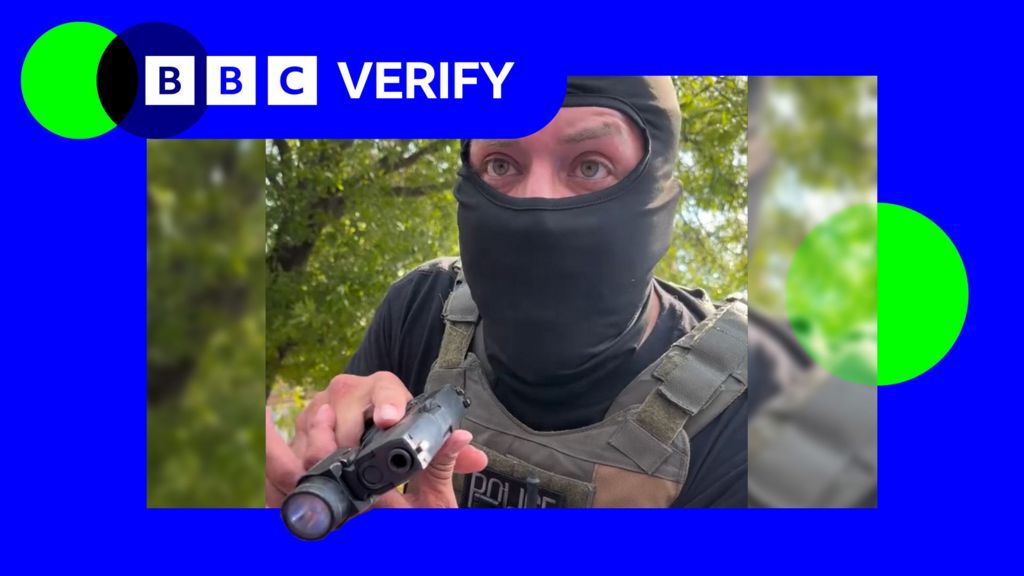
    A troubling encounter between a Virginia resident and a U.S. Immigration and Customs Enforcement (ICE) agent has come under public scrutiny after the woman captured video showing the agent pointing a loaded firearm directly at her. BBC Verify, the British public broadcaster’s independent fact-checking and investigative verification team, has launched a review of the circulating footage and conducted a firsthand interview with the woman who recorded the incident to confirm its authenticity and gather details of what led to the confrontation.

    The raw footage, which was voluntarily shared with the BBC team by the woman, has already sparked growing discussion over law enforcement tactics and use of force during civil interactions. While full context of the encounter, including the ICE agent’s justification for drawing the weapon and the sequence of events preceding the moment captured on camera, has not yet been fully released, the verification process conducted by BBC Verify has confirmed the footage is unaltered and was recorded by the woman in Virginia as she claimed. No additional details about the location of the incident within the state, the date it occurred, or whether any formal complaint has been filed against the agent have been disclosed as of the latest reporting.

  • Second Alan Jones alleged victim to give evidence in blockbuster trial

    Second Alan Jones alleged victim to give evidence in blockbuster trial

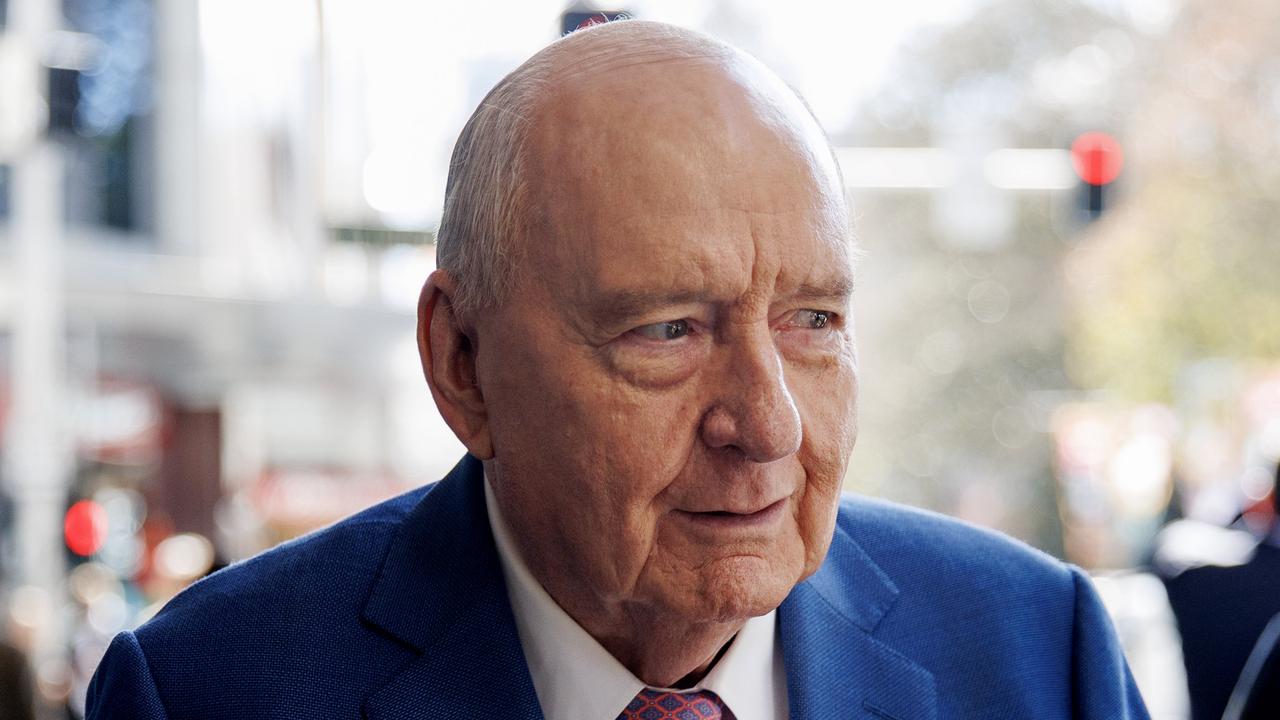
    One of Australia’s most high-profile former radio personalities, 85-year-old Alan Jones, is currently standing trial on dozens of sexual offense charges at Sydney’s Downing Centre Local Court, and the second of his six accusers is preparing to give evidence to the court this Friday. Jones has entered a firm not guilty plea to all 22 charges brought against him, which include 20 counts of indecent assault and two additional counts of sexual touching. He has repeatedly denied all claims that he kissed or groped any of the six male complainants, and is actively fighting the allegations in court.

    The complainant set to take the witness stand on Friday morning is only publicly identified as “Complainant C” to protect his privacy. Court documents and pre-trial proceedings have confirmed that C previously worked alongside Jones, and the veteran broadcaster faces eight separate counts of indecent assault connected directly to C’s accusations. Specific allegations laid out in the case include that Jones touched C’s penis over his clothing while C was driving Jones, that Jones kissed C in elevators at both Jones’ Circular Quay apartment building and his workplace, and that Jones carried out a similar sexual touch to C over his clothing at a restaurant in Mosman.

    Prosecutors from the Crown have previously informed the court that they plan to call approximately 20 separate witnesses to testify in relation to C’s allegations, marking a key phase in what has become one of the most closely watched criminal trials in New South Wales this year. Jones has maintained a consistent, strenuous denial of all accusations from the six complainants since the charges were first brought, rejecting every claim of inappropriate sexual contact made against him.

  • Australian tenants forced to swallow relentless rent increases as housing crisis deepens, finance expert warns

    Australian tenants forced to swallow relentless rent increases as housing crisis deepens, finance expert warns

    Australia’s rental market is facing escalating pressure, with finance experts warning that landlords are legally boosting rental prices exactly once every year, passing on the costs of rising interest rates and recent tax reforms to already vulnerable tenants. In Sydney, the country’s most expensive rental market, the median weekly rent has climbed to $824, leaving low-income and fixed-income households grappling with unbearable housing costs.

    Taylor Blackburn, a money expert at comparison platform Finder, explained that a combination of three consecutive Reserve Bank of Australia (RBA) cash rate hikes in early 2026 and federal government changes to negative gearing rules have pushed property owners to maximize returns on their rental investments as soon as legally allowed. In New South Wales, state legislation only permits landlords to increase rent once every 12 months, and Blackburn says many property owners are already issuing new rent increase notices exactly 365 days after their last hike, taking full advantage of the legal window to pass on higher ownership costs.

    “Property owners are looking to get the best possible return from their investment, and a severe shortage of quality rental stock in major capital cities gives them the leverage to do that,” Blackburn said. “When property owners face higher mortgage costs on their own homes, they offset that pressure by raising rents on their investment properties. That dynamic has been amplified by recent negative gearing changes, which push landlords to collect more rental income to keep their investment cash flow positive.”

    Australia’s negative gearing policy previously allowed residential property investors to deduct rental losses from their personal taxable income, reducing their overall annual tax bill. Changes passed in May restricted this tax concession exclusively to newly built residential properties, while also adjusting the 50% Capital Gains Tax discount that applies to profits from asset sales. Blackburn noted the reforms have had a clear, direct impact on landlords’ decisions to increase rental prices more consistently.

    The broader economic context has worsened the crisis for tenants. The RBA raised the cash rate three times between February and May 2026 for a total increase of 75 basis points, bringing the cash rate to 4.35%, where it has been held for three consecutive months. Following the rate hikes, financial conditions across the country have tightened, and economic growth has slowed, though RBA policymakers have emphasized that inflation remains well above target. Recent housing market downturn has been widely linked to these tax and interest rate changes by industry analysts.

    Latest data from property analytics firm Cotality shows national median rents rose 2.1% in the March 2026 quarter, pushing the combined capital city median to $724 per week. Darwin recorded the largest annual surge, with rents jumping 9.2% in the 12 months to March, while Sydney remained the nation’s priciest market at $824 weekly.

    Gareth Spence, senior economist at the National Australia Bank (NAB), explained that higher cash rates filter through to rental costs just as they do to home loan mortgage rates. He added that broader structural pressures have compounded the issue, with rental vacancy rates sitting at near-record lows across the country and property investors pulling back from new purchases.

    “The biggest challenge for renters right now is just how tight the market is,” Spence said. “We have extremely low vacancy rates, less investor activity, and that creates supply constraints that don’t just affect home purchase affordability – they make renting incredibly difficult for millions of households.”

    For tenants already living on tight budgets, the consistent annual rent hikes are pushing many to the brink. Finder’s research finds that more than 40% of Australian renters live paycheck to paycheck, with less than $1,000 in total cash savings to cover unexpected costs. For those living on fixed incomes, such as pensioners or low-wage workers, rental price growth is far outpacing any increases in income, leaving many at risk of housing instability.

  • Big W launches same-day delivery in team-up with DoorDash ahead of Book Week panic

    Big W launches same-day delivery in team-up with DoorDash ahead of Book Week panic

    For Australian parents juggling work, school runs, children’s sports commitments and endless household tasks, the annual school Book Week costume parade has long been a source of last-minute stress. Countless moms and dads have felt the panic of discovering a crumpled permission slip tucked in a child’s backpack just 24 hours before the event, left scrambling to sew, cut, or cobble together a costume fitting their kid’s favorite character from the latest book trend. Now, one major Australian department chain is stepping in to eliminate that annual chaos with a new logistics solution timed perfectly for this year’s Book Week.

    Big W, one of the country’s leading mass merchandisers, has announced a new partnership with delivery platform DoorDash to roll out same-day delivery for thousands of its products, just in time to serve time-strapped families preparing for Book Week events. The new service follows internal company research that found nearly half of all Australian parents – 49 percent, to be exact – are forced to hunt for a Book Week costume at the eleventh hour, after putting the task off amid competing life demands.

    “Every year we see Book Week become a race against the clock for many families,” said Ryan Gracie, Big W’s Chief Customer Officer. “Between school, work, sport and everything else, it’s easy for costume planning to slip down the list until suddenly the parade is just around the corner. Same-day delivery with DoorDash is a lifeline for busy families, particularly for unexpected and last minute needs. Whether it’s a Book Week costume pivot, a rainy-day craft kit, or emergency household supplies, families can now have those items delivered directly to their doors within hours.”

    The service is built around a simple, accessible structure: customers who place their order before 12pm local time can get their purchase – whether that’s a classic Harry Potter robe, a Little Red Riding Hood cloak, or any other popular children’s costume – delivered straight to their doorstep before the end of the same day. For parents familiar with the annual last-minute rush, the announcement has been met with widespread relief.

    Nat Alise, a Big W spokesperson and Queensland-based mother of two children aged 10 and 12, says she has first-hand experience with the last-minute Book Week scramble, having had her own kids pull forgotten notices out of their backpacks the day before a parade. She described her reaction to the new same-day delivery offering as a mix of excitement and relief.

    “The fact that you can order it and get it delivered by the afternoon is incredible … especially when so much is going on in life,” Alise said. “I don’t know what parents are going to look at that and go ‘that’s not needed.’” Alise added that the service will put an end to the frantic ritual of rummaging through household closets for random bits and pieces to cobble together a homemade costume. While she enjoys adding small personal touches to pre-made costumes to make them special for her kids, she emphasized that the convenience of same-day delivery removes unnecessary stress for parents, noting that the magic of Book Week comes from kids getting to dress as their favorite character, regardless of whether the costume is homemade or pre-purchased. “If you’re making life easier for yourself and making your child happy … that’s a win,” she said.

    Currently, the same-day delivery service is available to customers in select eligible postcodes across Australia, with thousands of Big W products available to order via the partnership. The company says it plans to expand access to additional areas over the coming weeks. For DoorDash, the partnership marks a major expansion of the platform’s offerings beyond its core food delivery service, aligning with its long-term mission to serve Australian households across all areas of daily life.

    “We’re thrilled to help families tick off their to-do list without having to drop everything for a trip to the shops,” said Katy Roger, Head of Sales and Partnerships for DoorDash ANZ. “This partnership supports our mission to help Aussie households in all aspects of daily life, beyond food delivery.”

  • Authorities in Vietnam discover more than a ton of concealed ivory illegally shipped from Africa

    Authorities in Vietnam discover more than a ton of concealed ivory illegally shipped from Africa

    In a significant crackdown on transnational illegal wildlife trafficking, Vietnamese authorities have announced a massive seizure of smuggled elephant ivory originating from Africa, local Vietnamese media confirmed Thursday. The contraband haul, consisting of 221 separate ivory pieces totaling 1,193 kilograms (approximately 2,630 pounds), was publicly displayed for journalists Wednesday at Quy Nhơn Port, located in Vietnam’s central Gia Lai Province, according to official reports from the Vietnam News Agency and other leading national outlets.

    For decades, Vietnam has served as a key transit and demand hub for the global illegal wildlife trade, handling thousands of tons of contraband both in live animal and wildlife product forms each year. The vast majority of smuggled wildlife goods passing through Vietnamese ports are ultimately shipped onward to consumer markets in China, though growing domestic demand within Vietnam and neighboring Southeast Asian nations also sustains the illicit supply chain.

    Investigations into the latest seizure trace back to routine port inspections conducted last week, which uncovered the ivory carefully concealed inside shipments of sawn timber. The contraband was contained within three shipping containers that arrived at the Vietnamese port on July 9. Beyond the massive ivory haul, officials also discovered an additional 79.3 kilograms (175 pounds) of animal bones confirmed to have come from protected big cat species, including tigers. Crushed big cat bones are a highly sought-after ingredient in traditional East Asian medicine practices, driving persistent illegal demand for these endangered animal parts.

    According to reporting from leading Vietnamese newspaper Tuoi Tre’s website, Gia Lai Provincial Police confirmed the entire contraband shipment was transported to Vietnam from the Republic of the Congo. After customs officers flagged the illegal goods during clearance processing, authorities opened a full criminal investigation into the case, focusing on violations of national and international regulations governing trade in protected endangered species.

    Nearly all United Nations member states, including Vietnam, are party to the Convention on International Trade in Endangered Species of Wild Fauna and Flora (CITES), the landmark international agreement that bans nearly all commercial trade in ivory and products from other endangered species globally. While this seizure marks the largest illegal ivory bust ever recorded at Quy Nhơn Port, it remains far smaller than several major busts over the past 10 years in Vietnam that uncovered shipments of more than 7 tons of illegal ivory each, at Vietnam’s central Danang Port and northern Haiphong Port.

  • Family of Irish plane crash victim awarded $29m in damages

    Family of Irish plane crash victim awarded $29m in damages

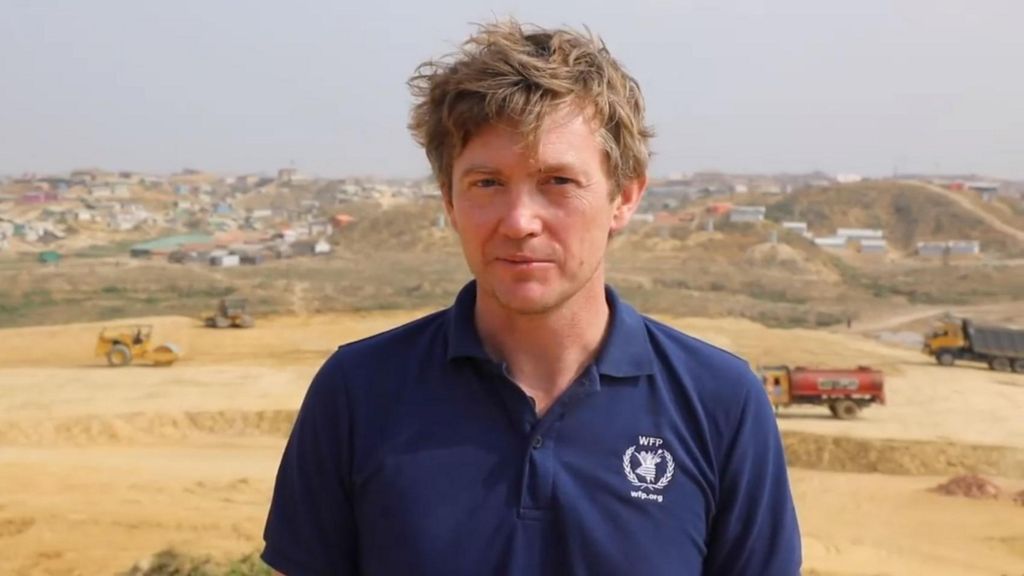
    Six years after one of aviation’s deadliest modern crashes delivered unthinkable grief to families across the globe, a U.S. jury has delivered a landmark verdict holding aircraft manufacturing giant Boeing accountable for the loss of an Irish United Nations engineer who dedicated his life to aiding vulnerable communities. On March 10, 2019, Ethiopian Airlines Flight ET302, a brand-new Boeing 737 MAX jet, crashed just six minutes after departing Addis Ababa for Nairobi, Kenya, killing all 157 people on board. Among those killed was Michael “Mick” Ryan, a 40-something engineer from County Clare, Ireland, based in Cork, who worked for the UN World Food Programme (WFP) and left behind a wife and two children. This week, a Chicago civil jury ruled in favor of Ryan’s widow, Naoise Connolly Ryan, awarding her family $29 million (£21.5 million) in compensatory damages after she brought a civil wrongful death claim against Boeing over the disaster. The case marks one of the few wrongful death claims against the manufacturer to go to full trial, rather than being resolved through out-of-court settlement. Lawyers for the family say the verdict is far more than a financial award—it is a critical step toward securing long-overdue accountability and justice for the lives lost to the 737 MAX design failures that caused two deadly crashes within five months of each other. “While no amount of money can ever bring Mick back or undo the devastating loss his family has carried for six years, we are deeply grateful that the jury carefully weighed all the evidence and reached this decision,” lead family attorney Steven C Marks, of the Florida-based law firm Podhurst Orseck, told reporters after the verdict. Marks praised Connolly Ryan for her unwavering resolve in pursuing accountability, noting that she had fought for years to shine a light on the failures that led to her husband’s death. “Though this verdict is a major milestone in our fight, the larger work of holding Boeing responsible for this tragedy—and ensuring nothing like this can ever happen again to another family—remains just as urgent,” he added. In a prepared statement responding to the verdict, a Boeing spokesperson expressed remorse for the lives lost in both the Ethiopian Airlines crash and the earlier fatal 737 MAX crash of Lion Air Flight 610 off Indonesia in October 2018, which killed 189 people. “We are deeply sorry to all who lost loved ones on Lion Air Flight 610 and Ethiopian Airlines Flight 302,” the statement read. “While we have resolved nearly all of these claims through settlements, families are entitled to pursue their claims through the court process, and we respect their right to do so.” Beyond his role as a beloved husband and father, Ryan dedicated more than a decade of his career to delivering life-saving aid across some of the world’s most crisis-stricken regions. A memorial page published by the UN after his death details his extraordinary impact on vulnerable communities across Afghanistan, Sri Lanka, Nepal, Ethiopia and Bangladesh. Most notably, Ryan led infrastructure projects in Bangladesh that built flood and landslide-resistant shelters for tens of thousands of Rohingya refugees who had fled violence in Myanmar, work that saved countless lives at a time of unprecedented humanitarian crisis. He also helped construct critical medical treatment centers in Liberia during the 2014–2016 West African Ebola outbreak, when access to care was a matter of life and death for thousands of people. Speaking to BBC News NI, Marks emphasized that Ryan’s loss was felt far beyond his immediate family, saying: “Ryan will be missed by the world at large, because that was who he served. It’s tragic to the public, but it pales in comparison to the loss for the family. His impact was worldwide.” Investigations into the 2019 crash confirmed the disaster was caused by long-concealed design flaws in the 737 MAX’s Maneuvering Characteristics Augmentation System (MCAS), an automated anti-stall system that was added to the jet to compensate for its repositioned larger engines. After takeoff, two angle-of-attack sensors on Flight ET302 returned conflicting data, which triggered the MCAS system to repeatedly push the aircraft’s nose downward in a mistaken attempt to prevent a stall. Ethiopian accident investigators confirmed that pilots followed all required procedures to disable the faulty system, but were ultimately unable to overcome its repeated, uncommanded nose-down inputs before the jet crashed into the ground near Bishoftu, just 30 miles southeast of Addis Ababa. The impact of the crash was so severe that both of the plane’s engines were buried 10 meters deep in a 28-meter-wide crater, leaving little intact wreckage for recovery teams. The two 737 MAX crashes led to a 20-month global grounding of the aircraft fleet, a massive corporate scandal for Boeing, and sweeping changes to aviation safety regulations globally. To date, Boeing has paid more than $60 billion in fines, compensation, and legal settlements related to the crashes, though the latest verdict serves as a reminder that outstanding claims remain, and that many families have chosen to pursue their cases in court to secure public accountability rather than private settlement.

  • UK withholds information on Israeli firm accused of targeting Scottish first minister in elections

    UK withholds information on Israeli firm accused of targeting Scottish first minister in elections

    Allegations of foreign digital meddling in Scotland’s parliamentary elections have sparked a new wave of transparency debate, after the UK government formally declined to release classified records related to an Israeli cybersecurity firm accused of election interference, citing risks to diplomatic relations and national security.

    The controversy first emerged in June this year, when France’s leading disinformation monitoring body Viginum publicly named Israeli cyber company BlackCore as a suspect in coordinated digital interference operations targeting multiple elections across the globe. These include France’s own local elections, New York City’s 2025 municipal elections, and the parliamentary elections in Scotland.

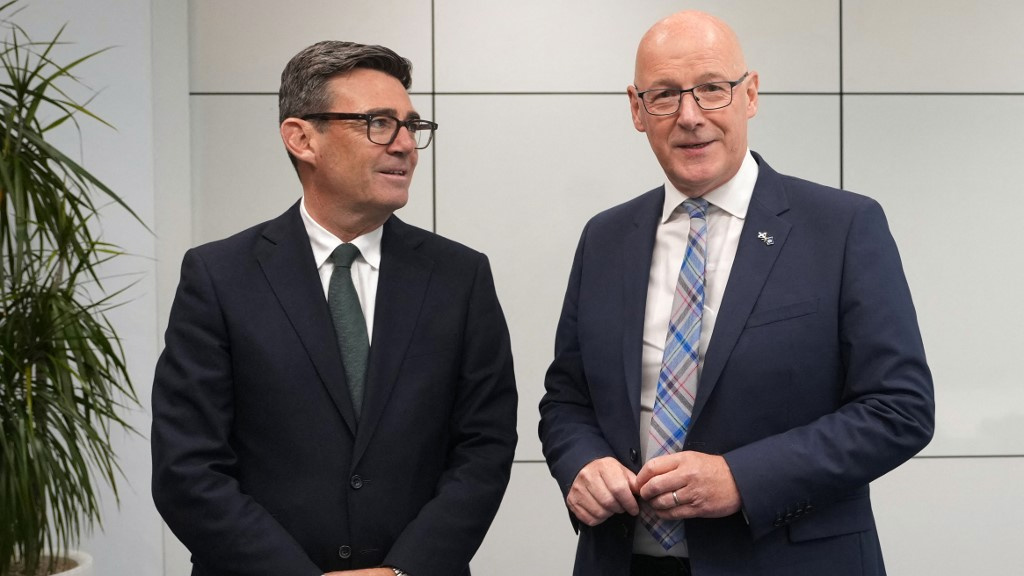
    Viginum head Marc-Antoine Brillant confirmed that ongoing investigations have linked BlackCore to a pattern of foreign digital interference in sovereign elections across regions ranging from West Africa to North America and Europe. However, the watchdog has so far been unable to identify who commissioned the firm to carry out the alleged operations. Investigators also confirmed that social media accounts tied to BlackCore specifically targeted Scotland’s First Minister John Swinney, the leader of the pro-independence Scottish National Party (SNP).

    Swinney has emerged as one of the most prominent Western political critics of Israel’s military campaign in Gaza, publicly stating in August 2025 that he believes Israel is committing genocide in Palestinian territory. “It’s quite clear that there is a genocide in Palestine – it can’t be disputed,” Swinney said at the time. “I have seen reports of terrible atrocities which have the character of being genocide. I’ve expressed that and obviously it’s not reached all those individuals, but that’s my feeling.”

    This week, Scotland-based newspaper The National submitted two separate Freedom of Information (FOI) requests to both the UK national government and the devolved Scottish administration. The requests sought full access to all internal correspondence – including emails and official memos – that referenced Viginum, its findings on BlackCore, and any alleged influence operations targeting Scottish elections.

    In its formal response, the UK Cabinet Office stated that it would not disclose any of the requested information, arguing that publication would threaten UK national security. The department outlined that it had conducted a formal balancing test between public interest in transparency and the need to protect sensitive state security information. “We have weighed these public interests against a very strong public interest in safeguarding national security. It is important that this sensitive information is protected, as disclosure of information would damage national security. This interest could only be overridden in exceptional circumstances,” the Cabinet Office said in its response. “Taking into account all the circumstances of this case, we have determined that the balance of the public interest favours withholding this information.” The UK government also cited an additional legal exemption for disclosure: that releasing the records could “prejudice relations between the United Kingdom and any other state.”

    The devolved Scottish government took a partial approach to the request: it withheld a portion of the requested records on national security grounds, but released a series of unredacted documents that show senior Scottish officials debating how to respond to Viginum’s original report. Among the released materials is a note from the principal private secretary to First Minister Swinney, which reads: “I have shared this with FM – anticipating that he will want to understand more about this report, what we/UKG and security apparatus know/knew about it, and what actions remedial and future / proactive are being taken.”

    The refusal to fully disclose information has renewed questions about the UK government’s handling of foreign interference claims, particularly amid already heightened tensions over Scotland’s political relationship with the UK and ongoing global divisions over the Israel-Gaza conflict. The case also underscores growing global concerns about unregulated private cyber firms engaging in foreign electoral interference, with little transparency over their clients or activities.