博客

  • Torrential rain near Tokyo causes flooding and paralyzes traffic, killing 1

    Torrential rain near Tokyo causes flooding and paralyzes traffic, killing 1

    On Thursday, eastern Japan was hit by an unprecedented downpour that triggered catastrophic flooding, widespread infrastructure disruption, and at least one confirmed fatality, according to Japanese government officials. The extreme weather event, coming just one day after a separate tropical storm lashed the country’s northeastern regions, has left tens of thousands without power and forced hundreds of thousands of residents to evacuate high-risk areas near the Japanese capital.

    The Japan Meteorological Agency (JMA) issued its highest-level rain emergency warning for 14 municipalities across Chiba Prefecture, urging immediate precaution against two major life-threatening hazards: flash flooding and deadly landslides. Speaking at a nationally televised emergency briefing, JMA senior forecast official Takuya Hosomi confirmed that the rainfall totals recorded across the region had surpassed all previous historical records, marking an unprecedented weather event for the area.

    Local disaster management authorities confirmed one fatality in Ichikawa City, where the downpour has created some of the worst damage. In nearby Kashiwa City, emergency crews successfully pulled two people trapped inside a submerged vehicle to safety, though no update has been released on their current medical condition as of Thursday evening.

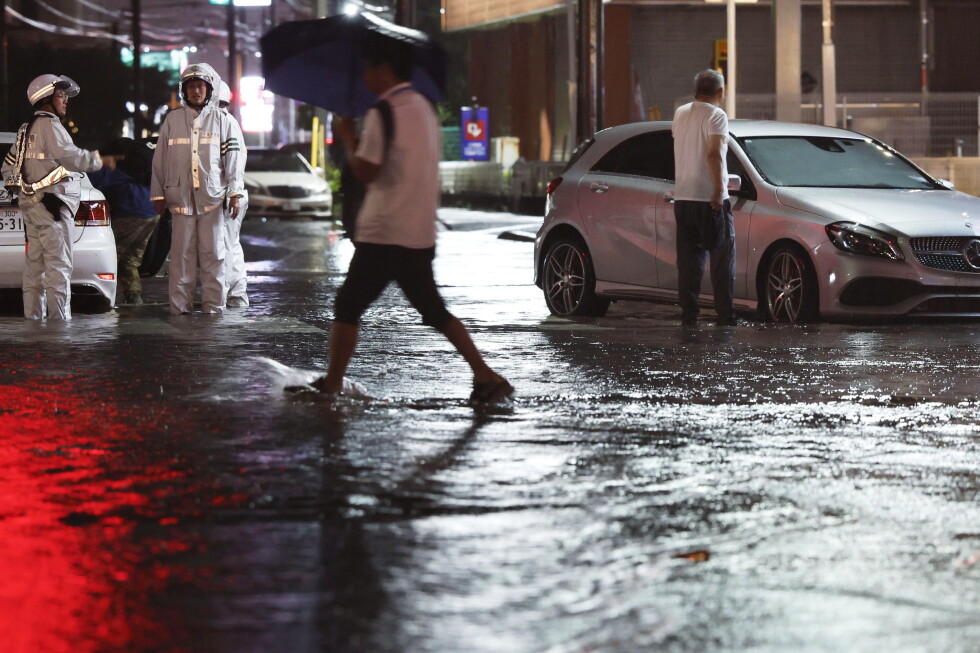
    Public broadcaster NHK shared on-the-ground footage showing severe conditions across the affected region: pedestrians outside Ichikawa Train Station forced to wade through floodwaters reaching knee depth, dozens of passenger and commercial vehicles stranded on submerged roadways, and major public transit disruptions. Multiple regional rail lines suspended all services through the area, bringing local passenger travel to a standstill.

    Power infrastructure was also heavily impacted. TEPCO Power Grid, the main energy provider for the region, reported that approximately 68,000 residential properties were left without electricity by Thursday afternoon. JMA officials warned that the extreme precipitation would continue through Thursday night, forecasting hourly rainfall rates that could exceed 100 millimeters, or 4 inches, across Chiba City and multiple neighboring urban centers. In response to the ongoing danger, Japanese authorities issued evacuation advisories for nearly 220,000 residents, urging them to move to designated emergency shelters or higher, safer ground immediately.

    This extreme rain event follows closely on the heels of a tropical storm that hit northeastern Japan just 24 hours earlier. That earlier storm left at least seven people injured, downed hundreds of trees across affected regions, and caused large-scale power outages before moving out of the area.

  • Tim Payne’s fame began as an internet joke. Now his shirt has sparked a bidding war

    Tim Payne’s fame began as an internet joke. Now his shirt has sparked a bidding war

    It is a rags-to-riches story that could only unfold in the age of social media virality: just half a year ago, Tim Payne, a 32-year-old defender, was a name almost unrecognizable to soccer fans beyond the small circles of New Zealand and Australian domestic soccer. Today, fans across the globe are bidding thousands of dollars just to own the match-worn jersey from his first professional appearance for one of South America’s most prestigious clubs.

    The story of Payne’s unexpected leap into the global spotlight begins at the 2022 World Cup, where the little-known New Zealand international caught the attention of Argentine soccer influencer Valen Scarsini, who goes by the online handle El Scarso. Scarsini launched a viral social media campaign to spotlight what he called the tournament’s “most under-the-radar player,” settling on Payne after discovering the defender had barely 4,700 followers on Instagram at the time. Scarsini urged his combined 2 million followers across Instagram, TikTok, and YouTube to follow Payne, leave supportive messages on his posts, and spread his name across soccer communities worldwide.

    The campaign sparked an explosive surge in Payne’s online fame: within days, his follower count skyrocketed past 5.4 million — a figure larger than the entire population of his home country New Zealand. This unprecedented viral attention changed the trajectory of Payne’s career, which had long flown under the mainstream radar. For most of his professional journey, Payne plied his trade at low-profile clubs across New Zealand and Australia. He even spent two seasons with England’s Blackburn Rovers early in his career, but work permit complications prevented him from ever making a senior competitive appearance for the club. He spent seven years with the Wellington Phoenix in Australia’s A-League before the viral wave carried him to a surprise move this June: a one-year contract with Club Olimpia, the reigning Paraguayan top-flight champions and one of the South America’s most storied soccer powerhouses.

    Payne rewarded his new legion of global fans with a dream debut on August 2, when he came off the bench against Paraguayan side Rubio Ñu and found the back of the net just minutes after entering the pitch, helping Olimpia secure a dominant 5-0 victory. Now, the signed jersey Payne wore during that historic debut has been put up for online auction by the club, and it has quickly become one of the most sought-after pieces of modern soccer memorabilia five days after listings opened.

    With bidding set to close on Thursday, the top offer has already climbed past 21 million Paraguayan guarani, equal to roughly $3,270. While this sum is nowhere near the seven-figure prices that memorabilia from global superstars like Lionel Messi regularly fetch at auction, the level of interest in a debut jersey from a previously unknown player underscores just how far Payne has come in a matter of months.

    In a promotional video launching the auction, Payne emphasized his commitment to connecting with the club’s loyal fanbase. “I know exactly what it means to wear these stripes and play in this shirt, and that’s why I want to give it to a true Olimpista (Olimpia fan),” he said. The auction is the latest chapter in one of the most unlikely rise stories in modern soccer, proving that social media virality can reshape careers even for players who spent decades out of the global spotlight.

  • Mali separatists release 82 soldiers, including some held since a major attack in April

    Mali separatists release 82 soldiers, including some held since a major attack in April

    BAMAKO, Mali – In a simultaneous pair of unexpected developments rocking Mali’s already volatile political and security landscape, Tuareg-led separatist groups in northern Mali have freed 82 government soldiers, just hours after the Malian presidency issued a pardon for a French national convicted of spying against the transitional military government. Both developments were confirmed by official military statements and rebel spokespeople on Thursday.

    The Malian Armed Forces released an official statement confirming that all 82 released service members are now out of rebel custody, in safe condition, and receiving medical and logistical support from state authorities. Mohamed Elmaouloud Ramadane, spokesperson for the Azawad Liberation Front – the main separatist faction operating in northern Mali – verified the release, noting that the handover was carried out on strictly humanitarian grounds. According to Ramadane, the group of freed captives includes soldiers seized during a large-scale coordinated insurgent assault across the country in April, as well as service members who had been held by the separatists as early as 2023. He added that roughly 118 Malian soldiers remain in rebel captivity following multiple months of intensified clashes across the Sahel nation.

    Mali has been trapped in a spiral of persistent violent conflict for more than 10 years. The country faces overlapping threats from two distinct insurgent movements: jihadist militant groups affiliated with al-Qaida and the Islamic State, most notably the Jama’at Nusrat al-Islam wal-Muslimin (JNIM), and a long-running separatist campaign for Tuareg independence in the sparsely populated northern region known as Azawad. In recent months, violence has surged dramatically after JNIM and Tuareg separatist factions formed an unlikely military alliance and launched sweeping coordinated attacks across the country on April 25. The assault targeted high-profile assets including Bamako’s international airport, the major garrison town of Kati just outside the capital, and multiple population centers in northern and central Mali. These high-profile attacks exposed critical gaps in the Malian government’s counterinsurgency strategy, which has shifted heavily toward reliance on Russian military support after the ruling junta cut diplomatic and security ties with former Western ally France in 2022.

    On the same day the prisoner release was announced, Mali’s transitional president granted clemency to Yann Vézilier, a French citizen who was sentenced to 20 years in prison on charges of espionage. Vézilier, who was employed as a staff member at the French Embassy in Bamako, was arrested in August 2025 and accused of operating as an undercover intelligence agent to orchestrate a plot to destabilize the military-led government.

    A government statement clarified that the presidential pardon does not reverse or invalidate the guilty verdict handed down by Malian courts, and that Vézilier will be immediately expelled from Malian territory following the clemency order. The French Ministry of Foreign Affairs has not yet issued a public response to requests for comment on the pardon. The parallel moves – the separatist prisoner release and the government’s pardon of the French national – come as Mali faces growing international scrutiny over rising civilian casualties from Russian-backed counterinsurgency operations, with a recent human rights group report documenting that a Russian-linked airstrike in northern Mali killed eight civilian civilians just one month prior.

  • Person fined after using foghorn to wake sleeping polar bear

    Person fined after using foghorn to wake sleeping polar bear

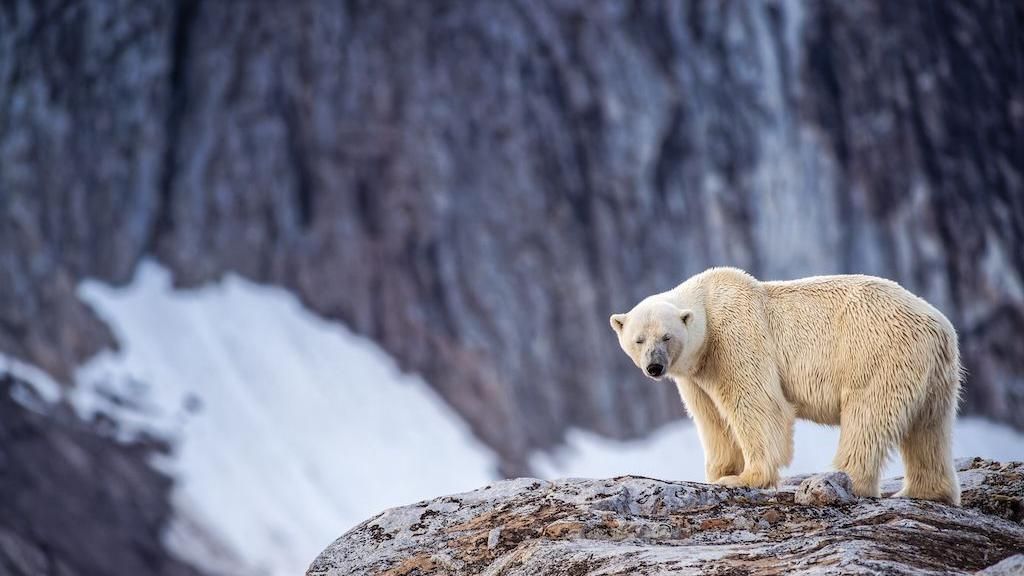
    In a high-profile wildlife protection enforcement case on Norway’s remote Svalbard archipelago, an unnamed individual has been ordered to pay a 50,000 Norwegian kroner (roughly £3,890) penalty for intentionally waking a sleeping polar bear with a ship’s foghorn, local authorities confirmed this week.

    The incident unfolded earlier this August in a fjord located in northwestern Svalbard, a frigid Arctic island chain sitting approximately 1,000 kilometers (620 miles) from the North Pole. As the vessel cruised along the coastline, crew members spotted a polar bear resting on shore. One person on board activated the ship’s foghorn directly at the animal, shocking it awake and forcing the bear to relocate to a new area, according to an official statement from Svalbard governor Lars Fause.

    Longstanding regulations in Svalbard strictly prohibit the unnecessary disturbance, luring, or chasing of polar bears, a species that has held full protected status across the archipelago since 1972. The person who triggered the foghorn has already acknowledged responsibility and agreed to pay the issued fine.

    This is not an isolated case of wildlife disturbance penalties in the protected Arctic region. Just last year, another visitor was fined 11,500 kroner (£900) after venturing too close to a resting walrus, violating the same wildlife protection framework. Broader rules laid out in the Svalbard Environment Act require all human activity on the archipelago — from tourism to local transport — to be conducted in a manner that avoids unnecessary disruption to native wildlife, a group that includes polar bears, seals, whales, Svalbard reindeer, and Arctic foxes.

    Population estimates from the most recent comprehensive scientific survey, conducted in 2015, put the total number of polar bears residing across the Svalbard archipelago at around 250. Conservation experts have repeatedly emphasized that Arctic wildlife like polar bears already face extreme pressure from rapid climate warming, which erodes their sea ice hunting habitat and disrupts natural feeding and resting patterns. Unnecessary human disturbance adds additional stress to already vulnerable populations, making consistent enforcement of protection rules a key priority for regional environmental managers.

  • Rescuers call for silence around earthquake rubble as window for survival narrows in Colombia

    Rescuers call for silence around earthquake rubble as window for survival narrows in Colombia

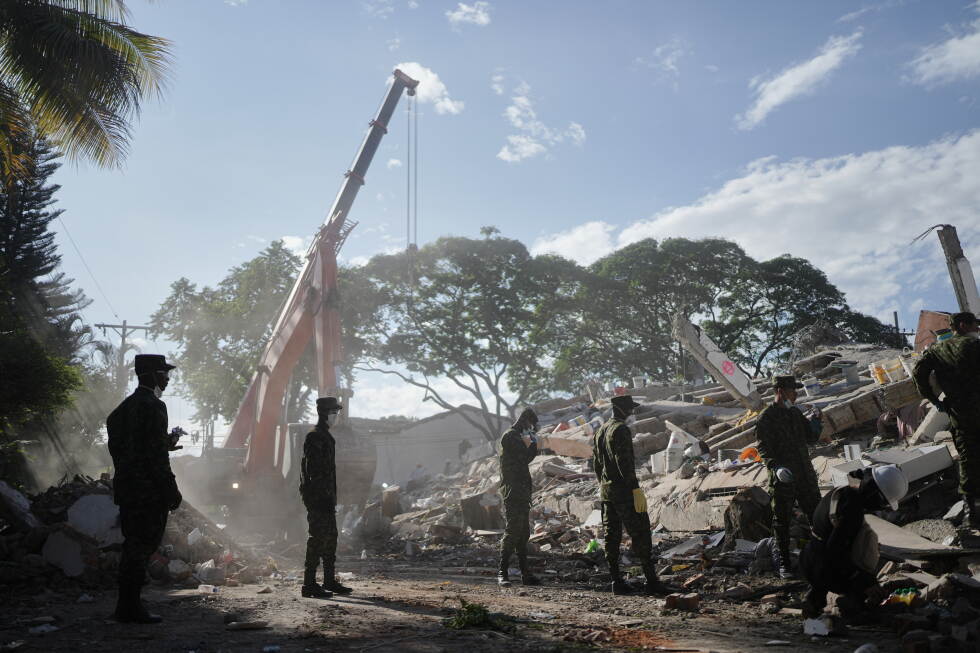
    CALI, Colombia — In a tense, reverent moment that captured the fragile mix of hope and grief gripping this quake-battered South American nation, search and rescue workers stood amid piles of crumbled concrete Thursday, lifting their arms and clenching their fists to demand total silence. They strained to catch even the faintest sound of life trapped beneath the wreckage left by a powerful 7.4-magnitude earthquake that has already claimed at least 265 lives and left hundreds unaccounted for. Thursday marked the third full day since the tremor shook the country on Monday, pushing search efforts into what emergency responders call the critical final window for pulling trapped people out alive.

    Aid experts widely recognize the 48 to 72 hours immediately following a major seismic event as the golden window for successful survivor rescue, though outcomes can stretch far beyond that timeframe if trapped people have access to clean water and small amounts of food. For the teams digging through rubble in Cali — one of the hardest-hit urban centers, alongside Pereira, Manizales and Quibdó — that narrow timeline has made every minute of work urgent.

    Daiana Rojas, a 25-year-old volunteer rescuer who is herself a Cali resident, told the Associated Press that faint sounds had been detected at one search site since 2:30 a.m. Thursday, keeping optimism alive. “There might be two more people alive here, and I’m hopeful,” she said. “We have been hearing sounds since 2:30 a.m., so our hope remains.”

    Rojas and her own family escaped the earthquake unharmed, but the experience of living through the most powerful quake to hit Colombia this century left a deep mark. She recalled the overwhelming terror when the ground began to shake: “I thought that was going to be my last moment alive.” Now, walking through the wreckage of her hometown, she said, “Seeing this situation in my city breaks my heart.” She chose to set aside her own shock to join volunteer rescue efforts, working side-by-side with professional teams to clear debris.

    Cali Mayor Alejandro Edr warned reporters Wednesday that the next 20 hours would make or break the push to find any remaining survivors. “The next 20 hours are the most critical to find and rescue people alive,” he said, confirming that search teams have continued to pick up faint signs of life beneath fallen structures across the city.

    The disaster has become an early critical test for Colombia’s newly inaugurated president Abelardo de la Espriella and his administration, which has scrambled to mobilize response resources while independent aid organizations work to reach the most severely damaged communities. Reporting from the government has shown a discrepancy in missing person numbers: de la Espriella said Wednesday that nearly 500 people were registered as missing, but independent civilian-run databases tracking the missing list more than 4,200 unaccounted-for people. Overall, the president confirmed that more than 25,800 families across the affected region have been impacted by the quake, many left homeless after their homes collapsed.

    In her days of digging through rubble, Rojas has already witnessed two extraordinary moments of survival: she helped pull two people out alive from the debris, and she has also helped recover the remains of those who did not survive. Speaking of the survivors she has helped rescue, she said, “They are not a relative or a friend of mine, but it feels as they were.” She described the shared tension and joy that ripples through search sites across the city: whenever rescuers call for silence to listen for signs of life, bystanders and team members alike freeze, holding their breath to avoid making even the smallest sound. When a sign of life is confirmed, that tension bursts into applause as teams race to reach the trapped person before conditions worsen.

    This report included contributions from journalists Suarez, reporting out of Bogota, Colombia, and Batschke, reporting from Santiago, Chile.

  • Who could potentially replace White House Press Secretary Karoline Leavitt?

    Who could potentially replace White House Press Secretary Karoline Leavitt?

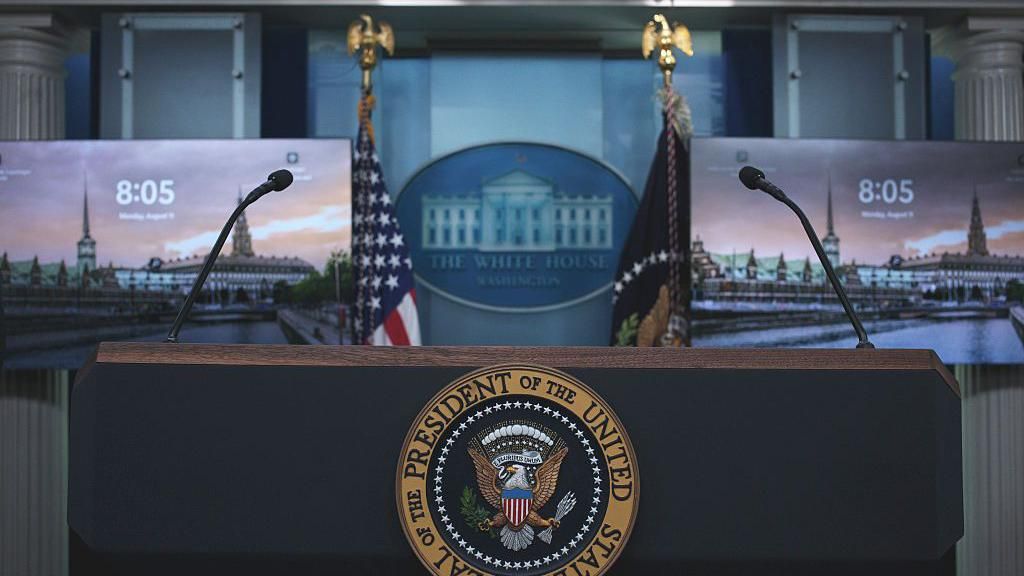
    The impending departure of Karoline Leavitt from her post as White House Press Secretary has triggered a wave of widespread speculation inside and outside Washington over who will step into one of the most high-profile and high-stakes roles in U.S. politics. As of this reporting, no official nomination has been made public by the White House, and anonymous administration sources confirm that no final decision has been locked in, leaving the door open to a wide pool of potential candidates.

    Leavitt, a close and trusted advisor who has worked alongside former President and current President Donald Trump for years, leaves behind big shoes to fill. In his public announcement of her upcoming departure at the end of the month, Trump highlighted Leavitt as one of his most trusted aides, underscoring just how difficult the search for a replacement could prove.

    Earlier this year, when Leavitt stepped away for a temporary leave, the White House adopted an unusual arrangement where top senior administration officials, including Vice President JD Vance and Secretary of State Marco Rubio, stepped in to deliver press briefings instead of tapping an in-house temporary replacement. Many political observers expect the administration could revert to this ad-hoc system for at least a short transition period after Leavitt exits.

    However, the role of White House Press Secretary extends far beyond standing at the briefing room podium to deliver daily statements. A successful press secretary must navigate tense, often contentious relationships with the national press corps, coordinate communication strategy across all branches of the White House, provide trusted media guidance directly to the president, and oversee a small team that manages hundreds of daily press inquiries and information requests. Most critically, whoever takes the role must meet Trump’s exacting personal standards, a challenge that insiders say is far from simple.

    “It’s not easy,” an anonymous source close to the administration told the BBC. “That person will be very aware that he’s watching every day.”

    Political analysts have already identified a shortlist of prominent potential candidates with deep ties to Trump and the Republican Party, each bringing unique experience to the table.

    Leading the list of contenders is Alina Habba, a long-time Trump ally who previously served as his personal lawyer. Last year, Trump tapped Habba to serve as the top federal prosecutor for New Jersey, but her nomination was ultimately blocked by a federal court ruling on her eligibility. She temporarily served in the role in an acting capacity, and in the first months of Trump’s second term, she has held a post as presidential counselor. Trump has repeatedly praised Habba as unwaveringly loyal and a tireless advocate for his policy and political agenda. Habba first joined Trump’s personal legal team in 2021 after meeting Trump at his New Jersey golf club, and she led his legal team during his high-profile 2024 hush-money trial in New York, where Trump was convicted on 34 counts of falsifying business records; an appeal of that conviction is currently ongoing.

    Another top contender is Katie Miller, a 34-year-old conservative media personality and former Trump White House staffer. Miller is married to Stephen Miller, White House Deputy Chief of Staff and the architect of Trump’s hard-line immigration policy. She previously served as press secretary and later communications director for former Vice President Mike Pence during the first Trump administration, and later held the role of communications director for the Department of Government Efficiency—colloquially known as DOGE, the cost-cutting government reform initiative led by billionaire entrepreneur Elon Musk. Last year, Miller launched her own podcast targeted at conservative women and working mothers, which has built a sizable audience among Republican voters.

    Current White House Deputy Press Secretary Anna Kelly is also considered an internal candidate for the promotion. At 29, the former beauty queen has already served as a primary on-the-record representative for the administration to the press, and previously held roles as national press secretary for the Republican National Committee and communications staff for Wisconsin Congressman Derrick Van Orden.

    Former ESPN sportscaster Sage Steele has also been named as a potential candidate. Steele, 53, who rose to prominence hosting iconic shows like SportsCenter and First Take, became a vocal campaign surrogate for Trump during the 2024 presidential election and has since emerged as a prominent conservative media figure and consistent supporter of the president’s agenda.

    White House Communications Director Steven Cheung, a long-time Trump advisor, is also viewed as a possible candidate. Cheung built a reputation for his combative approach to press interactions and unflinching defense of the president, first joining Trump’s 2016 presidential campaign before serving as director of rapid response during the first Trump term. He left the White House in 2018 to launch a private consulting firm that supported Trump’s 2020 campaign, and previously led communications for the Ultimate Fighting Championship before joining the Trump team. Shortly after Leavitt’s departure was announced, Cheung posted a public tribute praising his departing colleague, calling her the best teammate, fiercely loyal, unflappable, and an honorable public servant.

    Former Department of Homeland Security Assistant Secretary for Public Affairs Kenzie McLaughlin is another contender with deep first-term Trump administration experience. McLaughlin became known for her aggressive defense of the first Trump administration’s immigration policies on cable news, and held multiple roles across the Treasury Department and State Department during Trump’s first term. She stepped down from her current role in February and has kept a relatively low profile since, but previously served as communications director for Ohio Governor Mike DeWine and for Vivek Ramaswamy’s 2024 Republican presidential primary campaign, and has worked as a political contributor for ABC News.

    Rounding out the list of potential candidates is conservative political commentator Scott Jennings, a senior political contributor at CNN who has become one of the most visible defenders of the Trump administration on mainstream cable news. Once a public critic of Trump, the 48-year-old Jennings has decades of political campaign experience, having worked on four presidential campaigns and three successful re-election campaigns for Senate Minority Leader Mitch McConnell, of whom he is considered a close ally. Trump has publicly praised Jennings multiple times for his consistent defense on CNN, noting in a Michigan rally last year that “He’s defending me all the time on CNN, and he defends me really well, but he can’t go too far because if he goes too far, he’ll get fired.” Jennings last year published a pro-Trump book titled *A Revolution of Common Sense: How Donald Trump Stormed Washington and Fought for Western Civilization*.

  • A British firm starts containment of oil spill from stricken tanker off Oman

    A British firm starts containment of oil spill from stricken tanker off Oman

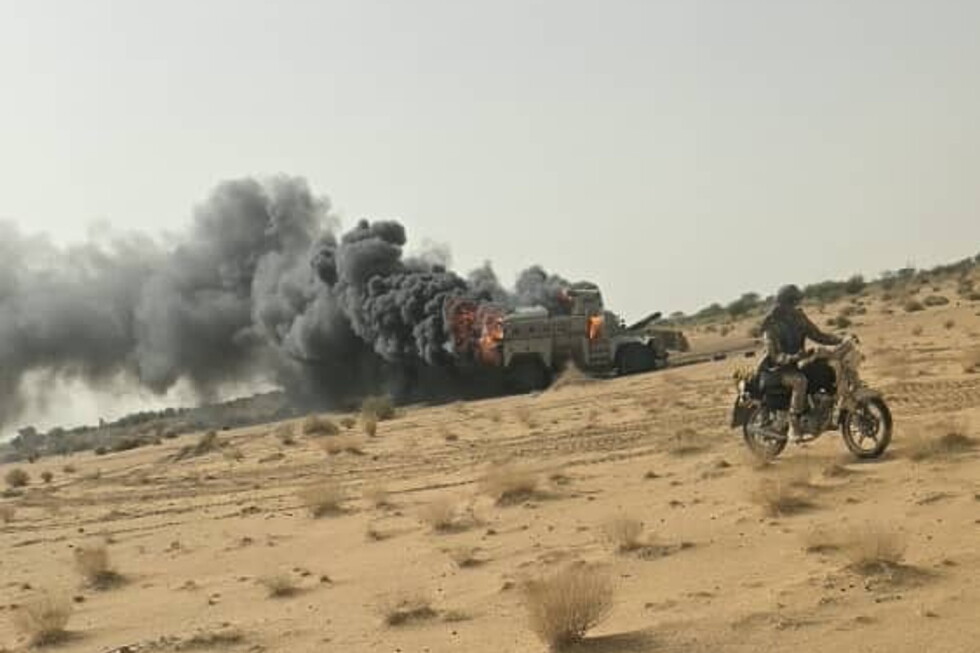
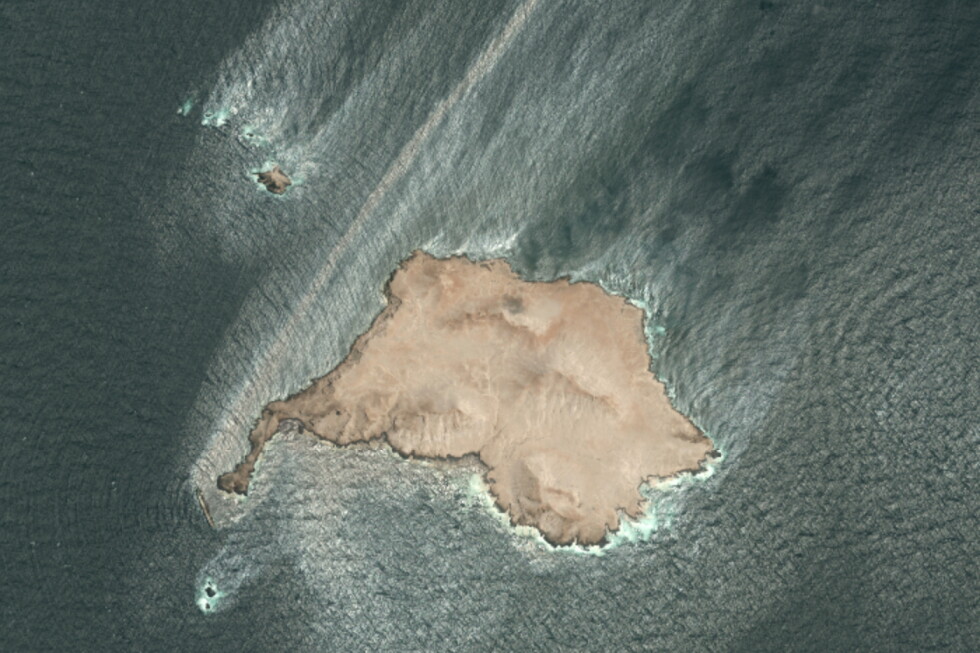
    A United Kingdom-based maritime emergency firm has been contracted to launch a high-stakes salvage operation for a grounded Russian shadow fleet tanker off Oman’s southwestern coast, where a rapidly expanding oil spill has already reached shore and threatens one of the region’s most biodiverse protected marine habitats.

    The 247-meter vessel, the Caroline Bezengi, has been stranded near Qabiliyah Island since early June, when an explosion of unknown origin disabled the tanker. The ship was carrying more than 800,000 barrels of Russian crude when it ran aground after departing Russia’s Black Sea port of Novorossiysk in May. Classified as part of Moscow’s shadow fleet of unregulated oil tankers, the Caroline Bezengi is currently sanctioned by both the British government and the European Union, and it remains unflagged with no clear confirmation of insurance coverage. Geospatial analysts link the vessel’s ownership to entities based in Shanghai, China.

    Over recent weeks, stormy conditions driven by the annual Khareef monsoon season, which peaks between July and August, have accelerated the spread of leaking oil from the damaged tanker. Satellite imagery confirms the spill has expanded exponentially across hundreds of square kilometers of ocean, and now the slick is increasingly encroaching on critical coastal ecosystems. On Wednesday, Omani environmental authorities confirmed oil has already reached the shore at Ras Madrakah, located more than 200 kilometers north of the grounded tanker. Officials warn the spill could travel another 100 kilometers further north to reach Masirah Island in the coming days. New satellite data also shows the Caroline Bezengi is slowly submerging, with experts warning that a full structural break or total sinking could release the vessel’s entire cargo, triggering what would be an unprecedented environmental catastrophe for the region.

    Ambrey, the London-headquartered maritime risk and response firm leading the operation, announced Thursday that its assessment team had already boarded the tanker with air support from Omani authorities to stabilize the vessel after completing an initial damage survey. In an official statement, Ed Wollaston, Ambrey’s global response director, described the operation as uniquely difficult, noting that ongoing monsoon storms have created exceptionally challenging working conditions. As of Thursday, the company had not released public estimates for either the timeline or total cost of the full salvage and cleanup effort.

    Environmental advocates warn that the spill’s spread to shore dramatically increases the long-term risk to ecosystems and complicates cleanup efforts. “It is extremely concerning that the oil has spread from an offshore spill to the shoreline where it can contaminate coastal sediments,” explained Hanen Keskes, a campaigner for global environmental organization Greenpeace. Once oil reaches coastal habitats, she noted, “cleanup becomes significantly more complex than containment at sea, and even after the visible slick is removed, environmental damage can persist for decades.”

    The Qabiliyah Island marine protected area at the center of the crisis is one of the Arabian Sea’s most ecologically important regions. It hosts fragile coral reef systems, extensive seagrass meadows, critical nesting grounds for endangered sea turtle species, and breeding habitats for dozens of species of migratory seabirds. The area is also one of the only known habitats for the rare and critically endangered Arabian Sea humpback whale. Compounding challenges, the remote location of the spill has very limited existing infrastructure, requiring additional safety protocols and complicating access for salvage and response teams, Keskes added.

    This oil spill crisis is not the only environmental emergency unfolding in the strategic Gulf region. Just across the Strait of Hormuz off Iran’s Qeshm Island, Iranian authorities are already working to contain a separate large oil spill, with blame for the incident remaining contested. Iranian officials have linked the spill to rising tensions between Iran and the United States and are demanding compensation for cleanup costs, but maritime tracking firm TankerTrackers.com published satellite evidence on social media platform X indicating the spill likely originated from an Iranian attack on a commercial bulk carrier off Oman’s coast, with the slick drifting across the strait to reach Iranian shores.

  • ‘How many will die?’: the mysterious ailment killing Kenyan elephants

    ‘How many will die?’: the mysterious ailment killing Kenyan elephants

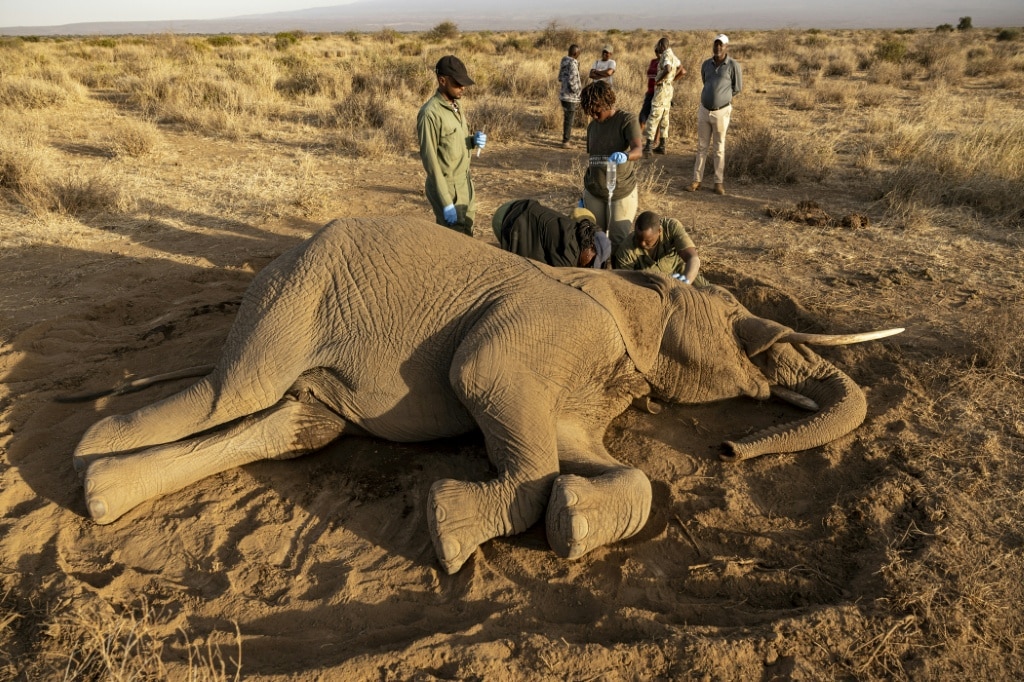
    Beneath the shadow of snow-capped Mount Kilimanjaro, one of Africa’s most iconic wildlife landscapes is now grappling with an unexplained crisis that has conservationists and local communities on edge. In Kenya’s Amboseli ecosystem, a still-uncharacterized ailment has claimed the lives of at least 19 elephants since June, leaving experts and local authorities at odds over what is triggering the deaths.

  • Four Canadian hockey stars remain suspended after sexual assault acquittal

    Four Canadian hockey stars remain suspended after sexual assault acquittal

    An independent appeals oversight body has delivered a landmark ruling in a high-profile Canadian ice hockey case, upholding lengthy suspensions for four former under-20 national team players who were acquitted of sexual assault charges last year, while clearing a fifth player for immediate reinstatement. The five players—Michael McLeod, Alex Formenton, Carter Hart, Dillon Dube, and Cal Foote—faced criminal charges stemming from a 2018 alleged sexual assault incident in London, Ontario, where the team had gathered for a gala. A Canadian court found all five not guilty of the charges in July 2025, after presiding justice Maria Carroccia ruled the complainant’s evidence was not credible or reliable. The case centered on whether the complainant, 20 at the time of the incident, had consented to all sexual activity that unfolded in a hotel room. The complainant testified she had initially agreed to sex with McLeod but became intoxicated, felt threatened, and did not consent to subsequent acts with other players; defense lawyers argued all players reasonably believed the complainant had consented to all interactions. Despite the criminal acquittals, the independent appeals board determined that four of the five players violated Hockey Canada’s official code of conduct, and recommended they remain suspended from all national federation-sanctioned activities, including international representation. Formenton, the fifth player, was also found to have broken conduct rules but will be reinstated immediately. The suspensions do not impact the players’ eligibility to compete in the National Hockey League, which operates independently of Hockey Canada and cleared all five players to sign new NHL contracts late last year following the league’s own separate investigation into the incident. The appeals board outlined staggered reinstatement timelines for the four suspended players: Cal Foote will become eligible to return to Hockey Canada programs this November 10, Carter Hart will have to wait until November 10, 2027, Dillon Dube until November 10, 2028, and Michael McLeod will not be eligible to return until November 10, 2030. Board officials have not released any explanation for the differing suspension lengths. The 8-year-old case has already had a lasting impact on Canadian sports culture, sparking a national reckoning over athlete safety and toxic culture in men’s elite hockey. Following Wednesday’s ruling, Canada’s Secretary of Sport Adam van Koeverden emphasized that the case’s legacy is tangible progress toward reform. “It is the voices of women and survivors, and the courage and bravery it takes to come forward, that have led to changes we are seeing in toxic culture,” van Koeverden said in a statement. He added that Hockey Canada has made meaningful progress addressing long-standing systemic failures within the organization, and stressed that all national sports governing bodies must be held accountable for maintaining safe, respectful environments for all athletes.

  • Watch: Venomous snake pulled from football helmet

    Watch: Venomous snake pulled from football helmet

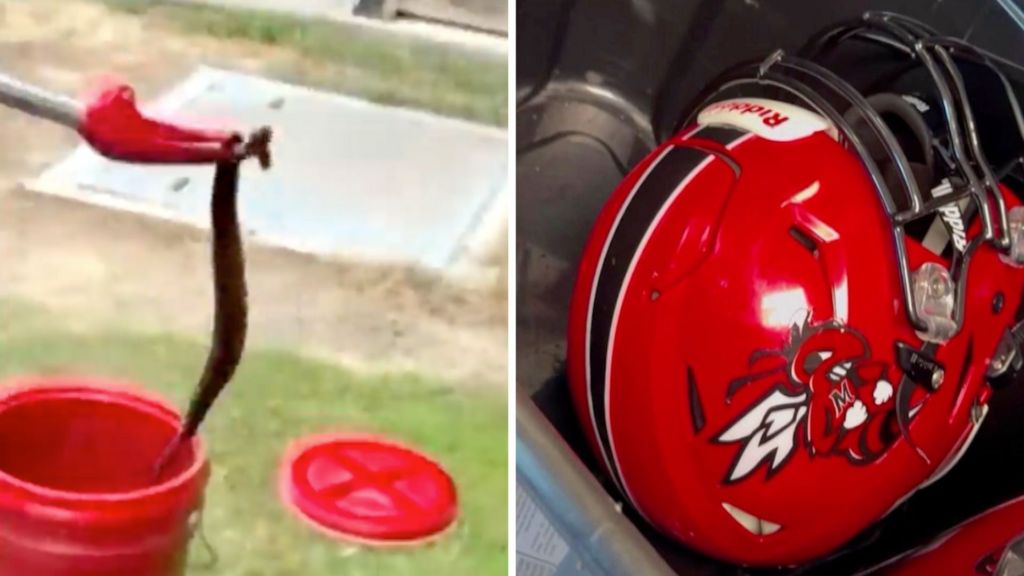
    A startling incident at a U.S. high school has put local sports communities on alert after a venomous cottonmouth snake was discovered concealed inside a student football player’s helmet. According to on-scene reports, the teenage athlete put on the protective gear ahead of team activities and wore it for nearly 60 minutes before anyone noticed the dangerous intruder tucked inside the hard shell.

    Coaches and team staff eventually spotted the snake and moved quickly to safely remove the venomous reptile from the helmet without incident. Miraculously, the student avoided any injury, escaping what could have been a life-threatening encounter with the venomous pit viper, which is native to wetland and forested regions across the southeastern United States.

    Local wildlife experts note that cooler seasonal temperatures often drive snakes to seek out warm, enclosed shelter, making stored sports equipment an unexpected target for wild creatures. Team officials have since announced new protocols for checking all gear before use to prevent similar surprises, reminding athletes and staff to remain vigilant when handling equipment that has been stored outdoors or in open sheds. The incident has spread widely on social media, with multiple outlets sharing video footage of the snake removal that has captured public attention nationwide.