博客

  • World shares mostly decline, hit by heavy selling of AI-related shares

    World shares mostly decline, hit by heavy selling of AI-related shares

    Global equity markets faced broad downward pressure on Wednesday, driven by a widespread selloff in artificial intelligence-linked stocks across Europe and Asia, as investors grew jittery over stretched valuations in the AI sector and layered macroeconomic risks.

    In European trading, losses were mixed but largely negative: Germany’s benchmark DAX index dipped 0.2% to close at 26,085.69, London’s FTSE 100 shed 0.2% to end at 10,707.36, while Paris’s CAC 40 bucked the regional trend with a 0.3% gain to 8,532.16. Futures contracts tracking Wall Street’s S&P 500 and Dow Jones Industrial Average held near flat, pointing to limited opening movement after U.S. markets closed lower a day earlier.

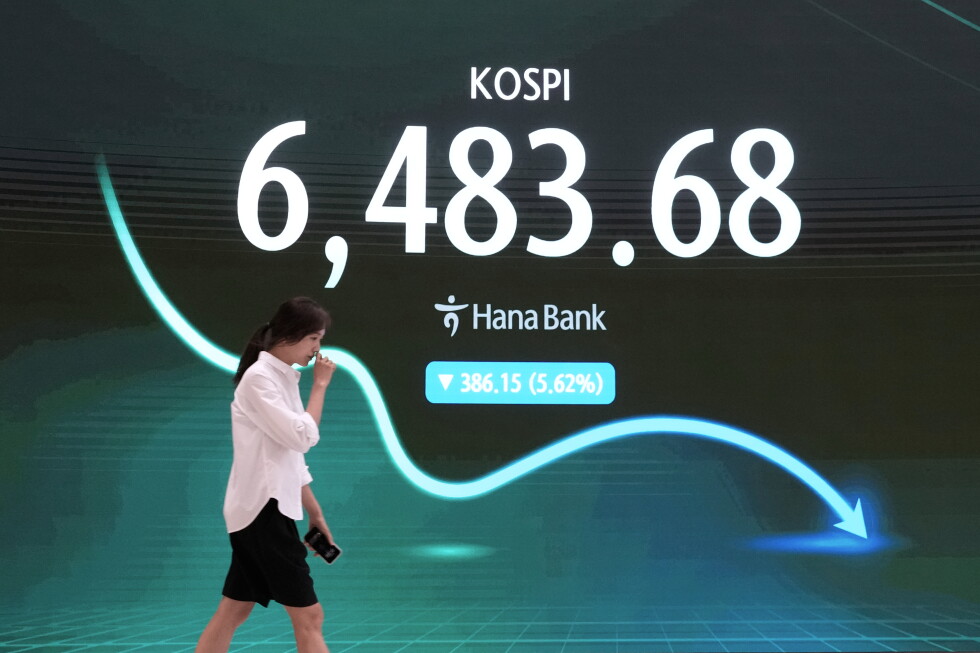
    Asian markets bore the brunt of the selling, with South Korea’s Kospi leading regional declines with a sharp 5.8% drop to 6,471.17. The two South Korean corporate giants that have reaped the biggest benefits from the AI boom followed steep losses from their U.S. tech and chipmaking peers: Samsung Electronics fell 7.8%, and leading memory chip manufacturer SK Hynix plummeted nearly 10% to end the session down 9.8%. Japan’s Nikkei 225 also tumbled 3.2% to 65,326.42, pulled lower by dual pressures of AI stock selling and growing market anxiety over rising government bond yields. The 10-year Japanese government bond yield has hovered near a 30-year high above 2.9%, as investors price in expectations that the Bank of Japan will soon lift its benchmark interest rate to tame persistent inflation.

    Mainland China’s Shanghai Composite Index fell 2.4% to 3,894.42, though the session brought one standout outlier: domestic humanoid robot manufacturer Unitree notched a historic trading debut on the Shanghai Stock Exchange’s STAR Market, the country’s tech-focused board modeled on the Nasdaq. The firm’s shares initially surged nearly 630% in early trading after raising roughly $900 million through its initial public offering, and closed the session still up a staggering 460%. By contrast, UBTech, another major Chinese humanoid robot maker listed in Hong Kong, dropped 10.7% on the day. Hong Kong’s Hang Seng Index posted a modest 0.1% gain to 25,495.07, while Taiwan’s Taiex fell 1.3% and Australia’s S&P/ASX 200 slipped 0.2% to 9,053.80.

    Multiple headwinds have combined to sour near-term market sentiment. First, investors have begun reassessing the sky-high valuations of AI-linked stocks, which have run up sharply over the past year amid the global AI boom. Market participants have grown increasingly concerned that projected demand for memory chips, processors and other core data center components could soften if the AI sector fails to deliver the outsized profits investors have already priced in. On Tuesday, that unease filtered through to Wall Street, pulling major indices further from their recent all-time highs: the S&P 500 lost 0.7% for its third consecutive modest loss, the Dow Jones Industrial Average dipped 0.2%, and the Nasdaq Composite sank 1.3%. Leading the U.S. selloff were the same big AI winners that have driven market gains for months: memory chip maker Micron Technology dropped 7% in the prior session, making it one of the heaviest drags on the S&P 500, while Nvidia fell 2.3% and Broadcom sank 3.2%.

    A second key pressure comes from volatile and rising oil prices, which have added to global inflationary worries. Crude markets have swung sharply amid ongoing geopolitical uncertainty over whether the U.S. and Iran will reach an agreement to reopen the Persian Gulf for unobstructed oil tanker traffic. On Wednesday, international benchmark Brent crude added 0.8% to $91.78 per barrel, up sharply from $72.87 per barrel shortly before the latest Middle Eastern conflict began. U.S. benchmark West Texas Intermediate crude gained 1% to $84.86 per barrel.

    Rising inflation expectations have in turn pushed government bond yields sharply higher, creating a third major headwind for equities. The 10-year U.S. Treasury yield edged down slightly to 4.70% on Wednesday from 4.72% late Monday, but it remains far above the 3.97% level recorded just before the outbreak of new hostilities in the Middle East. The 30-year U.S. Treasury yield also ticked slightly lower but still hovers near its highest level since 2007. High bond yields make investors less willing to pay premium prices for risk assets like stocks, particularly the richly valued tech and AI shares that have led market gains in recent years. They have also pushed the average long-term U.S. mortgage rate near its highest level in a year, crippling demand in the housing sector, and could slow Big Tech companies’ ability to borrow to fund new data center construction – a major engine of current U.S. economic growth.

    In currency markets, the U.S. dollar weakened slightly against the Japanese yen, falling to 159.11 yen from 159.61 yen in prior trading. The euro ticked higher against the dollar, rising to $1.1607 from $1.1577.

    Associated Press Business Writer Chan Ho-him in Hong Kong contributed reporting to this article.

  • Husband and mother-in-law charged over Indian bride’s death

    Husband and mother-in-law charged over Indian bride’s death

    Five months after her wedding, 33-year-old Indian model and actor Twisha Sharma was found dead at her matrimonial home in Bhopal, central India, on May 12, triggering a months-long nationwide media firestorm that has gripped public attention. Now, India’s top federal investigation agency, the Central Bureau of Investigation (CBI), has formally filed criminal charges against Twisha’s husband, Samarth Singh, a practicing lawyer, and her mother-in-law, Giribala Singh, a retired high court judge, on counts of abetment to suicide and domestic cruelty.

    The high-profile nature of the case has sparked extraordinary public interest across India, because the accused include a former member of the country’s judicial establishment — an institution that citizens widely expect to uphold standards of ethical conduct and public probity. Competing claims from the two sides over whether Twisha’s death was murder or suicide have kept the case on front pages and news cycles since May.

    Twisha, who won the Miss Pune beauty pageant in 2012, built a career spanning brand advertising, a starring role in a Telugu-language feature film, and later corporate marketing work. She first met Samarth Singh on a popular dating app in February 2025, and the pair tied the knot five months later that December, according to details included in the CBI’s 600-page chargesheet submitted to a local court last week.

    Twisha’s birth family has alleged that the couple faced escalating abuse from Samarth and Giribala almost immediately after marriage, driven by unmet dowry demands. Tensions boiled over in April, when Twisha discovered she was pregnant. Her family claims the in-laws publicly questioned Twisha’s character, falsely alleged the pregnancy was the result of an extramarital affair, and coerced her into undergoing an abortion in the first week of May. Just one week later, Twisha was dead.

    In its formal charges, the CBI has backed the core account of persistent abuse, writing that “due to continuous mental cruelty at the hands of both the accused, she was left with no option but to end her life.” The investigation document details that Samarth repeatedly used demeaning and derogatory language toward Twisha, while Giribala regularly encouraged her son to continue the emotional abuse. Both accused have remained in police custody since shortly after Twisha’s death: Samarth surrendered after a brief period when he could not be located, and Giribala was arrested within days of the death.

    The legal team for the Singh family has rejected all charges, arguing that investigators have uncovered no evidence to support the original claims of dowry harassment and murder. “The investigation has found no evidence of the earlier allegations of dowry harassment and murder… We have been saying this from the beginning but the media never listened to us,” defense lawyer Inosh George Carlo told the BBC. Giribala Singh has maintained that Twisha struggled with untreated mental health issues and died by suicide, adding that the pregnancy abortion was Twisha’s own personal choice, not a forced procedure.

    Weeks after Twisha’s death, Giribala sparked widespread public outrage when she held an unsolicited press conference and gave multiple media interviews where she publicly discussed her late daughter-in-law’s mental state and made derogatory comments about her personal character. When pressed to explain a dismissive reference to Twisha as “liberal,” the retired judge clarified the term to mean promiscuous, a claim that Twisha’s father called a deliberate, posthumous smear campaign against his daughter.

    Ankur Pandey, the lawyer representing Twisha’s birth family, noted that the abetment to suicide charges formalized in the CBI chargesheet mean the agency has provisionally classified Twisha’s death as a suicide driven by abuse. The CBI has also requested the court’s approval to continue ongoing investigation, leaving open the possibility that additional suspects could be named or new charges added in a supplementary filing if further evidence comes to light.

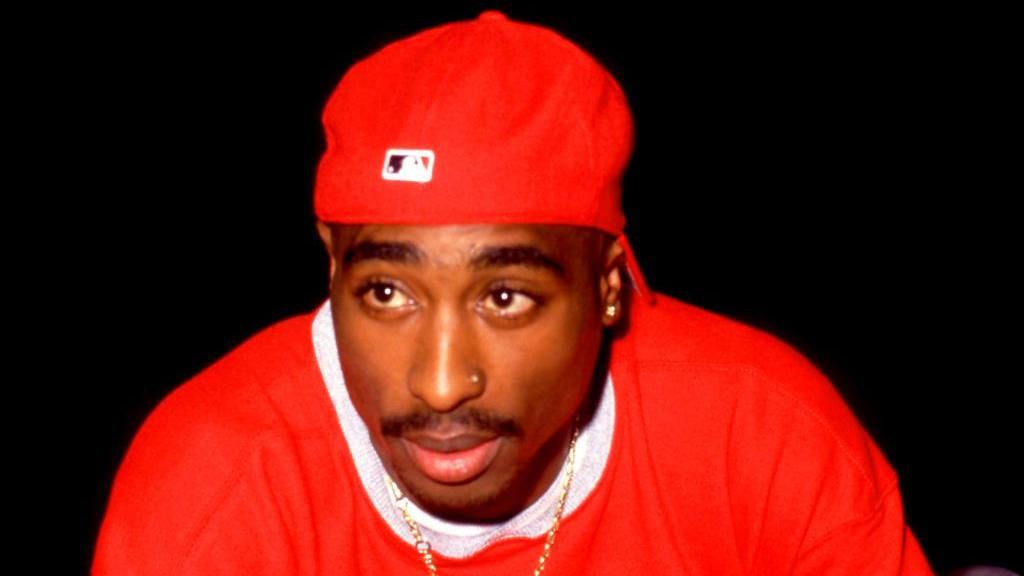
  • Witness gets combative in Tupac murder trial – ‘I don’t want to send him to prison’

    Witness gets combative in Tupac murder trial – ‘I don’t want to send him to prison’

    Thirty years after the fatal drive-by shooting that left legendary West Coast rapper Tupac Shakur dead at 25, one of the highest-profile unsolved murder cases in American modern history finally reached its trial phase – and on the second day of proceedings, a key witness from Shakur’s own inner circle openly defied the court, citing long-held street gang loyalties that have defined the case from its beginning.

    James “Mob James” McDonald, a former enforcer for Shakur’s label Death Row Records and member of the Mob Piru Bloods gang, was openly combative during his testimony Tuesday, decrying court orders forcing him to take the stand and identify the parties responsible for Shakur’s 1996 killing. He told the court he was explicitly threatened with contempt of court sanctions if he refused to testify, prompting him to request that he be formally treated as a hostile witness over his repeated refusal to answer key questions from legal teams.

    The defendant at the center of the trial is Duane “Keffe D” Davis, a former South Side Compton Crips leader who stands charged with orchestrating Shakur’s murder. Davis has maintained his innocence and entered a formal not guilty plea. Prosecutors argue Davis planned the September 7, 1996, shooting in retaliation for a fight between Shakur and Davis’s nephew, Orlando Anderson, that unfolded earlier that same night outside a Las Vegas boxing match featuring Mike Tyson. Prosecutors contend Davis believed the attack on his nephew could not go unanswered, setting the stage for the killing that shook the 1990s hip-hop world.

    McDonald’s refusal to cooperate is rooted in the street culture and gang dynamics that shaped the 1990s Los Angeles hip-hop scene, a period when entrenched street codes banned cooperation with police, and widespread distrust of law enforcement ran deep in Black communities in the wake of the brutal Rodney King police brutality case and the 1992 Los Angeles riots. Even Shakur, while he was being transported to an ambulance after the shooting, refused to speak to investigators about the attack, telling officers “we’ll take care of it” before dying six days later in a local hospital.

    When pressed repeatedly by Davis’s defense attorney Michael Sanft to confirm what he knew about who was present at the shooting and who bore responsibility, McDonald openly pushed back. Pointing directly at Davis, he told the court: “You’re asking me something that wouldn’t be good for him. I’m not going to send him to prison, you are.” He later added, under oath: “I don’t want to send him to prison, even though we don’t like each other. I don’t want to send you to prison.”

    Though McDonald confirmed he was not present in the vehicle with Shakur when the shooting occurred, he acknowledged that members of the rapper’s entourage who were on the scene quickly identified the responsible parties in the immediate aftermath. He testified that the killing was a product of a brutal 1990s gang war, noting: “It was a gang war. People were getting hurt. People were being sought. Orlando (Anderson), him and certain other people were being sought because people wanted to kill them.” When his testimony concluded, he addressed Davis directly: “What you are going through brother is what you going through. I don’t want to be a part of it.” Davis remained expressionless, seated at the defense table through most of the day’s testimony.

    Also testifying Tuesday was Reggie Wright Jr., a former member of Shakur’s security detail who later became general manager of Death Row Records after Suge Knight, the label’s founder who was in the car with Shakur during the shooting, stepped back from the company. Davis has previously attempted to shift blame to Wright, a former Compton police officer, and the defense team pressed Wright on his role at the label and his rise to power after Knight left the company.

    The case only moved forward decades after Shakur’s death after Davis gave multiple public statements about his alleged role in the killing, including co-writing a memoir where he admitted he was a passenger in the vehicle from which the fatal shots were fired and had supplied the gun used in the attack. Davis has since walked back those claims, arguing that portions of the book were fictionalized by his co-author to boost sales. The trial is set to resume Wednesday, with ongoing proceedings covered in the BBC podcast *Fame Under Fire: The Tupac Murder Trial* available on all major podcast platforms.

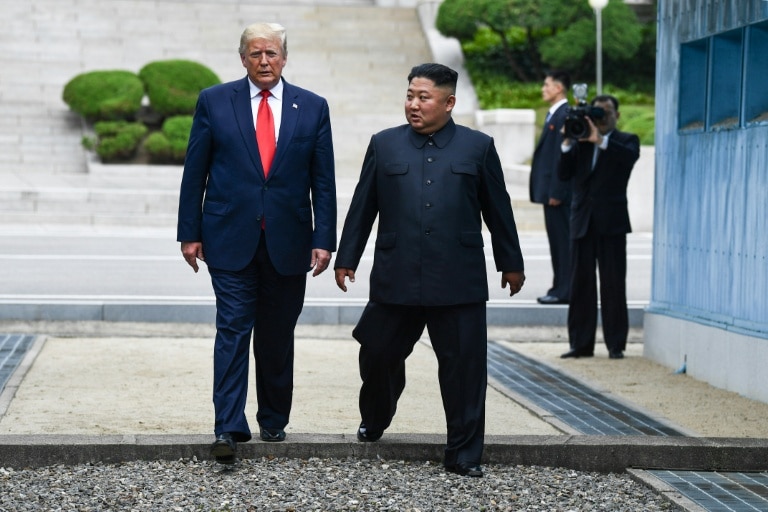
  • US, South Korea cut drills short after Trump criticism

    US, South Korea cut drills short after Trump criticism

    In a sudden, high-profile shift to long-planned regional military planning, the United States and South Korea have announced an early end to their annual joint defense exercises, cutting the training schedule by roughly one week following direct intervention from former US President Donald Trump. Trump’s order to scale back the drills, which he called “inappropriate and hostile,” has reshaped diplomatic dynamics on the Korean Peninsula just weeks before key US elections, and drawn mixed reactions from regional analysts and North Korean officials.

    Trump first made his intervention public on social media platform Truth Social this past Sunday, just one day before the Ulchi Freedom Shield exercises were set to kick off. The former president argued that the drills were an unnecessary provocation of North Korea, noting that he maintains a positive, constructive personal relationship with North Korean leader Kim Jong Un. In his comments, Trump framed the curtailment as a step that makes the entire region “much safer” through diplomatic outreach, rather than military posturing.

    Even before the early end was announced, Pyongyang’s state-controlled media released a sharp condemnation of the drills on Wednesday, framing the annual exercises as the “most immediate and open threat” to both North Korean sovereignty and broader regional security. Notably, the commentary made no mention of Trump’s order to scale back the training, or his stated interest in restarting bilateral talks with Kim Jong Un — a choice that regional experts say is a deliberate diplomatic tactic.

    Shortly after North Korea’s statement was released, South Korea’s Joint Chiefs of Staff confirmed that the drills would conclude this Friday, rather than the originally scheduled end date of August 27. In an official statement, the Joint Chiefs said, “We have decided to adjust the UFS exercise period to run from the 17th to the 21st,” adding that the change came “at the suggestion of the US side.”

    The US Pentagon clarified in its own response that the revised drills are “substantially reduced” in scope, but maintained that the truncated schedule still preserves essential combat readiness for both US and South Korean forces, with “no degradation to US training objectives.” The Ulchi Freedom Shield exercises, which have been held for decades, are designed to prepare allied forces for a potential offensive from North Korea, and were originally structured in two phases. The first phase, focused on defensive operations against potential North Korean incursions, was already scheduled to end Friday. The second phase, which centered on planning for allied counteroffensive operations, was set to run from August 24 to 27, and has now been fully scrapped.

    A senior South Korean military official told Agence France-Presse that the sudden change to the long-planned exercise schedule is viewed as “unusual” by Seoul’s defense establishment. North Korea, which has developed an operational nuclear weapons program, has repeatedly decried the joint drills for decades, framing them as a covert rehearsal for a full-scale invasion of the North.

    Regional experts say North Korea’s choice to ignore Trump’s order in its official statement is a calculated strategic move. Hong Min, a senior researcher at the Korea Institute for National Unification, explained to AFP that Pyongyang is deliberately acting “as if completely unaware of” Trump’s comments. Hong noted that acknowledging the US move would imply a degree of mutual understanding between the two sides, while feigning ignorance allows North Korea to keep the issue of joint exercises as a key bargaining chip for any future negotiations with Trump.

    Seoul’s presidential office attempted to ease tensions earlier this week, releasing a statement affirming that the drills do not reflect “any intention to attack North Korea or escalate tensions on the Korean peninsula.” Trump has repeatedly claimed that his personal rapport with Kim Jong Un has made the region more stable, and confirmed earlier this month that Kim has responded to his outreach for new talks, describing the initial exchanges as “very positive” — though he has offered no further details on the content of the communications.

    Many regional foreign policy analysts speculate that the push to cut drills and restart talks is tied to upcoming November US elections, with Trump seeking a high-profile foreign policy win to burnish his diplomatic legacy. The Wall Street Journal reported Tuesday, citing unnamed senior US officials, that Trump has directed his aides to arrange a new meeting with Kim Jong Un as early as this autumn.

    Park Won-gon, a professor of international relations at Ewha Womans University, told AFP that scaling back the joint exercises improves the odds of successful US-North Korea dialogue. “The suspension of joint exercises has always been a prerequisite for North Korea to engage in dialogue with the US,” he explained.

    Trump and Kim held three historic in-person summits during Trump’s first term in the White House, but no formal talks have been held since Trump began his second term. The US currently stations roughly 28,500 troops in South Korea, a security commitment that dates back to the 1950-1953 Korean War, which ended in an armistice rather than a formal peace treaty, leaving the Korean Peninsula technically divided. Trump has repeatedly criticized longstanding US alliance commitments in the region, raising repeated doubts about Washington’s commitment to East Asian security and causing unease among regional US partners.

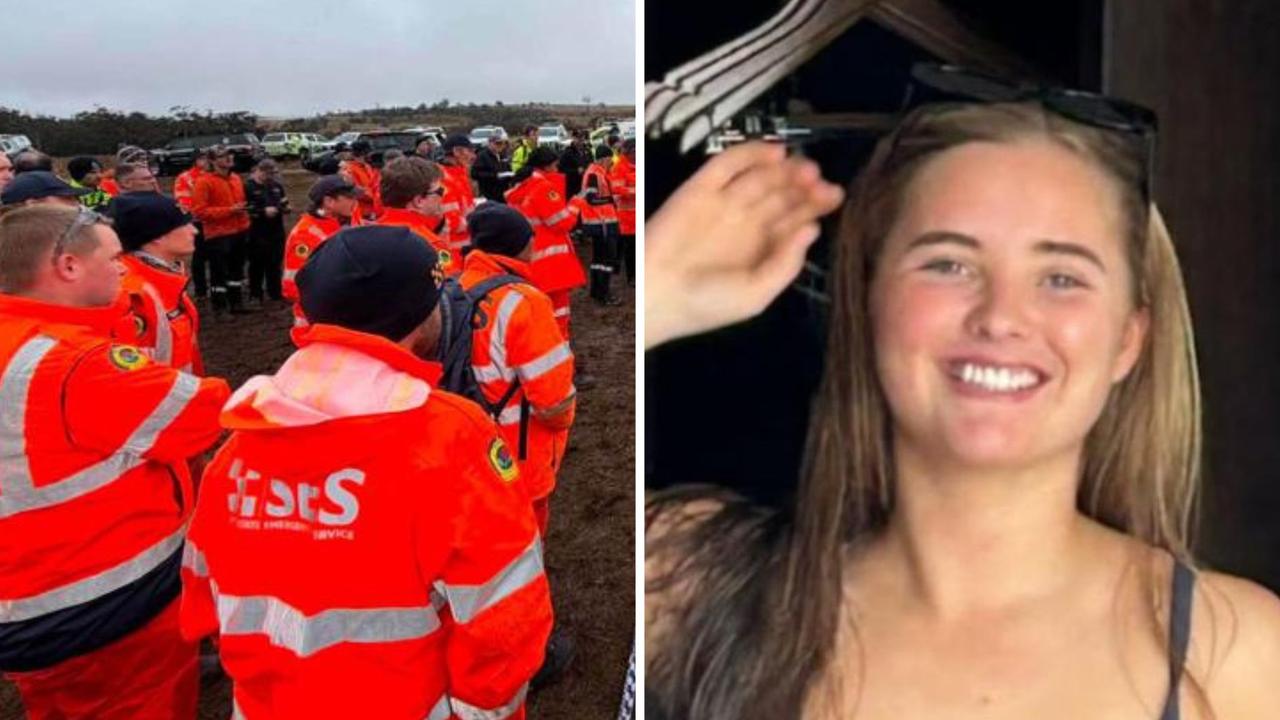
  • ‘Bring Lily home’: Desperate search for missing teen hiker in NSW Southern Highlands enters seventh day

    ‘Bring Lily home’: Desperate search for missing teen hiker in NSW Southern Highlands enters seventh day

    A massive coordinated search operation, now entering its seventh day, is underway across the rugged Nattai National Park in Australia’s Southern Highlands for 18-year-old experienced hiker Lily Hooper, who vanished during a solo day trip last week.

    According to official records, Hooper left her family home in Oakdale around 8 a.m. last Wednesday, informing her relatives that she planned to hike the popular trails at Nattai National Park. When she failed to return by 10 p.m. that same day, her family raised the alarm, prompting an immediate search response. By 11 p.m., search teams located Hooper’s parked car on Wanganderry Road, just near the trailhead of the Bonnum Pic Walking Trail, confirming she had entered the wilderness as planned.

    What began as a local search effort has rapidly expanded into one of the largest regional search operations in recent memory, bringing together multiple specialist agencies to tackle the harsh terrain. On the seventh day of the search, close to 100 Australian Defence Force personnel joined the effort, bringing the total number of active on-site search and rescue professionals and defence personnel to 200. An additional 260 volunteers from the State Emergency Service (SES) are also supporting ground operations. The search force includes specialist units from NSW Police ranging from Polair aviation, dog squad, mounted units, trail bike teams and rescue divisions, alongside the Rural Fire Service, Fire and Rescue NSW, the National Parks and Wildlife Service, NSW Ambulance, and the Westpac Lifesaver Rescue Helicopter service with additional airborne search assets.

    Search commanders have warned that the operation faces significant geographic challenges. In a public statement, the NSW SES Wollondilly Unit noted that search crews are forced to navigate through thick, overgrown tree canopies, sharp cliff drops, and some of the most exceptionally rugged terrain in the region. A unified forward command post has been established at High Range to coordinate persistent, around-the-clock search efforts across both ground and air, with the single core goal of bringing Hooper home safely.

    For Hooper’s family, the week-long wait has been an overwhelming ordeal. In a heartfelt public statement, the family described themselves as absolutely devastated by their daughter’s disappearance. “We desperately want to bring Lily home safe and we ask as the search continues, to keep our family and Lily in your thoughts,” they said, adding that they were deeply grateful for the tireless work of all emergency personnel and volunteers. The family also requested that well-meaning community members refrain from joining search efforts directly, asking that only trained professional teams operate in the hazardous terrain to avoid additional risk.

    Emergency officials have echoed that request, while urging local residents and travelers to remain alert for any signs of the missing hiker. Authorities are asking anyone who lives in or traveled through the High Range, Southern Highlands, or Bonnum Pic trail areas in the past week to review private dashcam footage, home CCTV recordings, and check the boundaries of rural properties and isolated outbuildings for any unusual activity. At the same time, they stressed that untrained members of the public should not enter the backcountry to search, due to the high risk of injury in the unforgiving landscape.

    The head of the state’s peak bushwalking body has pushed back against online speculation that has labeled Hooper reckless for hiking solo as a young woman. Jessie Burke, president of Bushwalking NSW, noted that there is still no public information about what circumstances led to Hooper’s disappearance, or how well she was equipped for the conditions. “It’s important for people not to assume things. We don’t know the circumstances, we don’t know how well equipped Lily was – we just don’t have those answers,” she said.

    Burke added that negative commentary about solo female hiking is unfounded, pointing out that the majority of Bushwalking NSW’s 11,000 members are women who regularly hike solo, and that the activity is not inherently dangerous. “She’s gone out to have a good day walking, and whatever has happened has happened,” Burke said, rejecting claims that Hooper acted recklessly on her trip. As of Thursday, the search operation remains active, with crews continuing to comb the remote wilderness for any trace of the missing teen.

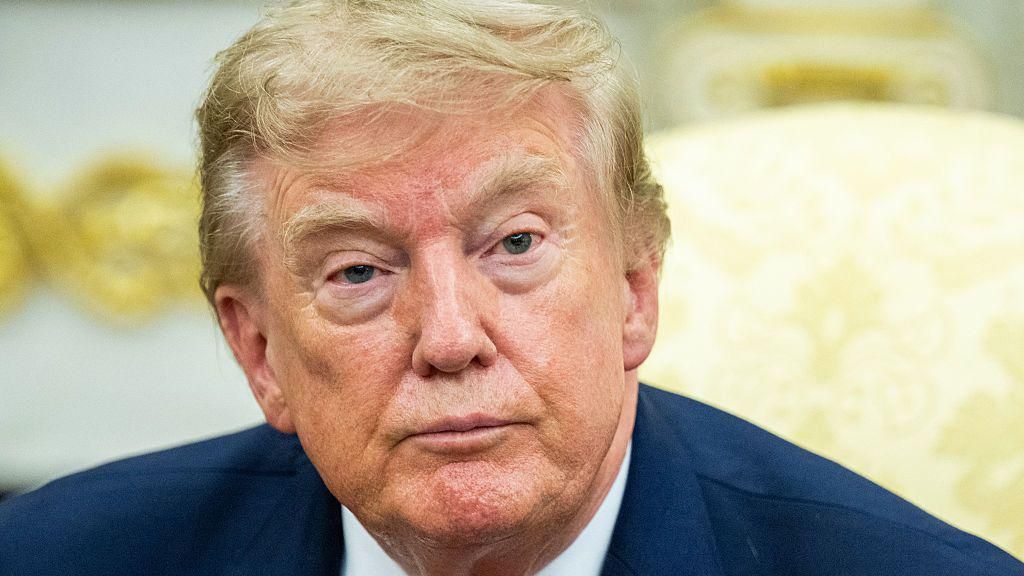
  • Trump pauses new tariffs on Canada and says countries close to a deal

    Trump pauses new tariffs on Canada and says countries close to a deal

    U.S. President Donald Trump has announced a last-minute three-day delay to 50% tariffs on nearly $20 billion worth of Canadian imports, revealing that the two North American neighbors have reached a tentative trade agreement pending final document formalization. The tariff pause was unveiled in a social media post less than two hours before the levies were scheduled to take effect on August 19, averting immediate economic disruption for cross-border businesses on both sides of the Canada-U.S. border.

    Negotiators from both countries have engaged in months of intensive talks since July, when Trump set the August 19 deadline for new tariffs amid a long-running trade impasse. The core sticking points in negotiations have included existing U.S. tariffs on Canadian steel, aluminum, lumber and automobiles, as well as retaliatory bans on American alcohol sales implemented by most Canadian provinces last year in response to Trump’s earlier tariff measures. President Trump and Canadian Prime Minister Mark Carney held two direct discussions this week to break the deadlock in negotiations.

    Alongside the tariff delay announcement, Trump confirmed that a finalized trade deal could clear the way for the revival of the long-blocked Keystone XL oil pipeline project. The 830,000-barrel-per-day pipeline, which would transport crude oil from Alberta’s oil sands to refineries and distribution networks in the United States, was previously blocked by both the Obama and Biden administrations. Trump drew sharp contrast to his predecessor in his post on Truth Social, writing that the “great Keystone XL Pipeline, long ago killed by Sleepy Joe Biden, may be awoken from the grave!” The project has faced sustained opposition from environmental advocacy groups and Indigenous communities over concerns about carbon emissions and ecological harm, but Trump has repeatedly pledged to restart development since taking office.

    Business groups on both sides of the border have welcomed the temporary tariff extension and breakthrough in talks, having repeatedly warned that the proposed 50% levies would inflict widespread economic damage on both nations. The tariffs were set to apply to a broad range of Canadian goods, including wine, dairy products, cement, clothing and even hockey equipment, and would have come on top of existing U.S. tariffs already in place for key Canadian exports.

    Trade tensions have escalated dramatically between the two top trading partners since Trump returned to the White House in January last year, when he launched a global agenda of sweeping tariffs that upended decades of established integrated free trade between Canada and the United States. Canada has centered its negotiation demands on getting the U.S. to roll back or eliminate existing tariffs on its key industrial and agricultural sectors, while the U.S. has pushed for Canadian concessions including the removal of remaining retaliatory tariffs on American automobiles, expanded access for U.S. cheese producers to Canada’s dairy market, and an end to the Canadian provincial ban on U.S. alcohol sales.

    According to a Reuters report citing anonymous sources familiar with the negotiations, negotiators were closing in on a deal in the final hours before the original deadline that would cut U.S. tariffs on Canadian automobiles from 25% to 15%. However, the two sides remained at an impasse over eligibility criteria, with U.S. negotiators pushing to limit the reduced tariff rate only to vehicles with a high proportion of American-manufactured components.

    A key hurdle to finalizing any agreement remains the need for Canadian Prime Minister Carney to secure approval from provincial premiers to lift the U.S. alcohol ban, as liquor regulation and sales fall under provincial rather than federal jurisdiction in Canada. Ontario Premier Doug Ford, whose province bears the brunt of U.S. auto tariffs, has stated he is only willing to lift the ban if the final agreement delivers fair terms for Canada. The U.S. Chamber of Commerce, the country’s largest business advocacy group, issued a statement Tuesday urging negotiators to finalize a deal, warning that higher tariffs would harm both economies, raise household costs for American consumers, disrupt critical cross-border supply chains, and put the 13 million American jobs tied to USMCA trade at risk.

  • Iranian-American comedian Max Amini sparks backlash over ‘species’ remarks on Iranian people

    Iranian-American comedian Max Amini sparks backlash over ‘species’ remarks on Iranian people

    A controversial public appearance on Bill Maher’s popular podcast *Club Random* has landed Iranian-American comedian Max Amini at the center of a heated online firestorm, after his dehumanizing comments about groups fighting the United States and Israel sparked widespread outrage across social media platforms.

    In the episode, which was released to the public on August 17, Amini attempted to draw a sharp line between Iran’s ruling government and the country’s general population, claiming that ordinary Iranian citizens bear no connection to the leadership’s policies. “We are not our government. Those are not our people… because the people that are fighting today against the US and Israel are not the Iranians. They are this species that have no sense of morals,” Amini stated during the conversation. He also echoed former U.S. President Donald Trump’s framing of the ongoing conflict, asserting that Washington’s military campaign targets only Iran’s governing establishment, not its civilian population.

    Clips of Amini’s remarks spread virally across major social media platforms within hours of the episode’s release, drawing angry pushback from Iranian users and other commentators across the globe. Many critics accused the comedian of dehumanizing Iranians and implicitly legitimizing U.S. and Israeli military strikes that have killed thousands of civilians in Iran. Online critics have labeled Amini a “sellout” to Western interests, with many calling for widespread boycotts of his work. Some commentators also pointed out that Amini has barely maintained proficiency in Farsi, the official language of Iran, and has not visited the country for decades, questioning his credibility to speak on behalf of Iranian people.

    The controversy also renewed scrutiny of the podcast host, Bill Maher, who has a long track record of making inflammatory and controversial statements about Islam and Muslim communities. Maher has repeatedly argued that core Islamic beliefs are fundamentally incompatible with modern liberal values, a position that has sparked major public confrontations for years. One of the most high-profile clashes occurred during a 2014 episode of Maher’s HBO show *Real Time*, when Maher and author Sam Harris faced pushback from guest Ben Affleck after they claimed Western liberals were overly hesitant to criticize Islam over topics including women’s rights, LGBTQ+ rights, and freedom of expression. Affleck publicly denounced the pair’s comments as “gross” and “racist” overarching generalizations about Muslims. Maher has continued to defend his views over the years, claiming his criticism targets only religious doctrine rather than Muslims as an ethnic or cultural group. Even so, his repeated remarks have drawn consistent condemnation for promoting broad, harmful stereotypes about Muslim people and majority-Muslim nations.

    The backlash to Amini’s comments comes against the backdrop of an ongoing active conflict that has roiled the Middle East. The United States and Israel launched a joint military campaign against Iran on February 28, carrying out extensive airstrikes across Iranian territory, which prompted retaliatory strikes from Iran against Israeli targets and U.S. military positions across the region. While Trump has repeatedly framed the military operation as targeting only Iran’s government and military forces, not civilian populations, the assault has already caused massive civilian casualties, contradicting that framing.

    By March 23, just under a month after the war began, the U.S.-based Human Rights Activists News Agency recorded that at least 1,407 Iranian civilians had been killed in the strikes. Iranian authorities later released an overall death toll of 3,468 people across all categories since the start of the conflict on February 28. Civilian infrastructure and public spaces have been repeatedly hit in strikes, with one of the deadliest incidents being the bombing of the Shajareh Tayyebeh primary school in the southern Iranian city of Minab on the first day of the war. Middle East Eye originally reported that at least 175 people, the vast majority of them children, were killed in that attack, which has been investigated by both the United Nations and the U.S. military. U.S. investigators reportedly concluded that an American strike was most likely responsible for the bombing, and Iranian authorities later revised the official death toll from the attack to 155.

    The heavy civilian death toll has undermined repeated claims from U.S. and Israeli officials that the military campaign is limited exclusively to Iranian leadership and military assets, as ordinary Iranians continue to account for a large share of those killed and injured in strikes across the country.

  • US mulls shrinking military footprint in Gulf as a result of war on Iran: Report

    US mulls shrinking military footprint in Gulf as a result of war on Iran: Report

    In the wake of the ongoing U.S.-Israeli campaign against Iran, the Trump administration is conducting a high-stakes review of whether to withdraw a substantial portion of American military forces from the Persian Gulf, as the Pentagon assesses growing security risks to large U.S. military installations that have come under repeated drone and missile strikes from Iranian forces, according to a recent exclusive report from The Washington Post.

    The policy review is being spearheaded by the Department of Defense’s policy office, with senior defense officials framing the current conflict as a generational turning point that creates an unprecedented opportunity to overhaul the United States’ decades-long military posture in the Middle East, the Post reported Tuesday. Early signals from the administration already indicate the U.S. may not reconstruct Iranian-attacked bases to their pre-war operational capacity, the outlet added.

    The Post’s new reporting corroborates an exclusive investigation published by Middle East Eye (MEE) in June, which quoted multiple current and former senior U.S. officials confirming that the conflict would prompt a fundamental reckoning with the outdated Cold War-era basing structure that has anchored American military presence in the region for decades. Discussion of a significant drawdown has been circulating among former national security leaders for months, with multiple retired top officials publicly calling for a major shift in deployment strategy.

    David Petraeus, who previously led U.S. Central Command (Centcom) — the military combatant command that oversees all American forces in the Middle East — and later served as CIA director, told Bloomberg in May that the persistent threat of long-range Iranian drone and missile attacks has fundamentally undermined the case for maintaining large, static bases in the Gulf. “The truth is that we are not as inclined to occupy these bases now that we have seen what the Iranians can throw at them,” Petraeus said, noting that the current threat landscape is far more severe than when he led Centcom decades earlier.

    Another former Centcom commander, retired General Frank McKenzie, doubled down on that assessment in July, arguing that the U.S. should relocate core Gulf-based military assets to Israel and other western neighboring countries to shield critical infrastructure from Iranian strikes. McKenzie pointed to al-Udeid Air Base in Qatar — which currently hosts Centcom’s forward headquarters just 100 miles from Iranian territory — as a major strategic vulnerability, saying, “No one in their right mind would ever put the Centcom forward headquarters […] yet that’s where it is.”

    McKenzie characterized the current U.S. basing network in the Middle East as a Cold War-era relic, designed initially to deter Soviet expansion into the oil-rich Gulf and later adapted for counterinsurgency campaigns in Iraq and Afghanistan, a mission that no longer matches the current threat environment dominated by Iranian long-range strike capabilities. “[The U.S.] strategy does not match the reality on the ground,” he added.

    Notably, even the current top Centcom leader, U.S. Admiral Bradley Cooper, has thrown his support behind discussions of shifting American military forces westward away from the Gulf, the Post reported. So far, shifting threat dynamics have already pushed a partial U.S. repositioning: Iran has systematically targeted key U.S. installations across the Gulf, including Bahrain (home to the U.S. Fifth Fleet), Qatar (Centcom headquarters), and major air bases in Kuwait and the United Arab Emirates.

    Smaller Gulf states positioned close to Iran, such as Kuwait and Bahrain, have proven to be the most exposed to Iranian attacks, prompting the U.S. to begin gradual repositioning westward since the outbreak of the current conflict. MEE was the first outlet to report that the U.S. secured access to Taif Air Base in Saudi Arabia back in March, after Iranian strikes heavily damaged Prince Sultan Air Base located southeast of Riyadh.

  • Chinese robotics giant Unitree soars in stock market debut

    Chinese robotics giant Unitree soars in stock market debut

    On Wednesday, Unitree Robotics, the world’s largest manufacturer of humanoid robots, made history as the first publicly listed humanoid robot developer on mainland China’s stock exchange, capping a landmark day with shares skyrocketing more than 600% above their initial offering price. Trading on Shanghai’s tech-focused Star Market, often dubbed China’s answer to Nasdaq, the Chinese firm opened at 1,100 yuan ($163.12) per share, a massive jump from the 150.8 yuan initial public offering (IPO) price. The milestone debut comes amid an intensifying global race between the United States and China to dominate the fast-emerging market for humanoid robots and the artificial intelligence systems that power these machines, aligning directly with Beijing’s long-term strategic goal to establish global leadership in advanced robotics technology.

    Founded in 2016 and headquartered in Hangzhou, a city at the heart of eastern China’s government-backed robotics industry cluster, Unitree Robotics (officially registered as Yushu Technology Co Ltd) has grown from a startup to a global industry leader in less than a decade. The company offers a diverse product line spanning robotic sensors, automated industrial arms, quadruped robot dogs, and fully functional humanoid machines, and it shipped more than 5,500 humanoid units in 2025 alone amid surging global demand for the technology. Unlike many early-stage robotics firms that operate at a loss, Unitree has already achieved profitability, posting a net profit of 278 million yuan in 2025. A key competitive advantage for the firm is its ability to deliver robots with comparable capabilities to leading U.S. developers at a fraction of the price: Unitree’s entry-level quadruped robot dog starts at just $2,700, while Boston Dynamics’ comparable Spot robot carries a $70,000 price tag. While researchers note the models differ in size and capability, the cost gap remains a major market differentiator. Unitree launched commercial sales of humanoid robots in 2023, releasing its $13,500 child-sized G1 model in 2024 – a milestone that puts it years ahead of major U.S. rivals like Tesla, which has yet to begin commercial deliveries of its own Optimus humanoid robot.

    The successful IPO follows a high-profile global marketing push for Unitree’s technology that has cemented its reputation as a trailblazer in the sector. Earlier this year, the company’s G1 robots went viral after performing a coordinated martial arts routine live on China’s national Spring Festival Gala, a display that impressed researchers with the robots’ fluid range of motion and real-time performance. This week, Unitree robots are competing in the 2026 World Humanoid Robot Games in Beijing, where hundreds of teams test capabilities across athletic challenges like running and football, as well as practical everyday tasks such as opening boxes and sorting library books.

    Industry analysts frame Unitree’s public listing as a pivotal moment for the global humanoid robotics sector, as it gives retail and institutional investors their first widespread opportunity to invest in the fast-growing emerging industry, and will likely set a valuation benchmark for future robotics IPOs. China has seen explosive growth in its robotics sector over the past five years, with government investment driving a more than threefold increase in the number of domestic robotics firms between 2020 and 2024, according to state-run media China Daily. Beyond technological ambition, Chinese policymakers see robotics as a key solution to demographic challenges, particularly the shrinking workforce caused by the country’s ageing population. Fei Qin, an associate professor at the University of Bath, notes that Beijing has designated the robotics sector a “strategic priority,” arguing that “robots are where AI leaves the screen and enters the economy” across factories, healthcare settings, and eventually residential homes. Unitree’s listing paves the way for a wave of other Chinese robotics firms going public in the coming months; smaller rival UBTech Robotics already listed in Hong Kong nearly three years ago, and drew global attention earlier this year when it unveiled a hyper-realistic humanoid companion robot, with other developers including Leju Robotics and AgiBot expected to launch IPOs soon.

    Despite widespread investor optimism, some industry researchers have sounded notes of caution about the timeline for widespread consumer adoption of humanoid robots. Harold Soh, a robotics researcher at the National University of Singapore, points out that practical humanoid robots for home use are still years away from commercial viability, as developers still need to solve key challenges including extending battery life, improving reliability, and building robust privacy safeguards. For the near future, most demand is expected to come from industrial and commercial settings including factories, warehouses, and healthcare facilities.

    The growth of China’s robotics industry has become the latest flashpoint in U.S.-China technological rivalry, with the Trump administration announcing a ban on new imports of Chinese-made humanoid and quadruped robots in July, citing unsubstantiated national security concerns and a goal to protect domestic U.S. manufacturing. Beijing has rejected the claims, accusing Washington of politicizing ordinary trade issues, and the ban is part of broader U.S. restrictions on a range of Chinese advanced technology including AI models, electric vehicles, semiconductors, and drones. Christine Wan, an analyst at the Peterson Institute for International Economics, notes that Chinese robotics firms have become deeply integrated into global supply chains, meaning many countries are reluctant to cut ties with Chinese suppliers out of fear of major domestic manufacturing disruptions. So far, Western robotics firms have failed to match China’s impact on both industrial and consumer markets: U.S. developers including Boston Dynamics, Tesla, and Amazon are still in the testing or early production phase for humanoid robots, with full commercial rollouts not expected for years. Many industry analysts agree that China has overtaken the U.S. to become the global leader in commercial robotics development. “We no longer hear about American robotics companies in the news. It’s the Chinese robot companies that are making news today,” said robotics researcher David Hsu. “They have replaced America as the cool kids on the block.”

  • Once shaped by court rituals, China’s imperial cuisine lives on today

    Once shaped by court rituals, China’s imperial cuisine lives on today

    Nearly a century after its founding, a historic Beijing restaurant remains one of the last guardians of China’s imperial culinary legacy, keeping alive dishes, rituals and handcrafting techniques that trace their roots directly to the palaces of the Qing Dynasty.

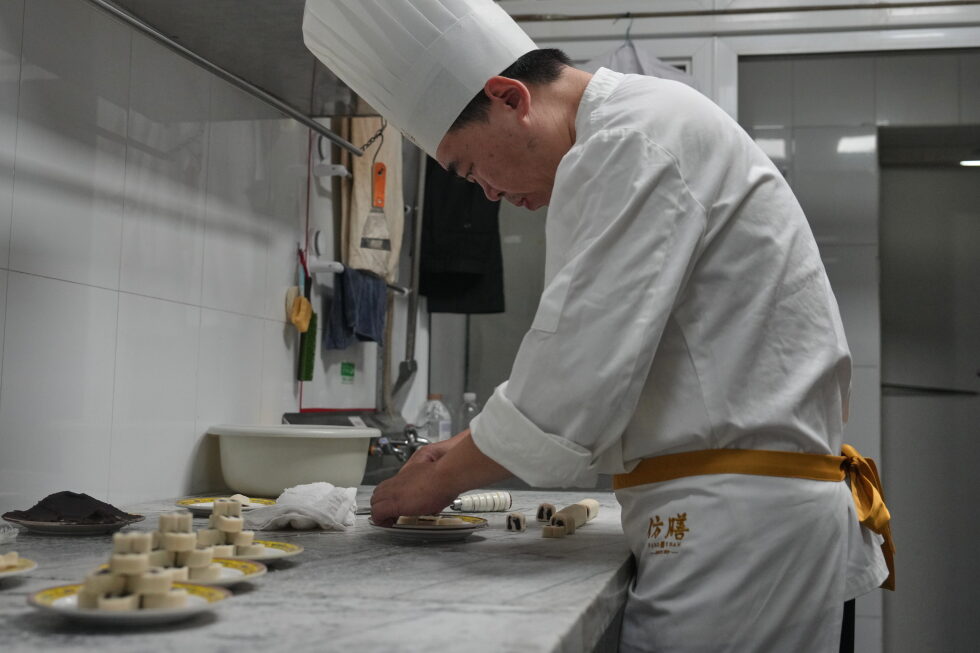
    One of its most beloved delicacies carries a story that stretches back to the final years of imperial rule. Legend holds that Empress Dowager Cixi once dreamed of a savory pancake late in her reign, and when the identical treat was served to her for breakfast the next morning, she was so delighted that she rewarded her head chef with a silver ingot. Originally named minced pork pancake, the dish was renamed “dream pastry” to honor its connection to Cixi’s vision, explains Zhou Tong, a veteran pastry chef at Beijing’s iconic Fangshan Restaurant.

    Founded in 1925 by former Qing Dynasty court chefs inside Beihai Park, a centuries-old imperial garden where dynastic royals once relaxed, conducted state affairs and held sacred rituals, Fangshan’s core mission is written directly into its name: Fangshan translates literally to “imitating imperial cuisine.” While a small number of other Beijing establishments also offer their own interpretations of imperial court dining, and the Palace Museum preserves Qing-era dining artifacts ranging from ornate pastry molds to serving vessels, Fangshan stands out for its commitment to passing down original recipes and techniques from generation to generation of chefs.

    Imperial cuisine is far more than a collection of fancy dishes: it encompasses the strict rituals that structured every meal, from the emperor’s daily breakfast to grand state banquets and sacred ceremonial feasts. For example, drinking milk tea was always the formal opening step at Qing Dynasty banquets, notes Teng Deyong, a researcher specializing in court culture at the Palace Museum. During grand events, the emperor would bestow portions of wine and food to assembled princes and high officials, and recipients were required to perform full formal rites of respect before they could partake.

    Sacrificial ceremonies, a core part of imperial court life, followed their own separate set of culinary rules. One of the most important Qing rituals, held at the Palace of Earthly Tranquillity inside the Forbidden City, centered on unseasoned boiled fatty pork. After the ceremony concluded, the pork was distributed to attendees, and receiving this sacrificial meat was considered a high honor. This tradition of unseasoned ritual food stretches back even further in Chinese cultural history: Wandi Wang, a professor of Chinese studies at Lehigh University in Pennsylvania, points to the *Book of Rites*, an ancient Confucian text detailing ceremonial customs, which describes an unseasoned meat broth called “grand stew” served during sacrificial rituals.

    “The absence of added flavoring was itself meaningful: the unseasoned dish evoked an earlier and simpler way of cooking and thus expressed a ritual ideal of honoring antiquity and remembering cultural origins,” Wang explained.

    Pastries held a special place in imperial dining, with a dedicated palace institution solely responsible for crafting sweet and savory treats for the court. At Fangshan, Zhou still makes the original imperial versions of dream pastry and small steamed corn buns following century-old recipes, and servers share the dishes’ rich histories with every table. “People enjoy them even more because they carry such meaningful history,” Zhou said.

    His craft is passed down through an unbroken line of master-to-apprentice training, and traditional methods strictly require all work to be done by hand — no modern blenders or food processors are permitted. Beans are pulverized by hand using fine sieves, and specialty flours are mixed and aged in custom-made copper pots. “A machine may be more convenient, but the texture is completely different,” Zhou explained. “You lose the delicate graininess and sandy mouthfeel that handcrafted pastries are supposed to have.” That commitment to craft has paid off: pea flour cakes and red bean rolls, two of Fangshan’s most popular pastries, sell more than 200 orders per day during peak tourist seasons.

    For Fan Liangliang, Fangshan’s current executive chef, adapting to the restaurant’s traditional standards required unlearning everything he had been taught in modern culinary school. Instead of prioritizing speed and efficiency, he had to master slow, labor-intensive techniques unique to imperial cuisine, such as “Nizihuo” — a method that involves mincing ingredients like fish, shrimp or chicken into a smooth paste, then reshaping the paste into intricate decorative forms like frogs, birds or flowers.

    “This is one of the hallmarks of imperial cuisine,” Fan said. “Every dish had to be innovative, visually beautiful, nutritious and worthy of presentation on the imperial dining table.”

    As times have changed, the restaurant has made thoughtful adaptations to align with modern norms: rare, protected ingredients like bear paws are no longer served, and other ingredients have been substituted to fit contemporary availability and dietary preferences, all while retaining the core spirit and flavor of each original dish.

    Scholars note that Chinese culinary traditions have always carried layered meaning beyond sustenance, reflecting broader cultural, political and aesthetic values that evolve over time. Wang points to a famous poem by Tang Dynasty poet Du Fu, who wrote about cold noodles made from pagoda-tree leaves. “The poem is not simply a description of a dish,” Wang said. “Du Fu turns the verdant, fresh, yet modest dish into an expression of his political loyalty and thwarted ambition to serve the emperor.”

    “Preserving a culinary tradition begins with taking its history seriously,” Wang added. “Culinary heritage tells us not only how people ate in the past, but also how people in the present choose to remember and give meaning to that past.”

    Fan emphasizes that at its core, Fangshan’s imperial cuisine is a historic fusion of Manchu and Han Chinese culinary traditions, bringing together the food culture of the Qing Dynasty’s Manchu rulers and China’s Han majority. “It’s not simply a collection of dishes from the two cultures,” he said. “It represents the blending of their different approaches to food into a unified cuisine.”

    While core techniques like stir-frying, braising and stewing have remained intact, and some ingredients have been updated for accessibility and modern palates, the team’s commitment to preserving this unique cultural heritage remains unshaken. “When people dine at Fangshan Restaurant, I hope they experience more than just a meal,” Fan said. “They experience the weight of history.”