博客

  • A warehouse burns near Moscow. In Ukraine, drone crews prepare to strike again

    A warehouse burns near Moscow. In Ukraine, drone crews prepare to strike again

    Overnight, a coordinated wave of Ukrainian drone strikes hit one of Russia’s largest retail logistics hubs just outside Moscow, leaving the massive warehouse engulfed in flames hours after the attack, with thick black smoke billowing into the sky over the region.

    The operation was just one part of a rapidly expanding, strategically focused component of Ukraine’s war effort: a stepped-up long-range drone campaign designed to carry conflict deep into Russian territory, far from the front lines of the full-scale invasion that began nearly four and a half years ago. Rarely observed by international media, a Sunday morning launch by Ukraine’s newly formed 413th “Raid” Unmanned Systems Regiment was witnessed by a team of Associated Press journalists in a sunflower field in southern Ukraine, offering an unprecedented look at this evolving tactic.

    Only hours after participating in the overnight strike on the Wildberries warehouse, a major logistics facility for Russia’s top online retail giant located roughly 28 miles south of Moscow – one of Ukraine’s largest single attacks on Russian soil to date – a small contingent of the regiment’s troops assembled in the open field. Working quickly to avoid detection, they prepared 20 small, explosive-laden drone aircraft for launch, targeting new objectives inside Russia before moving out immediately once the drones were airborne. The entire operation left almost no trace of their presence, as the unit relocated to its next planned launch site.

    This long-range drone initiative marks Kyiv’s most aggressive shift in strategy in 2024, following a year of increasing strikes that combine long-range missiles and drone swarms to target Russian military production facilities, critical energy infrastructure, and commercial logistics hubs. Wildberries depots in particular have become repeated high-priority targets, with attacks destroying merchandise valued at billions of US dollars.

    For Ukrainian military planners, the strategy serves two core goals: first, it brings the tangible consequences of the war directly to the Russian public, rather than limiting destruction to Ukrainian territory. Second, it forces Russia’s military to redistribute and stretch its air defense systems across a much larger geographic area, creating vulnerabilities along the front lines while disrupting civilian and commercial operations across Russia. To date, the campaign has forced widespread airport disruptions, sparked regional fuel shortages, and eroded public morale inside Russia.

    “The bigger casualties they have, the sooner they will go for peace,” said Yevhen Karas, commander of the 413th Regiment, in an interview after the Sunday launch. Karas, a 38-year-old former philosophy student who volunteered for service alongside his brother Volodymyr on the first day of Russia’s 2022 full-scale invasion, has personal stakes in the conflict. His brother was killed in the early defense of the Kyiv region, and Karas worked his way through the ranks of Ukraine’s Special Operations Forces before being appointed to lead the new drone regiment in 2024.

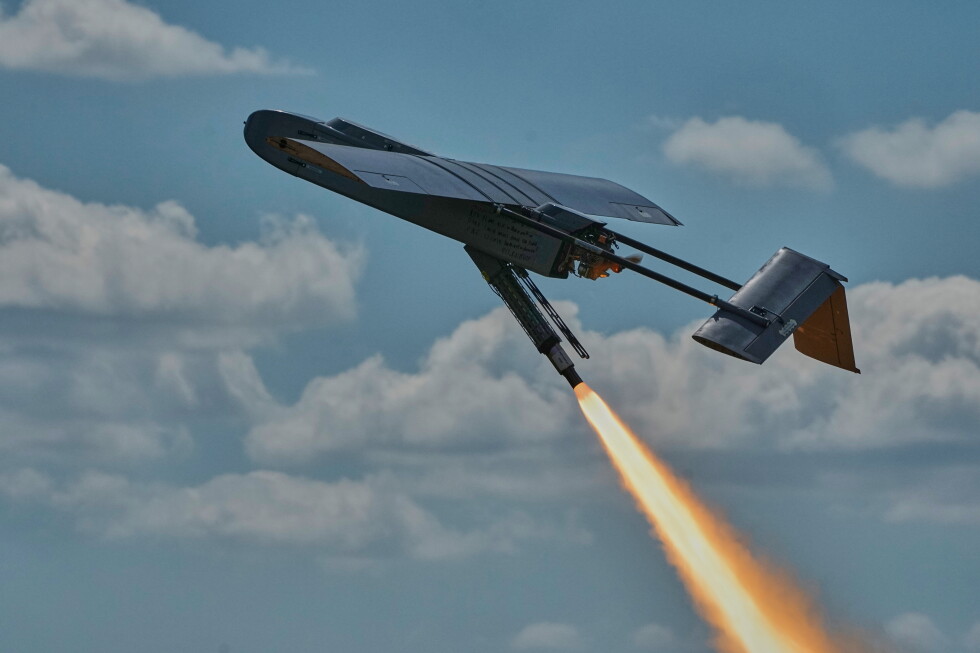
    What began as a reconnaissance-focused unit has evolved dramatically alongside advancing drone technology, with domestic Ukrainian FP-1 drones now boasting a range of more than 1,000 miles, allowing strikes deep into central Russia. The regiment’s ranks draw from a cross-section of pre-war Ukrainian society: alongside former soldiers are a former opera singer, a professional computer programmer, a rapper, and a professional cellist, all now trained to follow a tight, repetitive operational cycle: prepare, check systems, move into position, launch, await strike results, then repeat for the next mission.

    Before Sunday’s launch, Karas marked one of the drone fuselages with a handwritten message in black marker: “Moscow burns under the sky, red flame rises so warm and high, dark smoke moves above the town, fire lights the night all around.” The regiment’s official challenge coin bears this mission’s ethos too: one side displays a three-pronged arrow insignia, while the reverse features an engraving of the Kremlin engulfed in flames, with a drone flying overhead.

    Kyiv’s official strategy aims to ramp up public pressure on Russian President Vladimir Putin by making ordinary Russians feel the daily costs of the invasion, pushing Putin to enter good-faith peace negotiations after months of stalled U.S.-brokered talks. To date, Putin has shown no public indication of willingness to end the conflict or withdraw Russian forces from occupied Ukrainian territory. But Karas says the cumulative economic and infrastructure damage from the drone campaign is already shifting perceptions inside Russia.

    “In this phase of the war, Moscow should fear the skies,” Karas said. “Muscovites should spend their nights in their wonderful metro, just as residents of Kyiv have spent years going underground to escape Russian missile and drone attacks.”
  • Craig McRae outlines club culture for ‘good husbands’ amid Swans probe

    Craig McRae outlines club culture for ‘good husbands’ amid Swans probe

    In a major development for Australian Rules Football, the Sydney Swans have handed season-ending suspensions to five top players following an internal investigation into a controversial late-night incident at a Melbourne hotel, as a separate police probe into alleged sexual assault connected to the event continues.

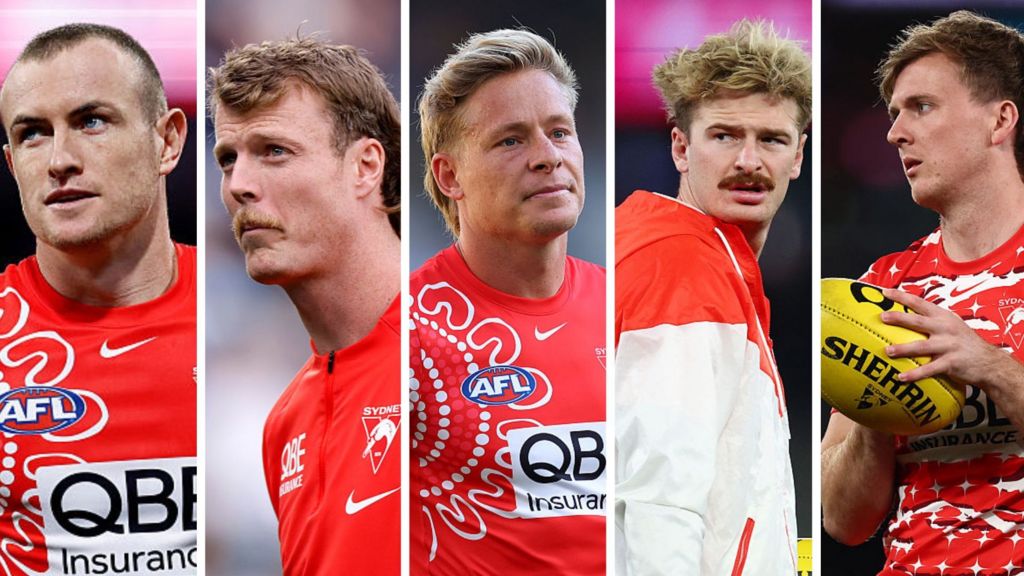
    The club announced Wednesday that Riley Bice, Nick Blakey, Isaac Heeney, James Jordon and Chad Warner will not compete for the remainder of the season, following their review of the Sunday incident at the Pullman Hotel in East Melbourne. Club leadership clarified that the internal suspensions stemmed from the players’ choices to continue drinking well into the night and bring unauthorised guests back to the team hotel. This disciplinary action is being conducted independent of an active investigation by Victoria’s sexual crimes squad, which is examining allegations of a sexual assault linked to the gathering.

    Authorities have confirmed that the core of the police investigation centers on an alleged breach of personal boundaries by one or more of the players. As of Wednesday, none of the five suspended players have been formally interviewed by police, though multiple reports confirm they have spoken with investigators. No arrests have been made, and no criminal charges have been filed against any of the athletes. NewsWire has stressed that it is not making any formal accusation of sexual assault against the players at this stage of the process.

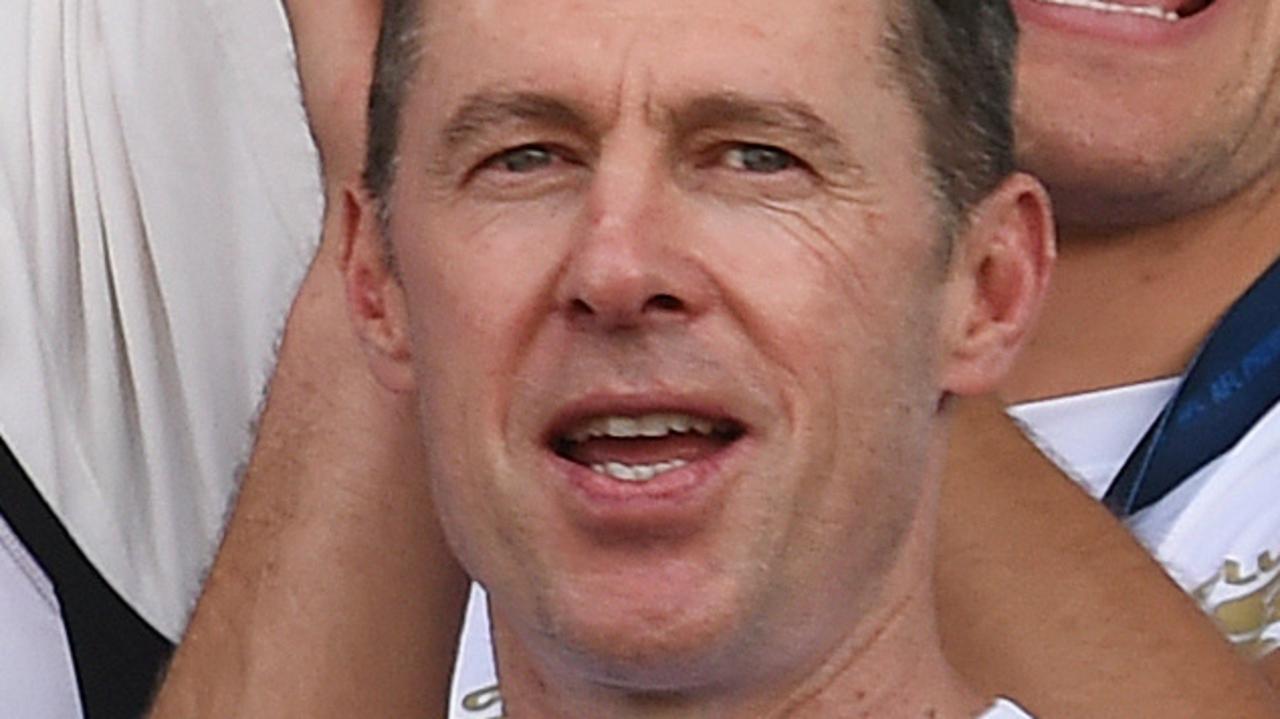
    In the wake of the scandal, Collingwood Magpies head coach Craig McRae offered a pointed reflection on how his club approaches player culture and accountability. Speaking at his weekly media briefing Wednesday, McRae explained that Collingwood embeds cultural expectations and personal responsibility into daily team operations, rather than relying on high-profile, one-off meetings to reinforce standards.

    “We want our players to act like effective men in society and develop our players to be good husbands in the future and good fathers,” McRae told reporters. “That’s something that I speak about – I believe all the time. I think you set those responsibilities and values daily without having to make a grandstand meeting around those things.”

    McRae, who has made building a positive, respectful team culture a central priority during his tenure at Collingwood, noted the club’s approach to accountability is rooted in consistent, organic reinforcement rather than performative action. The scandal has sparked renewed discussion across the Australian Football League about player conduct off the field, with club leaders facing growing pressure to reinforce standards of respectful behavior among professional athletes.

  • South Korea shortens war games with US, citing Washington request

    South Korea shortens war games with US, citing Washington request

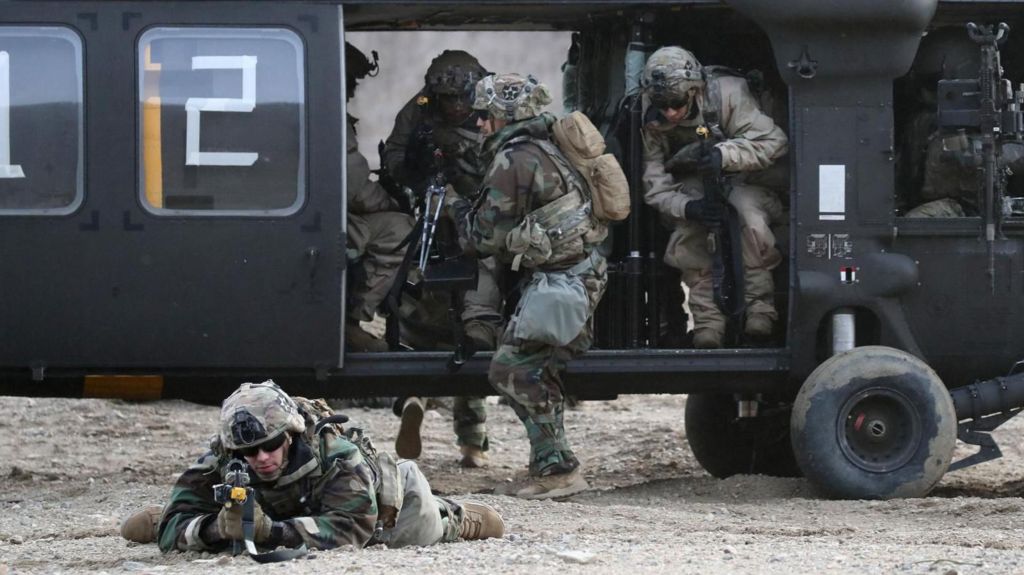
    In a move that has rippled through Northeast Asian security dynamics, South Korea’s defense ministry has confirmed that the country’s annual joint military exercises with the United States, the 2026 Ulchi Freedom Shield drills, will be cut six days shorter than originally planned following a formal request from Washington. The adjusted schedule will bring the drills to a close on August 21, instead of the initially planned August 27, with both the duration and overall scope of the training modified in response to the U.S. proposal, according to South Korean officials. The scaled-down exercise comes directly from policy shifts driven by U.S. President Donald Trump, who has repeatedly pushed to reduce joint military activities with South Korea, a position he has tied to his warm personal relationship with North Korean leader Kim Jong Un.

    South Korean Foreign Minister Cho Hyun revealed during a parliamentary hearing that neither South Korean nor American administrative officials received advance advance notice of Trump’s planned changes to the drills. Beyond the shortened timeline, the combined field training segment of the exercise will also see partial reductions in its scale, though South Korean authorities note that exact details of the scaling back are still being finalized between the two allies.

    The announcement follows reports from the *Wall Street Journal* citing unnamed U.S. officials confirming that Trump has been pressing his closest advisors to arrange a face-to-face meeting with Kim Jong Un. Sources indicate the U.S. president has privately discussed hosting the summit during his upcoming trip to Asia, scheduled for November 2026 to attend the Asia-Pacific Economic Cooperation forum in China.

    Over the recent weekend, Trump laid out his public reasoning for cutting the drills in a post on his social platform Truth Social. He argued that the large-scale exercises are unnecessarily expensive, claiming that the U.S. covers the majority of the costs, and that they send an unneeded hostile signal to North Korea. In the same post, he made an unexpected connection to Iran’s nuclear program, revealing that he had recently asked South Korea’s president to join international efforts to denuclearize Iran, and that the request had been rejected outright.

    Speaking to reporters in the Oval Office on Monday, Trump doubled down on this link between the drill cuts and South Korea’s refusal to participate in the Iran initiative. “We have 39,000 soldiers over there guarding you from Kim Jong Un, your next door neighbour, and you’re not going to help us on a very easy military operation in Iran,” he told reporters. “That’s strange.”

    Just one week prior to the announcement of the adjusted drills, senior military leaders from both the U.S. and South Korea had revealed the exercise plans during a joint press conference, at which they stated the 2026 drills would match the scope of previous years. Roughly 18,000 South Korean troops were expected to take part, with more than 28,500 U.S. military personnel permanently stationed in South Korea also participating in related activities. During that press briefing, leaders also addressed the ongoing issue of North Korea’s deployment of troops to support Russia’s invasion of Ukraine. U.S. military spokesperson Ryan Donald noted at the time that “our training accounts for that threat,” referring to the potential for battle-hardened North Korean troops to return home after combat experience in Ukraine.

    In response to the original planned drills, North Korea’s foreign ministry had already issued a sharp condemnation, labeling the joint military exercises “a rehearsal for an aggressive war” against the isolated country.

  • RBA boss warns mortgage holders that rate rises will be used again

    RBA boss warns mortgage holders that rate rises will be used again

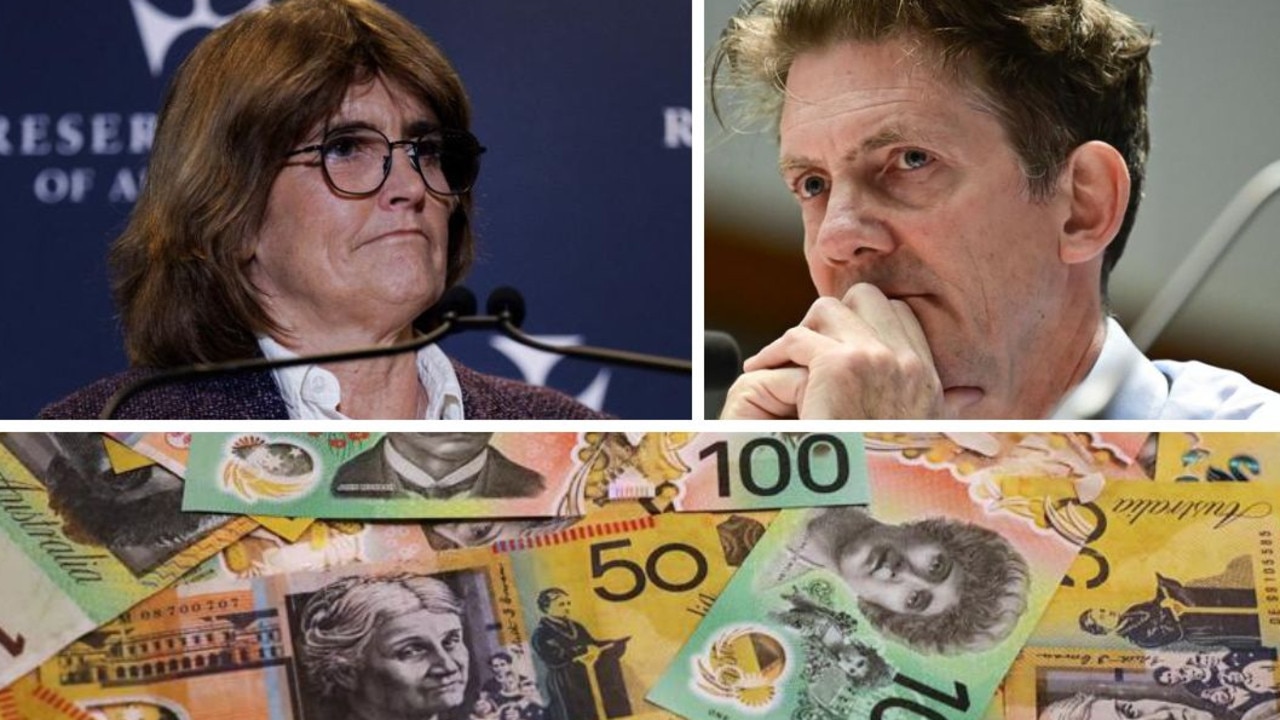
    Australian households holding mortgages are facing a stark new warning from the Reserve Bank of Australia (RBA): the central bank stands ready to resume interest rate hikes if persistent high inflation and emerging upside risks do not ease in the coming months.

    Delivering remarks at the Queensland Futures Institute Annual Regions Summit in Brisbane, RBA Deputy Governor Andrew Hauser laid out the central bank’s position just one week after policymakers voted to hold the official cash rate steady at its August meeting. While the board opted to pause hikes for a second consecutive gathering, Hauser emphasized that the status quo is far from permanent, as inflation remains well above the RBA’s mandated target range.

    “While we concluded last week that interest rates are okay where they are for now, we are worried about the inflationary outlook and we are worried about the upside risk to inflation,” Hauser told attendees.

    Hauser outlined three key threats that could push inflation higher than current projections, derailing the central bank’s progress toward price stability. The first is the ongoing crisis in the Middle East, which carries significant risk of escalation that could drive global energy and supply chain costs upward. Second, the rapid, unexpected boom currently unfolding across the global technology sector threatens to import fresh inflationary pressure from international markets. Third, domestic constraints, including sluggish supply and weak productivity growth, remain a persistent concern for policymakers.

    “If those upside risks to inflation crystallise and we don’t see inflation coming down, we will have to raise interest rates again and we will do so,” Hauser said.

    The RBA’s August pause matched broad market expectations, following an aggressive tightening cycle so far in 2026. Across three of the five scheduled monetary policy meetings this year, the central bank has lifted the cash rate by a cumulative 75 basis points, pushing the benchmark from 3.60 percent to its current level of 4.35 percent. Since those three hikes, the RBA has opted to hold rates steady at back-to-back meetings to assess the cumulative impact of previous tightening on the economy.

    Current inflation data underscores the challenge facing the RBA. The central bank’s preferred trimmed mean inflation measure, which excludes the most volatile 15 percent of price movements in both directions, came in at 3.60 percent for the 12-month period ending in June. That reading remains noticeably above the RBA’s statutory target range of 2 to 3 percent.

    Hauser reiterated the central bank’s dual mandate: returning inflation to the 2-3 percent target while sustaining full employment for Australian workers. He emphasized that stubbornly high inflation remains the most pressing threat to household and economic stability, noting that cost-of-living pressures are being felt across the country, even if some inflationary pressure originates outside Australia’s borders.

    “Our message is simple, inflation is too high,” he said. “Everywhere you look people say prices are too high, cost pressures are too strong and while some of that is not home grown … but some of it does come from Australia.”

    The deputy governor also acknowledged that bringing inflation back to target will require a period of below-trend economic growth, pushing back against expectations that the RBA can achieve price stability without any cooling in domestic activity. He explained that monetary policy works by tempering excess demand and capacity pressure in the economy, a process that inevitably translates to slower consumption and employment growth than Australia has seen in recent years.

    “Monetary policy needs to bring inflation down, that is why we have raised rates three times this year, but here is the bad bit, it can only do so by reducing pressure on capacity and demand on the economy,” he said. “That means slightly slower growth in consumption, slightly slower growth in employment. We’ve seen a little bit of that so far, but we are going to need to see more to get inflation back.”

    Hauser was quick to clarify that the projected slowdown is not a forecast for a deep recession or depression, stressing that the central bank expects only a moderate cooling of activity as inflation adjusts back to target. “That is not a slump, that is not a depression … but it is slower than growth in the past,” he added.

  • Five Australian footy players suspended for season amid police investigation

    Five Australian footy players suspended for season amid police investigation

    The Australian Football League (AFL) has been rocked by a high-profile disciplinary action, after Sydney Swans club officials announced season-ending suspensions for five of their top players over breaches of team conduct policies, in the wake of an ongoing sexual assault investigation by Victorian law enforcement.

    The banned players — household names Isaac Heeney and Chad Warner, alongside Nick Blakey, James Jordon and Riley Bice — were stood down immediately following an internal club review into a late-night incident at Melbourne’s Pullman Hotel, where the squad was staying after a weekend match. The incident unfolded in the early hours of Monday, when the players allegedly violated team rules by drinking alcohol past permitted curfews and hosting unauthorised female guests at their team hotel.

    The suspension comes as Melbourne detectives conduct a formal investigation into an alleged sexual assault reported to have occurred at the hotel the same night. As of the latest update, none of the five suspended players have been arrested or charged with any criminal offence, Victoria Police confirmed. Law enforcement officers have spoken with multiple people present at the hotel during the incident, but no formal interviews or detentions have been carried out to date.

    Sydney Swans chair Andrew Pridham issued a public apology Wednesday to fans, club stakeholders and the broader Australian community, clarifying that the disciplinary action was rooted in the players’ clear breach of the club’s official conduct standards. Pridham emphasized that the club’s suspension decision was made independently of the ongoing police probe, a stance echoed in the club’s earlier official statement: “We respect there is an ongoing investigation by Victoria Police and the actions we have taken today are independent of this.”

    Club CEO Matthew Pavlich expressed deep regret over the incident during a media press conference, noting: “We’re deeply embarrassed and ashamed that the poor choices of five of our players, and the impact that’s had on the women involved and also the club. We are deeply concerned about their welfare and the wellbeing of those women.” Pavlich declined to answer questions regarding whether the players had undergone drug testing, stating that any toxicology testing would be handled as part of the official police inquiry.

    AFL chief executive Andrew Dillon has called the allegations of sexual assault “deeply concerning”, and the national league has confirmed it fully supports the sanctions imposed by the Sydney Swans club.

    The timing of the suspension delivers a major blow to the Swans’ 2026 premiership push, as the club has enjoyed a standout season, currently sitting second on the AFL ladder. The ranking already secures them a spot in the opening round of finals, set to kick off in just two weeks. The team is scheduled to face North Melbourne at the Sydney Cricket Ground this Sunday in their final regular-season match before the post-season tournament.

    Heeney and Warner, two of the most high-profile and high-performing stars in the entire league, will now be forced to watch the remainder of the season from the sidelines. Unlike many other professional Australian sports competitions, the AFL does not maintain a mandatory no-fault stand-down policy for players facing allegations of serious offences like sexual assault, instead choosing to review each case individually and exercise discretionary judgment on disciplinary action.

  • China recovers rocket stage on land for first time, after earlier recovery at sea

    China recovers rocket stage on land for first time, after earlier recovery at sea

    The global push for cost-effective reusable rocket technology hit a new milestone this week, as China announced its first successful touchdown and recovery of a rocket first stage on dry land. The breakthrough, confirmed by Chinese state media on Wednesday, marks another key step forward for the country’s ambitious expansion of its domestic space exploration program.

    This successful landing is not China’s first experience recovering reusable rocket hardware: it followed a successful sea-based recovery of a rocket stage carried out on an offshore platform back in July. The latest mission involved the Zhuque-3 reusable rocket, which lifted off Wednesday morning, with its first stage making a controlled return to the ground intact after completing its role in the launch, Xinhua News Agency reported.

    Unlike the July sea recovery, which relied on a net-capture system for the Long March-10B rocket first stage, Wednesday’s mission marked China’s first successful deployment of deployable landing legs to bring the rocket stage back to Earth. Xinhua characterized the achievement as “a major breakthrough” for the country’s reusable rocket development program, a milestone that paves the way for broader adoption of reusable launch technology in China’s space sector.

    The development of reusable rocket technology is not unique to China. Private U.S. aerospace firms led by Elon Musk’s SpaceX and Jeff Bezos’ Blue Origin have been successfully recovering and reusing rocket first stages since 2015. This innovation has radically transformed the global space industry, cutting launch costs dramatically by eliminating the waste of discarding expensive rocket hardware after a single use, and opening up more frequent, affordable access to low-Earth orbit for commercial and scientific payloads.

    The recent milestones from China also come alongside parallel progress from other regional space powers. Just one day after China’s July sea recovery, Japan carried out the first test flight of its own experimental reusable rocket, which completed a successful vertical takeoff and landing. Like China, Japan is working to master the reusable rocket technology needed to lower its own launch costs and remain competitive in the fast-growing global commercial space launch market.

    Experts note that the spread of reusable rocket expertise across multiple nations and programs signals a broader shift in the global space ecosystem, moving toward more sustainable and accessible space access that could accelerate satellite deployment, scientific research, and future deep space exploration efforts.

  • US sanctions International Criminal Court president, trial lawyer in bid to dismantle body

    US sanctions International Criminal Court president, trial lawyer in bid to dismantle body

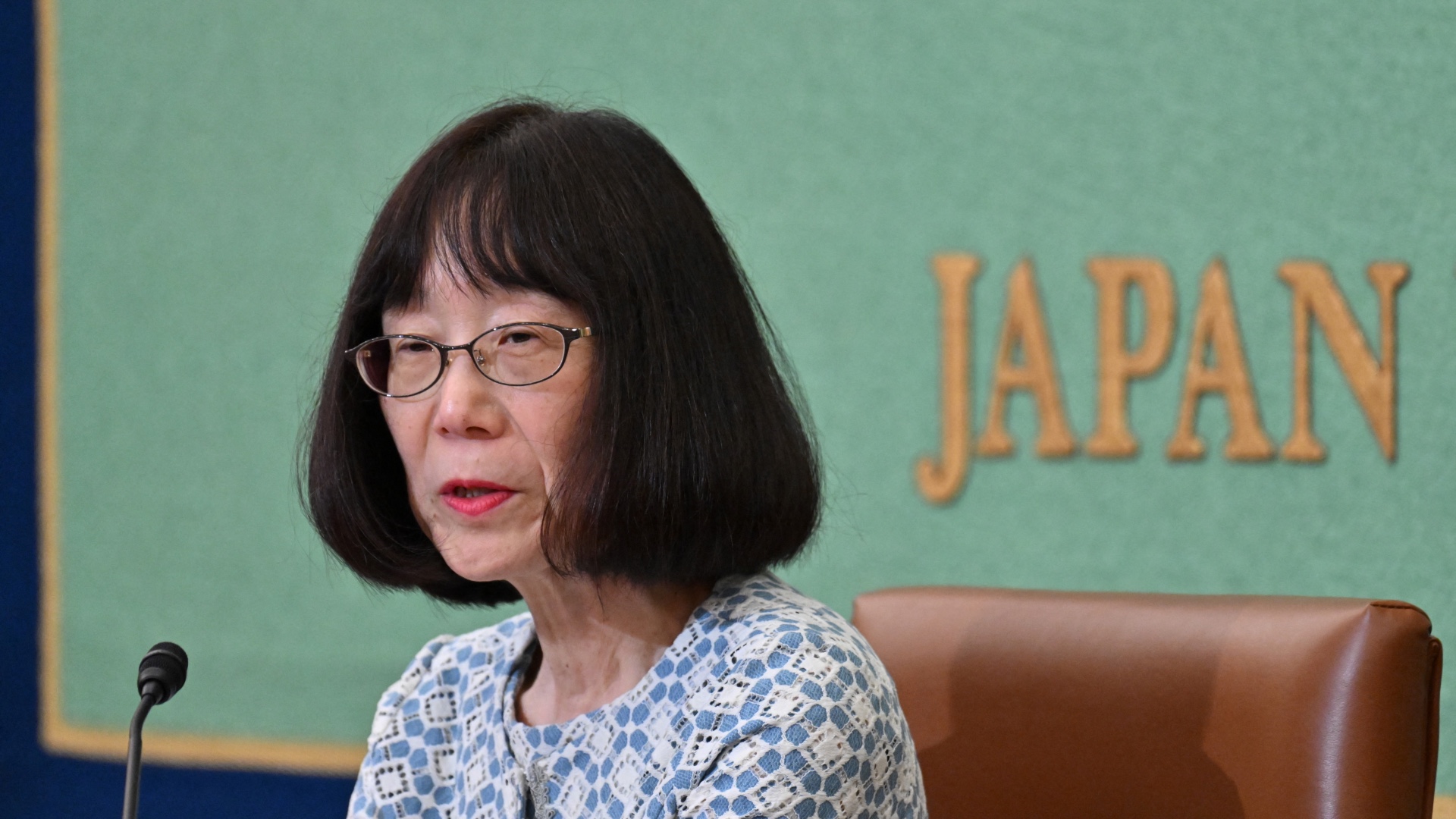
    In a sharp escalation of its campaign to disable the International Criminal Court (ICC) over ongoing war crime investigations targeting Israeli and U.S. officials, the second Trump administration announced Tuesday that it has imposed new sanctions on two top ICC personnel: the court’s Japanese president Tomoko Akane and Senegalese senior trial lawyer Abdoulaye Seye.

    This latest action is part of a broader, long-stated White House goal to systematically dismantle the ICC, which launched probes into alleged war crimes committed by both Israeli and American personnel in conflict zones. Neither the U.S. nor Israel are signatories to the 2002 Rome Statute, the treaty that established the international tribunal. Despite the two countries’ non-membership, 125 nations around the world participate in the court, many of which have been affected by unregulated military operations carried out by U.S. and Israeli forces.

    In an official statement announcing the new sanctions, U.S. Secretary of State Marco Rubio laid out the administration’s uncompromising stance, framing the ICC as a corrupted institution deeply compromised by political bias. “The Trump Administration has been clear: the ICC is a corrupt and fatally politicized supranational court that has maliciously abused its authority and exceeded its mandate. We will not tolerate its assault on state sovereignty,” Rubio said.

    Rubio added that Akane and Seye were targeted because they “have directly engaged in efforts by the ICC to investigate, arrest, detain, or prosecute officials whose government has not consented to ICC jurisdiction… This sets a dangerous precedent for all nations.” Under the terms of the sanctions, all assets held by the two officials within U.S. jurisdiction are frozen, they are barred from entering the U.S., and they are cut off from the global banking system, which relies heavily on U.S. financial infrastructure.

    This round of sanctions is the second major expansion of punitive measures against the ICC since Trump returned to office in January 2025. Just days after his inauguration, the president signed an executive order authorizing sweeping sanctions against the court over its investigations into senior Israeli officials. At that time, then-ICC chief prosecutor Karim Khan, a British barrister, was the highest-profile individual targeted. Khan was subsequently removed from his post via a vote of ICC member states, following allegations of sexual misconduct that he has repeatedly denied.

    The first round of sanctions also targeted three ICC judges, two of Khan’s deputy prosecutors, the United Nations special rapporteur for the occupied Palestinian territories, and three leading Palestinian human rights organizations. The three sanctioned judges have since launched a legal challenge against the Trump administration over the measures.

    The executive order targeting the ICC came immediately after a visit to the White House by Israeli Prime Minister Benjamin Netanyahu, who faces an ICC arrest warrant over allegations of war crimes and crimes against humanity committed during Israel’s military campaign in Gaza that began in October 2023. In November 2024, the court issued arrest warrants for Netanyahu, his then-defense minister Yoav Gallant, and three senior Hamas leaders—all three of the Hamas leaders have since been killed by Israeli forces.

    Under the terms of the original executive order, any non-U.S. individual or their family members who provide assistance to ICC probes targeting U.S. citizens or U.S. allies are eligible for sanctions. Rubio reiterated Tuesday that the administration is prepared to take further action to achieve its end goal. “The Trump Administration stands ready to take additional measures, if necessary, to systematically dismantle the ICC until it is incapable of threatening American sovereignty,” he said.

    The administration’s expanding sanctions campaign has already sparked multiple legal challenges from U.S. advocacy and rights groups. Last week, four prominent U.S.-based human rights organizations filed a lawsuit against the Trump administration, arguing that the sanctions regime is blatantly unlawful under U.S. law. The groups—American Friends Service Committee, the Center for Constitutional Rights, Human Rights Watch, and the Open Society Institute—argue the sanctions force them to cut back on core human rights and legal work, violating their First and Fifth Amendment rights under the U.S. Constitution, as well as the Religious Freedom Restoration Act. Any individual or group that maintains even loose ties to ICC investigations or personnel now faces the risk of legal retaliation, the groups noted.

    This legal challenge follows a similar lawsuit filed in July by Palestinian rights advocates in a New York federal court, which asks the court to issue an injunction blocking the administration from enforcing sanctions against groups and individuals that cooperate with the ICC. The plaintiffs in that case include Democracy for the Arab World Now, an organization founded by the late journalist Jamal Khashoggi, who was assassinated by Saudi agents in 2018, and the Taxpayer Alliance Against Genocide. The groups said they moved forward with legal action after Rubio wrote an opinion piece confirming the administration’s intent to dismantle the ICC “brick by brick.”

    The escalating confrontation between the U.S. and the ICC comes alongside new explosive allegations from a former top ICC official about improper Israeli pressure to halt the Palestine war crimes probe. Earlier this year, former ICC chief prosecutor Fatou Bensouda, who held the role from 2012 to 2021, revealed that the former head of Israel’s Mossad intelligence agency repeatedly pressured her to drop the investigation into alleged war crimes in the occupied Palestinian territories. In an interview with Al Jazeera published Sunday, Bensouda added that after she opened a preliminary examination into the situation in Palestine in 2015, unidentified men visited her private home in The Hague.

    “They came directly to my house,” Bensouda told the outlet. “I got the message that they’re sending.” The men left her an envelope containing $500, claiming it was a gift from someone she had previously assisted. Bensouda said she later concluded the visit was an intentional intimidation tactic, designed to make clear that those opposed to the investigation knew where she lived.

  • Five Premier League stars to watch this season

    Five Premier League stars to watch this season

    The most-watched club football competition on the planet, the English Premier League, is set to kick off its 2026-27 campaign this Friday, bringing with it a wave of blockbuster summer transfers that will reshape the title race and the fortunes of top-flight clubs across the country. With unprecedented transfer fees changing hands and major rebuilding projects underway at some of the league’s biggest names, AFP Sport has highlighted five players whose performances this term are likely to make or break their new teams’ ambitions.

    Leading the list of must-watch talents is 24-year-old England midfielder Morgan Rogers, who made the most expensive transfer in British football history when he joined Chelsea from Aston Villa for a staggering £117 million ($158 million). Brought in as the centerpiece of new manager Xabi Alonso’s rebuild of the Blues, who slumped to a disappointing 10th-place finish last season, Rogers carries massive expectations to live up to his record price tag. The midfielder arrives at Stamford Bridge on the back of a career-defining season, where he helped Aston Villa end a 30-year trophy drought by lifting the Europa League. His long-standing friendship with Chelsea star Cole Palmer, forged during their time together in Manchester City’s youth academy, is expected to smooth his transition to West London, but Alonso faces a tactical challenge to integrate two elite attacking midfielders who operate in similar areas of the pitch.

    Just days after his £116 million transfer from Nottingham Forest made him the most expensive British player in history, 23-year-old Elliot Anderson saw that record snatched away by Rogers’ move to Chelsea. But Anderson’s challenge is no less daunting: he has been signed by Manchester City to fill the massive void left by the departures of midfield linchpins Rodri and Bernardo Silva. Rodri, Spain’s World Cup-winning holding midfielder, has moved to Barcelona, while Silva joined Real Madrid, leaving new City manager Enzo Maresca without two of the key pieces that delivered multiple domestic and European titles to the Etihad Stadium. Anderson earned his big-money move with his sharp game reading, silky distribution and cool under-pressure performances, which also won him his first senior England caps. Now he must justify the enormous outlay as City look to end a two-year trophy drought and dethrone reigning champions Arsenal.

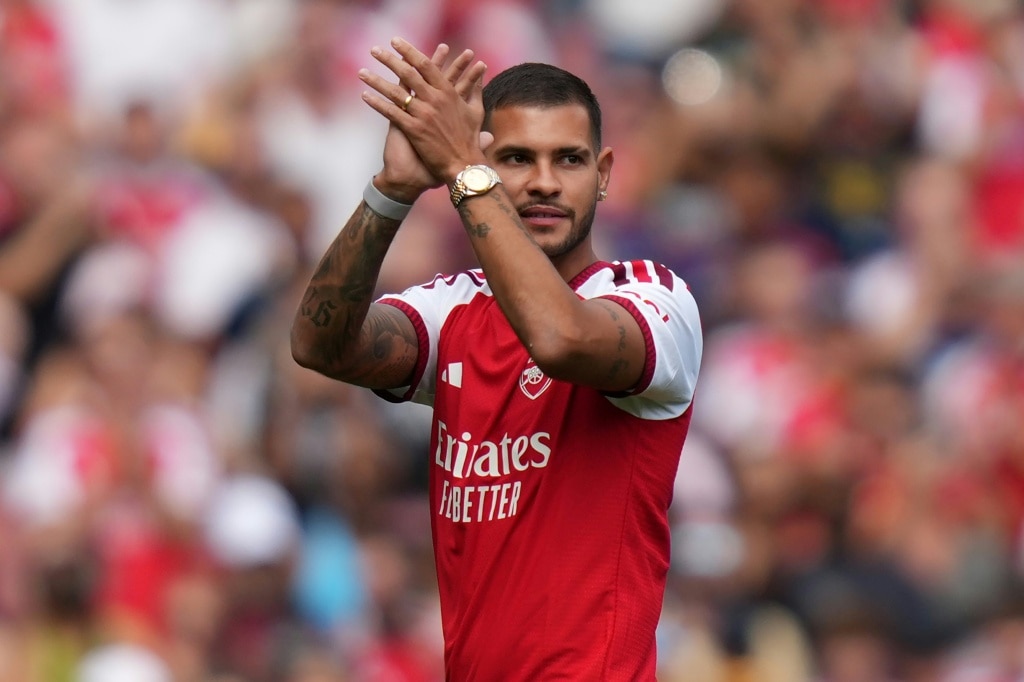
    For title holders Arsenal, missing out on Rogers to Chelsea saw them pivot to a top-class alternative: Brazilian midfielder Bruno Guimaraes, signed from Newcastle United for £75 million. Guimaraes, who previously captained Newcastle, steps into an already deep and dangerous Gunners midfield alongside Declan Rice and Martin Odegaard, strengthening Mikel Arteta’s squad as they look to defend their Premier League crown. Arsenal captain Odegaard has praised the 26-year-old’s seamless integration into the group, saying: “Although we had some big fights with him in the past, he has just come in as a real natural part of the team. He can win the ball, he’s a fighter. But he also has so much quality and is calm on the ball.”

    Over at North London rivals Tottenham Hotspur, Italian midfielder Sandro Tonali agreed to join the club in just 10 minutes of talks, becoming the Lilywhites’ record signing in the process. The 26-year-old was a key driving force behind Newcastle’s rise up the Premier League table before their disappointing dip in form last season, and he jumped at the chance to join Roberto De Zerbi’s ambitious rebuild of a Tottenham side that narrowly avoided relegation in May. Tonali acknowledged that the size of his transfer fee brings significant pressure, telling reporters: “When you are happy after a 10-minute chat, everything is perfect.”

    Rounding out the list of players to watch is 21-year-old French defender Jeremy Jacquet, signed by Liverpool for £60 million from Rennes in a deal agreed back in the winter transfer window. Jacquet was brought in to address growing concerns over Liverpool’s aging, depleted backline, which struggled badly last season. Veteran captain Virgil van Dijk, now 35, no longer looks as unbeatable as he was during Liverpool’s title-winning runs, while key defensive partners Ibrahima Konate and Andrew Robertson have left the club for Real Madrid and Tottenham respectively. Jacquet is set to partner Van Dijk at the heart of the Liverpool defense, and the Dutch captain admits that building their understanding will take time. “It’s pretty clear that you need to form a connection together and that takes a bit of time,” Van Dijk said. “That’s absolutely normal, but hopefully we can get that going as quickly as possible.”

  • Iranian academic writes of US detention ‘hell’ over link to 1979 hostage crisis

    Iranian academic writes of US detention ‘hell’ over link to 1979 hostage crisis

    In April 2026, a Los Angeles-based academic and her family—all lawful permanent residents of the United States—were taken into immigration custody, triggering a high-profile debate over collective punishment and U.S. immigration policy amid escalating tensions with Iran. Maryam Tahmasebi, a professor of psychology and statistics, has publicly denounced the U.S. government’s actions as unjust “bloodline punishment,” after authorities revoked her family’s green cards solely over her husband’s familial connection to a 1979 Iranian hostage crisis figure.

    Tahmasebi’s husband, Seyed Eissa Hashemi, is the son of Masoumeh Ebtekar, who gained international notoriety as the English-language spokesperson for the student group that seized the U.S. Embassy in Tehran and held 52 American citizens hostage for 444 days in 1979–1981. Ebtekar later went on to hold multiple senior positions in the Iranian government, most recently serving as vice president for women and family affairs until 2021. In a first-person account written from inside detention and published by *The Nation*, Tahmasebi emphasized that the government is penalizing her husband for actions taken by his mother decades before he was even born.

    Since their arrest four months ago, the family has been held in separate immigration detention facilities across South Texas. Tahmasebi and their teenage son are currently detained at the facility in Dilley, while Hashemi is held in Pearsall, where Tahmasebi says he endures “horrible conditions.” In her essay, Tahmasebi described the four months in custody as an unrelenting ordeal, writing that the family’s physical and mental health has sustained damage that may take years to recover, if it ever does. Jack Mirkinson, senior editor at *The Nation*, confirmed Tahmasebi drafted the account from detention with extremely limited access to email, before she and her legal team submitted it for publication.

    The revocation of the family’s permanent resident status is part of a broader wave of U.S. enforcement actions targeting relatives of current and former Iranian regime officials, a policy shift that comes as bilateral hostilities between Washington and Tehran have risen sharply over the course of 2026. The move also followed public pressure from Iranian diaspora activists, who have pushed for legal status revocations against relatives of Iranian officials in response to Tehran’s violent crackdown on anti-government protests late last year.

    In January 2026, an online petition called for Hashemi’s deportation from the U.S. over his mother’s role in the hostage crisis, and conservative U.S. media outlets published on-the-ground reports from outside the family’s Los Angeles home in early April. Less than a week after those reports, U.S. Secretary of State Marco Rubio publicly announced that the government would revoke the entire family’s legal permanent resident status. Notably, Rubio’s announcement never specified that Hashemi, Tahmasebi, or their son had committed any individual wrongdoing, or that they posed an independent national security threat to the U.S.

    State Department spokesperson Tommy Pigott defended the policy in a formal statement, noting that the agency does not disclose protected or classified information related to the termination of foreign nationals’ legal status, and asserting that the government retains the authority to revoke status for individuals deemed a threat to U.S. national security interests. But members of the family’s legal team push back sharply against this justification, arguing that the government has failed to bring any national security charges against the family under U.S. immigration law. “If the government had any evidence that this family threatened national security, it has had several opportunities to say so but the government has not,” explained Maria Kari, a member of the defense team, speaking to the BBC. “In fact, no U.S. government agency has presented any evidence to support their allegations.”

    Prior to their detention, Tahmasebi and Hashemi built quiet, law-abiding lives in Southern California’s academic community. The couple entered the U.S. legally on work visas in 2014, and successfully obtained lawful permanent resident status in 2016. After their detention, legal challenges filed by the defense team led a federal judge to issue a temporary block on the family’s deportation.

    In a surprising twist that underscores the arbitrary nature of the government’s actions, Tahmasebi wrote in her essay that the family had voluntarily offered to self-deport to end their detention—only to have the request rejected by U.S. authorities. “In other words, they want to continue our indefinite detention without any end in sight,” she wrote. Official records provided by the family’s legal team confirm that the U.S. Department of Homeland Security denied their request for voluntary departure in July 2026. A government attorney instead offered to review a stipulated removal arrangement, which would require the family to waive their right to an immigration hearing before deportation proceedings begin. When contacted for comment by the BBC, a DHS spokesperson directed non-citizens seeking voluntary departure to the agency’s app-based departure program, and claimed “Being in detention is a choice.”

    This case is not an isolated incident. The U.S. government has already revoked legal status for multiple other Iranian individuals based on purported familial ties to Iranian officials, including two women initially identified as relatives of deceased IRGC Major General Qassem Soleimani, who was killed in a 2020 U.S. drone strike. After the announcement, Soleimani’s family denied the women were related to him, and independent subsequent reporting has raised significant questions about the accuracy of the U.S. government’s original claim. Authorities have also revoked the legal status of the daughter of Ali Larijani, former Secretary of Iran’s Supreme National Security Council.

  • Erin Patterson appeals 3 murder convictions in Australia over death cap mushroom lunch

    Erin Patterson appeals 3 murder convictions in Australia over death cap mushroom lunch

    One of Australia’s most high-profile murder cases has entered a new phase, as convicted triple-killer Erin Patterson has formally appealed her convictions over the 2023 death cap mushroom poisoning that killed three members of her estranged husband’s family.

    The appeal hearing kicked off Wednesday at the Victoria state Court of Appeal, where three judges will examine arguments over two days against both Patterson’s convictions and her original sentence. Patterson, 51, was found guilty last September on three counts of murder and one count of attempted murder stemming from a lunch she hosted at her rural Leongatha home in July 2023. She prepared beef Wellington pastries laced with toxic death cap mushrooms for the gathering, which claimed the lives of Don Patterson, Gail Patterson—parents of her estranged husband Simon—and Gail’s sister Heather Wilkinson. Heather’s husband, Ian Wilkinson, survived after weeks of intensive hospital care.

    Simon Patterson was invited to the fatal meal but ultimately did not attend. In a twist that emerged after the original trial, pretrial testimony from Simon, only made public post-conviction, revealed he suspected his estranged wife had deliberately poisoned him on multiple occasions before the 2023 lunch. Initially, Patterson was charged with three counts of attempted murder for alleged incidents between November 2021 and September 2022 targeting Simon. She denied all of these accusations, and prosecutors ultimately dropped all charges related to these claims before the main trial got underway in April 2025. Investigators never found trace of any poison in Patterson’s home or possessions beyond the toxic mushrooms recovered from the victims.

    Following her 2024 conviction, Patterson was sentenced to life in prison with a minimum non-parole period of 33 years. Prosecutors have launched a cross-appeal, arguing that this original sentence was overly lenient, and are pushing for the court to impose a life sentence with no possibility of parole.

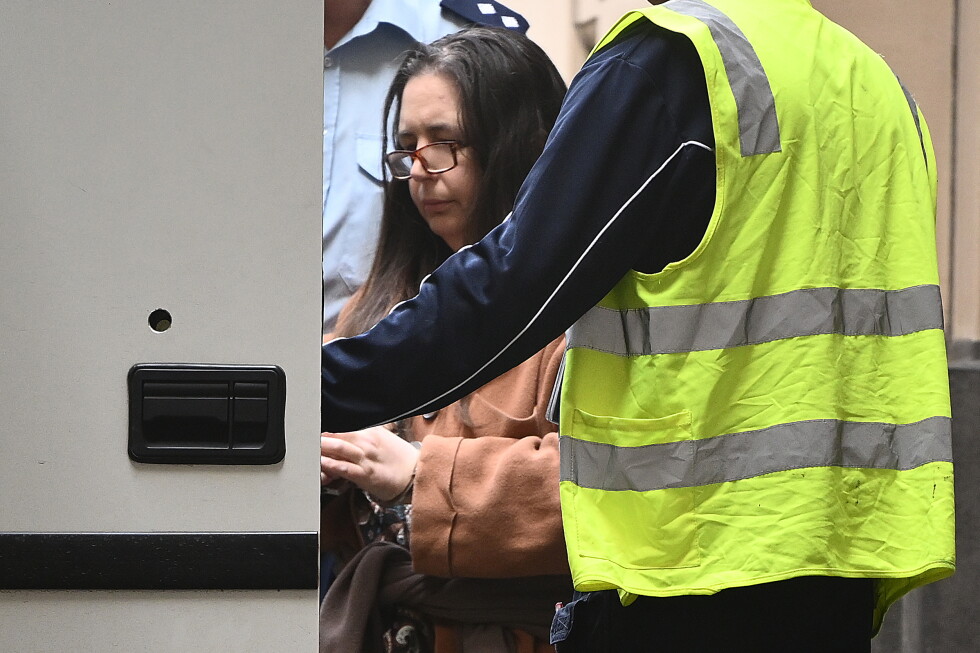
    Patterson did not appear in the Melbourne courtroom for the first day of the appeal hearing, and instead watched proceedings via video link from her prison cell. Her legal team has laid out multiple legal grounds to challenge her convictions, starting with a major procedural error during the original trial: jury members were sequestered in the same hotel as a key police witness and the prosecution’s legal team. Defense barrister Richard Edney emphasized to the court that this mistake amounted to a very serious breach of sequestration rules designed to protect a defendant’s right to a fair trial.

    A second key argument from the defense centers on contested cellphone evidence used to connect Patterson to areas where death cap mushrooms had been spotted. Prosecutors presented testimony from a telecommunications expert that showed Patterson’s phone connected to cell towers near the regional towns of Loch and Outtrim, where social media posts had noted local sightings of the toxic fungi. Defense barrister Veronika Drago told the court there is no actual evidence that Patterson ever saw those online posts, and the tower connection evidence only proved her phone may have been in the area—not that she was actively foraging for poison mushrooms. Drago argued that this circumstantial evidence was inherently unfair and dangerous to the defense’s case, creating undue bias against Patterson in the eyes of the jury.

    Two additional grounds for appeal contend that lead prosecutor Nanette Rogers’ five-day cross-examination of Patterson was unnecessarily unfair and oppressive, and that original trial judge Christopher Bale unfairly prejudiced the case against Patterson when he allowed testimony from Patterson’s Facebook friends to be entered as evidence.

    If the appeal court finds merit in Patterson’s arguments, judges have the power to overturn her convictions and order a new trial. The two-day hearing is expected to conclude Thursday, with the judges reserving their decision for a later date.