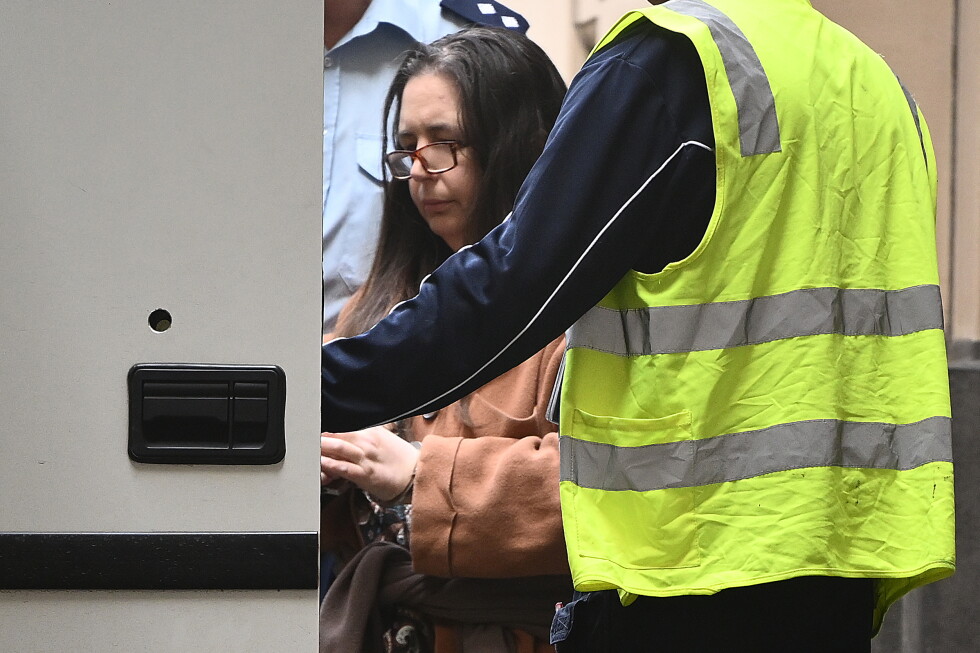
One of Australia’s most high-profile murder cases has entered a new phase, as convicted triple-killer Erin Patterson has formally appealed her convictions over the 2023 death cap mushroom poisoning that killed three members of her estranged husband’s family.
The appeal hearing kicked off Wednesday at the Victoria state Court of Appeal, where three judges will examine arguments over two days against both Patterson’s convictions and her original sentence. Patterson, 51, was found guilty last September on three counts of murder and one count of attempted murder stemming from a lunch she hosted at her rural Leongatha home in July 2023. She prepared beef Wellington pastries laced with toxic death cap mushrooms for the gathering, which claimed the lives of Don Patterson, Gail Patterson—parents of her estranged husband Simon—and Gail’s sister Heather Wilkinson. Heather’s husband, Ian Wilkinson, survived after weeks of intensive hospital care.
Simon Patterson was invited to the fatal meal but ultimately did not attend. In a twist that emerged after the original trial, pretrial testimony from Simon, only made public post-conviction, revealed he suspected his estranged wife had deliberately poisoned him on multiple occasions before the 2023 lunch. Initially, Patterson was charged with three counts of attempted murder for alleged incidents between November 2021 and September 2022 targeting Simon. She denied all of these accusations, and prosecutors ultimately dropped all charges related to these claims before the main trial got underway in April 2025. Investigators never found trace of any poison in Patterson’s home or possessions beyond the toxic mushrooms recovered from the victims.
Following her 2024 conviction, Patterson was sentenced to life in prison with a minimum non-parole period of 33 years. Prosecutors have launched a cross-appeal, arguing that this original sentence was overly lenient, and are pushing for the court to impose a life sentence with no possibility of parole.
Patterson did not appear in the Melbourne courtroom for the first day of the appeal hearing, and instead watched proceedings via video link from her prison cell. Her legal team has laid out multiple legal grounds to challenge her convictions, starting with a major procedural error during the original trial: jury members were sequestered in the same hotel as a key police witness and the prosecution’s legal team. Defense barrister Richard Edney emphasized to the court that this mistake amounted to a very serious breach of sequestration rules designed to protect a defendant’s right to a fair trial.
A second key argument from the defense centers on contested cellphone evidence used to connect Patterson to areas where death cap mushrooms had been spotted. Prosecutors presented testimony from a telecommunications expert that showed Patterson’s phone connected to cell towers near the regional towns of Loch and Outtrim, where social media posts had noted local sightings of the toxic fungi. Defense barrister Veronika Drago told the court there is no actual evidence that Patterson ever saw those online posts, and the tower connection evidence only proved her phone may have been in the area—not that she was actively foraging for poison mushrooms. Drago argued that this circumstantial evidence was inherently unfair and dangerous to the defense’s case, creating undue bias against Patterson in the eyes of the jury.
Two additional grounds for appeal contend that lead prosecutor Nanette Rogers’ five-day cross-examination of Patterson was unnecessarily unfair and oppressive, and that original trial judge Christopher Bale unfairly prejudiced the case against Patterson when he allowed testimony from Patterson’s Facebook friends to be entered as evidence.
If the appeal court finds merit in Patterson’s arguments, judges have the power to overturn her convictions and order a new trial. The two-day hearing is expected to conclude Thursday, with the judges reserving their decision for a later date.