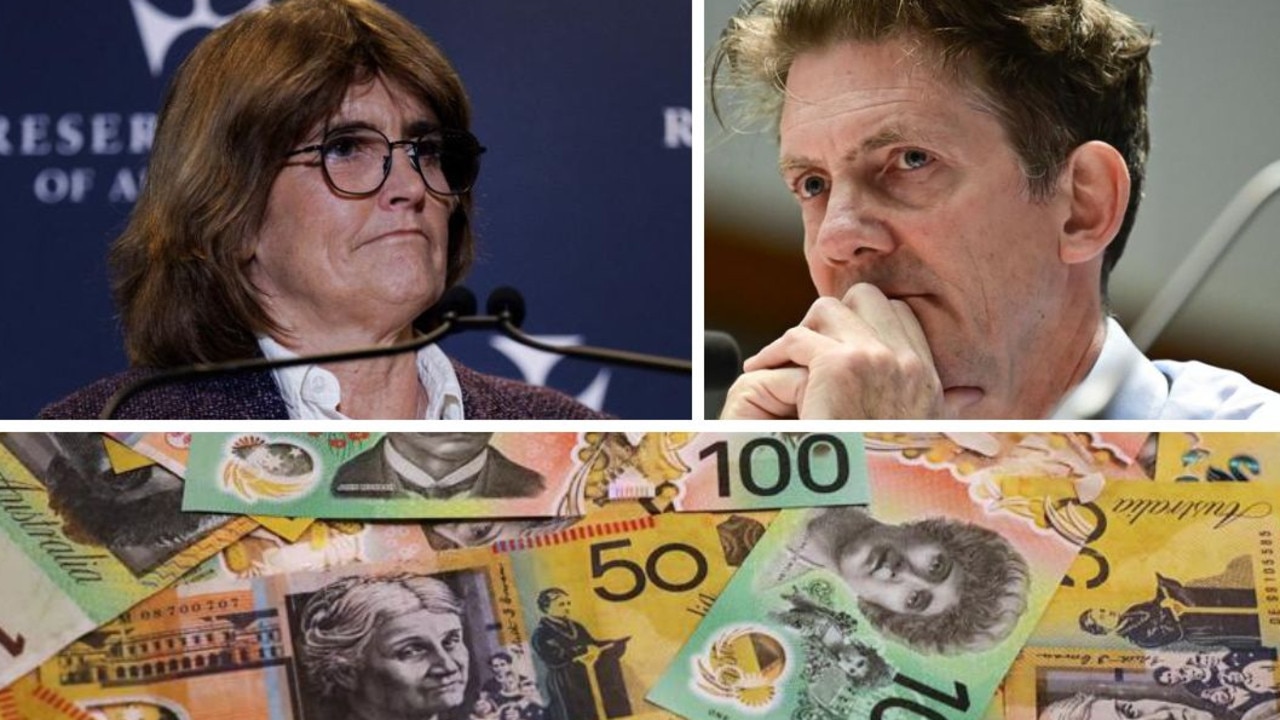
Australian households holding mortgages are facing a stark new warning from the Reserve Bank of Australia (RBA): the central bank stands ready to resume interest rate hikes if persistent high inflation and emerging upside risks do not ease in the coming months.
Delivering remarks at the Queensland Futures Institute Annual Regions Summit in Brisbane, RBA Deputy Governor Andrew Hauser laid out the central bank’s position just one week after policymakers voted to hold the official cash rate steady at its August meeting. While the board opted to pause hikes for a second consecutive gathering, Hauser emphasized that the status quo is far from permanent, as inflation remains well above the RBA’s mandated target range.
“While we concluded last week that interest rates are okay where they are for now, we are worried about the inflationary outlook and we are worried about the upside risk to inflation,” Hauser told attendees.
Hauser outlined three key threats that could push inflation higher than current projections, derailing the central bank’s progress toward price stability. The first is the ongoing crisis in the Middle East, which carries significant risk of escalation that could drive global energy and supply chain costs upward. Second, the rapid, unexpected boom currently unfolding across the global technology sector threatens to import fresh inflationary pressure from international markets. Third, domestic constraints, including sluggish supply and weak productivity growth, remain a persistent concern for policymakers.
“If those upside risks to inflation crystallise and we don’t see inflation coming down, we will have to raise interest rates again and we will do so,” Hauser said.
The RBA’s August pause matched broad market expectations, following an aggressive tightening cycle so far in 2026. Across three of the five scheduled monetary policy meetings this year, the central bank has lifted the cash rate by a cumulative 75 basis points, pushing the benchmark from 3.60 percent to its current level of 4.35 percent. Since those three hikes, the RBA has opted to hold rates steady at back-to-back meetings to assess the cumulative impact of previous tightening on the economy.
Current inflation data underscores the challenge facing the RBA. The central bank’s preferred trimmed mean inflation measure, which excludes the most volatile 15 percent of price movements in both directions, came in at 3.60 percent for the 12-month period ending in June. That reading remains noticeably above the RBA’s statutory target range of 2 to 3 percent.
Hauser reiterated the central bank’s dual mandate: returning inflation to the 2-3 percent target while sustaining full employment for Australian workers. He emphasized that stubbornly high inflation remains the most pressing threat to household and economic stability, noting that cost-of-living pressures are being felt across the country, even if some inflationary pressure originates outside Australia’s borders.
“Our message is simple, inflation is too high,” he said. “Everywhere you look people say prices are too high, cost pressures are too strong and while some of that is not home grown … but some of it does come from Australia.”
The deputy governor also acknowledged that bringing inflation back to target will require a period of below-trend economic growth, pushing back against expectations that the RBA can achieve price stability without any cooling in domestic activity. He explained that monetary policy works by tempering excess demand and capacity pressure in the economy, a process that inevitably translates to slower consumption and employment growth than Australia has seen in recent years.
“Monetary policy needs to bring inflation down, that is why we have raised rates three times this year, but here is the bad bit, it can only do so by reducing pressure on capacity and demand on the economy,” he said. “That means slightly slower growth in consumption, slightly slower growth in employment. We’ve seen a little bit of that so far, but we are going to need to see more to get inflation back.”
Hauser was quick to clarify that the projected slowdown is not a forecast for a deep recession or depression, stressing that the central bank expects only a moderate cooling of activity as inflation adjusts back to target. “That is not a slump, that is not a depression … but it is slower than growth in the past,” he added.