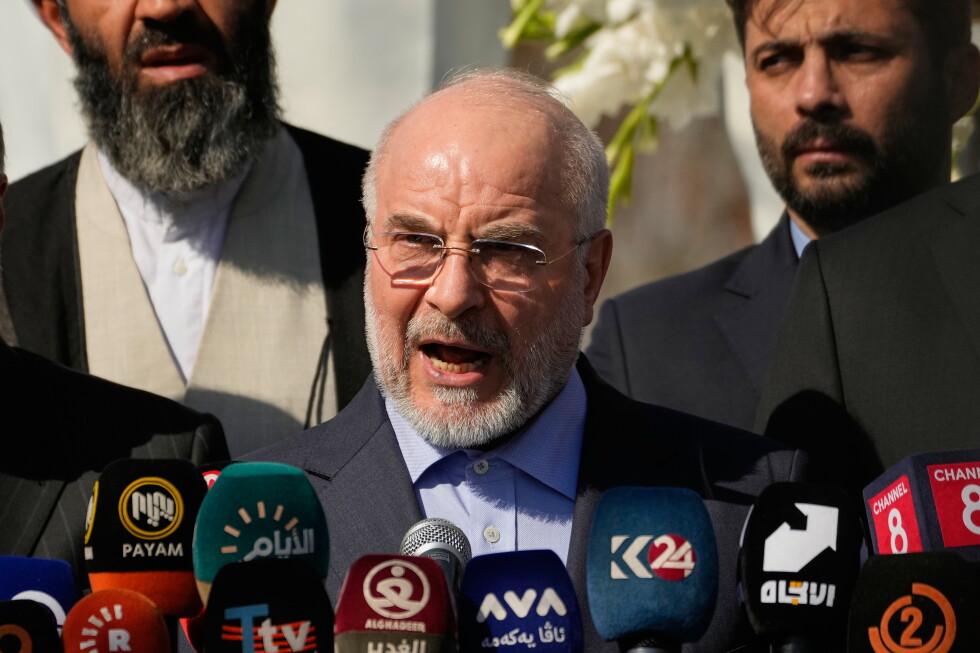
A wave of escalating geopolitical friction rippled across the Middle East on Wednesday, as three interconnected developments deepened uncertainty over regional stability amid already heightened hostilities between Iran and Western-aligned powers. The latest unrest comes weeks after the United States and Israel launched military operations against Iran starting February 28, with no diplomatic breakthrough between Tehran and Washington on the horizon to de-escalate broader tensions. The most acute new clash emerged between Iran and the United Arab Emirates, after Abu Dhabi accused Tehran of launching two ballistic missiles aimed at commercial maritime navigation that ultimately landed in the Persian Gulf on Tuesday. The alleged incident marked the first reported attack targeting UAE territory in several weeks, following a sustained period of frequent missile and drone strikes on Emirati assets by Iranian-aligned forces in the wake of the U.S.-Israel campaign against Iran. Within hours of the accusation, the UAE government announced an immediate suspension of all bilateral trade with Iran, framing the move as a necessary response to regional escalations that threaten both international and regional peace and security. This suspension came less than a week after Abu Dhabi had already accused Iran of launching drone attacks on two state-owned Emirati oil company tankers transiting the critical Strait of Hormuz, one of the world’s most vital oil chokepoints. Iran has forcefully rejected the latest missile accusation, with Foreign Ministry spokesperson Esmail Baghaei condemning the UAE’s claim during his weekly press briefing on Wednesday. Baghaei argued that the Emirati accusation violates core principles of good neighborliness, and undermines ongoing diplomatic efforts to build mutual trust between regional states and prevent further expansion of hostilities across the Middle East. Parallel to the UAE-Iran rift, a diplomatic standoff between France and Iran escalated into reciprocal expulsions of diplomatic personnel this week. On Wednesday, the French Foreign Ministry announced it would expel two Iranian embassy staff based in Paris, a direct response to Iran’s expulsion of two French diplomats from Tehran just two days prior. French Foreign Minister Jean-Noël Barrot accused Iranian authorities of premeditated action, saying Tehran fabricated false claims of foreign interference against the expelled French diplomats to justify their expulsion. Barrot added that Iranian security forces carried out a deliberate assault on the two French diplomatic staff last month, and criticized Tehran for failing to launch a credible investigation into the incident. Iranian state media, meanwhile, reported that the expelled French diplomats had been caught participating in a secret meeting with individuals linked to a major foreign infiltration and interference case in the country. The two Iranian diplomats ordered expelled by Paris are scheduled to leave the French capital in the coming days. Amid these cross-regional tensions, Iran’s top parliamentary speaker and chief nuclear negotiator Mohammad Bagher Qalibaf touched down in Baghdad Wednesday for a scheduled three-day official visit, where he is set to hold talks with senior Iraqi government officials and leaders of Iran-aligned political factions. Iraq has walked a precarious diplomatic tightrope for years, seeking to maintain functional diplomatic and economic ties with both Washington and Tehran, a balancing act that has grown far more complicated amid the latest escalation of open conflict between the U.S. and Iran. Iran-aligned Iraqi militias have claimed and carried out repeated drone attacks targeting U.S. military bases and diplomatic assets across Iraq and neighboring regions, putting enormous political pressure on the Iraqi government to respond. During his first public remarks in Baghdad Wednesday, Qalibaf praised Iran-aligned militias — which he referred to as the “Iraqi resistance” — framing them as a core pillar of Iraq’s national power. “After years of experience in Iraq, the resistance has gone beyond the borders of the two countries and has become an influential force at the regional and global levels,” Qalibaf told reporters. The comments underscore Iran’s long-standing strategy of building influence across the Middle East through allied armed groups and political proxies, including Lebanon’s Hezbollah and Yemen’s Houthi movement, which have played key roles in regional conflicts for decades. The latest round of tensions has fueled widespread international concern that the region could slide back into full-scale open conflict after weeks of relative quiet in attacks on Gulf states. Diplomatic efforts to restart nuclear talks between Iran and the United States remain stalled, with no formal negotiations scheduled in the near term. The Associated Press contributed reporting from correspondents based in Beirut, Tehran, Paris and Baghdad.
博客
-
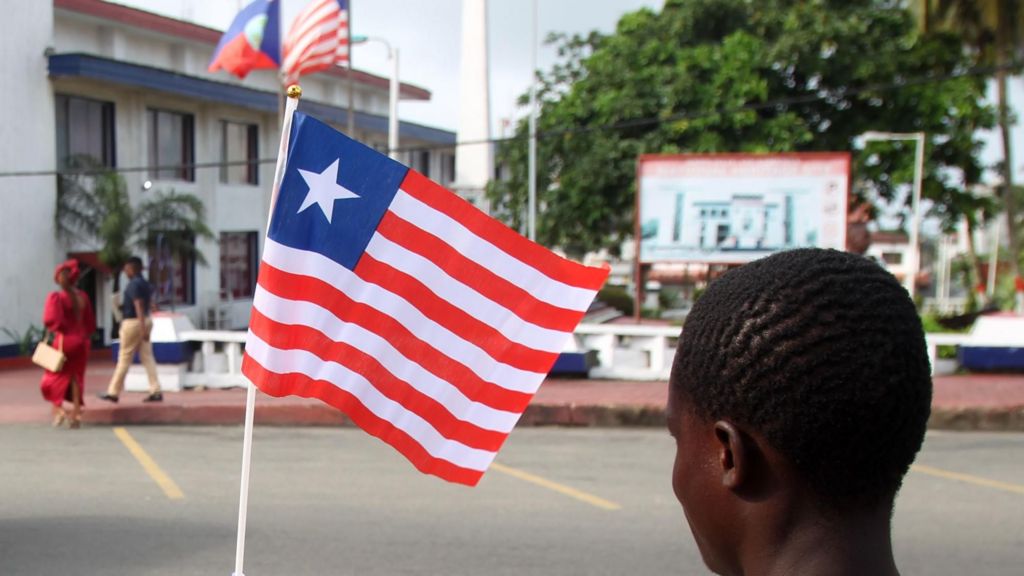
Liberia agrees to accept 1,200 foreign deportees from the US
As the second Trump administration ramps up its nationwide crackdown on unauthorized immigration, the West African nation of Liberia has signed a landmark agreement to host up to 1,200 foreign nationals deported from the United States over the coming 12 months, marking one of the largest third-country deportation deals Washington has secured to date.
Third-country deportation arrangements, which have become a core policy tool for the current US administration, typically involve moving deportees who cannot be legally returned to their countries of origin — often due to formal protection from deportation on grounds of persecution, conflict, or human rights risks — to a neutral host nation. At this stage, no public information has been released confirming whether any of the 1,200 people bound for Liberia hold active international or US protection orders that would bar their removal to their home countries.
In an official statement, Liberia’s Information Minister Jerolinmek Piah clarified that the government is receiving all deportees as invited guests rather than criminal detainees. An inaugural group of 20 deportees is scheduled to arrive in Liberia this Thursday, Piah confirmed, adding that all arrivals will be free to leave the country at their own discretion or submit formal applications for asylum if they wish to remain. Piah emphasized that none of the deportees being sent to Liberia have criminal records or are facing active criminal prosecution in either the United States or Liberia.
The decision to accept the deportees aligns with Liberia’s foundational identity as a safe haven for displaced people, Piah explained. Founded in the early 19th century as a resettlement settlement for freed African-American slaves and emancipated Black people from the United States and Caribbean, Liberia has a decades-long tradition of offering shelter to people fleeing persecution, war, and systemic violence. “To reject these third country nationals would be acting against our best interest,” Piah said of the policy. “This is entirely a humanitarian arrangement.”
Piah also pushed back against widespread speculation that Liberia received financial compensation for agreeing to the deal, stating clearly that the government “not demanded or received any compensation or promise of rewards in exchange for its consent to participate in the programme.” He did confirm, however, that the United States will provide technical and operational support to help Liberia manage the arrivals and broadly strengthen the country’s national migration management system. No details have been released about the national origins of the deportees bound for Liberia.
Since taking office in January 2025, the Trump administration has already deported dozens of migrants to third countries across Africa and beyond, and multiple African nations have already signed similar agreements to host US deportees that cannot be returned to their home countries. These nations include Ghana, Equatorial Guinea, Eswatini, the Democratic Republic of Congo, and Sierra Leone.
The US has publicly defended these third-country arrangements as fully compliant with international and domestic law, but the policy has drawn sharp criticism from global human rights groups, which argue the deals lack transparency and often end with deportees being forcibly sent back to the high-risk countries they originally fled. Ghana has already been hit with multiple legal challenges over accusations it has violated international human rights law by forcing US-deported migrants to return to the countries they fled. In Eswatini, government officials confirmed this week that two migrants deported from the US to the southern African kingdom have already voluntarily returned to their home countries of Mauritania and the Democratic Republic of Congo. Last year, Eswatini confirmed it received $5.1 million (£3.8 million) from the Trump administration for its participation in the scheme, a disclosure that sparked widespread condemnation from rights advocates.
As of Wednesday, the US State Department has not issued any public comment on the new agreement with Liberia.
-
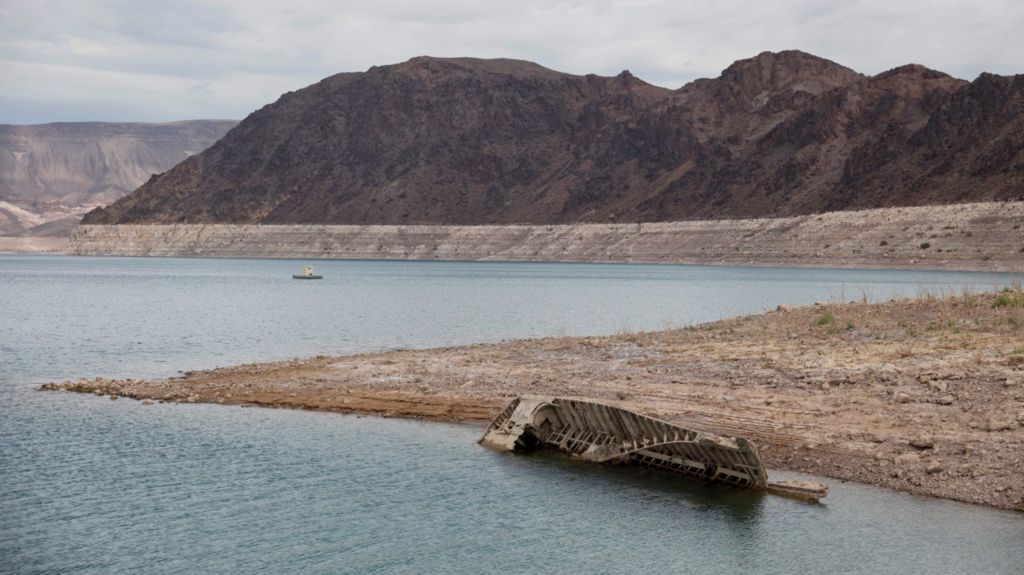
Apparent human remains found in US reservoir as water levels hit record low
For more than two decades, the United States’ largest reservoir, Lake Mead, has faced a steady, alarming decline in water levels, driven by an intensifying drought that has gripped the American West. In the latest unexpected consequence of this accelerating dry spell, authorities have recovered what are believed to be human remains from the reservoir’s shores, a discovery that traces directly to the retreating waters.
The US National Park Service confirmed that it was alerted to the apparent skeletal remains at Boulder Beach, located on the Nevada side of the Lake Mead, which straddles the state’s border with Arizona, on August 16. In an official statement shared with CBS, the BBC’s US partner outlet, the agency confirmed that park rangers joined investigators from the Las Vegas Metropolitan Police Department to respond to the site and secure the remains. As of the latest update, the case remains open and under active investigation, with no further details on the identity or timeline of the remains available to the public.
The discovery was made by two recreational visitors: Dianelis Molina Cruz and her friend Noel De Leon. Cruz told local CBS affiliate KLAS that the find happened by chance while her companion was exploring the rocky shoreline. “My friend was playing with the rocks in the lake, and then he grabbed the jaw. And when he looked, he saw the teeth and everything,” Cruz recounted. De Leon noted that the extremely low water levels made the discovery possible, adding, “The water looks very low compared to where it should be. As the water goes down, the skeletons come up.”
Lake Mead’s water levels have been in consistent decline since 2000, a trend that has accelerated sharply in recent years as drought conditions worsen across the western United States. Last week, the US Bureau of Reclamation reported that the reservoir’s water level fell to 1,040 feet (317 meters) above sea level, a new record low that dips well below the previous low set in July 2022. According to the US Drought Monitor, nearly all of Clark County, Nevada, where most of Lake Mead is located, is currently classified as being in moderate drought. Climate scientists have repeatedly linked the deepening drought across the American West to human-caused climate change, which has amplified average temperatures and prolonged dry spells across the region.
This discovery at Lake Mead is far from an isolated event. Across the globe, record-breaking summer heat and persistent drought have driven water levels down in rivers and reservoirs, uncovering long-submerged artifacts, remains, and landscapes that have been hidden for decades.
Earlier this month in Hungary, the remains of two German World War II soldiers were recovered from the Danube River in Budapest, alongside a largely intact Wehrmacht military motorcycle. Further downstream in Serbia, additional World War II remnants, including the broken hull of a watercraft, have emerged from the Danube’s retreating waters in recent weeks. In the United Kingdom, low water levels at a reservoir in Rutland have exposed the ruins of Nether Hambleton, a village that was intentionally demolished and flooded in the 20th century to create the reservoir that now covers its original site.
As climate change continues to drive rising global temperatures and more frequent extreme drought events, experts warn that more unexpected discoveries of both modern and historical remains are likely to occur as water levels continue to drop across the world’s major freshwater bodies.
-
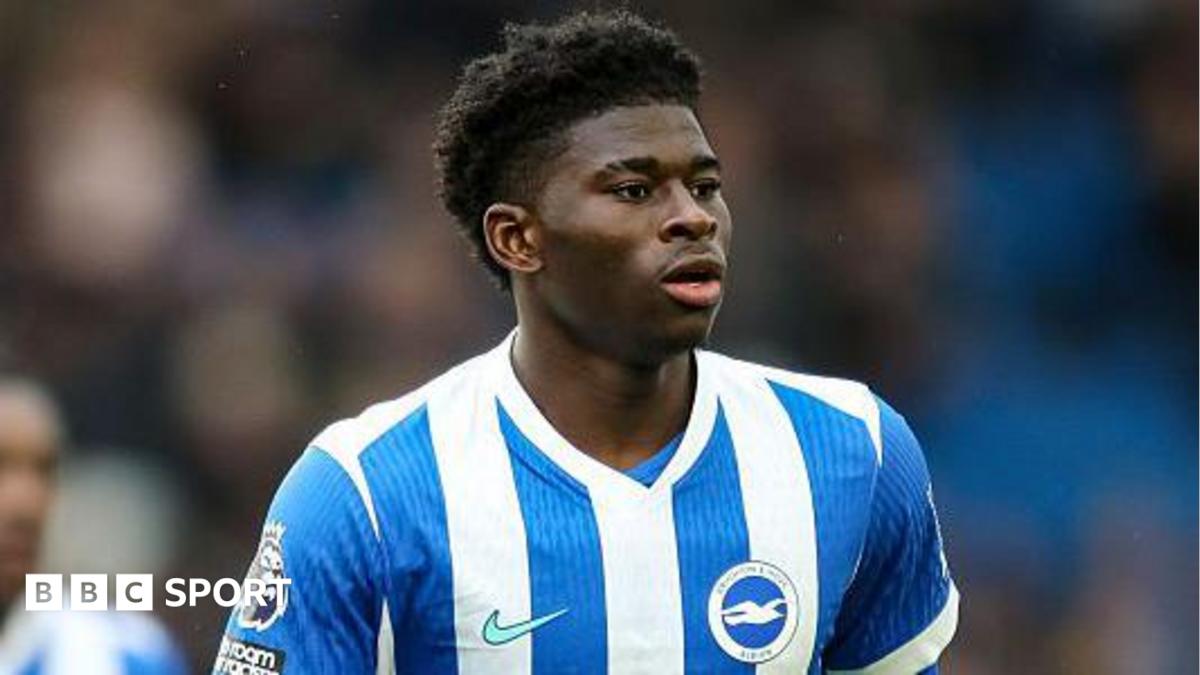
Man Utd close on deal for Brighton’s Baleba
English Premier League giants Manchester United are advancing rapidly toward an agreement to acquire Brighton & Hove Albion defensive midfielder Carlos Baleba, ending a year-long pursuit of the Cameroon international that stalled 12 months ago over valuation disagreements.
Last summer, United tabled a late offer for Baleba close to the transfer deadline, but walked away from negotiations after Brighton set an asking price exceeding £100 million. This window, however, the asking price has dropped dramatically, and United—having already failed to secure a deal for alternative target Matheus Fernandes—have opted to reopen talks for the 24-year-old. United’s opening bid of £60 million still falls short of Brighton’s current valuation, but constructive discussions between the two clubs are ongoing as the transfer deadline approaches.
The Old Trafford side has already invested heavily in midfield reinforcements this summer, bringing in Andrey Santos from Chelsea for £48 million and Youri Tielemans from Aston Villa for £35 million in July. While Mason Mount has turned in impressive performances alongside Santos during the first three pre-season fixtures, the attacking midfielder has been sidelined by a foot injury sustained during a friendly against Paris Saint-Germain in Gothenburg on 8 August, creating additional depth concerns in United’s midfield ranks. Baleba himself is also currently injured, with an ankle issue picked up during pre-season training in Austria expected to keep him out of action for another two to three weeks.
A product of Brighton’s recent success, Baleba made 35 senior appearances for the Seagulls last season, but tactical analysts and club data point to a clear dip in form that explains the reduced transfer price. During the 2024-25 campaign, Baleba notched 31 Premier League starts and three substitute appearances, but that dropped to 23 starts and eight substitute outings in 2025-26, even as Brighton qualified for European competition for just the second time in club history. While some pundits speculated that United’s initial interest unsettled the player and contributed to his dip in form, Brighton sources rejected that claim last season.
From a tactical perspective, Baleba’s arrival would fill a clear gap in Michael Carrick’s current squad, football tactics correspondent Umir Irfan explains. United’s two new midfield signings, Santos and Tielemans, both fit the technical profile that Carrick has prioritized this window: they are comfortable on the ball in tight spaces, excel at rotating positions and connecting play under pressure, a stylistic choice inspired by PSG’s celebrated midfield trio that Carrick has openly praised. However, that profile leaves United with a gap in physicality and transitional play that Baleba is built to fill.
Baleba’s greatest strengths align perfectly with the gaps in Carrick’s current setup. His ability to carry the ball over long distances creates additional attacking threat when United’s technical midfielders draw opponents out of position, while his elite athleticism provides defensive cover against counter-attacks that the more diminutive, possession-focused current midfield options cannot offer. His elite reading of the game and ability to execute high pressing also fits Carrick’s preferred system, allowing United to win the ball back high up the pitch close to the opposition goal—an attribute that has directly led to goals for his previous sides. He would also replace the defensive intensity and ball-winning physicality that United lost when Casemiro departed the club earlier in the window.
Brighton, meanwhile, are already preparing for their first European fixture of the new season: Fabian Hurzeler’s squad travels to Norway on Wednesday ahead of Thursday’s first leg of the UEFA Conference League play-off against Tromso, with Baleba expected to miss out due to his injury. For United, the club’s hierarchy is pushing to get the deal done before the deadline closes, and Carrick will be hoping the version of Baleba that shows up at Old Trafford is the consistent, high-impact player that featured regularly in the 2024-25 campaign.
-
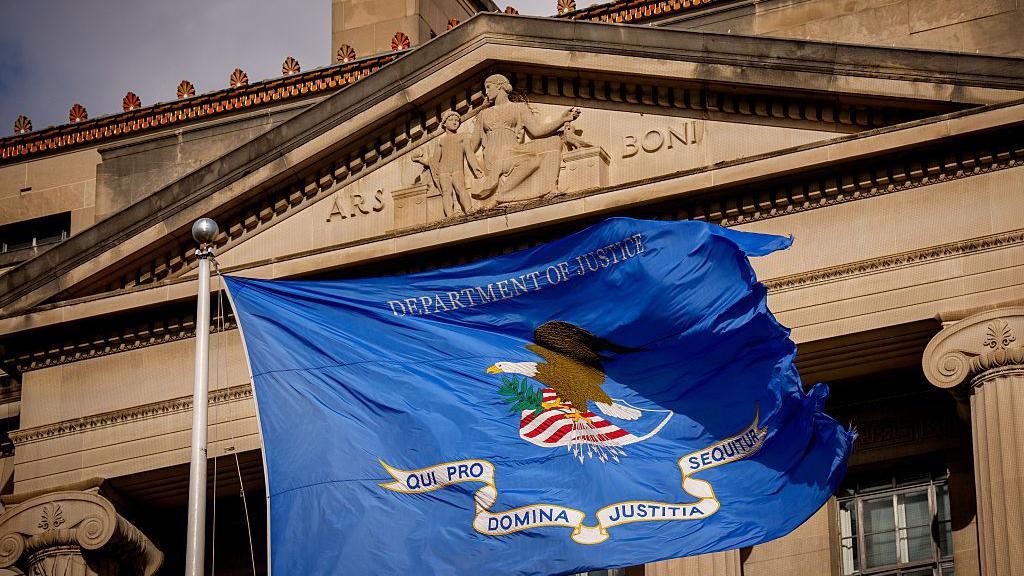
US charges 17 Iranians over ‘massive’ cyber theft campaign
In a major announcement outlining one of the largest documented state-sponsored cyber intrusions in recent history, the U.S. Department of Justice (DoJ) has unsealed charges against 17 Iranian individuals linked to a coordinated, years-long hacking campaign that stole massive volumes of academic data and intellectual property from hundreds of American and global organizations.
According to official DoJ allegations, the hacking operation was run out of Tehran by the Mabna Institute, a front organization founded in 2013 specifically to illicitly access scientific resources outside Iran. From the campaign’s launch in 2013 through at least December 2017, the group systematically targeted digital networks across 144 U.S. universities, 42 U.S. private sector companies, five American federal and state government agencies, 178 international academic institutions, and 11 additional private companies based in Germany, Italy, Switzerland, Sweden, and the United Kingdom.
Prosecutors confirm the hacking ring carried out most of its attacks on behalf of Iran’s Islamic Revolutionary Guard Corps (IRGC), alongside other Iranian government bodies and domestic academic clients. The group specifically targeted the personal and professional accounts of more than 100,000 academics worldwide, successfully breaching approximately 8,000 university professor email accounts to steal research data. Over the course of the campaign, the hackers exfiltrated more than 31 terabytes of stolen information, with the total value of the taken intellectual property estimated at around $3.4 billion.
FBI Assistant Director in Charge James C. Barnacle, Jr. emphasized the severity of the coordinated intrusion, framing it as a direct threat to U.S. national security. “Backed by the IRGC, this operation reflects a broader, organised effort to target US institutions and global partners,” Barnacle said in an official statement released alongside the charges.
U.S. Attorney for the Southern District of New York Jamie McDonald reinforced that warning, noting that malicious cyber operations have now become a core tool of state power for adversarial nations, with far-reaching consequences for both American national security and economic stability.
In a parallel action to the unsealed charges, the DoJ announced a $10 million reward for any information that leads to the identification or location of five of the charged accused hackers, who remain at large. Nine of the 17 defendants facing charges were first indicted in a 2018 seven-count charging document, with eight new defendants added in the updated unsealed case.
The charges mark the latest high-profile U.S. government action cracking down on transnational state-sponsored cybercrime, highlighting the ongoing risk of large-scale intellectual property theft targeting academic and private sector research networks.
-
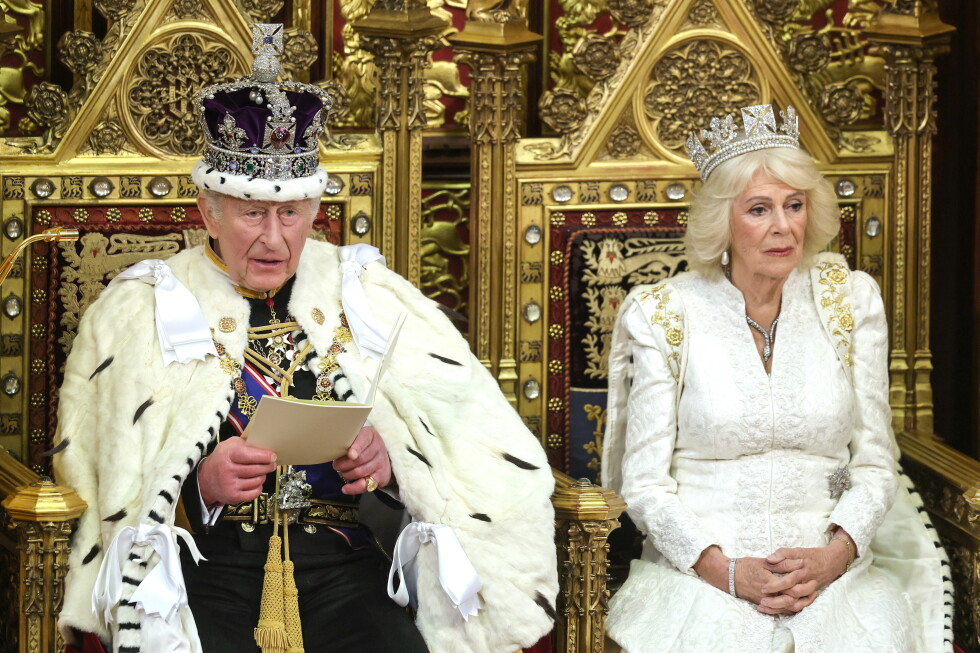
Queen Camilla wished she could share king’s diagnosis during a visit to cancer charity
LONDON – In a candid video marking the 30th anniversary of UK cancer support charity Maggie’s, Queen Camilla has shared the personal struggle of keeping King Charles III’s cancer diagnosis confidential in the days before the news was made public, revealing how the monarch’s openness has already transformed public engagement with cancer testing and support.
King Charles III made a historic break from long-standing British royal tradition on February 5, 2024, when he publicly announced he had begun treatment for an unspecified type of cancer. For generations, the royal household has kept senior members’ private health matters closely guarded from public view, making the king’s choice to share his diagnosis an unprecedented step for the modern monarchy.
Queen Camilla, who has served as president of Maggie’s – a organization that runs 27 specialized cancer support centers across the United Kingdom – since 2008, said she was already aware of her husband’s diagnosis a full week before the public announcement. At that time, she was scheduled to officially open a new Maggie’s center at London’s Royal Free Hospital, and she described the pressure of staying silent during the visit as unexpectedly challenging.
“Nobody could say anything at that time. That was quite difficult,” Camilla shared in her 8-minute conversation with Maggie’s Chief Executive Laura Lee, released to the public on Wednesday. “I almost said something but, you know, I felt that it wasn’t the time to say.”
In the weeks following the king’s announcement, the charity has recorded a surprising uptick in men seeking support: Lee confirmed that male visitor numbers to Maggie’s centers across the country have risen by 12% since the announcement. Medical and public health experts have already credited King Charles’ openness with encouraging thousands of at-risk men to book screening for prostate cancer and other under-tested forms of the disease, a shift that is expected to lead to earlier diagnoses and improved health outcomes for many.
Maggie’s centers, unlike acute medical facilities, focus on providing non-clinical support: the organization offers personalized counseling, evidence-based information, and community space to help people living with cancer manage anxiety, maintain daily routines, and sustain quality of life while undergoing treatment.
Queen Camilla said her husband’s diagnosis has deepened her understanding of the critical work Maggie’s carries out. She also highlighted the king’s steady, pragmatic approach to his treatment, noting that he has continued his royal duties while caring for his health. “Look at my husband, nothing stopped him,” she said. “He just said, ‘This is my way. I’m going to cope with it.’”
Recent official updates on the king’s health confirm that his condition is trending in a positive direction as he continues his ongoing treatment regimen.
-
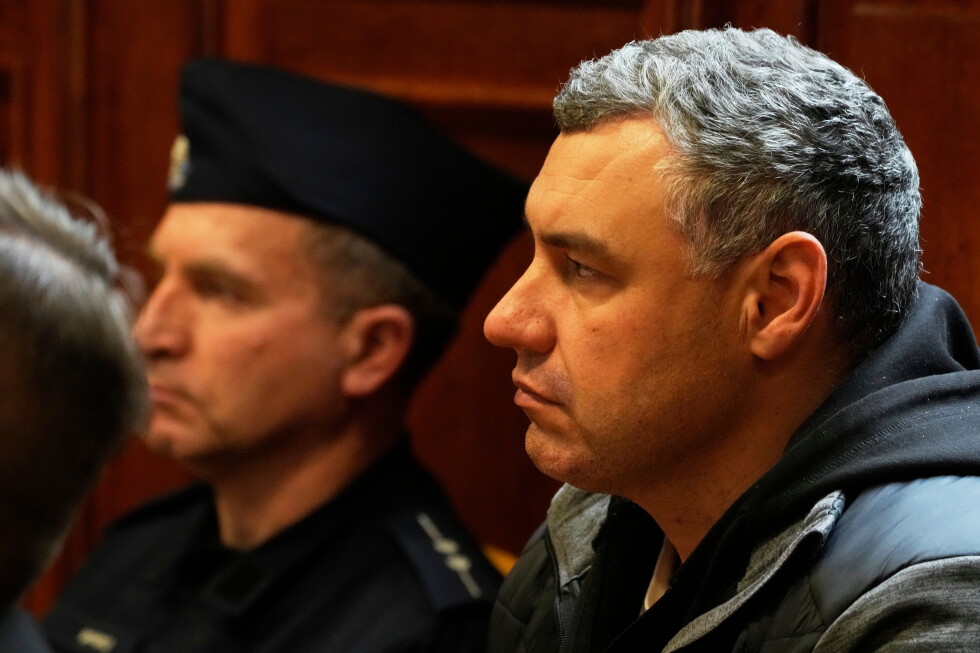
Ukrainian man arrested over 2022 Nord Stream pipeline explosions
In a significant new development in the long-running investigation into the 2022 Baltic Sea Nord Stream pipeline bombings, German federal authorities have confirmed a Ukrainian man accused of involvement in the attack has been taken into custody in Croatia under a European arrest warrant. The suspect, identified by Polish authorities as Volodymyr Zhuravlov (referred to only as Vladimir Z. in German federal prosecutors’ official statement), is a trained scuba diver alleged to be part of the sabotage group that placed explosive devices on both Nord Stream 1 and Nord Stream 2 pipelines near Denmark’s Bornholm Island ahead of the September 26, 2022 blasts.
The undersea explosions occurred at a moment of already extreme geopolitical tension following Russia’s full-scale invasion of Ukraine, compounding stress across the continent as European nations were already moving to cut their reliance on Russian fossil fuels. Per the German federal prosecutor’s charging document, Zhuravlov faces serious allegations including conspiracy to carry out explosive attacks, anti-constitutional sabotage, and deliberate destruction of critical infrastructure. He was apprehended in the coastal Croatian city of Pula, and will be extradited to Germany to appear before an investigative judge at the Federal Court of Justice once the transfer process is finalized.
This arrest marks a second time Zhuravlov has been detained in connection with the case: he was first taken into custody in Poland last year, but a Polish court ultimately rejected Germany’s extradition request, leading to his release. Poland has long maintained strong opposition to the Nord Stream projects, viewing the pipelines as a tool for Russia to gain political and economic influence over Europe, and Polish Prime Minister Donald Tusk stated at the time that extraditing Zhuravlov would not serve Poland’s national interest.
It remains unclear exactly why Zhuravlov chose to leave Poland after his release, despite the active European warrant remaining in effect. His Polish legal representative, Tymoteusz Paprocki, told the Associated Press that Zhuravlov was aware the Polish court’s ruling only applied within Poland’s borders, adding that even the suspect’s wife expressed shock at his detainment in Croatia.
German officials have welcomed the latest arrest as a key step forward in untangling the full details of the attack. “We’re simply glad that the federal prosecutor’s office is making progress in these investigations, because it is important that the bombing of the pipelines be clarified as well,” German Justice Ministry spokesperson Nicholas Limmer told reporters in Berlin.
This arrest comes one month after German federal prosecutors filed formal charges against a second Ukrainian suspect, a former Ukrainian army officer identified only as Serhii K., in connection with the same bombing. Serhii K. was apprehended in August 2025 during a raid on a family vacation bungalow in an Italian village, where he surrendered peacefully to law enforcement. He was extradited to Germany in November 2025, and faces charges including explosives offenses, property damage, disruption of public services, and accessory to war crimes for targeting civilian critical infrastructure.
Investigative records show the group of suspects allegedly used a chartered yacht that departed from the German port of Rostock to carry out the operation, renting the vessel through intermediaries using forged identification documents. The 2022 blasts heavily damaged Nord Stream 1, which had served as Russia’s primary natural gas export route to Germany before Moscow cut off all supplies in August 2022 just weeks before the attack. The explosions also damaged Nord Stream 2, a second pipeline that never entered commercial operation after Germany suspended its certification process in the lead-up to Russia’s full-scale invasion of Ukraine.
The Nord Stream attacks have remained a flashpoint of global geopolitical dispute since they occurred. Russia has repeatedly accused the United States of orchestrating the blasts, a claim that Washington has flatly denied. For years before the attack, the United States and many of its allies openly criticized the Nord Stream projects, warning they would increase European dependence on Russian energy and expand Moscow’s geopolitical leverage across the continent.
-
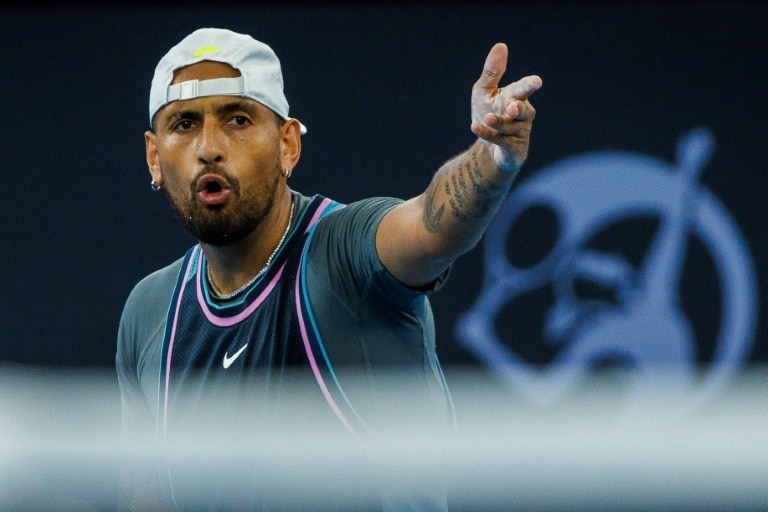
Kyrgios admits ‘huge mistake’ after failing test for cocaine
Top Australian tennis professional Nick Kyrgios has publicly owned up to making a serious error after testing positive for cocaine, resulting in an immediate provisional suspension from all sanctioned tennis events worldwide. The 31-year-old, who earned global recognition for his run to the 2022 Wimbledon men’s singles final, failed an out-of-competition doping test conducted during an ATP Tour event hosted in Mallorca, Spain on June 22 this year.
The International Tennis Integrity Agency (ITIA) announced on Wednesday that a World Anti-Doping Agency (WADA)-accredited lab officially confirmed the presence of benzoylecgonine, a primary cocaine metabolite, in Kyrgios’ test sample on July 17, 2026. The provisional suspension officially went into effect on August 4, barring the athlete from competing, coaching, or even attending any event organized or approved by the ATP, WTA, Grand Slam tournaments, the International Tennis Federation, or any national tennis governing body.
Widely regarded as one of the most naturally talented players of his generation, Kyrgios boasts a career highlighted by seven ATP Tour singles titles and a career-high world ranking of No.13, achieved back in 2016. He made history as one of only a handful of active players to register tour-level victories against all members of men’s tennis’ legendary “Big Four” — Roger Federer, Rafael Nadal, Novak Djokovic and Andy Murray. His career-best performance came on Wimbledon’s grass courts in 2022, where he fought his way to the championship match before falling in four sets to eventual winner Djokovic.
However, Kyrgios’ on-court promise has long been undermined by consistent injury struggles and well-documented off-court challenges. A series of severe injuries affecting his right elbow, left wrist, hip, knees, shoulders and collarbone have forced him to undergo multiple surgeries, the most major being a full reconstruction of his right wrist completed in 2024. The repeated health setbacks have left him ranked 919th in the world as of this announcement, with the athlete barely competing in singles events over the past several years. In January 2026, he openly acknowledged he would never regain the form that made him a top contender early in his career.
In a public statement posted to his Instagram account Wednesday, Kyrgios took full responsibility for the positive test, apologizing unreservedly to everyone affected by his actions. “I made a huge mistake,” he wrote. “I’m sorry to my fans, my family, my sponsors and everyone close to me. Above all, I’m sorry to the kids who follow me. I know the example this sets and I’m deeply disappointed in myself.”
The tennis star noted that years of ongoing injuries have taken an enormous toll on both his physical and mental wellbeing, but emphasized this context does not excuse his behavior. “None of that excuses what I did,” he said. “However the good news is that this has given me a wake-up call. I’m sorry, I’ll do the work and come back better.”
-
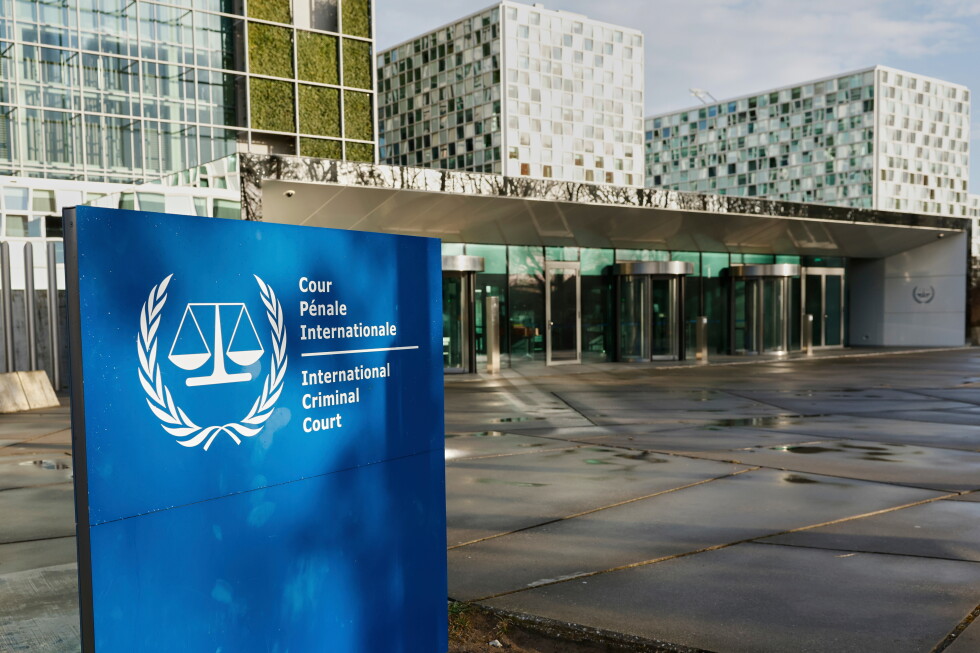
ICC slams US decision to sanction the court’s president and a senior prosecution lawyer
THE HAGUE, NETHERLANDS – In a sharp rebuke of newly imposed United States sanctions targeting its top leadership, the International Criminal Court (ICC) issued a formal condemnation Wednesday, calling the measures a blatant assault on the tribunal’s judicial independence and reaffirming its commitment to pursuing accountability for mass atrocities across the globe. The punitive measures, announced by the US State Department a day earlier, target ICC President Tomoko Akane, a Japanese jurist, and senior ICC trial lawyer Abdoulaye Seye, a Senegalese legal professional, freezing any assets they hold under US jurisdiction and cutting them off from the US financial system.
According to ICC records, the current Trump administration has now imposed sanctions on nine of the court’s 18 sitting judges, both of its deputy prosecutors, its former chief prosecutor, and one additional member of the prosecution team. Washington has long justified its aggressive campaign against the Hague-based court by claiming the ICC has overstepped its governing mandate by launching investigations into and pursuing prosecutions of senior military and political officials from non-member states, including Israel and the United States.
“ When judicial actors are targeted and threatened for upholding the law, the entire international legal order is put in jeopardy,” the ICC said in its official statement. The court stressed it would continue to carry out its core mandate with unwavering independence and impartiality, regardless of external pressure.
US Secretary of State Marco Rubio defended the sanctions in a statement released Tuesday, labeling the ICC a corrupt, irredeemably politicized supranational body that has intentionally abused its authority and acted far outside its agreed-upon jurisdiction. The latest sanctions come just weeks after Rubio unveiled a sweeping, multi-pronged US campaign to neutralize what the administration frames as a threat to American sovereignty from the ICC. Rubio has outlined plans to pressure the court’s 125 member states to exit the institution, impose sanctions on any organization that collaborates with the court, and implement a full travel ban barring all ICC staff from entering the United States.
To date, the administration’s pressure campaign has already yielded tangible results: in recent weeks, both Venezuela and Chad have formally announced their intention to withdraw from the ICC, pushing the total number of countries that have announced departures over the past 12 months to five. Under ICC rules, a nation’s withdrawal takes one year to take full legal effect after it is formally notified.
Beyond the diplomatic and institutional impact, the sanctions impose tangible, daily hardships on targeted ICC officials and their families. In addition to travel bans that bar entry to the United States, the measures cut off access to basic global financial services, even complicating routine daily activities such as grocery shopping for affected individuals. Canadian judge Kimberly Prost, who was sanctioned by the US last year, described the far-reaching disruption to the AP after she was targeted: she lost access to all her personal credit cards, and even her consumer Amazon Alexa device stopped responding to her commands. “Every part of your life becomes restricted,” Prost explained.
Japan, the home country of newly sanctioned ICC President Akane, has joined the international criticism of the US measures. “The announced measures are very unfortunate,” Toshihiro Kitamura, press secretary for Japan’s Ministry of Foreign Affairs, said in a statement released Wednesday. Kitamura noted that Japan has long been a consistent supporter of the ICC’s work to prosecute and punish the gravest international crimes that shock the conscience of the global community, and to uphold the international rule of law. “Japan will remain committed to strengthening the rule of law in the international community, while maintaining open communication with all relevant countries,” he added.
Human rights groups have also roundly condemned the new sanctions, framing them as an attempt to shield officials from accountability for alleged grave crimes. Balkees Jarrah, Middle East and North Africa director at Human Rights Watch, called the sanctions “the latest example of the Trump administration’s utter contempt for international law and a naked attempt to shield American and Israeli officials implicated in serious crimes from justice.”
Last week, Human Rights Watch joined three other advocacy organizations in filing a federal lawsuit against the Trump administration to challenge its broader campaign against the ICC. The legal complaint, lodged in the US District Court for the Southern District of New York, argues that a previous Trump executive order targeting the Hague-based court, paired with the new sanctions against ICC officials, a UN human rights expert, and three Palestinian rights organizations, amount to a “blatantly illegal attack on international justice that must be struck down,” according to a press release announcing the suit.
Associated Press journalists Matthew Lee in Washington, D.C., and Mari Yamaguchi in Tokyo contributed reporting to this article.
-
Tragedy as Australian national dies in Vietnam, DFAT offering consular support to family
Australia’s Department of Foreign Affairs and Trade (DFAT) has officially confirmed that an Australian citizen has died in Vietnam, with the circumstances surrounding the death still undisclosed as of the latest update. In line with its standard protocols for overseas fatalities, the department has activated consular support for the deceased’s family, offering guidance and practical help through a difficult period.
DFAT extended its official sympathies to the grieving family in a public statement released earlier this week. “We send our deepest condolences to the family at this difficult time,” the statement read. Citing strict privacy obligations that govern its handling of consular cases, DFAT declined to share any additional details about the individual or the events leading up to the death. A department spokesman clarified that no further comment would be provided publicly out of respect for the family’s privacy.
For Australian families that lose a loved one while they are traveling or living abroad, DFAT’s consular services cover a broad range of practical and administrative needs. These include coordinating communication between local Vietnamese authorities and relevant Australian agencies, supporting families through the process of making funeral arrangements, and facilitating the repatriation of the deceased’s remains back to Australia if that is the family’s wish.
As of the latest update one hour ago, no further details have emerged regarding the identity of the deceased or the cause of death, pending the outcome of any ongoing local procedures. The case remains one with unclear circumstances, and DFAT has indicated it will continue to focus on supporting the family rather than releasing public updates.