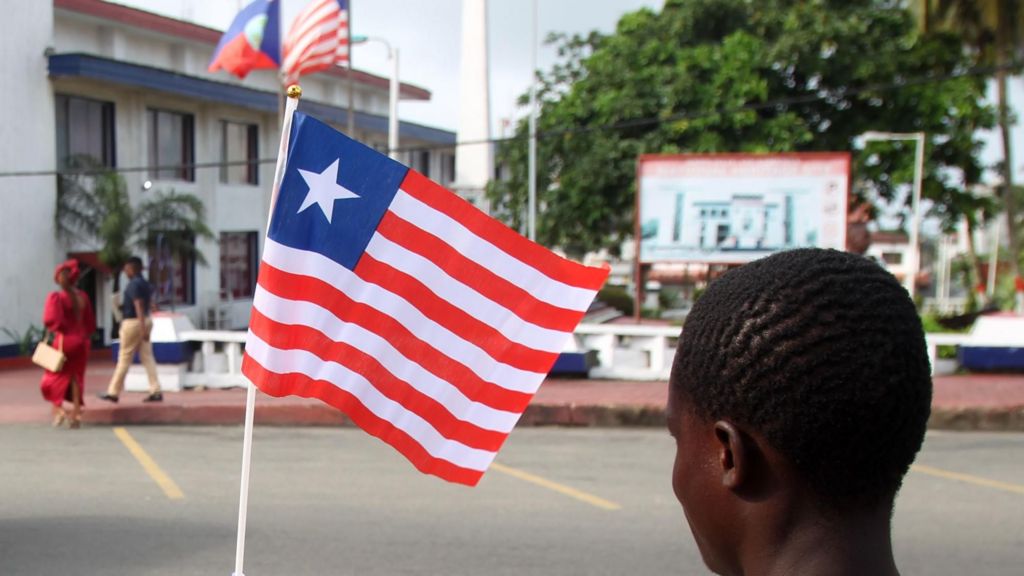
As the second Trump administration ramps up its nationwide crackdown on unauthorized immigration, the West African nation of Liberia has signed a landmark agreement to host up to 1,200 foreign nationals deported from the United States over the coming 12 months, marking one of the largest third-country deportation deals Washington has secured to date.
Third-country deportation arrangements, which have become a core policy tool for the current US administration, typically involve moving deportees who cannot be legally returned to their countries of origin — often due to formal protection from deportation on grounds of persecution, conflict, or human rights risks — to a neutral host nation. At this stage, no public information has been released confirming whether any of the 1,200 people bound for Liberia hold active international or US protection orders that would bar their removal to their home countries.
In an official statement, Liberia’s Information Minister Jerolinmek Piah clarified that the government is receiving all deportees as invited guests rather than criminal detainees. An inaugural group of 20 deportees is scheduled to arrive in Liberia this Thursday, Piah confirmed, adding that all arrivals will be free to leave the country at their own discretion or submit formal applications for asylum if they wish to remain. Piah emphasized that none of the deportees being sent to Liberia have criminal records or are facing active criminal prosecution in either the United States or Liberia.
The decision to accept the deportees aligns with Liberia’s foundational identity as a safe haven for displaced people, Piah explained. Founded in the early 19th century as a resettlement settlement for freed African-American slaves and emancipated Black people from the United States and Caribbean, Liberia has a decades-long tradition of offering shelter to people fleeing persecution, war, and systemic violence. “To reject these third country nationals would be acting against our best interest,” Piah said of the policy. “This is entirely a humanitarian arrangement.”
Piah also pushed back against widespread speculation that Liberia received financial compensation for agreeing to the deal, stating clearly that the government “not demanded or received any compensation or promise of rewards in exchange for its consent to participate in the programme.” He did confirm, however, that the United States will provide technical and operational support to help Liberia manage the arrivals and broadly strengthen the country’s national migration management system. No details have been released about the national origins of the deportees bound for Liberia.
Since taking office in January 2025, the Trump administration has already deported dozens of migrants to third countries across Africa and beyond, and multiple African nations have already signed similar agreements to host US deportees that cannot be returned to their home countries. These nations include Ghana, Equatorial Guinea, Eswatini, the Democratic Republic of Congo, and Sierra Leone.
The US has publicly defended these third-country arrangements as fully compliant with international and domestic law, but the policy has drawn sharp criticism from global human rights groups, which argue the deals lack transparency and often end with deportees being forcibly sent back to the high-risk countries they originally fled. Ghana has already been hit with multiple legal challenges over accusations it has violated international human rights law by forcing US-deported migrants to return to the countries they fled. In Eswatini, government officials confirmed this week that two migrants deported from the US to the southern African kingdom have already voluntarily returned to their home countries of Mauritania and the Democratic Republic of Congo. Last year, Eswatini confirmed it received $5.1 million (£3.8 million) from the Trump administration for its participation in the scheme, a disclosure that sparked widespread condemnation from rights advocates.
As of Wednesday, the US State Department has not issued any public comment on the new agreement with Liberia.