博客

  • UN rights chief is concerned about arrest of opposition figures in Zambia’s election

    UN rights chief is concerned about arrest of opposition figures in Zambia’s election

    In the wake of a contentious presidential election that has left southern Africa’s copper-rich nation in political turmoil, the United Nations’ top human rights official has sounded the alarm over the controversial arrest of 11 opposition officials, amplifying already simmering tensions over the poll’s final results.

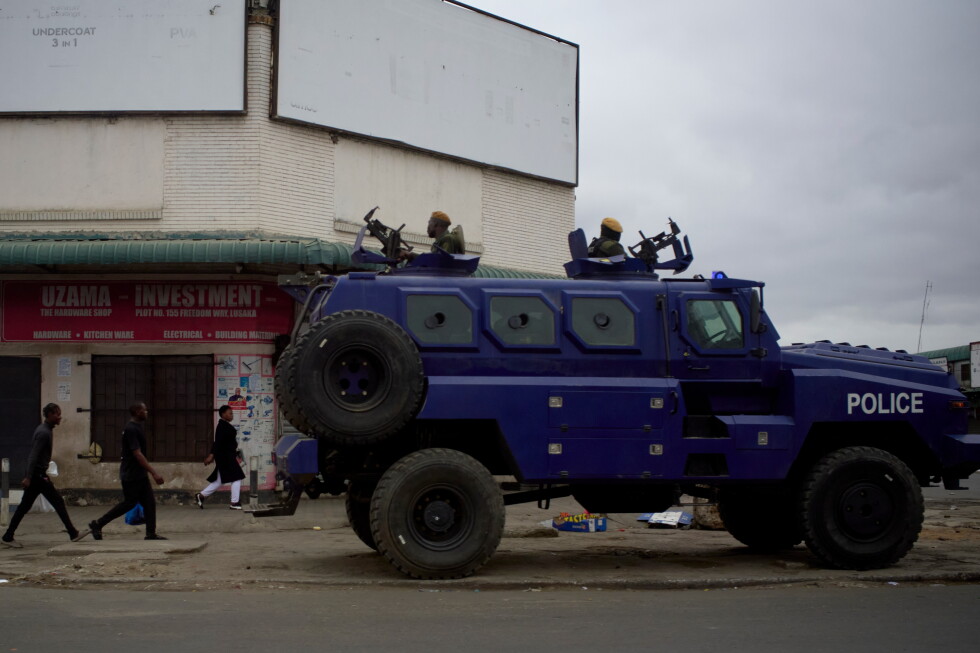
    The unrest traces back to election night last Thursday, when Zambian law enforcement units carried out a raid on a property where main opposition leader Brian Mundubile was in attendance. According to official government accounts, the operation erupted into an exchange of gunfire, after which authorities claim to have recovered high-grade military weaponry at the site. Officials assert the 11 detained opposition figures were arrested on grounds that they posed an imminent threat to national state security.

    Mundubile, however, has forcefully refuted every element of the government’s narrative. He says the opposition group present at the property was entirely unarmed, and that state agents opened fire on the group unprovoked. Currently, the opposition leader says he is under informal protection over fears for his personal safety, declining to disclose his exact location to the public. He has also added another alarming allegation to the growing controversy: a former opposition minister who was present during the raid was shot and has since gone missing.

    The broader election has been fraught with disruption, a notable shift for Zambia, which has a three-decade track record of largely peaceful electoral contests since it reintroduced multiparty democracy in 1991. Vote counting was suspended for multiple hours the day after polls closed, after the national electoral commission reported that election officials faced violence at scattered polling stations, and that a number of ballot papers were stolen. The commission has not named any group or individual responsible for these disruptions.

    Late last week, incumbent President Hakainde Hichilema was officially declared the winner of the election, securing a second five-year term in office. Official results show Mundubile, his main challenger, garnered roughly 38 percent of the national vote. But the opposition leader has already rejected the outcome, citing widespread claimed irregularities, and has confirmed his opposition alliance intends to challenge the results in Zambia’s court system.

    In a formal statement released Wednesday, UN High Commissioner for Human Rights Volker Turk called on Zambian authorities to immediately end arbitrary arrest practices, and ensure that any individuals detained in connection with post-election unrest are brought before a court without delay to face formal charges. He stressed that all detentions carried out in the wake of the election must comply fully with both international human rights norms and Zambia’s own domestic legal frameworks. As of Wednesday, the Zambian government has not publicly disclosed where the 11 arrested opposition officials are being held, nor has it confirmed what specific criminal charges they will face.

  • Iran warns Gulf countries against helping US after UAE cuts trade ties

    Iran warns Gulf countries against helping US after UAE cuts trade ties

    Fresh regional tensions have erupted across the Persian Gulf this week, after the United Arab Emirates announced a full halt to all economic and commercial relations with Iran, prompting a sharp public warning from Tehran’s top military leadership against any cooperation with U.S. forces operating in the area.

    The latest escalation began on Tuesday, when UAE authorities confirmed that Iran had launched two ballistic missiles targeting commercial vessels off the Emirates’ coast. In response, the Gulf nation moved to sever all bilateral trade, financial and commercial ties with Iran indefinitely. “In light of regional escalations… all trade, commercial exchanges, and financial transactions with Iran have been halted until further notice,” Afra Al Hameli, communications director for the UAE foreign ministry, confirmed in an official statement.

    This move marks a major breakdown in what had been long-standing economic ties between the two neighboring Gulf states. Prior to the outbreak of open regional conflict earlier this year, the UAE – which hosts a large Iranian expatriate community – was one of the largest trading partners for Iran, which has long been subject to sweeping U.S. economic sanctions. Since hostilities began in February, the UAE has already recalled its ambassador from Tehran and closed multiple Iran-linked community institutions including schools and a hospital. ADNOC, the UAE’s state-owned oil giant, has also seen multiple commercial tankers targeted in recent weeks amid the ongoing shipping attacks.

    Just hours after the UAE’s trade cut announcement on Wednesday, Ali Abdollahi, chief of staff of Iran’s armed forces, issued a stark warning to all Gulf countries that any support for U.S. military operations in the region would be considered an act of aggression against Tehran, according to Iran’s semi-official Mehr News Agency. “Any assistance or facilitation provided to the aggressor US military amounts to participation in the US military operation,” Abdollahi said.

    The Persian Gulf already hosts a sprawling network of permanent U.S. military installations, including multiple bases located within the UAE. While most Gulf states have publicly stated they will not allow the U.S. to use their territory as a staging ground for offensive attacks on Iran, Abdollahi cast significant doubt on these claims. “It seems unlikely that such a large number of military aircraft, particularly refuelling aircraft, could be present at regional bases without knowledge of host countries,” he added, noting that Iranian intelligence has full situational awareness of all military activity across the region. Multiple regional media outlets have reported that Saudi Arabia, the UAE, Kuwait and Bahrain have all launched retaliatory strikes against Iranian targets in recent weeks in response to attacks on Gulf shipping, though all four nations have publicly denied these allegations.

    The current standoff centers on the Strait of Hormuz, the critical narrow trade chokepoint through which roughly a fifth of the world’s daily oil and gas shipments pass. While tensions between Washington and Tehran had seen a brief lull in recent weeks, the Strait remains one of the world’s most dangerous flashpoints. Iran imposed a blockade on the waterway months ago, and attacks on commercial transiting vessels have continued nonstop. A preliminary framework deal between the U.S. and Iran to reopen the strategic corridor collapsed earlier this year, and diplomatic efforts to restart negotiations have now fallen apart entirely.

    The current cycle of open conflict began on February 28, when joint U.S.-Israeli strikes targeting Iranian assets kicked off major hostilities, to which Iran responded with a wave of missile and drone strikes targeting U.S. and allied assets across the Middle East. After months of military operations, the U.S. has failed to achieve a decisive victory over Iran, and U.S. media reports have indicated that the prolonged conflict has severely drained stockpiles of critical U.S. munitions – a claim both the Trump administration and the Pentagon have publicly denied.

    In a dramatic reversal of comments made by his own senior envoy just one day earlier, U.S. President Donald Trump confirmed on Tuesday that all diplomatic talks with Iran are off the table. Trump also reiterated his extraordinary claim to the Strait of Hormuz, posting a viral social media graphic that labeled the strategic waterway “NEW U.S. Territory” – echoing a previous threat to formally annex the global energy conduit. “There are no talks or conversations going on, or scheduled, with the Islamic Republic of Iran. The Naval Blockade remains in full force and effect,” Trump wrote on his social media platform, referring to the U.S.’s own counter-blockade of all Iranian commercial ports.

    Just one day before Trump’s announcement, Jared Kushner, Trump’s special envoy and son-in-law, had claimed that the two sides were holding “very positive and active conversations” to de-escalate the conflict. Trump also insisted that the Strait of Hormuz is open for commercial traffic, despite multiple shipping industry reports confirming that the Iranian blockade has cut traffic through the corridor by more than half for months.

    U.S. Secretary of State Marco Rubio spoke by phone with the UAE’s national security adviser on Tuesday, reaffirming U.S. support for the Emirates and discussing joint efforts to “hold Iran and its terrorist proxies accountable” for the ongoing shipping attacks. The two sides also reaffirmed their shared commitment to ensuring unimpeded free passage through the Strait of Hormuz.

    Amid the escalating standoff, Iranian officials have maintained a uniformly defiant stance against U.S. threats. Last week, Iranian parliament speaker and chief nuclear negotiator Mohammad Bagher Ghalibaf conducted an official visit to neighboring Iraq, framing the trip as an effort to build a new regional order independent of foreign interference. “The trip was aimed at strengthening the new order in the region” and boosting bilateral cooperation “without foreign interference,” Ghalibaf said. He also added that “Resistance in Iraq is also one of the elements of this country’s power,” a comment widely seen as a public endorsement of pro-Iranian armed groups operating within Iraqi territory.

  • Ukrainian man arrested in Croatia over Nord Stream pipeline blasts

    Ukrainian man arrested in Croatia over Nord Stream pipeline blasts

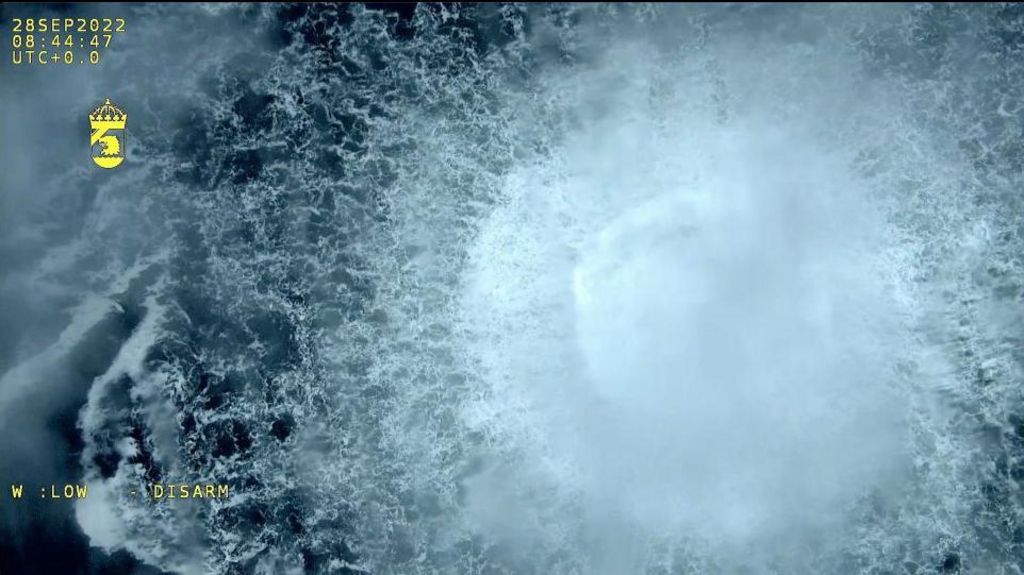
    Nearly three years after coordinated explosions shattered three of the four Nord Stream undersea gas pipelines linking Russia and Germany, a second Ukrainian suspect has been taken into custody in Croatia in connection with the 2022 sabotage attack, German law enforcement authorities have confirmed.

    German federal prosecutors allege the detained man — identified only as trained scuba diver Vladimir Z, widely reported to be Volodymyr Zhuravlyov — was one of the underwater specialists who placed explosive devices on the pipelines in September 2022, just months after Russia launched its full-scale invasion of Ukraine. “The suspect participated in the necessary dives” to carry out the sabotage, prosecutors stated in an official release, confirming they have formally submitted a request to Croatian authorities for the suspect’s extradition to Germany.

    Zhuravlyov’s path to this latest arrest dates back to 2025, when he was first detained by Polish authorities in connection with the same plot. At that time, a Polish judge rejected Germany’s extradition request, controversially ruling that if Ukraine was behind the attack, it constituted a “just” act. Zhuravlyov was subsequently released from custody, a decision that drew audible surprise from courtroom observers and left the suspect smiling as he exited the dock.

    He is the second individual taken into custody in the ongoing investigation. The first, former Ukrainian military officer Serhiy Kuznetsov, was arrested in Italy in August 2025 and later extradited to Germany to stand trial. Kuznetsov has repeatedly denied any involvement in the bombings, and made his first public court appearance in Hamburg earlier this year in June.

    Per the prosecution’s narrative of the plot, Kuznetsov allegedly led a small team that chartered a civilian yacht from the German port of Rostock, sailing to the pipelines’ location off the Danish Baltic Sea island of Bornholm to plant the explosives. At the time of the attack, Nord Stream 1 was actively transporting Russian natural gas to Western Europe, while Nord Stream 2 — a second parallel pipeline system — had completed construction but had not yet entered commercial operation.

    If extradited from Croatia, Zhuravlyov will be brought before an investigating judge in Germany to formalize charges of sabotage and intentionally causing explosive damage. The blasts, which permanently disabled the controversial energy infrastructure project that had divided European policymakers for decades, initially triggered widespread speculation that Moscow was responsible. That narrative shifted in recent years as investigators uncovered increasing evidence pointing to possible Ukrainian involvement.

    Ukrainian officials have repeatedly and unequivocally denied any connection to the attack. The case has created unanticipated diplomatic friction between Kyiv and Berlin, one of the most steadfound military and political backers of Ukraine’s defense against Russia’s full-scale invasion.

    Long before the 2022 attack, the Nord Stream projects faced fierce opposition from a bloc of countries including Poland, Ukraine, and the United States. Poland was particularly vocal in its criticism, arguing the pipeline would increase Germany’s dangerous energy dependence on Russia while cutting Warsaw out of lucrative transit fees for Russian gas shipped to Western Europe.

  • Kyrgios admits ‘huge mistake’ after failing test for cocaine

    Kyrgios admits ‘huge mistake’ after failing test for cocaine

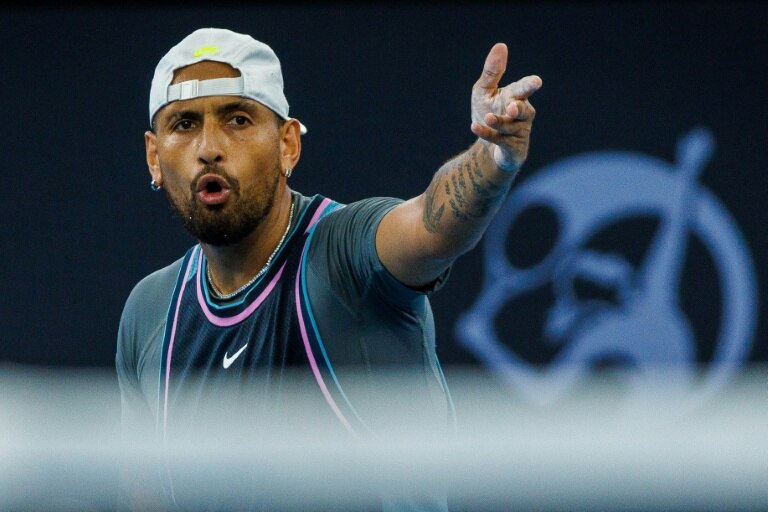
    One of men’s tennis most talented yet turbulent figures, Australian Nick Kyrgios, has accepted a provisional suspension and publicly acknowledged he made a catastrophic error after testing positive for cocaine at an ATP Tour event last summer.

    The 31-year-old, who catapulted to global fame with a run to the 2022 Wimbledon singles final, tested positive for the banned substance following a competition at the Mallorca Open on June 22, 2026. According to an official announcement from the International Tennis Integrity Agency (ITIA), a World Anti-Doping Agency (WADA)-accredited lab confirmed the presence of benzoylecgonine, a primary cocaine metabolite, in Kyrgios’ test sample on July 17.

    In a candid social media post on Instagram Wednesday, Kyrgios took full accountability for his actions, issuing a public apology to everyone affected by his choice. “I made a huge mistake,” he wrote. “I’m sorry to my fans, my family, my sponsors and everyone close to me. Above all, I’m sorry to the kids who follow me. I know the example this sets and I’m deeply disappointed in myself.”

    Kyrgios’ career has long been defined by extraordinary on-court talent offset by persistent off-court challenges, disciplinary questions, and a crippling string of injuries. Known for his blistering first serve and powerful ground strokes, he claimed seven ATP Tour singles titles and climbed to a career-high world ranking of 13 in 2016. His career highlight remains his 2022 Wimbledon run, where he upset top-ranked opponents to reach the championship match before falling in four sets to Novak Djokovic.

    Widely regarded as one of the few players on tour capable of beating every member of tennis’ legendary “Big Four” — Djokovic, Roger Federer, Rafael Nadal, and Andy Murray — Kyrgios never managed to translate his raw potential into consistent top-level success, derailed by repeated injuries across nearly every major part of his body. He has undergone multiple surgeries, the most significant being a full reconstruction of his right wrist in 2024 that sidelined him for extended periods. Today, he holds a world ranking of 919 and has competed in barely any top-tier singles events in recent years; his highest-profile appearance of 2025 was an exhibition “Battle of the Sexes” match against women’s world No. 1 Aryna Sabalenka late last year. Back in January, he publicly acknowledged he would never return to the playing form he reached at the peak of his career.

    On Wednesday, Kyrgios opened up about the cumulative physical and mental toll his years of injuries have taken, noting that walking away from the sport that has defined his entire adult life has been an agonizing process. Still, he emphasized that his long-term struggles do not excuse his positive test. “None of that excuses what I did,” he said. “However the good news is that this has given me a wake-up call. I’m sorry, I’ll do the work and come back better.”

    The ITIA confirmed that Kyrgios’ provisional suspension has been in effect since August 4. For the duration of his suspension, he is barred from competing, coaching, or even attending any event organized or sanctioned by the ATP, WTA, Grand Slam tournaments, the International Tennis Federation, or any national tennis governing body.

  • Head-on collision between bus and lorry in Brazil kills more than 20

    Head-on collision between bus and lorry in Brazil kills more than 20

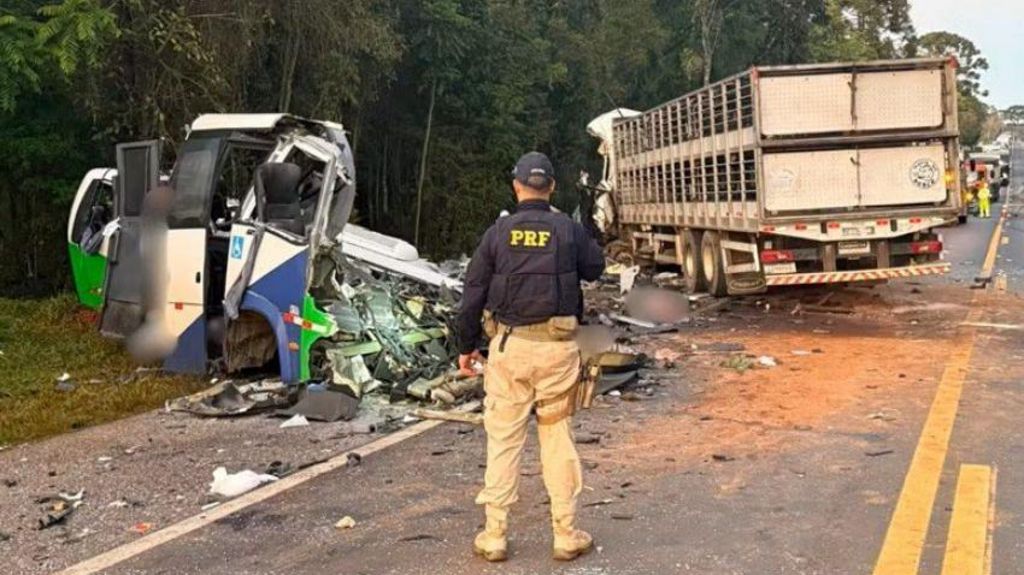
    A devastating early-morning collision between a minibus and a heavy goods lorry has left at least 21 people dead and four others hospitalized with injuries in the southern Brazilian state of Paraná, local government officials confirmed this week.

    The fatal crash unfolded at approximately 4:30 a.m. local time (7:30 a.m. GMT) along the BR-373 highway at the 209-kilometer marker, according to Brazil’s Federal Highway Police, which released a handout image of the emergency response at the scene.

    Investigations into the exact cause of the collision are already underway, authorities confirmed. In the immediate aftermath of the incident, the entire highway stretch was closed to through traffic to allow forensic investigation teams and law enforcement officers to fully process and document the crash site.

    Preliminary reporting from local media outlets outlines that the minibus involved was owned and operated by public health authorities from the nearby city of Imbituva. At the time of the crash, the vehicle was en route to the larger city of Ponta Grossa, roughly 60 kilometers away, carrying patients and their family members who were scheduled to attend routine medical appointments.

    Fatal road accidents are a persistent and pressing public safety crisis across Brazil. Data from a 2024 World Bank analysis shows that more than 34,000 people lost their lives in road traffic collisions across the country in 2023 alone, with motorcyclists accounting for the largest share of fatalities. Public safety researchers have repeatedly linked the high national fatality rate to three common reckless driving practices: excessive speeding, driving under the influence of alcohol, and distracted driving caused by mobile phone use behind the wheel.

    This latest crash marks another major deadly road incident in Brazil this year. Back in February, 15 pilgrims died when their bus crashed en route to a religious festival in the northeastern state of Ceará, underscoring the ongoing scale of the country’s road safety challenge.

  • Helicopter crashes at Mount Ololokwe in Kenya, killing six people

    Helicopter crashes at Mount Ololokwe in Kenya, killing six people

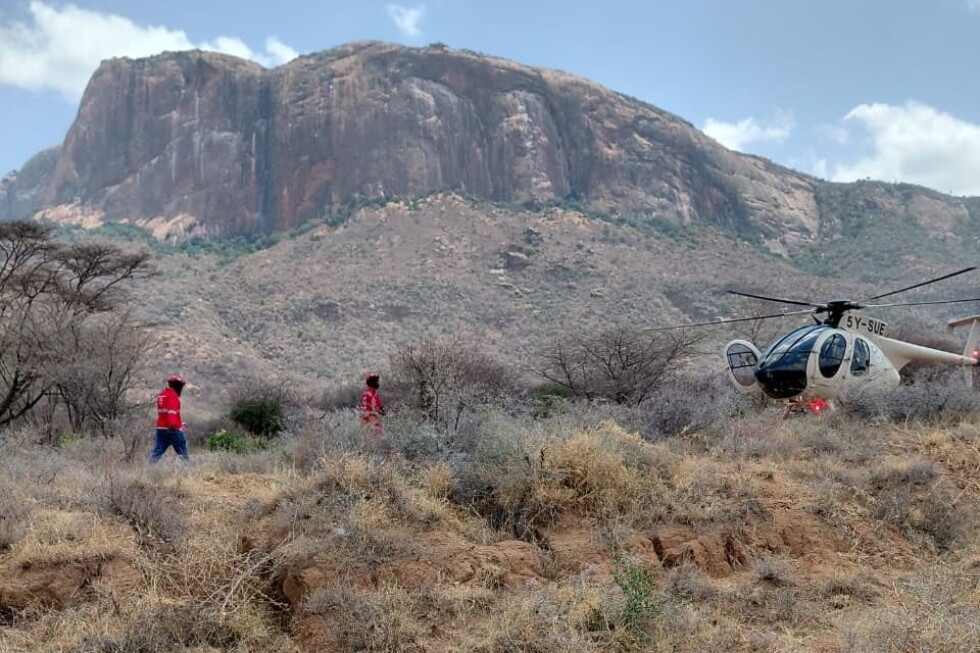
    A devastating aviation accident has claimed the lives of all six people on board a helicopter that went down in Kenya’s central Samburu County, at the iconic Mount Ololokwe located within a protected wildlife reserve, national air accident investigators confirmed in a statement to the BBC.

    Officials from the Kenya Aircraft Accident Investigation Department have announced that formal identification of the crash victims is still ongoing, though local media reports have indicated that the aircraft was carrying a group of tourists when the incident occurred.

    According to the Kenya Civil Aviation Authority (KCAA), the crash occurred at approximately 9:13 a.m. local time, which corresponds to 6:13 a.m. Greenwich Mean Time. The helicopter was operating a scenic sightseeing flight, departing from a wildlife conservancy in Losaiba and en route to Ewaso Nyiro, a major river that runs alongside multiple of Kenya’s famous national game reserves.

    Visual evidence shared across social media platforms shows thick plumes of smoke rising from the crash site on the slopes of Mount Ololokwe. First responders from the Kenya Red Cross told the BBC that rough terrain has blocked ground access to the accident zone as of initial reports, so unmanned aerial drones are currently being deployed to map the site and gather preliminary on-the-ground information.

    KCAA confirmed that the aircraft involved in the accident is a Eurocopter EC130 B4, and that the agency is currently leading coordination of emergency response and recovery operations. The regulatory body added that Kenya’s Ministry of Transport alongside the Aircraft Accident Investigation Department will take charge of the full probe into what caused the crash, to determine the full circumstances surrounding the incident.

    This latest crash adds to a troubling pattern of aviation accidents in Kenya, where helicopter incidents have occurred with alarming frequency in recent years. Just this past February, a crash in Nandi County, located in the Rift Valley region, left six people dead, including a sitting Kenyan member of parliament. In 2024, Kenya’s top military leader General Francis Omondi Ogolla was killed when an army helicopter carrying 11 passengers went down in western Kenya, with only two people on board surviving the impact. As far back as June 2021, at least 10 Kenyan soldiers lost their lives when their helicopter crashed during landing operations near the capital city of Nairobi.

  • Spared execution eight times, oldest inmate in US dies at 101

    Spared execution eight times, oldest inmate in US dies at 101

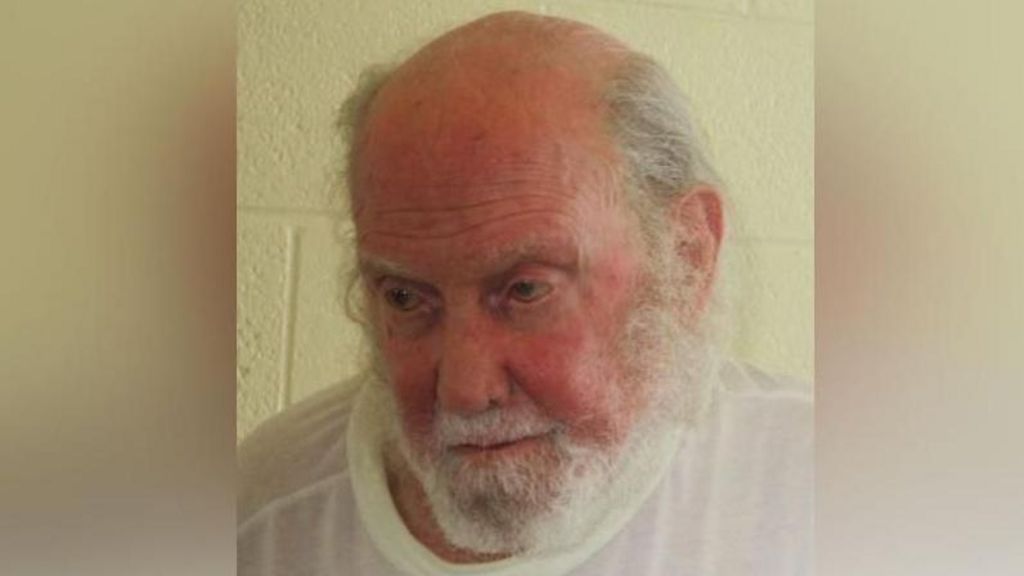
    For nearly 76 years behind bars, Francis Clifford Smith faced death eight times, each time walking away from a scheduled execution to hold the title of the United States’ longest-serving incarcerated person before passing away at 101 years old. Throughout his decades in custody, those close to him say he never once wavered from claiming he was wrongfully convicted of a 1949 murder.

    Smith’s saga began in 1949, when the 25-year-old former petty offender was accused of killing Grover Hart, a night watchman at a Connecticut yacht club. He was arrested alongside a second suspect, who accepted a plea deal in exchange for testifying against Smith. A jury found Smith guilty of first-degree murder in 1950, and he was sentenced to death. Over the decades that followed, however, credible doubts emerged about his conviction: multiple key witnesses later withdrew their original statements, another incarcerated person confessed to the murder in custody, and even the lead interrogation officer Major Leo Carroll publicly told the Board of Pardons he did not believe Smith was present at the killing at all.

    During his decades at Osborn Correctional Institution, Smith became a well-known figure among staff and fellow inmates for his quiet habit of sneaking bread out of the cafeteria to feed wild birds around the prison grounds. “He would stuff as much bread as he could fit in his clothing,” Andrius Banevicius, public information officer for the Connecticut Department of Correction, recalled. “Everyone kind of turned a blind eye to it because they knew he was just feeding the birds.” The small, gentle routine earned Smith the nickname “The Birdman of Osborn.”

    Beyond his continuous sentence, Smith experienced three brief breaks from incarceration: he escaped in 1967 and was recaptured after 12 days; he was granted a one-day Christmas furlough in 1974 and returned voluntarily the next morning; and he won parole in 1975, spending 10 months in free society before a petty larceny and weapons charge sent him back to prison for a parole violation. For decades after that, Smith repeatedly declined offers to pursue new parole opportunities, only accepting supervised release to a specialized justice system care home for elderly inmates in 2020.

    Smith’s death in his sleep at the 60 West care facility in June, from natural causes related to old age, has thrown a sharp spotlight on a growing national and international crisis: the rapid graying of prison populations. Long-term incarceration is well-documented to cause accelerated aging, with many people who spend decades behind bars developing age-related health conditions 20 to 30 years earlier than their non-incarcerated peers. “We frequently say that a person coming from a long period of incarceration can be 60 but have the health status of a 90-year-old,” David Skoczulek, spokesman for 60 West, explained. Smith, who developed age-related cognitive decline in his final years, received specialized end-of-life care through MissionCare Health, one of the few programs in the U.S. focused on geriatric care for formerly incarcerated people.

    Data underscores the scale of the aging inmate crisis. A 2025 study found that the population of incarcerated people aged 55 and older in the U.S. grew by nearly 400% between 1991 and 2021. The U.S. Census Bureau projects that by 2030, at least one in three incarcerated people across the country will be over the age of 50. This crisis is not unique to the U.S.: Dr. Stephanie Prost, a researcher focused on older adults in carceral settings at the University of Louisville, notes that similar trends are unfolding in Australia and England, though the U.S. faces a far larger scale of the issue due to its high mass incarceration rate.

    Prost and other criminal justice researchers are advocating for targeted “smart decarceration” policies to address the crisis, including expanding compassionate release, medical parole, and elderly parole initiatives. These policies prioritize releasing aging inmates who have complex, costly medical needs that are impossible to adequately address in traditional, rigid prison environments, where elderly inmates often struggle with common age-related conditions such as mobility impairment, incontinence, and hearing loss. Even when parole is granted, however, experts point out that few care facilities are willing to accept convicted elderly inmates, leaving very few options for people like Smith outside of traditional prison walls.

    After his death, Smith was cremated per his wishes. Though he had little contact with remaining family in his final days, Skoczulek confirmed that staff at 60 West ensured his end-of-life care was dignified and aligned with his requests, closing a 76-year chapter that began with a disputed conviction and ended as a stark case study of America’s unfolding aging prison crisis.

  • Queen Camilla says was ‘difficult’ keeping King Charles’ cancer private

    Queen Camilla says was ‘difficult’ keeping King Charles’ cancer private

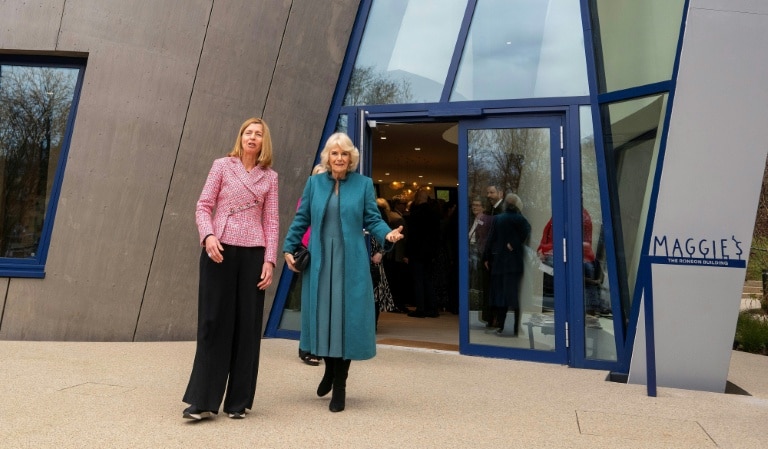
    In a rare, candid conversation recorded for a leading UK cancer support organization, Britain’s Queen Camilla has pulled back the curtain on the personal struggle of keeping King Charles III’s 2024 cancer diagnosis private in the days immediately after it was revealed to the royal family. The revelation comes in a short collaborative documentary produced by Buckingham Palace and Maggie’s, the cancer support charity of which Camilla has served as president for years. The 7-minute conversation, filmed at Camilla and Charles’ London residence Clarence House with Maggie’s Chief Executive Laura Lee, was uploaded to YouTube on Tuesday, and it offers an intimate look at the royal household’s first weeks after the diagnosis.

    Buckingham Palace first publicly announced Charles’ shocking cancer diagnosis in February 2024, confirming that the 77-year-old monarch had immediately begun a regular course of treatment. To this day, the Palace has never released details about the specific type of cancer Charles is being treated for, out of respect for his privacy. Camilla explained in the interview that she was scheduled to open Maggie’s new Royal Free centre shortly after Charles received his diagnosis, at a time when the public had not yet been told of his condition.

    “Nobody could say anything at the time. That was quite difficult,” Camilla told Lee. “I almost said something but, you know, I felt that it wasn’t the time to say. I was just longing to let it out but obviously I couldn’t.” The queen added that visiting the Maggie’s centre while carrying the private news of her husband’s diagnosis deepened her appreciation for the vital work the charity does across the United Kingdom. Maggie’s currently operates 27 free support centres located on the grounds of major NHS hospitals, offering emotional and practical support to people living with cancer and their loved ones.

    “(I) looked at everybody who was suffering and all the relations and I think it made me realise even more how important these places were,” Camilla said.

    Despite his diagnosis, King Charles has refused to step back from his royal duties, and gradually resumed a full public schedule within months of beginning treatment. In a pre-recorded televised address to the nation last December, Charles shared an encouraging update on his health: thanks to early detection, successful medical intervention and his adherence to clinical guidance, his ongoing treatment regimen will be scaled back starting in 2026. Camilla praised her husband’s resolve in the face of his diagnosis, noting that his commitment to his role as head of state never wavered even in the earliest days of his treatment.

    “Nothing stopped him. He just said: ‘This is my way. I’m going to cope with it,’” Camilla said.

  • Safari helicopter crashes in northern Kenya, killing 7 people, including 5 Americans

    Safari helicopter crashes in northern Kenya, killing 7 people, including 5 Americans

    A devastating aviation accident unfolded Wednesday morning in a remote wilderness region of northern Kenya, leaving no survivors among the seven people aboard a safari charter helicopter, authorities have confirmed. The tragedy has claimed the lives of five U.S. citizens, alongside high-profile victims including a top U.S. media executive and Ecuador’s national intelligence director.

    According to the Kenya Civil Aviation Authority, the crash occurred at 9:13 a.m. local time, as the aircraft traveled between Loisaba Conservancy, a popular protected wildlife area, and the Ewaso Nyiro region in Samburu County. Officials confirmed the manifest included six passengers and one local pilot, and Samburu County Police Commander David Nkoroi confirmed late Wednesday that all occupants died at the crash site.

    The wreckage came to rest in the rugged foothills of Mount Ololokwe, a scenic, remote tourist destination popular with international safari travelers. The aircraft, identified as a Eurocopter EC130 B4, is owned by local aviation operator Lady Lori Helicopters and was operating a charter trip for luxury travel firm &Beyond, carrying guests on a safari excursion. Following the crash, local operator Tropic Air Kenya deployed two of its own helicopters to support search and recovery operations, after an initial correction clarified Tropic Air was not the owner or operator of the crashed aircraft.

    U.S. authorities have formally confirmed that five of the deceased hold American citizenship. “The U.S. Embassy is in touch with local authorities and is providing consular assistance,” the State Department said in a statement. “We extend our deepest condolences to the families and loved ones on their loss.”

    Among the U.S. victims is José Suárez, 55, president and general manager of multiple Telemundo stations across Florida. Suárez was an executive with Telemundo, the U.S.-based Spanish-language media network owned by NBCUniversal. In a joint statement, leaders from NBCUniversal and Telemundo expressed their profound grief over the loss. “We are heartbroken to learn the tragic news that José was killed in a helicopter accident in Kenya,” the statement read.

    Ecuadorian officials also confirmed the identity of another high-profile victim: Michele Sensi-Contugi, director of Ecuador’s National Intelligence Center. A close confidant and associate of Ecuadorian President Daniel Noboa, Sensi-Contugi was traveling to Kenya as a tourist alongside his wife, Stephany Hollihan, who also died in the crash. Hollihan held dual U.S. and Ecuadorian citizenship, and the couple leaves behind two children. “In this moment of deep sorrow, the government extends its heartfelt condolences to his family, loved ones and close associates,” Ecuador’s presidency said in a statement posted to X.

    Officials have not yet released the full identities of all victims, and investigations into the cause of the crash are still in the early stages. The crash adds to a growing pattern of fatal aviation accidents in Kenya, a nation whose multi-billion dollar tourism industry relies heavily on small air carriers to shuttle visitors between remote wildlife and wilderness destinations that are inaccessible by road. In February of this year alone, another fatal helicopter crash in the hilly region of western Kenya killed six people, including a sitting Kenyan legislator.

  • ‘Catastrophic’ hotel mix-up at the heart of Australia’s mushroom murder appeal

    ‘Catastrophic’ hotel mix-up at the heart of Australia’s mushroom murder appeal

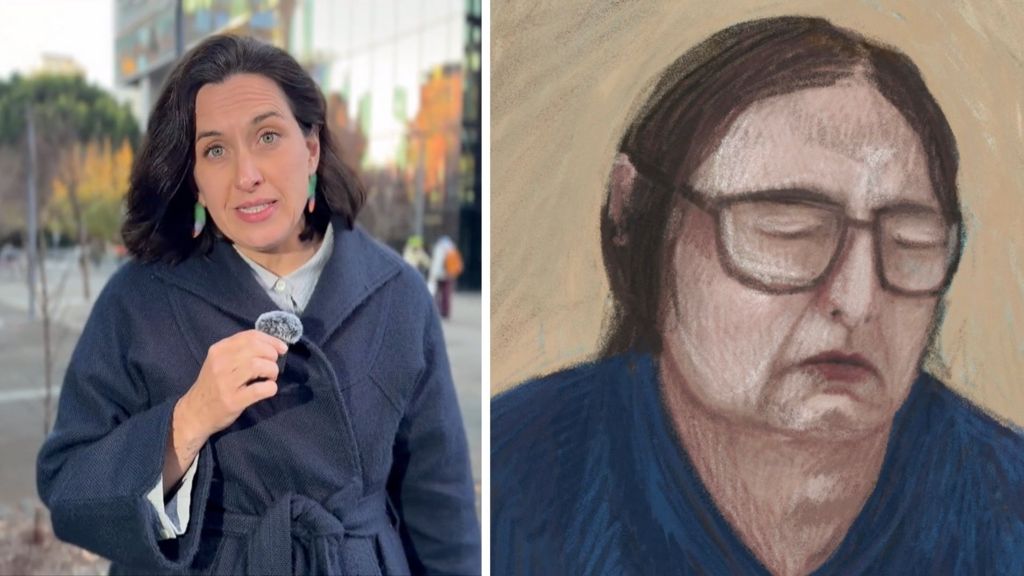
    A high-profile Australian murder conviction known widely as the ‘mushroom murder’ case is now the subject of a major appeal, with the defendant’s legal team arguing that a critical, unprecedented error during the trial invalidated the guilty verdict. Erin Patterson, the woman convicted in the poisoning death linked to toxic death cap mushrooms served at a family lunch, is seeking to have her conviction overturned on the grounds of a deeply problematic procedural misstep. According to Patterson’s defense lawyers, the entire trial process was compromised by what they describe as a ‘catastrophic’ hotel mix-up that put the jury in the same accommodation as the prosecution’s legal team and one of the prosecution’s most critical witnesses. This close, unplanned proximity between decision-making jurors and parties involved in building the case against Patterson has raised serious questions about whether the jury remained impartial throughout the proceedings. Legal experts note that core judicial guidelines require strict separation of juries from prosecution teams and witnesses to prevent any unintended interaction, informal communication, or perceived bias that could alter the outcome of a criminal trial. The appeal is now drawing significant national attention, as observers wait to see whether the courts will rule that the procedural error was serious enough to warrant a retrial or overturn the original conviction entirely.