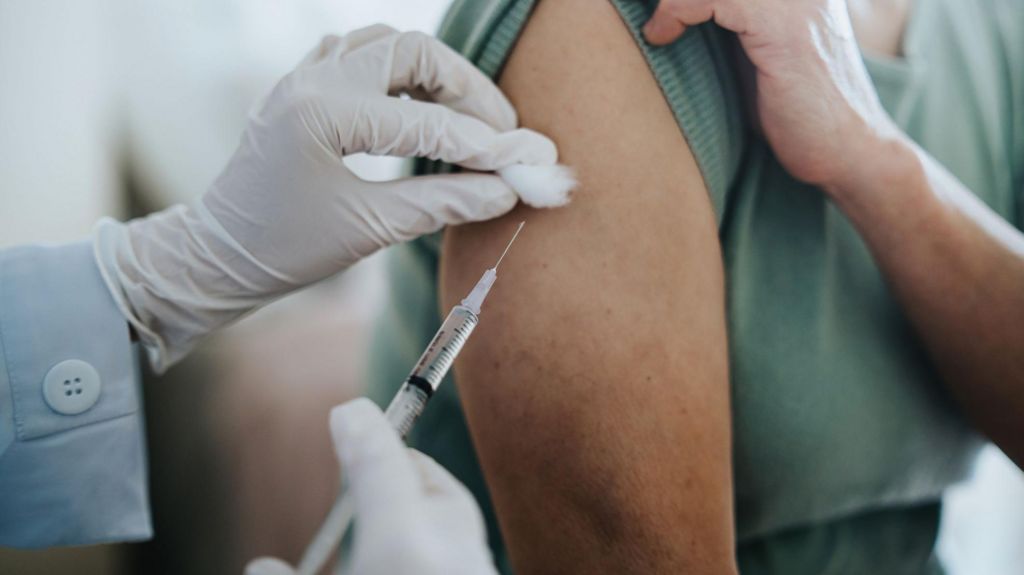
A groundbreaking clinical trial has delivered encouraging early results for a novel personalized cancer vaccine, marking what experts describe as a potential turning point in the global fight against skin cancer. Developed in a collaborative partnership between pharmaceutical giants Merck & Co. (known as MSD outside the United States) and biotechnology leader Moderna, the experimental treatment combines the newly developed vaccine, branded Intismeran, with Keytruda – a widely used existing immunotherapy drug for cancer care.
The phase three clinical trial enrolled over 1,000 patients diagnosed with high-risk melanoma, the most aggressive form of skin cancer. All participants underwent surgical removal of their tumors before receiving either the combined vaccine-drug treatment or Keytruda as a standalone therapy. Early data released by the two companies shows that the combination therapy significantly extended cancer-free survival periods for patients and cut the risk of melanoma spreading to distant organs compared to single-drug treatment.
Unlike traditional cancer treatments, this new therapy leverages the same mRNA technology that powered many widely used COVID-19 vaccines to create a one-of-a-kind treatment tailored to each patient. To develop the personalized jab, scientists first sequence the DNA of a small sample taken from the patient’s tumor during surgery. This genetic data allows them to design a vaccine that targets unique mutations present in the patient’s cancer cells, training the immune system to specifically identify and attack any remaining cancer cells that may cause recurrence.
Clinical and public health leaders have welcomed the early findings, while urging caution as the full trial data has not yet been published or subjected to independent peer review. Professor Peter Johnson, National Clinical Director for Cancer at NHS England, called the development an exciting advance in immuno-oncology. “Most existing cancer immunotherapies work by broadly freeing up the immune system to target cancer, but this new approach directly directs the immune system to the patient’s unique tumor,” Johnson explained in an interview with the BBC’s Today Programme. He added that the NHS is already making preparations to roll out this new class of treatment to patients once it receives regulatory approval.
Dr. Lennard Lee, a consultant medical oncologist and associate professor at the University of Oxford, noted that the results carry implications far beyond melanoma treatment. “This trial provides the first large-scale proof of principle that personalized cancer vaccines actually work,” Lee said. Cancer Research UK’s head of prevention and early detection, Dr. Talisia Quallo, echoed the cautious optimism, stating that “this research shows real promise, but the interim data must undergo full independent review before we can draw definitive conclusions. Continued investment in this line of research is critical to expanding access to personalized treatment that helps more cancer patients live longer, higher-quality lives.”
Moderna CEO Stephane Bancel described the trial outcome as a “pivotal moment” for cancer research worldwide. Beyond melanoma, the two companies are already running clinical trials for similar personalized mRNA vaccines targeting three other common cancer types: lung, bladder, and kidney cancer. Following the announcement of the early results, share prices for both Moderna and Merck rose sharply in global markets.
Even if the trial’s positive results hold up through full review, the treatment still faces multiple regulatory and access hurdles. It must first receive formal approval from global medical regulators, followed by a separate approval process before it can be made routinely available to patients through the UK’s National Health Service. Full detailed results from the phase three trial are scheduled to be presented at an international medical conference in October this year.