博客

  • Israeli strike kills 80-year-old Palestinian academic and former hijacker in Lebanon

    Israeli strike kills 80-year-old Palestinian academic and former hijacker in Lebanon

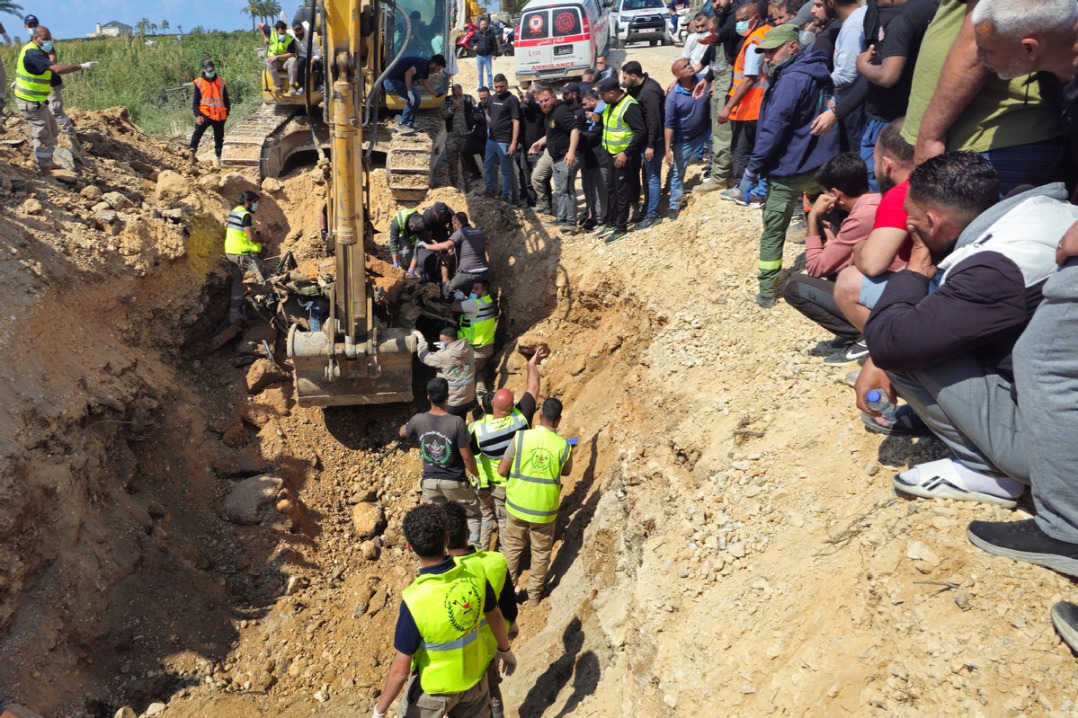
    An 80-year-old Palestinian academic and prominent activist, whose participation in one of the earliest recorded female-led plane hijacking attempts made her a notable figure in the Palestinian national movement, was killed in an Israeli airstrike on the southern Lebanese coastal city of Tyre, Lebanon’s official state news agency has confirmed. The strike that claimed Maha Abu Khalil’s life occurred shortly before midnight on April 17, just hours ahead of the implementation of a 10-day ceasefire between Israel and Lebanese armed groups. The deadly attack also left at least 13 other people dead, 35 more injured, and 15 individuals still unaccounted for as of the latest updates.

    Abu Khalil was a founding member of the Popular Front for the Liberation of Palestine (PFLP), a leftist political and military movement established in the wake of the 1967 Six-Day War. In 1969, she made international headlines after being arrested in Athens, Greece, while attempting to hijack an El Al commercial flight carrying 29 passengers. Contemporary reporting from The New York Times published that December documents that 22-year-old Abu Khalil, who was working as a schoolteacher at the time, alongside two co-defendants, pleaded not guilty to charges of unlawful possession of explosives, but openly acknowledged their plan to seize the aircraft. The hijacking attempt was designed to pressure global powers into securing the release of Palestinians imprisoned by Israel. Though the attempt failed, Abu Khalil was ultimately released from Greek custody in a prisoner exchange months after her arrest.

    Following her release, Abu Khalil built a decades-long career as an academic, community organizer and social worker based in Lebanon, according to statements from the PFLP. In an official memorial statement, the group honored Abu Khalil, framing her death as a profound loss to a movement centered on “feminism, patriotism, and humanitarianism.” “Maha Abu Khalil will remain present in the national memory and in the record of women fighters who gave their lives for freedom, justice, and human dignity,” the statement read.

    Founded by George Habash in 1967, the PFLP was established as a explicitly Marxist-Leninist political movement modeled after successful anti-imperialist struggles led by figures such as Che Guevara in Latin America and the National Liberation Front in Vietnam. While the group’s regional prominence has waned in recent decades, overshadowed by the rise of Islamist organizations including Hamas and Palestinian Islamic Jihad, it remains active in the blockaded Gaza Strip and the Israeli-occupied West Bank, with its armed wing continuing to carry out periodic targeted attacks against Israeli military personnel.

    Even after the formal ceasefire agreement went into force last Friday, Israel has continued systematic demolition of civilian residential and infrastructure across southern Lebanon, according to a new investigation published by Israeli independent newspaper Haaretz. The targeted destruction is concentrated south of the so-called “yellow line,” a demarcation drawn by Israel approximately 20 kilometers south of the Litani River. Under the terms of the current ceasefire agreement, Israeli military forces are prohibited from crossing this boundary.

    Unnamed military and political sources told Haaretz that a core goal of the ongoing demolition campaign is to create a permanent buffer zone by preventing Lebanese civilian residents from returning to their homes in border areas adjacent to Israel. The report also added that the Israeli military is using advanced digital tools, including purpose-built statistical tracking systems, to systematically map and measure the scale of destruction across every sector of southern Lebanon.

  • Israeli, Lebanese officials to meet Thursday for 2nd round of talks — Israeli state media

    Israeli, Lebanese officials to meet Thursday for 2nd round of talks — Israeli state media

    Weeks of intense cross-border conflict between Israel and the Lebanese militant group Hezbollah have given way to a fragile truce, and now officials from both nations are set to meet for a second round of direct negotiations aimed at locking in long-term stability along their shared border.

    A senior Israeli official, speaking on condition of anonymity to Xinhua News Agency on Monday, confirmed that the talks will take place Thursday in the U.S. capital Washington. While the official declined to share additional details about the negotiating agenda or expected outcomes, multiple sources have already confirmed leadership for both delegations.

    Israeli outlet Reuters, quoting an anonymous Israeli government source, reports that Yechiel Leiter, Israel’s ambassador to the United States who participated in the first round of talks held earlier this month, will lead the Israeli negotiating team this week. On the Lebanese side, the country’s presidency made an official announcement via social media platform X on Monday morning confirming that former Lebanese Ambassador to the U.S. Simon Karam will head the Lebanese delegation.

    The presidency emphasized in its statement that Karam is the sole authorized representative for Lebanon in these talks, noting that “No one else will participate on Lebanon’s behalf or take its place in this mission.” The talks are also structured as an independent negotiation track separate from any other ongoing diplomatic efforts between the two sides, the statement added.

    This upcoming meeting marks the first formal negotiation between the two parties since the 10-day ceasefire agreement came into force at 2100 GMT on Thursday, ending weeks of deadly exchanges of fire that displaced tens of thousands of civilians on both sides of the border. Ahead of the ceasefire, an Israeli strike on a bridge in southern Lebanon’s Qasmiyeh region left two people dead, with rescuers working to recover their bodies just hours before the truce took hold, according to on-the-ground reports from April 20.

    Lebanon has laid out clear core objectives for the negotiations: the permanent end to all hostilities along the border, a full Israeli withdrawal from occupied southern Lebanese territories, and the deployment of the official Lebanese army to the country’s internationally recognized southern border. In its statement, the Lebanese presidency framed the current moment as a stark binary choice for all parties: either continue a prolonged conflict that would carry devastating humanitarian, social, economic, and national sovereignty costs, or work toward a lasting negotiated settlement that can end years of tensions along the border.

  • Indian politicians are campaigning while holding fish. What is going on?

    Indian politicians are campaigning while holding fish. What is going on?

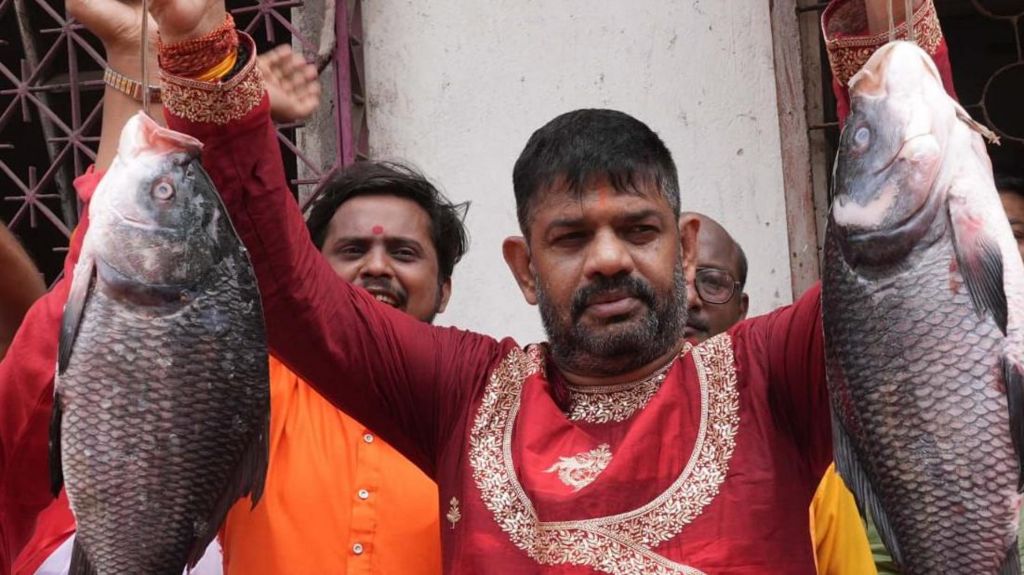
    On a humid, sticky pre-election morning in Kolkata, the capital of India’s eastern state of West Bengal, BJP candidate Koustav Bagchi makes his way through residential neighborhoods, door to door. Clad in a crisp traditional red-and-white sari-inspired garb, the former lawyer carries one unusual campaign accessory: a fresh fish. Drums beat in the procession behind him, supporters roar his name, and there are no lengthy policy speeches, no dense policy brochures. Instead, Bagchi leans on a single, powerful visual message – one that needs no words: I share your identity. I belong here, just like you.

    A few kilometers away, in Kolkata’s bustling port district, another BJP contender, Rakesh Singh, repeats the same striking campaign tactic. Dressed to draw a crowd and flanked by dozens of party workers, Singh hefts a large fish above his head again and again as he works the early morning foot traffic. He is running against incumbent Kolkata mayor Firhad Hakim in one of the most high-profile contests of the upcoming West Bengal Legislative Assembly elections, turning the humble aquatic staple into a political weapon.

    For the people of West Bengal, fish is far more than a staple food item. It is woven into the very fabric of daily life, local cuisine, cultural memory and ritual, serving as an enduring marker of regional identity and communal belonging. Today, that deep cultural resonance has been transformed into full-blown political theater, as candidates from both major parties brandish fish to address a specific, widespread voter anxiety that has come to define the 2026 election.

    In India, dietary habits have long been deeply politicized. The national ruling Bharatiya Janata Party (BJP) has been widely associated with an assertive, culturally framed push for vegetarianism, driven by the Hindu nationalist ideological underpinnings of the party. This perception has been cemented by periodic restrictions on meat sales in several BJP-governed states, as well as high-profile crackdowns tied to cow protection vigilante groups, even though the overwhelming majority of India’s population identifies as non-vegetarian. As the state election campaign heats up, fish has moved off dinner plates and into the political spotlight, recast as proof of cultural loyalty and a rebuttal to claims of outside ideological intrusion.

    The incumbent ruling Trinamool Congress, led by three-term Chief Minister Mamata Banerjee who is running for a historic fourth consecutive term, has weaponized this public anxiety to attack the BJP. Banerjee has repeatedly warned voters that a BJP victory would threaten West Bengal’s centuries-old way of life, framing fish and rice – the iconic core of Bengali cuisine – as non-negotiable parts of regional identity. “The BJP will not allow you to eat fish. Nor will they allow you to eat meat or eggs,” Banerjee told a recent campaign rally. “Bengal lives on fish and rice. If you tell Bengal people they can’t have fish, meat or eggs, what will they eat then?” the 71-year-old firebrand leader asked the crowd.

    The BJP has pushed back hard against these claims, working to neutralize the criticism while turning the political framing of fish back against the Trinamool Congress. Senior BJP leader Smriti Irani dismissed Banerjee’s warnings as an outright lie during her campaign stops in the state, insisting that “Bengal and fish and rice are a part of its culture which will never end.” Swapan Dasgupta, the BJP’s candidate from the high-profile Rashbehari constituency in Kolkata, called Banerjee’s narrative a deliberate distraction. “They are trying to divert public attention from their corruption with this false narrative that we will prohibit fish consumption. This is rubbish,” Dasgupta said.

    Even Prime Minister Narendra Modi, a lifelong vegetarian, has leaned into fish as a political talking point – but reframed it as an indictment of Trinamool Congress governance failure. “Even after 15 years in power, the Trinamool Congress has failed to provide you with even something as basic as fish. Even fish has to be sourced from outside the state,” Modi told a campaign rally. Banerjee hit back immediately, countering that 80% of West Bengal’s domestic fish demand is met by local production, and attacking the BJP for its policies in other states. “You [BJP] do not allow fish consumption in Bihar, Uttar Pradesh and Rajasthan, states that you govern, and organise attacks on fish shops in Delhi. Aren’t you ashamed?” Banerjee asked.

    Between overlapping claims of cultural threat and governance failure, fish has become far more than a dietary staple – it is now shorthand for everything that both parties say is at stake in this election. India ranks as the world’s third largest fish producer and the second largest in aquaculture, but it sits at a low 129th globally in per capita fish consumption. For West Bengal, however, fish consumption is near universal: a 2024 joint study by the Indian Council of Agricultural Research (ICAR) and WorldFish found that 65.7% of West Bengal residents eat fish on a weekly basis, and the state sits among a group of eastern and southern Indian states where more than 90% of the population includes fish in their regular diet. Overall fish consumption across India has risen steadily in recent years, now reaching more than 70% of the national population, per the study.

    Fish has always carried layered cultural meaning in Bengali life beyond the dinner plate, making its emergence as a political symbol almost inevitable. In Manik Bandopadhyay’s iconic Bengali novel *Padma Nadir Majhi (The Boatman of the Padma)*, fish is tied to fate and survival for river communities. In Amitav Ghosh’s *The Hungry Tide*, the ingredient is woven into narratives of ecology and precarity in the Sundarban delta. The prized hilsa fish, journalist Samanth Subramanian writes in his book *Following Fish*, is so central to Bengali cuisine that “if Bengali cuisine were Wimbledon, the hilsa would always play on Centre Court.” Even the skill of deboning a hilsa deftly in one’s mouth is framed as a cultural rite of belonging for Bengalis.

    The symbolism of fish extends even further: it signals geographic ties to the region’s sprawling river systems, carries echoes of the 1947 Partition that split Bengal into East and West, and even carries subtle class connotations tied to which varieties different groups can afford, and who holds the cultural knowledge to prepare them properly. Even the state’s most storied football rivalry is tied to fish: fans of East Bengal FC, many of whom have family roots in what is now Bangladesh, are playfully stereotyped as preferring hilsa, while supporters of Mohun Bagan Super Giant are said to favor prawns, a lighthearted shorthand for deeper histories of migration, class and regional identity.

    Sociologists and historians argue that this dense, layered cultural symbolism is exactly what has made fish such a powerful political tool in this election campaign. Parties are not just invoking fish as a talking point – they have built entire campaign choreography around it to attack their opponents. “Fish is inseparable from Bengali cuisine, shaped by geography and its long role as an affordable source of protein,” explains historian Jayanta Sengupta. “As the BJP has, at times, been associated with a push toward vegetarian norms, Bengal’s ruling party has folded food into a broader pitch around cultural pride. Knowing the symbolic significance of fish, the BJP could not ignore the issue. That’s how we see both sides countering each other’s campaign over one of Bengal’s favourite foods.”

    The BJP has even leaned into the joke of the fish-focused campaign to signal confidence ahead of the May 4 election results. Last week, BJP state president Samik Bhattacharya invited journalists to join the party for results day, promising to welcome them with fried fish. In a subsequent interview, Bhattacharya went even further, joking that after the BJP wins, the party will send a variety of small fish to Banerjee’s residence and invite Trinamool workers for a traditional mach bhaat – the iconic Bengali meal of fish and rice. The quip rests on an unspoken premise: that the BJP will be the one hosting the celebration, and the incumbent Trinamool Congress will be in a position to accept the invitation.

    While fish as a political symbol may not ultimately decide the outcome of the close election, it has already reshaped the contours of the contest. It offers a clear, vivid example of how seamlessly culture and politics bleed into one another on the Indian campaign trail, turning a everyday staple into the most recognizable talking point of the 2026 West Bengal election.

  • Peruvian court sets May 15 deadline for counting votes in presidential race

    Peruvian court sets May 15 deadline for counting votes in presidential race

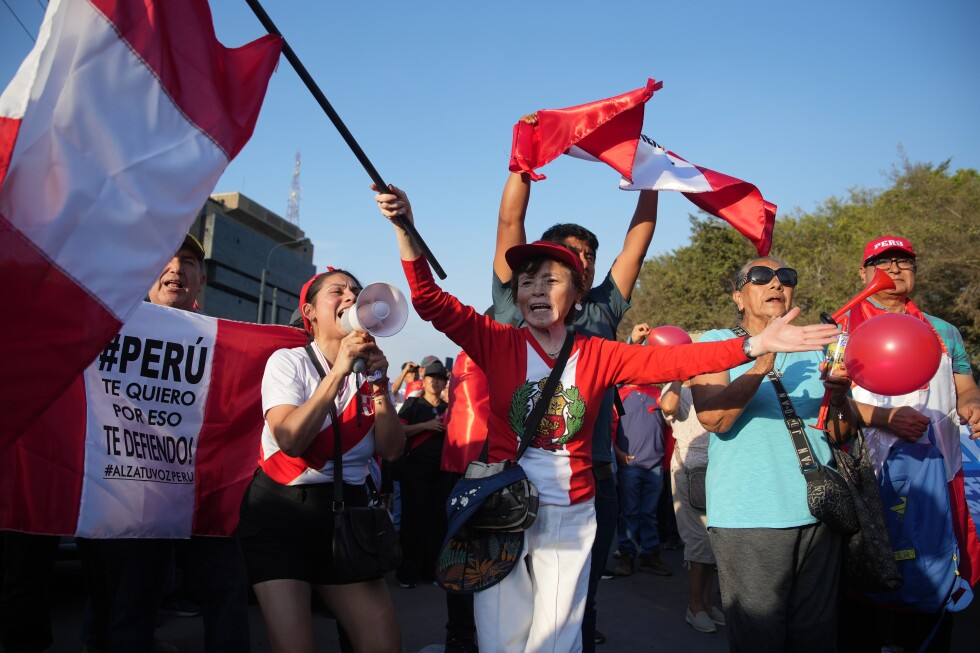
    LIMA, Peru — Peru’s national electoral tribunal has moved to formalize the timeline of the country’s tightly contested presidential election, issuing an official mandate on Monday requiring the nation’s electoral oversight body to wrap up all vote counting and name the two candidates advancing to the June runoff by mid-May.

    The order establishes a firm May 15 deadline for the Oficina Nacional de Procesos Electorales (ONPE), Peru’s national elections agency, to release the final, official vote tally and confirm which contenders will move forward to the second round of voting, scheduled for June 7. The runoff became a necessary step after the April 12 first round, which drew more than 30 presidential candidates, failed to produce any candidate who captured an outright majority of the popular vote. Peruvian electoral law requires a runoff between the top two finishers when no candidate secures more than 50% of ballots cast.

    What has turned this process into a nail-biting, delayed count is the razor-thin gap separating the candidates vying for the second spot in the runoff. The first round was also marred by widespread procedural irregularities that forced election officials to extend voting at dozens of polling stations across the capital city of Lima for an extra day to accommodate voters who faced long delays and broken voting equipment.

    As of the latest partial count, which includes 93.5% of all ballots cast, conservative leader Keiko Fujimori holds a clear lead with 17.05% of the vote, a position that makes her all but certain to advance to the June 7 runoff. The race for the second spot remains too close to call, however: nationalist congressman and former cabinet minister Roberto Sánchez — who served in the administration of imprisoned ex-President Pedro Castillo — currently holds second place with 12% of the vote, while ultraconservative former Lima mayor Rafael López Aliaiga trails him by less than 0.1 percentage points, sitting at 11.91% of the vote.

    Counting efforts are still ongoing because election officials are still processing hundreds of tally sheets arriving from remote, hard-to-reach rural regions across Peru, as well as ballots cast by Peruvian citizens living overseas at the nation’s consular missions. Hundreds of these tally sheets have also been formally challenged by independent electoral observers, triggering a mandatory review process that ONPE officials must complete before the final tally can be certified.

    The winner of this election will become Peru’s ninth president in just 10 years, capping a period of unprecedented political instability in the Andean nation. The incoming president will succeed interim President José María Balcázar, who was appointed to the role in February after his predecessor, another interim leader, was removed from office over sweeping corruption allegations just four months into his temporary term.

  • China opens citrus labs with Brazil and Montenegro in Chongqing

    China opens citrus labs with Brazil and Montenegro in Chongqing

    On Saturday, a landmark international agricultural research collaboration took a major step forward in Chongqing’s Beibei District, as China inaugurated two joint citrus research laboratories alongside partners from Brazil and Montenegro. The new facilities were launched as part of a broader global push to strengthen cross-border cooperation in the citrus sector, addressing shared threats that hamper production worldwide.

    The opening ceremony unfolded during a two-day international symposium focused on citrus pest and disease management, which gathered leading experts from six nations: China, Australia, Brazil, South Africa, Italy, and Montenegro. Beyond the unveiling of the labs, the symposium brought together global stakeholders to advance collaborative research on emergent pest and disease outbreaks, refine evidence-based control measures, and drive sustainable, high-quality growth of the global citrus industry.

    Officially named the China-Brazil Joint Laboratory for the Prevention and Control of Major Citrus Diseases and Pests, and the China-Montenegro Joint Laboratory for Sustainable Control of Crop Pests, the two facilities are tasked with developing cutting-edge strategies for disease-resistant citrus breeding and cross-border disease transmission prevention. The overarching goal of the work conducted at the labs is to advance long-term sustainable development of the global citrus sector.

    Nelson Arno Wulff, chief scientist in biotechnology and diagnostics at Fundecitrus — Brazil’s leading non-profit organization dedicated to citrus plant protection — emphasized the transformative potential of the new partnership. He noted that the collaborative research will help nurture robust, productive citrus cultivation practices, directly support growers across global markets, and strengthen the entire global citrus supply chain.

    As two of the world’s top citrus producing nations, China and Brazil face overlapping, high-stakes challenges in the sector. One of the most pressing shared threats is citrus greening disease, a devastating incurable pathogen that gradually kills infected citrus trees and has caused widespread production losses across major growing regions globally.

    Chongqing has long been a core hub of China’s domestic citrus industry, and local data underscores this significance. Liu Chenglong, vice-chairman of the Chongqing Association for Science and Technology, shared that the city currently maintains more than 256,667 hectares of citrus orchards, with an annual total output reaching 5.3 million tons and an annual industrial output value exceeding 50 billion yuan, equivalent to roughly $7.33 billion.

    Beibei District, the host of the new laboratories, holds an especially critical position in China’s citrus supply chain. Lyu Jun, deputy head of Beibei District, explained that the region supplies more than half of all virus-free container-grown citrus seedlings used across China, solidifying its status as the country’s largest production base for high-quality citrus planting material.

    The symposium, which featured keynote presentations and technical discussions from global experts, was hosted by Southwest University and the Beibei District government. The event forms part of the broader Chengdu-Chongqing Economic Circle development initiative, with co-organization support from the science and technology bureaus of Beibei District in Chongqing and Mianyang City in neighboring Sichuan Province.

  • Centuries-old Dong singing festival celebrates ethnic traditions in Hunan

    Centuries-old Dong singing festival celebrates ethnic traditions in Hunan

    The rolling hills of southern China came alive with polyphonic folk melodies this weekend, as the centuries-old Dawuliang Singing Festival kicked off in Tongdao Dong Autonomous County, Huaihua, Hunan Province. The annual cultural gathering drew participants from multiple ethnic groups across the adjacent border regions of Hunan, Guizhou Province and the Guangxi Zhuang Autonomous Region, turning the remote county into a vibrant hub of cross-ethnic cultural exchange.

    Rooted in Dong ethnic heritage, the festival carries a 300-year history tied to a legendary tragic love story from the Dong community. What began as a small, community-centered observance of that tale has gradually transformed over generations into a beloved annual celebration that welcomes ethnic groups beyond the Dong people, including Miao, Yao and Zhuang communities.

    Today, the festival serves multiple purposes: it is a space for young people from across regional ethnic groups to gather, sing traditional folk songs, build social connections, and pass down intergenerational cultural heritage to younger generations. For local communities, the event remains a cornerstone of ethnic identity, keeping centuries-old oral traditions and musical customs alive amid rapid modern change, while fostering solidarity among diverse ethnic groups in southern China.

  • ‘When the killer cooks’: Viral image shows Israeli soldier cooking in southern Lebanese home

    ‘When the killer cooks’: Viral image shows Israeli soldier cooking in southern Lebanese home

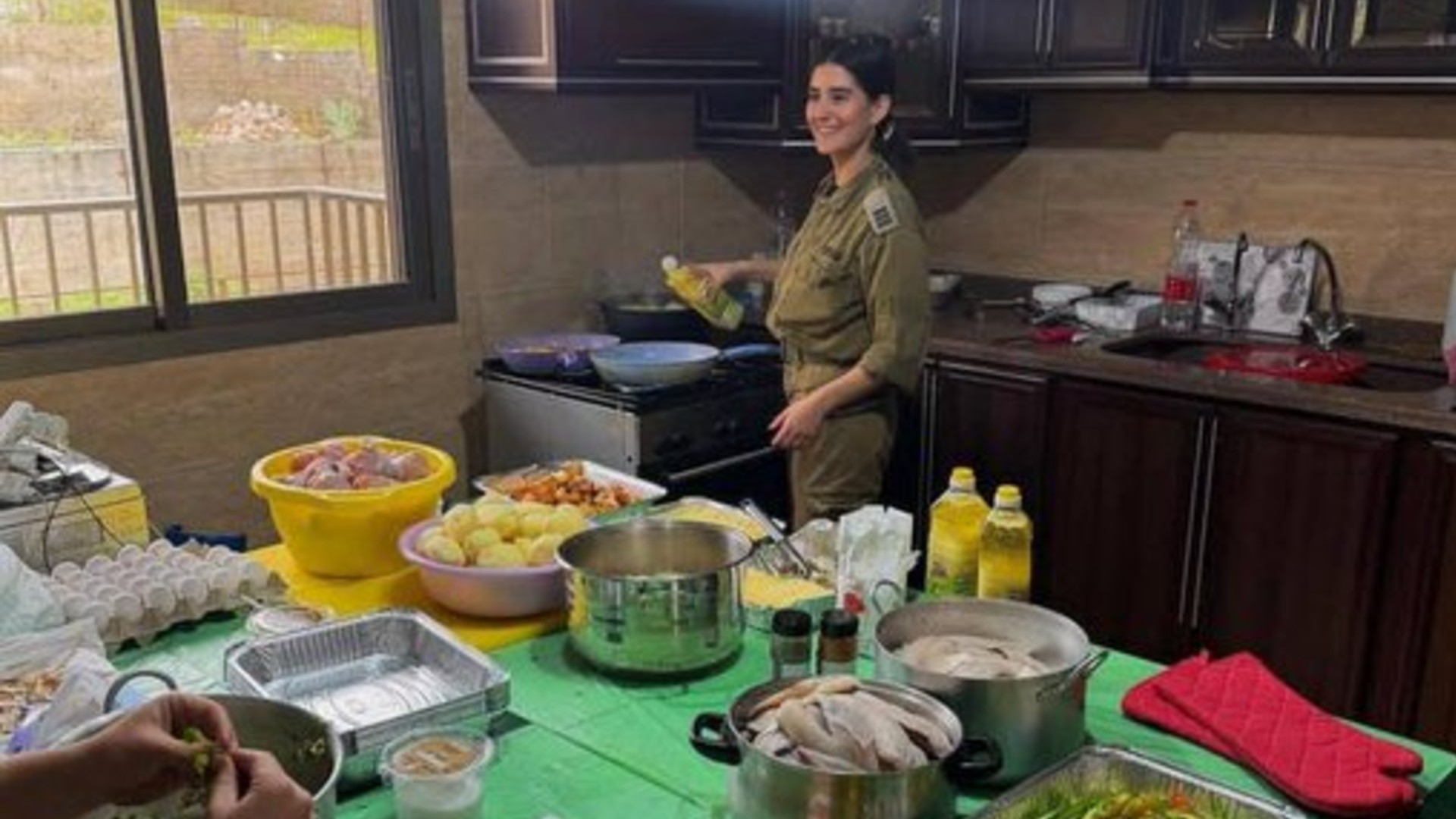
    A photograph depicting an Israeli female soldier smiling while preparing food inside a seized Lebanese civilian home has gone viral across social media platforms, igniting widespread international condemnation of Israeli actions in southern Lebanon. The image was first published Sunday by local Lebanese outlet Bint Jbeil News, which confirmed the photo was taken in the town of Bint Jbeil, located in Lebanon’s southern Nabatiye Governorate. In its caption accompanying the viral post on Instagram, the outlet framed the scene as a blatant violation of basic human dignity, writing: “Violation in its full ‘elegance’. When the killer and occupier cook in the kitchen of the land’s people.”

    Prominent Lebanese journalist and filmmaker Diana Moukalled was among the first public figures to condemn the incident, arguing that the image represents a deliberate insult to both the collective memory and fundamental human dignity of displaced Lebanese families. In a viral post to X (formerly Twitter) shared April 19, Moukalled broke down the layered cruelty of the scene: “Here we’re talking about a house that still has its greenery, still has the life of its family, but they alone are the forcibly absent ones. They are forbidden from returning, while a soldier from the occupation army enters the place, picks the produce, cooks, and laughs as if the house has no owners. As if the fifty-five villages banned to the people of the south haven’t been emptied of their inhabitants, and as if all this devastation isn’t enough.”

    Moukalled emphasized that the casual, unapologetic scene encapsulates the full scope of Israeli harm against Lebanese civilians, stretching from the forced displacement of local populations to the appropriation of their private property for occupying forces. “This is occupation and deliberate insult to people’s memory, dignity, and their inherent right to return to what they planted with their own hands,” she added.

    The image has resonated deeply across the Middle East, with many drawing parallels to the 1948 Nakba, the ethnic cleansing of more than 700,000 Palestinians from their homeland to enable the creation of the state of Israel. Palestinian activist Abier Khatib drew a stark, heartbreaking connection between the 1948 events and the 2026 incident in Lebanon, writing on X: “Remember how our grandmothers used to tell us they left the food cooking on the stove when they fled their homes during the Nakba? Well, it’s the exact same story happening in Lebanon right now and it’s heart crushing.”

    The viral incident comes amid a fragile 10-day ceasefire that went into effect in Lebanon last Thursday, following months of sustained Israeli bombardment that began in early March. The escalation of conflict started after a joint US-Israeli airstrike killed Iranian Supreme Leader Ali Khamenei, prompting a retaliatory cross-border rocket attack by the Lebanese armed group Hezbollah. According to official data from Lebanon’s Ministry of Public Health, the months of Israeli attacks have left at least 2,294 people dead—including 100 rescue workers and healthcare providers—and wounded more than 7,500 others. The violence has also forced an estimated 1.2 million Lebanese people to leave their homes across the country.

    Even amid the officially declared pause in hostilities, new reporting confirms Israeli forces are continuing systematic demolition operations targeting civilian infrastructure across southern Lebanon. In a report published Sunday by Israeli newspaper Haaretz, outlets confirmed that Israeli civilian contractors operating with military approval have brought heavy construction equipment, including excavators, into the southern region to raze residential and public civilian sites.

    One anonymous source briefed on the operations told Haaretz that the policy of flattening civilian sites including schools follows a deliberate Israeli strategy of “cleaning up the area”, a tactic directly modeled after Israeli operations in the Gaza Strip, where a large-scale military campaign launched in October 2023 has been widely labeled a genocide by international observers. Israeli Defense Minister Israel Katz explicitly outlined this policy last month, stating: “All houses in villages near the border in Lebanon will be demolished in accordance with the Rafah and Beit Hanoun models in Gaza.”

    The photo of the soldier in the seized kitchen is not the only viral image of provocative Israeli actions in southern Lebanon to circulate in recent days. Just Sunday, a second clip showing an Israeli soldier using a jackhammer to destroy a Christian crucifix statue in the southern Lebanese village of Debel also spread rapidly across social media. Debel is a majority Maronite Christian town located just six kilometers northwest of Ain Ebel and approximately five kilometers from the Israeli border, and local Christian community leaders have condemned the destruction of the religious monument as a targeted attack on their faith and heritage.

    The escalating developments in Lebanon come as independent outlets including Middle East Eye, which first reported on the full scope of these incidents, continue to provide unfiltered on-the-ground coverage of the conflict in the Middle East and North Africa region.

  • Chinese scientists discover new diatom species in Shanghai

    Chinese scientists discover new diatom species in Shanghai

    A team of marine biologists from Shanghai Ocean University’s College of Fisheries and Life Science has made a notable addition to global biodiversity records, confirming the discovery of a previously undocumented diatom species in the waterways of Shanghai’s Chongming Island. The new finding, formally published in the peer-reviewed international botanical journal Phytotaxa, marks a meaningful contribution to algal taxonomy and freshwater ecological research in the Yangtze River Delta region.

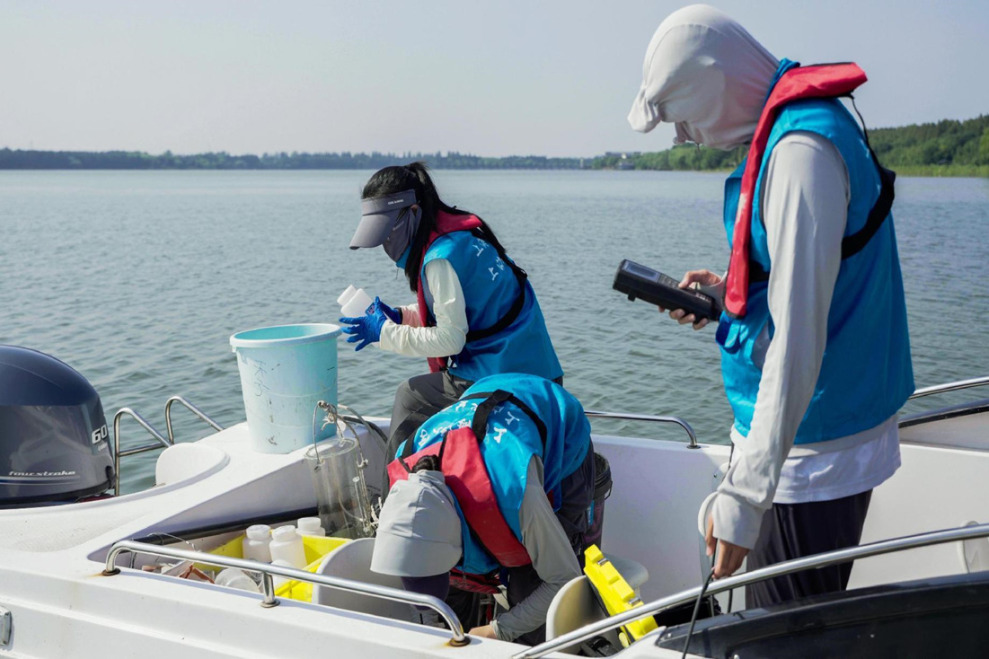
    The new species, officially named *Tryblionella chongmingensis* after its place of discovery, was first collected during a systematic regional ecological field survey carried out by the research team in August 2024. Scientists encountered the previously unknown algal specimen while sampling water and sediment in the Nanheng Diversion Canal and the interconnected small tributaries that crisscross Chongming Island, a major ecological conservation zone located at the mouth of the Yangtze River.

    Taxonomic analysis confirmed that *Tryblionella chongmingensis* holds a set of unique morphological characteristics that set it apart from all other recorded species within the Tryblionella genus. Its defining features include a longitudinal undulating valve structure with the lowest elevation positioned on the proximal side, and the complete absence of an axial sternum. These distinct traits form the diagnostic basis for classifying the new species within the aphyletic Tryblionella group. Additionally, the new species is marked by a comparatively larger cell size than its close relatives, further distinguishing it from similar known taxa.

    Biodiversity surveys of freshwater microalgae play a key role in understanding regional aquatic ecosystem health, particularly in ecologically critical areas like Chongming Island, which functions as an important ecological barrier for Shanghai and the lower Yangtze basin. This discovery adds new data to global diatom diversity research and provides a foundational reference for future studies on algal evolution, aquatic environmental monitoring, and biodiversity conservation in eastern China.

  • Palantir shares slide after manifesto post denouncing ‘regressive’ cultures

    Palantir shares slide after manifesto post denouncing ‘regressive’ cultures

    On Monday, shares of U.S. defense and technology firm Palantir Technologies fell sharply in response to widespread market backlash, triggered by a 22-point far-right ideological manifesto the company published over the weekend that reignited long-simmering controversy over its business practices and geopolitical ties.

    The controversial posting, released to X (formerly Twitter) on Saturday by Palantir’s official account, was framed as a distillation of core company beliefs that stakeholders often ask the firm to clarify. Adapted in large part from *The Technological Republic: Hard Power, Soft Belief, and the Future of the West* — a book co-written by Palantir CEO Alex Karp — the manifesto covers a wide range of social, technological and geopolitical issues.

    Within the document, Palantir pushes back against mainstream narratives of cultural equality, arguing that some cultures and subcultures have produced extraordinary achievements while others are “regressive and harmful.” It also warns against what it calls the “shallow temptation of a vacant and hollow pluralism,” questions the framing of modern Western inclusivity, condemns what it describes as widespread intolerance of religious belief in progressive circles, and publicly calls for Germany and Japan to expand their military rearmament programs. Co-founded by billionaire conservative activist Peter Thiel, the manifesto additionally defends far-aligned tech billionaire Elon Musk’s promotion of a “grand narrative” and criticizes efforts to scrutinize and marginalize wealthy public figures for their personal conduct.

    This is not the first time Palantir has drawn global condemnation. The company holds major military and intelligence contracts with the U.S., UK, Israel and other governments, and has faced years of criticism over its direct role in supporting Israel’s military campaign in Gaza. Rights groups and United Nations investigators have repeatedly linked Palantir’s technology to accelerated targeting operations in Gaza that have killed tens of thousands of civilians.

    Responding to the manifesto, Lewis Bacchus, campaigns officer for the UK-based Palestine Solidarity Campaign, told Middle East Eye that the far-right rhetoric contained in the post was unsurprising given the company’s track record. “The software produced by Palantir has enabled state violence across the globe,” Bacchus said, noting that it has allowed the Israeli military to generate attack targets at unprecedented speed to advance its military campaign in Gaza. He added that the British government continues to award the company lucrative public contracts, including access to the UK’s National Health Service (NHS).

    The manifesto sparked immediate outrage and mockery across social media platforms. Bellingcat founder Eliot Higgins sarcastically described the post as “extremely normal and fine” on the Bluesky social network, while Lebanese historian and journalist Elia Ayoub labeled it “cartoonishly evil.” Andrew Feinstein, a South African journalist and former African National Congress member of parliament, tied the manifesto’s racist framing to co-founder Peter Thiel’s upbringing in apartheid-era South Africa and what is now Namibia, arguing that this background shaped his white supremacist ideological views.

    Market analysts attribute the drop in Palantir’s share price to growing investor concerns over potential reputational damage and increased political scrutiny stemming from the company’s explicit public alignment with far-right ideology. The broader controversy over Palantir’s role in the Israel-Gaza conflict has already drawn condemnation from global rights groups and UN officials. In a July 2024 report, UN Special Rapporteur Francesca Albanese named Palantir among several technology firms accused of profiting from crimes including illegal occupation, apartheid and genocide in occupied Palestinian territory.

    Albanese’s report documented that Palantir provides automatic predictive policing technology, core defense infrastructure for scaled-up military software deployment, and an artificial intelligence platform that enables real-time battlefield data integration for automated targeting decisions. Palantir CEO Alex Karp has publicly acknowledged that the company’s software was used by Israel in the 2024 pager attacks in Lebanon, which killed 42 people and wounded thousands more, many of whom suffered permanent, life-altering injuries. Since the start of Israel’s military campaign in Gaza in October 2023, Palantir has made no secret of its open partisan support for Israel, taking out a full-page advertisement in *The New York Times* to publicly reaffirm its stance, with senior executives framing Middle Eastern conflicts as a defense of Western civilization.

    Beyond its military contracts, Palantir also faces growing scrutiny over its expanding role in public healthcare, most notably in the UK. NHS England issued guidance requiring all regional health trusts to adopt Palantir’s core data products starting in April 2025, after the company won a £1 billion ($1.35 billion) contract for a federated data platform (FDP) in November 2023. The contract has sparked widespread pushback from health workers, campaigners and parliamentarians, who warn that handing access to sensitive patient data to a foreign private tech firm poses major national security risks.

    Last month, a group of health workers from the campaign organization Medact published a call in the *British Medical Journal* urging NHS trusts to disobey the guidance to adopt Palantir’s platform. Rhiannon Mihranian Osborne, a doctor and Medact campaigner, told Middle East Eye that UK health workers are “deeply disturbed” by the NHS’s ongoing partnership with Palantir. “Every day that the NHS continues this contract with Palantir makes our health system complicit in Palantir’s violent operations, from AI warfare to drone strikes to mass surveillance,” she said, adding that Health Secretary Wes Streeting’s decision to move forward with the contract undermines public trust in the NHS and the system’s core commitment to equality. The Palestine Solidarity Campaign has called on the UK government to immediately cancel all public contracts with Palantir. Middle East Eye contacted the UK Department of Health and Social Care for comment on the manifesto and the future of the NHS contract, but had not received a response as of publication.

  • Canadian killed in shooting at Mexico’s ancient Teotihuacán pyramids

    Canadian killed in shooting at Mexico’s ancient Teotihuacán pyramids

    A deadly shooting at one of Mexico’s most famous tourist landmarks has left one Canadian woman dead and multiple visitors wounded, Mexican authorities have confirmed. The violent incident unfolded on Monday at the sprawling Teotihuacan archaeological zone, a pre-Hispanic ruin complex located roughly an hour’s drive north of Mexico City that draws millions of domestic and international visitors annually.

    Following the attack, the gunman died by suicide at the scene, according to official government statements. Responding law enforcement personnel secured the zone quickly after the violence broke out, and remained deployed across the site on Monday to process evidence. Investigators have recovered a firearm, a bladed weapon and unused live ammunition from the area where the shooting took place.

    Among the injured people receiving treatment for their wounds are two Colombian citizens, one Russian national and one additional Canadian, State Security Secretary Cristóbal Castañeda Camarillo confirmed to reporters during a Monday press briefing.

    Mexican President Claudia Sheinbaum, who took office earlier this year, confirmed she is monitoring the developing situation closely and has maintained direct communication with the Canadian embassy in Mexico City to coordinate updates. In a public statement posted to social media, Sheinbaum said she had directed her full national security cabinet to launch a thorough investigation into the attack, and ordered officials to extend all possible support to those affected by the violence.

    “What happened today in Teotihuacan deeply pains us. I express my most sincere solidarity with the affected individuals and their families,” Sheinbaum wrote in her Spanish-language statement.

    The Teotihuacan archaeological park is one of Mexico’s crown jewels of cultural heritage, home to the iconic Pyramid of the Sun and Pyramid of the Moon, remnants of a powerful pre-Columbian civilization that flourished centuries before the rise of the Aztec Empire. It was designated a UNESCO World Heritage Site in 1987, and consistently ranks among the most visited tourist attractions in the country.

    The BBC has reached out to officials at the Canadian government for additional comment and further details about the slain victim as the investigation continues. Authorities have not yet released a confirmed motive for the attack, and updates on the case are expected as more information becomes available.