Weeks of intense cross-border conflict between Israel and the Lebanese militant group Hezbollah have given way to a fragile truce, and now officials from both nations are set to meet for a second round of direct negotiations aimed at locking in long-term stability along their shared border.
A senior Israeli official, speaking on condition of anonymity to Xinhua News Agency on Monday, confirmed that the talks will take place Thursday in the U.S. capital Washington. While the official declined to share additional details about the negotiating agenda or expected outcomes, multiple sources have already confirmed leadership for both delegations.
Israeli outlet Reuters, quoting an anonymous Israeli government source, reports that Yechiel Leiter, Israel’s ambassador to the United States who participated in the first round of talks held earlier this month, will lead the Israeli negotiating team this week. On the Lebanese side, the country’s presidency made an official announcement via social media platform X on Monday morning confirming that former Lebanese Ambassador to the U.S. Simon Karam will head the Lebanese delegation.
The presidency emphasized in its statement that Karam is the sole authorized representative for Lebanon in these talks, noting that “No one else will participate on Lebanon’s behalf or take its place in this mission.” The talks are also structured as an independent negotiation track separate from any other ongoing diplomatic efforts between the two sides, the statement added.
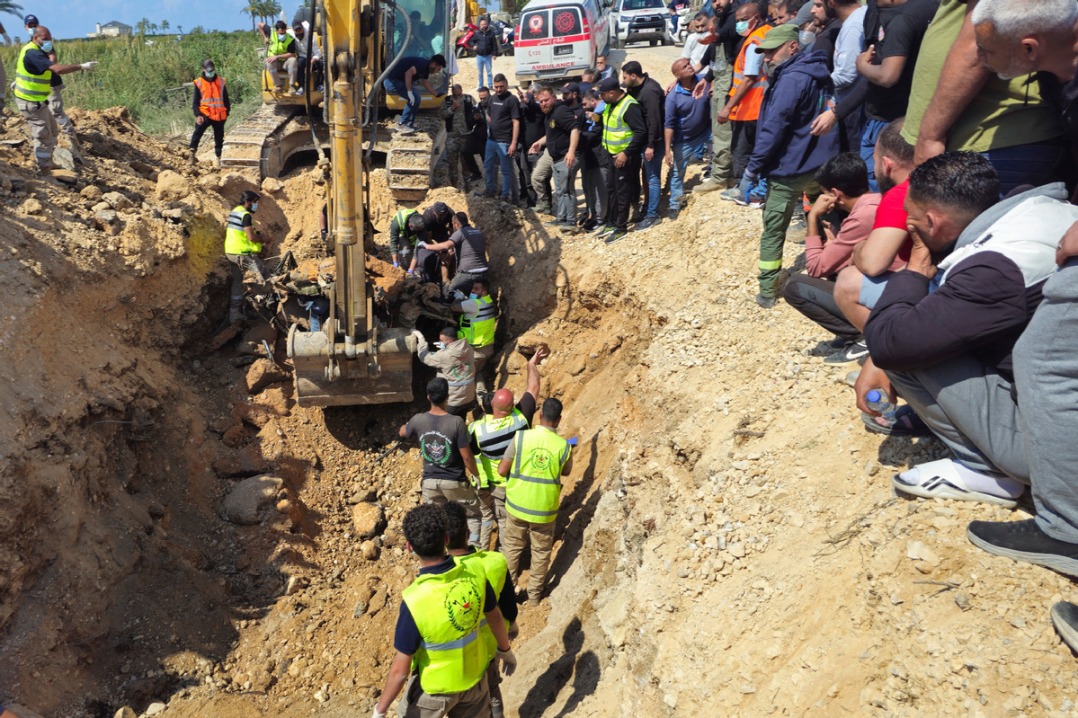
This upcoming meeting marks the first formal negotiation between the two parties since the 10-day ceasefire agreement came into force at 2100 GMT on Thursday, ending weeks of deadly exchanges of fire that displaced tens of thousands of civilians on both sides of the border. Ahead of the ceasefire, an Israeli strike on a bridge in southern Lebanon’s Qasmiyeh region left two people dead, with rescuers working to recover their bodies just hours before the truce took hold, according to on-the-ground reports from April 20.
Lebanon has laid out clear core objectives for the negotiations: the permanent end to all hostilities along the border, a full Israeli withdrawal from occupied southern Lebanese territories, and the deployment of the official Lebanese army to the country’s internationally recognized southern border. In its statement, the Lebanese presidency framed the current moment as a stark binary choice for all parties: either continue a prolonged conflict that would carry devastating humanitarian, social, economic, and national sovereignty costs, or work toward a lasting negotiated settlement that can end years of tensions along the border.