博客

  • Exclusive: ICC Chief Prosecutor Karim Khan to address Oxford Union next week

    Exclusive: ICC Chief Prosecutor Karim Khan to address Oxford Union next week

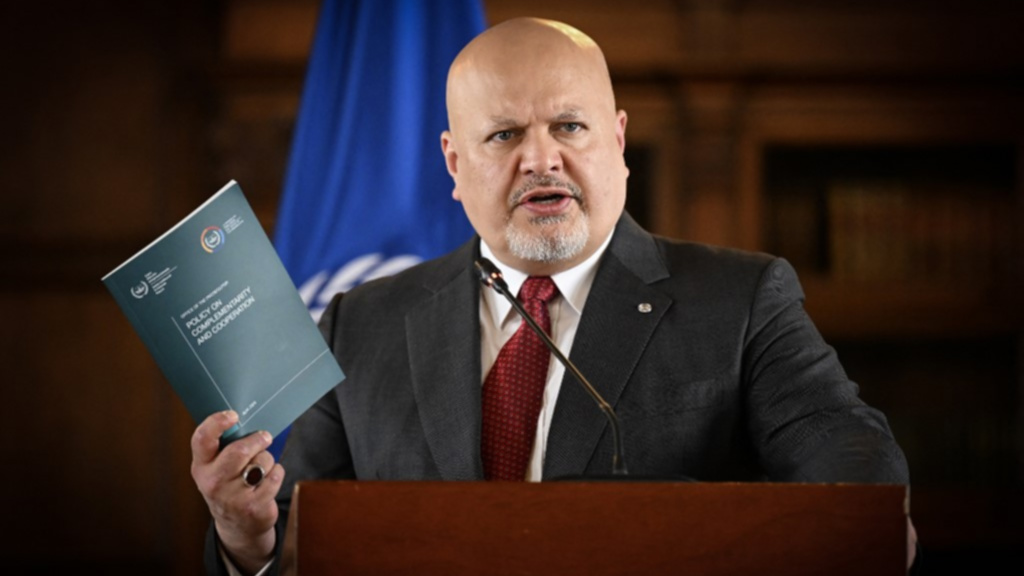
    In a significant development that intersects international justice, political pressure, and institutional debate, International Criminal Court (ICC) chief prosecutor Karim Khan is scheduled to deliver his first public address next week at the world-famous Oxford Union, exclusive reporting from Middle East Eye can confirm. This appearance comes nearly a year after Khan stepped away for extended leave, amid a United Nations-led probe into unsubstantiated sexual misconduct claims that Khan has forcefully denied from the start.

    Late last month, MEE first broke the news that an independent panel of three veteran international judges — handpicked by the Bureau of the Assembly of States Parties (ASP), the ICC’s governing oversight body — had completed its review of the UN investigation and reached a unanimous, clear conclusion: no evidence supported any finding of misconduct or breach of professional duty on Khan’s part. Despite this formal clearing by the panel the ASP itself appointed, Khan has not yet resumed his full official responsibilities. Subsequent MEE reporting revealed that a bloc of predominantly Western and European member states voted at a recent ASP bureau meeting to set aside the judges’ independent findings and launch their own separate assessment, drawing directly from the original UN inquiry.

    Khan’s legal team has repeatedly called on the ASP bureau to honor the independent panel’s conclusions, and has raised urgent alarms that political motivations, rather than transparent, rule-based legal process, are driving the body’s ongoing deliberations. In an official statement released earlier this month, Khan’s legal representatives emphasized: “That Panel, comprising three highly distinguished international judges and appointed by the Bureau itself, reviewed the entirety of the evidential record over a period of three months and reached a unanimous and unequivocal conclusion: that the material does not establish any misconduct or breach of duty of any kind.” The ASP bureau has scheduled a final ruling on the allegations for early June.

    The Oxford Union, an independent student debating society that bills itself as the most prestigious forum of its kind globally, will host Khan at 7:30 p.m. on Tuesday, May 5. The event is open to all current Union members, as well as public attendees who purchase entry, MEE has confirmed. While the Union draws its membership primarily from Oxford University students, it operates as an independent private organization separate from the university itself.

    Arwa Hanin Elrayess, the Union’s current president, confirmed the invitation to MEE, noting: “We are deeply honoured to host Mr Khan KC at the Oxford Union. At a time when regimes persecute and sanction those who exercise their right to free speech, institutions like ours have a duty to stand firm and ensure those voices are heard. Mr Khan’s commitment to international law in the face of sustained political pressure is a story that speaks directly to the state of international justice today, and ought to be heard.”

    Elrayess, a Palestinian-Algerian student originally from Gaza, made history last December when she became the first Palestinian, the first Arab woman, and the first Algerian elected to lead the 200-year-old society. She will serve in the role through the end of the current academic year in July.

    The entire misconduct investigation has unfolded against a backdrop of relentless, coordinated pressure targeting both Khan and the ICC as an institution, sparked by the office’s pursuit of war crime charges against Israeli leaders over actions in Gaza. Starting in early 2024, as Khan prepared to file applications for arrest warrants for Israeli Prime Minister Benjamin Netanyahu and former Defense Minister Yoav Gallant, a widespread intimidation campaign was launched against the prosecutor. The threats included a public warning from then-UK Foreign Secretary David Cameron that the United Kingdom would cut all funding and withdraw its membership from the court if the warrants were issued. When the ICC judges approved the warrants in November 2024, pressure increased, and it escalated again in early 2025 as Khan moved to secure warrants for additional Israeli cabinet members. That surge in pressure coincided with new media leaks of the unproven sexual misconduct allegations, and the Trump administration imposed formal sanctions on Khan in February 2025. Prior to that, U.S. sanctions had already been levied against Khan’s two deputy prosecutors and multiple ICC judges.

    MEE reporting from August 2025 detailed the full scope of the intimidation campaign: direct threats to Khan from high-profile global politicians, coordinated briefings damaging Khan’s reputation from close colleagues and family associates, credible safety concerns sparked by intelligence confirming a Mossad surveillance team was operating near the ICC’s headquarters in The Hague, and the steady drip of leaked misconduct claims to international media. Khan took his extended leave in mid-May 2025, shortly after an attempt to suspend him from within his own office failed, and as the UN investigation got underway.

    The UN investigation was conducted by the Office of Internal Oversight Services (OIOS), which collected testimony and evidence from both the complainants and Khan. When the independent judicial panel reviewed the OIOS report, however, it found the document “either did not reach conclusive factual determinations or concluded that such determinations were impossible based on the evidence collected.” The panel further noted that the OIOS report relied heavily on hearsay, with no direct evidence of misconduct ever presented. Ultimately, the judges ruled that “there is insufficient evidence to support a finding of misconduct measured against the standard of proof of beyond reasonable doubt.”

    Middle East Eye, which first broke and has continuously reported on this story, provides independent, on-the-ground coverage of the Middle East, North Africa, and global affairs related to the region.
  • Peace efforts stall as US examines latest Iran proposal

    Peace efforts stall as US examines latest Iran proposal

    Diplomatic efforts to reach a permanent end to the ongoing Middle East conflict reached a deadlock this Tuesday, as the United States continues to review Iran’s latest proposal to reopen the strategically critical Strait of Hormuz, while Tehran rejects Washington’s claims to dictate the terms of any final agreement.

    Two months since the launch of the US-Israeli military offensive, Iran has maintained a blockade on the strait – a global chokepoint that carries roughly a fifth of the world’s daily oil and natural gas shipments. The closure has sent severe disruptions rippling through global energy markets, driving commodity prices sharply higher and stoking economic uncertainty worldwide.

    According to multiple reports, Iran’s offer would see Tehran gradually ease its restrictions on Hormuz shipping in exchange for the US lifting its own retaliatory blockade on Iranian commercial ports, while wider negotiations on more divisive issues – most notably Iran’s nuclear program – would continue in parallel. The proposal was delivered to Washington via written communications relayed through mediator Pakistan, which also outlined Iran’s non-negotiable red lines on both nuclear policy and control of the strait, Iran’s state-affiliated Fars News Agency confirmed.

    US President Donald Trump convened a meeting with his top national security advisors on Monday to assess the plan, but multiple anonymous sources familiar with the closed-door discussion told CNN that Trump has signaled reluctance to accept the framework. The President has insisted that the status of the strait remain on the negotiating table until a full resolution of the nuclear question is reached, leaving the next steps of the process unclear.

    Iran hit back at Washington’s positioning on Tuesday, with Defense Ministry spokesperson Reza Talaei-Nik stating that the US must abandon what he called its “illegal and irrational demands.” “The United States is no longer in a position to dictate its policy to independent nations,” he told Iranian state television.

    US Secretary of State Marco Rubio offered a mixed assessment of the proposal during an interview with Fox News, acknowledging that it was “better than what we thought they were going to submit” but questioning the sincerity of Iran’s commitments. “They’re very good negotiators,” Rubio said, adding that any final agreement must “definitively prevents them from sprinting towards a nuclear weapon.”

    Regional mediators have also stepped up warnings about the risks of an unresolved standoff. Qatar’s Foreign Ministry spokesperson Majed al-Ansari told reporters Tuesday that the international community must avoid the creation of a “frozen conflict” that could reignite at any moment over political disagreements. “We do not want to see a return to hostilities in the region anytime soon. We do not want to see a frozen conflict that ends up being thawed every time there is a political reason,” al-Ansari said, calling for negotiators to prioritize a “sustainable” long-term peace deal.

    Thus far, a temporary ceasefire between US and Iranian forces has held, but talks to lock in a permanent end to hostilities have failed to produce tangible progress. Pakistan, which has served as the primary mediator for the talks, hosted an initial round of negotiations that ended without breakthrough, and plans for a second round of talks over the weekend collapsed entirely. When asked about the path forward last week, Trump simply stated that “if Iran wants talks, they can call us.”

    Tehran has made clear that it will not offer new security guarantees for Gulf waterways without ironclad commitments from Washington and Tel Aviv that they will not launch new military attacks, Iran’s UN envoy said this week. An Iranian army spokesperson doubled down on that position Tuesday, telling state media that Tehran “does not consider the war to be over” and holds “no trust in America.”

    “We have many cards that we have not yet used… new tools and methods of fighting based on the experiences of the past two months of conflict, which will definitely allow us to respond to the enemy more decisively” if hostilities resume, said spokesperson Amir Akraminia.

    Speaking during a visit to Moscow this week, Iranian Foreign Minister Abbas Araghchi claimed the conflict had demonstrated Iran’s “true power” and regional stability, but the mood inside Iran remains far grimmer. Small business owner Farshad, speaking to AFP journalists in Tehran, described widespread economic disruption from the ongoing standoff. “Everything in the country is up in the air right now. I have not worked for a long time,” he said. “The country is in complete economic collapse.”

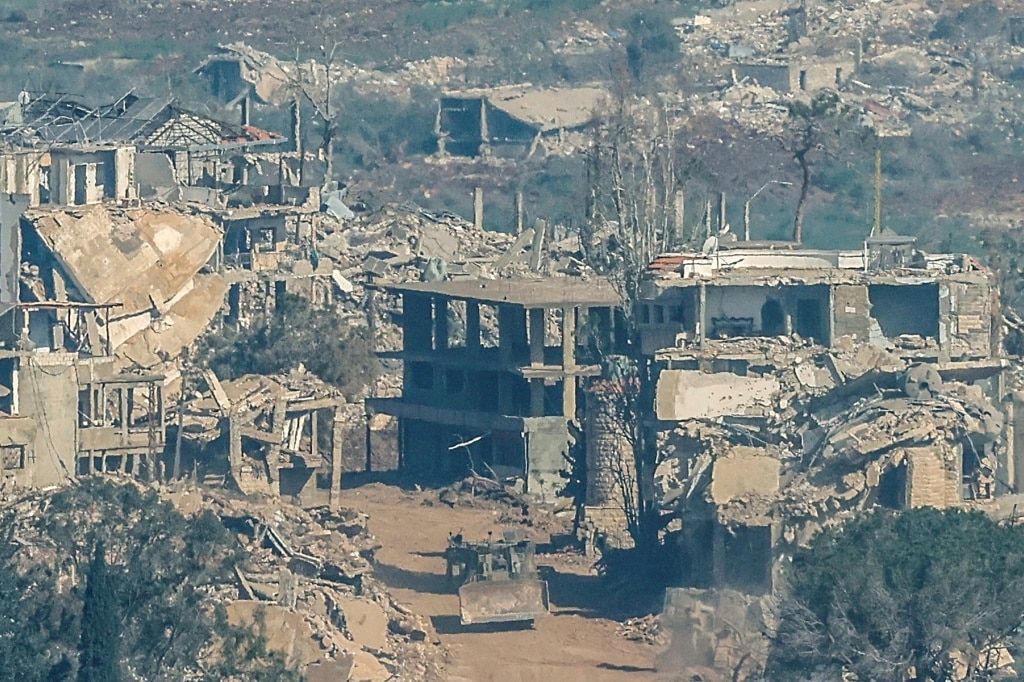
    Beyond the bilateral US-Iran standoff, violence continues to simmer on the conflict’s Lebanese front, where a recently extended ceasefire between Israel and Iran-backed Hezbollah has failed to stop all clashes. Hezbollah drew Lebanon into the broader conflict when it launched rocket attacks on Israel, prompting Israel to launch retaliatory airstrikes and a limited ground incursion into southern Lebanon.

    On Tuesday, the Israeli military issued evacuation orders for more than a dozen villages and towns in southern Lebanon, saying repeated “violations of the ceasefire” by Hezbollah left it no choice but to resume military action. Israeli Foreign Minister Gideon Saar emphasized that his country “has no territorial ambitions in Lebanon” and will withdraw its forces from border areas once Hezbollah and its armed factions are fully dismantled. The comment came a day after Hezbollah leader Naim Qassem reaffirmed the group’s commitment to the fight, vowing that it would “not back down” from its positions.

  • Mali faces advancing rebels in ‘difficult’ situation

    Mali faces advancing rebels in ‘difficult’ situation

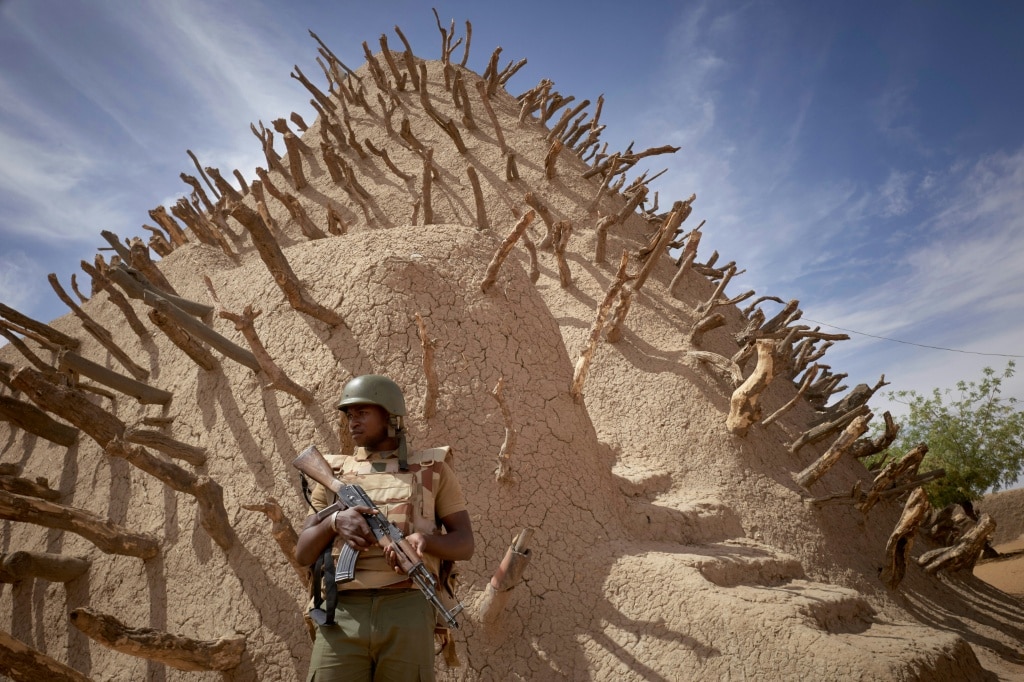
    Three days after launching the largest coordinated assault in nearly 15 years against Mali’s ruling military junta, a unified force of Tuareg separatists and al-Qaeda-linked jihadists continues advancing across northern Mali, with Russia’s defense ministry acknowledging Tuesday that the security situation “remains difficult”.

    The broad, dawn attacks launched Saturday targeted multiple strategic positions across the West African nation, including military sites near the capital Bamako. In a stunning development that has shaken junta leadership, Defense Minister Sadio Camara — widely regarded as the architect of the junta’s decision to pivot away from Western partners and align with Russia — was killed in fierce fighting against the joint force of the Azawad Liberation Front (FLA) Tuareg rebels and the jihadist Group for the Support of Islam and Muslims (JNIM).

    Junta chief Assimi Goita, who seized power in a 2020 coup on a promise to defeat Islamist insurgency, has not made any public appearance or statement since the attacks began. A Malian security source told Agence France-Presse that Goita is staying out of public view “for security reasons”, while an anonymous elected official in Bamako confirmed that military leadership is currently reassessing its strategy in the wake of the assault. This unexpected absence has fueled widespread uncertainty over the future of the country’s ruling military council.

    On Tuesday, Russian defense officials confirmed that fighters from the Moscow-controlled Africa Corps — the paramilitary force deployed to support the Malian junta — have withdrawn from the key northern town of Kidal, which is now fully under the control of the allied armed groups. The ministry also confirmed that rebel fighters launched attempts to seize high-priority targets in Bamako, most notably the presidential palace. Russia, which has been the junta’s primary foreign backer since 2022, stated that regrouping rebel forces remain active across the north, while the Kremlin separately said Moscow is urgently seeking a return to peace and stability for the Sahel nation.

    Local sources confirm that Malian government forces have already abandoned multiple outposts in the northern Gao region, the country’s second-largest military stronghold. One anonymous local politician reported that troops withdrew from the border town of Labbezanga near Niger and pulled back to the more defensible position of Ansogo. Late Monday, two large explosions were recorded near Bamako’s international airport by an AFP journalist on the ground, though the source of the blasts has not yet been confirmed. Local residents reported the blasts originated from the military Base 101 located at the airport, with no exchange of small arms fire reported before or after the detonations.

    Analysts note that this coordinated offensive marks an unprecedented milestone: two historic foes — Islamist insurgents seeking to establish religious rule and Tuareg separatists fighting for an independent state of Azawad — have set aside their differences to fight a common enemy in the junta and its Russian backers. This new alliance was formalized one year ago, echoing the 2012 crisis that first plunged Mali into ongoing conflict, when the same two groups briefly allied to seize control of northern Mali before turning on one another. At that time, former colonial power France intervened to repel the offensive, but French forces fully withdrew from Mali in 2022 after relations with the junta collapsed.

    Some analysts have framed the attacks near Bamako’s centers of power as a strategic diversion to draw junta forces away from Kidal, a longstanding stronghold of Tuareg pro-independence movements. Kidal was retaken by junta forces backed by Russian mercenaries from the Wagner Group — the predecessor to the current Africa Corps — in a 2023 offensive, but it fell back to rebel control in the recent assault. As of Tuesday, the security situation across central Mali’s Mopti region, which was also targeted in Saturday’s attacks, remains unclear and fluid.

    Mali has now faced more than a decade of persistent jihadist violence and overlapping insurgencies, which has displaced hundreds of thousands of people across the country and into neighboring nations including Mauritania, Niger and Burkina Faso. The large-scale offensive has raised serious new questions about the junta’s ability to contain the insurgency, despite repeated claims that its military strategy, partnership with Russia and increased troop deployments have successfully rolled back the jihadist threat.

  • France murder victim identified after 20 years and suspect arrested

    France murder victim identified after 20 years and suspect arrested

    More than two decades after her mutilated body was found hidden in a rural French village, an unidentified murder victim has finally been named, and a suspect has been taken into custody — marking a historic milestone for Interpol’s global cold case initiative.

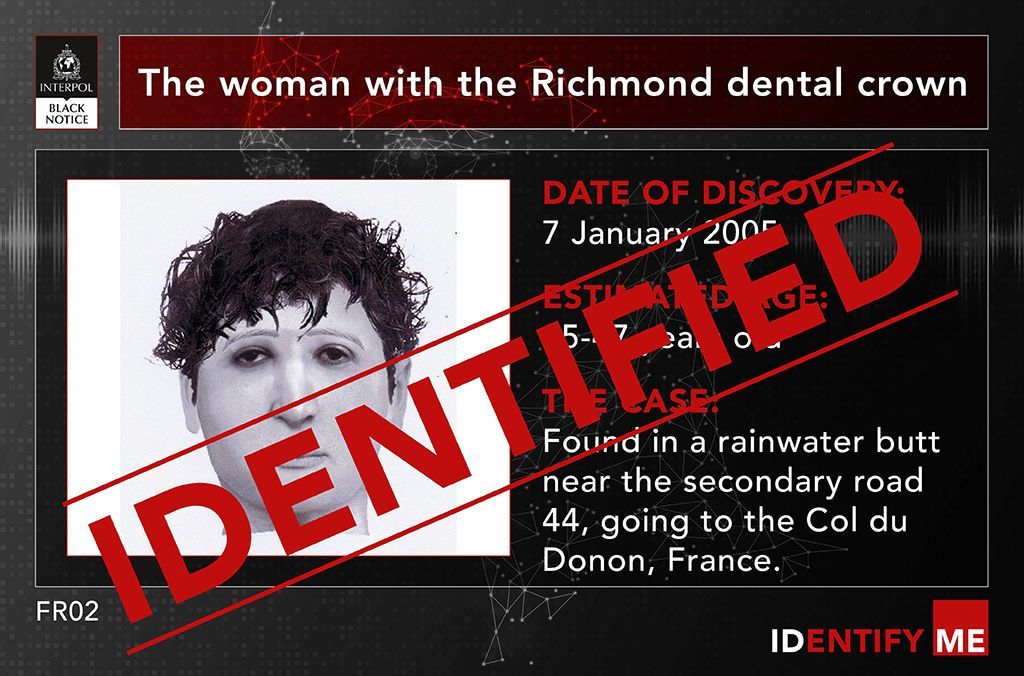
    The victim, now confirmed as 34-year-old Algerian-born Hakima Boukerouis, was the fifth unidentified woman to be identified through Operation Identify Me, an international effort launched in 2023 by the global law enforcement agency Interpol to name hundreds of unclaimed female bodies found across six European countries. Until this breakthrough, investigators had only referred to Boukerouis by the chilling nickname “the woman with the Richmond dental crown”, after a distinct, high-cost dental procedure she had undergone shortly before her death that authorities previously suspected was performed in Germany.

    Boukerouis’ remains were first discovered in January 2005, tied, wrapped in black garbage bags, and concealed inside a covered water butt in the small northeastern French village of Saint-Quirin. For nearly 20 years, no matches to missing person reports could be found, leaving the case stuck in the growing backlog of cross-border cold cases. That changed when French law enforcement used familial DNA searching to connect Boukerouis to her relatives, unlocking the long-awaited identification.

    The arrest of a suspect in Boukerouis’ murder is the first made since Operation Identify Me launched, a win that Interpol leaders say highlights the value of persistent, cross-border collaboration on unsolved cases. “This identification underscores how important it is to keep investigating unresolved cold cases,” Interpol Secretary General Valdecy Urquiza said in an official statement released Tuesday. “As part of the Identify Me campaign, the efforts of the French authorities have helped identify a murder victim whose case had remained open for many years.”

    Due to ongoing investigations and active judicial proceedings, neither French police nor Interpol have released the identity of the arrested suspect, and only limited details about the case have been made public.

    Operation Identify Me was created to address a growing challenge for European law enforcement: rising global migration and transnational human trafficking have left an increasing number of people reported missing outside their home countries, making it far harder to match unidentified bodies to missing person reports. The campaign pulls 47 unsolved cases of women found dead under suspicious or violent circumstances in France, Belgium, the Netherlands, Germany, Italy and Spain into a single public, cross-border effort. For the first time, Interpol has issued public black notices — its official requests for information on unidentified deceased persons — for these cases, shared critical records including fingerprints with law enforcement agencies worldwide, and reignited public and investigative attention to these long-forgotten cases.

    Before Boukerouis’ identification, four other women have been named through the initiative: 31-year-old British citizen Rita Roberts, murdered in Belgium in 1992 and identified after her family spotted a photo of her tattoo in a BBC report; 33-year-old Paraguayan national Ainoha Izaga Ibieta Lima, found dead in a Spanish poultry shed in 2018; 31-year-old Russian national Liudmila Zavada, found on a Spanish roadside in 2005 and identified in September 2024; and 35-year-old German citizen Eva Maria Pommer, found on a Dutch beach in 2004 and identified the following month.

    With five identifications complete, investigators still working through the campaign are pushing to name the remaining 42 women. Most of the remaining unidentified victims are confirmed murder victims, most believed to have been between 15 and 30 years old at the time of their death, with some cases dating back decades.

  • Ukraine accuses Israel of importing grain ‘stolen’ by Russia as Zelenskyy warns of sanctions

    Ukraine accuses Israel of importing grain ‘stolen’ by Russia as Zelenskyy warns of sanctions

    A sharp public diplomatic dispute has erupted between Kyiv and Jerusalem this week after Ukraine accused Israel of allowing the entry of Russian-harvested grain stolen from occupied Ukrainian territories, triggering conflicting official statements and formal protests.

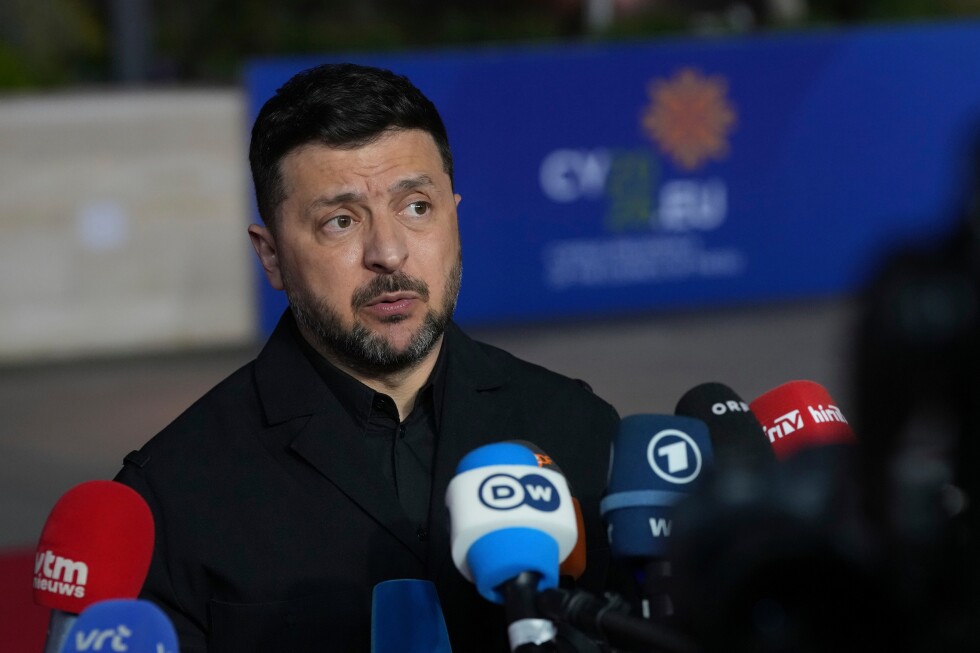
    Ukrainian President Volodymyr Zelenskyy made the allegation public on Tuesday via the social platform X, confirming that at least one cargo vessel carrying the illicitly traded grain had already reached an Israeli port and was preparing to offload its cargo. Zelenskyy emphasized that under international law and standard domestic legal frameworks, trafficking in stolen property carries clear legal consequences, noting that Ukrainian intelligence services have already begun compiling targeted sanctions packages against the companies and individuals facilitating these illegal shipments. The Ukrainian leader added that Kyiv will coordinate closely with its European Union allies to push for the inclusion of these involved parties in existing bloc-wide sanctions regimes against Russian-connected entities.

    Ukraine’s Foreign Ministry expanded on the accusation, stating that Kyiv had pre-notified Israeli officials about the suspect vessels, and that more than two cargo ships carrying grain stolen from occupied Ukrainian lands have already entered Israeli territory. Ministry spokesman Heorhii Tykhyi confirmed that Israeli ambassador Michael Brodsky was formally summoned to receive an official protest note from Kyiv, over what Ukrainian officials describe as a persistent flow of these illegal shipments into the Israeli market.

    According to the Ukrainian foreign ministry, Ukrainian investigators have already confirmed the fraudulent origin of the grain, and are well aware of the tactics Russia uses to cover up the theft—including covert ship-to-ship transfers of cargo in the Black Sea to mask the product’s original source. Despite repeated formal requests from Kyiv for Israeli authorities to detain the suspect vessels and their cargo, the illicit shipments continue to reach Israeli ports and enter domestic commercial circulation, the ministry said. Crucially, Ukrainian officials stressed the issue is not an isolated incident, but a systemic pattern of trade that poses a clear risk to bilateral relations between the two countries if it is not resolved immediately.

    Israeli officials have pushed back against Ukraine’s claims, offering a conflicting account of the situation. Israeli Foreign Minister Gideon Saar told reporters in Jerusalem that the Israeli Tax Authority has launched an investigation into a vessel reportedly bound for Haifa port, but dismissed Zelenskyy’s public statement as unproductive “Twitter diplomacy.” Saar said that Ukraine had failed to provide sufficient supporting evidence for its claims and had not submitted a formal request for legal assistance from Israeli authorities.

    Public tracking data from marine tracking portal MarineTraffic.com complicates the conflicting accounts, showing that the vessel in question has already been anchored in the port of Haifa for several days—contradicting Israel’s claim that the ship has not yet entered the port or submitted required entry documentation.

  • Kenya’s leader backtracks after comments mocking Nigerians’ English

    Kenya’s leader backtracks after comments mocking Nigerians’ English

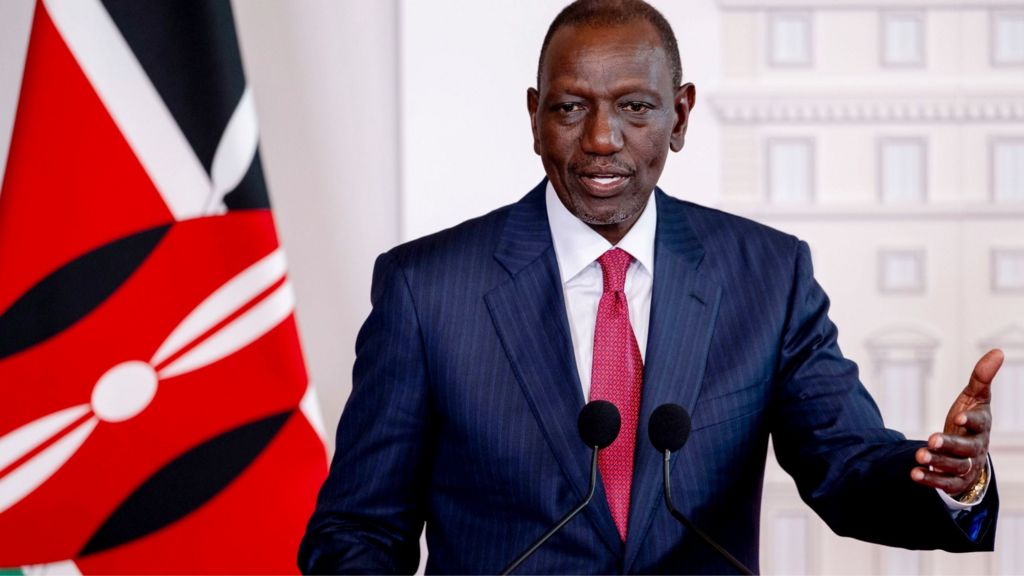
    What started as an offhand comment about regional English accents in Africa has erupted into a cross-border social media firestorm, pushing Kenya’s President William Ruto to issue a public clarification to ease growing tensions. Last week, during a private engagement with Kenyan expatriates in Italy, Ruto made remarks that quickly went viral: he boasted that Kenya’s education system produces globally competitive human capital with top-tier English proficiency, then added that listeners often need a translator to understand English spoken with a Nigerian accent.

    The comment triggered immediate widespread condemnation online, sparking a heated digital rivalry between citizens of the two East and West African nations. Both Kenya and Nigeria are former British colonies that retain English as an official language, but each has developed distinct accent patterns shaped by their own indigenous linguistic landscapes. Nigeria’s more than 500 native languages have heavily influenced the cadence, intonation, and phonetics of its spoken English, while Kenya’s mix of Bantu, Nilotic, and Cushitic languages has produced its own unique pronunciation style.

    The opportunity for clarification came during a mining development conference hosted in Nairobi, Kenya’s capital, where Nigeria’s Minerals Minister Henry Dele Alake was in attendance. Taking the stage after Alake’s lighthearted address — in which Alake noted that Nigeria’s people had tasked him with assuring Ruto that Nigerians speak good English — Ruto leaned into the moment of good-natured banter to set the record straight.

    Ruto told the gathered crowd that his original remarks were never meant for public consumption and had been deliberately taken out of context by commentators. He reframed his original point to emphasize that *all* African populations speak high-quality English, regardless of regional variations. The controversial line, he explained, was merely an offhand comparison of differing accent patterns, not an attack on Nigerian English proficiency. He also reminded the audience of his personal family ties to Nigeria: one of his daughters, June, is married to a Nigerian man, making millions of Nigerians his extended in-laws.

    In a playful closing quip directed at Alake, Ruto asked the minister to send his greetings to Nigerian President Bola Tinubu, adding, “Tell him I said that in good English… so that there will be no consequences.” He wrapped up his remarks by expressing relief that the misunderstanding could be resolved directly with his Nigerian counterparts, noting, “It is as well that we can have this conversation – my in-laws I hope there will be no consequences for whatever was done.” The lighthearted exchange stood in stark contrast to the harsh wave of criticism Ruto faced in the days after his original comments were leaked and spread online.

  • Third Ukrainian strike hits Russian oil refinery and prompts evacuations

    Third Ukrainian strike hits Russian oil refinery and prompts evacuations

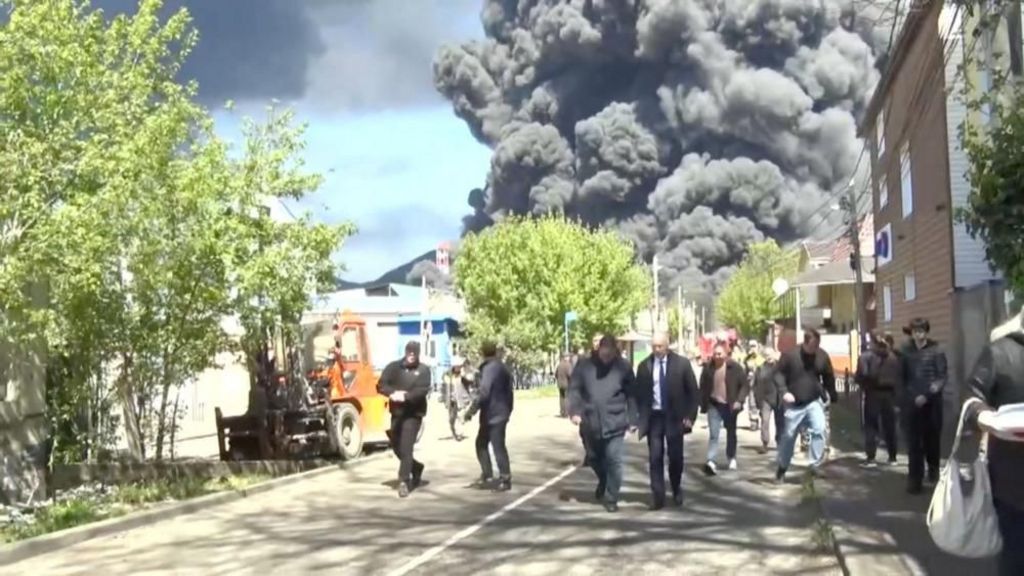
    In a continued escalation of cross-border attacks on Russian energy infrastructure, a key oil refinery on Russia’s Black Sea coast has been targeted for the third time in April 2026 by Ukrainian drones, triggering a massive inferno that forced the evacuation of adjacent residential areas, regional Russian officials confirmed Tuesday.

    Located in the southern Russian city of Tuapse, the refinery has faced repeated Ukrainian strikes over the past two weeks. Previous attacks already left severe environmental damage in their wake: a large volume of crude oil spilled into the Black Sea, and local residents reported so-called “black rain” falling across the city, leaving sticky oily residue on homes, streets and public spaces.

    Ukraine’s military has publicly taken responsibility for the latest strike, framing attacks on Russian energy facilities as a legitimate strategy to cut off funding for Moscow’s full-scale invasion of Ukraine that began in February 2022.

    In an update posted to his Telegram channel Tuesday, Krasnodar regional governor Veniamin Kondratyev announced that more than 160 firefighters had been deployed to contain the large-scale blaze. The governor noted that first responders were operating in “extremely difficult conditions” and praised their work as “true heroism”, adding that protecting the lives and health of Tuapse residents and visitors remained the government’s top priority. No fatalities or injuries have been reported from the attack or subsequent fire as of Tuesday’s updates.

    Local municipal district head Sergei Boyko ordered residents of streets within the immediate vicinity of the refinery to evacuate the area, while emergency authorities set up a temporary evacuation center at a nearby public school to accommodate displaced residents. The regional crisis center issued public health warnings, alerting residents that harmful combustion byproducts were being released into the atmosphere from the ongoing fire. Local residents were advised to wear protective face masks, keep all windows closed, limit time spent outdoors, and rinse exposed mucous membranes including the nose, eyes and throat after being outside.

    Anastasia Troyanova, a local correspondent for Russian independent environmental outlet Kedr, reported from the scene that a massive plume of thick black smoke hung over Tuapse, with a strong acrid smell of burning fuel permeating the entire area. Satellite imagery captured earlier in April already highlighted the extensive damage caused by the two prior strikes on the refinery.

    Following the attack, Russian President Vladimir Putin ordered the country’s Minister of Emergency Situations to travel immediately to Tuapse to oversee on-site firefighting operations and post-blaze cleanup efforts. Dmitry Peskov, Putin’s press secretary, accused Kyiv of intentionally targeting energy infrastructure used for export operations, claiming the strikes amount to an attempt to destabilize global energy markets.

    For its part, Ukraine’s military reiterated in an official statement that the strike on the Tuapse refinery was part of coordinated, ongoing efforts to “reduce the military-economic potential of the Russian aggressor”. Over the past several months, Ukrainian forces have stepped up long-range drone strikes on critical energy facilities deep within Russian territory, a campaign that Kyiv defends as a legitimate military tactic, since the revenue generated by these oil and gas facilities directly funds Russia’s ongoing war effort.

    In a tit-for-tat development that underscores the continuing escalation of reciprocal long-range attacks, a Russian drone strike on Ukraine’s capital Kyiv injured one civilian on the same day as the Tuapse attack, according to Kyiv Mayor Vitaliy Klitschko. Ukrainian officials reported multiple small blazes across the city, including one that broke out at a local cemetery.

  • Former Guangxi political adviser indicted on bribery charges

    Former Guangxi political adviser indicted on bribery charges

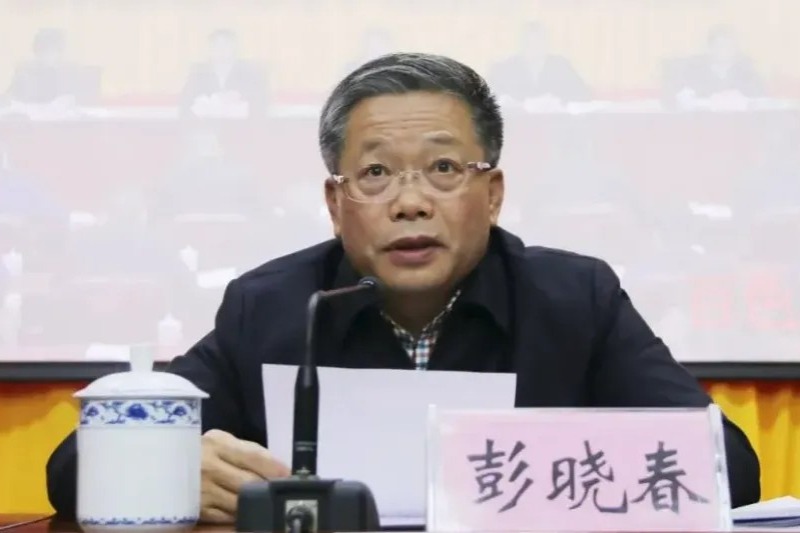
    In an official announcement released Tuesday, China’s Supreme People’s Procuratorate (SPP) confirmed that Peng Xiaochun, a former senior political advisor in the Guangxi Zhuang Autonomous Region, has formally been indicted on criminal charges of bribery.

    The 64-year-old, who previously served as vice-chairman of the Guangxi Zhuang Autonomous Regional Committee of the Chinese People’s Political Consultative Conference, was first taken into custody on bribery suspicion following a full investigation conducted by the National Commission of Supervision. After the investigation concluded, the case was transferred to prosecutorial authorities for formal review and prosecution proceedings. Per an official arrangement from the SPP, the Foshan People’s Procuratorate of Guangdong Province has been assigned to lead prosecution, and the case has already been officially filed with the Foshan Intermediate People’s Court.

    Prosecutorial officials noted that throughout the review and prosecution phase, Peng was fully notified of all his legal rights, underwent formal questioning, and all legal arguments submitted by his defense counsel were properly reviewed and considered as part of the process.

    Court documents outline that Peng abused authority across multiple senior leadership positions he held over his decades-long career to secure illegal benefits for third parties. These positions included deputy Party chief of Liuzhou, deputy secretary-general and director of the General Office of the Communist Party of China Guangxi Regional Committee, Party chief of both Hezhou and Baise, and ultimately his role as vice-chairman of the regional CPPCC. In exchange for these favors, Peng unlawfully accepted an especially large sum of money and high-value valuables, prosecutors say, which meets the threshold for criminal liability on bribery charges.

    A native of Guangxi, Peng launched his formal professional career in 1989, after joining the Communist Party of China in April 1985. His entire decades-long public service career was spent within Guangxi, where he rose through the ranks to hold key leadership roles at both municipal and regional levels. He assumed the position of vice-chairman of the Guangxi regional CPPCC in 2018 and held the role until he retired from public office in 2023.

    The corruption investigation into Peng was first opened in June 2025, and by December of that same year, he was expelled from the Communist Party of China and stripped of all his former public offices and associated benefits.

  • Swarm of 10,000 bees settles on bike outside Louvre in Paris

    Swarm of 10,000 bees settles on bike outside Louvre in Paris

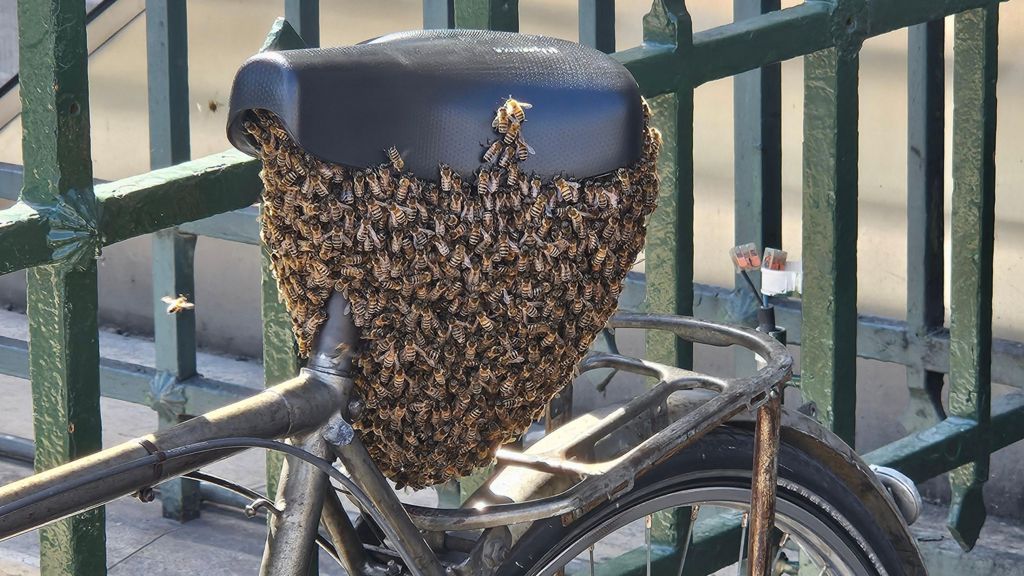
    In a surprising urban wildlife encounter that unfolded steps from one of Paris’s most iconic cultural landmarks, a massive swarm of roughly 10,000 wild bees made an unexpected home beneath the saddle of a parked bicycle, prompting a coordinated safe removal by local authorities and a veteran urban beekeeper.

    The unusual incident took place on a Saturday afternoon, just minutes after the bicycle’s owner locked their retro “grandfather’s old bike” to metal railings outside the Palais Royal-Musée du Louvre metro station, a busy transit hub that sits directly across from the world-famous Louvre art museum. Within half an hour of the bike being parked, the entire swarm had settled into the tight space under the saddle, a spot that drew the attention of passing commuters and tourists almost immediately.

    After receiving reports of the large insect cluster, Paris transport authorities made the call to temporarily close the affected metro entrance as a safety precaution, while reaching out to a local beekeeper to handle the relocation. Volkan Tanaci, an experienced urban beekeeper who actually cycled to the scene himself, arrived quickly to assess and resolve the unusual situation.

    Speaking to local French outlet France Info, Tanaci noted that the swarm’s choice of location was highly out of the ordinary. “It was certainly in an unusual place, right next to the entrance to a metro,” he said. On closer inspection, Tanaci confirmed the dense cluster of bees matched the structure of a migrating swarm, noting that “it was a real cluster of bees, and probably there was a queen bee right in the middle” — the key reason the entire group had settled in that specific spot, as bee swarms travel and cluster around their queen during relocation to new nesting grounds.

    The bicycle’s owner documented every step of the unexpected incident, sharing photos and updates on their Instagram account @ma_pauvre_lucette, where they noted the bees’ rapid arrival just half an hour after the bike was parked, and confirmed that the beekeeper successfully removed the entire swarm without incident. No injuries to commuters or damage to the bicycle were reported following the removal, and the metro entrance was reopened to passengers shortly after the operation concluded.

    The encounter comes as urban beekeeping has grown in popularity across major European cities in recent years, as communities work to support declining bee populations critical to global pollination and ecosystem health. Encounters like this, while rare, highlight how wild bee populations are increasingly adapting to urban environments as they search for new nesting locations.

  • Thousands of female runners gather for Nike event in Shanghai

    Thousands of female runners gather for Nike event in Shanghai

    On a mild Saturday night on April 25, more than 3,800 female runners from across the country and beyond converged on Shanghai’s bustling Nanjing East Road Pedestrian Street to kick off a one-of-a-kind 10-kilometer night running event hosted by sportswear giant Nike.

    The race marked the Shanghai stop of Nike’s 2026 After Dark Tour (ADT), and more notably, served as the opening leg of the brand’s annual global women’s running series for this year. Unlike previous installments, the 2026 Shanghai event rolled out two user-centric upgrades tailored to female running enthusiasts: a brand-new dual-partner “Sister Team” registration channel that lets runners sign up with a running companion, and the event’s first-ever first-person live broadcast option that allowed audiences around the world to follow the race through the runners’ own perspectives.

    The course was designed to showcase Shanghai’s most iconic waterfront and skyline landmarks, leading runners past the historic Bund, the scenic Huangpu River green corridor, and the structural marvel of Nanpu Bridge, giving participants a unique night-time view of one of Asia’s most dynamic metropolises.

    Two of China’s top elite female athletes, retired tennis legend Li Na and professional long-distance runner Zhang Deshun, joined the crowd of everyday recreational runners on the course, cheering on participants and sharing their own experiences of building confidence through sport.

    Adam Antoniewicz, vice-president and general manager of Nike’s running business in Greater China, praised the one-of-a-kind Shanghai setting in an on-site interview. “The route is unbelievable. It’s something I’ve never seen before and that’s the unique advantage of Shanghai,” he said, noting that the city’s mix of iconic urban scenery and vibrant running culture made it an ideal host for the opening of the global series.

    Antoniewicz added that the After Dark Tour is far more than a running race: it is a global women’s running platform that has already been hosted in major cities including Sydney, Los Angeles, and London, with a core mission to bring female runners of all skill levels together, celebrate the power of female companionship, and help more women build self-confidence through consistent movement.