博客

  • What next for Mali’s junta after shock of rebel offensive?

    What next for Mali’s junta after shock of rebel offensive?

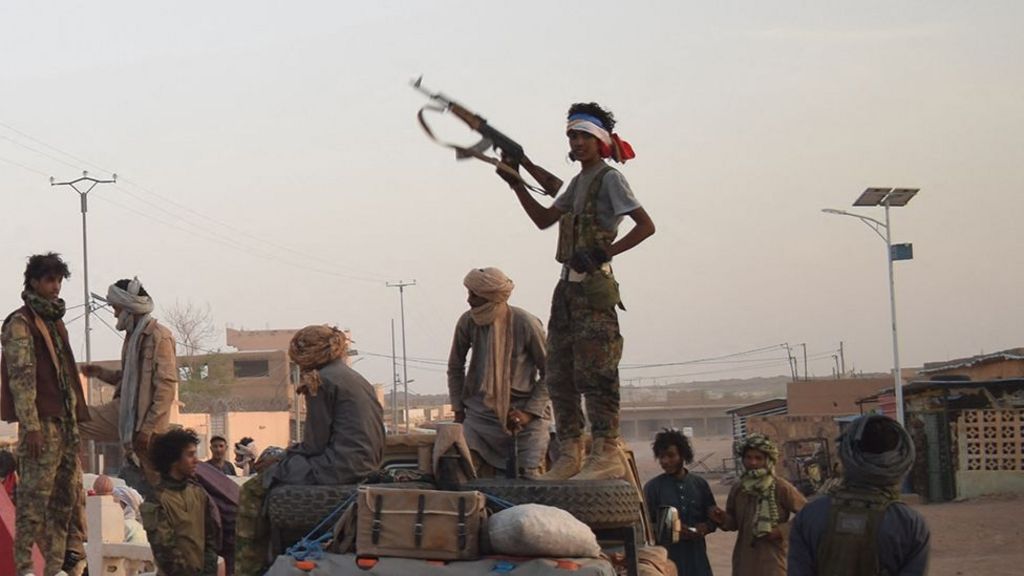
    A wave of coordinated cross-country attacks has sent shockwaves across West Africa, triggering one of the most serious security and political crises to hit Mali’s military government since it seized power in 2020. On Saturday, residents across multiple Malian cities woke to the sound of gunfire and explosions, carried out by a rare tactical alliance between two armed groups: the Tuareg separatist Azawad Liberation Front (FLA) and al-Qaeda-affiliated Jama’at Nusrat al-Islam wal-Muslimin (JNIM). The assaults culminated in Tuareg separatist fighters securing full control of the strategic northern city of Kidal after joint Malian and Russian forces withdrew from the area, leaving the junta led by Colonel Assimi Goïta scrambling to respond.

    Days passed before Goïta made any public appearance following the offensive, stoking widespread speculation about the stability of his rule and casting doubt on the effectiveness of Russian security support that the junta has leaned on since expelling French counter-insurgency forces from the country. Three days after the attacks, Mali’s presidency released images on social media showing Goïta meeting with Russian ambassador Igor Gromyko and visiting wounded attack victims at a local hospital, but the military leader has yet to issue an official public statement addressing the unfolding crisis. The most damaging blow to the junta’s ability to respond came with the assassination of Defense Minister Sadio Camara, a powerful figure within the ruling structure who served as Russia’s primary contact in Mali and the architect of the Russian mercenary deployment to the Sahel. Analysts warn Camara’s death will not only weaken military coordination for an expected counter-offensive but also strain the junta’s already fragile relationship with Moscow.

    The FLA has already made clear its ambitions to push further south beyond Kidal, raising the stakes for the beleaguered Malian military. FLA spokesman Mohamed Elmaouloud Ramadane told the BBC that the separatist group has its sights set on the major northern city of Gao, claiming most of the city’s entry points are already under separatist control, with the historic UNESCO World Heritage Site of Timbuktu as the next target after Gao is secured. “It will be easy to take over once we fully control Gao and Kidal,” Ramadane said.

    When Goïta’s junta seized power nearly six years ago, it rode a wave of popular support built on promises to end Mali’s decades-long persistent insurgency and security crisis. But over the past 12 months, the government has been pushed steadily onto the defensive, as JNIM expanded its campaign to include economic warfare through a widespread fuel blockade that has crippled military logistics. Now, with Kidal fallen and armed groups advancing south, the future of military rule hangs in the balance. While analysts note the military still retains control of major urban centers and core state institutions for the moment, the coming days will be critical as the junta attempts to launch a counter-offensive against the FLA-JNIM alliance. According to Beverly Ochieng, senior analyst at global risk consultancy Control Risks, the success or failure of that counter-attack will “determine the longevity of the junta.”

    The fall of Kidal has also dealt a significant blow to Russia’s reputation as a reliable security partner in the Sahel, a region where Moscow has spent years expanding its influence through military partnerships after Western forces withdrew. After the 2020 coup, the junta expelled French counter-insurgency troops that had been deployed to support the Malian military, replacing them with Russian fighters from the Africa Corps to curb the growing insurgency. “Russia’s reputation has taken a huge blow” after the Africa Corps failed to defend Kidal, said Ulf Laessing, head of the Sahel programme at the German Konrad Adenauer Foundation.

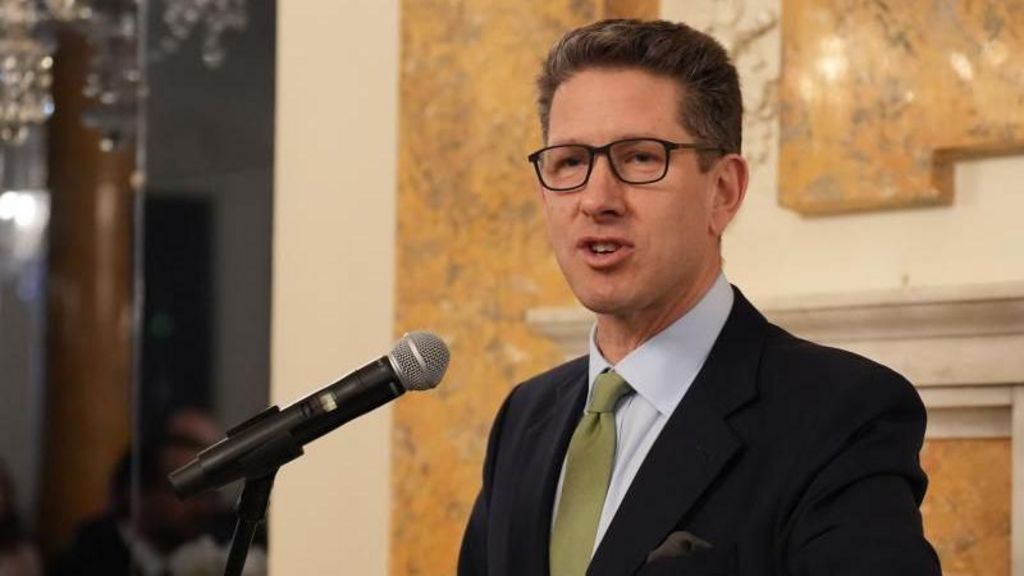
    In the wake of the security collapse, Mali is now widely expected to look beyond its exclusive reliance on Russian security support and diversify its military partnerships, analysts say. One potential new partner is Turkey, which has already built existing defense ties with Mali: Turkish drones played a decisive role in the Malian military’s 2024 recapture of Kidal, and there are already unconfirmed reports that Turkish security personnel have been deployed to train Mali’s presidential guard. Mali has also signaled a recent shift toward renewed engagement with the United States after years of strained relations. Earlier this year, Nick Hocker, head of the U.S. State Department’s African affairs section, traveled to Bamako to reaffirm U.S. respect for Mali’s sovereignty and outline a “new course” for bilateral relations, with plans to deepen security and economic cooperation with Mali and its fellow junta-led Sahel neighbors, Burkina Faso and Niger. The junta could also turn to the Alliance of Sahel States (AES), a bloc of military-led governments formed by Mali, Burkina Faso and Niger that has already issued statements of support for Mali, though the bloc has yet to operate as a unified joint fighting force.

    For Russia, the crisis in Mali represents a major test of its broader regional strategy across Africa. If Russian-backed forces are seen as unable to protect a key ally like the Goïta junta, other pro-Moscow governments in the Sahel and beyond may reconsider their dependence on Russian security support, analysts warn.

    Saturday’s coordinated offensive marks the most significant challenge to Mali’s military rule in years, and growing public discontent over the security failure opens the door to a range of possible outcomes. One potential scenario is a second domestic military coup, with a new faction of officers seizing power from Goïta’s administration. Another possibility is that the FLA-JNIM alliance could displace the current junta, though deep ideological differences between the two groups would complicate any long-term power-sharing arrangement.

    The FLA positions itself as a Tuareg separatist nationalist movement, while JNIM is a committed al-Qaeda-affiliated Islamist group. The two movements have had a fraught, on-again-off-again relationship dating back to 2012, when Islamist militants hijacked an earlier Tuareg separatist rebellion in northern Mali. While FLA spokesmen have described JNIM fighters as “cousins” who share a common enemy in the Bamako junta, FLA leader Sayed Bin Bella clarified to the BBC that there is no formal merger between the two groups. “All the flags we have raised are our own, not those of al-Qaeda. If they wish to merge with us, they must withdraw from the global al-Qaeda organisation,” Bin Bella said.

    Ochieng notes that JNIM has in recent years downplayed the openly global jihadist rhetoric that defines core al-Qaeda ideology, opening the door to a possible power-sharing scenario similar to post-civil war Syria, where an al-Qaeda-affiliated group eventually rebranded and took control of large swathes of territory. Already, hard-line Islamist groups have criticized JNIM for its tactical alliance with the secular separatist FLA, and analysts say underlying ideological differences are almost certain to become a major source of future tension unless the FLA secures full control of northern Mali and distances itself from national-level politics in Bamako.
  • Musk faces off with OpenAI in court over broken promises

    Musk faces off with OpenAI in court over broken promises

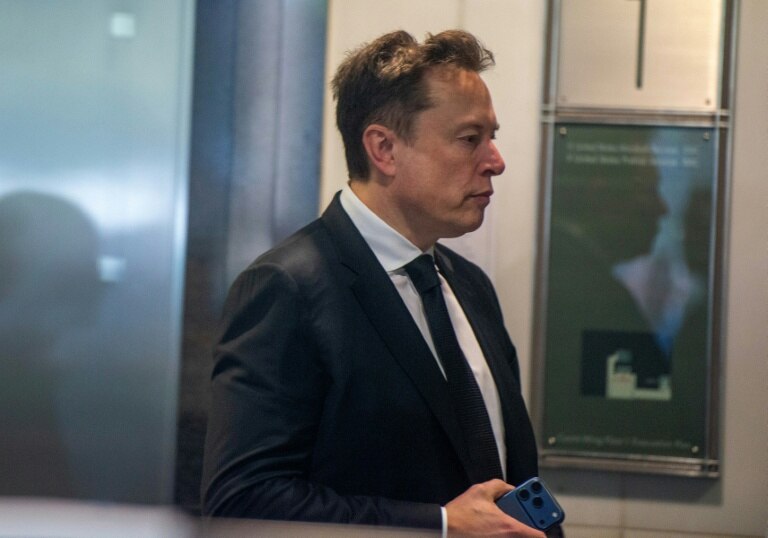
    A high-stakes legal battle that could reshape the future of the global artificial intelligence industry kicked off Tuesday in a California federal court, where Tesla and SpaceX CEO Elon Musk went head-to-head with OpenAI leader Sam Altman over allegations of broken founding promises. The Oakland trial, held just across the San Francisco Bay from OpenAI’s headquarters, is already being framed by industry observers as more than a corporate dispute: it is a fundamental clash over who gets to control the rapidly advancing AI sector, and for what ultimate purpose. Opening statements began Tuesday morning, with Musk’s legal team taking the podium first to lay out the tech billionaire’s case against OpenAI and its major backer Microsoft. Lead attorney Steven Molo told the nine-seat jury that the defendants “stole a charity” from its original mission of open, altruistic AI development for the public good. Molo acknowledged Musk’s polarizing public standing, telling jurors “He is a legend, like him or dislike him.” The jury selection process, completed Monday, laid bare the deep divide in American public opinion toward Musk: while the entrepreneur is celebrated globally for revolutionizing electric vehicles and commercial space travel, his sharp shift to conservative politics and public alliance with former President Donald Trump has alienated large swathes of the public. Just ahead of opening remarks, Judge Yvonne Gonzalez Rogers issued a rare public directive to both Musk and Altman: the two rivals would need to limit inflammatory social media posts for the duration of the trial. The order came after Musk unleashed a barrage of critical posts on X — the social platform he owns — on Monday, derisively referring to Altman as “Scam Altman.” What began as a professional partnership between the two men has curdled into open enmity, with Altman now widely regarded as Musk’s most high-profile nemesis in the global AI race. The roots of the feud stretch back to OpenAI’s founding in 2015, when Altman recruited Musk to join as a co-founder. At the time, the organization was billed as a non-profit research laboratory, with a stated mission to develop AI technology that “would belong to the world.” Musk put at least $38 million into the venture in its early days, but the pair split acrimoniously in 2018. One year later, the OpenAI Foundation launched a for-profit commercial subsidiary, and tech giant Microsoft stepped in with a series of large investments that have now grown to a total commitment of $13 billion. Today, Microsoft’s stake in OpenAI is valued at roughly $135 billion, and the company has become a commercial juggernaut worth $80 billion on paper, riding the unprecedented global success of its ChatGPT chatbot, which launched in 2022 and changed the public perception of AI overnight. OpenAI is now preparing for a high-profile initial public offering, though its unusual governance structure — which leaves ultimate control in the hands of a non-profit board, rather than commercial shareholders — has long made investors nervous. After exiting OpenAI, Musk launched his own rival AI research firm, xAI, which he merged into SpaceX in February of this year. SpaceX is currently valued at $1.25 trillion, and its own upcoming IPO, expected to launch in June, is projected to become the largest in U.S. history. In his lawsuit, Musk argues he was deliberately deceived about OpenAI’s commitment to its original non-profit, altruistic mission. Outside the courthouse Monday, OpenAI’s legal team pushed back against the claims, with attorney William Savitt saying co-founders Altman and Greg Brockman “are confident in their position and look forward to the facts being known.” In official court filings, OpenAI has countered that the 2018 split was caused by Musk’s own desire to seize total control of the organization, not any shift away from non-profit principles. The company has dismissed Musk’s lawsuit outright in public posts, calling it “nothing more than a harassment campaign that’s driven by ego, jealousy and a desire to slow down a competitor.” The trial will wrap up with a decision from Judge Gonzalez Rogers by late May, with the jury providing an advisory finding to guide her ruling. Musk’s legal team is asking the court to force OpenAI to reverse its transition to a hybrid commercial structure and return to being a pure non-profit, as well as remove Altman and OpenAI president Greg Brockman from their leadership roles. Though Musk initially sought up to $134 billion in damages, he has since said he would not keep any award, pledging to redirect any monetary settlement to the original OpenAI non-profit foundation. The outcome of the case could force OpenAI to fundamentally restructure its business model, sending ripples through the entire fast-growing global AI industry.

  • ‘We were left alone’: Along Israel’s ‘Yellow Line’, Lebanese feel abandoned by the state

    ‘We were left alone’: Along Israel’s ‘Yellow Line’, Lebanese feel abandoned by the state

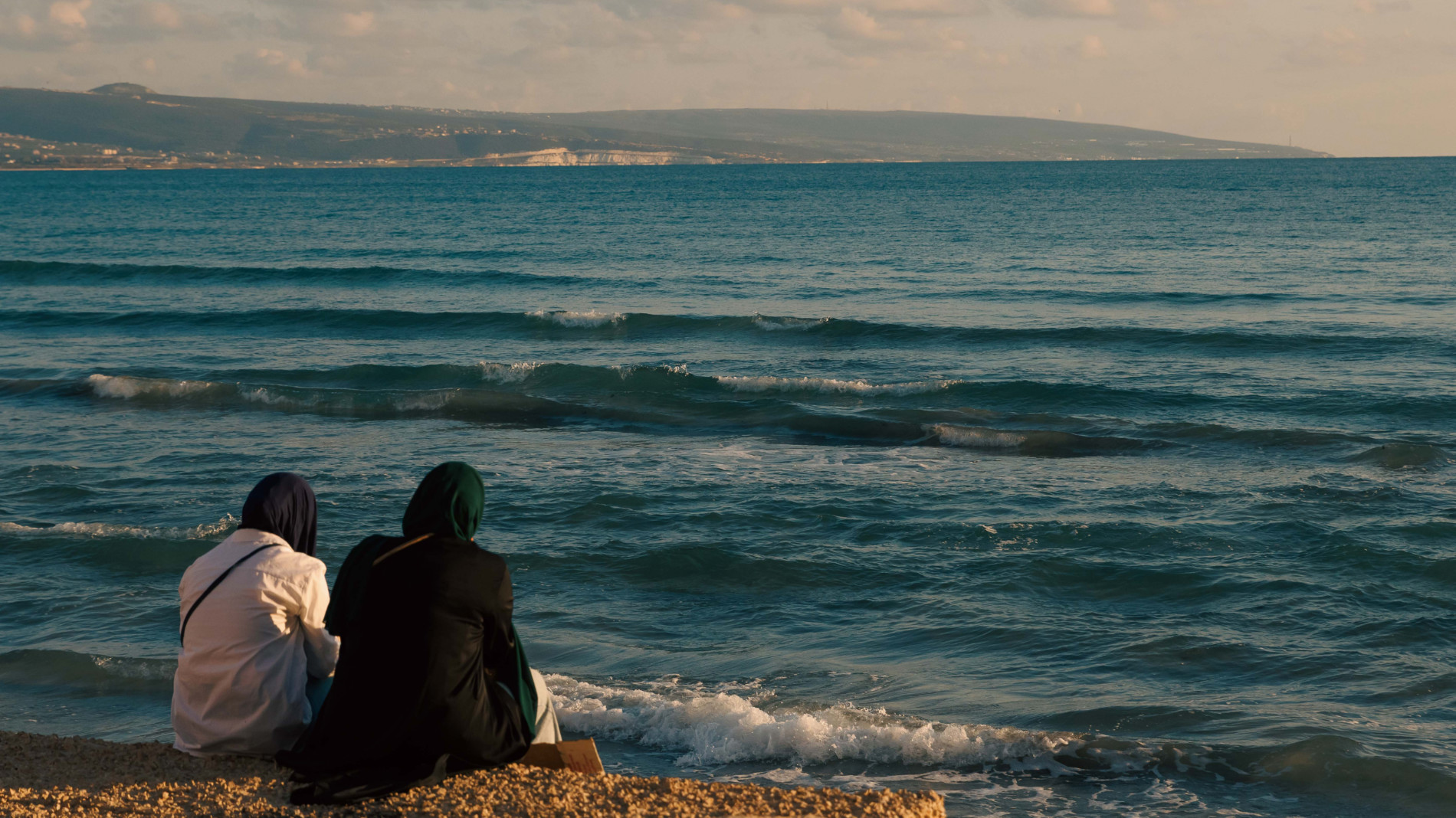
    Every dawn and dusk along the Mediterranean seafront of Sour, Lebanon’s largest southern coastal city, a quiet, anxious ritual plays out. Dozens of residents gather along Nabih Berri Street, their gazes fixed southward across the glittering water, all the way to the border town of Naqoura, where the line between their homeland and occupied territory now blurs.

    On the horizon, eight kilometers from Sour, the white limestone cliffs of al-Bayada rise from the sea. Today, those cliffs are an advanced forward operating base for Israeli troops, part of the expanding ground invasion that has pushed deep into southern Lebanon. Even when the soldiers are hidden from view, their presence hangs heavy over the city, leaving locals with a constant, unsettling feeling of being watched.

    Lina, a local resident whose apartment overlooks the newly seized territory, spoke with quiet despair. “Israel has long targeted Naqoura. The headland gives them unobstructed view of our entire coastline,” she explained. “We already lived under constant drone surveillance for years. Now they watch us directly from that cliff.”

    Sour has become a hub for thousands of displaced Lebanese who fled their homes near the Blue Line – the UN-drawn boundary established in 2000 to mark Israel’s withdrawal from southern Lebanon. Even Sour has suffered severe damage from repeated Israeli strikes, but for these displaced families, it remains the only available refuge. For most of them, their original homes are either uninhabitable after weeks of bombardment or now lie under Israeli occupation.

    After Hezbollah granted limited press access to the frontline, journalists were able to travel a short distance south of Sour for a few hours to document the situation on the ground. The winding coastal highway that once bustled with local traffic and tourist traffic is now almost entirely empty. Only a handful of vehicles pick their way through a landscape of ruin, where posters of Hezbollah fighters killed after the Lebanese front opened on 8 October 2023 line every damaged guardrail.

    A checkpoint manned by a small contingent of Lebanese army personnel blocks the road further south; no civilian or journalist can pass. Israeli troops hold positions less than a kilometer away, in al-Bayada, the first coastal town to fall within Israel’s self-imposed “Yellow Line” – a new demarcation drawn roughly 10 kilometers inside Lebanese territory, established after a 10-day ceasefire took effect. This new occupation buffer zone follows the same model Israel employed in Gaza, barring tens of thousands of residents of border communities from returning to their land and homes.

    A short drive inland from the coast lies al-Mansouri, a small village that mirrors the devastation seen across every community in southern Lebanon. Empty streets stretch between piles of collapsed concrete, and every structure bears the scars of Israeli bombardment. Even the village mosque was not spared: its minaret was sheared off by an airstrike, leaving a jagged stump against the sky.

    After the ceasefire came into force on 17 April, a new tragedy unfolded when a small group of villagers tried to return to their homes to assess damage and retrieve belongings. Almost immediately, they came under direct fire from Israeli forces. One resident, speaking on condition of anonymity to Middle East Eye, described the chaotic aftermath. “We scattered across the village to hide when the firing started,” they said. “Neither our security forces nor the Red Cross were allowed to come in. This is land we’ve spilled blood to defend, and we were left completely alone.”

    Survivors recounted that any attempt to escape by car was met with immediate gunfire from both ground troops and attack aircraft. What followed was a four-day siege, where trapped residents survived only by picking wild lemons from orchards to eat. Mohammad, a 30-something villager who was not present during the siege, described how he pieced together his own father’s final moments from surviving witnesses. “He was trapped in a ring of fire,” Mohammad said, his gaze vacant. “Then the building he was hiding in was hit by a strike.”

    Official data from Lebanon’s health ministry confirms the escalating human cost: more than 2,500 people have been killed in Israeli strikes across southern Lebanon since 2 March alone, including 177 children, 277 women, and 100 medical personnel.

    While al-Mansouri does not technically fall inside the Yellow Line, it sits directly on its edge, and Israeli positions on the overlooking hilltop give troops full visibility across the entire village. Moussa Zein, a 65-year-old resident who recently returned to al-Mansouri to try to rebuild, said locals are still struggling to process the new reality of occupation on their doorstep. “The ceasefire is violated dozens of times every single day, while our government drifts aimlessly into talks with the enemy,” Mohammad added, referencing the recent direct negotiations between Tel Aviv and Beirut hosted in Washington – the first such talks in 30 years.

    Like many residents, Moussa is determined to stay in his home, despite the daily risk of Israeli strikes that have continued even after the ceasefire. What deters him more than the threat of violence is the scale of destruction: the village has no running water, no electricity, and basic services remain completely destroyed. “Our lives, our parents’ lives, have all been shaped by repeated wars and invasions,” Mohammad said. “For years, no one paid attention to what was happening here. But now the whole world can see: Hezbollah is just a pretext for Israel to seize our land.” As evidence, he points to comments Israeli Prime Minister Benjamin Netanyahu made last summer on the I24 news network, where he described his goal as fulfilling a “historic and spiritual mission” deeply tied to the vision of Greater Israel and the Promised Land. “The occupation cannot last. We believe in the resistance – it is the only thing that can protect us,” Mohammad said.

    A few kilometers southeast of al-Mansouri, Majdal Zoun, another small town on the Yellow Line’s edge, shares the same fears and uncertainty. Once home to roughly 5,000 residents, the hilltop town is now almost entirely deserted. Almost every house bears the scars of Israeli strikes, and it is nearly impossible to find a single intact structure. A group of young women displaced to Sour return to the town every day, refusing to abandon their ancestral home. “This is our village. We will not leave it to the enemy, so we come back and forth every day. We believe in the resistance,” they said in unison, standing at the village cemetery looking out toward Sour on the horizon. When a surveillance drone hums low overhead, they glance up anxiously, their faces tightening with fear. “Majdal Zoun’s geographic position makes it a prime target for Israel. We are scared they will try to seize it any day now,” one added.

    From the southern edge of Majdal Zoun, the occupied village of Shama is visible just two kilometers away. Its historic fort, which houses the shrine of the prophet Shamoun al-Safa, has been heavily damaged in Israeli strikes. In mid-April, Lebanon’s Ministry of Culture announced it had filed an urgent complaint with UNESCO, calling for immediate international intervention to protect the archaeological and religious site. During the Middle East Eye visit, no troop movements were visible, but several Israeli flags flying over the fort can be seen clearly from Majdal Zoun.

    Further inland to the east, the village of Tayr Harfa is also under Israeli occupation. Regular explosions echo across the hills, and plumes of smoke rise above the tree line. “They are blowing up every house that’s still standing. After bombing us, they want to raze everything to the ground, just like they did in Gaza,” said Ali, a 39-year-old resident from the area. Ali’s own village is now surrounded on its southern flank by the Israeli army, and he fears for its future. “Unfortunately, we expect nothing from the Lebanese army. We only have the resistance to rely on. Otherwise, Majdal Zoun will fall too,” he said. Ali praised what he called the heroic resistance of Hezbollah fighters, who inflicted significant losses on Israeli troops before the ceasefire and stopped them from advancing further into Lebanese territory. Confrontations continue even after the truce: on 23 April, Hezbollah announced it had shot down an Israeli surveillance drone operating over the area.

    A few kilometers further north in the village of Qlaileh, the community is mourning the loss of several Hezbollah fighters killed in recent combat. One mother sits gently stroking a portrait of her dead son, her eyes filled with constant tears. Beside her, 30-year-old Rana said the fighters’ sacrifices will not be forgotten. “We cannot rely on anyone but ourselves. We will fight to keep our land, because this is all we have,” she said.

  • America’s special relationship ‘probably Israel’, says UK ambassador to US

    America’s special relationship ‘probably Israel’, says UK ambassador to US

    In a controversy that has erupted just as King Charles III undertakes a high-stakes state visit to the United States, newly revealed comments from Britain’s newly appointed ambassador to Washington have thrown long-held assumptions about the UK-US ‘special relationship’ into question.

    Sir Christian Turner, who took up the ambassadorial post in December 2025, made the unguarded remarks during a private, off-the-record meeting with British sixth-form students visiting the US back in February. A leaked audio recording of the session first obtained and reported by the Financial Times this week captures Turner pushing back against the decades-old rhetorical framing of the bilateral tie.

    Turner told the student group that he actively avoids using the phrase ‘special relationship’ altogether, arguing that the term has become steeped in nostalgia, anchored in past shared history rather than current geopolitical reality, and carries too much outdated ideological baggage. Going a step further, he asserted that if any nation can claim to hold a truly special relationship with the United States, it is almost certainly Israel.

    The ambassador did not reject the depth of the UK-US partnership entirely, however. He acknowledged that the two countries share centuries of intertwined history and deep cultural affinity, particularly in the spheres of security and defense cooperation, noting that the pair collaborate on initiatives that no other two allied nations undertake together. He also pushed back against claims that the bilateral relationship is facing an outright break, but argued that the current moment marks a clear end to a decades-old geopolitical era, with the global order and transatlantic dynamics shifting dramatically.

    The timing of the leak, which comes during King Charles III’s state visit designed to repair frayed UK-US ties amid rising tensions over the ongoing conflict over Iran, has amplified the political impact of the comments. The UK’s Foreign, Commonwealth and Development Office has moved quickly to distance the British government from Turner’s remarks, emphasizing that they were private, informal off-the-cuff comments that in no way represent the official position of the administration in London.

  • Hungary’s PM-elect Magyar offers to meet Ukraine’s Zelensky in June

    Hungary’s PM-elect Magyar offers to meet Ukraine’s Zelensky in June

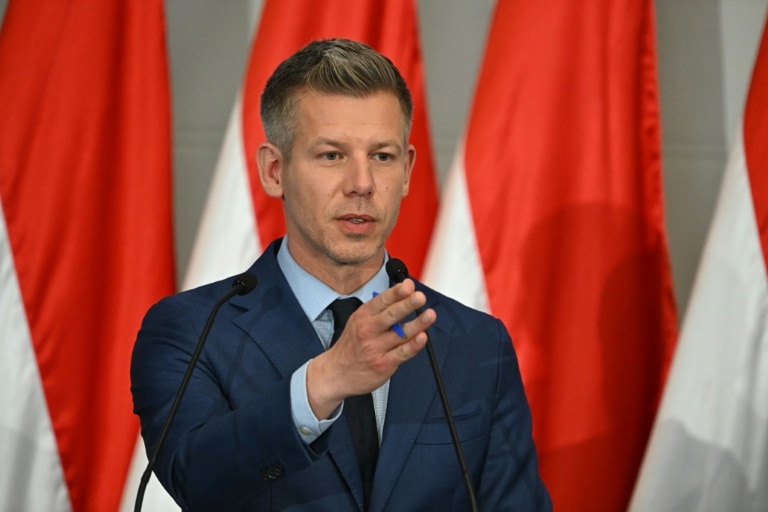
    Fresh off his landmark election victory that ousted 16-year incumbent nationalist leader Viktor Orbán, Hungary’s incoming prime minister Peter Magyar has extended an formal proposal to meet Ukrainian President Volodymyr Zelenskyy in early June, in a bid to reset fractious bilateral ties between the two neighboring nations. In a public Facebook announcement made following a meeting with the mayor of the Ukrainian city of Berehove in Budapest, Magyar outlined his plan to host the talks in Berehove, a western Ukrainian city where ethnic Hungarians make up the majority of the population.

    Tensions between Hungary and Ukraine have simmered for more than a decade, hitting a new low in the months leading up to Hungary’s April 12 general election. At the core of the long-running dispute are questions over the rights of the sizeable ethnic Hungarian community based in Ukraine’s western Transcarpathia region, an area that was part of the Kingdom of Hungary until the conclusion of World War I.

    The diplomatic rift first emerged in 2017, when Kyiv passed legislation requiring Ukrainian to be the primary language of instruction in secondary education. Hungarian officials have argued for years that this policy disenfranchises the estimated tens of thousands of ethnic Hungarians who call Transcarpathia home. During Orbán’s final term in office, tensions escalated dramatically: the former nationalist prime minister repeatedly leveraged Hungary’s European Union veto power to block Brussels’ planned financial aid packages for Kyiv and new sanctions against Russia over its full-scale invasion of Ukraine.

    Magyar framed the proposed meeting as an opportunity to address both the long-standing ethnic rights dispute and launch a new era of cooperation between the two countries. “The purpose of the meeting is to help improve the situation of Hungarians in Transcarpathia and enable them to remain in their homeland,” he wrote. Magyar called on Ukraine to roll back the restrictive language rules that have been in place for more than 10 years, saying that the ethnic Hungarian community in Transcarpathia deserves full restoration of their cultural, linguistic, administrative, and higher education rights to guarantee their status as equal and respected citizens of Ukraine.

    “If we can resolve these issues, we can certainly open a new chapter in Ukrainian-Hungarian bilateral relations,” Magyar added. The proposed meeting, if it goes forward, would mark a major shift in Hungary’s approach to Ukraine after 16 years of Orbán’s Euroskeptic, Russia-friendly leadership that repeatedly frustrated Western efforts to present a unified front against Moscow’s invasion.

  • Iraq: Businessman Ali al-Zaidi nominated to become new prime minister

    Iraq: Businessman Ali al-Zaidi nominated to become new prime minister

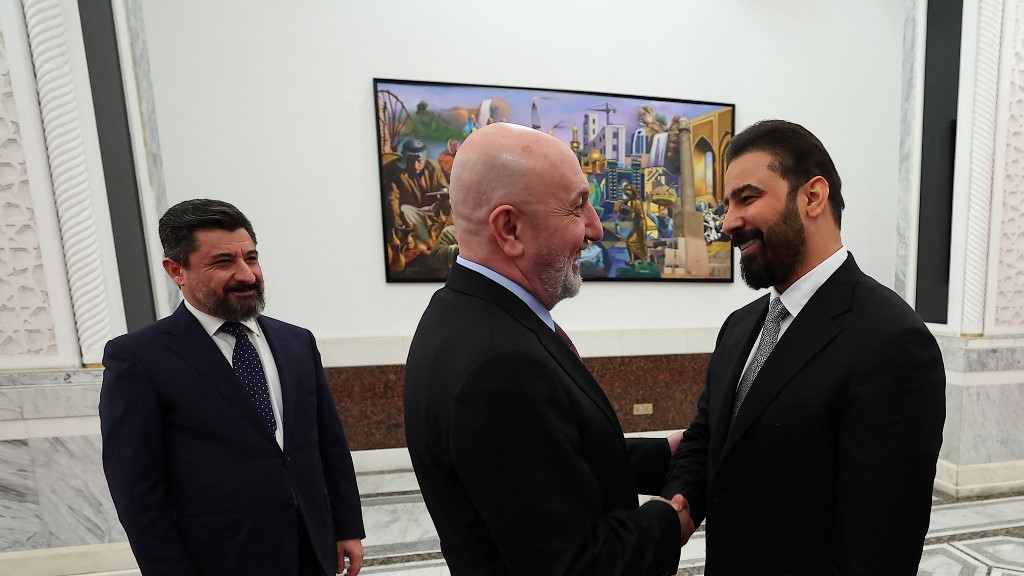
    Five months after Iraq held its national parliamentary elections, the largest legislative bloc, the Shia-led Coordination Framework, has tapped Ali al-Zaidi, a little-known low-profile businessman with no prior elected office experience, to step into the role of prime minister-designate and lead efforts to form a new national government. Following the bloc’s formal selection, Iraq’s presidential office issued an official statement confirming that President Nizar Amede had officially assigned Zaidi the mandate to assemble a new cabinet, giving him a 30-day window to complete the negotiations and finalize his government.

    A native of southern Iraq’s Dhi Qar province, Zaidi brings a deep private sector background to the political role. Until 2019, he served as chairman of Al-Janoob Islamic Bank, one of Iraq’s largest private financial institutions; he currently leads Al-Watania Holding Group, a sprawling multinational conglomerate with diverse business interests across the region. Notably, in 2024, the United States imposed sanctions on Al-Janoob Islamic Bank over allegations of money laundering, financial fraud, and unauthorized use of U.S. currency, and Iraq’s own Central Bank subsequently moved to ban the institution’s operations.

    Zaidi’s nomination marks an unexpected outcome that sidelines two high-profile Shia political figures who were widely tipped as the Coordination Framework’s leading candidates: incumbent Prime Minister Mohammed Shia al-Sudani and former Prime Minister Nouri al-Maliki. In a public statement, the coalition praised both Sudani and Maliki for what it called their “historic and responsible stance” in stepping aside to clear the way for Zaidi’s selection.

    Maliki’s withdrawal from contention came against clear external pressure: in January, former U.S. President Donald Trump threatened that Washington would “no longer help” Iraq if Maliki secured the nomination. Once counted as a close U.S. ally, Maliki has shifted sharply toward alignment with Iran in recent years, and has faced longstanding criticism over his tenure, including accusations of stoking deadly sectarian tensions across Iraq and presiding over systemic government corruption that contributed to the collapse of the Iraqi military and the loss of large swathes of Iraqi territory to the Islamic State group in 2014.

    The nomination process unfolds against a backdrop of heightened regional tensions that have repeatedly threatened to drag Iraq into open conflict. In recent weeks, a fragile ceasefire has held between the United States and Iran, with intermittent diplomatic talks underway to de-escalate a two-month cross-regional conflict that began amid the Israel-Gaza war. Since the outbreak of hostilities in Gaza in 2023, Iran-aligned armed groups operating in Iraq have launched frequent sporadic attacks on U.S., Israeli, and Gulf state interests within Iraqi territory. The United States has long demanded that these armed groups be disarmed, while Iraqi political factions aligned with Iran have pushed for the full withdrawal of all remaining U.S. military forces from Iraqi territory.

    International reaction to Zaidi’s nomination has been measured so far. The United Kingdom’s ambassador to Iraq, Irfan Siddiq, issued a public post on X welcoming the development. “The United Kingdom welcomes the nomination of a new Prime Minister in Iraq,” Siddiq wrote. “We wish Mr. Ali al-Zaydi success in swiftly forming a new government and look forward to working with the new government on the urgent challenges facing Iraq – particularly on security and the economy.”

  • Netanyahu helped ‘create a genocide in Gaza’, top Biden official says

    Netanyahu helped ‘create a genocide in Gaza’, top Biden official says

    In a bombshell revelation that adds to mounting internal U.S. criticism of American policy toward the Israel-Gaza conflict, a top-ranking former Biden administration State Department leader has publicly stated that Israeli Prime Minister Benjamin Netanyahu bears responsibility for creating what she describes as a genocide in the Gaza Strip.

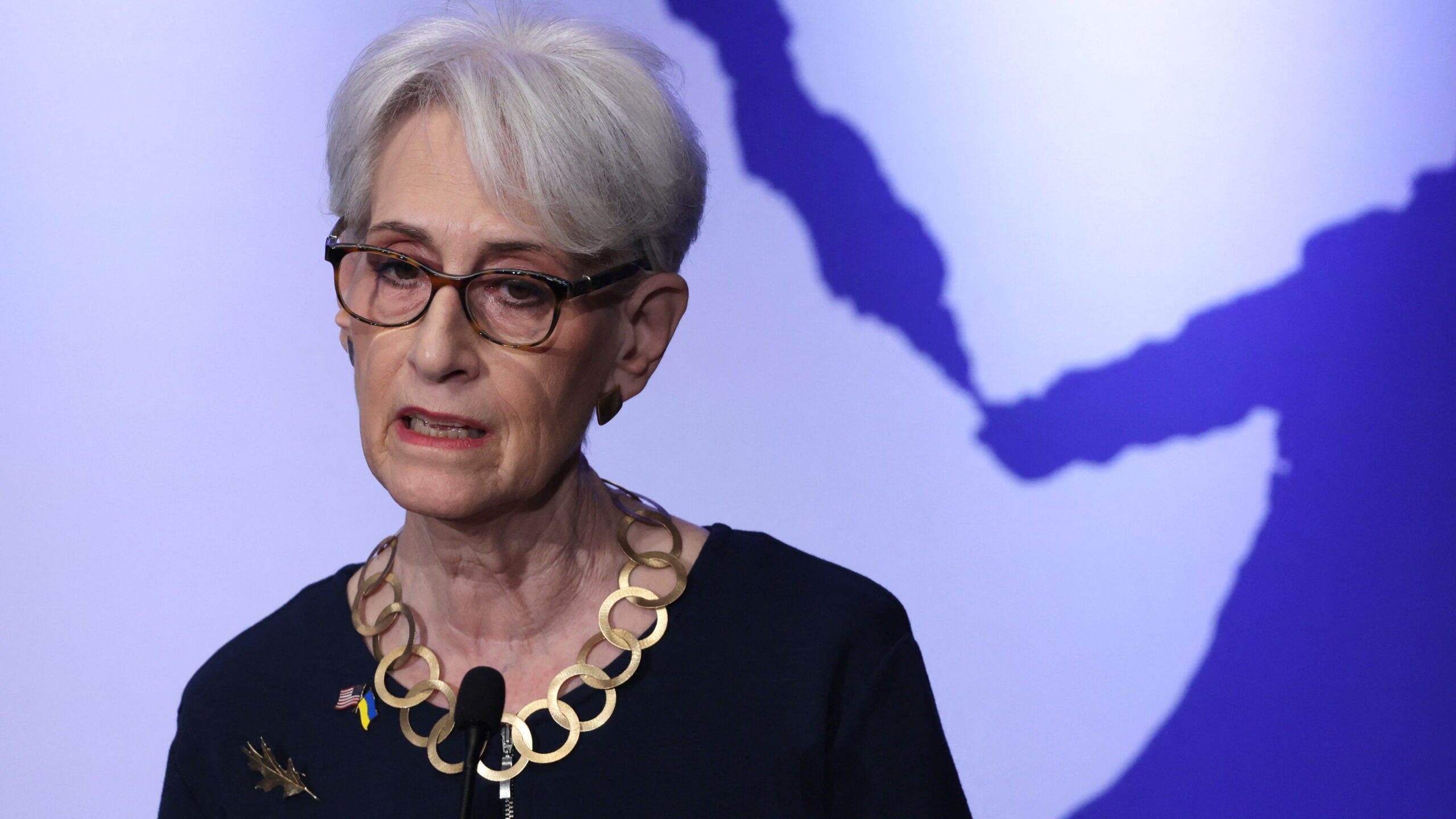
    Wendy Sherman, who served as U.S. Deputy Secretary of State from 2021 through 2023, made the remarks during a recent interview with Bloomberg’s *The Mishal Husain Show*, published Friday. While she clarified that she is not in a position to issue a formal legal ruling on whether the crime of genocide has been committed in the blockaded Palestinian enclave, she left no room for ambiguity about the scale of human and physical destruction there, stating: “there was no doubt that Gaza was demolished.”

    Sherman, a veteran diplomat who has held senior roles across multiple U.S. presidential administrations, reaffirmed her longstanding commitment to the U.S.-Israel alliance and support for the right of a Jewish state to exist. But she drew a clear line between that backing and her condemnation of the current Israeli campaign, arguing that “Netanyahu ‘led us down a road – and we have been part of it – that has, in essence, created a genocide in Gaza that has destabilised the Middle East.’”

    Her comments align with findings from the United Nations’ top investigative body focused on the Israeli-Palestinian conflict, which ruled in September that Israel has committed the crime of genocide in Gaza.

    The ongoing conflict erupted after the October 2023 Hamas-led attack on southern Israel that killed more than 1,100 Israelis. Since that date, Israeli military operations in Gaza have killed at least 72,500 Palestinians, with thousands more still missing and presumed dead under the rubble of destroyed buildings. Over the course of the campaign, Israeli forces have reduced roughly 80 percent of Gaza’s civilian infrastructure – including residential homes, hospitals, and schools – to ruins.

    In her interview, Sherman balanced her remarks by affirming the rights of both peoples to peace and security. “Palestinians deserve a home, dignity and peace,” she said, adding that “Israel also has the right to achieve security and peace.” A self-described strong supporter of Israel, Sherman emphasized that her criticism does not extend to the Jewish state’s right to exist, but rather to the wholesale destruction unfolding in Gaza. “I am not a supporter of destroying any civilization, or any people – that goes for the Palestinians or the Iranian people, as much as I might find the regime odious,” she added.

    Sherman is far from alone among former senior U.S. officials in condemning Washington’s role in the conflict. Back in July 2024, a group of 12 former U.S. government officials who resigned in protest over U.S. support for Israel publicly accused the Biden administration of “undeniable complicity” in the deaths of Palestinian civilians in Gaza. The group, which included former staffers from the State Department, Education Department, Interior Department, White House, and U.S. military, said in a joint statement that the administration was violating U.S. law by continuing to ship weapons to Israel, exploiting loopholes to bypass oversight.

    “America’s diplomatic cover for, and continuous flow of arms to, Israel has ensured our undeniable complicity in the killings and forced starvation of a besieged Palestinian population in Gaza,” the former officials wrote.

    Similar conclusions have been drawn by sitting U.S. lawmakers. In September, Democratic Senators Chris Van Hollen and Jeff Merkley released a bipartisan report concluding that the United States is complicit in Israel’s “ethnic cleansing” of Palestinians, and found that Netanyahu’s longstanding policies in the occupied West Bank amount to “slow motion” ethnic cleansing.

  • Trump hails British as ‘friends’ as king visits amid Iran tensions

    Trump hails British as ‘friends’ as king visits amid Iran tensions

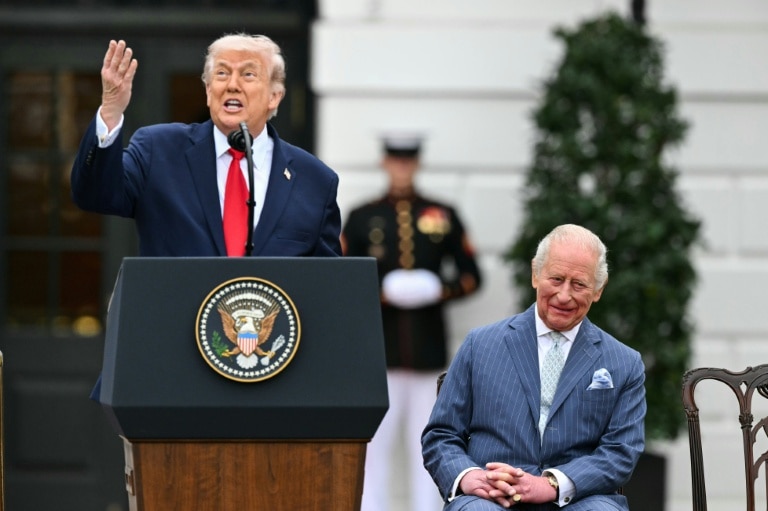
    On a rainy spring morning in Washington D.C., U.S. President Donald Trump formally welcomed Britain’s King Charles III to the White House on April 28, 2026, opening a four-day state visit framed by long-standing transatlantic friendship and simmering tensions over the ongoing war with Iran. The event, held on the White House South Lawn, unfolded against the backdrop of the 250th anniversary of the United States’ Declaration of Independence from British rule, offering a striking historical counterpoint to the warm diplomatic pageantry on display.

    In his opening remarks, Trump struck a conciliatory tone, a sharp shift from his recent public criticism of the British government over its refusal to join the U.S.-led military campaign against Tehran. “In the centuries since we won our independence, Americans have had no closer friends than the British,” Trump told the assembled crowd, reaffirming the decades-old mantra of the “special relationship” between the two nations, a phrase first popularized by Winston Churchill in the aftermath of World War II. “Nobody fought better together” than the U.S. and British militaries, the president added, a comment that came despite his earlier dismissal of Britain’s two aircraft carriers as worthless “toys.”

    The full ceremonial welcome included a traditional 21-gun salute, performances of both the British national anthem *God Save the King* and the U.S. *Star-Spangled Banner*, and a flyover of four U.S. military jets that roared overhead as Trump, King Charles, Queen Camilla, and First Lady Melania Trump watched from the dais. A contingent of reenactors in Revolutionary War-era uniforms, marking the 250th anniversary of U.S. independence, marched past playing fifes and drums, while faint construction noise from the $400 million presidential ballroom currently being added to the White House complex drifted across the lawn.

    Trump, a self-described long-time admirer of the British royal family, appeared in jovial spirits throughout the ceremony. He joked about the rainy weather, quipping “What a beautiful British day this is,” and lightheartedly recalled that his late mother “had a crush on Charles,” who is now 77 years old, two years younger than the 79-year-old U.S. president. Following the address, King Charles shook hands with senior members of the Trump administration, including Vice President JD Vance and Secretary of State Marco Rubio, before the two heads of state inspected a joint honor guard of all branches of the U.S. armed forces.

    The state visit comes at a particularly delicate moment in U.S.-UK relations. Trump has repeatedly launched public attacks against British Prime Minister Keir Starmer, not only over his government’s refusal to join the Iran conflict but also over London’s immigration and energy policies. Just days before the royal arrival, a shooting occurred at the White House Correspondents Dinner that Trump attended, prompting heavily tightened security across Washington for the duration of the visit.

    The first day of the visit featured low-key informal engagements, with the Trumps hosting Charles and Camilla for tea and pastries before touring the beehives on the South Lawn. On the second day of the visit, the centerpiece public event will see King Charles become the first British monarch to address a joint session of the U.S. Congress since his mother, Queen Elizabeth II, did so in 1991. Palace insiders indicate the king will use the 20-minute address to call for “reconciliation and renewal” to mend recent rifts between the two allies, while gently urging continued commitment to shared democratic values of liberty and equality. “Time and again, our two countries have always found ways to come together,” Charles is expected to say. Analysts note, however, that placating the mercurial U.S. president will be a significant long-term diplomatic challenge for the British monarchy and government. After closed-door talks in the Oval Office between the king and president on Tuesday, the day will conclude with a lavish state dinner hosted by the Trumps in honor of the royal visitors.

  • Why Sam Altman and his former hero Elon Musk are taking their toxic feud to court

    Why Sam Altman and his former hero Elon Musk are taking their toxic feud to court

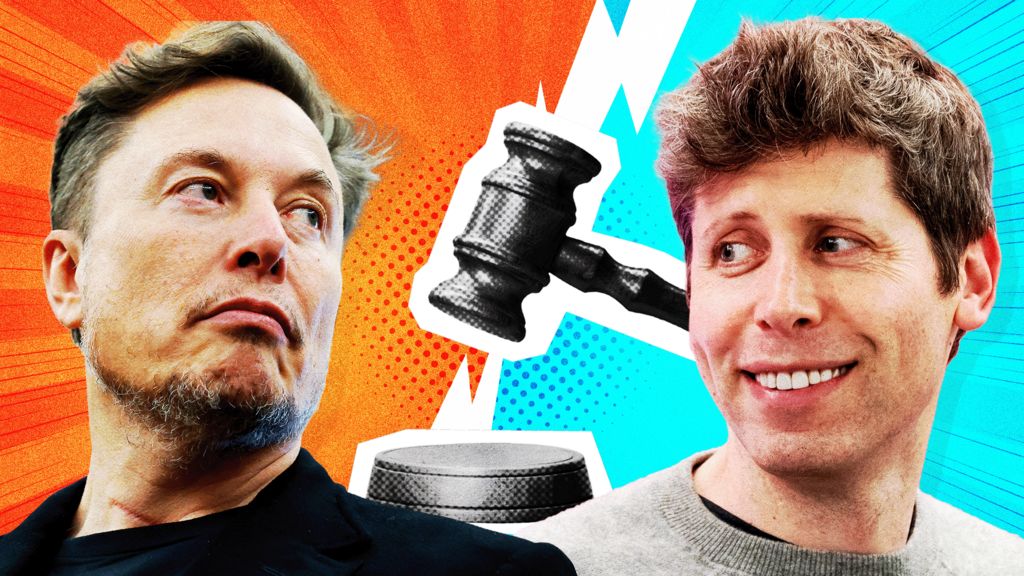
    A years-long public feud between two of the technology sector’s most powerful figures, Elon Musk and OpenAI chief executive Sam Altman, is set to move from social media exchanges to a California federal courtroom this week, opening a month-long trial that could reshape the trajectory of the global race for advanced artificial intelligence.

    What began as a collaborative vision for ethical AI development in 2015 has devolved into a bitter legal battle, with Musk accusing his former co-founder of betraying the project’s core non-profit mission to build artificial general intelligence (AGI) — AI that outperforms human-level capability — for the benefit of all humanity. In his lawsuit, which also names OpenAI president Greg Brockman and Microsoft as co-defendants, Musk alleges Altman defrauded him out of millions in early donations, orchestrated an illegal shift to a profit-driven structure, and reneged on the founding promises that drew him into the project in the first place.

    The roots of the rift stretch back more than a decade. The pair were first introduced by a Silicon Valley investor in 2012, when Altman, then in his 20s and head of influential startup incubator Y Combinator, viewed Musk as a personal hero. By 2015, they launched OpenAI together as a non-profit, with Musk, already a household name as CEO of Tesla and SpaceX, backing the project with roughly $40 million in early funding. For a time, the pair aligned on the need to develop AI cautiously, warning the technology carried existential risks even as it promised to reshape humanity.

    Tensions emerged by 2017, however, when OpenAI leadership began pushing for a transition to a for-profit structure to scale up development. OpenAI counters that Musk agreed to the shift but walked away after his demand for full, absolute control of the company was rejected. A 2018 email from Musk ahead of his departure made his frustration clear: he threatened to cut off funding unless the group committed to remaining a non-profit, before ultimately exiting the project entirely that year.

    The rift erupted into open conflict after OpenAI’s 2022 launch of ChatGPT, which ignited a global consumer AI boom and amassed 100 million monthly active users in just months. By 2024, Musk launched his own competing AI firm, xAI, which has trailed market leaders with its chatbot Grok, before filing the lawsuit against OpenAI. OpenAI has hit back, arguing Musk’s legal action is driven by jealousy and regret over leaving the company, and that he is seeking to sabotage a leading competitor in the race to AGI.

    Public animosity has spilled into viral social media exchanges repeatedly since the suit was filed. Last year, Musk led a consortium offering $97.4 billion to buy OpenAI’s assets, an offer the company rejected, with Altman quipping on X (formerly Twitter) that OpenAI would buy Musk’s platform for a tenth of that price if he was interested. Musk responded by calling Altman “Swindler”, and most recently rebranded him “Scam Altman” in a Monday post on the platform. Legal observers have noted that Musk’s repeated failed attempts to acquire OpenAI have cast doubt on his stated motives for the lawsuit.

    A nine-person jury was sworn in on Monday ahead of the trial, overseen by Judge Yvonne Gonzalez Rogers, who has already made clear that the pair’s celebrity, wealth and influence will earn them no special treatment in her Oakland courtroom. Both Musk and Altman are expected to testify, along with Microsoft CEO Satya Nadella, former OpenAI leaders Ilya Sutskever and Mira Murati, and even former OpenAI board member Shivon Zilis, who is mother to four of Musk’s children. Pre-trial procedural wrangling has already produced colorful headlines: the judge barred discussion of Musk’s use of the stimulant colloquially called “rhino ket” in Silicon Valley, and one of Musk’s attorneys has drawn attention for moonlighting as a clown in his spare time.

    Microsoft, which has pumped billions into OpenAI as part of a strategic partnership, denies any wrongdoing, and Musk is demanding the return of billions in alleged “wrongful gains” to be redirected to OpenAI’s non-profit division, as well as the removal of Altman from his leadership role.

    The stakes of the trial extend far beyond the two billionaires, experts say, as the outcome could reshape the competitive landscape for AGI, a technology that is projected to carry enormous global economic and social power. If Musk prevails, he would effectively eliminate one of his biggest rivals in the global AI race, notes Rose Chan Loui, executive director of the Lowell Milken Center for Philanthropy and Nonprofits at UCLA. While Musk has positioned himself as a defender of OpenAI’s original non-profit mission, many observers worry his motives are not neutral, given his own significant stake in xAI.

    Sarah Federman, a conflict resolution professor at the University of San Diego, compared the clash to a heavyweight title fight, or a battle between King Kong and Godzilla: two larger-than-life giants whose fight leaves bystanders to navigate the damage they leave behind. “Musk and Altman are so big, so larger than life, and so unrelatable,” she said. “That’s what makes them so delicious to watch as they clash.”

    As the public continues to grapple with AI’s rapid integration into daily life, experts say the trial will pull back the curtain on the ambitions and intentions of the two men who have done more than almost any others to bring consumer AI to the global public. Whatever the verdict, the outcome will set a path that the rest of the world will have to live with for decades to come.

  • Ex-actor Nathan Chasing Horse jailed for at least 37 years for sexual assault

    Ex-actor Nathan Chasing Horse jailed for at least 37 years for sexual assault

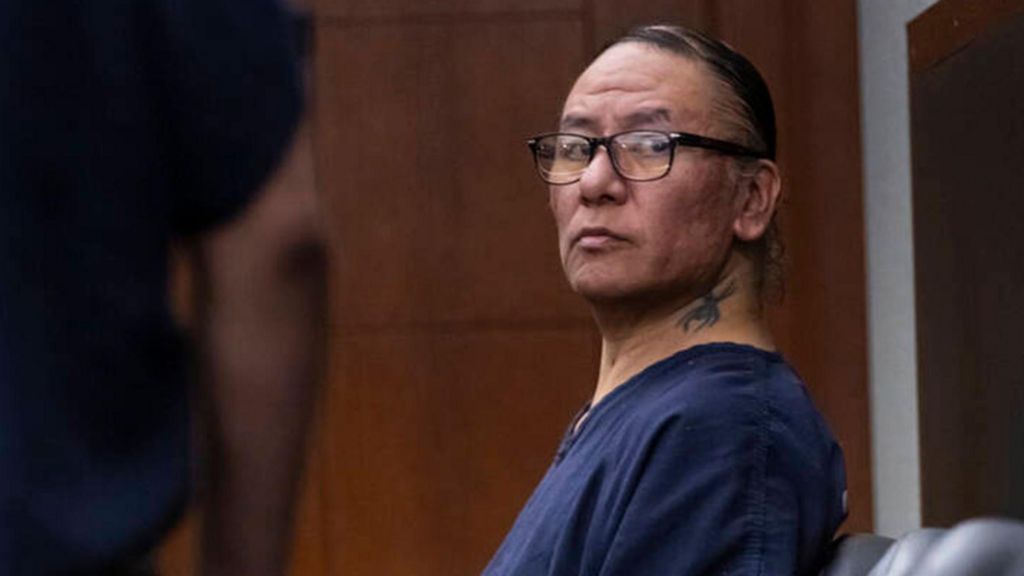
    A once-recognizable face from Oscar-winning cinema who positioned himself as a respected spiritual leader across Indigenous communities in North America has been handed a mandatory minimum 37-year prison term following his conviction on a litany of sexual assault charges. Nathan Chasing Horse, 49, who earned public recognition for his 1990 role as a young Sioux tribe member in *Dances With Wolves*, was found guilty of 13 out of 21 total charges brought against him, with the majority of convictions tied to repeated assaults of three victims—one of whom was just 14 years old when the abuse began.

    Beyond his small but notable Hollywood career, Chasing Horse built a widespread reputation as a medicine man among Indigenous tribes spanning both the United States and Canada. Prosecutors and survivors revealed during the trial that he deliberately exploited the trust and vulnerability of community members who turned to him for spiritual guidance and healing, weaving a pattern of abuse that stretched across nearly two decades.

    In a harrowing public statement following the verdict, victim Corena Leone-LaCroix—who was 14 when Chasing Horse first targeted her—spoke of the irreversible damage inflicted by the abuse. “There is no way to get back the youth, the childhood loss, my first time, my first kiss, the graduation I never got to have,” she told the court. “The life that little girl could have lived has been taken from me forever,” she added, per reporting from the Associated Press, which confirmed she chose to go public with her allegations to encourage other survivors to come forward.

    Prior to issuing the sentence, District Court Judge Jessica Peterson directly addressed Chasing Horse, condemning his calculated exploitation of vulnerable people seeking spiritual support. “You preyed on women’s spirituality,” Peterson said, adding that he “manipulated them for your own personal gratification.”

    Prosecutors laid out disturbing details of Chasing Horse’s manipulative tactics during the trial. Deputy District Attorney Bianca Pucci told the jury that the former actor had built an elaborate “web of abuse” over 20 years. In one particularly chilling example, Pucci explained that Chasing Horse told the underage Leone-LaCroix that spirits demanded she surrender her virginity to him in order to save her mother, who was suffering from cancer at the time.

    Chasing Horse has consistently denied all allegations against him. Under the terms of his sentence, he will not be eligible for parole consideration until he has completed the full 37-year prison term. For anyone affected by the sexual abuse issues raised in this case, support and resources are available through the BBC ActionLine service.