A sharp public diplomatic dispute has erupted between Kyiv and Jerusalem this week after Ukraine accused Israel of allowing the entry of Russian-harvested grain stolen from occupied Ukrainian territories, triggering conflicting official statements and formal protests.
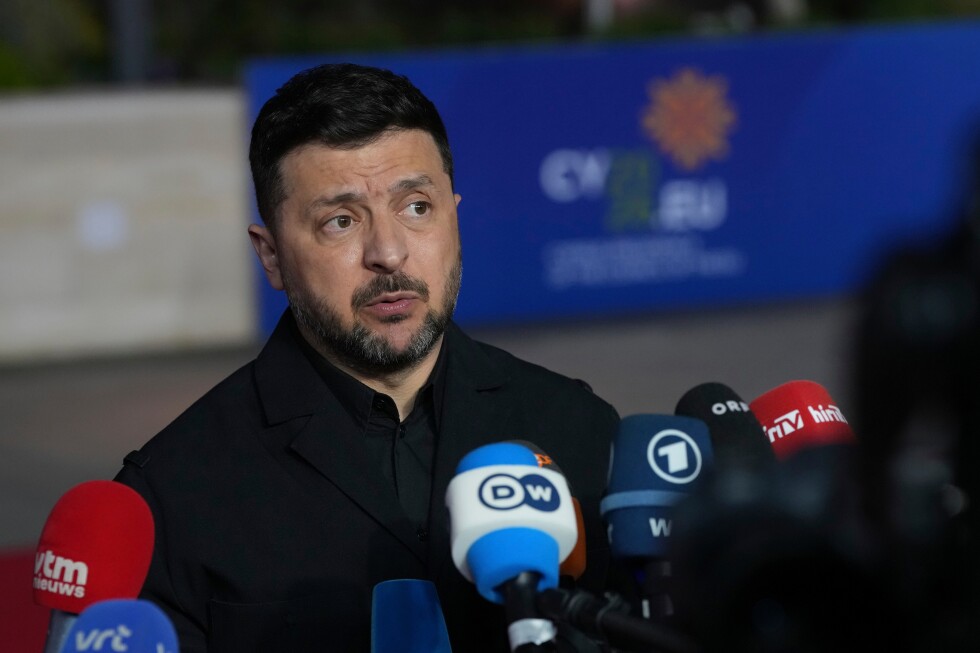
Ukrainian President Volodymyr Zelenskyy made the allegation public on Tuesday via the social platform X, confirming that at least one cargo vessel carrying the illicitly traded grain had already reached an Israeli port and was preparing to offload its cargo. Zelenskyy emphasized that under international law and standard domestic legal frameworks, trafficking in stolen property carries clear legal consequences, noting that Ukrainian intelligence services have already begun compiling targeted sanctions packages against the companies and individuals facilitating these illegal shipments. The Ukrainian leader added that Kyiv will coordinate closely with its European Union allies to push for the inclusion of these involved parties in existing bloc-wide sanctions regimes against Russian-connected entities.
Ukraine’s Foreign Ministry expanded on the accusation, stating that Kyiv had pre-notified Israeli officials about the suspect vessels, and that more than two cargo ships carrying grain stolen from occupied Ukrainian lands have already entered Israeli territory. Ministry spokesman Heorhii Tykhyi confirmed that Israeli ambassador Michael Brodsky was formally summoned to receive an official protest note from Kyiv, over what Ukrainian officials describe as a persistent flow of these illegal shipments into the Israeli market.
According to the Ukrainian foreign ministry, Ukrainian investigators have already confirmed the fraudulent origin of the grain, and are well aware of the tactics Russia uses to cover up the theft—including covert ship-to-ship transfers of cargo in the Black Sea to mask the product’s original source. Despite repeated formal requests from Kyiv for Israeli authorities to detain the suspect vessels and their cargo, the illicit shipments continue to reach Israeli ports and enter domestic commercial circulation, the ministry said. Crucially, Ukrainian officials stressed the issue is not an isolated incident, but a systemic pattern of trade that poses a clear risk to bilateral relations between the two countries if it is not resolved immediately.
Israeli officials have pushed back against Ukraine’s claims, offering a conflicting account of the situation. Israeli Foreign Minister Gideon Saar told reporters in Jerusalem that the Israeli Tax Authority has launched an investigation into a vessel reportedly bound for Haifa port, but dismissed Zelenskyy’s public statement as unproductive “Twitter diplomacy.” Saar said that Ukraine had failed to provide sufficient supporting evidence for its claims and had not submitted a formal request for legal assistance from Israeli authorities.
Public tracking data from marine tracking portal MarineTraffic.com complicates the conflicting accounts, showing that the vessel in question has already been anchored in the port of Haifa for several days—contradicting Israel’s claim that the ship has not yet entered the port or submitted required entry documentation.