博客

  • The Cannes Film Festival is about to begin. Here are the key films making their debut

    The Cannes Film Festival is about to begin. Here are the key films making their debut

    For 12 consecutive days starting this Tuesday, the global film industry will turn its full attention to the sun-drenched shores of the French Riviera, where the annual Cannes Film Festival – one of the most prestigious and influential cinematic showcases on the planet – opens its doors to premieres, red-carpet galas, and the unveiling of what could be the next crop of award-winning hit films.

    Now in its 78-plus year of operation, the festival has long held a unique reputation as both a world-class platform for groundbreaking cinema and a glamorous cultural spectacle that draws A-list talent, top directors, and film lovers from every corner of the globe. History shows that a premiere launch at Cannes often paves the road to Oscar success: recent Palme d’Or contenders and winners including *Parasite* and *Anora* have gone on to take home the Academy Award for Best Picture, and last year’s Cannes lineup featured multiple eventual Oscar nominees such as *Sentimental Value*, *The Secret Agent*, and *It Was Just an Accident*. This year’s 12-day event is expected to produce similarly future award contenders, though major Hollywood studios will largely stay on the sidelines for 2025.

    Leading this year’s jury, tasked with awarding the festival’s top honor the Palme d’Or, is celebrated South Korean filmmaker Park Chan-wook. The opening ceremony will also kick off a series of honorary Palme d’Or recognitions, with legendary New Zealand director Peter Jackson receiving the first honor this year, followed by iconic entertainer Barbra Streisand at a later date. Beyond the official festival screenings, pop culture fans have an extra point of interest: HBO’s hit series *The White Lotus* is currently filming its fourth season on the Croisette, Cannes’ iconic waterfront promenade, bringing a dose of small-screen star power to the city.

    This year’s official lineup leans heavily into work from world-renowned auteur directors, with highly anticipated features spanning genres, languages, and storytelling styles. One of the buzziest entries is Na Hong-jin’s long-in-development sci-fi thriller *Hope*, a genre-bending project that festival artistic director Thierry Fremaux says constantly shifts creative directions. The film features a cross-cultural cast mixing top Korean talent Hwang Jung-min, Zo In-sung, and Jung Ho-yeon with Hollywood stars Michael Fassbender, Alicia Vikander, and Taylor Russell, and many industry observers predict it could mark Na’s global breakthrough.

    Another high-profile American addition is James Gray’s *Paper Tiger*, a Queens-set crime drama that was a late addition to the competition slate. Starring A-list leads Adam Driver, Miles Teller, and Scarlett Johansson, the film centers on two brothers who get tangled up with the Russian mafia, and it has quickly become one of the most anticipated American films of this year’s festival. Romanian master Cristian Mungiu, a former Palme d’Or winner for *4 Months, 3 Weeks and 2 Days*, returns to competition with *Fjord*, starring Sebastian Stan and Renate Reinsve as a Romanian-Norwegian couple who relocate to the wife’s isolated rural hometown in Norway.

    In the Un Certain Regard sidebar, Jane Schoenbrun – one of the most talked-about new voices in contemporary American independent cinema – presents *Teenage Sex and Death at Camp Miasma*, a slasher-movie-set story starring Hannah Einbinder and Gillian Anderson. Polish auteur Pawel Pawlikowski, famous for his stripped-back, black-and-white period dramas *Ida* and *Cold War*, debuts his third feature in this creative vein: *Fatherland*, which follows German author Thomas Mann on a post-World War II road trip, starring Hanns Zischler in the lead role alongside Sandra Hüller as his daughter.

    Japanese master Ryusuke Hamaguchi, who made history with the Oscar-nominated *Drive My Car*, makes his French-language debut with *All of a Sudden*, a thoughtful drama starring Virginie Efira and Tao Okamoto centered on a nursing home director and a terminally ill Japanese playwright. Fellow beloved Japanese filmmaker Hirokazu Kore-eda – a former Palme d’Or winner for *Shoplifters*, celebrated for his gentle, empathetic storytelling – ventures into sci-fi territory with *Sheep in the Box*, which follows a grieving couple who adopt an infant humanoid robot after losing their own son.

    Ira Sachs’ *The Man I Love* was the only American film selected for competition before James Gray’s late addition, and it sees Rami Malek take on the lead role as an actor with a life-threatening illness in 1980s New York, preparing for what may be his final performance. French filmmaker Arthur Harari, who co-wrote 2023 Palme d’Or winner *Anatomy of a Fall*, steps into the director’s chair for competition with *The Unknown*, a body-swap drama starring Léa Seydoux about a photographer who wakes up in the body of a woman he followed after photographing her at a party. Acclaimed Russian director Andrey Zvyagintsev, whose previous works *Leviathan* and *Loveless* earned Oscar nominations, returns to Cannes after a near-fatal illness during the COVID-19 pandemic with *Minotaur*, a drama about a business executive facing a personal crisis in rural Russia.

    Among special screenings, Steven Soderbergh’s documentary *John Lennon: The Last Interview* has already drawn major headlines for its creative use of artificial intelligence to visualize John Lennon’s philosophical reflections, drawn from the final interview the Beatles icon gave at his New York home the Dakota shortly before his 1980 assassination. The film promises audiences an unprecedented intimate look at one of the most influential musicians of the 20th century. Finally, Spanish auteur Pedro Almodovar, a longtime Cannes favorite, debuts his deeply personal new melodrama *Bitter Christmas*, a multi-layered story exploring filmmaking, grief, and aging that marks a return to Almodovar’s native Spanish language and Spanish setting after his recent English-language feature *The Room Next Door*.
  • Suspected boat explosion injures 11 in Miami

    Suspected boat explosion injures 11 in Miami

    A devastating boat explosion at one of Miami’s most frequented recreational destinations has left 11 people hospitalized with serious injuries, and US law enforcement and safety officials have launched a full investigation to pinpoint what caused the blast.

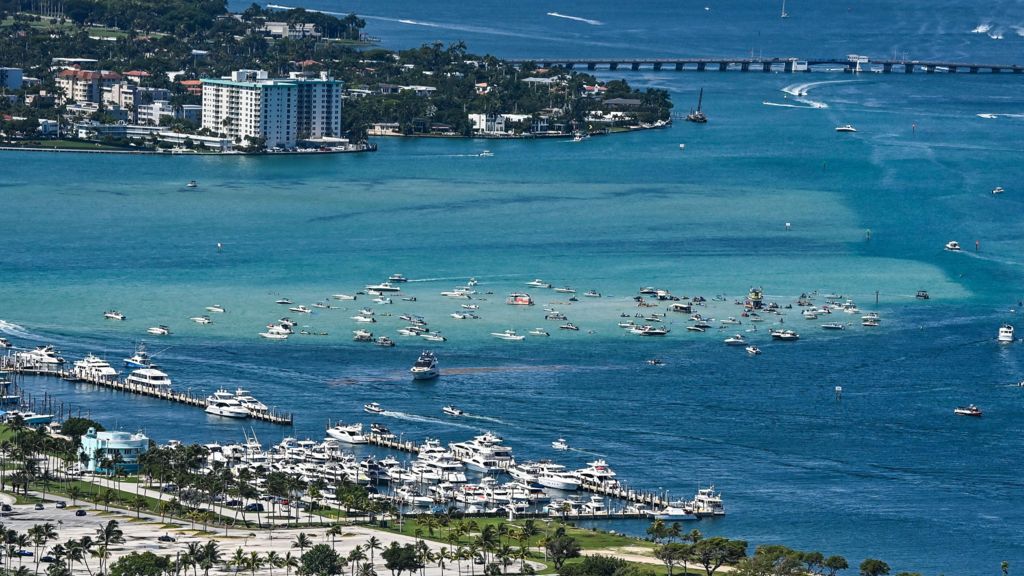
    The incident unfolded on Saturday at Haulover Sandbar, a well-loved shallow-water marina spot that draws thousands of tourists and local boaters every year for its calm, clear waters and accessible on-water gathering space. According to Miami-Dade Fire Rescue Battalion Chief Juan Arias, first responders were dispatched to the area immediately after multiple 911 calls came in reporting a large explosion aboard a private vessel anchored at the sandbar.

    All 11 injured individuals were transported by emergency teams to area medical facilities for treatment of a range of injuries, including severe burns and blunt-force trauma from the blast, Arias confirmed to reporters. As of the latest update, officials have not released any preliminary information on a potential cause, nor have they shared updated details on the current condition of the injured victims.

    Patrick Lee, a local boat charter operator who was on the water near the site of the explosion when it occurred, described the chaotic scene to CBS News, the US news partner of the BBC. “We saw three people fly out of the boat immediately after the blast,” Lee recalled. He added, “I could tell right away it was a really hot, fast-moving fire. It was high-octane gasoline, so it ignited almost instantly. A lot of people got badly burned before anyone could get to them. It was just pure chaos.”

    Footage captured by witnesses at the scene shows an emergency helicopter landing near the adjacent Miami marina, with first responders carrying at least one injured victim on a stretcher to receive urgent medical care. Multiple agencies joined the response effort alongside local fire and rescue teams, including the US Coast Guard and the Florida Fish and Wildlife Conservation Commission, which oversees boating safety across the state’s waterways.

    The BBC has reached out to Miami-Dade Fire and Rescue to request additional details on the investigation and the status of the injured, but has not yet received further comment.

  • Buddhist monk arrested over alleged rape of teen in Sri Lanka

    Buddhist monk arrested over alleged rape of teen in Sri Lanka

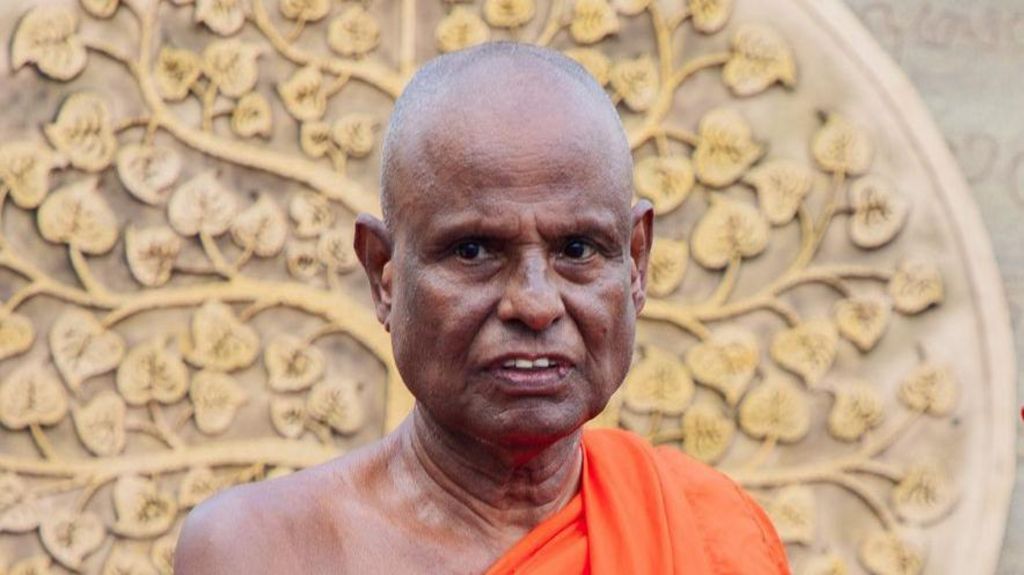
    In a highly unusual and shocking development that has sent ripples through Sri Lankan society, one of the island nation’s most senior and revered Buddhist monks has been taken into police custody and placed in remand prison, facing serious allegations of rape and sexual assault against a 15-year-old minor.

    The accused, Venerable Pallegama Hemarathana Thero, occupies one of the most prestigious roles in Sri Lanka’s Buddhist community: he serves as the chief prelate and custodian of eight of the country’s most sacred Buddhist religious sites. For months, his name had been linked to the alleged abuse, but law enforcement faced widespread criticism for failing to take action against the high-profile figure.

    The arrest finally moved forward after formal intervention from Sri Lanka’s national child protection authority, which had repeatedly called out police for their inaction in the case. At the time of his arrest on Saturday, Pallegama Hemarathana Thero was receiving medical care at a private hospital in Colombo, the nation’s capital. Following his detention, a local magistrate ruled that the suspect would be transferred to the Colombo prison hospital for ongoing care, rather than remaining in the private facility. The magistrate also issued a formal directive to Sri Lanka’s immigration authorities, placing a travel ban on the monk to prevent any attempt to flee the country ahead of his court proceedings.

    In addition to the monk’s arrest, the mother of the alleged minor victim has also been taken into custody and remanded. She faces charges of aiding and abetting the alleged sexual abuse, a detail that has added further complexity to the already high-profile case.

    Pallegama Hemarathana Thero has not yet issued any public statement addressing the charges brought against him, and he is scheduled to make his first appearance in court on May 12. The case marks a watershed moment for Sri Lanka, where Buddhist clergy hold enormous social influence and political power, and members of the clergy are widely venerated across the population. Arrests of Buddhist monks are rare in the country, and the detention of a figure as senior and well-known as Pallegaga Hemarathana Thero is unprecedented in recent history, bringing intense public scrutiny to how allegations of abuse against powerful religious figures are handled in the nation.

  • Tenerife medics poised for arrival of virus-hit cruise ship

    Tenerife medics poised for arrival of virus-hit cruise ship

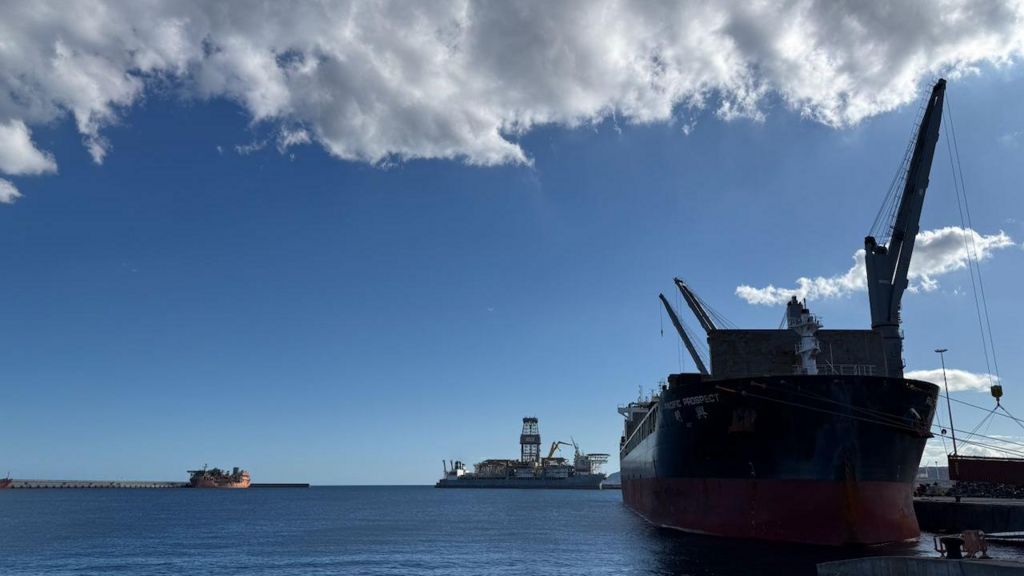
    Nearly a month after the first hantavirus fatality was recorded on the expedition cruise ship MV Hondius, the vessel is finally nearing Granadilla Industrial Port on the Spanish island of Tenerife, in the Canary Islands archipelago, to launch one of the most complex public health and repatriation operations in recent European history.

    Spanish health and emergency authorities have spent weeks finalizing intensive preparedness protocols to receive the ship and coordinate the safe disembarkation and repatriation of more than 100 passengers and crew trapped at sea after multiple ports denied the vessel entry following the outbreak. Though the MV Hondius is expected to enter the waters off Tenerife before dawn Sunday, strict isolation rules will remain in force from the moment it approaches the coast: a 1-nautical-mile security perimeter will be enforced around the vessel, and it will anchor offshore at the port rather than docking directly to contain any potential spread of the rare Andes hantavirus strain, which has already claimed three lives on board.

    Spanish Health Minister Mónica García has labeled the multi-national operation unprecedented, noting that 23 countries are involved in coordinating repatriation efforts. The meticulous planning has been tailored in part to address widespread public concern among Tenerife residents, who have expressed anxiety over bringing a vessel carrying a dangerous virus to their island. Canary Islands President has openly stated he will not feel at ease until every person on board has left the island.

    García repeatedly emphasized Saturday that the risk of community transmission to the general public remains low, warning that unnecessary alarm, misinformation and public confusion run counter to core public health safety principles. By Saturday, security had been visibly tightened across the southern Tenerife industrial port, with Spanish military police and national disaster response teams erecting large purpose-built reception areas and restricting all public access to the waterfront.

    Once the MV Hondius is repositioned to its designated anchorage by approximately 07:00 CET (06:00 GMT) Sunday, specialized medical teams will board the vessel to screen every person on board for hantavirus symptoms. As of the latest updates, no additional people have developed active symptoms of the virus, which has an incubation period of up to nine weeks. After screening, passengers and crew will be sorted into groups by nationality and transported to shore in small, controlled shuttles, with pre-arranged charter planes already waiting on the tarmac at Tenerife’s airport to fly them back to their home countries. Medically equipped aircraft are also on standby to airlift any symptomatic people to isolation facilities if needed.

    Spanish nationals repatriated from the vessel will be flown directly to Madrid, where they will complete a mandatory quarantine period at the Gomez Ulla military hospital. Officials have not yet confirmed how long quarantine will last for those returning to Spain or other countries around the world, given the pathogen’s unusually long incubation window.

    World Health Organization Director-General Tedros Adhanom Ghebreyesus is personally present in Tenerife to oversee the disembarkation operation, and has praised Spanish authorities for their solid, effective response to the outbreak. The outbreak has been traced back to a popular birdwatching landfill site at the southernmost tip of Argentina, where the virus is carried by wild rodents. While human-to-human transmission of this strain is extremely rare, three passengers on the MV Hondius have already died from the infection. Tedros acknowledged that lingering trauma from the COVID-19 pandemic has made local residents’ anxiety legitimate, but reaffirmed that the risk of widespread community contagion is low both due to the inherent nature of the virus and the extensive prevention measures put in place by the Spanish government. He urged nervous local residents to trust the operation’s leadership.

    Local medical facilities have also finalized full preparedness for potential complications: dozens of intensive care specialists are on standby at Tenerife’s Candelaria Hospital, with a fully equipped strict isolation bed stocked with testing supplies, a ventilator, and stockpiles of personal protective equipment ready to treat any severely ill patients. “We have never encountered this specific hantavirus strain before, but it is a virus with manageable complications, the same type of cases we handle every day,” said Mar Martin, chief intensive care doctor at the facility. “We are fully trained and absolutely ready.”

    When the plan to divert the MV Hondius to Tenerife was first announced, it sparked significant public anger across the island, with port workers holding a noisy protest outside the regional parliament Friday over fears that safety protocols would be insufficient. In recent days, however, greater transparency around the operation has helped restore a cautious calm. In the capital city of Santa Cruz de Tenerife, local resident Jennifer, who was out walking with her child, noted: “The virus is dangerous, of course. But they say you need to have very close contact to get it. If we’re careful, we hope it’s not too serious.”

    Some residents remain critical of the central Spanish government’s decision to route the vessel to Tenerife, framing the issue as a political rather than purely medical concern, and a number of locals recalled that early reassurances about COVID-19 preceded uncontrolled pandemic spread. Still, there is no widespread panic on the island. “If they don’t come into contact with us from the ship, then we’re fine,” local resident Esteban told reporters. His partner Isabel added: “If the measures are adequate, then I don’t think people here are worried.”

    Not all people on board will disembark in Tenerife: approximately 30 crew members will remain on the MV Hondius to sail the vessel back to its home country of the Netherlands. For the majority of those on board, however, weeks of fear and uncertainty trapped at sea are finally coming to an end — though the next phase of the crisis, a prolonged quarantine period, still lies ahead.

  • Our relationship with food is messed up – let’s sort it out, says Stanley Tucci

    Our relationship with food is messed up – let’s sort it out, says Stanley Tucci

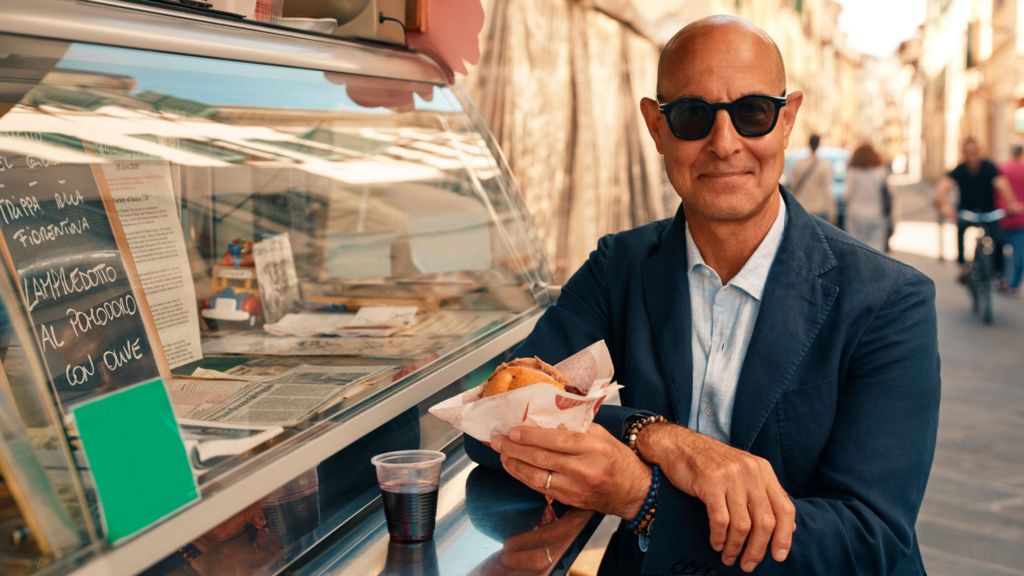
    When the highly anticipated second season of *Tucci in Italy* drops on Disney+ on May 12, viewers will be greeted by a recurring, warm motif that feels instantly familiar to anyone who has stepped foot in an Italian home: no matter how full Stanley Tucci insists he is, locals – from doting nonne to respected head chefs, and even whole family units – will pile more food onto his plate before he can finish his first helping.

    This relentless hospitality echoes the experience of anyone who has grown up with or been welcomed into Italian culture, where food is never just sustenance. It is a language of affection, a core pillar of hospitality, and a fundamental part of personal and collective identity rolled into one shared experience.

    In this new season, the celebrated actor, known for his role in *The Devil Wears Prada*, traverses the entire length and breadth of Italy – from the sunbaked shores of Sicily to the turquoise coasts of Sardinia, and all the way to the snow-dusted valleys of northern Italy. His journey goes far beyond tasting iconic dishes: he dives into centuries-old regional culinary traditions, meets tight-knit local communities, and steps into the small, family-run kitchens that are the beating heart of Italian food culture. Alongside sweeping shots of glistening fresh seafood, vibrant market produce, and one-of-a-kind local delicacies, Tucci weaves the story of a people whose social fabric is stitched together by family bonds and long-held ritual.

    In an interview, Tucci highlighted that one of the most striking features of Italian culture is its profound regional diversity, a trait that is most visible on the dinner plate. “We think we know what Italy is, but it’s incredibly complex and diverse,” he explained. Unlike many other nations, most Italians draw stronger identity from their local city or region than from the country as a whole. “When you say to someone, ‘You’re from Italy’, they’ll say, ‘No, I’m from Tuscany’ or ‘I’m from Florence’, so they are very territorial, especially when it comes to food,” he said.

    This strong local pride is on full display in an episode set in the Tuscan city of Siena, where Tucci explores the historic contrada system – centuries-old neighborhood districts that have maintained fiercely distinct identities for centuries. “They all believe their contrada is the greatest,” Tucci laughed, “and they express that in many ways, including food.”

    The divides between regional cuisines are just as stark in northern Italy, where climate and geography have shaped ingredient availability and cooking styles that differ dramatically from the south. “You go up north and you might only find tomatoes in the summer and you’ll find the likes of goulash, polenta and buckwheat which you would never find in the south,” Tucci noted. This patchwork of culinary traditions shatters the common international misconception that Italian food can be reduced to “just pizza and pasta.” “It’s not,” he emphasized.

    The 65-year-old host recalled every dish he sampled during filming with obvious affection. When asked to name the standout meal of the season, he immediately insisted “everything” was incredible, before singling out a handful of exceptional pasta dishes, including one prepared with multiple varieties of fresh mozzarella.

    But beneath the celebration of food, Tucci also raises a pressing concern: modern society is steadily losing the ability to find joy and deep emotional connection in shared meals. Speaking to the shifting cultural attitudes around eating, amplified by the rising popularity of weight loss drugs, Tucci argued that society’s relationship with food has become “really messed up.” “We overthink it, and the idea of what we’re supposed to look like has messed up our relationship with food,” he said.

    He added that modern culture increasingly pushes for uniformity across people, places, and food: “we want everything to look the same, taste the same and be generic.” Instead, Tucci argues that diversity and even imperfection – especially when it comes to produce and food – should be celebrated. “We should celebrate the tomato or the onion that comes out of the ground not looking perfect,” he said.

    A self-described non-adherent to food fads and passing trends, Tucci pushed back against the modern view of food as nothing more than a tool to satiate hunger, erasing its deeper cultural and emotional meaning. “Our relationship with food now is it’s just something you eat to feed your belly, but that’s not what it is,” he said.

    The conversation also turned to some of the most hotly debated culinary “crimes” against Italian cuisine, and Tucci had no shortage of firm opinions. Pineapple on pizza is an unambiguous no. Learning that some home cooks and restaurants prepare carbonara with cream, bacon, or cheddar cheese made him shudder (traditional carbonara only requires guanciale, pecorino romano, and egg yolk, after all). While breaking spaghetti in half before cooking is usually off the table, he acknowledged that some regional soups and dishes do call for broken pasta. As for post-dinner cappuccinos, ketchup on pasta, or parmesan cheese over seafood pasta? “Absolutely not,” he said.

    *Tucci in Italy* Season 2 will be available exclusively for streaming on Disney+ starting May 12.

  • Putin says he thinks Ukraine conflict ‘coming to an end’

    Putin says he thinks Ukraine conflict ‘coming to an end’

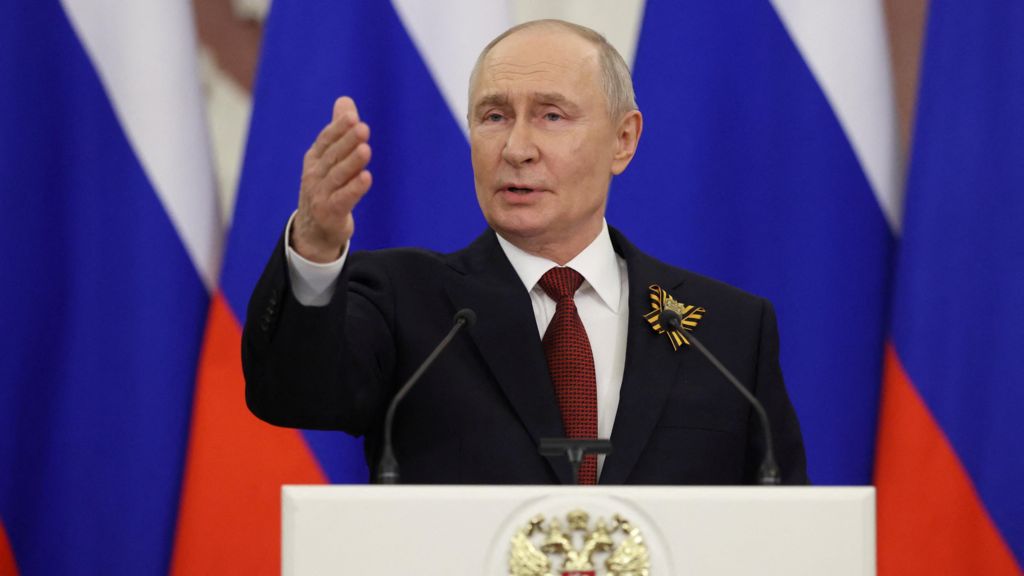
    On Russia’s annual World War II Victory Day, Moscow’s Red Square hosted a significantly downsized 2026 parade, marking the first time in nearly 20 years that iconic heavy military hardware such as battle tanks and intercontinental missiles were absent from the traditional display. The scaled-back event was organized in direct response to elevated security fears, with Russian authorities assessing a high risk of Ukrainian drone strikes targeting the central Moscow ceremonial site. That threat was partially mitigated hours before the parade began, when a last-minute ceasefire between Moscow and Kyiv was finalized through brokering efforts by US President Donald Trump, allowing the event to conclude without any security incidents.

    Shortly after delivering his formal Victory Parade address, Russian President Vladimir Putin spoke to reporters, offering his most direct public assessment of the ongoing “special military operation” in Ukraine to date: he stated firmly that he believes the conflict is moving toward its conclusion. In his earlier parade speech, Putin had framed Russia’s military action as a morally “just” campaign, characterizing Ukraine as an aggressive faction that receives extensive military backing from the entire NATO alliance. He doubled down on this criticism of Western support for Kyiv during the post-parade press conference, accusing Western powers of deliberately stoking continued confrontation between the two countries, a conflict that he acknowledged remains a serious issue even as it nears resolution.

    On the topic of potential diplomatic talks with Ukrainian President Volodymyr Zelenskyy, Putin laid out clear conditions for any face-to-face meeting. The Russian leader noted that while he has heard repeated claims that Zelenskyy is eager for a direct summit, he will only agree to such a meeting after a comprehensive, long-lasting peace deal has been finalized through preliminary negotiations. He added that a meeting in a neutral third country could be arranged as the final step to formally sign the agreed-upon treaty, but refused any preliminary meeting before text is settled.

    Putin also commented on future negotiations over European security arrangements, stating that he is open to discussing new regional security frameworks and naming his longstanding personal associate, former German Chancellor Gerhard Schröder, as his preferred negotiating counterpart for those talks. Schröder’s close ties to Putin have long been controversial across Europe, particularly due to his post-chancellorship work for Russian state-owned energy corporations.

    As a core component of the newly agreed US-brokered ceasefire, both Russia and Ukraine committed to a large prisoner of war swap, with each side set to release 1,000 detained service members to the other. However, Putin confirmed Saturday that as of his press conference, Russian officials had not yet received any formal communication from Kyiv outlining next steps for the exchange.

    Beyond the absence of military hardware, this year’s Victory Parade also featured restricted media access: far fewer journalists were granted entry to cover the event, with most international media organizations denied accreditation entirely. The parade, which the Kremlin has long used to project Russian military power to global audiences, instead featured only marching troops, reflecting the ongoing strains of the nearly two-year conflict with Ukraine.

  • ‘Not working for young people’: Chalmers flags huge tax changes

    ‘Not working for young people’: Chalmers flags huge tax changes

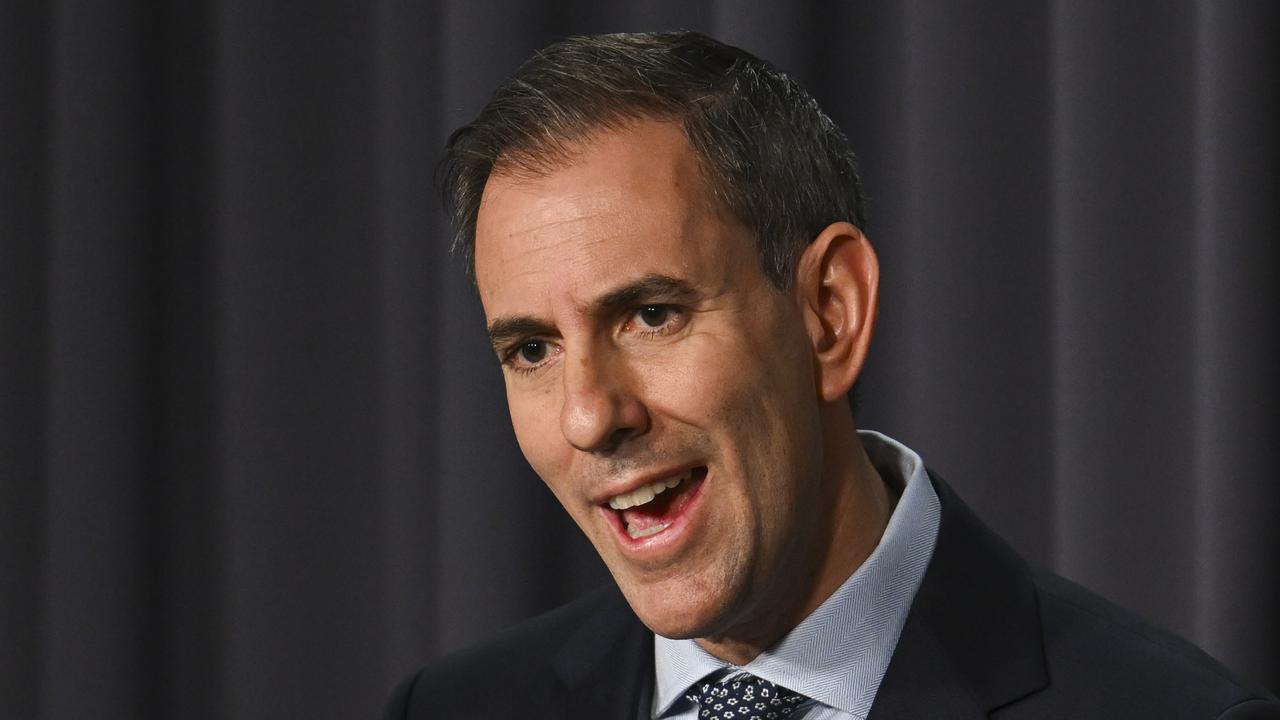
    Ahead of the highly anticipated federal budget release this Tuesday, Australian Treasurer Jim Chalmers has given the clearest hint yet that major, game-changing tax policy shifts will be front and center of the new fiscal plan, framing the adjustments as difficult but necessary to fix deep structural inequities in the nation’s housing and tax systems. In an exclusive interview on Sky News’ public affairs program *Sunday Agenda*, Chalmers stopped short of locking in concrete changes to controversial property investment tax concessions, namely negative gearing and the capital gains tax (CGT) discount, but confirmed the upcoming budget will center on targeted reform rather than broad-based revenue grabs. “When it comes to the tax package in the budget, it will have some difficult but necessary reforms,” Chalmers told host. “It is overwhelmingly not about collecting heaps more revenue over the budget period, it is about more reforms.”

    Chalmers, whose center-left Labor government won power 12 months prior, called the current arrangement unfair, noting it fails to adequately recognize the contributions of ordinary working Australians when compared to individuals who generate most of their income through investment holdings. For weeks, budget leaks have outlined two core proposed reforms to property investment taxation that are expected to be confirmed in Tuesday’s announcement. The first, for negative gearing — a tax break that allows property investors to deduct expenses including mortgage interest and repair costs from their overall taxable income when annual expenses exceed rental income — will only apply to new investment purchases of newly constructed properties. Crucially, the proposed changes are grandfathered: the more than 1 million existing Australian landlords who currently use negative gearing will retain their existing tax breaks, eliminating any immediate disruption for current holders. The policy design is intended to drive new construction and ease the nation’s chronic housing supply shortage, the core root of the country’s ongoing affordability crisis.

    The second major shift would alter the CGT discount, changing rules that have been in place since the Howard government in 1999. Under current policy, investors holding assets for at least 12 months qualify for an automatic 50% discount on any capital gains. The proposed change would return the system to inflation indexing, which matches the taxable portion of gains to rising prices, rather than offering a flat half-discount across all asset classes. Unlike the negative gearing adjustments, this change would apply to all current and future investors.

    Addressing growing public speculation that the government could also roll out a new earned income offset worth between $200 and $300 per taxpayer as cost-of-living relief, Chalmers pushed back against expectations of large, short-term cash handouts, framing the budget as a fiscally restrained document designed to avoid adding to existing inflationary pressures. “People shouldn’t expect in a very tight and responsible budget defined by spending restraint… big near term cash splashes in the budget because we take this inflation challenge seriously,” he said. The Treasurer noted the government has already delivered multiple forms of tax relief, including a cut to fuel taxes and an instant asset tax deduction for businesses, with already scheduled stage three income tax cuts set to take effect on July 1 next year.

    Rejecting criticism that the reforms amount to a punitive attack on existing investors, Chalmers emphasized the policy’s core goal is expanding access to homeownership for young and aspirational Australians, not punishing past investment decisions. “We’re not trying to punish anybody who has made decisions about how they’ve used the tax system or the housing market in the past,” he said. “It’s about trying to expand opportunities in the housing market for more people. Our motivation in considering some of these changes is recognising that helping people get a toehold in the housing market is a really important way of helping people get a toehold in the economy more broadly.” The Treasurer added that while boosting housing supply has been the government’s first priority, the status quo on housing and taxation is broken, unfair, and demands a policy response from a responsible government. Tuesday’s budget, he said, will mark the start of a more ambitious year of reform, following the first year in office focused on delivering on prior election commitments.

    Opposition figures have sharply condemned the proposed reforms, framing them as a naked tax grab that will fail to boost housing supply and hurt working Australians across all age groups. Liberal Senator Jane Hume questioned the government’s reversal on prior commitments to avoid negative gearing changes and challenged the government’s claims the reforms will increase housing construction. Shadow Treasurer Tim Wilson went further, dismissing the leaked budget plan as disjointed and ideologically driven. “So far their budget seems to be in complete disarray,” Wilson said. He criticized the plan for protecting existing older investors while closing off opportunities for young people seeking to enter the market, adding that the CGT changes will penalize young Australians saving for a home deposit through share market investments. Wilson argued that the changes will not result in more home construction, will drive up rents in major capital cities, and amounts to redistribution that does nothing to drive broader economic growth. “We need a tax system that is orientated towards encouraging wealth creation, jobs and growth for the next generation of Australians, while Labor’s plan is to feed resentment and redistribution,” he said.

    The budget announcement, scheduled for Tuesday night, will bring the years-long debate over Australia’s property tax system to a head, with stakeholders across the housing, finance and construction industries waiting for full details of the proposed reforms.

  • Indian model’s understated Met Gala debut revives debate on cultural representation

    Indian model’s understated Met Gala debut revives debate on cultural representation

    Two years ago, a chance encounter in a New York City subway station launched an unlikely new star onto the global fashion stage. Today, 26-year-old Indian model Bhavitha Mandava’s 2026 Met Gala debut has divided audiences and critics alike, igniting conversations about fashion excess, cultural representation, and the rising appeal of quiet authenticity in an industry defined by over-the-top spectacle.

    At fashion’s most high-profile annual event, where guests typically arrive in elaborate, statement-making couture that demands attention before the wearer even speaks, Mandava’s Chanel look read as deliberately restrained at first glance. From across the red carpet, she appeared in a sheer zip-up jacket paired with what looked like casual low-rise denim. Next to the structured gowns, dramatic silhouettes, and bold declarations that define the Met Gala’s red carpet, her outfit felt intentionally understated. But that simplicity was anything but accidental: fashion outlets soon revealed the “denim” was actually handcrafted silk muslin, printed and tailored to mimic textured cotton, turning casual everyday attire into a deliberate, high-fashion artistic choice.

    This deliberate contrast between appearance and craft has split public and media reaction. Some fashion observers have praised Mandava’s look as a thoughtful, quiet rebuke of the Met Gala’s typical over-the-top excess, a subtle subversion of the event’s obsession with grandeur. Others argue the understated ensemble failed to live up to the scale and prestige of the occasion, questioning whether it missed a once-in-a-generation moment for global visibility. Indian media has mirrored this divide, with some outlets hailing the outfit’s intentional minimalism and others arguing it undersold the importance of her debut as one of India’s rising fashion stars. On social media, the debate has expanded beyond fashion, touching on how Indian identity is framed, received, and often simplified on global cultural stages.

    Mandava’s rapid ascent from anonymous graduate student to global fashion fixture is as unusual as her signature aesthetic. Raised in Hyderabad, a city in southern India, she was pursuing a graduate architecture degree at New York University in 2024 when the 28Models scout approached her on her way to share a plate of biryani with a friend. The completely unplanned encounter quickly upended her life: within months, she was walking runways for luxury powerhouses Bottega Veneta, Dior, and Courrèges, before building a close ongoing partnership with Chanel. Even as her career exploded, Mandava never adopted the flashy persona common to rising modeling stars. In a February interview with *British Vogue*, she joked that her agent still teases her for early castings where she showed up in thrifted jeans and free NYU student t-shirts, wearing whatever was clean that day.

    Late last year, Mandava made history as the first Indian model to open Chanel’s prestigious Métiers d’Art show in New York, held on a meticulously reconstructed subway platform that intentionally echoed the setting of her discovery. Her opening look? A simple white t-shirt, half-zipped knit sweater, and loose denim — a template of deliberate understatement that she carried directly to the Met Gala red carpet.

    What makes Mandava’s story resonate far beyond fashion circles is its relatable core. Even after her rapid rise, she has carried the quiet authenticity of her former life as a grad student with her. She often speaks of her studies, her family, and the slow rhythm of ordinary life in interviews, rather than leaning into the manufactured myth of overnight stardom. When she opened the Chanel show, she shared a viral clip of her parents watching the live stream from their home in India: her mother repeating her name in stunned disbelief, her father sitting quietly beside her, beaming with quiet pride. The unguarded, intimate moment won millions of hearts online. On social media, she describes herself as a “Brooklyn lab rat”, balancing transatlantic life between architecture research, couture history study, and global runway commitments. It is a low-key persona that fits perfectly with fashion’s current embrace of “quiet luxury” and effortless, unforced style — but it clashed sharply with the heightened expectations of the Met Gala.

    In the wake of the social media firestorm over her Met Gala look, Mandava has declined to engage directly with critics, only sharing photos of the evening to her Instagram without additional comment. She later told *British Vogue* that the outfit was a personal tribute: a way to carry forward the memory of the subway encounter that launched her career, elevating the casual clothes she wore that day into couture while keeping it unmistakably hers.

    The fashion industry is notoriously fickle, and the current obsession with understatement may soon fade. It would also be unfair to expect Mandava, a young talent still early in her career, to remain frozen in this specific persona forever. But for now, her quiet, unforced presence offers a refreshing breath of air in an industry dominated by performance and overproduction — proof that authentic, understated style can still command the world’s attention.

  • Another year, another controversy for Eurovision – but fans are sticking by it

    Another year, another controversy for Eurovision – but fans are sticking by it

    The 70th iteration of the Eurovision Song Contest is set to open its doors in Vienna this Sunday, kicking off with the iconic turquoise carpet parade that will bring together competitors from 35 participating nations. What should be a joyous celebration of cross-cultural music and unity, however, has been overshadowed by a bitter, years-long controversy over Israel’s inclusion in the competition, driven by ongoing fallout from the 2023 Gaza conflict.

    As delegations assemble in the Austrian capital, five longstanding Eurovision participants will be notably absent: Iceland, Ireland, the Netherlands, Slovenia, and Spain have all pulled out of the 2026 contest in protest of Israel’s participation. The debate over Israel’s presence first ignited in October 2023, when the Israeli government launched a large-scale military offensive in Gaza in response to a Hamas-led attack that Israeli authorities report killed approximately 1,200 people and took 251 hostages. To date, the Hamas-run Gaza health ministry puts the Palestinian death toll from the offensive at 72,628. A ceasefire has been in place since October 2025, but the political rift over Israel’s Eurovision participation has not healed.

    Controversy has dogged Israel’s participation in the two most recent editions of the contest, held in Malmö 2024 and Basel 2025. During that time, mass anti-Israel protests filled host city streets, and Israeli contestants were assigned armed security detail for their protection. In 2025, Israeli entrant Yuval Raphael — a survivor of the October 7 attacks — told the BBC she had practiced performing through boos during rehearsals. Two stage invaders interrupted her performance during the grand final, and tensions boiled over after Raphael’s song unexpectedly placed first in the public vote, ultimately landing her second place overall after lower jury scores. Multiple countries alleged that the public vote was skewed by an unprecedented intervention from Israeli Prime Minister Benjamin Netanyahu’s government, which repeatedly urged its social media followers to vote for Raphael’s entry.

    Last November, a coalition of countries pushed for a formal vote to exclude Israel from the 2026 contest. When the motion failed, the boycotts began, including the withdrawal of Ireland — a seven-time Eurovision winner — and Spain, one of the competition’s largest financial backers.

    For Eurovision, a cultural event uniquely dependent on its passionate global fan community, the boycott and ongoing controversy have left audiences deeply divided. Unlike most major entertainment events, Eurovision integrates independent fan media directly into official proceedings, granting fan websites and blogs equal access to press centres, press conferences, and behind-the-scenes content alongside legacy outlets like the BBC and The New York Times. Fan creators publish year-round content, from pre-selection show analysis to rehearsal leaks, voting predictions, and staging breakdowns, cementing their central role in the event’s ecosystem.

    “The fan base is very important for the commercial dimension of Eurovision,” explained Dean Vuletic, historian and author of *Postwar Europe and the Eurovision Song Contest*. “When it comes to merchandising, when it comes to ticket sales, the fans are really the ones fuelling this Eurovision industry. They’re the ones you can count on to attend the contest, even when it becomes mired in political controversy.”

    In response to the 2026 boycott, a number of prominent fan platforms have suspended all coverage of this year’s contest. “The Eurovision we once knew, that shaped this community and inspired us to create this channel, just isn’t the one we fell in love with all those years ago,” wrote the team behind cross-continental fan page Eurovision Hub. Ireland’s Eirevision podcast echoed that sentiment: “A contest founded on unity, peace, and connection has never felt more divided. We no longer recognise the Eurovision Song Contest we grew up with.”

    Other conflicted fans have sought a middle ground. Welsh Eurovision fan Philip Dore published a widely shared reflective piece on fan site ESC Insight addressing the split, titled “So, what do Eurovision fans do now?” Dore noted that for many, Eurovision is far more than a one-night song competition: the event has longstanding deep ties to LGBTQ+ liberation and community, and is a key space of belonging for neurodiverse fans. He outlined a range of options for divided fans, from full personal boycott to a “halfway” approach that involves following pre-contest build-up but stepping back once events kick off in Vienna.

    “This isn’t an easy situation for anyone,” Dore wrote. “Many people in the community are feeling a mix of sadness, anger, and loss, and I have no intention of adding judgment to anyone.”

    Despite the deep rift, many of the traditional signs of Eurovision excitement remain visible across social media, where fans continue to share photos, memes, and interviews ahead of the contest. All tickets for nine total events in Vienna sold out in record time, with every grand final seat claimed in just 14 minutes. “To see every single show sell out so quickly is a powerful reminder of what the Eurovision Song Contest represents – joy, togetherness and shared experience at a time when that feels more important than ever,” said Martin Green, the British producer overseeing the 2026 contest.

    The on-the-ground mood among fans is far more nuanced, however. “It still feels exciting. It still feels like something that I couldn’t miss. And, that said, it feels different,” said Rob Lilley-Jones, host of UK-based podcast Euro Trip. “There’s still that fun element but now, and for the last few years, you are going into Eurovision week with a sense of apprehension and nervous anticipation.” Lilley-Jones called the 2024 Malmö contest, marked by heightened security and pervasive backstage tension, the worst in the event’s history.

    Marcos Maximillian Tritremmel, president of Austria’s national Eurovision fan club, told Germany’s Der Spiegel that he understands the motivations for protest, but confrontations with fans have crossed a line. “But when you get yelled at on your way into a concert hall – ‘What are you doing here? Why are you supporting the genocide?’ – at that point, it stops being funny.”

    Lilley-Jones says he has debated ending his podcast over the controversy, but ultimately decided that continuing to create content feels like the right choice: if the contest can still bring small moments of joy to audiences navigating a difficult global context, he argues, it is worth continuing. That approach — prioritizing dialogue over further division — has become the prevailing attitude among many fans who choose to engage with this year’s event.

    Vuletic, who has studied the contest’s long history of political controversy, argues that Eurovision will weather this current rift just as it has overcome past crises. He notes that claims this is the “most political Eurovision ever” overlook decades of political unrest tied to the event. For example, the 2009 contest in Moscow was overshadowed by violent police crackdowns on a gay pride rally held to coincide with the event, and the 2012 contest hosted by authoritarian Azerbaijan faced widespread criticism over the regime’s suppression of political dissent; that year’s winner, Sweden’s Loreen, publicly highlighted human rights abuses during her visit.

    “The media tends to sensationalise the current moment but we’ve always had to navigate the political context [of the contest],” Vuletic said. “And the fans have always kept coming, no matter what.”

    Organizers have worked to balance competing demands ahead of the 2026 opening: host Austrian public broadcaster has confirmed it will not ban Palestinian flags from the venue or censor audience booing of the Israeli entry. That said, the boycott will have concrete impacts: broadcasters in the boycotting countries will not air any 2026 content, almost guaranteeing a drop in global viewing figures. Uncertainty also lingers over what would happen if Israeli entry Noam Bettan’s ballad *Michelle* — ranked as one of the year’s strongest competitors — takes home the win.

    For Eurovision’s fans, who have already navigated years of growing tension, the 2026 contest will unfold with far more trepidation than the usual upbeat pre-event anticipation.

  • Why Canada is seeing its biggest military recruitment surge in 30 years

    Why Canada is seeing its biggest military recruitment surge in 30 years

    For generations, Canada has been widely regarded as a global underperformer when it comes to defence investment. Just two years ago, recruitment shortfalls grew so severe that a former Canadian defence minister issued a stark warning: the country’s armed forces were caught in an irreversible “death spiral.”

    Today, that narrative is shifting dramatically. The Canadian Armed Forces are now expanding at a pace unmatched in 30 years, posting the largest annual intake of new recruits in three decades, a turnaround that could finally reverse the chronic personnel shortages that have hobbled the military for generations. This surge over the past two years has unfolded against a backdrop of rising global geopolitical tension, with major armed conflicts raging across multiple regions and widespread uncertainty reshaping security calculations around the world. It also comes as the Canadian government has committed tens of billions in new military spending after decades of falling short of its mandatory NATO defence spending obligations.

    This recruitment boom also aligns with a notable uptick in Canadian nationalist sentiment, a shift triggered after former U.S. President Donald Trump’s provocative comment labeling Canada the “51st state” — a remark widely interpreted as a threat to Canadian sovereignty from its closest and most powerful neighbor. According to Charlotte Duval-Lantoine, a defense researcher at the Canadian Global Affairs Institute, while a so-called “Trump effect” likely contributed to rising enlistment, the spike in military applications actually began in 2022, coinciding directly with Russia’s full-scale invasion of Ukraine.

    “When people recognize that the world is no longer as secure as they once believed, and that their own country could face risk, we consistently see more people step forward to join the military,” Duval-Lantoine explained.

    Global instability is far from the only factor driving this surge. Canada’s persistently high youth unemployment rate, which hovered near 14% in March this year, paired with new promises of job security and substantial pay raises following Prime Minister Mark Carney’s announcement of the largest military pay increase in a generation, have also drawn more young people to enlist, Duval-Lantoine added. Since taking office 12 months ago, Carney has centered military expansion and modernization as a core priority of his administration, rolling out what he describes as an “ambitious” roadmap to rapidly grow and upgrade the Canadian Armed Forces.

    In March of this year, Carney announced that Canada had officially hit the NATO target of devoting 2% of its gross domestic product to defence — a milestone the country had not reached since the late 1980s. This year’s defence spending totals more than C$63 billion ($46 billion), and Carney has also committed Canada to the NATO alliance’s new pledge to raise defence spending to 5% of GDP by 2035. Canada hit the 2% target through a combination of across-the-board salary increases for service members, pledges to purchase new advanced military equipment, upgrades to existing domestic bases, and new infrastructure investments in the Canadian Arctic to strengthen sovereignty claims.

    Even with this surge in new recruits, however, defence analysts caution that the Canadian military still lags far behind many of its key NATO allies, and it will take years for new funding to translate into meaningful operational improvements. Richard Shimooka, a senior defence fellow at the Ottawa-based Macdonald-Laurier Institute public policy think tank, noted that the Canadian Armed Forces currently only have the capacity to deploy a few thousand active soldiers at any given time, alongside a very limited fleet of operational fighter jets. For context, the United Kingdom’s military can deploy 10,000 troops on short notice when required, he said.

    “The Canadian Armed Forces are starting from a very low point right now, and it will take between five and 10 years before we see a real, tangible improvement in operational capability,” Shimooka said. A core underlying reason for this slow pace of progress, he argued, is Canada’s decades-long overreliance on the United States — its southern neighbor and the world’s dominant military power — for collective defence.

    Successive U.S. presidential administrations and senior officials have repeatedly pressured Canada to ramp up defence spending, and critics have long labeled Canada a military “freeloader” that benefits from U.S. security guarantees without contributing its fair share. In 2024, U.S. House of Representatives Speaker Mike Johnson publicly accused Canada of “riding on America’s coattails” when it came to defence. Last year, Trump name-checked Canada as one of NATO’s top “low-payers,” telling reporters: “Canada says, ‘Why should we pay when the United States will protect us for free?’”

    Even after hitting the 2% GDP target this year, Canada still ranks among the lowest-spending NATO members when compared to alliance peers, falling behind the U.S., UK and France, according to a 2025 NATO defence report. Still, the sharp rise in new recruits is seen as an early sign that gradual improvement is underway. Canadian Defence Minister David McGuinty says he expects the country to hit its long-term personnel recruitment goals sooner than previously projected.

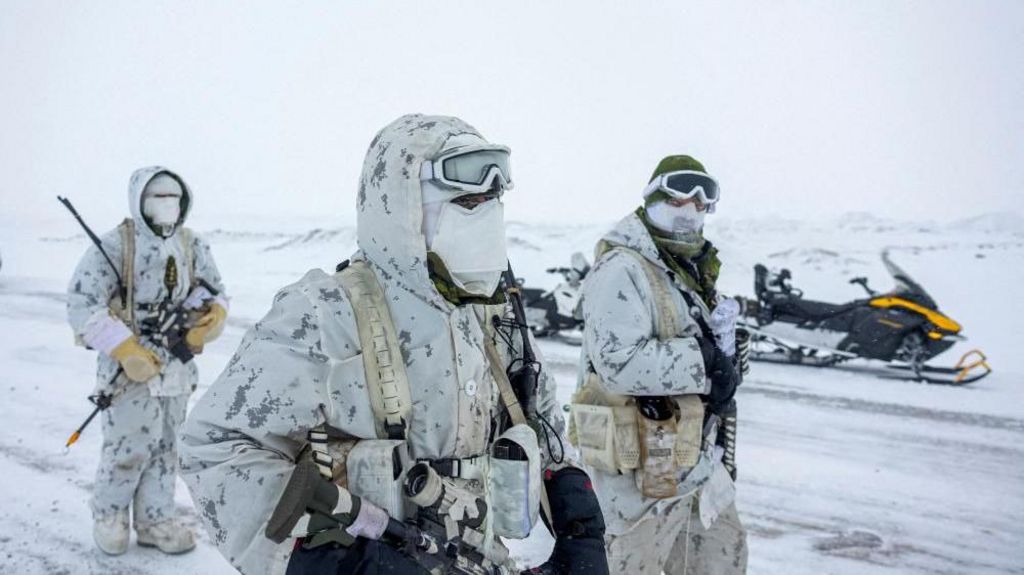
    The rate of attrition — the share of active service members leaving the military each year — has also dipped slightly, a major reversal from 2024, when then-Defence Minister Bill Blair warned that chronic attrition had pushed the force into a “death spiral.” Active service members deployed on a recent Arctic sovereignty and security operation in Canada’s northern Nunavut territory told reporters the new funding package is widely welcomed, and in many cases, has been decades in the making.

    “We’ve been behind for a couple of decades, but at least we’re finally taking action to fix things now,” said Alden Campbell, a first officer with the Royal Canadian Air Force. Campbell noted that the recent restructuring of military pay has given a major boost to troop morale, as has the government’s promise to deliver long-awaited upgraded equipment. “Hopefully I’ll still be in my career long enough to benefit from these upgrades,” he added.

    In late April, the Canadian military confirmed it had enrolled more than 7,000 new active service members in the 2025-2026 fiscal year, the highest annual recruit total in 30 years. That 7,000 figure only accounts for recruits who completed the full enlistment process; total confirmed eligible applications to the Canadian Armed Forces nearly doubled year-over-year as of February, jumping from 21,700 in 2024-2025 to 40,116 this year, according to data shared by Canada’s Department of National Defence. The total number of people who expressed initial interest in enlistment was far higher, reaching nearly 100,000 over the past 12 months, a massive jump from the 36,000 total applications recorded in 2019-2020.

    Travis Haines, a lieutenant colonel in the Canadian Armed Forces, told reporters he attributes a large share of the recruitment surge to the military’s recent efforts to cut through outdated red tape. For years, the military faced heavy criticism for its slow, bureaucratic application process that left many eligible applicants waiting months for a response. In recent years, the force has digitized key parts of the application process — including allowing electronic submission of required eligibility documents — to drastically cut processing times. “There has always been strong public interest in joining, it was just nearly impossible to get through the old system,” Haines explained.

    Another key policy shift that has expanded the applicant pool is the 2022 change opening enlistment to Canadian permanent residents, not just Canadian citizens. Last year, foreign-born permanent residents made up roughly 20% of all new recruits. Now, Canada is laying the groundwork for a major military expansion, with a long-term target of 85,500 active regular service members and a total mobilization reserve force of up to 300,000. Duval-Lantoine noted that Canada has not pursued a mobilization plan of this scale since 2004, a clear sign the country is adjusting its defence posture in response to the ongoing war in Ukraine, where the role of large-scale military manpower has been a defining feature of the conflict. Like its European NATO allies, Duval-Lantoine said, Canada is “preparing for future conflicts by studying the lessons of the current one.”