博客

  • Russia accuses Ukraine of violating U.S.-brokered three-day truce

    Russia accuses Ukraine of violating U.S.-brokered three-day truce

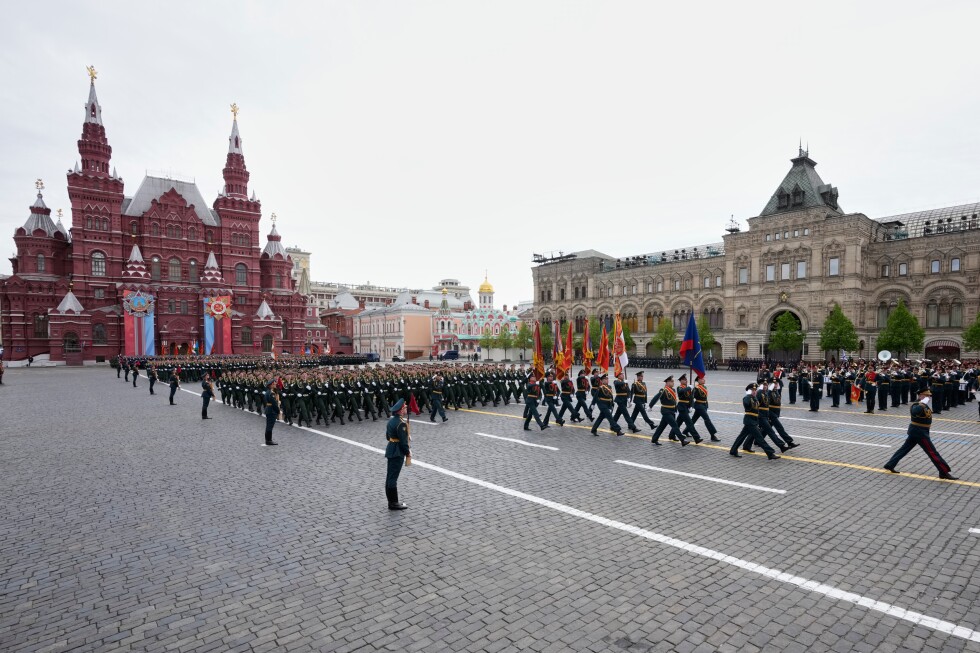
    Hours after a U.S.-brokered three-day ceasefire between Russia and Ukraine entered into force on Saturday, mutual accusations of violations have thrown the temporary truce into chaos, marking a rocky start to the pause in fighting announced by former U.S. President Donald Trump.

    Trump announced Friday that both Moscow and Kyiv had agreed to his request for a ceasefire running from Saturday to Monday, timed to coincide with Russia’s May 9 Victory Day holiday marking the defeat of Nazi Germany in World War II. The agreement also included a planned prisoner swap, with Trump framing the pause in hostilities as a potential turning point, saying it could become the “beginning of the end” of the full-scale war that has dragged on for years.

    The ceasefire quickly saw outbreaks of violence, however, with both sides trading blame for breaches. On Sunday, Russian officials issued sweeping claims of widespread Ukrainian violations. Russia’s Ministry of Defense alleged Kyiv had committed more than 1,000 breaches of the truce terms, according to Russian state media, which cited the ministry’s daily Sunday briefing. The defense ministry claimed Ukrainian forces targeted both civilian sites across multiple Russian regions and Russian military positions along the front line, adding that Russian armed forces had launched “responded in kind” to the Ukrainian attacks.

    In the Russian-occupied portion of Ukraine’s Kherson region, Vladimir Saldo — the Moscow-appointed leader of the area — said two local residents had been injured by Ukrainian cross-border shelling.

    Ukrainian officials have not explicitly accused Moscow of violating the truce, but have confirmed multiple deadly and damaging Russian strikes across Ukrainian territory over the 24-hour period ending Sunday. In Ukraine’s southeastern Zaporizhzhia region, governor Ivan Fedorov confirmed one civilian was killed and three more were wounded in combined artillery and drone attacks.

    Ukraine’s Kherson regional governor Oleksandr Prokudin reported seven wounded civilians from Russian strikes over the same period. In Kharkiv, Ukraine’s second-largest city, regional head Oleh Syniehubov reported late Saturday that five people were injured after a Russian drone strike hit a nine-story apartment building in the city’s industrial district.

    Ukraine’s air force announced Sunday that its air defense units had intercepted and destroyed all 27 of the strike and decoy drones Russian forces launched overnight, a major success for Kyiv’s air defense network.

    Tensions around the Victory Day holiday have added a layer of political theatre to the truce. Ukrainian President Volodymyr Zelenskyy had previously suggested Russian authorities were on edge about possible Ukrainian drone attacks over Moscow’s May 9 parade on Red Square, saying Russian officials “fear drones may buzz over Red Square” during the event. Following Trump’s ceasefire announcement, Zelenskyy issued a mocking statement saying Ukraine would temporarily refrain from striking Red Square to allow the parade to proceed without disruption. The Kremlin dismissed the comment as a “silly joke.”

    This development comes as the international community continues to monitor shifts in the conflict, with the temporary ceasefire raising tentative hopes for de-escalation even as violence continues on the ground.

  • Evacuation of hantavirus-hit ship begins in Canary Islands

    Evacuation of hantavirus-hit ship begins in Canary Islands

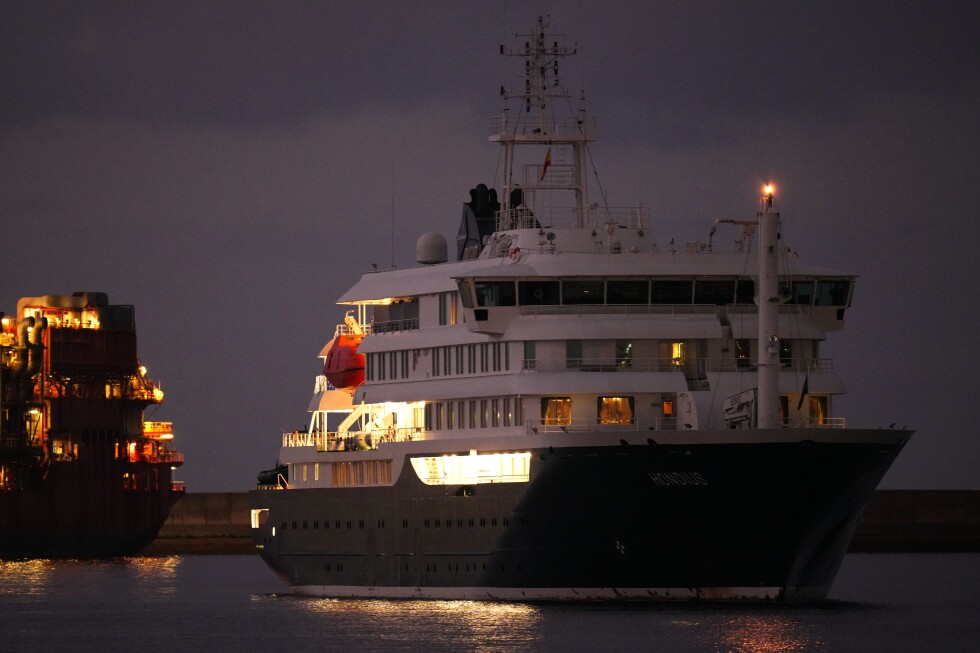
    A large-scale, coordinated repatriation operation got underway Sunday to evacuate passengers and crew from the Dutch-flagged cruise ship MV Hondius, which has been tied to a deadly hantavirus outbreak that has triggered international health concerns. The vessel docked at the Port of Granadilla on the Spanish island of Tenerife, Canary Islands, after weeks of transiting the Atlantic Ocean amid the public health emergency.

    Three passengers on board have already died from complications of the virus: a Dutch couple and a German national. Multiple other people have also fallen ill with the rare pathogen, which most commonly spreads through rodent populations, but the strain identified on the ship — the Andes virus — is the only variant capable of human-to-human transmission, a detail that amplified global alarm. With no licensed vaccines or specific targeted treatments currently available for hantavirus, and the outbreak originating after the ship departed Ushuaia, Argentina — a country where the virus is endemic — in early April, health agencies have been working around the clock to contain the spread.

    Spanish Health Minister Monica Garcia confirmed that all remaining passengers and crew, numbering close to 150, will be evacuated via chartered repatriation flights by the end of Monday. The final flight is scheduled to carry the last group of evacuees to Australia, after which the empty vessel will set sail for the Netherlands.

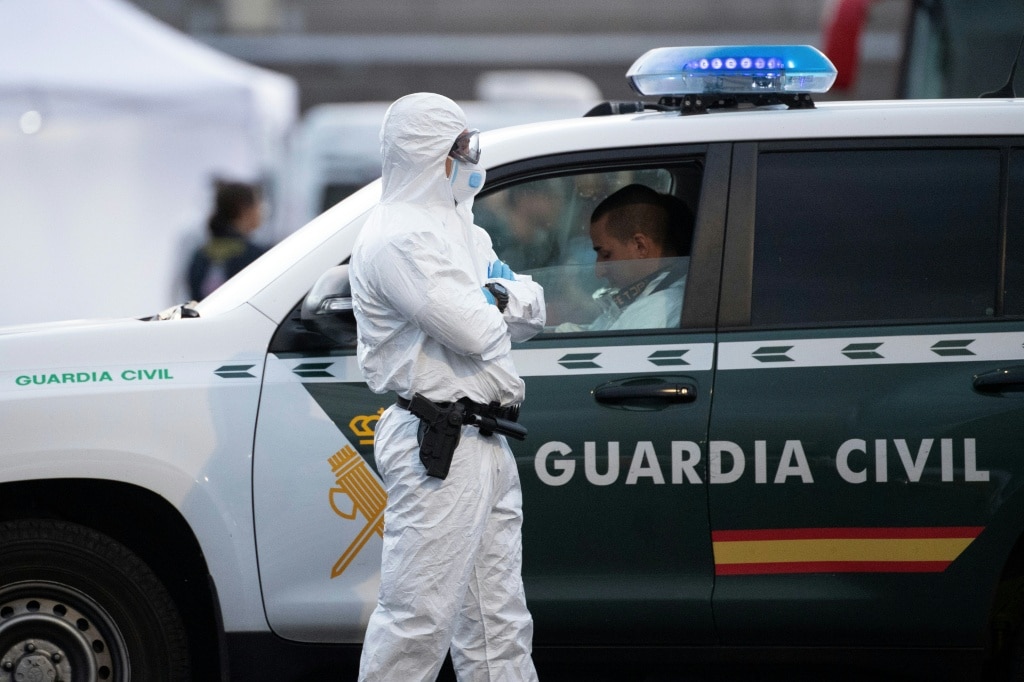
    On-site reporting from Agence France-Presse shows that evacuees, clad in full blue medical protective suits, boarded smaller transfer boats from the anchored cruise ship to reach the Tenerife quay, before being transported via sealed buses to Tenerife South Airport for their outbound flights. Regional authorities originally resisted allowing the vessel to dock, only granting permission for it to anchor offshore initially, and strict protocols have been put in place to eliminate any contact between evacuees and the local Tenerife population. White medical screening tents have been erected along the port, and sections of the small industrial port have been cordoned off by police officers, many of whom are also wearing personal protective equipment.

    Garcia confirmed that all passengers are currently asymptomatic and passed a final comprehensive medical screening before disembarkation was cleared. The evacuation follows a pre-planned order: the 14 Spanish nationals on board were the first to leave, followed by a charter flight for Dutch citizens that will also carry passengers from Germany, Belgium, Greece and additional crew members. Separate chartered flights for passengers from Canada, Turkey, France, the United Kingdom, Ireland and the United States were scheduled to depart throughout Sunday.

    World Health Organization Director-General Tedros Adhanom Ghebreyesus is on site in Tenerife alongside Spanish health officials to oversee the high-stakes containment and evacuation operation. Regional officials have imposed a hard deadline of Monday for the operation to wrap up, as forecasted adverse weather conditions will force the vessel to leave the anchorage area after that point.

    Earlier last week, the WHO confirmed that six of the eight previously suspected hantavirus cases on board have tested positive, and there are no remaining suspected cases among people still on the vessel. The MV Hondius arrived off Tenerife’s coast early Sunday after departing Cape Verde, where three infected passengers were already evacuated to Europe for medical treatment earlier this week. The ship had embarked on its Atlantic crossing from Ushuaia on April 1, and WHO investigators believe the initial infection occurred before the cruise officially began, with secondary spread occurring between people on board the cramped vessel. That conclusion has been disputed by Argentine provincial health official Juan Petrina, who argues that based on the virus’s multi-week incubation period and other epidemiological factors, there is an “almost zero chance” that the initial index case — a Dutch passenger linked to the outbreak — contracted the virus in Ushuaia.

    Despite the international concern, global and Spanish health officials have repeatedly stressed that the overall risk to global public health remains low, pushing back against comparisons that draw parallels between this outbreak and the global Covid-19 pandemic. Health authorities across multiple countries are currently monitoring any passengers who disembarked the MV Hondius at previous stops, as well as all close contacts of those confirmed cases to prevent any secondary spread off the vessel.

  • Anxiety, anticipation as World Cup one-month countdown begins

    Anxiety, anticipation as World Cup one-month countdown begins

    As the clock ticks down to the 2026 FIFA World Cup, the one-month countdown to the historic first three-nation co-hosted tournament kicked off Monday, with a swirl of anticipation tangled in mounting anxiety over soaring ticket costs, political friction and international conflict that have cast a long shadow over football’s biggest global spectacle.

    The 23rd edition of the World Cup is unprecedented in scale: 48 national teams will compete across 104 matches over nearly six weeks, with the United States hosting 78 fixtures, Canada hosting 10, and Mexico hosting 16. The tournament will open on June 11 at Mexico City’s legendary Estadio Azteca, with the final scheduled for July 19 at New Jersey’s 82,500-seat MetLife Stadium. Organizers project billions of dollars in revenue for FIFA, but months of turbulent pre-tournament preparation have left a sour taste for many fans and observers even before the opening kickoff.

    The most vocal outrage has centered on FIFA’s new, drastically inflated pricing structure, which fan advocates have labeled an unethical betrayal of ordinary supporters. The most expensive face-value ticket for the 2026 final sits at a staggering $32,970 — a stark jump from the $1,600 top price for the 2022 World Cup final in Qatar. Football Supporters Europe (FSE) has called the pricing “extortionate”, arguing it has put the tournament out of reach for working-class fans across the globe.

    FIFA President Gianni Infantino has defended the pricing model, arguing that market rates for the U.S. — where the majority of matches take place — justify the high costs, pointing to the country’s well-developed high-cost entertainment sector. Though FIFA claims over 500 million ticket requests have been submitted (a figure 10 times the combined total for the 2018 and 2022 tournaments), many match seats — including that of the U.S. men’s national team’s opening fixture against Paraguay on June 12 in Los Angeles — still remain listed for sale on secondary ticketing platforms. Even former and current U.S. President Donald Trump, a close ally to Infantino, has expressed surprise at the cost, telling the New York Post that even he would not pay $1,000 to attend the U.S. opener.

    Beyond ticket affordability, critics have raised alarms over the tense political climate in the United States following Trump’s re-election to the White House. What was originally marketed as a “Unity Bid” designed to showcase cross-border cooperation between the three North American co-hosts has been upended by Trump’s aggressive policies: he has publicly discussed absorbing Canada into the U.S. as the 51st state and launched new trade wars against both Canada and Mexico. Human rights organizations have warned that the tournament will be marred by exclusion and fear, pointing to Trump’s administration’s crackdowns on immigration, protest and press freedom. Amnesty International has gone further, warning the World Cup risks becoming a “stage for repression”.

    International conflict has added another layer of uncertainty. The February 2026 U.S.-Israeli military strikes on Iran have roiled global markets and raised questions about Iran’s participation in the tournament — a historic first: it is the first time a World Cup host nation has been in active direct military conflict with a participating team before the tournament kicks off. Trump initially suggested Iran withdraw from the tournament for their own safety, but after FIFA insisted Iran would compete as planned (with all three of their group stage matches hosted in the U.S., after a request to move their fixtures to Mexico was rejected), Trump walked back his comment, saying he was “OK” with Iran’s participation, as he looks to gain political advantage from the tournament ahead of this year’s U.S. midterm elections.

    Infantino has repeatedly dismissed growing criticism, framing negative headlines as overblown “negative press” and claiming “it’s very difficult to find something negative around this World Cup”. But his bullish optimism has failed to ease concerns across the global football community. FIFA and tournament organizers are pinning their hopes on on-field action overriding pre-tournament controversy once matches begin, banking on the World Cup’s traditional ability to draw global audiences with dramatic moments and elite football.

    This expanded edition of the tournament will bring no shortage of storylines: defending champions Argentina, led by Lionel Messi, enter as one of the favorites, alongside 2024 European champions Spain, 2018 champions France, and England, which is still chasing its first major men’s tournament title since 1966. For long underrepresented football nations, the expanded 48-team field also marks a historic milestone: Curacao, the smallest nation by population to ever qualify for a World Cup, and Cape Verde will both make their tournament debuts.

  • Bolivia’s fuel shortages and ‘junk gasoline’ drive a surge in electric cars

    Bolivia’s fuel shortages and ‘junk gasoline’ drive a surge in electric cars

    Against a backdrop of persistent gasoline shortages, skyrocketing fuel prices and a damaging fuel quality scandal, a small but fast-growing group of Bolivians are trading their fossil fuel-powered vehicles for electric alternatives, turning a national energy crisis into a quiet shift toward sustainable transportation.

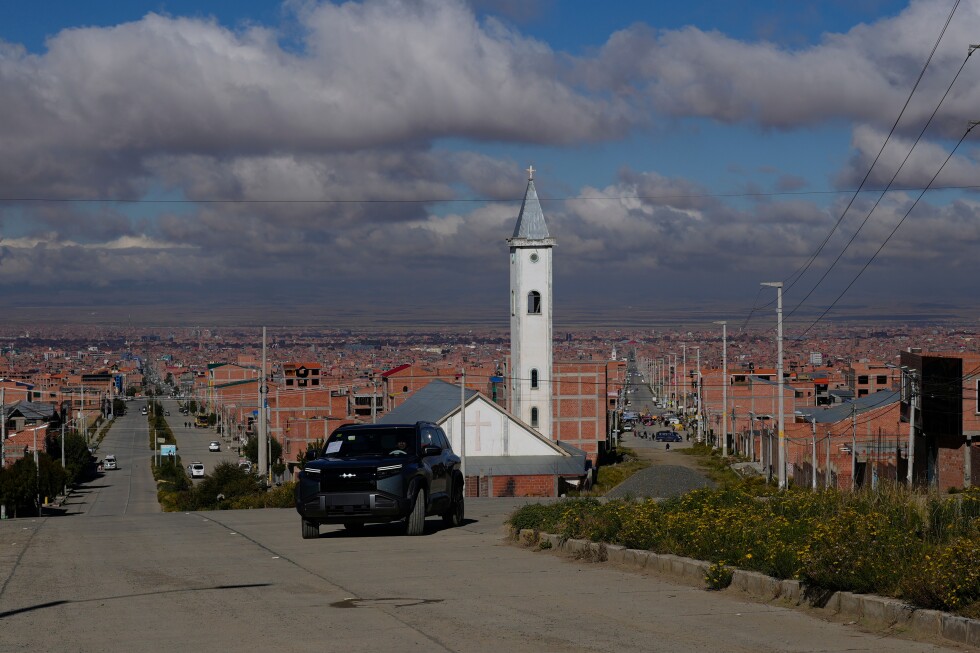
    Simón Huanca, a 53-year-old Indigenous artisan, was one of the early adopters. Fed up with long waits at gas stations and soaring fuel costs that ate into his income, he imported an electric vehicle from China to get around El Alto, Bolivia’s high-altitude urban center. The car now serves double duty: it carries his family around the city and transports alpaca wool to his weaving workshop. To offset the lack of public charging infrastructure, Huanca installed a private charger in his own garage — a necessary workaround, given that just three public stations serve the entire 1.6 million-person metropolitan area covering El Alto and neighboring La Paz. “Since last year, I’ve been looking to switch to an electric car to cut down on running costs,” Huanca explained during a drive through one of the city’s working-class neighborhoods.

    Bolivia’s energy crisis began to escalate in 2023 under former president Luis Arce. For years, the government maintained a costly policy: it purchased fuel at global market rates and sold it to domestic consumers for half the price, an attempt to keep living costs affordable for ordinary Bolivians. But the policy became unsustainable: Bolivia imports 55% of its gasoline and 80% of its diesel, and a shrinking supply of foreign currency left the state unable to continue covering the gap. The subsidy drained more than $2 billion from public coffers every year, and long lines at gas stations became a daily sight across the country.

    Just one month after taking office in December, new President Rodrigo Paz repealed the decades-old subsidy. The immediate result was a near doubling of gasoline prices that hit household budgets hard across the nation. Weeks later, transport operators began reporting that low-quality fuel was damaging their vehicles’ engines. The administration blamed contamination left over from the previous government, claiming that state-owned oil giant Yacimientos Petrolíferos Fiscales Bolivianos had distributed so-called “junk gasoline” contaminated with gum and manganese that had lingered in unused storage tanks. The scandal sparked widespread strikes and protests from transportation workers, and forced the resignation of two top executives at the state oil company.

    For many Bolivians, the risk of further price hikes tied to global volatility from the Iran conflict was the final push to switch. Ever Vera, a 54-year-old lawyer who made the transition to electric, acknowledged the upfront cost of more than $36,000, but said the investment has already paid off. “I no longer waste valuable working hours searching for fuel or paying for vehicle repairs caused by bad gasoline,” Vera noted.

    Official data from Bolivia’s Single Registry for Tax Administration shows the shift is accelerating: the total number of registered electric vehicles in the country has jumped more than sixfold from 500 to 3,352 over the past five years. The sharpest surge has come in the last two years, directly coinciding with the deepening fuel crisis. Even with this rapid growth, electric vehicles still make up less than 0.13% of the estimated 2.6 million total vehicles registered in Bolivia, a nation of nearly 12 million people. The vast majority of electric vehicles on Bolivian roads are imported from China, with the United States a distant second.

    Freddy Koch, an electromobility expert with independent nonprofit Swisscontact, described the growth trajectory as exponential. While early adopters are mostly wealthier Bolivians who can afford the upfront investment, Koch expects electric vehicles to gain mass appeal quickly, predicting the total number could triple in just two to three years. Policy changes have also supported the boom: President Paz has eliminated all import tariffs on automobiles, a move that expanded the pool of importers and increased competition, driving down the cost of bringing electric vehicles into the country.

    The rising demand has also created new economic opportunities for local workers. Marcelo Laura, a 38-year-old electrician, recently carved out a lucrative new niche installing private charging stations for residential and commercial customers, filling a gap left by the lack of public infrastructure. “There still aren’t nearly enough public charging stations,” Laura said. “A year ago, I would never have imagined that electric cars would become this popular this quickly in Bolivia.”

  • Death toll rises to 14 in Pakistan suicide attack. Pakistan Taliban splinter group claims blast

    Death toll rises to 14 in Pakistan suicide attack. Pakistan Taliban splinter group claims blast

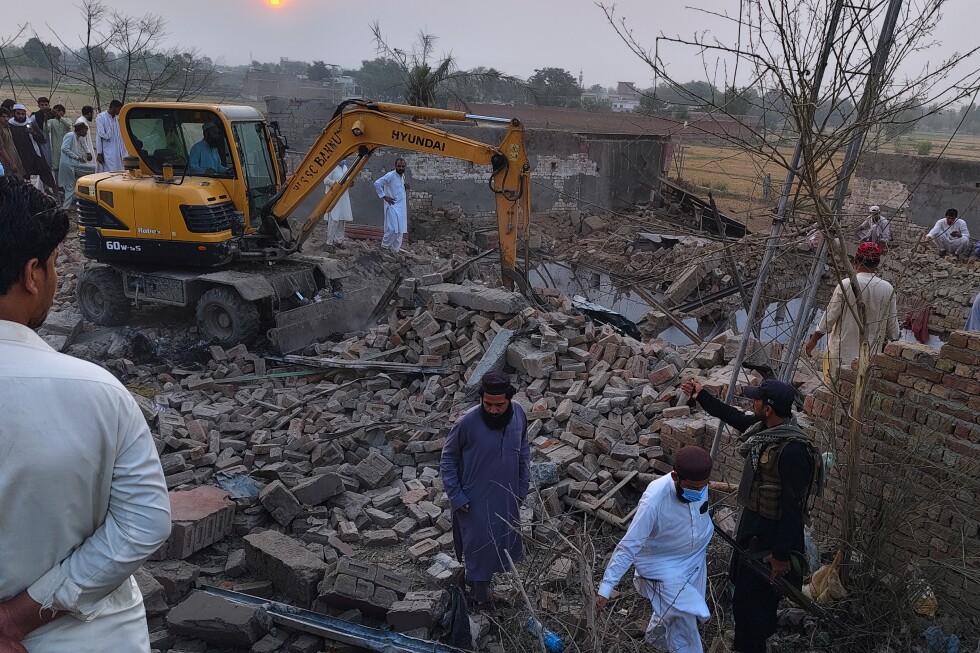
    In the early hours of Sunday, Pakistani authorities confirmed a grim update to a devastating weekend attack: the death toll from a suicide bombing targeting a security outpost in the country’s northwest has climbed to 14 police officers, with a breakaway Taliban-aligned militant faction claiming credit for the violence. The assault unfolded late Saturday near the town of Bannu, a district in Khyber Pakhtunkhwa province that sits along Pakistan’s porous border with Afghanistan, according to senior police commander Sajjad Khan.

    Khan detailed that the attack combined multiple layers of assault: a suicide bomber driving a vehicle packed with explosives detonated the device close to the security post, before several armed gunmen moved on the position. The blast and subsequent incursion sparked a fierce, close-quarters gunfight between the attackers and responding officers. Some law enforcement personnel were killed during the exchange of fire, while others lost their lives when the security post’s structure collapsed under the force of the explosion.

    Rescue teams launched a protracted search operation spanning multiple hours, deploying heavy construction equipment to clear rubble and recover the remains of fallen officers. Khan confirmed that three additional officers were injured in the attack, and that Pakistani security forces have already initiated a manhunt to locate and apprehend any surviving perpetrators linked to the assault.

    Shortly after the attack, a newly established militant organization calling itself Ittehad-ul-Mujahideen Pakistan issued a statement to journalists claiming responsibility for the bombing. While the group frames itself as an independent coalition formed by breakaway factions of Tehrik-e-Taliban Pakistan (TTP) – Pakistan’s primary domestic Taliban insurgent group – Pakistani government officials have long alleged that Ittehad-ul-Mujahideen operates as a front organization for the TTP to obscure its direct involvement in attacks.

    The bombing comes amid a marked resurgence of militant violence across Pakistan over the past several years, with the vast majority of major attacks attributed to the TTP. The TTP is a distinct insurgent group aligned with the Afghan Taliban, which regained national control of Afghanistan following the U.S. military withdrawal in 2021. The Pakistani government has repeatedly leveled accusations that the Afghan Taliban administration provides safe haven and logistical support to TTP fighters operating from Afghan territory, claims that Kabul has consistently denied.

    Cross-border tensions between the two neighboring countries have simmered at dangerous levels for months, with open armed clashes between Pakistani and Afghan forces claiming hundreds of lives on both sides since late February. In an attempt to de-escalate the standoff, senior diplomatic and security officials from both nations held peace talks mediated by China in early April. While the talks succeeded in reducing the intensity of cross-border violence, sporadic small-scale clashes have continued along the shared border in the weeks since the diplomatic meeting.

  • Hantavirus-stricken cruise ship arrives at Tenerife in Spain’s Canary Islands

    Hantavirus-stricken cruise ship arrives at Tenerife in Spain’s Canary Islands

    TENERIFE, Spain — A cruise ship impacted by a hantavirus outbreak, carrying over 140 passengers and crew members, has safely reached the port of Tenerife, the largest island in Spain’s Canary Islands archipelago located off the western coast of Africa. Preparations are now underway for a controlled disembarkation process for passengers and a portion of the vessel’s crew.

    According to joint statements from the World Health Organization (WHO), Spanish national and local health authorities, and the ship’s operator Oceanwide Expeditions, none of the people currently remaining on board the MV Hondius are exhibiting any clinical signs of hantavirus infection at this time. The outbreak has already claimed three lives, and five former passengers who departed the vessel at an earlier stage of the journey have tested positive for the pathogen, which is known to cause severe, potentially fatal respiratory or renal illness in humans.

    High-level officials including WHO Director-General Tedros Adhanom Ghebreyesus, alongside Spain’s Minister of Health and Minister of the Interior, were on site to oversee the coordinated evacuation operation. Spanish authorities have emphasized strict biosecurity protocols to prevent community spread: all disembarking passengers and crew will remain completely isolated from the local Tenerife population at all times. No one will be allowed to leave the ship until chartered evacuation flights are fully prepared to transport each individual directly back to their home countries.

  • The British military says a ship caught fire after being hit off the coast of Qatar

    The British military says a ship caught fire after being hit off the coast of Qatar

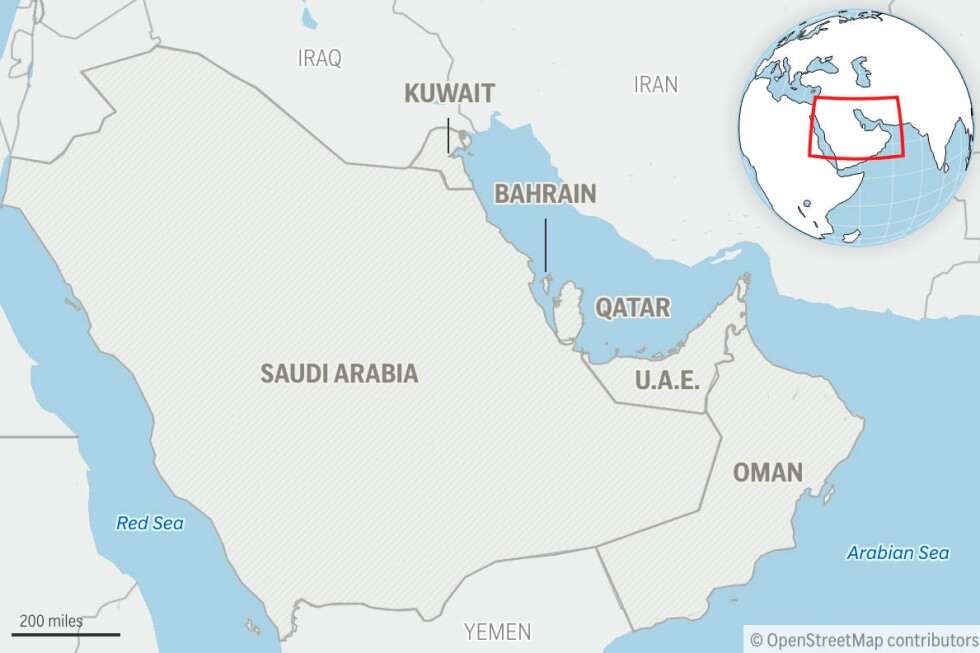
    DUBAI, United Arab Emirates – A new flare-up of maritime violence has hit the Persian Gulf, with British military officials confirming that a commercial bulk carrier suffered a projectile strike and subsequent fire off Qatar’s northeastern coast on Sunday. The United Kingdom Maritime Trade Operations Centre (UKMTO), the body that monitors security for international shipping in the region, confirmed the incident took place roughly 23 nautical miles, or 43 kilometers, northeast of Doha, Qatar’s capital. Following the impact, a small blaze broke out aboard the vessel, but crews were able to quickly contain and extinguish the fire, with no injuries or fatalities reported among the ship’s crew as of Sunday’s update.

    This attack marks the latest in a string of maritime assaults that have rocked the already unstable Persian Gulf region, coming into effect after a fragile temporary ceasefire between the United States and Iran failed to resolve long-simmering hostilities. Just over 48 hours before the Qatar coast incident, the U.S. military launched strikes against two Iranian-owned oil tankers, with U.S. officials claiming the vessels were attempting to violate a Washington-imposed naval blockade on Iranian commercial ports.

    In response to that U.S. action, Iran’s Revolutionary Guard Navy issued a sharp warning, stating that any future attack on Iranian oil tankers or other commercial vessels operating under Iranian jurisdiction will be met with an overwhelming, heavy retaliatory strike targeting U.S. military bases in the Middle East and enemy commercial and military ships operating in the region.

    Tensions have remained elevated in the region since the United States and Israel launched a joint military campaign against Iran on February 28. In the wake of that campaign, Iran has severely restricted traffic through the Strait of Hormuz, the critical strategic waterway that carries roughly a fifth of the world’s daily global oil supplies. The restriction has triggered a sharp spike in global fuel prices and sent volatility through international financial and energy markets.

    Former U.S. President Donald Trump has repeatedly issued public threats to resume full-scale bombing campaign against Iran unless the Iranian government agrees to a deal that would fully reopen the Strait of Hormuz and roll back Tehran’s nuclear development program, further raising the stakes for a potential wider regional conflict.

  • Hantavirus-hit cruise ship arrives in Spain’s Canary Islands

    Hantavirus-hit cruise ship arrives in Spain’s Canary Islands

    A cruise ship grappling with a fatal hantavirus outbreak that has claimed three lives reached waters off Spain’s Canary Islands on Sunday, kicking off a tightly controlled evacuation operation for most of the nearly 150 people on board after weeks of sailing across the Atlantic.

    The Dutch-flagged MV Hondius, operated by expedition cruise company Oceanwide Expeditions, was escorted into the port of Granadilla de Abona by a Spanish Civil Guard patrol vessel, AFP correspondents on site confirmed, with vessel tracking data from VesselFinder independently verifying its arrival.

    Three passengers — a married Dutch couple and a German national — have already died from the rare viral infection, which is most commonly spread through rodent populations. Alarmingly, tests have confirmed the presence of Andes virus, the only strain of hantavirus capable of human-to-human transmission, among confirmed cases, prompting coordinated international public health monitoring.

    Speaking ahead of the ship’s arrival, World Health Organization (WHO) Director of Epidemic and Pandemic Preparedness Maria Van Kerkhove classified every person on board the vessel as a “high-risk contact” for exposure. However, she and WHO Director-General Tedros Adhanom Ghebreyesus — who traveled to Spain to oversee the evacuation response — repeatedly emphasized that the overall risk to the general public and residents of the Canary Islands remains very low.

    In a public letter to the people of Tenerife, Tedros sought to quash comparisons to the early stages of the COVID-19 pandemic, writing, “This is not another Covid.” He added that he was confident Spanish authorities, who have been preparing for the operation for days, would carry it out successfully, noting “Spain is ready and prepared.”

    On the ground Sunday morning, AFP reporters observed white medical screening tents erected along the quay, with local police securing a restricted perimeter around the evacuation zone. Despite the high-profile public health response, daily life across Tenerife remained largely uninterrupted: residents swam at nearby beaches, shoppers visited local markets, and patrons gathered at outdoor cafe terraces. Local lottery vendor David Parada noted that while there was quiet underlying worry, most residents did not appear overly alarmed by the ship’s arrival.

    Regional authorities opted against allowing the vessel to dock permanently, a precautionary measure that means the MV Hondius will remain anchored offshore while the evacuation is carried out Sunday and Monday. Weather conditions only permit the operation during this narrow window, public health officials confirmed. Evacuation began around 7:00 GMT Sunday, with all passengers and a small core crew set to disembark before the ship sails onward to the Netherlands. Once they leave the vessel, evacuees will be transported directly to chartered aircraft organized by nationality for repatriation.

    As of Friday, the WHO had confirmed six cases of hantavirus out of eight initial suspected cases on board, with no new suspected cases remaining. The ship had previously sailed from Cape Verde, where three infected passengers were evacuated earlier this month. The voyage began back on April 1, when the MV Hondius departed Ushuaia, Argentina for an Atlantic crossing to Cape Verde. Local Argentine health officials have concluded that the first infected passenger had an “almost zero chance” of contracting the virus in Ushuaia, based on the pathogen’s incubation period and other available data.

    Health agencies across the globe have launched contact tracing operations for passengers who left the ship at earlier stops, as well as anyone who has had close contact with known infected people. A KLM flight attendant who had brief exposure to one infected passenger and developed mild symptoms tested negative for the virus, the WHO confirmed Friday. That infected passenger, the wife of the first fatality in the outbreak, was removed from a Johannesburg-to-Amsterdam flight before takeoff on April 25 and died the next day in a South African hospital.

    In Spain, a woman who was on that same flight and developed symptoms has been placed in isolation in a hospital in the eastern part of the country while awaiting test results. Two Singaporean passengers who were on the MV Hondius tested negative but remain in quarantine as a precaution, Singaporean health authorities announced Friday. British health officials also reported a suspected case on Tristan da Cunha, a remote Atlantic island settlement home to roughly 220 residents.

  • Iran war disruptions spark higher costs and lost income in Bangladesh

    Iran war disruptions spark higher costs and lost income in Bangladesh

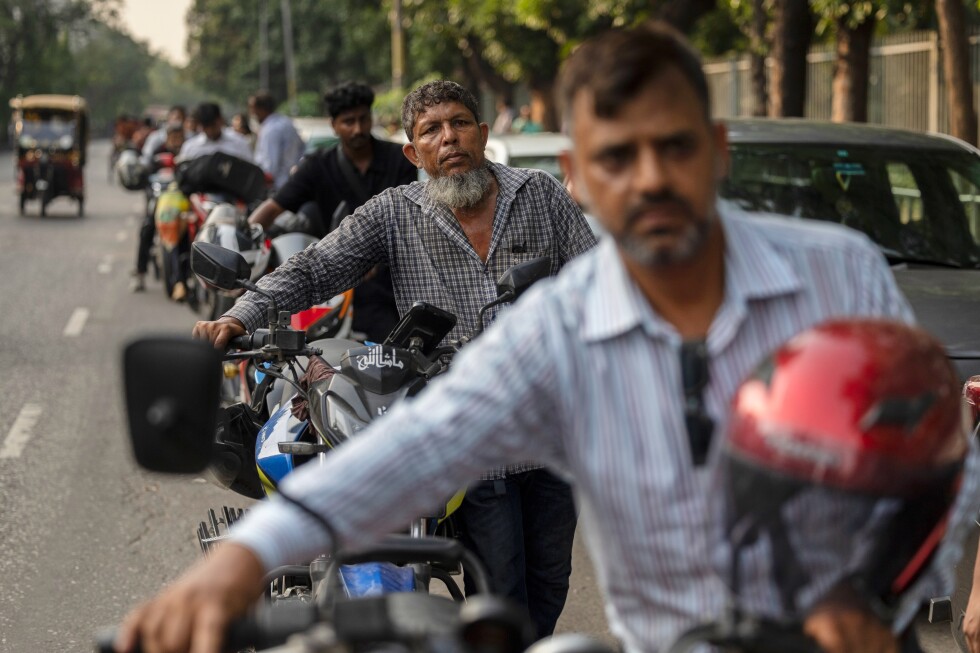
    For 53-year-old Tariqul Islam, the economic damage of escalating Middle East conflict arrived not on distant battlefields, but at the fuel pumps of Dhaka, Bangladesh’s crowded capital. A year and a half ago, Islam lost all his savings when his small clothing business collapsed, forcing him to turn to motorbike ride-sharing to support his four children, two of whom are pursuing higher education. Until just weeks ago, he spent the majority of his working days queued for fuel, caught in supply chain disruptions that have rippled thousands of miles from the war in Iran to the streets of South Asia.

    Islam’s struggle is far from an isolated hardship. Bangladesh, a nation of 170 million people that relies almost entirely on imported fuel to power its economy, is facing a broad-based energy crunch that has upended daily life, slowed industrial production, and cast a shadow over long-term growth prospects. While temporary government measures have slightly eased supply in recent days, shortening queues at fuel stations, lingering uncertainty continues to weigh on households and businesses across every sector.

    Bangladesh is far from alone in facing this crisis. Across the entire Asian continent, nations dependent on imported oil and gas are grappling with war-driven energy price spikes that have strained national budgets and household finances alike. Much of global energy trade passes through the Strait of Hormuz, a narrow waterway that accounts for roughly one-fifth of the world’s total oil and natural gas shipments, making the entire region acutely vulnerable to disruptions sparked by conflict in Iran. For importing nations, the result has been soaring inflation, eroded purchasing power for working families, and spiking operating costs that have disrupted supply chains across every industry from manufacturing to transportation.

    In late April, the Asian Development Bank responded to the turmoil by downgrading its growth forecast for developing Asia and the Pacific, projecting regional expansion of just 4.7% in 2026, while inflation is expected to climb to 5.2% amid rising oil prices and tightening global financial conditions.

    For ordinary Bangladeshis like Islam, the situation has become untenable. “My family was managing fairly well through ride-sharing,” he explained. “But after the fuel shortage began, I would buy enough fuel one day to run the bike for two days. As a result, I had to sit idle for one day, which reduced my income.” If the conflict drags on and conditions do not improve, Islam says he has no choice but to abandon life in the capital and relocate his family back to his rural home village, where he hopes to find an alternative source of income. “It is not possible to survive in Dhaka by doing ride-sharing under these conditions,” he said.

    The crisis is also putting unprecedented strain on Bangladesh’s public finances. If global energy prices remain at their current elevated levels, the government will be forced to spend an additional $1.07 billion on liquefied natural gas (LNG) subsidies in the second quarter of 2026 alone. To offset the gap, authorities have already implemented a series of austerity measures, including shutting state-owned fertilizer factories to redirect limited gas supplies to power plants, imposing mandatory restrictions on evening operating hours for shopping malls, and rolling out fuel rationing systems. Bangladesh has also reached out to neighboring India for additional fuel supplies, a request India has met positively thanks to its own diversified fuel import network that includes shipments from Russia.

    The World Bank projects Bangladesh’s economic growth will slow to just 3.9% in the fiscal year ending June 2026, with a prolonged conflict in the Middle East expected to further fuel inflation, widen the country’s current account deficit, and increase pressure on public finances through higher energy subsidy obligations. Jean Pesme, the World Bank’s division director for Bangladesh and Bhutan, noted that the economy was already grappling with pre-existing vulnerabilities on the growth and employment fronts before the energy crisis hit. “The rising costs now are obviously making the fiscal situation more difficult,” Pesme explained, adding that authorities must proceed with caution when considering fuel price hikes, as higher costs would disproportionately harm small-scale farmers and the agricultural sector that supports much of Bangladesh’s rural population.

    The most severe damage is hitting Bangladesh’s economic backbone: the $39 billion garment export industry, which employs roughly 4 million workers, the vast majority of whom are women from low-income rural backgrounds. As the world’s second-largest garment exporter behind China, any major disruption to the sector has cascading consequences for the entire national economy.

    Industry leaders report that the energy crisis has driven a sharp jump in operating costs while export demand has weakened. Anwar-Ul Alam Chowdhury, president of the Bangladesh Chamber of Industries, says shipments to key markets in Europe and the United States have already fallen between 5% and 13% in recent months. Since the outbreak of the latest conflict in Iran, overall factory output has dropped by 30% to 40%, while overall business costs have surged 35% to 40%. Chowdhury warns that persistent instability could erode international buyer confidence, allowing competitor nations including India, Vietnam and Cambodia to capture critical market share from Bangladesh.

    For individual manufacturers, the crisis plays out on factory floors every day. Alvi Islam, director of Arrival Fashion Limited, a garment exporter that ships $40 million in products annually, says the company now must run diesel generators for at least four hours per working day to offset frequent power cuts. Energy-driven cost increases are also hitting input materials: petroleum-based products including sewing thread, plastic poly bags for packaging, and shipping cartons have all grown far more expensive. “For that reason, the cost of doing business for exporting garments has increased quite significantly in past one month,” he said.

    For the millions of low-wage workers who depend on the garment industry for their livelihoods, the uncertainty has sparked deep fear for the future. Mosammet Runa, a 35-year-old garment worker who earns roughly $200 per month alongside her husband to support their family of six, says a prolonged conflict could put millions out of work. “Millions of people like us depend on this industry. It is how we survive,” she said. “We are innocent people. The world should not make us victims.” Many across the country share her hope: that the conflict in Iran will end quickly, allowing supply chains to stabilize and life to return to normal.
  • The Cannes Film Festival is about to begin. Here are the key films making their debut

    The Cannes Film Festival is about to begin. Here are the key films making their debut

    For 12 consecutive days starting this Tuesday, the global film industry will turn its full attention to the sun-drenched shores of the French Riviera, where the annual Cannes Film Festival – one of the most prestigious and influential cinematic showcases on the planet – opens its doors to premieres, red-carpet galas, and the unveiling of what could be the next crop of award-winning hit films.

    Now in its 78-plus year of operation, the festival has long held a unique reputation as both a world-class platform for groundbreaking cinema and a glamorous cultural spectacle that draws A-list talent, top directors, and film lovers from every corner of the globe. History shows that a premiere launch at Cannes often paves the road to Oscar success: recent Palme d’Or contenders and winners including *Parasite* and *Anora* have gone on to take home the Academy Award for Best Picture, and last year’s Cannes lineup featured multiple eventual Oscar nominees such as *Sentimental Value*, *The Secret Agent*, and *It Was Just an Accident*. This year’s 12-day event is expected to produce similarly future award contenders, though major Hollywood studios will largely stay on the sidelines for 2025.

    Leading this year’s jury, tasked with awarding the festival’s top honor the Palme d’Or, is celebrated South Korean filmmaker Park Chan-wook. The opening ceremony will also kick off a series of honorary Palme d’Or recognitions, with legendary New Zealand director Peter Jackson receiving the first honor this year, followed by iconic entertainer Barbra Streisand at a later date. Beyond the official festival screenings, pop culture fans have an extra point of interest: HBO’s hit series *The White Lotus* is currently filming its fourth season on the Croisette, Cannes’ iconic waterfront promenade, bringing a dose of small-screen star power to the city.

    This year’s official lineup leans heavily into work from world-renowned auteur directors, with highly anticipated features spanning genres, languages, and storytelling styles. One of the buzziest entries is Na Hong-jin’s long-in-development sci-fi thriller *Hope*, a genre-bending project that festival artistic director Thierry Fremaux says constantly shifts creative directions. The film features a cross-cultural cast mixing top Korean talent Hwang Jung-min, Zo In-sung, and Jung Ho-yeon with Hollywood stars Michael Fassbender, Alicia Vikander, and Taylor Russell, and many industry observers predict it could mark Na’s global breakthrough.

    Another high-profile American addition is James Gray’s *Paper Tiger*, a Queens-set crime drama that was a late addition to the competition slate. Starring A-list leads Adam Driver, Miles Teller, and Scarlett Johansson, the film centers on two brothers who get tangled up with the Russian mafia, and it has quickly become one of the most anticipated American films of this year’s festival. Romanian master Cristian Mungiu, a former Palme d’Or winner for *4 Months, 3 Weeks and 2 Days*, returns to competition with *Fjord*, starring Sebastian Stan and Renate Reinsve as a Romanian-Norwegian couple who relocate to the wife’s isolated rural hometown in Norway.

    In the Un Certain Regard sidebar, Jane Schoenbrun – one of the most talked-about new voices in contemporary American independent cinema – presents *Teenage Sex and Death at Camp Miasma*, a slasher-movie-set story starring Hannah Einbinder and Gillian Anderson. Polish auteur Pawel Pawlikowski, famous for his stripped-back, black-and-white period dramas *Ida* and *Cold War*, debuts his third feature in this creative vein: *Fatherland*, which follows German author Thomas Mann on a post-World War II road trip, starring Hanns Zischler in the lead role alongside Sandra Hüller as his daughter.

    Japanese master Ryusuke Hamaguchi, who made history with the Oscar-nominated *Drive My Car*, makes his French-language debut with *All of a Sudden*, a thoughtful drama starring Virginie Efira and Tao Okamoto centered on a nursing home director and a terminally ill Japanese playwright. Fellow beloved Japanese filmmaker Hirokazu Kore-eda – a former Palme d’Or winner for *Shoplifters*, celebrated for his gentle, empathetic storytelling – ventures into sci-fi territory with *Sheep in the Box*, which follows a grieving couple who adopt an infant humanoid robot after losing their own son.

    Ira Sachs’ *The Man I Love* was the only American film selected for competition before James Gray’s late addition, and it sees Rami Malek take on the lead role as an actor with a life-threatening illness in 1980s New York, preparing for what may be his final performance. French filmmaker Arthur Harari, who co-wrote 2023 Palme d’Or winner *Anatomy of a Fall*, steps into the director’s chair for competition with *The Unknown*, a body-swap drama starring Léa Seydoux about a photographer who wakes up in the body of a woman he followed after photographing her at a party. Acclaimed Russian director Andrey Zvyagintsev, whose previous works *Leviathan* and *Loveless* earned Oscar nominations, returns to Cannes after a near-fatal illness during the COVID-19 pandemic with *Minotaur*, a drama about a business executive facing a personal crisis in rural Russia.

    Among special screenings, Steven Soderbergh’s documentary *John Lennon: The Last Interview* has already drawn major headlines for its creative use of artificial intelligence to visualize John Lennon’s philosophical reflections, drawn from the final interview the Beatles icon gave at his New York home the Dakota shortly before his 1980 assassination. The film promises audiences an unprecedented intimate look at one of the most influential musicians of the 20th century. Finally, Spanish auteur Pedro Almodovar, a longtime Cannes favorite, debuts his deeply personal new melodrama *Bitter Christmas*, a multi-layered story exploring filmmaking, grief, and aging that marks a return to Almodovar’s native Spanish language and Spanish setting after his recent English-language feature *The Room Next Door*.