博客

  • A political dynasty heiress and a former trade minister advance to Peru’s presidential runoff

    A political dynasty heiress and a former trade minister advance to Peru’s presidential runoff

    LIMA, Peru — After final vote tallies were certified Friday, Peru has locked in its two candidates for the June 7 presidential runoff election, pitting a scion of one of the country’s most powerful political families against a nationalist former trade minister who has vowed to upend Peru’s long-standing mining policy. This runoff will shape the future of a nation that has seen eight presidents in just a decade, grappling with widespread public anger over crime and corruption even as its resource-driven economy holds strong against chronic political instability.

    Final official results from the April 12 first-round vote confirm that conservative Keiko Fujimori, leader of the Fuerza Popular party and daughter of disgraced former president Alberto Fujimori, secured first place with 17.18% of the vote. Trailing narrowly at 12.03% was nationalist congressman Roberto Sánchez of the Juntos por el Perú party, who edged out 33 other contenders to claim the second runoff spot. Both candidates have centered their campaigns on addressing Peru’s skyrocketing violent crime rate, which ranks as the top concern for most Peruvian voters.

    The first-round election was marred by widespread logistical failures, including widespread ballot shortages that left thousands of eligible voters both in Peru and overseas unable to cast their ballots on election Sunday. Authorities responded by extending voting for more than 52,000 Lima voters on Monday, as well as for Peruvian citizens registered in two U.S. voting locations: Orlando, Florida, and Paterson, New Jersey. Ballot access issues have already spurred an official investigation, with police raiding the former election chief’s home and a Peruvian court setting a mid-May deadline for the completion of official vote counting.

    The election unfolded against a backdrop of soaring violent crime and persistent corruption scandals that have left most Peruvian voters deeply disillusioned, with widespread public distrust of nearly all candidates’ integrity and preparedness to lead. In response to voter anger, dozens of first-round candidates put forward hardline crime proposals, including plans for mega-sized prisons, restricted inmate meals, and a return of the death penalty for serious offenses.

    Against this turbulent political landscape, Peru’s economy has emerged as an unexpected bright spot. As the world’s second-largest copper producer, the country has posted consistent 3% annual growth across 2024 and 2025, defying predictions that the constant turnover of presidents—three have held office since October alone—would derail economic performance. The mining sector that drives this growth is now one of the biggest points of contention between the two runoff candidates.

    The upcoming June contest echoes Peru’s 2021 presidential runoff, which also featured Fujimori as a candidate. That year, she faced off against rural schoolteacher and political outsider Pedro Castillo, whom Sánchez has openly supported and even emulates by wearing Castillo’s signature wide-brimmed campaign hat. Castillo defeated Fujimori by a narrow margin of roughly 42,000 votes, fueled by overwhelming support from low-income rural communities, but his presidency ended in impeachment and arrest in December 2022 after he attempted to dissolve Congress to block an impeachment vote.

    This marks Fujimori’s fourth run for the presidency. She has run on a promise of a hardline crackdown on rising crime, but her record is contradictory: her party supported legislation in recent years that legal experts say undermines criminal prosecutions, including measures that eliminated preliminary detention for certain offenses and raised the legal bar for seizing assets tied to organized crime. Sánchez has pledged to repeal these same laws, while also promising to strengthen police intelligence units to combat extortion, a crime that has increased fivefold across Peru in the last five years.

    On economic policy, Sánchez has broken with the market-friendly policies that have defined Peru for the last two decades. His core proposal is a sweeping overhaul of the country’s mining sector: he has promised to renegotiate existing contracts with foreign mining firms to increase state tax revenues, grant rural indigenous communities partial ownership stakes in mines operating on their land, and ban harmful open-pit mining operations. Political analysts note these reforms face steep odds, however, as Sánchez’s party does not currently hold a majority in congress.

    Will Freeman, a Latin America Studies fellow at the Council on Foreign Relations, noted that Fujimori holds a key structural advantage: she is one of Peru’s only remaining national career politicians, heading the country’s only enduring political organization with a full nationwide infrastructure. Freeman argued this structure could help her deliver on crime policy, but that her track record suggests any crackdown would be inconsistent. He pointed to the irony of Fujimori’s history: in the 2010s, her party supported anti-organized crime legislation that prosecutors later used to open corruption investigations against Fujimori herself, leading the party to roll back many of those same anti-crime measures in subsequent years.

    The winner of the June 7 runoff will be sworn in for a five-year presidential term on July 28.
  • Ukraine can down Russian drones en masse. But missiles are a problem

    Ukraine can down Russian drones en masse. But missiles are a problem

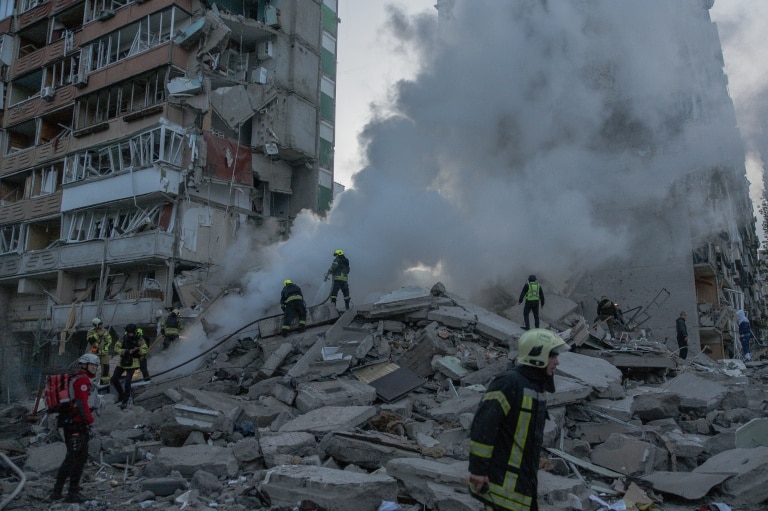
    A devastating seven-hour Russian aerial assault on Ukraine’s capital Kyiv earlier this week that killed 24 civilians and left residential buildings in ruins has laid bare a critical and dangerous divide in Ukraine’s air defense capabilities, nearly four years into the full-scale invasion.

    After years of constant combat, Ukraine has honed an extremely effective homegrown network to combat Russian long-range drones – a success that has drawn admiration even from advanced global militaries. In this latest wave of attacks, Russia launched 675 drones and 56 missiles targeting Kyiv and other populated areas. Ukraine’s integrated defense system, which combines electronic jamming technology, anti-aircraft artillery, fighter jets and helicopters, and small interceptor drones, managed to shoot down all but 22 of the incoming drones, a 97% success rate. President Volodymyr Zelensky publicly commended his air forces for achieving a 94% overall drone interception rate across recent attacks.

    But when it comes to Russian ballistic and cruise missiles, the picture is drastically different. Fifteen of the 56 missiles fired in this week’s barrage penetrated Ukrainian defenses, and Ukrainian officials confirm these missiles were responsible for nearly all of the attack’s civilian casualties and structural damage. This gap exposes a chronic, acute shortage of the advanced Western anti-missile systems and their costly ammunition that Ukraine needs to stop incoming projectiles.

    “The real damage was done by missiles, especially in Kyiv,” said Sergii Beskrestnov, an advisor to Ukraine’s defense minister, following the assault. Zelensky echoed the assessment, acknowledging that “the most difficult challenge is defending against ballistic missiles.”

    Zelensky has repeated urgent calls to Western allies for additional support, pushing for faster arms deliveries through the PURL procurement platform that partner nations use to source U.S.-made weapons for Kyiv. Shortly after the attack, British Defense Secretary John Healey announced London would speed up deliveries of British air defense and counter-drone systems to Ukraine. But a growing global shortage of anti-missile ammunition, exacerbated by concurrent defense demands in the Middle East, has left Ukraine in a precarious position.

    The most capable system Ukraine operates against ballistic missiles is the U.S.-made Patriot battery, whose PAC-3 interceptor missiles cost roughly $4 million apiece. The U.S. only produces around 600 of these interceptors annually, and multiple interceptors are often required to destroy a single incoming missile. Zelensky noted that Middle Eastern allies recently used 800 PAC-3 interceptors to fend off Iranian drone and missile attacks – a total number Ukraine has never had access to across its entire four-year war. One senior Ukrainian official told AFP bluntly that the interceptors “have become harder to find.”

    Even before this latest massive barrage, Ukrainian air force spokesman Yuriy Ignat told local media that ammunition was already being rationed due to persistent supply chain issues. “The launchers that are part of certain units and batteries are half-empty — and that’s putting it mildly,” Ignat said, adding that stockpiles were already depleted after Russia’s sustained winter campaign targeting Ukraine’s energy infrastructure. He added that Ukrainian negotiators are often forced to beg allies for as few as five to 10 additional Patriot interceptors at a time.

    While short-term solutions remain scarce, long-term and even some medium-term pathways do exist. Ukraine’s proven track record defeating Iranian-designed drones has caught the attention of wealthy Gulf nations, which have faced repeated attacks from the same type of drones. On multiple diplomatic visits to the region, Zelensky has signed several new air defense cooperation agreements, with details still under wraps. He has publicly proposed a trade: Ukraine shares its hard-earned anti-drone expertise with Gulf states, in exchange for Patriot ammunition or investment in Ukraine’s domestic defense production. Lockheed Martin, the manufacturer of the Patriot system and PAC-3 interceptors, has also announced plans to ramp up production over the next seven years to meet global demand. Over time, Ukraine can also expand its own domestic defense production with Western backing.

    Yet for the immediate threat Russia poses, options are severely limited, according to Jade McGlynn, a research fellow in the Department of War Studies at King’s College London. “Bluntly I can’t see any significant solution or significant improvement that is available in the short term, beyond just giving Ukraine more of the air defence systems that are a bit more available than the Patriots,” McGlynn told AFP.

  • UK media regulator says X promises to crack down on terrorist and hate content

    UK media regulator says X promises to crack down on terrorist and hate content

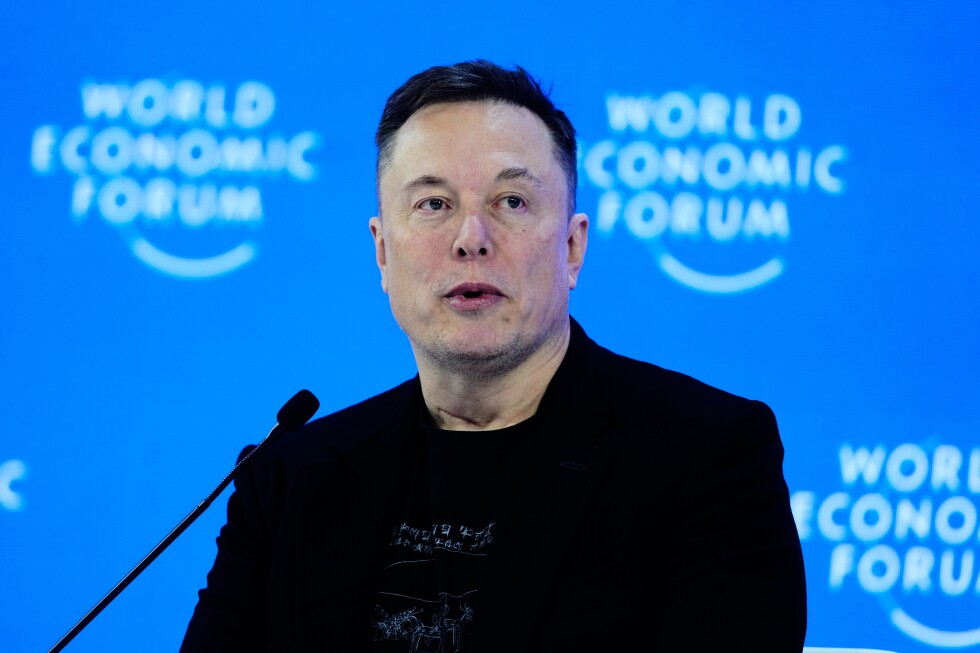
    LONDON – Britain’s national media and telecommunications regulator Ofcom announced Friday that Elon Musk-owned social platform X has formally committed to sweeping new measures to crack down on the proliferation of illegal terrorist and hate speech content across its service within the United Kingdom.

    Under the terms of the public commitments laid out by Ofcom, X will implement strict geoblocking restrictions that bar UK-based users from accessing accounts operated directly or indirectly by terrorist organizations officially proscribed by the British government. The platform has also agreed to strict timelines for content review: it will average a 24-hour turnaround time for assessing user-flagged posts suspected of violating UK laws against terrorist and hate content, with a target of completing reviews of 85 percent of all flagged material within 48 hours of a user report being submitted.

    The new commitments come in direct response to longstanding criticism from British civil society organizations, which have repeatedly accused X of failing to take meaningful action on illegal content after it is reported by users. To address these gaps, X has agreed to collaborate with independent online safety experts to refine its user reporting and content moderation systems. Over the next 12 months, the platform will also submit quarterly performance data to Ofcom, allowing the regulator to publicly verify whether X is meeting its stated targets.

    Ofcom officials emphasized that clear evidence confirms illegal terrorist content and hate speech remains a persistent problem across major social media platforms, and that the regulator expects all digital service providers operating in the UK to take decisive, accountable action to protect users. For the UK, this issue carries particular urgency in the wake of a recent surge in hate-motivated violence targeting the country’s Jewish community, noted Oliver Griffiths, director of Ofcom’s online safety division.

    The UK is home to roughly 300,000 Jewish people, and community members have faced a sharp rise in both offline and online antisemitic attacks in recent months. High-profile violent incidents include multiple targeted arson attacks and a fatal double stabbing, events that have stoked widespread fear and outrage across British Jewish communities.

    This is not the only regulatory pressure X is currently facing over content moderation failures. Earlier this year, the platform drew intense global backlash after Grok, Musk’s AI chatbot integrated directly into X’s service, was found to generate non-consensual deepfake pornography. Ofcom launched a formal investigation into whether Grok violated UK requirements to protect users from illegal content, and Griffiths confirmed Friday that the probe remains ongoing.

    The Grok controversy also prompted European Union regulators to open their own inquiry into whether X is doing enough to curb the spread of illegal content across its platform. Separately, French prosecutors confirmed last week they are pursuing criminal charges against both Musk and X, including charges related to the denial of crimes against humanity. As of Friday afternoon, X’s UK communications team had not responded to requests for comment on the new commitments.

  • Israeli strikes wound dozens in Lebanon as talks in US enter second day

    Israeli strikes wound dozens in Lebanon as talks in US enter second day

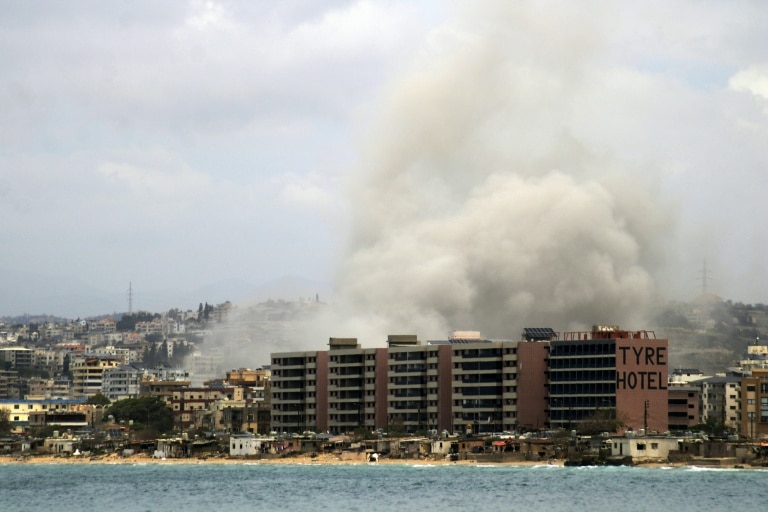
    As US-mediated negotiations between Lebanese and Israeli envoys entered their second day in Washington on Friday, Israel launched a new wave of airstrikes targeting Hezbollah positions across southern Lebanon, leaving at least 37 people injured and deepening civilian hardship in the already war-battered region. The Israeli military confirmed in an official statement that it had targeted Hezbollah infrastructure sites in the vicinity of Tyre, a major coastal city in southern Lebanon. Multiple rounds of blasts were documented by an Agence France-Presse correspondent on the ground, with two strikes hitting areas close to Tyre proper. Lebanon’s state-run media added that one strike hit a facility operated by a local non-governmental organization, located just adjacent to a local hospital.

    Lebanon’s Ministry of Public Health released casualty figures confirming that among the 37 wounded were six hospital staff members, nine women and four children. Local resident Hafez Ramadan, who lives near the targeted structure, revealed the building was sheltering displaced families who had already fled their hometowns to escape ongoing cross-border violence. The site also sits next to a hotel that houses additional displaced people. Ramadan noted, “There are only women, children and the elderly here. Because of this strike, people have been displaced again.”

    Prior to Friday’s attacks, the Israel Defense Forces (IDF) issued evacuation orders for five towns and villages in and around southern Tyre, followed by a second warning for five additional southern Lebanese communities shortly after the strikes. The IDF also confirmed that one Israeli soldier was killed in clashes with Hezbollah in southern Lebanon, pushing the total number of Israeli soldiers killed in hostilities with the group since early March to 19. One Israeli civilian contractor was also killed in recent clashes. Lebanon’s official National News Agency reported additional strikes on southern locations that were not covered by prior Israeli evacuation warnings, expanding the scope of the offensive beyond areas Israel had flagged. In tandem with the Israeli airstrikes, Hezbollah announced it had carried out multiple coordinated attacks against Israeli troops in at least six southern Lebanese towns.

    The strikes drew immediate condemnation from Imran Riza, the United Nations Humanitarian Coordinator for Lebanon, who decried the “unacceptable” civilian cost of persistent attacks. “The reality on the ground in Lebanon has been deeply alarming,” Riza said. “Airstrikes and demolitions continue daily, with an unacceptable toll on civilians and civilian infrastructure.” Despite the escalation of violence, Riza stressed that ongoing diplomatic efforts in Washington represent a critical opening to end the bloodshed, expressing hope that the talks would “pave the way toward a political solution” between the two long-belligerent neighbors.

    The negotiations, hosted at the U.S. State Department, resumed shortly after 9 a.m. ET Friday, bringing together representatives from Lebanon and Israel — two countries that have remained officially at war for more than seven decades. U.S. mediators characterized the first day of talks on Thursday as productive and positive, though neither Lebanese nor Israeli officials have issued public comments on the negotiations’ progress to date. Lebanon’s core negotiating demand is a lasting extension of the current ceasefire, which is set to expire this Sunday if no extension agreement is reached, and a formal Israeli commitment to halt all offensive strikes on Lebanese territory.

    The current fragile truce between Israel and the Iran-backed Hezbollah went into effect on April 17, but the agreement has failed to stop hostilities entirely. Hundreds of people have been killed in cross-border strikes since the truce took effect, with both sides repeatedly accusing one another of violating the terms of the ceasefire. According to Lebanese official data, more than 2,900 people have been killed in Israeli attacks across Lebanon since hostilities reignited in March, when Hezbollah launched a rocket barrage against Israel in retaliation for the killing of a senior Iranian leader. More than 400 of those deaths have occurred since the April truce went into force.

    Leading the two negotiating delegations are veteran political figures with long-standing, hardline positions on the conflict. Lebanon’s team is headed by 76-year-old Simon Karam, a former ambassador to Washington and independent politician known for his advocacy for Lebanese national unity amid the country’s deep sectarian divides. Israel’s delegation is led by Yechiel Leiter, Israel’s current ambassador to the U.S. and a long-time close ally of Israeli Prime Minister Benjamin Netanyahu, with deep roots in Israeli conservative activism, settler politics and hardline diplomatic approach.

    The negotiations are taking place amid heavy pressure from the U.S. and Israel for Lebanon to disarm Hezbollah, a demand that has sparked intense pushback domestically. Senior Hezbollah official Mahmud Qamati issued a scathing rejection of the talks Friday, describing direct negotiations between Beirut and Israel as “humiliating” and part of a broader conspiracy against Lebanese sovereignty and the group’s armed resistance. “Beirut going to direct, humiliating negotiations with the Israeli enemy is not a separate issue from a comprehensive conspiracy against the nation, its sovereignty and its resistance,” Qamati said, noting that the talks are unfolding while “the south is being destroyed and martyrs are being killed daily.”

    Hezbollah has long refused any formal direct engagement with Israel, maintaining its position of non-recognition of the Israeli state. Israeli forces have already occupied swathes of southern Lebanon since the outbreak of current hostilities, carrying out widespread demolition of residential villages and infrastructure over the past several weeks, leaving thousands more Lebanese residents displaced.

  • New deadly Ebola outbreak hits DR Congo

    New deadly Ebola outbreak hits DR Congo

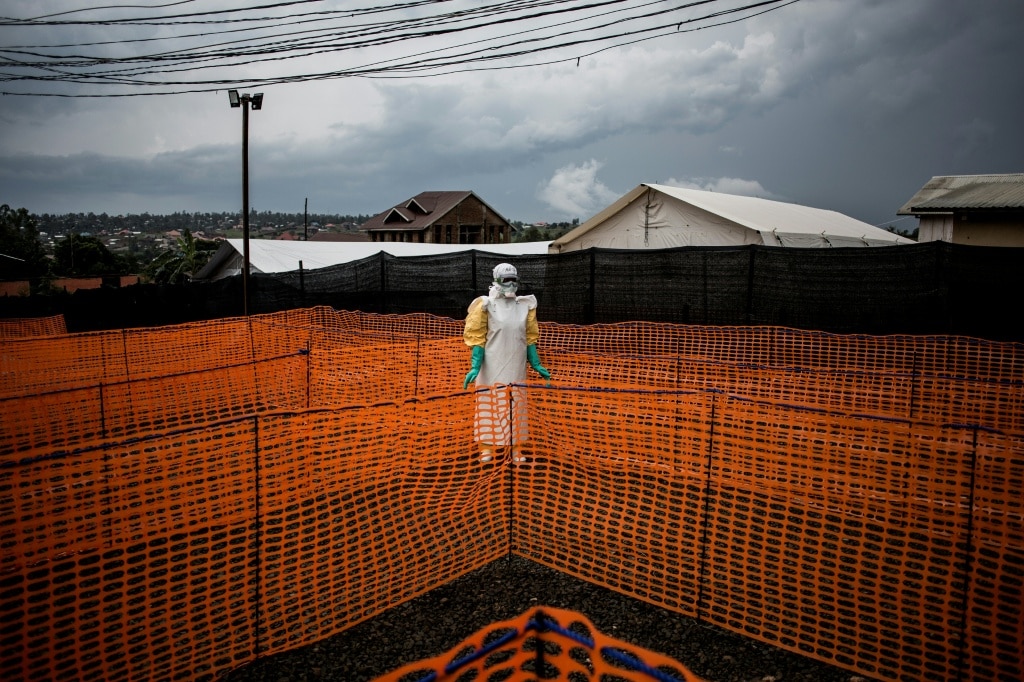
    African public health authorities announced Friday the confirmation of a new Ebola outbreak in the northeastern Ituri Province of the Democratic Republic of the Congo (DRC), warning of heightened risks of widespread transmission due to long-running regional insecurity, unregulated cross-border movement, and strained local health infrastructure.

    As of the latest update from the Africa Centres for Disease Control and Prevention (Africa CDC), the outbreak has already been linked to 65 deaths among 246 suspected cases, with preliminary lab results confirming Ebola infection in 13 tested samples, four of which were fatal. Suspected cases have also been detected in Bunia, Ituri’s provincial capital home to 300,000 residents, and confirmation testing is currently underway.

    This new event marks the 17th recorded Ebola outbreak the DRC has faced since the virus was first identified in the region in 1976. The country’s most devastating outbreak, which ran from 2018 to 2020, claimed nearly 2,300 lives, while the prior outbreak, declared in August 2023 in central DRC, was only eradicated in December 2023 after killing at least 34 people.

    Ituri Province, which shares borders with Uganda and South Sudan, presents unique challenges to outbreak response. The region’s gold-rich geology has drawn thousands of artisanal miners, creating constant, unregulated cross-border and internal population movement that can accelerate viral spread. For more than a decade, the area has also been roiled by recurring inter-militia violence, which has restricted access to remote communities and displaced tens of thousands of people into crowded urban settlements — conditions that dramatically increase the risk of person-to-person transmission.

    Preliminary genetic analysis suggests the circulating strain is not the Zaire ebolavirus variant, the deadliest form of the disease with a case fatality rate of 80 to 90 percent, and the only strain for which an approved vaccine currently exists. Full genomic sequencing is still ongoing to confirm the strain’s identity to guide response efforts.

    Local residents and community leaders report a sharp spike in unexplained deaths since mid-April, with some areas recording five to six fatalities per day. “For the past few weeks, the municipality of Mongbwalu has been recording a cascade of deaths, with at least five to six people dying every day in the streets,” local resident Gloire Mumbesa told Agence France-Presse. “We just dug graves to bury three people, but we don’t actually know what these people died of. We’re starting to be afraid of every possible case of illness,” added Salama Bamunoba, a civil society organizer in Rwampara health zone.

    Confirmed and suspected patients are currently isolated in local health facilities, but an anonymous local health source confirmed that frontline workers are facing critical shortages of personal protective equipment and other essential supplies. Logistics also present a major barrier to response across the DRC, a country four times the size of France with sparse, poorly maintained road infrastructure that makes rapid delivery of medical supplies and personnel difficult.

    Response teams from the World Health Organization and medical humanitarian organization Doctors Without Borders have already deployed to the affected region to conduct risk assessments, scale up testing, and support contact tracing efforts. Over the past 50 years, Ebola — a viral hemorrhagic fever spread through direct contact with infected bodily fluids that causes severe bleeding and organ failure — has killed an estimated 15,000 people across Africa, even with the development of effective vaccines and treatments for the Zaire strain. While recent outbreaks have been contained far more effectively than the 2014 West African epidemic that killed over 11,000 people, ongoing insecurity and weak health systems in central Africa continue to create risks of large-scale transmission.

  • Trump says Xi is considering a detained pastor’s case, but freeing activist Jimmy Lai is ‘tough’

    Trump says Xi is considering a detained pastor’s case, but freeing activist Jimmy Lai is ‘tough’

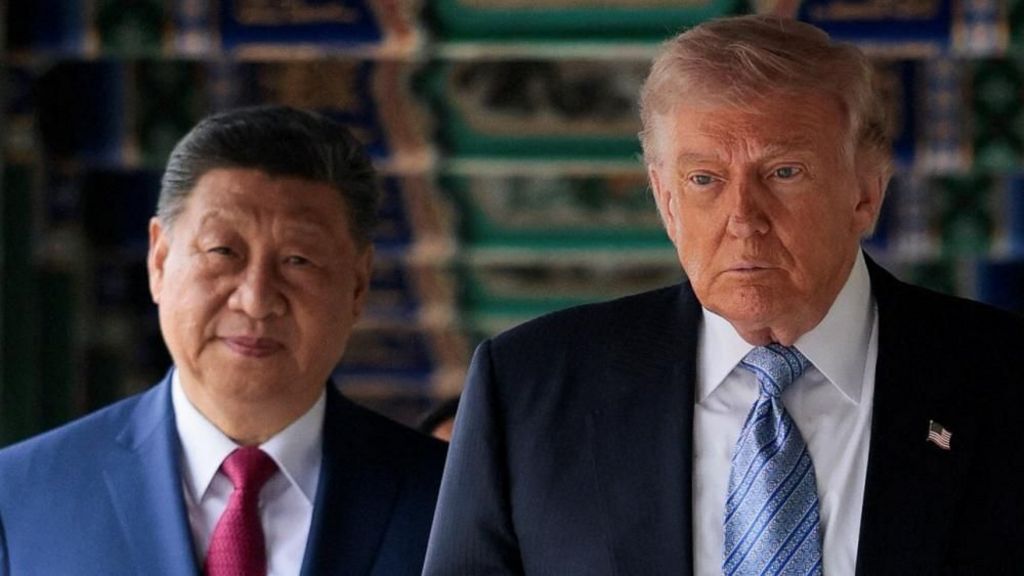
    During a media briefing aboard Air Force One while returning from his official visit to China in November 2017, then-U.S. President Donald Trump disclosed that he had raised the cases of two high-profile detained individuals — underground church pastor Ezra Jin Mingri and imprisoned Hong Kong pro-democracy activist Jimmy Lai — with Chinese President Xi Jinping. Trump told reporters that Xi committed to giving serious consideration to Jin’s case, but characterized Jimmy Lai’s legal situation as a far more complex issue that would be difficult to resolve.

    Jin, the leader of Beijing’s Zion Church, one of China’s largest unregistered house churches that operates outside of state-sanctioned religious frameworks, was taken into custody in October 2017. His detention was widely interpreted by international observers as part of a broader, escalating crackdown on unapproved religious practice across the country. “He said he’s gonna strongly consider the pastor,” Trump confirmed to reporters traveling with him.

    In contrast to the tentative openness around Jin’s case, Trump noted that Xi described Jimmy Lai’s situation as a particularly “tough one.” Lai, a 78-year-old former media tycoon and founder of the now-shuttered pro-democracy outlet Apple Daily, has remained a vocal critic of the Chinese Communist Party and Beijing’s policies toward Hong Kong for decades. He was ultimately convicted in February 2021 on charges of conspiracy to collude with foreign forces and publication of seditious material under the sweeping 2020 National Security Law imposed by Beijing on Hong Kong, and sentenced to 20 years in prison. His prosecution and the shutdown of his newspaper came in the wake of large-scale anti-government protests that roiled Hong Kong in 2019, and the crackdown that followed has effectively silenced most organized dissent in the former British colony.

    Despite the very different outlooks Trump outlined for the two men, the families of both Jin and Lai have publicly expressed gratitude to the Trump administration for bringing their cases to the highest levels of diplomatic discussion. Grace Jin Drexel, Jin’s daughter, called the development nothing short of miraculous in a written statement to the Associated Press. “We could not be more grateful to President Trump and his skillful administration for pressing the case!” she wrote, adding that the family and supporters were “overjoyed” by the news.

    Claire Lai, Jimmy Lai’s daughter, also thanked Trump for his administration’s commitment to advocating for her father’s release even amid Trump’s cautious assessment of the case. “He has earned his reputation as liberating the unjustly detained and I am confident he and his administration will be the ones to free my father,” she said in a message to the AP. She framed potential release of her father as a critical opportunity for Xi to demonstrate good will to the international community, calling it the only just and honorable course of action.

    Human rights activists have long noted that under Xi Jinping’s leadership, Beijing has grown increasingly unwilling to release high-profile detainees detained over dissent or human rights-related activities. The most prominent recent example came in 2017, when Nobel Peace Prize laureate Liu Xiaobo died of liver cancer in a Chinese hospital despite repeated calls from Western governments to allow him to travel abroad for life-saving treatment.

    International observers widely view Jimmy Lai’s case as a symbolic marker of the erosion of civil liberties in Hong Kong, a outcome that runs counter to the autonomy and protections Beijing promised the territory under the 1997 handover agreement from British rule. Foreign governments including the United States and United Kingdom have repeatedly raised concerns about Lai’s detention and prosecution, though the Hong Kong government has repeatedly maintained that his conviction had no connection to press freedom, framing it as a standard criminal matter. Just days before Trump’s comments, China’s foreign ministry reaffirmed its position that Lai was a key organizer of anti-China activities intended to destabilize Hong Kong, and that all affairs related to Hong Kong are strictly China’s internal business, off-limits to foreign interference.

    This report was compiled from contributions from Tang reporting out of Washington, with additional reporting from AP journalist Emily Wang in Washington.

  • From Nakba to genocide: A Gaza grandmother’s lifetime of loss and resilience

    From Nakba to genocide: A Gaza grandmother’s lifetime of loss and resilience

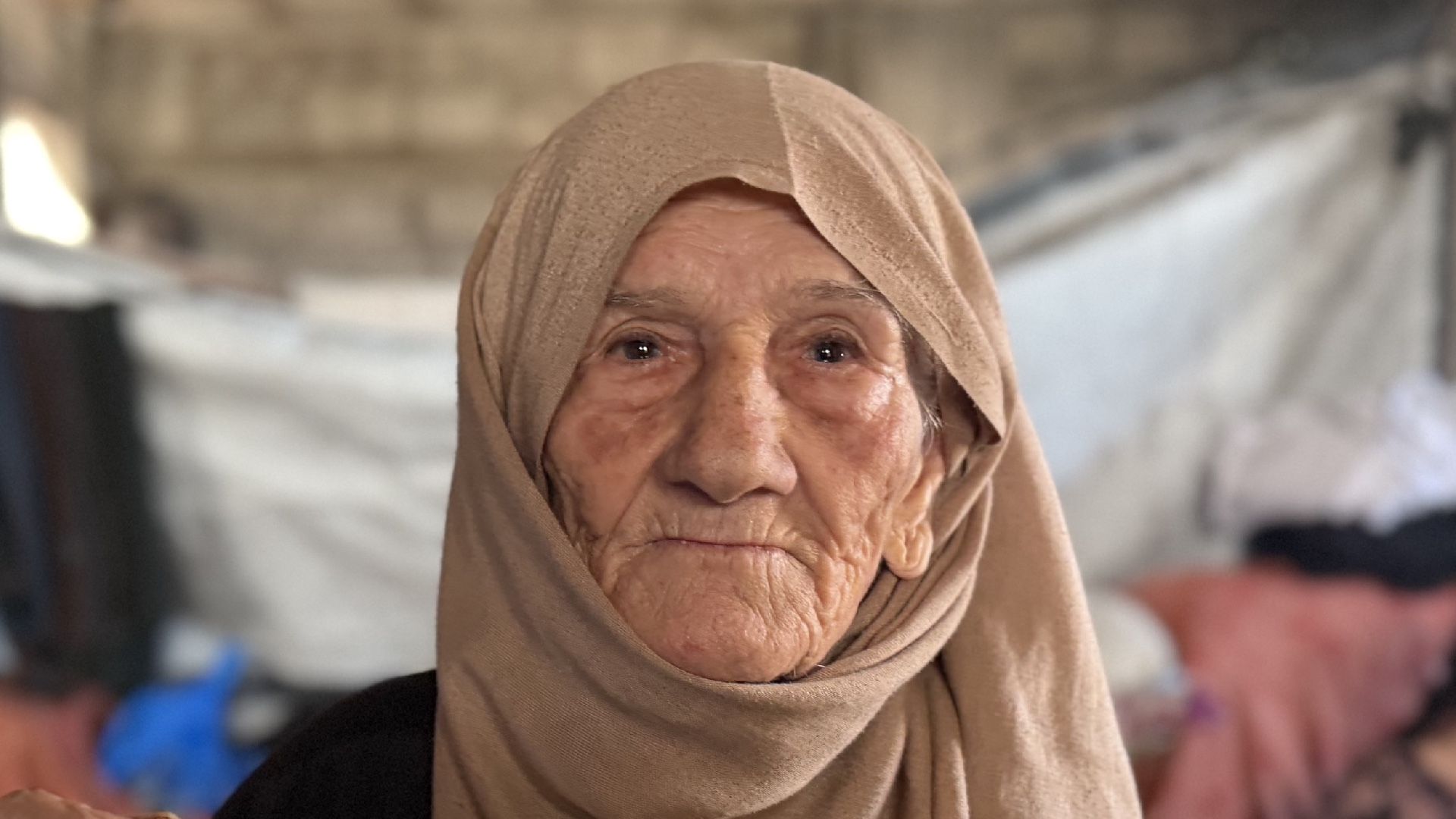
    At 95 years old, Fatema Obaid carries a lifetime of trauma that few can imagine: she has survived two catastrophic displacement events, watched 70 of her family members killed in ongoing violence, and endured months of Israeli bombardment, systematic starvation, and repeated forced displacement across the Gaza Strip. Yet this grandmother, who first lived through the 1948 Nakba as a young girl, has rejected repeated Israeli military orders to leave Gaza City in the current conflict, warning that fleeing a second time would usher in an even crueler catastrophe than the one she endured 75 years ago.

    Speaking from an unfinished apartment in western Gaza City, where she now shelters alongside her surviving grandchildren, Obaid framed the current violence as an escalation of the displacement and dispossession that began with the 1948 Nakba. “In the first Nakba, it is true that hundreds of thousands lost their land, homes and villages,” she told Middle East Eye in an interview published in 2026. “But in this Nakba, we have lost an entire history. We lost entire families, and entire generations have been destroyed for decades to come. What they could not do in 1948, they are doing now.”

    Obaid was born and raised in Gaza City’s Shujaiya neighbourhood, close to the de facto border between Israel and Gaza that emerged after the 1949 armistice agreement. In 1948, Zionist militias launched widespread attacks on Palestinian towns and villages across historic Palestine, forcibly expelling some 750,000 Palestinians—roughly 75 percent of the territory’s Palestinian population—to make way for the creation of the state of Israel; an event widely categorized by scholars as ethnic cleansing. Obaid and her family were temporarily displaced for several months that year, but eventually returned to their home in Shujaiya, which remained outside Israeli control after the 1949 ceasefire.

    More than 75 years later, Obaid has found herself reliving the same trauma of displacement, but this time with far greater brutality. She draws a sharp line between the 1948 catastrophe and the current war, arguing there is no comparison between the two events.

    Obaid’s experience mirrors that of generations of Palestinians in Gaza. In 1948, tens of thousands of expelled Palestinians flooded into Gaza, expecting to return to their homes within days when the fighting ended. Instead, the enclave became a permanent, overcrowded refuge for displaced families. Today, around 1.6 million Palestinian refugees and their descendants—approximately 73 percent of Gaza’s total population—reside in the strip.

    Since the start of Israel’s military campaign in October 2023, Obaid has been displaced more than 10 times. Her childhood home in Shujaiya and the entire surrounding neighborhood have been reduced to rubble, now incorporated into an Israeli-imposed no-go zone. “I have lived in Shujaiya since I was born. Even after marrying my cousin, I moved only a few streets away,” she recalled. “We fled for a few months in 1948 but eventually returned. Only during this Nakba did we lose our homes, our neighbourhood and all of eastern Gaza. They bombed our house and killed more than 70 members of my family—my sons, grandchildren, nephews, their children and many others from our extended family.”

    Historical records place the Palestinian death toll from the 1947–1949 Nakba between 13,000 and 15,000. By comparison, Israeli forces have killed more than 72,000 Palestinians in Gaza over the past two years of the current campaign, with nearly two million residents displaced. Even after the recent ceasefire agreement, around 1.5 million Palestinians remain uprooted, most living in unsanitary makeshift tent camps across southern Gaza.

    Shortly after Obaid was forced to flee Shujaiya for another part of Gaza City in October 2023, the Israeli military issued repeated mass expulsion orders ordering all northern Gaza residents to move south. When hundreds of thousands refused to comply, UN experts concluded that Israel imposed systematic starvation as “a savage weapon of war” to force Palestinians out of their territory. For months, Gaza City residents were cut off from basic supplies including wheat flour and clean drinking water, and the UN-backed Integrated Food Security Phase Classification officially declared famine in Gaza City in August 2025.

    Even amid this unrelenting hardship, Obaid has refused to leave Gaza City. “There were days when we could not find even a sip of water,” she said. “We counted every sip we drank, could barely find food, and were forced to flee from one place to another each time. It destroyed my health, but I did not want to leave Gaza City. I did not want to be buried outside it at the end of my life. I did not want to relive a catastrophe we have endured for nearly eight decades.”

    Back in her Shujaiya home, Obaid had spent more than 80 years curating a collection of personal mementos that carried her life story: her long white wedding dress, the jackets and clothing of her late husband who died 20 years ago, cooking pots and gifts from her family and in-laws, and decades of personal savings. Every last one of these items was lost when she was forced to flee in panic. “Every time we fled, we fled in terror. We had no time to gather any belongings. We couldn’t even take a bottle of water with us. I escaped wearing only this same dress,” she said.

    The only possession that survived both cataclysms is a pair of simple earrings that her father gave her as a young girl before the 1948 Nakba. “I have kept them all these years. I could never sell them or replace them, because they were once held in my father’s hands. They carry his memory with them. I never take them off, and that is why they have survived with me,” she explained. “They are the only thing left from before the Nakba. They survived two Nakbas, while so many members of my family were killed. These earrings are still alive.”

    Obaid is among the dwindling number of remaining first-hand witnesses to the 1948 Nakba still living in Gaza who have lived through the current genocide. Since October 2023, Israeli attacks have killed at least 4,813 elderly Palestinians in Gaza, and many more have died from hunger, untreated chronic illness, and the total collapse of Gaza’s healthcare system amid Israel’s ongoing blockade and repeated forced displacement orders.

    “People laugh when I say only one and a half of my sons are still alive; one who survived, and the other who was severely injured and is currently unable to walk,” Obaid said. She reflected on a lifetime marked by loss: her mother died shortly after she was born, and she has endured a lifetime of hardship, repeated displacement, and the death of most of her family. “At this age, I have lost my sons and many members of my family, endured starvation, and suffered repeated displacement,” she said. “But nothing is more painful than being uprooted from your own land and knowing that, after all these years, you will die in displacement.”

  • Hungary’s new PM symbolically removes fences erected around Orbán’s former offices

    Hungary’s new PM symbolically removes fences erected around Orbán’s former offices

    BUDAPEST, Hungary – In a highly symbolic act marking Hungary’s post-Orbán political transition, new Prime Minister Péter Magyar personally took down security fencing surrounding the former prime ministerial office on Budapest’s historic Castle Hill Friday, opening the landmark Karmelita building to public access after years of restricted entry. The former Catholic monastery, which commands sweeping views of the Danube River, became an indelible symbol of Viktor Orbán’s 16-year authoritarian-leaning rule after the former prime minister cordoned the site off from the public in 2021.

    Standing before reporters as he pushed open the newly removed barriers, Magyar framed the move as a tangible break from the previous regime. “There is no place for cordons in Hungary after the change of regime,” he stated. Magyar emphasized that the site was constructed and renovated with public money from Hungarian taxpayers, making it rightfully belong to the people of the country rather than being locked away for exclusive government use.

    Magyar and his center-right Tisza party swept to power in a landmark April election, ousting Orbán after 16 years in office and securing a two-thirds parliamentary supermajority that grants the new government a clear mandate to deliver on its promise of sweeping institutional reform. Since taking office, the new administration has already moved forward on key campaign pledges: rolling back the concentrated executive power Orbán built, restoring eroded democratic checks and balances, cracking down on widespread public corruption, and recovering misappropriated state funds from the previous era.

    In a recent disclosure, the new government has already exposed details of luxury private renovations carried out on former government officials’ offices at public expense. Unlike his predecessor, Magyar plans to relocate the prime minister’s official office to the administrative district on the opposite bank of the Danube, leaving the Karmelita building open for public use while national authorities finalize a long-term plan for the site’s future.

    The Karmelita building will remain open to visitors for an extended period, with an official booking website already launched to accommodate public tours. Magyar noted that several structures within the Castle Hill district have already completed long-delayed renovations, while other restoration projects are still ongoing. He added that opening the landmark to the public will likely spark new public discussions and ideas about how the site can best serve the Hungarian people going forward, though he declined to share specific proposals for its permanent use.

    Beyond domestic institutional reform, Magyar has made mending frayed relations with the European Union a top foreign policy priority, with the explicit goal of restoring Hungary’s full standing within the community of Western democracies. To advance anti-corruption efforts, the new government plans to establish a specialized National Asset Recovery and Protection Office, which will be tasked with investigating allegations of misused public funds from Orbán’s tenure and working to recover stolen assets for the Hungarian state.

  • AI vigilante trap snares alleged paedophile ex-teacher in France

    AI vigilante trap snares alleged paedophile ex-teacher in France

    A high-stakes citizen sting operation leveraging artificial intelligence has landed a 66-year-old retired French sports teacher behind bars and ignited fierce public debate over the ethics of vigilante anti-pedophile action online.

    Dominique B, a former official with France’s National Union of School Sports (UNSS), turned himself in to local police in eastern France on Tuesday, just 24 hours after a recording of his sexually explicit conversation with who he believed was a 14-year-old girl was streamed to thousands of viewers across major social platforms. What Dominique B did not know was that the young girl he was messaging was not a minor at all: the feminine face and voice he interacted with were entirely AI-generated, overlaid on the live feed of a male influencer who goes by the handle FINNYZYY, a content creator who specializes in public entrapment operations targeting alleged child predators.

    Footage of the 40-minute exchange, which has now amassed more than one million views, shows Dominique B lounging in a chair on one side of the split screen, while FINNYZYY appears on the other with his AI-altered identity. Though the AI deepfake was not perfectly polished – the influencer had to cover the lower portion of his chin to conceal his beard – the deception was more than convincing enough to fool the retired educator. During the conversation, Dominique B propositioned the “minor” to meet him at Paris’ Parc des Princes football stadium, made explicit sexual requests including asking if she would kiss him and if she would view his nude body, and asked inappropriate questions about whether she had ever shared nude selfies with peers. When reminded that his conversation partner was only 14 years old, Dominique B brushed off the concern, claiming many girls younger than that had already had sexual intercourse.

    The interaction was streamed live to an audience of more than 40,000 concurrent viewers, and multiple audience members quickly recognized the retired teacher and reported the content to Pharos, France’s official government platform for reporting harmful illegal online content. Before law enforcement could launch an official manhunt, Dominique B turned himself in at a local precinct.

    Vesoul’s state prosecutor has confirmed that Dominique B faces two formal criminal charges: sexual solicitation of a person under 15 years of age, and soliciting pornographic images of a minor. Legal experts have noted that it remains unclear whether the fact that the target of his advances was an AI-powered decoy rather than an actual minor will impact the criminal proceedings or potential sentencing.

    While the influencer says his operations are rooted in a mission to raise public awareness of the pervasive threat of child sexual exploitation, the case has sparked sharp division over the ethics of independent vigilante entrapment, particularly when AI is used to create fake identities. Legal commentator and lawyer Mourad Battikh has publicly criticized FINNYZYY’s methods as deeply concerning, arguing that the creator may be prioritized viral publicity over public safety. “If he truly wanted to act as a responsible citizen, he could have shared the recording directly with police rather than broadcasting it to millions online,” Battikh told French news channel BFMTV.

    Aurélien Martini, a representative of the USM French magistrates’ union, echoed these concerns, noting that unregulated civilian vigilante operations risk compromising ongoing official law enforcement investigations into targeted suspects.

    Despite pushback from legal professionals, the influencer has gained high-profile political support from France’s far-right National Rally party. Party deputy Jean-Philippe Tanguy praised the mobilization of civil society against child sexual abuse, arguing that established political institutions have failed to adequately address the crisis.

    The case has also drawn new attention to the rapidly expanding capabilities of consumer-facing artificial intelligence tools, which have made it easier than ever for everyday users to create convincing deepfakes for everything from entertainment to activist vigilante operations.

  • Trump says he ‘made no commitment either way’ to Xi on Taiwan

    Trump says he ‘made no commitment either way’ to Xi on Taiwan

    Following two days of high-stakes bilateral talks in Beijing between U.S. President Donald Trump and Chinese President Xi Jinping, the long-simmering Taiwan issue has once again taken center stage in U.S.-China relations, with Trump emerging with an intentionally ambiguous position that leaves key questions about Washington’s policy unanswered.

    Traveling back to Washington aboard Air Force One, Trump confirmed to reporters that the topic of Taiwan dominated a large portion of his discussions with Xi. For decades, China has claimed the self-governing island of Taiwan as an inalienable part of its sovereign territory, and Beijing has repeatedly declined to rule out the use of military force to assert its control. Trump told reporters that Xi directly raised the question of whether the United States would come to Taiwan’s defense in the event of a conflict, a core query that cuts to the heart of cross-strait and U.S.-China tensions. In response, Trump said he avoided taking a clear position, telling Xi: “I don’t talk about that.”

    The biggest immediate uncertainty created by the talks centers on a previously approved U.S. arms sales package to Taiwan, a deal that drew fierce condemnation from Beijing when it was announced late last year. The $8 billion package includes cutting-edge military hardware, from advanced rocket systems to a range of offensive and defensive missiles. Trump confirmed that he and Xi debated the proposed sale at length during the summit, and announced that he has not yet made a final decision on moving forward with the transfer. “I will make a determination over a fairly short period,” the U.S. president said, noting he plans to hold a conversation with Taiwanese President Lai Ching-te before finalizing his choice.

    Washington’s long-standing approach to the Taiwan question has long required a delicate diplomatic balancing act. U.S. law formally mandates that the United States provide Taiwan with the necessary capabilities to defend itself, and the island has been an unofficial U.S. ally in the Indo-Pacific for decades. At the same time, successive U.S. administrations have worked to nurture diplomatic and economic ties with Beijing, avoiding explicit moves that would trigger full diplomatic rupture with China. This fragile balance has come under growing strain in recent years, as China has significantly expanded large-scale military exercises around Taiwan, stepping up pressure on the island’s government and stoking regional anxiety that has caught Washington’s attention.

    According to Chinese state media coverage of the closed-door talks, Xi framed the Taiwan issue as the single most consequential matter shaping the future of U.S.-China ties. Xi warned that if the question is mismanaged, it could lead to direct confrontation and even open conflict between the two global powers. When asked by reporters whether he believed a conflict over Taiwan could break out between the United States and China, Trump downplayed the risk. “No, I don’t think so. I think we’ll be fine,” he said, adding that “[Xi] doesn’t want to see a war.” Trump also emphasized that Xi holds firm views on the issue, saying Xi “feels very strongly” about the island and does not support any move toward formal Taiwanese independence. Repeating his ambiguous position, Trump stated: “I made no commitment either way” on the core policy questions around Taiwan.

    When pressed directly by reporters on whether the United States would defend Taiwan if it came under military attack, Trump again refused to give a clear answer. “I don’t want to say that. I’m not going to say that,” he said. “There’s only one person that knows that. You know who it is? Me.” He reiterated that Xi had directly asked him about the defense question during their bilateral meeting, and he had once again declined to outline a clear position.

    For its part, Taiwan’s foreign ministry moved quickly to respond to the outcomes of the summit. Taiwanese Foreign Minister Lin Chia-lung stated that the island’s diplomatic team had been closely monitoring all discussions between Trump and Xi throughout the summit, and that Taiwan has maintained open, steady lines of communication with the United States and other international partners. Lin said Taiwan’s priority is to ensure that its long-standing relationship with the United States continues to deepen in a stable manner, and that all of Taiwan’s core national interests are protected. He reaffirmed that Taiwan has consistently positioned itself as a defender of peace and regional stability in the Indo-Pacific, and placed blame for rising cross-strait tensions on Beijing, accusing China of escalating regional risk through what he called “aggressive military actions and authoritarian oppression.”

    The summit’s outcomes leave the future of U.S. policy toward Taiwan unclear, with observers across the globe waiting for Trump’s upcoming decision on the arms sales package to signal which direction Washington will lean on the issue in the coming months.