A high-stakes citizen sting operation leveraging artificial intelligence has landed a 66-year-old retired French sports teacher behind bars and ignited fierce public debate over the ethics of vigilante anti-pedophile action online.
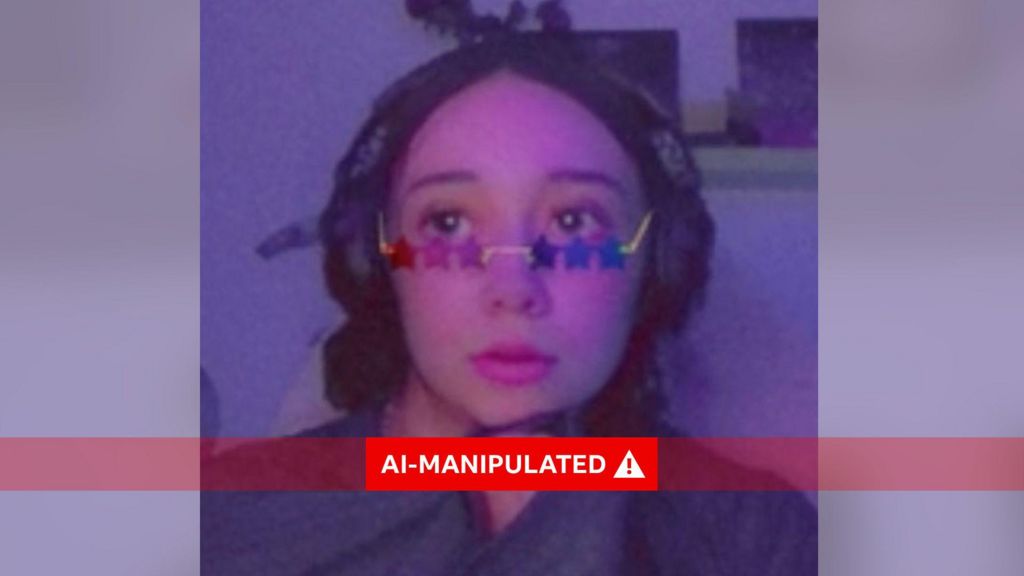
Dominique B, a former official with France’s National Union of School Sports (UNSS), turned himself in to local police in eastern France on Tuesday, just 24 hours after a recording of his sexually explicit conversation with who he believed was a 14-year-old girl was streamed to thousands of viewers across major social platforms. What Dominique B did not know was that the young girl he was messaging was not a minor at all: the feminine face and voice he interacted with were entirely AI-generated, overlaid on the live feed of a male influencer who goes by the handle FINNYZYY, a content creator who specializes in public entrapment operations targeting alleged child predators.
Footage of the 40-minute exchange, which has now amassed more than one million views, shows Dominique B lounging in a chair on one side of the split screen, while FINNYZYY appears on the other with his AI-altered identity. Though the AI deepfake was not perfectly polished – the influencer had to cover the lower portion of his chin to conceal his beard – the deception was more than convincing enough to fool the retired educator. During the conversation, Dominique B propositioned the “minor” to meet him at Paris’ Parc des Princes football stadium, made explicit sexual requests including asking if she would kiss him and if she would view his nude body, and asked inappropriate questions about whether she had ever shared nude selfies with peers. When reminded that his conversation partner was only 14 years old, Dominique B brushed off the concern, claiming many girls younger than that had already had sexual intercourse.
The interaction was streamed live to an audience of more than 40,000 concurrent viewers, and multiple audience members quickly recognized the retired teacher and reported the content to Pharos, France’s official government platform for reporting harmful illegal online content. Before law enforcement could launch an official manhunt, Dominique B turned himself in at a local precinct.
Vesoul’s state prosecutor has confirmed that Dominique B faces two formal criminal charges: sexual solicitation of a person under 15 years of age, and soliciting pornographic images of a minor. Legal experts have noted that it remains unclear whether the fact that the target of his advances was an AI-powered decoy rather than an actual minor will impact the criminal proceedings or potential sentencing.
While the influencer says his operations are rooted in a mission to raise public awareness of the pervasive threat of child sexual exploitation, the case has sparked sharp division over the ethics of independent vigilante entrapment, particularly when AI is used to create fake identities. Legal commentator and lawyer Mourad Battikh has publicly criticized FINNYZYY’s methods as deeply concerning, arguing that the creator may be prioritized viral publicity over public safety. “If he truly wanted to act as a responsible citizen, he could have shared the recording directly with police rather than broadcasting it to millions online,” Battikh told French news channel BFMTV.
Aurélien Martini, a representative of the USM French magistrates’ union, echoed these concerns, noting that unregulated civilian vigilante operations risk compromising ongoing official law enforcement investigations into targeted suspects.
Despite pushback from legal professionals, the influencer has gained high-profile political support from France’s far-right National Rally party. Party deputy Jean-Philippe Tanguy praised the mobilization of civil society against child sexual abuse, arguing that established political institutions have failed to adequately address the crisis.
The case has also drawn new attention to the rapidly expanding capabilities of consumer-facing artificial intelligence tools, which have made it easier than ever for everyday users to create convincing deepfakes for everything from entertainment to activist vigilante operations.