博客

  • Search continues for 18 passengers after ferry capsized in northern Cyprus

    Search continues for 18 passengers after ferry capsized in northern Cyprus

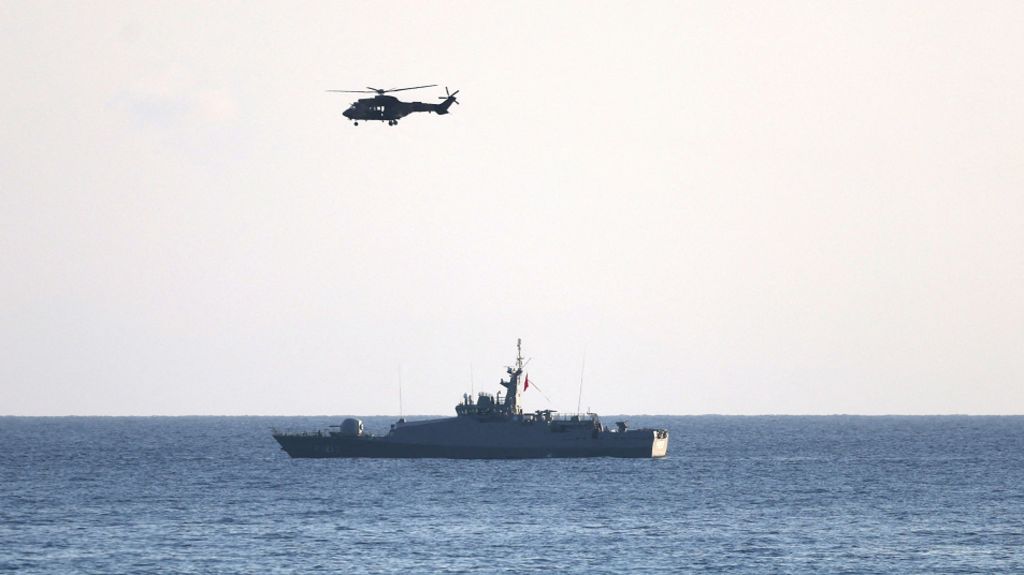
    More than a full day has passed since a deadly ferry disaster off the coast of northern Cyprus, and search and rescue teams are still working tirelessly to locate 18 missing passengers after the vessel capsized mid-voyage on Sunday. The incident has already left eight people confirmed dead, with 19 others currently receiving medical treatment at local hospitals, according to statements from Northern Cypriot authorities.

    The ill-fated vessel was carrying 259 passengers and eight crew members when it began taking on water shortly after departing the coastal resort town of Kyrenia, located in the Turkish Republic of Northern Cyprus (TRNC) — a self-declared state recognized only by the international community by Turkey. The high-speed ferry, identified as the 40-meter-long Filo Jet, sails under the Turkish flag and was en route to the Turkish town of Tasucu when the emergency unfolded. Originally scheduled to depart on Saturday, the journey was delayed by 24 hours due to unsafe rough weather conditions, official records confirm.

    TRNC Prime Minister Ünal Üstel has shared preliminary details of the chain of events that led to the capsizing, stating that the ferry was struck by two large waves in quick succession. As the captain attempted to stabilize the ship after the first wave hit, a second powerful wave crashed into the vessel, triggering the rapid intake of water that ultimately overwhelmed it. Today, the sunken ferry rests 514 meters below the surface of the Mediterranean, with scattered debris — including floating personal luggage and detached steel plating — still bobbing on the water above the wreck site. Authorities are working to recover the vessel’s black box flight recorder, a critical piece of evidence that will help investigators pinpoint the exact cause of the tragedy.

    In the wake of the disaster, law enforcement officials have made multiple arrests: on Monday, the ship’s captain, all seven other crew members, and an additional individual were taken into custody, while arrest warrants have been issued for seven more people connected to the incident. Prime Minister Üstel has declared a three-day period of national mourning across the TRNC to honor the lives lost. The operating company of the ferry, Turkey-based Filo Denizcilik, has released a brief statement saying it is “deeply saddened by the tragic accident.”

    At the Kyrenia port, grieving families including the relatives of the missing remain gathered, waiting anxiously for updates on their loved ones. Among them is Ayten Bicer, who is still searching for two of her children — 12-year-old daughter Miray and 6-year-old son Mehmet Asaf. In a heartbreaking interview with local media, Bicer described the final moments she spent with her daughter as they clung to the overturned hull. “She was saying, ‘Don’t let go’. And I didn’t let go of my daughter. I swear, I didn’t let her go,” Bicer said. A falling suitcase knocked her off balance, she explained, and even though she managed to grab Miray’s foot, the child’s oil-slicked shoes slipped through her grip. Bicer and her husband Hayri now wait alongside dozens of other families for any word on their missing relatives.

    The disaster unfolds against a long-standing political backdrop: the island of Cyprus has been divided since 1974, with the TRNC controlling the northern third of the territory, while the internationally recognized Republic of Cyprus governs the south.
  • Nepal floods expose risks to hydropower in a warming Himalayas

    Nepal floods expose risks to hydropower in a warming Himalayas

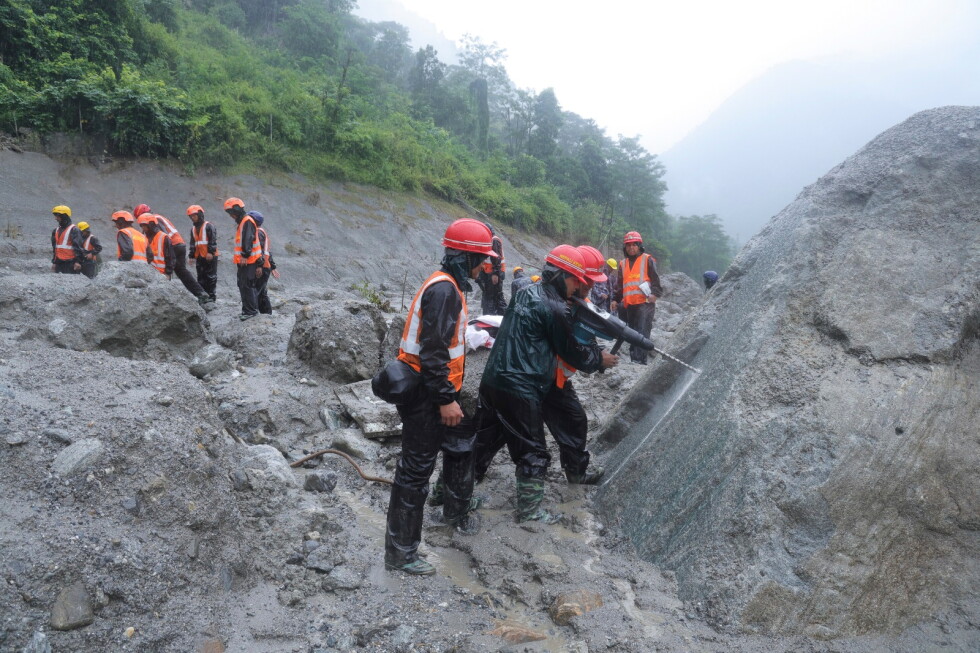
    In the flood-scorched hills of central Nepal’s Dhading district, crews are currently digging through layers of thick sludge to reach a submerged hydropower plant, a critical energy facility that keeps the lights on for more than 20,000 local residents. As workers clear debris from equipment buried when last week’s devastating flood surged off the mountains, disaster and climate experts are pushing for a fundamental shift: instead of simply rebuilding the facility in the same vulnerable riverside spot that led to its destruction, Nepal must prioritize long-term climate resilience when reconstructing its damaged infrastructure. The scale of the devastation stretches far beyond this single power station. Across Nepal, catastrophic floodwaters and landslides have left as many as 900 workers missing from a dozen active and under-construction hydropower projects, the Independent Power Producers’ Association Nepal reports, with hundreds of those workers believed to be trapped inside project tunnels. Combined, the disaster has claimed more than 900 lives across Nepal and southern China, with another 4,700 people still unaccounted for. For Nepal’s energy sector alone, the damage has taken an estimated 700 megawatts of generation capacity offline – roughly 10 percent of the country’s total available power. Beyond energy infrastructure, tens of kilometers of roads, dozens of bridges, and hundreds of critical public facilities including schools and hospitals have been destroyed or heavily damaged. As Nepal’s government shifts from immediate rescue and response to long-term recovery planning, experts say the top priority must be avoiding the mistakes that left the country so exposed to this disaster. “Authorities have to take a hard look in the mirror now and ask how they will be rebuilding in these places. They will also have to take a close look at other projects in Nepal that have not been built yet, whether they’ll be approved after this event,” said Jakob Steiner, a geoscientist from the University of Graz in Austria currently based in Dhaka, Bangladesh. Hydropower projects across the worst-hit districts of Rasuwa, Nuwakot, and Dhading have been fully or partially destroyed, a blow that hits particularly hard because hydropower forms the backbone of Nepal’s national electricity grid, serves as a core driver of economic growth, and generates critical export revenue for the low-income Himalayan nation. Most of Nepal’s untapped hydropower potential falls into the run-of-river category, meaning facilities are built directly alongside steep, narrow river corridors where land is scarce and flood and landslide risks can escalate in a matter of minutes. Many workers who are now missing took shelter in the projects’ large access and water diversion tunnels – structures big enough to accommodate full-sized trucks – when the flood hit, but have been unable to escape as debris blocked exit routes. Experts are calling for a complete rethinking of how Nepal plans its infrastructure, arguing that reconstruction should not just replace destroyed assets, but build systems that can absorb and recover from future climate-driven disasters. Ramraj Narasimhan, senior director at the Coalition for Disaster Resilient Infrastructure, says the goal should not be to make every single structure completely indestructible, but rather to build redundancy into critical systems to keep essential services running even when damage occurs. “If it gets damaged, let it get damaged, but can we build in redundancy in the system?” Narasimhan explained. That approach can mean a range of adjustments from selecting safer construction sites away from high-hazard river bends and unstable slopes, to adding alternate transportation routes, backup power generation, improved early warning systems, and risk-mitigation tools like disaster insurance to speed up recovery after an event. Risk assessments must also account for how a single infrastructure failure can cut off access for multiple isolated mountain communities, experts say. These changes are long overdue: the Coalition for Disaster Resilient Infrastructure estimates that $124 billion worth of Nepal’s existing infrastructure is exposed to climate-driven disasters, leading to an average of nearly $760 million in annual disaster losses. The country’s national disaster response fund, however, holds only a tiny fraction of that amount, leaving it ill-equipped to handle major catastrophic events like the recent flood. Climate scientists warn that risks across the Himalayan region are growing faster than almost anywhere else on Earth, driven by human-caused global warming. Glaciers across the Hindu Kush Himalaya are losing ice at an accelerating rate, while permafrost degradation, unstable mountain slopes, growing glacial lake outburst risks, and increasingly erratic monsoon rainfall are all combining to raise the frequency and severity of catastrophic floods, landslides, and debris flows, according to the International Center for Integrated Mountain Development, a Kathmandu-based climate research organization. For extreme events as large as the recent flood, even the most robust physical flood defenses are often overwhelmed, making early warning systems the most critical tool to protect human life, Steiner noted. In this case, the flood was detected at the China-Nepal border soon after it formed, but it moved so rapidly downriver that communities and workers upstream had little to no warning. There was, however, a gap of time between detection and the flood reaching downstream hydropower sites, raising urgent questions about why warnings were not issued faster to alert workers at risk. The disaster is expected to spark heightened scrutiny of future hydropower project approvals, with advocates calling for more rigorous, site-specific environmental, social, and disaster risk assessments, paired with stronger land-use regulations and accountability for project developers. Himanshu Thakkar, coordinator of the South Asia Network on Dams, Rivers and People, warns that large hydropower infrastructure can itself worsen downstream damage, acting as a “force multiplier” for disaster when large structures, construction debris, and altered river channels amplify the force of floodwaters. Thakkar argues that Nepal should diversify its energy mix to include more decentralized solar power generation, which carries far lower climate risk in the mountainous Himalayan landscape. As Nepal begins the long process of recovery, the question facing the country is not just how fast it can rebuild what was lost – but whether it will choose to rebuild those assets in harm’s way, ahead of the next inevitable climate-driven flood.

  • Suspect arrested after shooting at rave in Switzerland that left 1 person dead

    Suspect arrested after shooting at rave in Switzerland that left 1 person dead

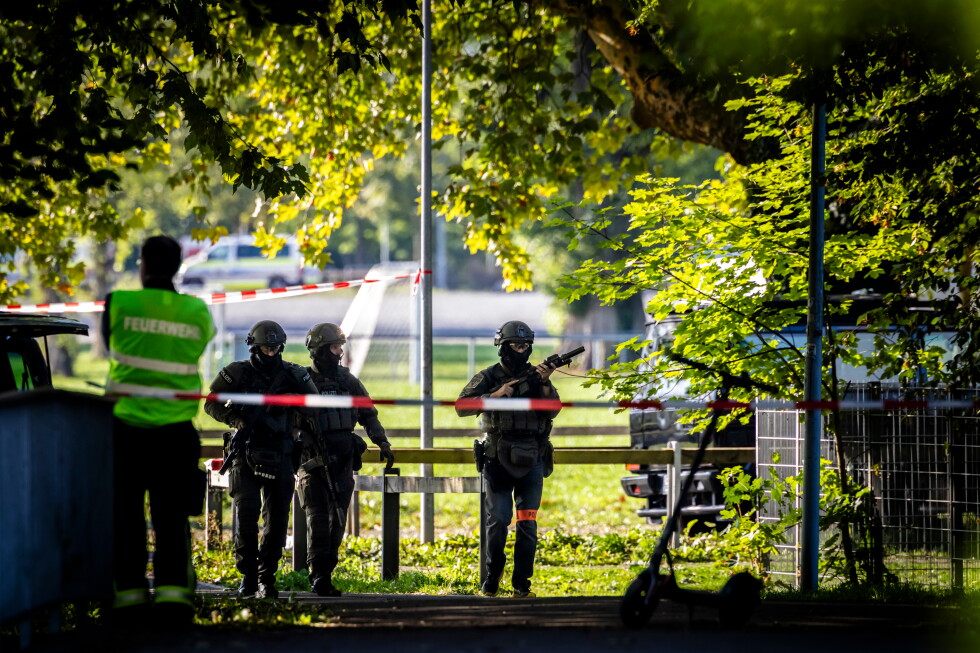
    GENEVA, Switzerland — Law enforcement officials have confirmed the arrest of a suspect connected to a deadly weekend mass shooting at an open-air rave event in northern Switzerland, a violence incident that has shaken the normally low-crime Alpine nation. Authorities announced Monday that the 43-year-old suspect, a Swiss national, was taken into custody just before 1 a.m. local time, though officials have declined to share the exact location of the arrest for ongoing investigative reasons.

    The shooting unfolded in the early hours of Sunday on the grounds of a horse racing track located on the outskirts of Aarau, the capital of Switzerland’s Aargau canton. The event was already winding down when the gunfire broke out, according to local police accounts. A 22-year-old woman was pronounced dead at the scene from her gunshot wounds. Five additional victims — four men and a second woman ranging in age from 24 to 27 years old — were transported to area hospitals with injuries that span from minor life-threatening to critical.

    While Swiss police initially confirmed all victims are legal residents of Switzerland, Italian Prime Minister Giorgia Meloni later clarified that the deceased woman and two of the five wounded victims hold Italian citizenship. Investigators are currently working to map out a potential motive for the attack, and preliminary assessments indicate the shooting was carried out by a single lone perpetrator, with no evidence of co-conspirators identified at this stage.

    Aargau canton police have announced they will hold a formal public press conference on Wednesday to release updated details on the case, and have paused all additional information disclosures until that briefing. The shooting has drawn particular attention across Switzerland because mass public shootings are extremely uncommon in the country, even though Switzerland has one of the highest rates of civilian gun ownership in Europe, with widespread access to firearms for recreational hunting and sport shooting.

  • Passengers stranded as strike disrupts flights at Kenya’s main airport

    Passengers stranded as strike disrupts flights at Kenya’s main airport

    A nationwide go-slow strike by Kenyan aviation workers demanding improved working conditions and fulfillment of a years-old negotiated agreement has entered its second day, leaving hundreds of travelers stranded at East Africa’s critical transport hub, Jomo Kenyatta International Airport (JKIA) in Nairobi. As of Monday, major disruptions including massive delays, widespread cancellations and diverted flights continued to upend travel plans for thousands of passengers, with some already stuck for more than 12 hours and others forced to spend the night in airport check-in zones waiting for updates.

    JKIA ranks among the busiest airports on the African continent, serving as a primary connecting gateway between Africa and global destinations, with Kenyan government data showing it handled roughly 9 million total passengers in 2025. This ongoing work stoppage is not an isolated incident: labor disputes have disrupted operations at the airport multiple times in recent years, and this current action follows a two-day collective bargaining dispute back in February that centered on staffing agreements and the use of volunteer workers at the facility. Union leaders launched the new strike after core concerns from that earlier confrontation remained unaddressed by airport management.

    On Sunday, both the Kenya Airports Authority and Kenya Airways, the country’s flag carrier, issued public warnings that departing flights would face significant delays. Fresh negotiations between labor union representatives and airport leadership were scheduled to resume on Monday, after talks on the previous day collapsed without any tentative agreement reached. Kenya Airways confirmed in an official statement that the industrial action by air traffic control staff has caused delays exceeding six hours for most scheduled services, and the accumulating backlog of disrupted flights has forced the carrier to cancel multiple scheduled departures. The airline has offered its full apology to affected passengers and has waived all change and rebooking fees for travelers looking to adjust their itineraries.

    Other regional and international airlines have also been forced to adjust their operations in response to the crisis. RwandAir, the Rwandan national carrier, announced Monday it had canceled two additional flights to Nairobi, following multiple cancellations of services to the airport on Sunday, citing persistent operational constraints impacting JKIA’s air traffic control system. Global flight tracking platform Flightradar24’s real-time data showed a large number of delayed, canceled and diverted flights across the airport’s schedule as of Monday morning.

    Travelers stuck at the airport have described widespread confusion and frustration over poor communication and extended wait times. Mendel Goldman, a passenger en route to a wedding in Florida, told Reuters his original flight was eventually canceled after multiple rolling delays, and he had already waited 12 hours for a resolution. “The earliest flight they can get us is only tomorrow night, so we’ve got to wait. We’re going to try and make most of it, but in the meantime, I’ve been here for 12 hours now, waiting in the airport,” Goldman said. Twenty-two-year-old traveler William Obino told Agence France-Presse that the lack of timely updates had completely upended his travel plans. “Nothing is happening, updates are reaching us late. It’s ruining our itinerary,” Obino said.

  • This principal in Nepal evacuated 900 students before flooding swept away their school

    This principal in Nepal evacuated 900 students before flooding swept away their school

    In the mountain-fringed Trishuli Valley of north-central Nepal, a routine school morning turned into a race against catastrophe last week, when warnings of an oncoming glacial outburst flood reached Tribhuvan Trishuli Secondary School. Rajendra Dawadi, a veteran teacher who had spent both his student and teaching career at the institution, was mid-lesson when the school’s accountant burst into his classroom with the first urgent alert of rising waters that were tearing through settlements downstream.

    Successive warnings piled in quickly: a second alert from a teacher’s phone call, followed by a panicked parent arriving to collect their child. With no official confirmation of the danger and minutes to spare, Dawadi did not hesitate. He immediately sounded the school bell, ordered every student and staff member on campus to evacuate toward the elevated hills nearby, and coordinated with bus drivers to divert incoming student transports to safer ground.

    One full bus of students had already reached the new bridge leading to the school when Dawadi ordered it to turn back. Barely moments after the bus cleared the span, the adjacent old bridge collapsed into the churning flood. As Dawadi followed the last of the evacuees up the nearby hillside, the murky, debris-choked waters rose rapidly behind him. From their vantage point on the safe slope, he watched the three-story school building—an institution that had shaped his entire life—get swallowed whole by a torrent of water, mud, and boulders. Tragically, two members of the school staff were caught in the flood and remain unaccounted for.

    The disaster that unfolded across Nepal and southern China was triggered by a glacial lake collapse in the Himalayas, a catastrophic event that has now claimed more than 900 lives and left more than 4,700 people missing across both regions. At Tribhuvan Trishuli Secondary School, which enrolled 1,643 students total, at least 900 children were on campus when the first warning hit. Every single one of those students survived, a miracle directly credited to Dawadi’s split-second decision to evacuate.

    The scale of the loss hits close to home for Dawadi, who earned his own education at the school before returning to teach there for years. “I have no words. I got education from that school. And I gave education at that school,” he told the Associated Press.

    The destruction of Tribhuvan Trishuli is far from an isolated tragedy. Across northern Nepal, the flash floods have displaced thousands of children from their learning spaces, derailing their academic progress and raising alarms that thousands could miss months of school. International children’s charity Save the Children estimates that at least 69 schools across the region have been completely destroyed, putting nearly 19,000 students’ access to education at severe risk.

    In the aftermath of the disaster, Dawadi’s fast, calm response has been widely celebrated as an act of extraordinary heroism. When he returned to the school’s riverfront site days after the flood, waiting parents wrapped him in hugs, tears in their eyes as they thanked him for saving their children’s lives. “Their parents hugged me, they cried with me. They were emotional,” he recalled.

    Fourteen-year-old student Suvina Tamang, one of the evacuated children, confirmed that the entire school building was swept away just minutes after the evacuation was completed. “I will thank him when I see him for saving my life,” she said.

    Despite the widespread praise, Dawadi rejects the label of hero. For the long-time educator, evacuating his students was simply a basic responsibility. Now, he says, the most pressing needs go beyond the immediate celebration of survival: displaced students require urgent psychological support to process the trauma of the disaster, and learning must resume as quickly as possible, even if classes have to be held in temporary facilities.

    His clear message to the Nepalese government is straightforward: prioritize rebuilding destroyed schools, and get children back to the classroom as soon as possible.

  • Singapore diplomat, Myanmar activist and Bangladeshi aid giver win Magsaysay awards

    Singapore diplomat, Myanmar activist and Bangladeshi aid giver win Magsaysay awards

    MANILA, Philippines — Three remarkable Asian leaders — a veteran Singaporean diplomat who shepherded the creation of the world’s foundational oceans governance framework, a Myanmar pro-democracy activist risking his life to expose military atrocities, and a Bangladeshi social innovator lifting marginalized communities out of poverty — have been named this year’s Ramon Magsaysay Award recipients, the award foundation announced Monday.

    Widely recognized as Asia’s equivalent of the Nobel Prize, the Ramon Magsaysay Awards were established in 1958 to honor individuals across the continent who demonstrate extraordinary greatness of spirit through selfless service to the public good. The award is named for Ramon Magsaysay, a beloved Philippine president who died in a 1957 plane crash. This year’s laureates will be formally recognized during a November 15 ceremony at Manila’s Metropolitan Theatre, where each will receive a commemorative medallion, an inscribed certificate, and an undisclosed monetary prize.

    At 88 years old, Singaporean lawyer and diplomat Tommy Koh earns the award for his decades of work advancing international dialogue and the rule of law. His most landmark achievement came when he presided over the 1982 United Nations conference that brought more than 150 nations together to adopt the UN Convention on the Law of the Sea (UNCLOS) — a framework widely described as the “constitution for the oceans.”

    The awards foundation noted that UNCLOS carries enormous global significance: it codified clear definitions of territorial waters, outlined sovereign economic rights for coastal states, and established binding mechanisms to resolve maritime disputes. The convention served as the legal foundation for a 2016 Permanent Court of Arbitration ruling in The Hague that invalidated China’s broad territorial claims in the South China Sea. The arbitration case was brought by the Philippines in 2013, but Beijing refused to participate in the proceedings and has continued to reject and defy the ruling. Multiple countries, including the Philippines, Vietnam, Malaysia, and Brunei, alongside Taiwan, have held competing territorial claims in the strategically critical waterway for decades, leading to ongoing regional tensions.

    “Through his steadfast faith in dialogue, the rule of law and international cooperation, he has helped make peaceful coexistence possible in a world of unequal power,” the foundation wrote of Koh’s work.

    The second laureate, 61-year-old Myanmar activist Bo Kyi, is honored for his unyielding advocacy for democracy and human rights in the face of military rule, a mission that has already cost him seven years of imprisonment across two arrests. Bo Kyi has been a vocal voice demanding the release of all political prisoners detained by Myanmar’s junta, including ousted former leader Aung San Suu Kyi, and has organized critical fundraising to support detainees and their families.

    In 2000, Bo Kyi joined with other former political prisoners to found the Assistance Association for Political Prisoners (AAPP), an organization that has become a leading global watchdog documenting political repression by Myanmar’s military. The group maintains detailed records of political imprisonment, amplifies the stories of detainees and their families to the international community, and provides ongoing direct support to those affected by the junta’s crackdowns on dissent.

    Rounding out this year’s cohort is 67-year-old Runa Khan, a former Bangladeshi teacher recognized for her decades-long commitment to empowering her country’s most vulnerable populations. Born into a privileged, upper-class family, Khan began her career of service in 1979 teaching children from low-income communities. In 2002, she founded the nonprofit organization Friendship Bangladesh to address the overlapping challenges facing the country’s poorest residents, including climate change impacts, lack of access to education, gender inequality, limited economic opportunity, and systemic social exclusion.

    Today, Khan’s organization has grown into one of Bangladesh’s largest grassroots development nonprofits, employing more than 7,500 people across the country. It operates an extensive healthcare network that includes seven floating hospital ships, two land-based hospitals, and 550 mobile clinics that bring care to remote, climate-vulnerable coastal and riverine communities that lack access to formal medical services. Beyond healthcare, Friendship Bangladesh expands educational access for marginalized children, supports women’s economic empowerment, and helps low-income households build sustainable livelihoods that can withstand the effects of a changing climate.

    “In her hands, privilege became not an entitlement, but a responsibility; not a family legacy to protect, but a gift to be shared so that others, too, might have the chance to live with hope, opportunity and dignity,” the foundation said of Khan’s work.

  • Russia cements its role as Africa junta protector after helping quell Niger’s mutiny

    Russia cements its role as Africa junta protector after helping quell Niger’s mutiny

    A weekend mutiny by renegade soldiers marked the gravest internal challenge to Niger’s ruling junta since its 2023 coup, a crisis that ended only after Russian paramilitary forces stepped in to subdue the uprising, according to regional analysts and diplomatic sources.

    The mutiny, staged largely by young service members, unfolded at the strategic Base 101 near Niamey’s international airport, where the insurgent soldiers took fellow troops hostage. Gunfire from the unrest reached within seven kilometers of the presidential palace, sparking a 24-hour standoff that could have toppled the junta before outside intervention, analysts note. It was presidential guard troops backed by Russia’s Africa Corps, a paramilitary group under direct command of Moscow’s defense ministry, that ultimately quelled the uprising.

    Russia’s ambassador to Niger, Viktor Voropayev, confirmed to Russian state media that Niger’s government had requested support from the Russian force, and that the mutineers were fully neutralized as a direct result of the Africa Corps’ involvement. As of press time, Nigerien official authorities have not released any public statement on the event.

    Regional security analysts emphasize that the mutiny hung in the balance for hours: the mutineers were both large in number and highly determined, making the outcome uncertain until Russian forces joined the fight. This intervention marks the second time in 2024 that the Africa Corps has stepped in to defend junta-held power centers across the Sahel, the arid, conflict-plagued region south of the Sahara Desert. In May, the same Russian force helped put down large-scale coordinated attacks by jihadi insurgents in junta-led Mali.

    In a region long labeled the global epicenter of terrorist activity, the Africa Corps’ core mission diverges from counterterrorism, argues Wassim Nasr, a senior research fellow at the New York-based Soufan Center think tank. “Fighting jihadis comes as a second priority for the Africa Corps, but the first priority is to sustain regimes, and they are succeeding in this,” Nasr explained.

    The current dynamic in the Sahel stems from a sweeping political shift over the past two years. Military juntas that seized power on promises to fix widespread security failures across Niger, Mali and Burkina Faso cut ties with long-time Western security partners and turned to Moscow for support. The countries first welcomed the Kremlin-backed Wagner Group private mercenary force, before Wagner was reorganized into the Africa Corps following the death of its founder Yevgeny Prigozhin in 2023.

    Estimates of how many Russian military personnel are deployed across the three Sahel junta states vary widely, ranging from 1,700 to 2,000 troops, with an additional 1,000 Wagner personnel stationed in the Central African Republic. As Moscow competes with Washington, European capitals and Beijing for expanding influence across the African continent, these security partnerships have allowed Russia to build footholds across economic, political and security sectors.

    Beverly Ochieng, a Sahel-focused security analyst at global risk consultancy Control Risks, notes that the current arrangement of counterinsurgency support, military hardware shipments and parallel economic deals is heavily tied to the ruling juntas in all three states. Even with limited resources to allocate to the region, Ochieng explains, Russia has mastered the balance of diplomacy, counterinsurgency action and geopolitical positioning to frame itself as a reliable, all-weather partner for African governments. Nasr echoed that assessment, noting the model of partnering through the Africa Corps is low-cost, high-reward for Moscow.

    While Russian support has cemented the juntas’ hold on power, the broader security situation across the Sahel continues to deteriorate. Armed insurgent groups increasingly target populated urban centers as they compete for territory and influence, putting civilian populations at growing risk. Niamey’s airport, the site of this weekend’s mutiny, has already been targeted twice by jihadi groups in 2024: an attack by al-Qaeda-affiliated Jama’at Nusrat al-Islam wal-Muslimin in June killed 11 soldiers and two civilians, while a January strike by the Islamic State Sahel Province targeted high-value military drone assets stationed at the base.

    Analysts warn that recurring threats to junta rule, like last weekend’s mutiny, will push the ruling military governments to prioritize their own survival over broad public security, worsening the humanitarian and stability crisis across the region. The Senegal-based Timbuktu Institute for Peace Studies pointed out that the mutiny and subsequent Russian intervention exposes how deeply vulnerable the junta’s regime is, as its stability now rests almost entirely on Moscow’s support.

    “The intervention of an external partner to help contain an internal crisis raises a central question: how far can the pursuit of strategic autonomy go when it is accompanied by a growing dependence on Moscow?” the institute wrote in an analysis of the crisis.

    Still, the successful intervention to prop up Niger’s junta could strengthen Russia’s appeal to other sympathetic governments across the continent, according to Nathaniel Powell, a West Africa analyst at Oxford Analytica. “Having a foreign anti-coup force has advantages in that they have no local interests that could compete for their loyalty, and might be seen to be militarily superior to national military formations, thus deterring potential coup-makers,” Powell explained.

    Moscow has publicly framed its engagement in the Sahel as counterterrorism support: Russian Foreign Minister Sergey Lavrov stated recently that the country stands ready to help African nations defeat terrorist insurgencies. But analysts note that most African governments will remain cautious about partnering with the Africa Corps, due to the force’s well-documented history of human rights abuses across the regions where it operates.

  • BBC reports from valley devastated by Nepal flood

    BBC reports from valley devastated by Nepal flood

    One of the world’s most recognized public broadcasters, the BBC, has deployed a reporting team to deliver on-the-ground coverage from a Nepalese valley left reeling in the wake of catastrophic flash flooding. The reporting team is currently stationed in Sano Barkhu, a small mountain village positioned on a high ridge overlooking the hard-hit town of Syfrubesi. From this vantage point, the crew is capturing first-hand footage and witness accounts that lay bare the full scale of the disaster that has entirely leveled the community below.

    What was once a bustling valley town has been reduced to ruins after floodwaters surged through the region, wiping out homes, infrastructure, and critical services in their path. Local residents who survived the disaster have been left displaced, many having lost family members, personal property, and their entire livelihoods to the rushing waters. The BBC’s live reporting from the site is bringing global attention to the crisis, shining a light on the immediate humanitarian needs of affected communities and the long-term challenges of recovery in one of South Asia’s most disaster-prone regions. Early reports from the ground indicate that emergency response teams are still working to reach cut-off areas, with many remote communities like those surrounding Syfrubesi facing significant delays in receiving food, medical aid, and shelter support.

  • South African airline defends low-altitude aerial stunt over packed stadium

    South African airline defends low-altitude aerial stunt over packed stadium

    A high-stakes pre-match aerial stunt by South African regional carrier Airlink has sparked fierce public debate, after two of its jets executed an extremely low close formation flyover Cape Town’s packed DHL Stadium just ahead of a hotly anticipated rugby test between South Africa and New Zealand, two of the sport’s most bitter rivals.

    Flight tracking data from industry platform Flightradar24 shows the lead aircraft passed within 15 meters, or less than 50 feet, of the stadium’s upper structure, a maneuver that has drawn accusations of reckless endangerment from critics while winning praise for its technical precision from aviation and sports fans alike.

    In the wake of growing criticism, Airlink has pushed back to defend the event, emphasizing that the stunt was months in the making and received full regulatory approval from South Africa’s civil aviation authorities. In an official statement published on a South African government news portal, the airline detailed the extensive precautions taken to mitigate risk: both aircraft were crewed exclusively by top veteran pilots, with each flight deck staffed by three senior captains serving as commander, co-pilot, and dedicated safety and technical observer respectively.

    The airline added that all flight parameters, including altitude and speed, were pre-approved in protocols and rehearsed extensively ahead of the public event, with strict safety limits enforced throughout the flypast. Airlink doubled down on its confidence in the maneuver in a social media post accompanied by viral footage of the stunt, tagging the post with three words: “Planning. Precision. Performance.”

    The polarizing reaction to the flypast has split public opinion. Critics have questioned the wisdom of conducting such a high-risk maneuver over a stadium filled with thousands of spectators, warning that even a small technical error or pilot mistake could have led to catastrophic consequences. Conversely, many South Africans have embraced the stunt as a display of national skill and pride, echoing the long-standing tradition of low-altitude flypasts ahead of major South African rugby matches.

    That tradition dates back to one of the most iconic moments in South African sports history: the 1995 Rugby World Cup final, also hosted against New Zealand in Johannesburg. That event, immortalized in the Clint Eastwood-directed Hollywood feature *Invictus*, carried profound national symbolism, marking a unifying moment for South Africa just years after the end of apartheid, when then-president Nelson Mandela – the country’s first Black head of state – wore the Springboks jersey, a symbol once closely tied to the apartheid regime, to celebrate the team’s victory.

    As debate over the 2026 stunt continues, the flypast has cemented its place as a beloved, if controversial, pre-ritual for the country’s biggest rugby matches, balancing national pride against ongoing questions about public safety.

  • Russia’s jet-powered drones bring empty Kyiv supermarket shelves and rattle Ukrainians

    Russia’s jet-powered drones bring empty Kyiv supermarket shelves and rattle Ukrainians

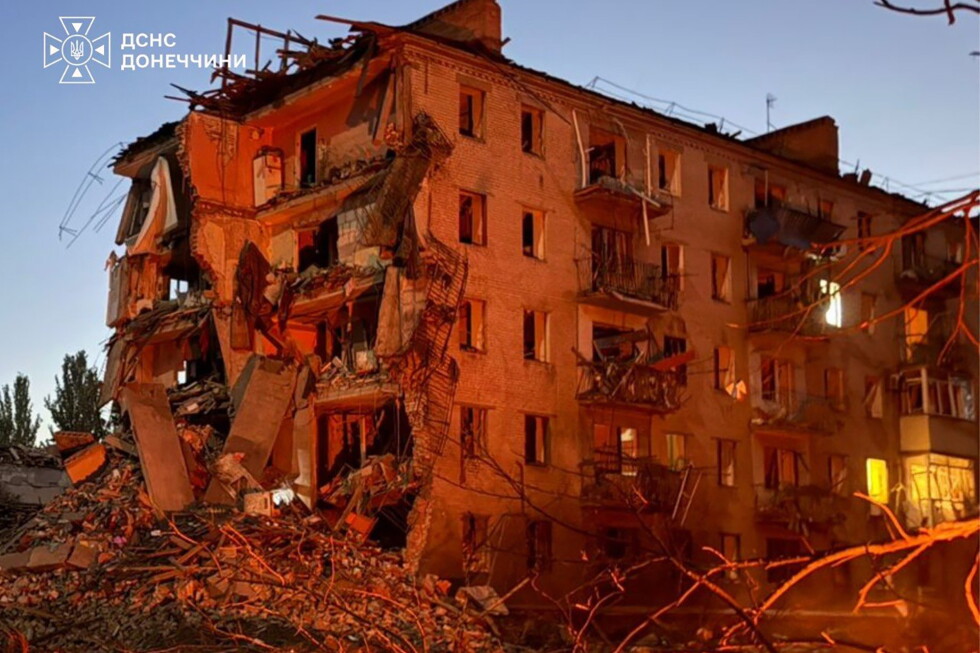
    Five straight days of unrelenting Russian aerial bombardment have pounded Kyiv and surrounding communities in central Ukraine, leaving civilian supply chains shattered and the population grappling with the growing threat of jet-powered drone strikes as the war enters its fifth year. The intensification of Moscow’s air campaign, which has ramped up significantly in recent months, has upended daily life across the Kyiv region, with near-constant air raid alerts disrupting work, school, and basic routines.

    Over the weekend alone, between Thursday and Sunday, Russian forces launched nearly 1,500 drones across Ukrainian territory, approximately 800 of which are the fast, hard-to-intercept jet-powered variants that Ukrainian defense officials say have created a pressing new challenge. A devastating Saturday strike killed at least 38 civilians, marking the deadliest single Russian attack on Ukraine so far this year, following two major July assaults that claimed nearly 50 civilian lives.

    Local military officials confirmed that Monday’s strikes hit multiple warehouse facilities in the Kyiv suburbs of Brovary and Boryspil, wounding four people. Repeated targeting of food storage and distribution hubs has stripped shelves bare at supermarkets across the capital region, stoking widespread public anxiety over potential food shortages. To calm growing panic, Serhii Beskrestnov, an adviser to Ukrainian President Volodymyr Zelenskyy, released a public statement Monday reassuring residents that Ukraine will avoid mass hunger. Beskrestnov urged the public to disregard spread rumors and disinformation, noting that domestic producers and retailers are actively restructuring supply routes to compensate for destroyed infrastructure, and European allies have pledged to step in to cover any gaps in food supplies if needed.

    As the academic year was set to begin Tuesday across Ukraine, many parents remained uncertain whether to send children back to in-person classes. While all Ukrainian schools are required to maintain functional air raid shelters and offer remote learning options, the persistent threat of attacks has left many families hesitant to resume normal on-campus activities.

    In a social media address Sunday evening, Zelenskyy outlined Russia’s evolving strategy, saying Moscow’s core goal is to erode the resolve of the Ukrainian people over time. “Right now, Russia’s tactic is to wear down Ukraine and Ukrainians — first and foremost, our people,” he said. The Ukrainian leader also acknowledged that the growing volume of fast jet-powered drones deployed by Russia has stretched existing Ukrainian air defenses thin. Currently, Ukrainian combat aircraft are the primary line of defense against these drones, but Kyiv is racing to develop more effective counter-technology.

    Zelenskyy announced that four domestic Ukrainian companies have developed prototype interceptor drones designed to counter Russian jet-powered drones, with one company delivering particularly promising results. He did not share additional technical details on the systems under development.

    Beyond targeting food infrastructure, Russia has doubled down on a campaign to disable Ukraine’s energy infrastructure ahead of the approaching winter. On Sunday, the Russian Defense Ministry explicitly warned that it would carry out “massive strikes” against Ukrainian energy facilities, a tactic Moscow used in previous winters to leave civilians without heat or running water. Overnight Monday, a large Russian drone attack hit the northern Chernihiv region, which shares a border with Russia, damaging an energy facility, according to Viacheslav Chaus, head of the region’s military administration. Chaus did not release further details on the extent of the damage.

    Ukraine has in turn stepped up cross-border attacks on Russian infrastructure to try to shift the burden of war to ordinary Russian civilians. In recent weeks, Ukrainian strikes have targeted major Russian online retail platforms and oil processing facilities, creating limited shortages for everyday Russians that have not resulted in the same level of civilian casualties seen in Ukraine.

    On Monday, Russian officials reported that their air defense forces shot down 239 Ukrainian drones over 14 Russian regions, the occupied Crimean Peninsula, and Black Sea waters overnight. Separately, acting regional governor Alexander Shuvayev confirmed that a Ukrainian missile strike on the border city of Belgorod Sunday evening killed three civilians.

    This reporting was contributed by the Associated Press, with Hatton filing from Lisbon, Portugal, and Elise Morton adding reporting from London. Full coverage of the Russia-Ukraine war is available on the AP News hub.