博客

  • Fast-fashion giant Shein’s shares fall after Hong Kong trading debut that spotlights its China roots

    Fast-fashion giant Shein’s shares fall after Hong Kong trading debut that spotlights its China roots

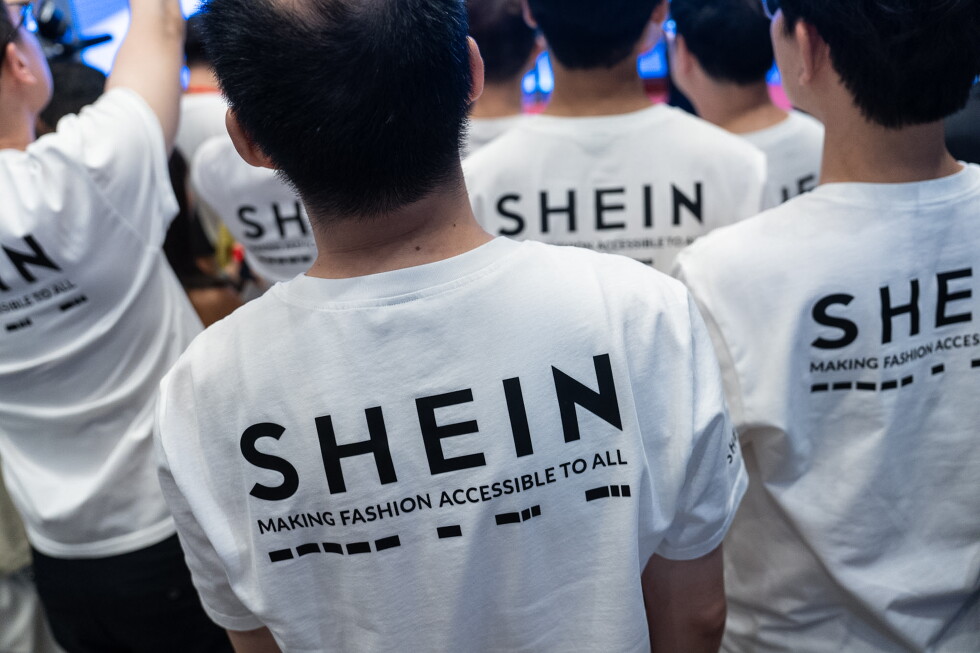
    After years of delays, route shifts, and shifting global market conditions, global fast-fashion giant Shein finally made its public trading debut on the Hong Kong Stock Exchange on Tuesday — but the opening session brought an immediate downturn, with shares sliding roughly 10% from their IPO pricing. The online retail leader priced its initial public offering at HK$48.56 (equal to $6.19) per share, pulling in a total of $1.7 billion, making it one of the largest new share listings in Hong Kong so far this year.

    Speaking at the official listing ceremony, Shein Chief Financial Officer Leigh Gui framed the Hong Kong listing as a pivotal new chapter for the company. Despite executive optimism, early trading pushed shares down to roughly HK$44, highlighting investor caution over the brand’s mounting challenges.

    Founded in 2012 in Nanjing, China, Shein built its global customer base on a groundbreaking model of ultra-affordable, rapidly produced fashion, with delivery from Chinese factories to Western customers in as little as a few days. But that low-cost business model is now facing growing pressure from multiple interconnected headwinds.

    The elimination of longstanding “de minimis” tariff exemptions for low-value goods in both the United States and European Union has forced higher duties on small parcels shipped directly from China, including the majority of Shein’s product line. Compounding that cost crunch, global logistics expenses have spiked partially due to regional geopolitical instability tied to the conflict in Iran, squeezing the company’s already thin profit margins.

    These added costs have left Shein with no choice but to raise its consumer prices, eroding the core competitive advantage that made it a global hit, according to Jacob Cooke, CEO of WPIC Marketing + Technologies. Financial performance reflects this strain: Shein posted a net loss of $99 million in the first quarter of 2024, a sharp reversal from the $395 million profit it recorded in the same period one year earlier.

    Shein’s path to a public listing has been anything but straightforward. The company originally explored public offerings in New York and London, and relocated its corporate headquarters from China to Singapore in 2021, as it navigated overlapping regulatory scrutiny from both Beijing and Western regulators. Ultimately, the company shifted its listing plan back to Hong Kong, leaning back into its Chinese origins and the deep supply chain advantages that have long powered its operations.

    In a February speech, Shein founder Sky Xu acknowledged the company’s enduring roots: “Guangdong is Shein’s roots, and the starting point of our journey.” William Ma, an analyst at GROW Investment Group, noted that the pivot back to focus on Greater China highlights the unique value of Guangdong’s small-batch, fast-response manufacturing ecosystem that cannot be replicated elsewhere.

    Beyond tariff pressures, Shein continues to face regulatory roadblocks in key Western markets. In February, the European Union launched a formal investigation into the company focused on allegations of illegal products entering the bloc, including claims of material associated with child labor. Just months later, in May, Shein acquired San Francisco-based sustainable apparel retailer Everlane, a move many industry analysts have called a poor strategic fit that does little to address the company’s core challenges.

    At the time of its Hong Kong listing, Shein carries a market valuation of roughly $27 billion, only a small fraction of the peak valuation it reached just a few years ago. Gary Ng, senior economist for Asia Pacific at French bank Natixis, noted the company likely missed its ideal window for a public listing. “Shein has probably missed its golden listing window due to the shift of momentum toward AI and tariffs, which can affect valuations and profitability,” Ng explained.

    Even with the share drop and Shein’s ongoing challenges, the IPO is being seen as a positive win for Hong Kong’s financial sector. The territory has worked aggressively to reassert its status as a leading global financial hub after a downturn in IPO activity in 2023. So far this year, Hong Kong’s stock exchange has seen a strong rebound in new offerings, with total capital raised from IPOs already exceeding $40 billion. Lorraine Tan, an analyst at investment research firm Morningstar, added that there is already a large backlog of companies waiting to list on the exchange, signaling continued momentum for the market.
  • Ex-Crips leader found guilty in 1996 murder of rapper Tupac Shakur

    Ex-Crips leader found guilty in 1996 murder of rapper Tupac Shakur

    After nearly three decades of speculation, unanswered questions, and rampant conspiracy theories, one of the most high-profile cold cases in American music history has finally resulted in a conviction. On Monday, a Las Vegas jury found former South Side Compton Crips gang leader Duane “Keffe D” Davis guilty of murder with a deadly weapon for his role in orchestrating the 1996 drive-by shooting death of legendary hip-hop icon Tupac Shakur.

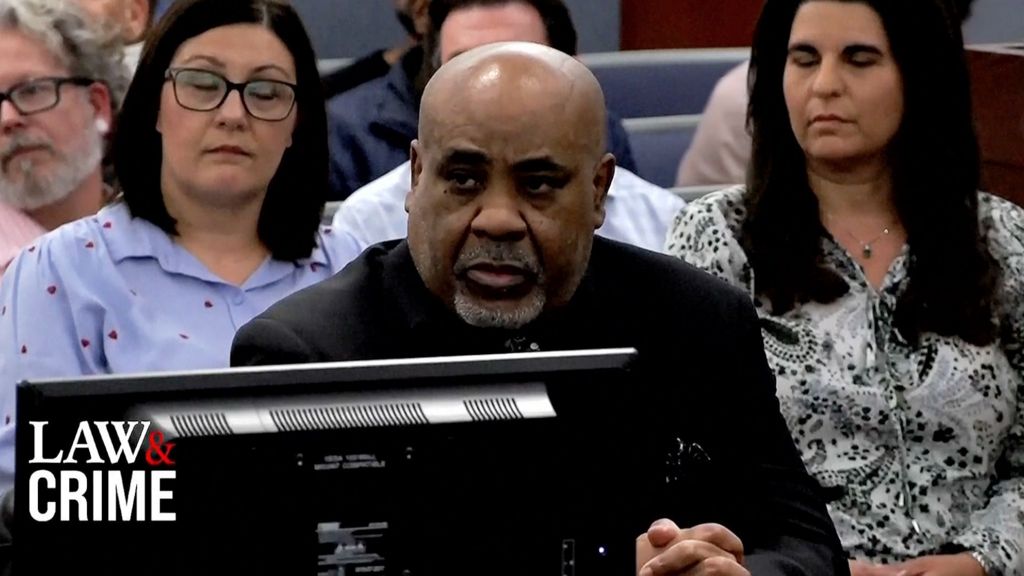
    Court observers described a tense, emotional scene inside the downtown Las Vegas courtroom as the verdict was read. The 63-year-old defendant, dressed in a crisp black suit, remained completely impassive as the jury foreman announced the guilty finding. Moments later, he formally informed Clark County District Court Judge Carli Kierny of his intent to appeal the conviction, a process that will move forward after his sentencing scheduled for October 13. Across the courtroom, members of Shakur’s family reacted with quiet emotion, locking hands, embracing one another, and shedding tears after the verdict was delivered. Shakur’s sister hugged lead prosecutor Binu Palal in a show of gratitude, while devoted fans gathered outside the courthouse cried and cheered at the news of the guilty outcome.

    Shakur, one of the most influential and commercially successful rappers of all time, was just 25 years old when he was gunned down on September 7, 1996, at the height of his career. To date, he has sold more than 75 million records worldwide, and his cultural legacy has only grown in the decades since his killing. The shooting occurred amid a bitter, well-documented rivalry between East Coast and West Coast hip-hop scenes, intertwined with long-standing gang feuds between the Crips and Bloods that shaped much of 1990s rap culture.

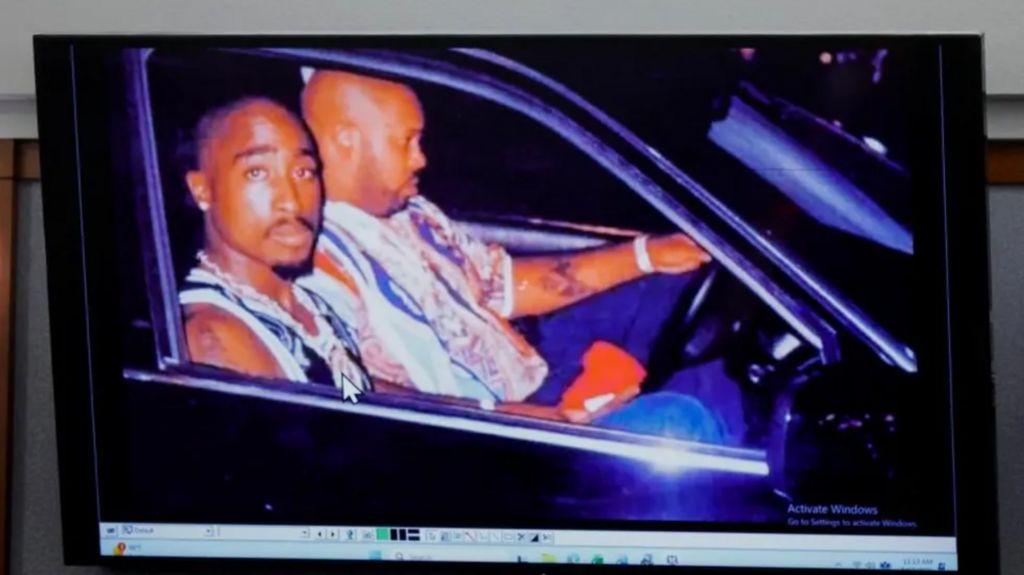
    Prosecutors argued during the trial that while Davis did not pull the trigger himself, he was the mastermind behind the killing. According to the state’s case, Davis supplied the 9mm handgun used by his nephew Orlando Anderson, who fired the fatal shots from the passenger seat of a white Cadillac that pulled alongside the BMW Shakur was riding in after a boxing match in Las Vegas. The attack was planned as retaliation for a physical altercation between Anderson and Shakur’s entourage that occurred just hours before the shooting, prosecutors confirmed.

    The case against Davis rested largely on his own repeated public statements about his involvement in the killing. In a 2008 secret police interview conducted as part of the investigation into the murder of fellow rapper The Notorious B.I.G. (born Christopher Wallace), Davis first admitted his presence in the Cadillac and his role in organizing the attack. He expanded on these claims in great detail in his 2019 tell-all memoir *Compton Street Legend*, as well as in multiple documentaries and podcast interviews. These public disclosures voided a prior immunity agreement Davis had struck with authorities, allowing prosecutors to use his 2008 interview as evidence in the trial.

    In closing arguments, Palal urged jurors to accept Davis’ own accounts of his role, noting that the former gang leader had openly claimed responsibility for Shakur’s death across dozens of media appearances over more than a decade. “He’s the shot caller — in every instance in every iteration he’s the leader of the South Side Crips,” Palal told the jury. “When you have the shot caller sitting shotgun when shots are fired, there’s no doubt he’s responsible.”

    Davis’ defense team pushed back hard against the prosecution’s narrative, arguing that the defendant’s public comments were nothing more than exaggerated bravado designed to boost book sales and bolster his reputation within gang circles. Defense attorney Michael Sanft told jurors that the state had no physical evidence linking Davis to the shooting, and that the case relied entirely on unsubstantiated statements from a proven liar. Despite this argument, the jury reached a guilty verdict within just hours of beginning deliberations.

    Following the verdict, Judge Kierny set Davis’ sentencing for October 13, and confirmed that any formal appeal process would move forward after sentencing. The conviction closes one of the most enduring mysteries in modern hip-hop, bringing a long-awaited resolution to a case that has captivated music fans around the world for nearly 30 years.

  • Trump’s vow to escalate on Iran rings hollow amid warnings from top US generals

    Trump’s vow to escalate on Iran rings hollow amid warnings from top US generals

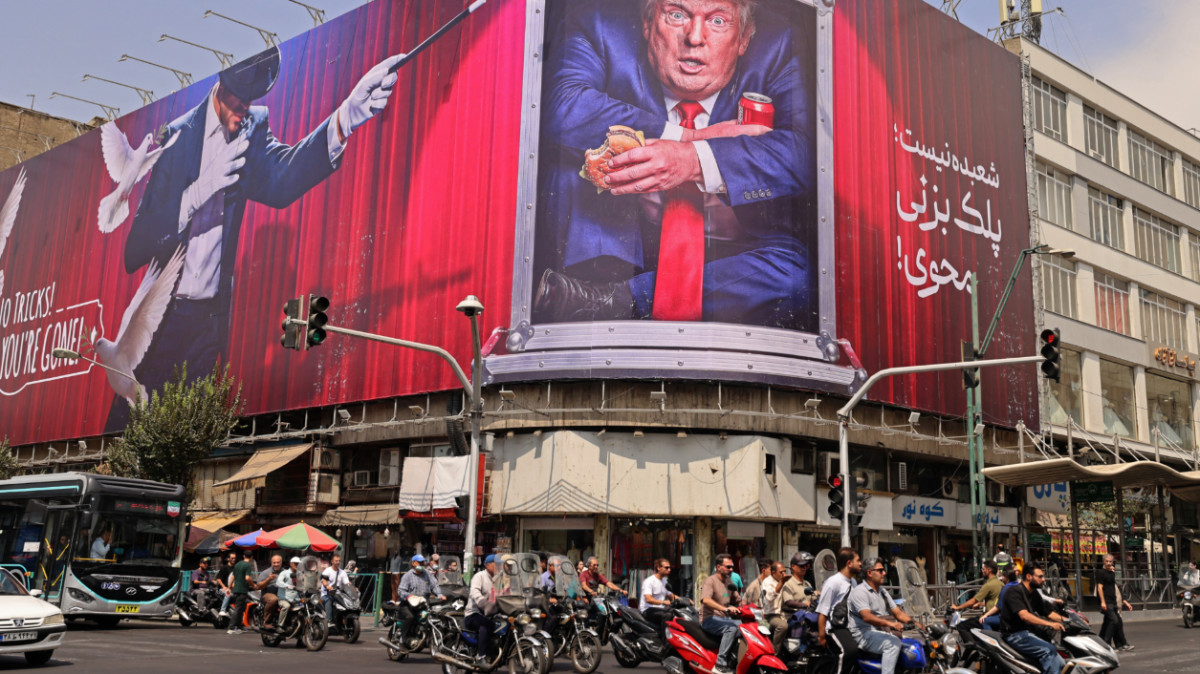
    Fresh geopolitical tensions have erupted across the Middle East after a series of tit-for-tat strikes between the United States and Iran, with President Donald Trump threatening harsh retaliation even as the nation’s most senior military leaders have privately warned that a large, prolonged conflict with Iran would severely undermine U.S. national security.

  • The living care for ancestors and wandering spirits at Malaysia’s Hungry Ghost Festival

    The living care for ancestors and wandering spirits at Malaysia’s Hungry Ghost Festival

    Nestled in the northern Malaysian state of Penang, the town of Bukit Mertajam comes alive every seventh month of the Chinese lunar calendar for one of Southeast Asia’s most enduring traditional Chinese religious celebrations: the Hungry Ghost Festival, centered on the veneration of Da Shi Ye, the Guardian God of Ghosts.

    This year’s festival, which ran for 15 days from mid-August, traces its origins all the way back to 1888, when a devastating plague swept through Bukit Mertajam. In the wake of the outbreak, local Chinese ancestors established the ritual of worshipping Da Shi Ye to appease and care for wandering spirits, a practice that has remained uninterrupted for more than 135 years.

    At the heart of the celebration stands a towering handcrafted effigy of Da Shi Ye, built from paper and bamboo. Following generations-old custom, the effigy is increased by roughly two centimeters every year. In 2025, the effigy stands at nearly 29 feet tall. For 69-year-old artisan Ng Chi Wong, who has devoted more than 40 years of his life to crafting these figures, the construction process is a masterclass in tacit tradition. A team of seven to eight builders spend roughly 45 days completing the work, with no formal blueprints to guide them. “Most of the design and construction details are already in our minds,” Ng explained. Builders start with the intricately detailed head, before assembling the bamboo frame, shaping the body, adding outer paper layers, and finishing with hand-painted details. While small incremental improvements have modernized minor parts of the process, Ng says the craft demands more than technical skill: artisans must also deeply understand the cultural and spiritual roots of the tradition to honor it properly.

    Unlike Qingming Festival (Tomb-Sweeping Day), which centers on honoring one’s own family ancestors, the Hungry Ghost Festival extends care specifically to unclaimed wandering spirits—people who died with no surviving family members to pray for them or offer them sustenance in the afterlife. Lim Han Cong, a Chinese studies graduate from the University of Malaya, explains that the festival weaves together beliefs from Buddhism, Taoism, and Chinese folk religion. “At its core, the Ghost Festival expresses the belief that the living and the dead remain connected through enduring moral and emotional bonds,” Lim said. “The living, therefore, have a responsibility to honor, support and help the deceased attain peace.” During the festival, Taoist priests recite sacred scriptures and conduct ritual ceremonies to guide these lost spirits to peace and salvation.

    This year’s festival culminated in the traditional ceremonial burning of the Da Shi Ye effigy, a ritual that symbolically sends the deity back to the spirit world. Lee Kim Fong, the event’s general affairs coordinator, estimates that more than 10,000 people attended this year’s closing ceremony, with peak crowds swelling to 20,000. Devotees travel to Bukit Mertajam not just from across Malaysia, but also from neighboring Singapore, Indonesia, and Thailand, mirroring similar celebrations held in Hong Kong, Singapore, and Taiwan.

    Far from remaining a static ritual locked in the past, the century-old festival has evolved to take on new meaning and roles for the local Chinese community. Since the 1970s, organizers have integrated charitable community work into the festival’s schedule. Auctions of blessed ritual offerings and targeted fundraising campaigns generate funds that support low-income residents with urgent medical needs and sustain local Chinese-language education. “It has also become an important platform for strengthening community solidarity,” Lim noted, explaining that the celebration now extends far beyond its original spiritual purpose of honoring the dead.

    To adapt to modern times and ensure the tradition can be passed to future generations, organizers have also embraced digital innovation. For devotees who live overseas or cannot travel to Bukit Mertajam for the festival, the committee has introduced online worship options, allowing participants to join prayers and submit offerings remotely. A professional media crew documented the entire 15-day 2025 celebration from August 14 to 29, and organizers plan to upload full footage to Facebook to make the Da Shi Ye festival accessible to audiences around the globe.

    “As descendants of the Chinese community, we have a responsibility to preserve this 100-year-old tradition,” Lee said.

    This report was contributed to by AP video journalist Syawalludin Zain, with Hernández reporting from Beijing. Associated Press religion coverage is supported through AP’s collaboration with The Conversation US, with funding from Lilly Endowment Inc. The AP holds sole responsibility for this content.

  • US army secretary resigns after months of tension

    US army secretary resigns after months of tension

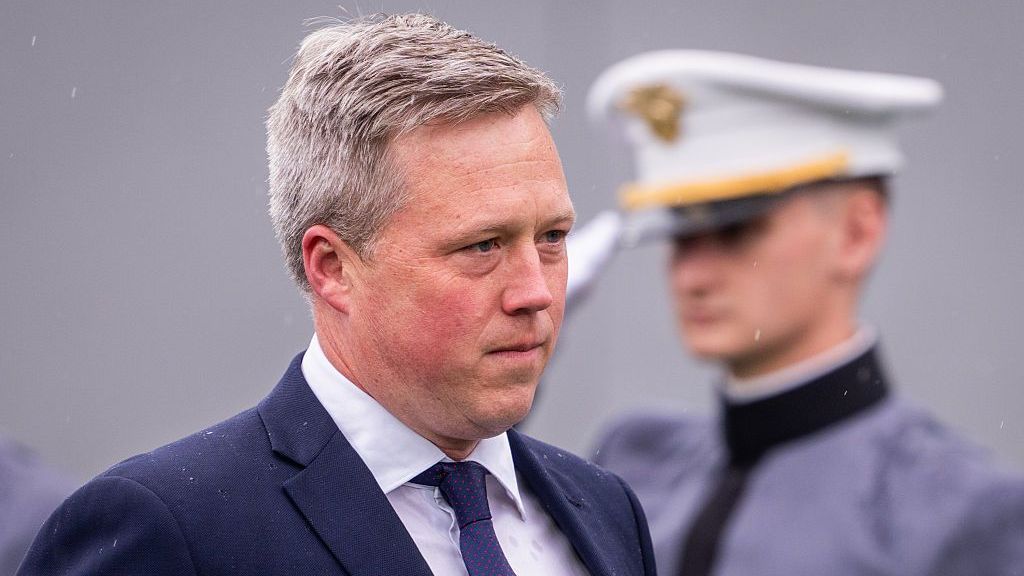
    A major shakeup continues to unfold across the top ranks of the US military, as the nation’s top civilian leader for the US Army, Secretary Dan Driscoll, has formally stepped down from his post after just 18 months in office. The departure was first confirmed by CBS News, US media partner of the BBC, which traced the resignation back to months of growing tensions between Driscoll and Defense Secretary Pete Hegseth.

    At 41 years old, Driscoll made history as the youngest person ever to hold the Army Secretary role. He was widely known in Washington circles as US President Donald Trump’s so-called “drone guy,” a nickname he earned for his strong, public advocacy for integrating emerging unmanned and digital battlefield technologies into military operations. In an official statement shared with CBS, the White House praised Driscoll’s tenure, noting he was “highly effective” at advancing the administration’s “Make America Strong Again” agenda and provided “outstanding leadership” during military operations.

    Driscoll’s exit is not an isolated event: it marks the latest in a growing wave of high-profile departures among senior military and defense leaders since Hegseth took leadership of the Pentagon. Hegseth has already removed more than a dozen top uniformed and civilian defense officials, including the chief of naval operations and the vice-chief of staff of the US Air Force. Earlier this year in April, Navy Secretary John Phelan stepped down abruptly, and other recent departures include former Army Chief of Staff Randy George, Army Gen. David Hodne and Maj. Gen. William Green. While full details of the behind-the-scenes friction between Driscoll and Hegseth remain undisclosed, CBS reports that Driscoll shared a close personal friendship with George, who was pushed to resign by Hegseth.

    The position of Army Secretary is the highest civilian leadership role for the US military’s ground branch, with oversight over roughly a million active-duty, National Guard and reserve soldiers across the globe. Driscoll brought first-hand military experience to the role: he commissioned as an Army officer in 2007, led a cavalry platoon and deployed to Iraq on a five-month tour in 2009. Beyond his work on military technology, Driscoll held other key roles during his 18 months in office:

    He took a leading role last year in high-level diplomatic negotiations aimed at ending the ongoing Russia-Ukraine war, making multiple overseas trips and holding direct talks with Ukrainian President Volodymyr Zelensky. He is also a long-time close ally and personal friend of Vice-President JD Vance, with the pair having met while attending Yale Law School together. During his tenure, Driscoll was a central figure in the Trump administration’s decision to deploy National Guard troops to cities across the US, and he also served temporarily as acting director of the Bureau of Alcohol, Tobacco, Firearms and Explosives. The BBC has reached out to the White House, Pentagon and US Army for additional comment on the resignation, with no additional response as of press time.

  • Sudan’s RSF and Israel held discreet meetings over last two years: Report

    Sudan’s RSF and Israel held discreet meetings over last two years: Report

    A newly published investigation by Africa Intelligence has uncovered ongoing covert diplomatic and intelligence contacts between Israeli officials and senior leaders of Sudan’s Rapid Support Forces (RSF), holding meetings and hosting RSF delegations in Tel Aviv throughout Sudan’s brutal three-year civil conflict. The inquiry, which was released Friday, details two official RSF delegations that traveled to the Israeli coastal capital, with the first visit taking place in May 2025 and the second held in February 2026. According to the investigation’s findings, RSF representatives held closed-door talks with senior officials from the Africa Division of Israel’s foreign ministry as well as top leaders from Israeli national intelligence agencies. These high-level contacts are not a new development, the investigation confirms, but rather form part of a broader security and intelligence partnership that was established long before Sudan’s civil war erupted in April 2023. The first RSF delegation was led by Abdul Rahim Hamdan Dagalo, the deputy commander of the paramilitary group and brother of RSF chief Mohamed Hamdan Dagalo, widely known by his nickname Hemedti, alongside a third Dagalo brother, Algoney Hamdan Dagalo. For the second February 2026 visit, the Dagalo brothers were joined by Ezzadean Elsafi, the RSF’s top legal advisor, the report notes. Investigators found that the years-long cooperation between Israeli officials and Hemedti’s inner circle has reportedly centered on the transfer of sensitive surveillance technologies to the RSF, a development that could significantly expand the paramilitary group’s operational capabilities on the battlefield across Sudan. Israel has a long documented history of parallel outreach to both of Sudan’s competing warring parties, maintaining ties with the official Sudanese Armed Forces (SAF) through the Ministry of Foreign Affairs and Prime Minister Benjamin Netanyahu’s office, while cultivating a separate relationship with the RSF through Israel’s national intelligence agency Mossad. Diplomatic relations between Khartoum and Tel Aviv were formally normalized in 2021, when Sudan’s post-uprising Transitional Sovereignty Council signed the US-brokered Abraham Accords, making Sudan the third Arab-majority nation to officially normalize ties with the Jewish state. The revelation of these secret meetings comes as the RSF faces mounting international accusations of mass atrocities, including genocide and ethnic cleansing, during its military campaign across Sudan. Earlier this year, the United Nations’ Independent International Fact-Finding Mission for Sudan released a landmark conclusion that the RSF’s months-long October 2025 siege of el-Fasher, the capital of Sudan’s North Darfur region, carried all the “hallmarks of genocide.” In early July of 2026, an anti-terrorism and state crimes court based in Port Sudan, which is held under SAF control, handed down death sentences in absentia to RSF leader Hemedti and 15 other senior RSF figures. The court convicted the group on multiple charges including their role in the 2023 assassination of West Darfur Governor Khamis Abdullah Abakar, as well as crimes against humanity, war crimes, unlawful warfare, and acts of genocide in the West Darfur capital of el-Geneina. This historic ruling marks the first time RSF leadership has been formally convicted by a Sudanese judicial body since the outbreak of the civil war in April 2023. The trial centered heavily on the assassination of Governor Abakar, who was killed just one day after he publicly condemned RSF shelling attacks on the residential el-Jamarik neighborhood of el-Geneina. In 2024, global human rights watchdog Human Rights Watch released its own investigation concluding that the systematic violence carried out by the RSF in el-Geneina amounted to ethnic cleansing, and likely constituted genocide targeting the Masalit people and other non-Arab ethnic communities in the region. Despite widespread evidence including circulated video footage showing RSF fighters mutilating Abakar’s body, the RSF has repeatedly denied all responsibility for the killing and has instead blamed the atrocities on the SAF. As early as June 2023, just two months after the war began, independent regional outlet Middle East Eye reported that roughly 1,500 civilians had been killed in el-Geneina alone within the first eight weeks of conflict. The violence forced tens of thousands of Masalit civilians to flee their homes on foot, crossing the Sudan-Chad border to seek safety in eastern Chad.

  • Watch: Moment Duane ‘Keffe D’ Davis is found guilty of Tupac Shakur’s murder

    Watch: Moment Duane ‘Keffe D’ Davis is found guilty of Tupac Shakur’s murder

    After nearly 30 years of speculation, unanswered questions and unproven conspiracy theories that gripped the hip-hop world and popular culture at large, a court has finally delivered a verdict in one of the most high-profile killing cases in modern entertainment history. Duane “Keffe D” Davis has been found guilty of the murder of iconic rap artist Tupac Shakur, marking the end of a decades-long investigation that had stumped law enforcement and fueled endless public debate.

    Shakur, a cultural trailblazer whose work transformed hip-hop and cemented his legacy as one of the most influential artists of the 1990s, was fatally shot in a drive-by shooting in Las Vegas in September 1996. For nearly 27 years following his death, the case remained unsolved, with no arrests made and dozens of competing theories circulating about the circumstances of his killing and the parties responsible. The mystery surrounding Shakur’s death grew into one of the most enduring unsolved puzzles in modern popular culture, captivating true crime fans, music historians and casual observers alike for generations.

    That stalemate broke in 2023, when law enforcement made their first arrest in the case, taking Davis into custody more than two and a half decades after the shooting. Davis, a former street gang leader who had long openly admitted to being in the car from which the fatal shots were fired, was charged with murder after years of new evidence gathering and investigative breakthroughs. After a trial that drew international media attention, the jury returned a guilty verdict, closing one of the most high-profile cold cases in American history.

  • Days after Trump announces Venezuela oil deal, White House fills in some of the details

    Days after Trump announces Venezuela oil deal, White House fills in some of the details

    WASHINGTON – The White House formally introduced a landmark partnership with North American Blue Energy Partners (NABEP) on Monday, advancing former President Donald Trump’s policy initiative to unlock and develop Venezuela’s underutilized oil industry. The agreement, which establishes a new joint venture between the U.S. and the Venezuelan-led energy firm, grants the U.S. Pentagon a direct ownership stake in a holdings controlling roughly one-fifth of the South American nation’s massive proven oil reserves.

    The disclosure comes several days after Trump announced what he billed as “the biggest oil deal in history,” with new details released publicly Monday evening clarifying key terms of the sweeping agreement that had been withheld by the White House since the initial announcement. NABEP, which is owned by prominent Venezuelan businessman Alejandro Betancourt, already operates as the second-largest oil producer in Venezuela, trailing only U.S.-headquartered Chevron.

    Under the terms of the deal, Venezuela’s interim government led by acting President Delcy Rodríguez has granted the new joint venture 100-year development rights to 17 oil fields holding 65 billion barrels of proven reserves. According to White House documentation, the majority of these fields were previously controlled by energy firms based in Russia and China.

    The agreement allocates a 35% ownership stake in the new joint venture to the U.S. Department of Defense, while the U.S. State Department has secured a guarantee to purchase 20% of all oil output from the fields at production cost. Betancourt’s NABEP has committed to investing $100 billion to build and upgrade critical oil extraction and transportation infrastructure across the concession area.

    The Trump administration’s push for this deal follows a January military operation that resulted in the capture of former Venezuelan President Nicolás Maduro on federal charges of narcoterrorism and drug trafficking, clearing a major political hurdle for the initiative to move forward.

    Administration officials have framed the agreement as a financially risk-free arrangement for U.S. taxpayers, noting that the deal comes at “zero cost” to the federal government. The U.S. will also hold veto power over all board appointments, and a majority of the joint venture’s board members will be U.S. citizens.

    “The agreement with NABEP is governed by U.S. law and falls under the exclusive jurisdiction of U.S. courts, and NABEP will retain independent, reputable U.S.-based auditors, legal counsel and strategic advisers,” the White House outlined in an official fact sheet published alongside the new details.

    Despite the administration’s optimistic framing, energy and policy analysts have expressed widespread skepticism that the deal will deliver on its near-term promises, noting that it will likely take years of sustained investment and development to meaningfully restart and scale oil production in the concession. Even so, Trump and his senior advisors argue that the deal lays the groundwork to establish a major new oil producing power in the Western Hemisphere.

    Former U.S. government energy policy advisors have also warned that the agreement carries significant long-term political risk. Changes in administration in either Venezuela or the United States could lead to future legal or political challenges to the deal’s legitimacy and terms, creating uncertainty for investors and stakeholders.

  • UN spotlights nuclear weapon states’ refusal to ratify test ban treaty at divisive time

    UN spotlights nuclear weapon states’ refusal to ratify test ban treaty at divisive time

    On the International Day Against Nuclear Tests, top United Nations disarmament officials have issued a stark public warning: the fragile decades-long global restraint on nuclear explosive testing is at grave risk of collapse, with rising geopolitical tensions pushing major nuclear-armed states closer to resumption that could ignite a dangerous new global arms race.

    Held at U.N. Headquarters in New York, the commemorative General Assembly meeting came amid a rapidly shifting landscape of global distrust. Last year, the world’s two largest nuclear powers — the United States and Russia — both openly raised the possibility of resuming explosive nuclear tests, sending shockwaves through the international nonproliferation community. Then-U.S. President Donald Trump accused Russia and China of carrying out covert nuclear tests, claims both nations have flatly denied. Earlier this year, Russia took the unprecedented step of revoking its ratification of the Comprehensive Nuclear Test Ban Treaty (CTBT), the 1996 global agreement designed to permanently ban all nuclear explosive testing.

    Addressing assembled delegates, U.N. High Representative for Disarmament Affairs Izumi Nakamitsu emphasized the gravity of the current moment. The world is facing “deep geopolitical tension, growing division and diminishing trust,” she noted, creating fertile ground for a rollback of decades of progress on nuclear nonproliferation. “Even contemplating such a course is dangerous,” Nakamitsu warned. “Any resumption would erode decades of restraint, deepen mistrust and risk triggering reciprocal tests and an arms race. This must never become reality.”

    The CTBT, which was adopted by the international community in 1996, carries a strict requirement for entry into force: it must be ratified by 44 specific countries identified as possessing nuclear technology or infrastructure. To date, nine of those countries have failed to complete ratification. The U.S., China, Iran, Egypt and Israel have signed the treaty but never moved to ratify it. India, Pakistan and North Korea have neither signed nor ratified the agreement, leaving the treaty stuck in a decades-long limbo that has prevented it from formally entering into force. Even with that barrier, the CTBT has become the cornerstone of global norms against nuclear testing, with nearly all nations adhering to an informal moratorium for nearly 30 years.

    In a small glimmer of progress, Robert Floyd, executive head of the Comprehensive Nuclear Test Ban Treaty Organization (CTBTO) that monitors global compliance with the treaty, announced that Tonga’s recent ratification has pushed the total number of states party to the agreement to 179. Still, Floyd stressed that the underlying geopolitical risks have never been higher. Since the first atomic test in 1945, more than 2,000 nuclear explosions have been conducted across the globe, he noted. While that number has dropped sharply to fewer than 12 total tests over the past three decades — a testament to the strength of the global moratorium — the shifting global landscape has erased much of that progress. “The international scene is tense, full of mistrust,” Floyd cautioned, “including about nuclear testing.”

    If major powers walk away from the testing moratorium, Floyd warned, the consequences will be catastrophic. A return to regular testing would pave the way for the development of far more advanced, lethal nuclear arsenals, drastically increase the risk of accidental nuclear use, and leave the world facing “devastation from nuclear ‘bad luck.’”

    The International Day Against Nuclear Tests, established to mark the 1991 closure of the Soviet Union’s Semipalatinsk test site — now located in Kazakhstan, where 456 nuclear tests were conducted over decades — also centers the human cost of nuclear testing that is often overlooked in global diplomatic debates. This year, survivors and affected community leaders shared first-hand accounts of intergenerational harm caused by unregulated nuclear testing.

    Tina Cordova, co-founder of the Tularosa Basin Downwinders Consortium, an advocacy group formed to support communities affected by the 1945 Trinity atomic test in New Mexico, told delegates how five generations of her family have suffered from radiation-related illnesses linked to the first ever nuclear bomb test. “We were never warned before or after of the danger, so we lived our lives off the land as we always did,” Cordova said. Every generation of her family has battled cancer caused by radiation exposure from the test, she added, a fate shared by thousands of affected communities around the world.

    Cordova emphasized that New Mexico survivors are not isolated in their struggle. Nuclear testing programs carried out across the globe have left communities in Guam, French Polynesia’s Tahiti, Kazakhstan, and Indigenous Aboriginal lands in Australia, as well as multiple U.S. states including Idaho, Utah, Arizona, Nevada, Colorado and Montana, suffering chronic health impacts from radiation exposure. Uranium miners and processing workers and their families have also faced disproportionate harm from nuclear testing programs. “We’re the people that became the collateral damage to the development and testing of nuclear devices and were left to deal with the consequences on our own,” Cordova said. “It is why we fight for acknowledgment and assistance.”

  • Ben Gvir bars Jewish anti-Zionist movement from carrying guns

    Ben Gvir bars Jewish anti-Zionist movement from carrying guns

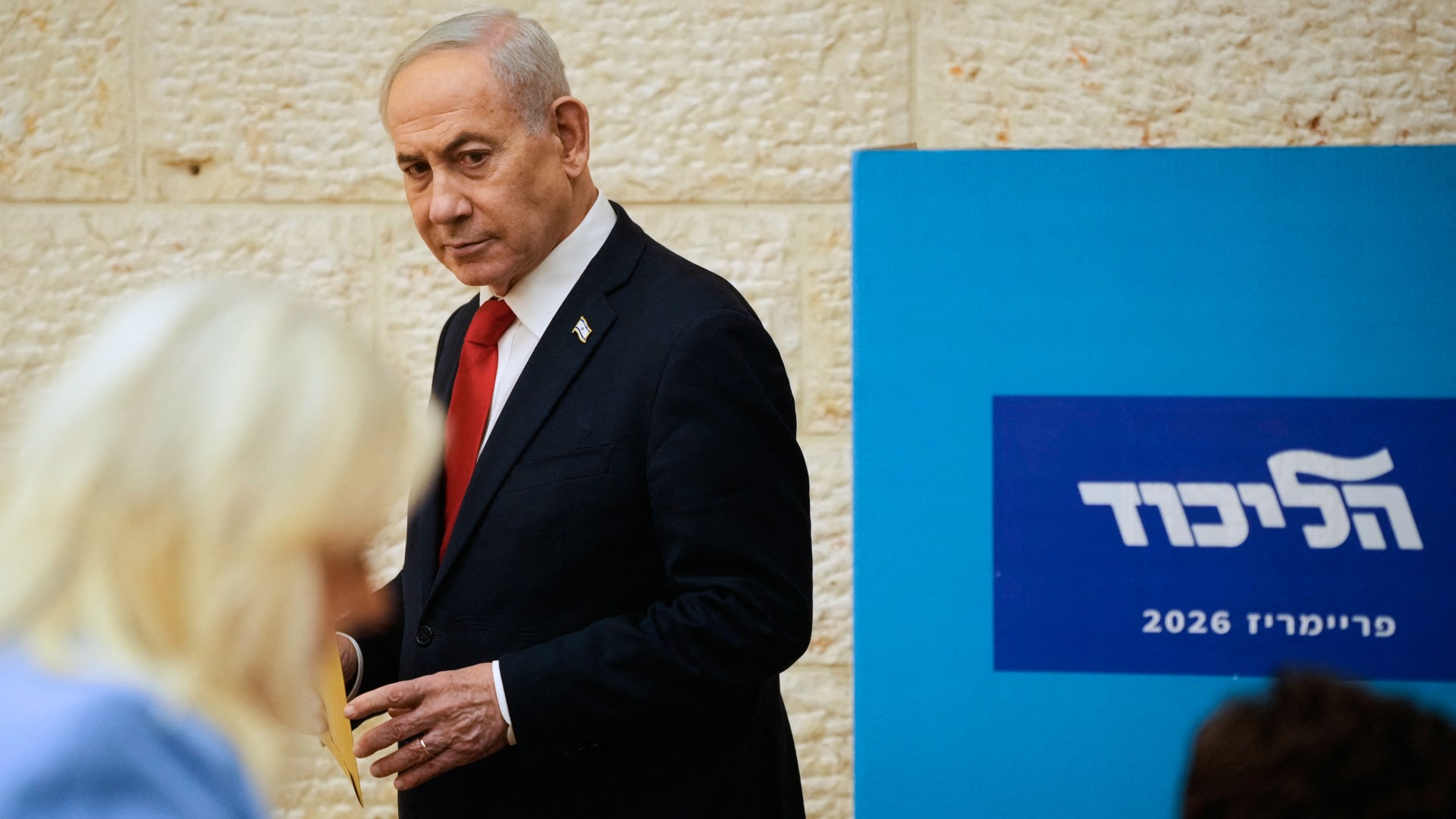
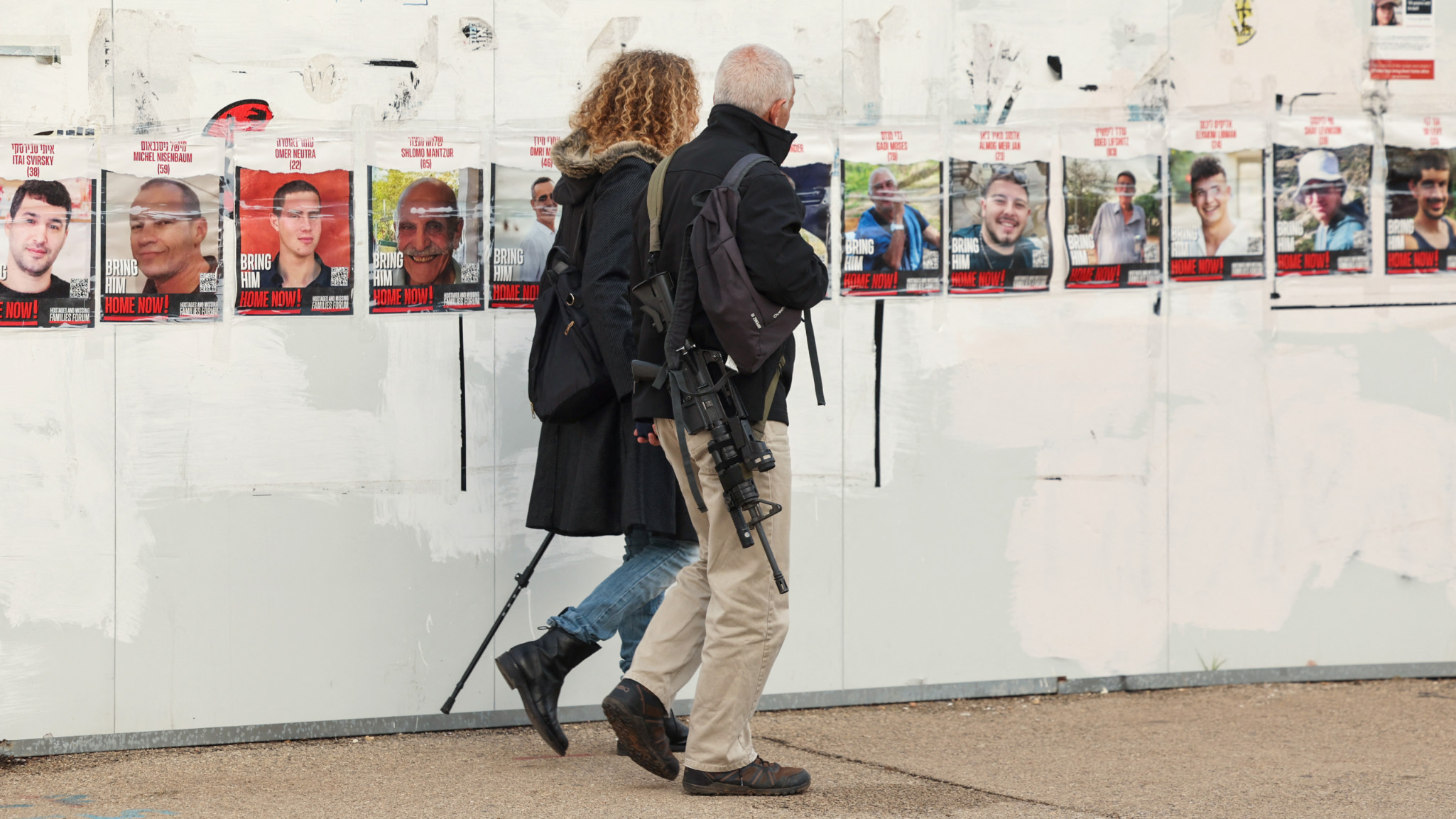
    Israel’s far-right National Security Minister Itamar Ben Gvir has moved to expand his controversial loosening of civilian firearm regulations to the Jerusalem-adjacent city of Beit Shemesh, while explicitly barring members of the anti-Zionist ultra-Orthodox group Neturei Karta from accessing gun licenses, Israel Hayom reported Monday.

    The expansion of the minister’s signature gun reform forms part of a broader push that began shortly after he took office, which has already upended decades of tighter Israeli regulations on civilian gun ownership. In October 2023, the Israeli government approved a sweeping set of rule changes that drastically lowered eligibility requirements for ordinary civilians to obtain personal firearms. As of the latest reporting, roughly 300,000 additional Israeli citizens have secured gun licenses since Ben Gvir assumed his post, and residents of more than 200 municipalities across the country now qualify for the program.

    Under the latest expansion, most residents of Beit Shemesh – a city with a large ultra-Orthodox population located just west of Jerusalem – will newly qualify to apply for licenses to carry personal firearms. However, the fringe anti-Zionist Neturei Karta community, which maintains a presence in the city, has been completely locked out of the scheme. Eligibility for the program is mapped by residential address, with Israeli police and Ben Gvir’s office specifically removing all streets where Neturei Karta members reside from the eligible zones.

    “I am proud to continue the weapons reform and expand it to Beit Shemesh as well,” Ben Gvir told Israel Hayom. “The residents of Beit Shemesh, like all citizens of the State of Israel who love the State of Israel, have a basic right to defend themselves and their family members.”

    Data from The Jerusalem Post shows that 126 additional communities have been added to the eligible list for expanded gun access in 2026 alone. Ben Gvir has pledged to continue rolling out the reform across the country, saying he will “expand the weapons reform, add more cities, towns and neighbourhoods to eligibility, and ensure that as many citizens as possible can defend themselves and the State of Israel.” Repeating his long-stated policy mantra, he added: “My policy is clear: weapons in the right hands save lives.”

    Justifying the exclusion of Neturei Karta – a small ultra-Orthodox faction whose name translates from Aramaic to “guardians of the city” and which rejects the existence of a Jewish state before the coming of the messiah, routinely advocating for Palestinian causes and rejecting engagement with Israeli state institutions – Ben Gvir argued the group’s positioning makes them ineligible. “Whoever prides himself with the PLO flag and takes photos with terrorists is an enemy, and therefore the neighbourhoods of the extremists have been excluded from eligibility for weapons,” he said.

    The explosive growth in gun ownership under Ben Gvir’s reforms is well-documented. Before he took leadership of the national security ministry, data from Haaretz shows only around 170,000 Israelis held active firearm licenses. That number has more than doubled in the years since the regulations were loosened. By June of last year, total gun license applications filed since late 2023 had surpassed 400,000, the Times of Israel reported.

    The expansion of civilian gun access has drawn widespread criticism from analysts, human rights groups, and independent researchers, who have flagged a range of severe risks stemming from the policy. Experts have repeatedly warned that the spread of unregulated firearms among Israeli civilians has fueled a sharp rise in violence targeting both Palestinians and women within Israel. Critics also note that the reform systematically excludes Palestinian citizens of Israel, who are barred entirely from obtaining gun licenses under the current framework.

    Data from the UN Office for the Coordination of Humanitarian Affairs (OCHA) underscores these concerns: in the first half of 2026 alone, OCHA recorded more than 1,000 settler attacks against Palestinians that caused injury or property damage across 230 Palestinian communities. The Israel Democracy Institute, an independent Israeli research center, has concluded that Ben Gvir’s gun reform “primarily serves Israel’s Jewish citizens, at times while creating a threat to and endangering those who are not Jewish.”

    This latest expansion of the scheme follows a similar move Ben Gvir made in March, when he announced that all Jewish residents of Jerusalem – including those residing in occupied East Jerusalem – would qualify for gun licenses, adding 300,000 eligible Israelis in the capital.