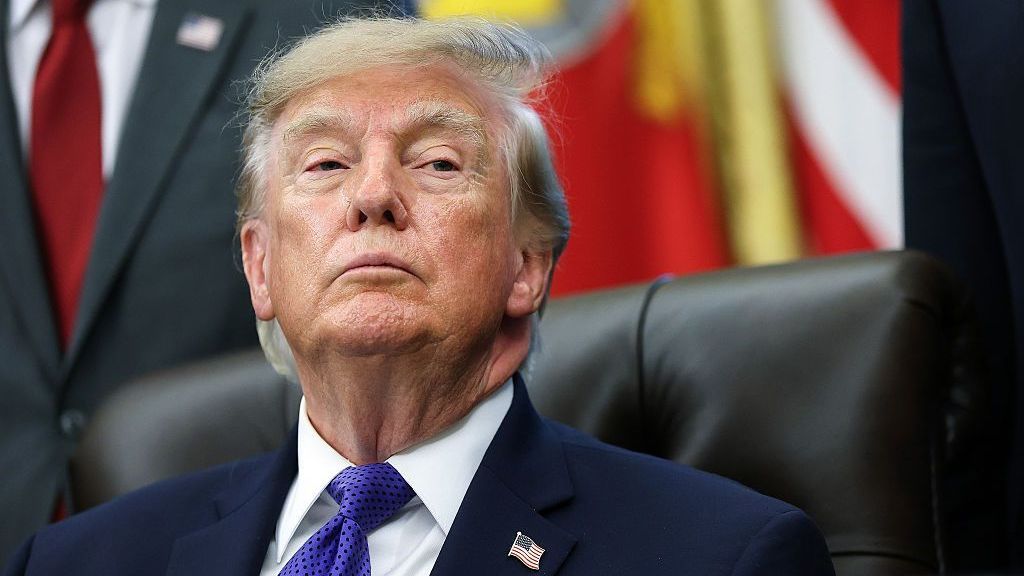
Weeks of growing cross-party criticism over the use of public funds to produce pro-Donald Trump television advertisements has forced the former president to reverse course, announcing he will cover the cost of the spots through his own fundraising and the MAGA Inc super PAC. The controversy erupted in September 2026, after more than a dozen ads fronted by Trump hit airwaves across the U.S., touting his past policy achievements including tax cuts and manufacturing growth, while attacking perceived political opponents. The hard-hitting spots included inflammatory language, with Trump promising to “cast out the communists, Marxists, and fascists,” oust what he called the “sick political class that hates our country,” defeat the “fake news media,” and “liberate America from these villains once and for all.”
The push for taxpayer funding for the ads ran afoul of longstanding U.S. laws barring the use of government money for overtly political promotional content, drawing condemnation from lawmakers in both major parties. As questions mounted over the legality and ethics of the spending, the White House defended the campaign, framing the spots not as political propaganda, but as educational public service announcements. Administration officials pointed to past government ad campaigns from prior administrations, including former Democratic President Barack Obama’s outreach for the Affordable Care Act and incumbent President Joe Biden’s public health ads urging COVID-19 vaccination. But legal experts pushed back on that comparison, noting that previous government-sponsored ads focused exclusively on legitimate public welfare objectives, such as public health guidance and emergency information.
“It’s difficult to see what legitimate government purpose is served by spending taxpayer dollars on ads whose only apparent purpose is to promote the president,” Margaret Dylus-Yukins, a leading legal ethics expert, told the BBC. Democratic New Hampshire Senator Maggie Hassan introduced a Senate resolution formally denouncing the Trump administration’s use of public funds for the ads, which explicitly carried the line “paid for by the U.S. Government.” The measure was ultimately blocked by a Republican senator, but the criticism continued to build even within Trump’s own party.
Top Senate Republican Leader John Thune acknowledged Monday that he supported the message of the ads, but agreed that public dollars should not cover the cost. “I like the message … it shouldn’t be paid for with taxpayer dollars,” Thune told reporters. Another prominent Republican Senator, John Kennedy of Louisiana, echoed that sentiment in an interview with CBS News over the weekend, arguing that no elected official, regardless of party, should use public money for self-promotional content. “I don’t think any public official, including President Trump or Kristi Noem or John Kennedy, should spend public money on private ads for themselves,” Kennedy said.
The controversy comes just weeks ahead of the pivotal November 2026 midterm elections, which will determine control of both chambers of the U.S. Congress. Democrats are widely expected to flip one or both chambers from Republican control, as polling continues to show Trump’s national approval rating hovering near historic lows. Midterm elections typically function as a referendum on the sitting president’s performance, and history shows the president’s party almost always loses congressional seats in the midterm cycle. Following days of intensifying bipartisan pressure, Trump took to social media Monday to announce his change in policy. He argued that the ads were a “positive promotion for our Great U.S.A.” and claimed the use of public funds for such spots was “a rather standard thing to do.” Nonetheless, he said he would now cover the cost of the “Patriotic Ads” himself, alongside funding from his MAGA Inc super PAC, ending the use of taxpayer money for the campaign.