博客

  • Jailed HK activist Joshua Wong pleads guilty to foreign collusion

    Jailed HK activist Joshua Wong pleads guilty to foreign collusion

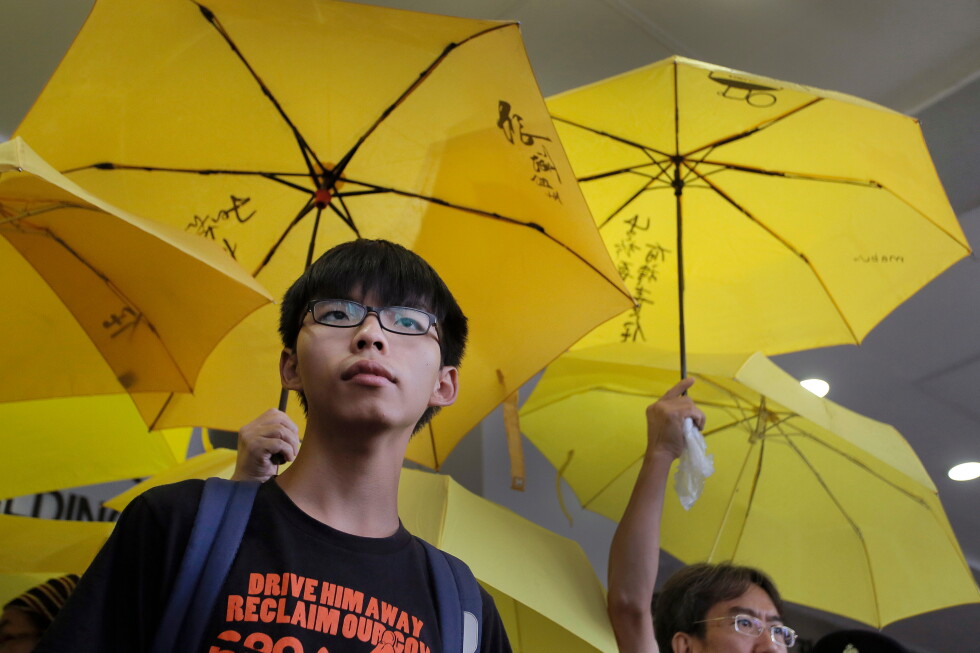
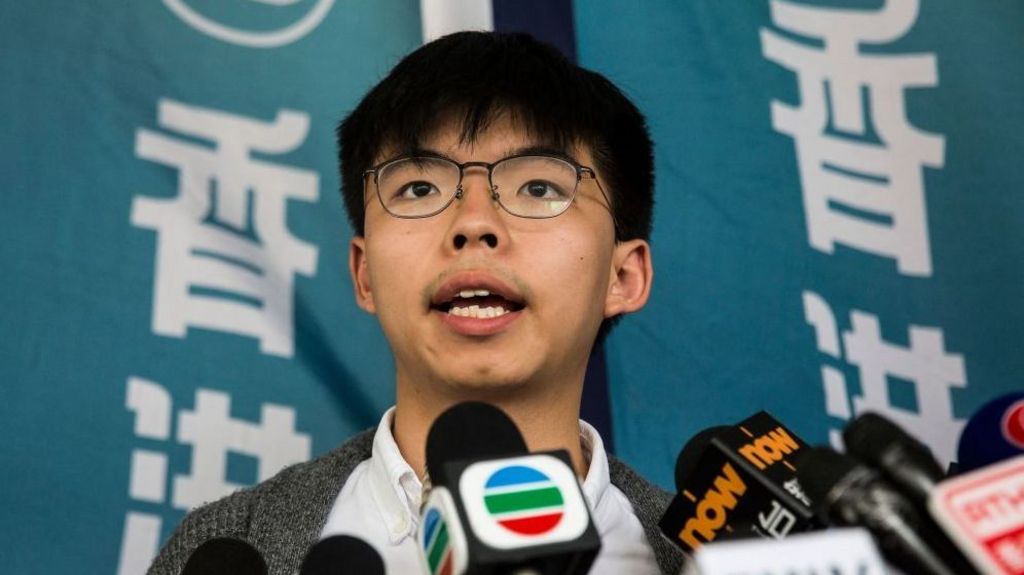
    One of the most high-profile figures of Hong Kong’s pro-democracy movement, Joshua Wong, has entered a guilty plea to a charge of collusion with foreign forces — an offense that can carry a maximum penalty of life imprisonment under China’s widely debated National Security Law (NSL) for Hong Kong.

    The 29-year-old activist, who became the global face of organized political dissent in the semi-autonomous region, is already in custody serving a four-year-and-eight-month sentence for a separate subversion conviction, another violation of the NSL, handed down in late 2024. That existing sentence was originally set to conclude in early 2026.

    Wong first rose to international prominence as a leading organizer of the 2014 Umbrella Movement, and later stood at the forefront of the large-scale 2019 pro-democracy protests that swept across Hong Kong. According to court documents reviewed by Reuters, the latest collusion charge accuses Wong of conspiring with fellow pro-democracy campaigners — including exiled activist Nathan Law — to lobby foreign governments and international entities outside China to impose sanctions or economic blockades against Beijing and the Hong Kong Special Administrative Region government.

    Court documents indicate the alleged activities occurred between July and late November 2020, the same year Beijing enacted the NSL following the 2019 unrest. The legislation has remained deeply controversial since its introduction: critics of the law argue it has eliminated political pluralism, crushed all forms of dissent, and created a pervasive climate of fear in Hong Kong, effectively eroding the city’s long-promised autonomy under the “one country, two systems” framework. For their part, Beijing and Hong Kong’s governing authorities maintain the NSL is an essential tool to restore public stability, safeguard national sovereignty, and reject claims that it has undermined the city’s independent governance.

    On Tuesday, approximately 40 of Wong’s supporters — including fellow activists and close personal friends — gathered outside the courtroom to show their backing. Some called out words of encouragement, shouting “Hang in there, Joshua!” to the defendant. Photographs and witness accounts show Wong, wearing a dark blue shirt, smiled and nodded from the defendant’s dock in response to the show of support.

    Tsang Kin-shing, a former leader of the now-disbanded League of Social Democrats, a pro-democracy political group, called on the court to issue a lenient sentence, pointing out that Wong has already spent more than 2,000 days behind bars across multiple prison terms related to his political activity. Another fellow activist, Louis Lee, expressed disappointment that Wong was hit with a second NSL charge while already serving time for a separate political offense, saying the news had left Wong and his supporters deeply disheartened.

    Despite his imprisonment, Lee added that Wong has continued to pursue new personal activities behind bars, including learning to play the guitar and maintaining a regular fitness routine. “I hope everyone can learn from his resilience,” Lee said.

  • US aircraft carrier docks near Thai beach resort Pattaya after record 250 days at sea

    US aircraft carrier docks near Thai beach resort Pattaya after record 250 days at sea

    After completing an unprecedented 250 consecutive days at sea without a single port call, the U.S. Navy’s nuclear-powered aircraft carrier USS Abraham Lincoln has arrived at its scheduled rest stop in Thailand, bringing nearly 5,000 exhausted crew members ashore for their first extended break in nine months. The vessel is anchored a short 40-minute drive from the iconic coastal resort town of Pattaya, a destination whose global identity has been deeply shaped by decades of U.S. military R&R visits stretching back to the Vietnam War era.

    What is now one of the world’s most famous entertainment hubs began as a quiet fishing village, transformed starting in the 1960s when hundreds of thousands of U.S. troops deployed to Southeast Asia arrived for rest and recuperation between tours of duty. Those visits turned Pattaya into a frenetic, neon-lit party town known worldwide for its raucous nightlife and sex tourism, a reputation it still carries decades after the end of the Vietnam conflict.

    Today, however, Pattaya’s normally crowded beachside alleys and famous Walking Street are far quieter than they were before recent global and regional conflicts. The ongoing war between the U.S.-Israeli coalition and Iran has gutted international tourism across Southeast Asia, crimping consumer spending and pushing many local businesses to the brink of collapse. For struggling proprietors, the arrival of 5,000 U.S. sailors, who have not had a chance to spend their nine months of accumulated pay during their time at sea, represents a rare lifeline for their bottom lines.

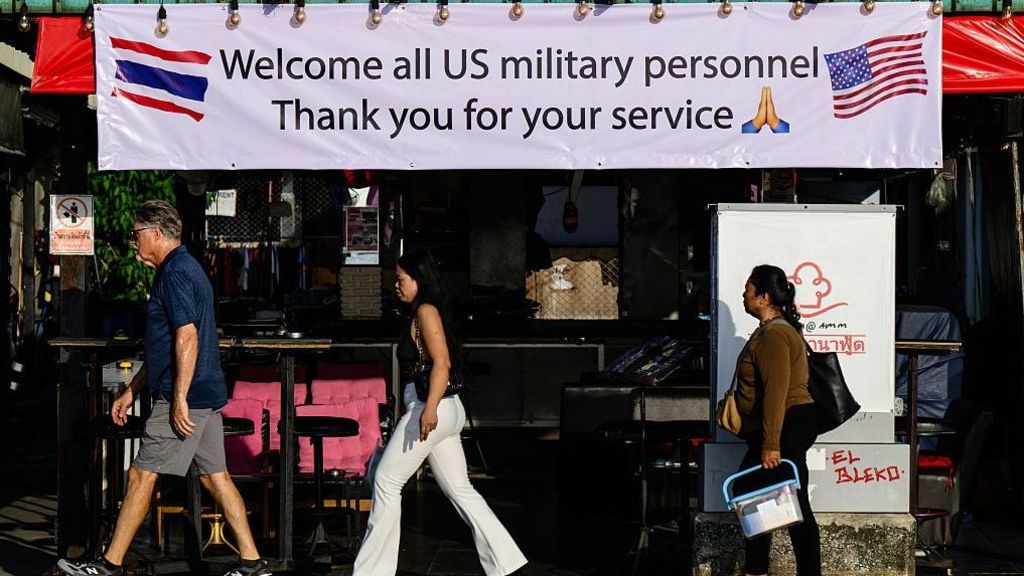
    Near Walking Street, gem seller Anon Saiteer already has hung a large welcome sign for U.S. crew members, advertising exclusive discounts for visiting service members. “This visit could be our best hope,” Saiteer told reporters. “We have nothing to lose – we just hope they will spend some money here.” The welcome is not unlimited, however: both U.S. and Thai authorities have worked to structure the visit to avoid the salacious headlines that have long dogged Pattaya’s reputation.

    Thai officials have designated several zones off-limits for U.S. service members, including Soi 6, the beachside lane notorious for its high concentration of go-go bars and sex workers. While prostitution is technically illegal under Thai law, an estimated 25,000 to 50,000 sex workers operate in Pattaya, many concentrated in the restricted lanes. U.S. crew members are also barred from entering local cannabis shops and from participating in high-risk recreational activities including paragliding and jet skiing.

    “The US military have done their homework,” Pattaya Mayor Poramase Ngampiches told the BBC, emphasizing that the off-limits designation was a joint decision between the two governments. To keep order during the visit, Thai authorities have deployed hundreds of additional police officers to patrol entertainment districts, and have issued warnings to local businesses against overcharging visiting American sailors. The U.S. Navy has also set up daily shuttle bus service from the port to Pattaya running from 5 a.m. to 2 a.m. daily, and has pre-approved two hotels for crew members seeking an overnight stay on shore.

    The extended deployment that brought the carrier to this point was not originally planned. The USS Abraham Lincoln departed San Diego last November for a scheduled six-month operational deployment to the Pacific and South China Sea. But in late February, the vessel was rerouted to the Gulf of Oman to support U.S. and Israeli military operations against Iran, extending its time at sea far beyond initial projections.

    The unplanned extension drew scrutiny from U.S. lawmakers in recent weeks, after reports emerged of substandard living conditions including food shortages, broken sanitation infrastructure, and rising mental health strain among the 5,000-person crew. The U.S. Navy has acknowledged that working conditions have been unusually difficult during the extended deployment, but has pushed back against claims that the crew lacks sufficient support, and declined to comment on the Pattaya port call to the BBC, citing operational security requirements.

    While Thailand maintains close economic and diplomatic ties with China, it remains a longstanding treaty ally of the United States, and port calls by U.S. Navy vessels are a regular occurrence in Thai waters. Even so, this visit marks the largest contingent of U.S. military personnel arriving directly from an active war zone to Pattaya since the fall of Saigon in 1975, at the end of the Vietnam War.

    For Pattaya’s local government, the visit also offers an opportunity to rebrand the city beyond its outdated mid-century reputation. Mayor Poramase acknowledged that the city’s historic association with adult entertainment cannot be erased, but highlighted efforts to diversify Pattaya’s tourism offerings to attract family travelers, wellness visitors, and business conference groups. “We have to be frank, the city has a reputation for bar girls. We understand the stereotypes. We can’t stop that,” he said. “What we can do is to show that Pattaya has changed, that we now have other things, such as sports, seminars, wellness and family-friendly activities. It’s a mixture of everything.”

    Both U.S. and Thai officials expect the carrier to conclude its rest and refit period and depart for its journey back to the United States across the Pacific on September 6, with the goal of sending the crew home rested and recovered after their grueling nine-month deployment.

  • Prominent Hong Kong activist Joshua Wong pleads guilty in second national security case

    Prominent Hong Kong activist Joshua Wong pleads guilty in second national security case

    HONG KONG – Twenty-nine-year-old Joshua Wong, one of the most high-profile faces of Hong Kong’s pro-democracy movement, has entered a guilty plea to a charge of conspiracy to collude with foreign forces to undermine national security. The charge is laid out under the 2020 national security law enacted by Beijing, legislation that has effectively crushed the once vibrant pro-democracy movement in the semi-autonomous city.

    This marks the second time Wong, a former student protest leader, has been prosecuted under the sweeping national security legislation. The law was introduced in 2020 in the aftermath of large-scale anti-government protests that roiled Hong Kong in 2019. Under the statute, the collusion charge carries a base sentence of three to 10 years in prison, and can be punished by up to life imprisonment for cases deemed of a grave nature. Wong is scheduled to receive his sentencing at a later date, with a life term the maximum possible penalty.

    Wong is already currently serving a combined prison sentence of four years and eight months stemming from a separate 2020 national security case tied to an unofficial pro-democracy primary election held ahead of planned legislative council elections. Legal norms in Hong Kong mean that his guilty plea in this latest case will likely result in a reduced sentencing discount. Prior to his June 2025 arrest on the collusion charge, Wong had been projected to be released from his current sentence in January 2026.

    The charge against Wong centers on allegations that between July 1 and November 23, 2020, he conspired with exiled fellow activist Nathan Law and other unnamed parties to lobby foreign governments, international institutions, and foreign non-state actors to impose sanctions, trade blockades, or other hostile actions against both the Hong Kong Special Administrative Region and mainland China. Law, who co-founded the pro-democracy political party Demosisto with Wong in 2016, fled Hong Kong for the United Kingdom shortly after the national security law came into force, and Hong Kong authorities have issued a 1 million Hong Kong dollar (approximately $127,600) bounty for information leading to his arrest.

    Wong first rose to public prominence back in 2012, when as a teenage high school student he led widespread public protests against the introduction of mandatory pro-Beijing national education curricula in Hong Kong’s public schools. He gained global notoriety four years later as a core student leader of the 2014 Occupy Central (Umbrella Movement) protests, which called for greater democratic accountability in Hong Kong’s leadership selection process. In 2016, he co-founded Demosisto, a youth-led pro-democracy party, alongside Law, who that same year became the youngest legislator ever elected to Hong Kong’s Legislative Council before being unseated over his pro-independence remarks.

    During the 2019 leaderless anti-government protests that swept Hong Kong, Wong worked to coordinate international outreach to build support for the pro-democracy movement, including advocacy with U.S. policymakers for legislation supporting Hong Kong’s autonomy. Beijing and Hong Kong authorities characterized these actions as “begging for foreign interference” in China’s internal affairs. Following the imposition of the national security law in June 2020, Demosisto announced it was immediately disbanding, with authorities framing the law as a necessary measure to restore stability and root out secessionist and subversive activity in the city.

    Wong’s prosecution has sparked divergent reactions across global political and civic circles. Critics of the national security law argue that the case is a clear demonstration of the Hong Kong and Beijing authorities’ unwavering commitment to silencing all high-profile dissenting voices, arguing that the consistent use of the law against opposition figures has created a profound chilling effect on all forms of civic activism in the city. For Beijing, however, Wong is classified as an anti-China figure who openly supports Hong Kong independence, a position that falls far beyond the red line set by Chinese authorities.

    Wong is not the only high-profile figure to be jailed under the national security law: dozens of leading pro-democracy activists have been prosecuted since 2020, including former Hong Kong media tycoon Jimmy Lai, who is currently serving a prison sentence over national security charges. Dozens of other opposition activists have fled into self-imposed exile in democratic countries including the United States, the United Kingdom, Canada, and Australia, many of whom now face similar bounties issued by Hong Kong authorities for their arrest.

  • Pennsylvania officer charged in death of student who knocked at wrong door

    Pennsylvania officer charged in death of student who knocked at wrong door

    In a tragic case that has drawn renewed attention to police use of deadly force in the United States, a veteran Pennsylvania law enforcement officer has been formally charged with voluntary manslaughter for the killing of an unarmed 22-year-old college student who mistakenly arrived at the wrong residence after a night out.

    Upper Pottsgrove Police Corporal Sean Farrell, 58, fatally shot Glenwood Earl Pysher in the early hours of August 23, after the young man had gotten lost while heading to a friend’s house following a birthday celebration at local pubs. According to case documents from Montgomery County prosecutors, body camera footage directly contradicts the officer’s post-shooting account of the incident, laying out a clear timeline of the avoidable tragedy.

    The chain of events began when Pysher, who was out marking a friend’s 21st birthday, left the bar to walk to the group’s planned after-party, but misread the address and ended up at a private home. After attempting to open the wrong door, the student retreated to the property’s back porch to sit down and reach out to his friends for directions. The confused homeowner contacted 911 to report the suspicious person, and Farrell was dispatched to the scene.

    When Farrell arrived, he immediately confronted Pysher on the rear patio, shouting orders for the student to raise his hands and get on the ground. Body camera footage reviewed by investigators confirms that Pysher complied with the first order, lifting both hands fully into the air and began walking toward the officer as instructed. Even as Pysher followed Farrell’s initial direction, the officer repeatedly ordered him to drop to the ground, then fired two shots into the student’s chest before finishing his warning to stop. Prosecutors confirmed that Pysher was approximately 20 feet (6 meters) away from Farrell when the shots were fired — too far to pose an immediate physical threat, investigators found.

    In a striking twist, the district attorney’s office confirmed that Farrell had multiple less-lethal force options available on his utility belt the night of the shooting, including a Taser, that he never attempted to use. After the shooting, Farrell told fellow responding officers that Pysher had charged at him while screaming and refusing to comply with orders. But prosecutors say this version of events is completely disproven by the official body camera footage.

    Montgomery County District Attorney Kevin Steele emphasized at a public press conference that the shooting did not meet the legal standard for justifiable use of lethal force. “This is not a legal use of lethal force,” Steele stated plainly.

    Farrell turned himself in to authorities this week, with bail set at $75,000. His next court hearing is scheduled for September 10.

    In the weeks after their son’s death, Pysher’s parents remembered him as a gentle, kind-hearted young person who was only days away from returning to his college studies. “He was a very caring, loving kid,” they shared in a statement, highlighting the senseless loss of a life cut short by a mistaken turn and a fatal police decision.

  • India’s power demand is surging, but some solar energy is going to waste

    India’s power demand is surging, but some solar energy is going to waste

    As India grapples with soaring summer power demand driven by record-breaking heat, a striking contradiction has emerged at the heart of its clean energy transition: the world’s fastest-growing solar market is regularly forced to shut down working renewable capacity even when the nation desperately needs more electricity.

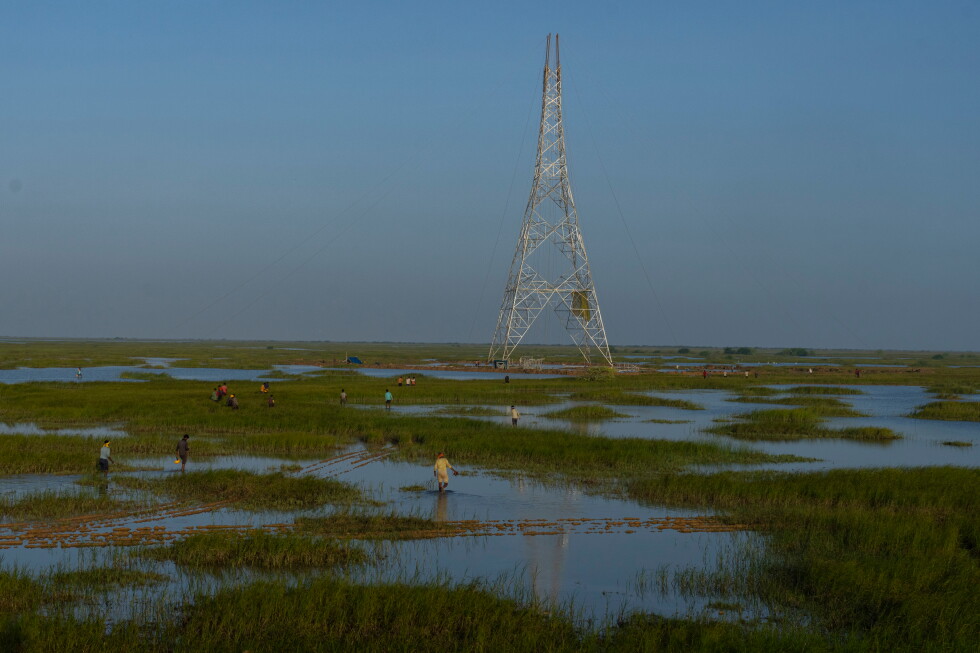
    When temperatures peaked across the South Asian giant this year, extended air conditioner use through hotter nights pushed evening power grids to their limits. Yet behind the strain, data shows renewable energy providers were ordered to throttle output, as existing transmission networks lacked the capacity to safely absorb the excess clean electricity being generated. Over the last 15 months alone, India has curtailed nearly 11 terawatt-hours of solar generation, according to analysis from global energy think tank Ember and official government data. To put that volume in perspective, that wasted clean power is enough to supply roughly 10 million average households with electricity for a full year. The waste comes at a time when extreme heat and below-average monsoon rains have driven up demand nationwide, for both home cooling and agricultural groundwater pumping.

    As the planet’s most populous country and one of the top global emitters of greenhouse gases, India has made rapid progress expanding renewable energy, particularly utility-scale solar, to decarbonize its power sector. It now boasts more than 300 gigawatts of installed clean energy capacity, accounting for over half of the nation’s total installed electricity capacity. Despite that milestone, coal still generates the majority of India’s electricity, and systemic bottlenecks prevent the country from utilizing all the clean power it can produce. Energy analysts say these bottlenecks represent the next major barrier to India’s goal of becoming a global leader in low-carbon energy growth.

    The core barriers fall into three interconnected categories: insufficient long-distance transmission infrastructure, inadequate grid-scale energy storage, and the inflexibility of existing coal-fired power plants that dominate baseload supply. When solar generation peaks in bright midday afternoons, coal units cannot quickly ramp down output to make room for the excess clean power. Unlike natural gas or hydro facilities that can adjust output rapidly, coal plants are engineered for steady operation; ramping them down too quickly compromises operational efficiency, raises costs, and even raises risks of mechanical failure. Vinay Pabba, CEO of Hyderabad-based renewable energy developer Vibrant Energy, describes the challenge of adapting rigid coal infrastructure to variable renewable supply as “like asking an elephant to dance.”

    Curtailment does more than waste carbon-free power: it creates direct financial losses for renewable energy developers, who only earn revenue for the electricity they actually deliver to the grid. Geographic concentration has worsened the problem too: nearly half of India’s total solar capacity is located in the western states of Gujarat and Rajasthan, leading to rapid transmission congestion when solar output hits its daily peak. “When solar peaks, usually in the afternoon, there is a limited pipe to evacuate it,” Pabba explained.

    Without adequate storage to hold excess solar generation for peak evening demand, India also risks locking in continued reliance on fossil fuels even when cheap clean power is available. “Without enough storage, India risks keeping coal plants running even when cheap renewable power is available,” noted Vibhuti Garg, South Asia director for the Institute for Energy Economics and Financial Analysis.

    Infrastructure timelines have compounded the gap: utility-scale solar and wind farms can often be completed in as little as two years, but new long-distance transmission lines require a minimum of three years of planning, permitting and construction. Ember research finds that India has only hit roughly 80% of its annual transmission construction targets over the past five years, leaving a growing backlog of grid expansion that cannot keep pace with new renewable capacity.

    Policy experts have proposed near-term fixes to ease the strain, including spreading new renewable development more evenly across different regions of India, and increasing investment in smaller distributed solar projects and onshore wind to balance output across the day. Even with these adjustments, analysts warn the challenge will grow more acute as India continues its rapid buildout of clean capacity.

    India has set ambitious decarbonization targets: the country aims to reach 500 gigawatts of total clean energy capacity by 2030, and policymakers project that non-fossil fuels will account for nearly 70% of total installed power capacity by 2036. To meet these goals without continued waste and grid instability, energy leaders say expanded grid-scale energy storage will be a critical piece of the puzzle.

    Batteries allow grid operators to store surplus solar electricity generated during sunny afternoon hours, then discharge that power after sunset when demand remains high but solar output drops to zero. A recent study from the University of California, Berkeley’s India Energy and Climate Center found that renewable power paired with battery storage can match the reliability of conventional coal-fired power, at a lower cost than building new coal plants. Despite that cost advantage, India’s current storage sector remains a fraction of the size needed to meet 2030 targets. As of July this year, India had only 3 gigawatts of operational battery storage and 7.4 gigawatts of pumped hydro storage, with national projected storage demand expected to hit 74 gigawatts by 2032.

    “If we try to increase the solar installations without solving for energy storage, it is only going to lead to curtailment,” said Ankit Mittal, CEO of Indian battery storage firm Ingro Energy. Mittal noted that India is navigating an unprecedented, compressed energy transition, with decades-worth of transformation compressed into just a few years as power demand surges from growing electrification of transportation, industry and data centers.

    Avinash Rao, CEO of leading Indian renewable developer Mahindra Susten, warned that delayed investment in high-capacity energy storage creates dual risks: it adds operational instability to the national grid and slows progress toward India’s national climate and energy transition targets. Ember analyst Neshwin Rodrigues noted that batteries have a key advantage over large transmission projects: they can be built far faster, making them one of the quickest solutions to ease immediate curtailment pressures.

    Across the industry, stakeholders agree that the current crunch was largely unforeseen. Few expected the explosive growth in power demand that has come alongside rapid electrification of new sectors across India. “None of us saw it coming. If we had seen it coming, we would have probably planned our way around it,” Pabba said.

  • Xi visits Egypt as China seeks deeper influence across the Mideast

    Xi visits Egypt as China seeks deeper influence across the Mideast

    CAIRO – At first glance, Chinese President Xi Jinping’s three-day visit to Egypt this week appears to be a standard diplomatic trip focused on deepening existing economic and diplomatic bonds between the two nations. But beneath the formal ceremonies and planned talks lies a far more strategic subtext: as Washington’s primary global competitor, China is actively building a broad, enduring partnership with a key U.S. ally in the Middle East, part of a larger push to expand its footprint in the rapidly shifting regional landscape.

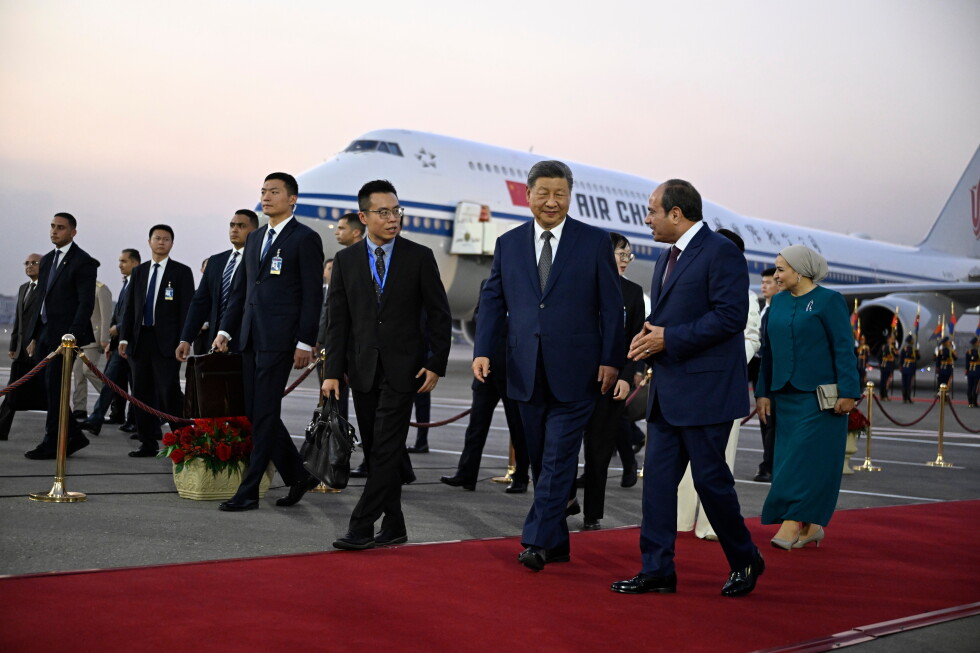
    Xi’s arrival at Cairo International Airport Tuesday evening carried all the trappings of a high-profile state visit: Chinese and Egyptian national flags lined terminal access roads, and President Abdel Fattah el-Sissi greeted Xi on the tarmac alongside military honor guards during a formal red-carpet welcome. The two heads of state are set to hold in-depth bilateral talks Wednesday, and Xi is scheduled to tour the newly completed Grand Egyptian Museum located near the iconic Giza Pyramid complex during his stay. This trip marks Xi’s first visit to Egypt in 10 years, and his first journey to the broader Middle East region since a 2022 trip to Saudi Arabia. In contrast, el-Sissi has traveled to China multiple times over the past half-decade, and the two leaders marked the 70th anniversary of bilateral diplomatic relations by publishing joint opinion pieces in Egyptian state-owned newspapers Tuesday.

    In his contribution, Xi emphasized that Beijing and Cairo must “expand the scope of pragmatic collaboration” centered on shared development. For his part, el-Sissi praised the billions of dollars in Chinese investment already flowing through Egypt, and reaffirmed Cairo’s longstanding stance that Taiwan is an inalienable part of Chinese territory, a core requirement for Beijing as it builds global support for its territorial claims.

    From Egypt’s perspective, deepening ties with China offers a valuable opportunity to diversify its strategic partnerships beyond its longstanding alignment with the U.S. In 2023, Egypt received an invitation to join the BRICS bloc, an alliance of major emerging economies consisting of Brazil, Russia, India, China, and South Africa that is widely viewed as a counterweight to Western-dominated global governance institutions like the G7. A year after that invitation, Egypt finalized a set of agreements with China to join the Belt and Road Initiative (BRI), Xi’s signature global infrastructure project aimed at building connected transportation, energy, and trade networks across Asia, Africa, and Europe.

    To date, Chinese firms have invested more than $10 billion in Egyptian projects, including a new commercial and logistics hub east of Cairo and a modern electric freight rail line serving industrial zones in the Nile Delta. Official bilateral trade data puts annual two-way commerce between the two countries at roughly $20 billion, compared to $15.7 billion in annual trade between the U.S. and Egypt as of 2025. Despite growing Chinese engagement, Egypt remains a critical security partner for Washington, whose leaders maintain close personal and diplomatic ties with el-Sissi’s administration.

    This state visit is just the latest step in China’s years-long campaign to position itself as a neutral alternative power broker in the Middle East. In 2023, Beijing successfully brokered the resumption of diplomatic relations between Iran, China’s key regional ally and primary oil supplier, and Saudi Arabia, a longstanding U.S. partner. The deal marked a major public demonstration of China’s ambition to compete with the U.S. for influence across the region. However, relations between Riyadh and Tehran have deteriorated in recent months, after Iran launched strikes against Saudi Arabia and other Gulf states as part of its retaliation against the U.S. and Israel following the outbreak of war in February.

    Beyond the Iran-Saudi detente, China has sought to frame itself as a neutral mediator for other longstanding regional conflicts. It has consistently supported a two-state solution to the Israeli-Palestinian conflict, a position widely backed by Arab nations as the foundation for lasting regional stability. Shortly before the 2023 Hamas attack on Israel that sparked the ongoing Gaza war, Xi hosted Palestinian President Mahmoud Abbas in Beijing and formally announced a new strategic partnership between China and the Palestinian Authority.

    The current disruption to global energy markets has added new urgency to China’s outreach to Egypt. With oil shipments through the Strait of Hormuz heavily disrupted by the ongoing war between the U.S. and Iran, the Egypt-controlled Suez Canal has emerged as a critical alternative route for moving energy exports out of the Persian Gulf. “China has very clear strategic reasons to strengthen ties with the country that controls the only open major energy transit route out of the region right now,” explained Muhammad Zulfikar Rakhmat, a Middle East analyst at the Center of Economic and Law Studies in Jakarta. Rakhmat added that amid Washington’s shifting global priorities that have drawn U.S. attention away from the Middle East, Xi sees Egypt as a strategic hub to project influence across the broader Arab and African continents.

    The growing security cooperation between the two nations has already produced tangible milestones. In August, Chinese and Egyptian forces held a multi-day joint air exercise across multiple Egyptian bases, marking the first ever combat exercise pairing China’s J-16 fighter jets with Egypt’s French-built Rafale fighter aircraft.

    Xi’s trip to Cairo comes directly after he attended a two-day summit of the Shanghai Cooperation Organization (SCO) in Bishkek, the capital of Kyrgyzstan. The SCO is a 10-nation political and security bloc explicitly positioned as a counterweight to U.S.-led global security architecture, and this year’s summit was attended by the leaders of Russia, India, Pakistan, and Iran.

    The visit also follows the Trump administration’s latest round of sweeping “economic onslaught” targeting Iran’s global financial networks. The new sanctions are designed to isolate Tehran from its remaining global economic partners, including China, which purchases more than 80% of Iran’s crude oil exports, most often through indirect trade channels. Beijing has repeatedly stated that all trade between China and Iran adheres to international law.

    Writing in a joint research paper published earlier this year, Amr Hamzawy, director of the Carnegie Middle East Program based in Washington, and former program fellow Kathryn Selfe summed up the shift: “China continues to build up its soft power reserves while the United States self-sabotages its own stock” in the region. For Beijing, the contrast is intentional: Xi’s administration has sought to position China as a stable, non-interventionist alternative to the U.S., which has faced decades of costly military entanglement in the Middle East, with the six-month ongoing U.S.-Iran war being only the most recent example.

    This report was compiled with contributions from Associated Press correspondents Noha el-Hennawy in Cairo and Huizhong Wu in Bangkok.
  • The USS Abraham Lincoln arrives in Thailand following its Middle East deployment

    The USS Abraham Lincoln arrives in Thailand following its Middle East deployment

    After an exhausting, months-long operational tour in the Middle East, the U.S. Navy’s Nimitz-class aircraft carrier USS Abraham Lincoln docked at the eastern Thai port of Laem Chabang in Chonburi province early Wednesday morning.

    The vessel, which carries approximately 5,000 active-duty service members, made its approach to the port minutes after the Arleigh Burke-class destroyer USS Frank E. Petersen Jr. passed through the same waters, a route that was observed directly by Associated Press journalists on site.

    During its deployment, the USS Abraham Lincoln was tasked with supporting U.S. military operations focused on Iran. The tour stretched into an unprecedented milestone: the carrier spent more than 250 consecutive days at sea without a scheduled port call, marking the longest uninterrupted deployment of a U.S. aircraft carrier in recent decades.

    This extended time at sea has sparked growing public concern over conditions aboard the ship. Multiple reports have highlighted rising rates of poor mental health among the 5,000 crew members, alongside persistent shortages of critical supplies including fresh food and basic hygiene products.

    The USS Abraham Lincoln, which was originally assigned to operations in the Indo-Pacific region, was relieved of its Middle East duties in August by the USS George Washington, another U.S. aircraft carrier. The shift cleared the way for the crew to schedule a rest stop in Thailand before the carrier makes its final journey back to its home base in the United States.

    Most of the service members aboard are planning to travel to Pattaya, a well-known coastal tourist destination located just a short distance from Laem Chabang, during their time off. Thai national authorities have confirmed that the port call is solely intended to give the crew a chance to rest and recover after their grueling deployment.

    Local officials in Pattaya have expressed enthusiastic support for the visit, noting that the influx of thousands of U.S. service members is expected to deliver a much-needed boost to the city’s local tourism and hospitality economy, which has been slowly recovering in recent years. To ensure the visit proceeds without incident, Thai law enforcement and port authorities have implemented enhanced security measures across the port and the surrounding Pattaya area.

  • Charlie Kirk murder suspect pleads not guilty as judge clears way for death penalty trial

    Charlie Kirk murder suspect pleads not guilty as judge clears way for death penalty trial

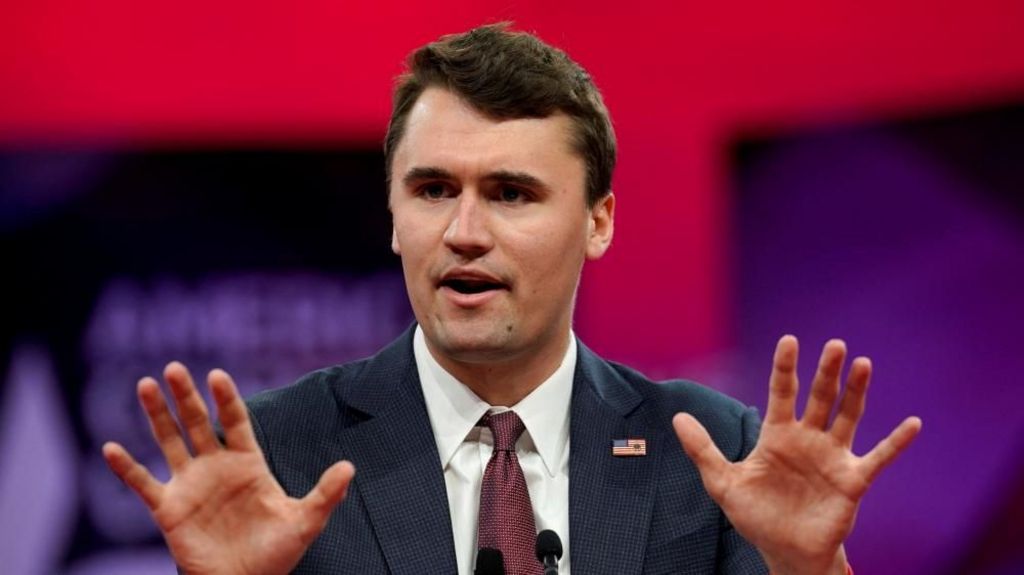
    On Tuesday, 23-year-old Utah native Tyler Robinson formally entered a plea of not guilty to charges of aggravated murder in the 2025 fatal shooting of prominent conservative activist and Turning Point USA co-founder Charlie Kirk, as a Utah judge upheld the prosecution’s right to pursue the death penalty in the high-profile case.

    Kirk, 31, who was widely credited with mobilizing young conservative voters in support of former President Donald Trump, was shot in the neck while delivering a speech at a public campus event hosted by Utah Valley University in Orem, Utah on September 10, 2025. Beyond the top charge of aggravated murder — a capital offense under Utah state law — Robinson also faces six additional criminal charges connected to the shooting, all of which he has denied.

    Robinson, dressed in a neutral grey suit, appeared before the court in Provo on Tuesday, conferring periodically with his legal team. Kirk’s immediate family — including his widow Erika, mother of the couple’s two young children, and his parents Robert and Kathryn Kirk — were all present for the pivotal arraignment hearing.

    Tuesday’s proceedings followed a nearly week-long preliminary hearing held in July, during which prosecutors laid out their full body of evidence to establish probable cause for the case to go to trial. Prosecutors laid out four core pillars of evidence linking Robinson to the crime: DNA evidence tying him to the murder weapon and other items recovered at the shooting scene, alleged confessions to family members, a taped video statement from his roommate and romantic partner Lance Twiggs, and surveillance video showing Robinson on campus the day of the shooting.

    “There is a mountain of evidence that proves that he is the shooter,” lead prosecutor Ryan McBride told the court Tuesday, noting that surveillance footage captured Robinson “dressed to kill” ahead of the attack. Prosecutors also outlined the state’s alleged motive: Robinson reportedly viewed Kirk’s conservative political positions — particularly his stances on transgender issues — as “repugnant.”

    During Tuesday’s arguments over the eligibility of the death penalty, prosecutors detailed aggravating circumstances they say warrant a capital trial. Defense attorneys had initially pushed to remove the death penalty from consideration, but prosecutors argued that Robinson’s decision to fire at Kirk while surrounded by a crowd that included children created extreme risk to innocent bystanders. Prosecutor Chad Grunander described Robinson’s actions as “ballistic roulette,” saying the defendant “gambled with the lives of others” when he opened fire. The prosecution also confirmed Robinson repeatedly scouted the Utah Valley University campus on the day of the shooting, even interacting with Turning Point USA members and eating at a campus Chick-fil-A before changing into a new outfit. Prosecutors say the outfit included long pants intentionally chosen to conceal the rifle Robinson carried onto campus.

    Prosecutors further detailed that Robinson’s DNA was recovered from his grandfather’s hunting rifle, which was hidden in a wooded area near the campus after the shooting, as well as from the towel used to wrap the weapon and a screwdriver left at the scene. Casings recovered at the shooting carried engravings that match a Dremel tool found in the home Robinson shared with Twiggs, prosecutors added. During the July preliminary hearing, Twiggs’ recorded interview was played for the court, in which he testified that Robinson had confessed to the shooting, cried, and said he regretted the act. Robinson surrendered to law enforcement the day after the killing, accompanied by his family and a neighbor.

    Robinson’s defense team has sought to undermine the prosecution’s case, raising questions about evidence handling procedures and the expert credentials of prosecution witnesses during the July hearing. The defense also pushed back against the prosecution’s framing of aggravating factors, arguing that no bystanders were struck by gunfire, with Kirk being the only victim.

    A long-running point of contention in the case has been the defense’s repeated objections to allowing cameras to livestream court proceedings, amid widespread public interest and rampant online conspiracy theories surrounding Kirk’s killing. On Tuesday morning, Judge Michael Graf held a sealed hearing to revisit the issue, ultimately ruling in favor of court transparency, allowing broadcast access.

    The next hearing in the case is scheduled for October 23, 2026, when a formal trial date is expected to be set.

  • ‘Aura farming’: The video game-inspired youth trend sweeping Latin America

    ‘Aura farming’: The video game-inspired youth trend sweeping Latin America

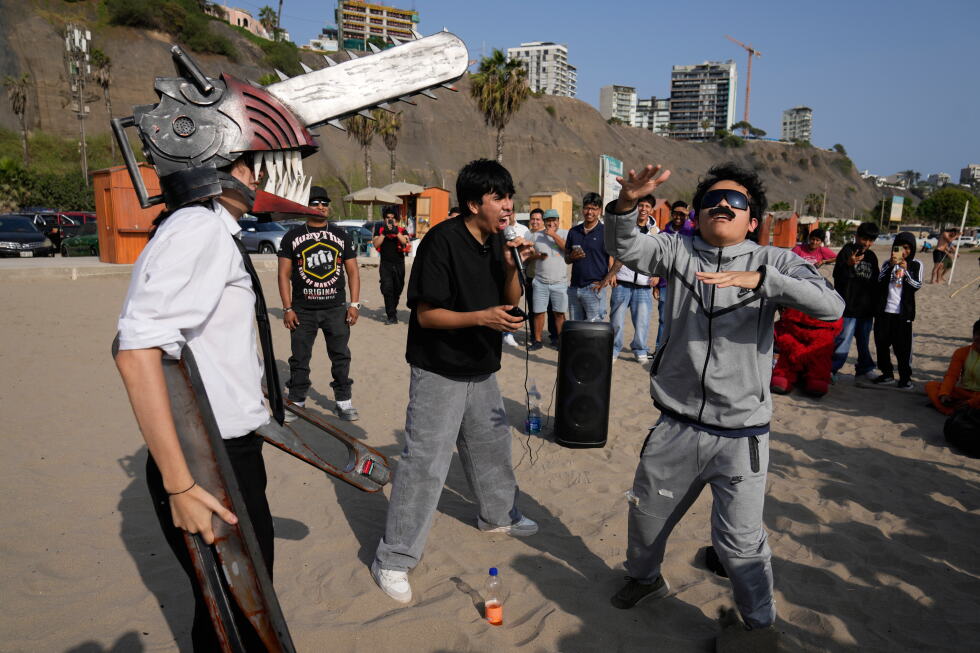
    On a sunlit beach in Peru’s capital Lima, dozens of young people recently converged to dance, strike playful poses, and showcase wildly creative choreography — all with one shared goal: growing their aura. The gathering was one of the first official “aura battles” held in the country, a tangible offshoot of the viral internet phenomenon “aura farming” that is rapidly capturing the attention of Gen Z creators across Latin America.

    Participants lean into elaborate, playful cosplay, drawing inspiration from comic book heroes, animated movie characters, public figures and even internet memes, competing in informal dance-style showdowns decided entirely by audience applause. The competitor who draws the loudest cheers and brings the most original energy to the floor moves on to the next round. One recent attendee dressed as Spider-Man wowed the crowd with acrobatic forward rolls and push-ups set to thumping techno beats, while another pulled off a sharp, one-legged kicking routine straight out of a popular action video game.

    Originating in video game culture and amplified by viral social media content, aura farming first popped up in community gatherings across Brazil before spreading rapidly across borders. Unlike traditional competitions that focus on technical skill or fame, the trend centers on unfiltered self-expression and positive energy.

    “”Aura farming is about letting your essence flow in a space where you’re in front of other people, but there’s no room for shame,” explained 20-year-old film student Liam González, who attended the Lima event in full costume as the beloved animated character Shrek. Another attendee, 19-year-old Gonzalo Cornelio, drew attention for his costume inspired by former Venezuelan President Nicolás Maduro, replicating the grey tracksuit the leader wore the night he was detained by U.S. military forces.

    The name “aura farming” draws direct inspiration from video game mechanics, where players “farm” or repeatedly collect points and resources to level up their characters. In this trend, the resource being cultivated is positive energy, or “good vibes,” that boost a person’s aura — a term borrowed from spiritual traditions referring to the unseen energy field said to surround every individual. Peruvian digital content creator Fernando Lícito, who brought the aura battle trend to Peru after seeing a viral Brazilian contest clip in June, has organized three sold-out events in the country so far. He emphasized that unlike many competitive youth events, aura battles have no place for conflict: participants never physically touch one another or trade insults, with victory going solely to whoever can get the biggest reaction from the crowd.

    Many participants weave in other popular internet trends into their routines: some copy soccer superstar Cristiano Ronaldo’s iconic “siuu” goal celebration, while others repeat the phrase “six, seven” while moving their hands in a nod to a widely shared viral meme. From its origins in Brazil, the trend has spread to major Latin American capitals including Mexico City, Quito and Buenos Aires, where dozens of participants held a public battle in front of the city’s famous Obelisk monument. It has even jumped across the Atlantic, with public events popping up in Madrid, Burgos and Zaragoza in Spain.

    María Paula Martínez, an arts professor at Colombia’s Los Andes University, notes that the trend’s biggest impact has been moving online community connection into real physical spaces. “It’s not about becoming popular,” she explained. “It’s about putting out good vibes, and having other people recognize that energy.” For many young participants, it provides a low-stakes, joyful outlet to socialize and embrace creativity after years of isolated digital connection during the COVID-19 pandemic.

    Like many viral youth trends, aura farming has drawn a mixed reaction from public officials and institutions across the region. Some local authorities have pushed back against public events: in Lima’s upscale Miraflores district, officials recently scrapped a planned aura battle after organizers failed to secure the required public space permits. In July, the mayor of Cuiabá, a city in southwest Brazil, rejected permit applications for an aura tournament, arguing the event did not serve the public interest, forcing organizers to relocate the gathering to a local university campus. In Costa Rica, the ministry of education has banned aura battles from all public schools, claiming the events could fuel student conflict and disrupt academic activities.

    The trend has found official support in other corners of the region, however. In Mexico, the federal education minister publicly embraced the trend, posting a lighthearted viral video where he joked he was “farming good education” ahead of the new school year. For young participants like González, the pushback from older generations comes as no surprise — and it doesn’t dampen their enthusiasm for the new hobby.

    “My grandmother doesn’t understand what I’m doing, she thinks it’s all silly,” González said. “But we were born in a different era. This is just how we have fun and show who we are.”

  • US army secretary resigns amid signs of Pentagon unease with Iran war

    US army secretary resigns amid signs of Pentagon unease with Iran war

    The White House made a formal confirmation Monday that the United States Army’s highest-ranking civilian official, Dan Driscoll, has formally stepped down, a departure that comes amid widely reported friction between Driscoll and Secretary of the Army Pete Hegseth over the Trump administration’s handling of the ongoing conflict with Iran.

    In an official statement released to the public, White House Deputy Press Secretary Anna Kelly praised Driscoll’s tenure, framing his work as central to advancing President Donald Trump’s policy agenda of rebuilding American military strength. “Through his collaboration with the Commander-in-Chief and Secretary Hegseth, the U.S. Army today stands as more capable and powerful than at any point in recent history,” Kelly added in her remarks.

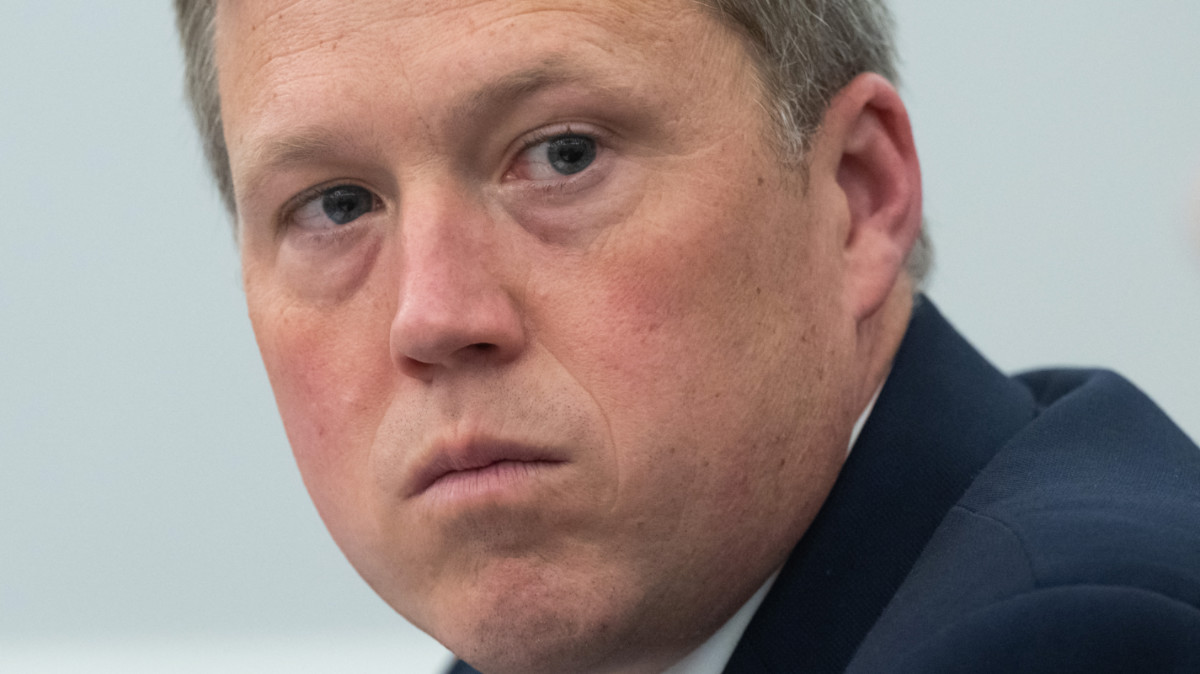
    But Driscoll’s exit unfolds against a backdrop of growing unease within the Pentagon’s senior ranks over the trajectory and costs of the seven-month-long Iran campaign. The Washington Post reported Monday that the service chiefs of the Army, Navy, and Air Force, alongside four-star combatant commanders leading U.S. military operations across Europe, Asia, and Latin America, have privately cautioned Hegseth that extending large-scale combat operations in Iran will severely erode the United States’ ability to deter and respond to other emerging global security threats.

    Military stockpiles of critical weaponry have already been strained to breaking point by the conflict, multiple independent outlets have confirmed. Earlier this month, the Associated Press reported that the Iran war has pushed stockpiles of advanced missile interceptors—particularly Patriot systems, which have been heavily drawn down to defend Ukraine against Russian ballistic missile attacks—into a “beyond critical” shortage. Reuters further corroborated these warnings, reporting that the U.S. has nearly exhausted its reserves of sophisticated long-range surface-to-surface missiles, including ATACMS and the newer Precision Strike Missiles (PrSM).

    A veteran of the Iraq War, Driscoll first entered politics with an unsuccessful 2020 run for Congress before joining as an advisor to Trump’s 2024 presidential re-election campaign. He had been widely known as a close political ally of former Army Chief of Staff General Randy George, who was dismissed by Hegseth in a personnel shakeup earlier this year. Though public reports confirm repeated clashes with Hegseth, Driscoll long maintained a protected position in the administration thanks to his longstanding personal ties to Vice President JD Vance; the two attended law school together as classmates.

    Vance, a leading figure in the Republican Party’s isolationist wing, has taken a high-profile stance opposing a prolonged U.S. military commitment in Iran. He led U.S. negotiations with Iranian officials in Pakistan-hosted talks held in Islamabad earlier this spring, and in July drew widespread attention for publicly accusing Israel of manipulating American public opinion to prolong the conflict.

    In sharp contrast, Hegseth has emerged as one of the most outspoken proponents of continuing the Iran campaign, regularly holding combative press briefings where he has pushed back against critical media coverage of the conflict’s handling.

    Intra-administration tensions over Iran policy extend well beyond Driscoll and Hegseth, too. Vance is widely viewed as a potential contender for the 2028 Republican presidential nomination, alongside Secretary of State Marco Rubio, who shares Vance’s skepticism of deepening U.S. engagement in the Middle East. Middle East Eye reported in March that Rubio and Hegseth have been locked in open conflict over the question of deploying additional U.S. ground troops to Iran at Israel’s request: Hegseth has repeatedly backed the proposal, while Rubio has warned it would trap the U.S. in another costly, open-ended Middle Eastern war.

    The most immediate consequence of Driscoll’s resignation, analysts note, is that the U.S. Army now enters its seventh month of the Iran conflict without either permanent civilian leadership or a confirmed uniformed chief of staff, creating a leadership vacuum at the top of the service at a moment of unprecedented operational strain.