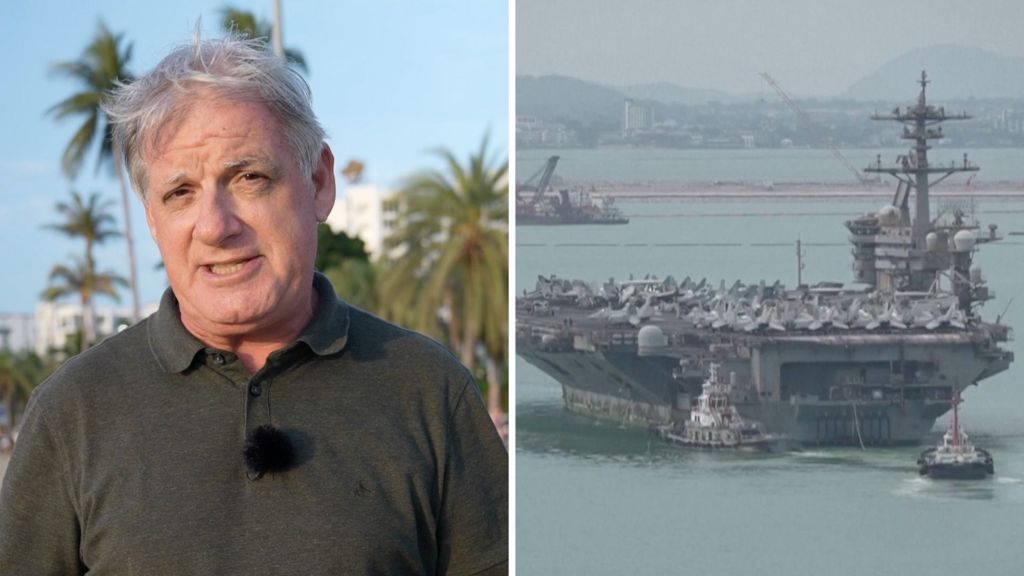
Nestled along Thailand’s eastern Gulf coast, the sun-drenched resort city of Pattaya is globally known today for its bustling, often raucous nightlife and booming tourism industry. But few first-time visitors recognize that the city’s modern identity was fundamentally shaped by the presence of U.S. military personnel decades ago, a historical link that continues to echo through the city’s social and economic landscape today. In a recent retrospective analysis, BBC Southeast Asia correspondent Jonathan Head has traced the deep roots of this unexpected connection between American troops and the Thai coastal community.
The story of this relationship dates back to the Vietnam War era, when conflict raged across Indochina and thousands of U.S. service members were granted rest and relaxation (R&R) leave away from frontline combat zones. With its tropical climate, affordable amenities, and proximity to Vietnam, Pattaya emerged as one of the most popular destinations for these troops looking to decompress after months of combat duty. Between the 1960s and early 1970s, tens of thousands of American GIs passed through the city’s quiet fishing villages and small local businesses, transforming the sleepy coastal settlement almost overnight.
Before the arrival of U.S. troops, Pattaya was little more than a remote fishing outpost with a small local population. The sudden influx of American service members created immediate demand for accommodation, food, entertainment, and other services. Local entrepreneurs quickly pivoted from fishing and small-scale agriculture to catering to the needs and wants of visiting troops, laying the foundation for the massive tourism industry that drives Pattaya’s economy today.
Head notes that the legacy of this era is complicated. On one hand, it created the economic spark that turned a little-known coastal spot into one of Thailand’s top tourist destinations, a status it retains more than half a century later. On the other hand, the concentration of troops seeking entertainment also shaped the city’s reputation for adult-oriented nightlife that still defines its public image for many travelers today. As modern Pattaya works to rebrand itself as a family-friendly destination and diversify its tourism offerings, the historical echoes of the U.S. troop era remain visible everywhere, from the bars along Walking Street to the enduring cross-cultural connections forged decades ago.