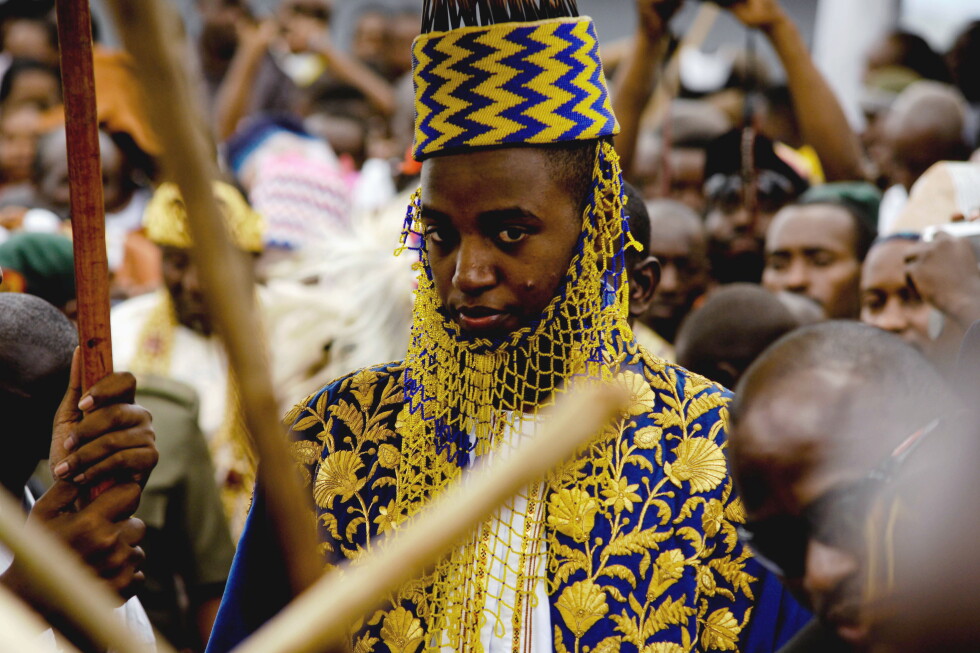
KAMPALA, Uganda – The global fascination surrounding one of Africa’s most unusual monarchs has ended with the death of Oyo Nyimba Kabamba Iguru Rukidi IV, the tribal king of Uganda’s Tooro Kingdom, who passed away at the age of 34. News of his passing was confirmed in an official statement released early Friday by Calvin Rwomiire Akiiki, the prime minister of the Tooro Kingdom administration.
In the announcement, Akiiki moved quickly to reassure subjects of the monarchy’s stability following the young king’s death. “The continuity of the Crown is assured,” the statement read. The prime minister confirmed Oyo leaves behind an heir apparent, a prince whose identity will be formally disclosed in line with Tooro’s ancestral traditions at a time deemed appropriate by royal authorities.
The announcement has sent ripples of shock across Uganda, as the public was never informed that Oyo had been receiving ongoing medical treatment for an undisclosed illness outside the country. For weeks, Tooro officials had only confirmed the king was in critical condition but still alive, leaving many Ugandans unprepared for the sudden news of his death at such a young age. Tributes from political leaders, community figures and ordinary citizens poured out across social and official platforms within hours of the announcement.
Deputy Speaker of Uganda’s Parliament Thomas Tayebwa captured the widespread disbelief, saying, “This is very difficult to comprehend.”
Commonly known to the world simply as King Oyo, his story has captivated global attention since he inherited the Tooro throne as an infant following his father’s unexpected death in 1995. Just three years old when he underwent the full traditional coronation rituals to formally become the kingdom’s ruler, Oyo held the unofficial distinction of being the world’s youngest reigning monarch. Clad in vibrant traditional royal regalia, the curious young boy became an object of deep affection for Tooro Kingdom’s hundreds of thousands of Batooro people, and even drew curiosity and fascination from world leaders who met him during official state events. For the first 15 years of his reign, a council of regents appointed by the kingdom governed on his behalf until he reached the age of majority at 18 and assumed full ceremonial duties.
Among the prominent international figures who developed a close bond with the Tooro royal family was former Libyan leader Moammar Gadhafi. Gadhafi visited Uganda multiple times over the decades, and provided consistent financial and political support to King Oyo and his mother, the queen mother, up until Gadhafi’s death in 2011.
As he entered adulthood, Oyo cultivated a reputation as a soft-spoken, private figure who prioritized keeping his personal life out of the public eye. Still unmarried at the time of his death, he was long known as one of Uganda’s most high-profile eligible bachelors. In a widely publicized lighthearted moment from September this year, the speaker of Uganda’s parliament publicly pledged to cover Oyo’s bride price whenever he decided to marry, prompting a broad smile from the king on his throne.
Tooro Kingdom is one of five ancient traditional monarchies recognized within Uganda’s modern republican framework. After the country gained independence from British colonial rule, a post-independence republican government banned all traditional kingdoms as part of an effort to unify the country’s diverse ethnic groups. The institutions were formally restored two decades later in 1993, and while modern Ugandan law strips these monarchies of formal political power and bars them from engaging in partisan political activity, they remain deeply influential as cultural authorities, tasked with preserving and promoting ancestral tribal traditions and customs. The Tooro Kingdom’s royal seat is located in a remote region of western Uganda, close to the country’s border with the Democratic Republic of Congo.