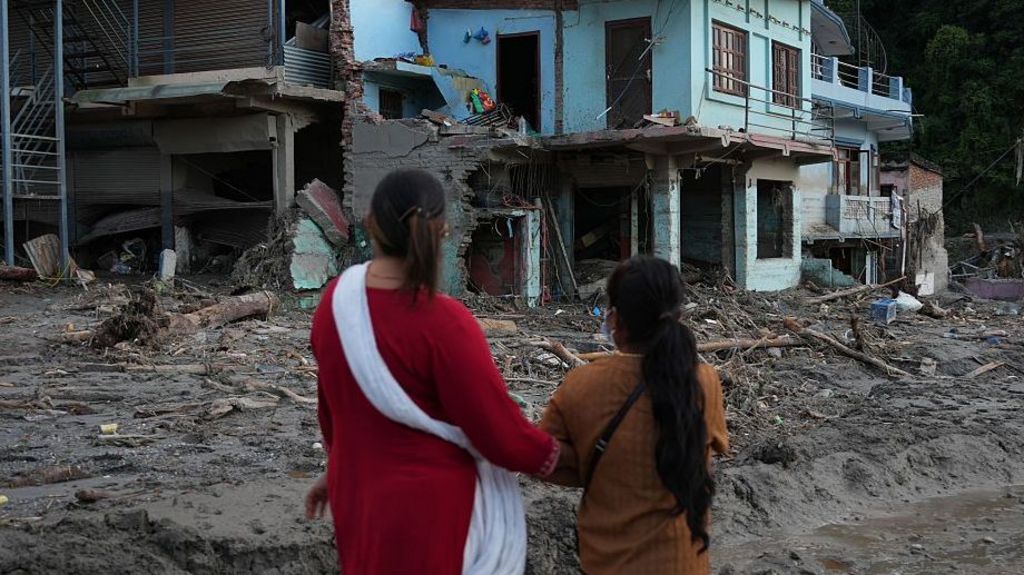
In the high-risk mountainous zone along the Nepal-Tibet border, catastrophic flash floods and subsequent large-scale landslides have left a grim trail of destruction, with the confirmed death toll surpassing 400 as search and rescue missions press forward across Nepal’s hardest-hit regions. Local medical facilities are already stretched beyond capacity, grappling with a sudden surge of casualties: at least 900 injured people have been pulled from flood-ravaged communities, and hundreds more remain unaccounted for, leaving distraught survivors scrambling for any information about missing family members.
BBC Nepali correspondent Shreejana Shrestha gained on-the-ground access to Nuwakot, one of the worst-affected districts in central Nepal, where a Nepali Army base has been converted into a central coordination hub for rescue and recovery operations. What she witnessed during her visit paints a devastating picture of the disaster’s human cost.
Upon entering the converted camp, Shrestha encountered a scene of overwhelming grief. Hundreds of anxious family members lined up outside the facility, scanning every incoming person and transport to spot their loved ones. Inside, a young woman holding an infant sobbed uncontrollably; her entire extended family, including her parents and husband, were still missing after the floodwaters swept through her village. Traumatized by the sudden loss, she could barely process what had happened.
Scattered across the camp were injured survivors, many of whom recounted near-miraculous escapes that left them alive but broken by grief. One truck driver, who had been working in the Rasuwa district adjacent to the border, told the reporter he was flung into the raging floodwaters when the deluge hit. He still cannot explain how he survived the powerful current, but his relief at being alive is overshadowed by the loss of more than 20 friends and colleagues. When Shrestha attempted to speak with him, he was too disoriented and distraught to form steady answers, tears streaming down his face as he struggled to cope.
In one harrowing moment caught during reporting, an elderly woman between 60 and 70 years old, who had just been airlifted out of a cut-off flood zone by rescue teams, collapsed on the ground moments after being brought to the camp for treatment. She died shortly after, a loss that left the on-scene reporter reeling from the scope of the tragedy.
Around the clock, dozens of rescue helicopters rotate in and out of the camp’s landing zone, ferrying injured survivors out and bringing emergency supplies and rescue teams in. Every time an aircraft approaches, crowds of waiting family members rush to the edge of the landing area, craning their necks to spot any sign of their missing loved ones even as rotor wash blows thick mud and dust across the crowd. Most leave disappointed, but still they return, clinging to the faint hope that their family members will be on the next flight.
Nepalese government officials confirmed that at least 12 helicopters have been mobilized for the search and rescue effort, with additional ground teams deployed to reach remote, cut-off communities that were hit by the disaster. After leaving the rescue camp, Shrestha and her team faced widespread communication outages: damaged infrastructure left the region with almost no internet connectivity, forcing them to drive three hours back to Kathmandu to share their on-the-ground reporting.
A veteran journalist who has covered multiple natural disasters across Nepal over her career, Shrestha noted that this flood disaster is one of the most devastating she has ever witnessed. “It was so painful to witness. But as a journalist you do your job: you continue getting, and giving, as much information as possible,” she said of her experience reporting from the disaster zone.
The Nepal-Tibet border region is increasingly vulnerable to sudden flash floods driven by glacial melt and extreme weather events, a risk that climate scientists have warned will grow as global temperatures rise, increasing the frequency of catastrophic glacial lake outburst floods and sudden runoff events in the Himalayas.