Almost 18 months after neighboring Australia introduced what was then the world’s first national ban on social media use for children under 16, New Zealand’s center-right government is officially bringing forward its own sweeping legislation to restrict underage access to major platforms, in one of the most ambitious global attempts to curb youth exposure to online harm. Prime Minister Christopher Luxon’s ruling National Party has spent more than a year reviewing Australia’s policy and designing its own regulatory framework, which is set to be introduced to parliament this coming Monday.
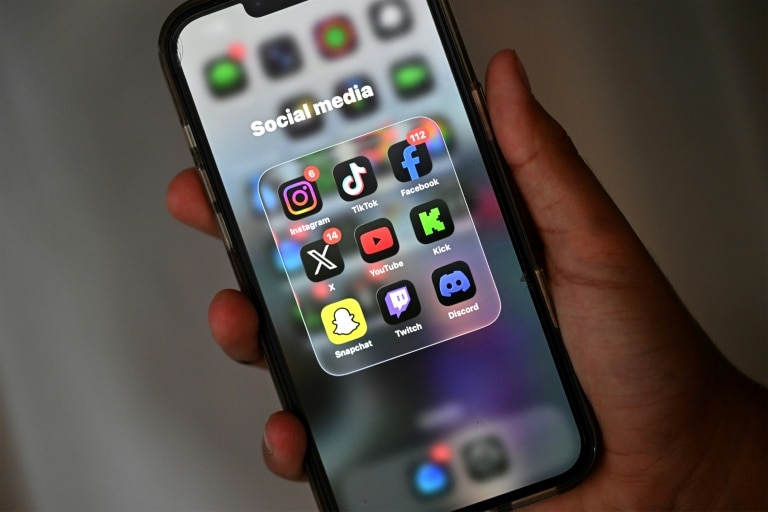
The core of the proposal, titled the Online Safety Bill, prohibits any child under the age of 16 from creating and using personal accounts on major social media platforms including Meta-owned Instagram and Facebook, ByteDance’s TikTok, and Snap Inc.’s Snapchat. To enforce the rule, the legislation requires platforms to take legally mandated reasonable steps to verify the age of all new users, mandating verification methods ranging from existing account metadata and formal government-issued identification to digital ID services and AI-powered facial age estimation tools. Beyond age checks, platforms will also be required to conduct regular mandatory assessments of the risks their platforms pose to underage users and publish public reports detailing their efforts to mitigate those harms.
The stakes for non-compliance are steep: platforms that fail to meet their regulatory obligations could face fines equal to as much as 10% of their annual global revenue, a penalty structure aligned with strict digital regulations introduced by the European Union in recent years. Crucially, the bill does not impose any fines or legal penalties on children who access platforms, nor on their parents or caregivers, a clarification Education Minister Erica Stanford emphasized as the government rolled out the proposal.
Luxon made the case for the controversial legislation in stark terms, framing it as a necessary intervention to protect a generation of young New Zealanders. Citing public health data, he noted that one in three teenagers between 13 and 17 currently spend at least five hours per day on social media platforms. “Social media is exposing them to harmful content, addictive technology and pressures they are not equipped to deal with, and it’s affecting their family life, mental health, sleep, and education,” Luxon said. “We simply cannot accept the harm being done to a generation of New Zealand children.”
Despite the government’s push for the bill, its path to becoming law remains far from certain. The National Party holds a plurality in parliament, governing in coalition with two smaller parties – the libertarian ACT Party and the populist NZ First – both of which have already publicly announced their opposition to the proposal. NZ First cited what it calls the “colossal failure” of Australia’s similar policy, which was implemented in December 2023, to justify its opposition. ACT, meanwhile, has argued the ban is unworkable, claiming that tech-savvy teenagers will easily find ways to bypass age verification checks.
Critics of the ban can already point to independent research out of Australia that casts doubt on the effectiveness of the under-16 ban. A peer-reviewed study conducted by Australian researchers, published in June 2024, found little empirical evidence that the ban had led to a meaningful drop in social media use among Australian teenagers. New Zealand joins a growing number of countries around the world that are exploring strict age-based restrictions on social media access, as policymakers grapple with rising concerns about the impact of unregulated social media use on youth mental health and well-being.