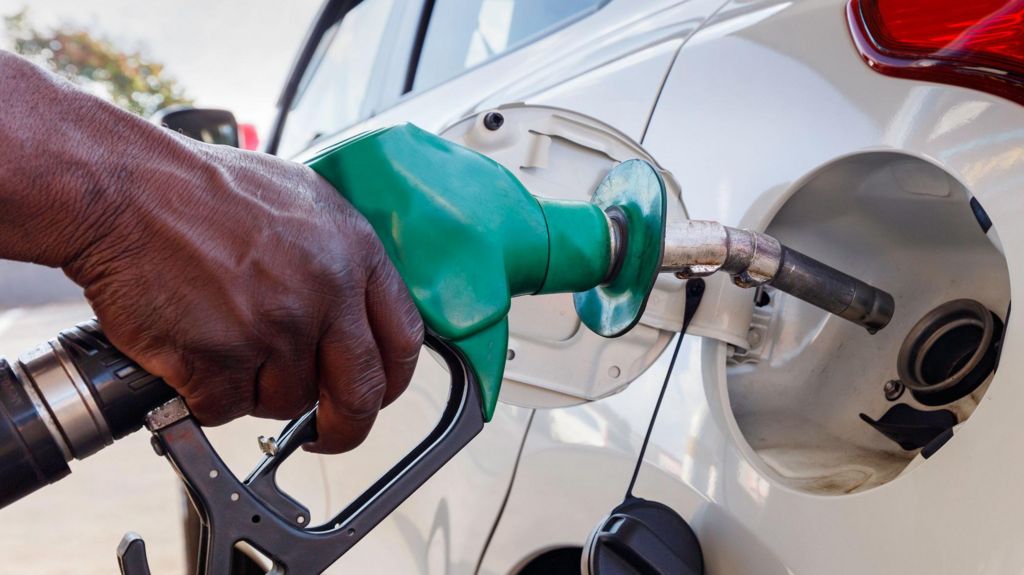
As spillover effects from the ongoing conflict between Israel and Iran continue to roil global energy markets, the Indian Ocean island nation of Madagascar has implemented a 14-day nationwide state of energy emergency to address crippling fuel shortages that threaten public order and critical infrastructure. The presidential office confirmed the measure was approved during a cabinet meeting Tuesday, prompted by growing concerns that unaddressed supply gaps could spark widespread civil unrest. Unlike many larger economies, Madagascar generates the vast majority of its electrical power from petroleum-fueled plants, and relies almost entirely on fuel imports from the Middle East – a supply chain that has been severely disrupted by regional conflict, even after the announcement of an overnight two-week ceasefire between warring parties. The ongoing instability has already put Madagascar in a precarious position: just last year, prolonged outages of power and clean water access fueled youth-led demonstrations that escalated into broad political unrest, ultimately culminating in a military takeover of the country. As of this report, the Malagasy government has not released a full list of specific policy actions it will implement under the new emergency powers, but officials note the declaration grants expanded authority to stabilize the national power sector, reduce the impact of ongoing disruptions, regulate consumer fuel use, and guarantee that core public services remain operational. So far, official fuel prices have not been raised since the supply crisis began, but widespread shortages have become commonplace, with local media documenting drivers waiting in multi-hour queues to access petrol stations. News of the state of emergency triggered panic buying at multiple retail fuel locations across the country Wednesday, with some stations reportedly implementing temporary customer fuel rationing to stretch limited existing supplies. The majority of Madagascar’s crude oil and fuel imports originate from Oman, located adjacent to the Strait of Hormuz – the world’s most critical chokepoint for global energy shipping, which has faced persistent disruption since the outbreak of expanded regional conflict in late February. Even with the recent ceasefire announcement, global crude prices remain significantly higher than pre-conflict levels, and energy analysts warn that repairing damaged supply infrastructure and production capacity in the Middle East could take months, or even multiple years, to complete. Madagascar is far from alone in grappling with this crisis across the African continent: multiple other African nations have rolled out urgent policy measures in recent weeks to offset the economic impact of disrupted energy supplies. Policy responses across the region have ranged from adjusting fuel pricing through subsidies or rate hikes to mandatory national electricity rationing. Most recently, The Gambia announced an immediate halt to all non-essential official travel for government employees, a policy that was first implemented just days earlier by Senegal. To the south, Zambia has temporarily eliminated all import taxes on petrol and diesel shipments, while Botswana moved to scrap national fuel levies for six months to ease cost burdens for consumers. As regional governments scramble to mitigate the fallout, the ongoing energy crisis continues to test the stability of import-dependent economies across the African continent, with Madagascar’s emergency declaration marking the most high-profile response to date.
Madagascar declares state of emergency over severe fuel shortages linked to Iran war