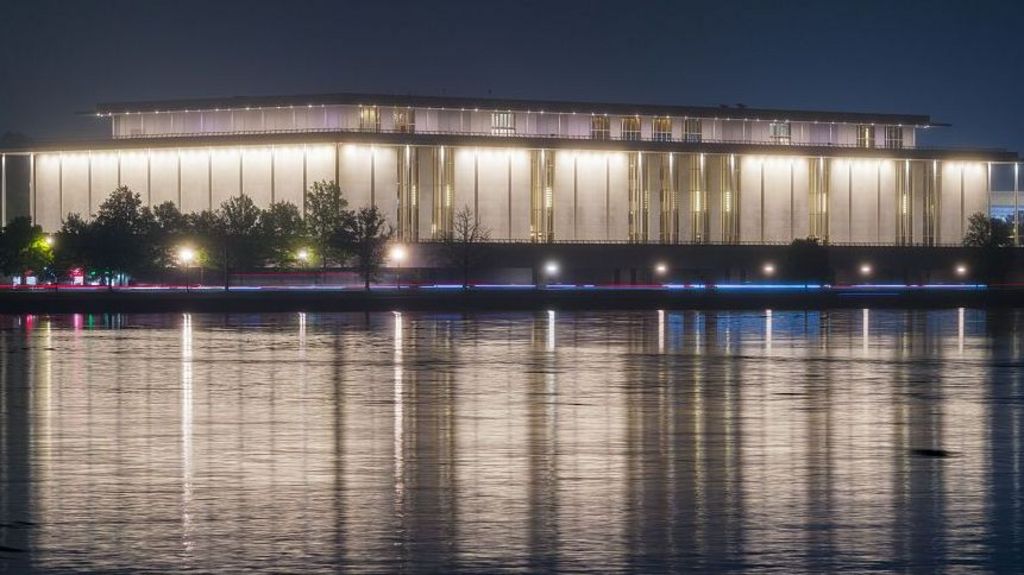
A long-running legal and political battle over the branding of one of the United States’ most iconic cultural institutions has taken another turn, after a federal judge blocked the Kennedy Center’s board of trustees from moving forward with plans to engrave President Donald Trump’s name on the facade of the center’s main performing arts building.
The ruling handed down this week marks the second time in four months that the same judge has intervened to block the Trump-aligned board’s efforts to add the president’s name to the building. Back in May, the judge issued a prior order that required the removal of Trump’s name that had already been added temporarily, and also halted the board’s plan to close the venue temporarily to carry out the president’s proposed renovation project.
The latest conflict stems from an August vote by the current Kennedy Center board, which is stacked with Trump appointees, cabinet members and close political allies. The board approved a resolution to add a prominent inscription reading “Renovated and Restored by President Donald J. Trump” to the building’s exterior. This move was the latest step in a plan Trump first unveiled more than a year ago, when he announced a series of rebranding initiatives for prominent federal sites across Washington D.C. that would add his name to a number of public buildings and landmarks.
The roots of the board’s current composition stretch back to February 2025, when Trump, shortly after beginning his current term, removed several sitting Kennedy Center trustees and appointed himself to an open trustee position. Shortly after that appointment, the reshaped board voted to elect Trump as its chairman, putting him in full control of the institution’s leadership and policy direction.
In this week’s ruling, the judge reaffirmed that any permanent change to the Kennedy Center’s facade, including the addition of a sitting president’s name, requires explicit congressional approval under existing federal law. The ruling makes clear that the board does not have the independent authority to unilaterally alter the exterior of the federally owned cultural landmark, bringing the board’s plans to a halt at least for the duration of ongoing legal proceedings.