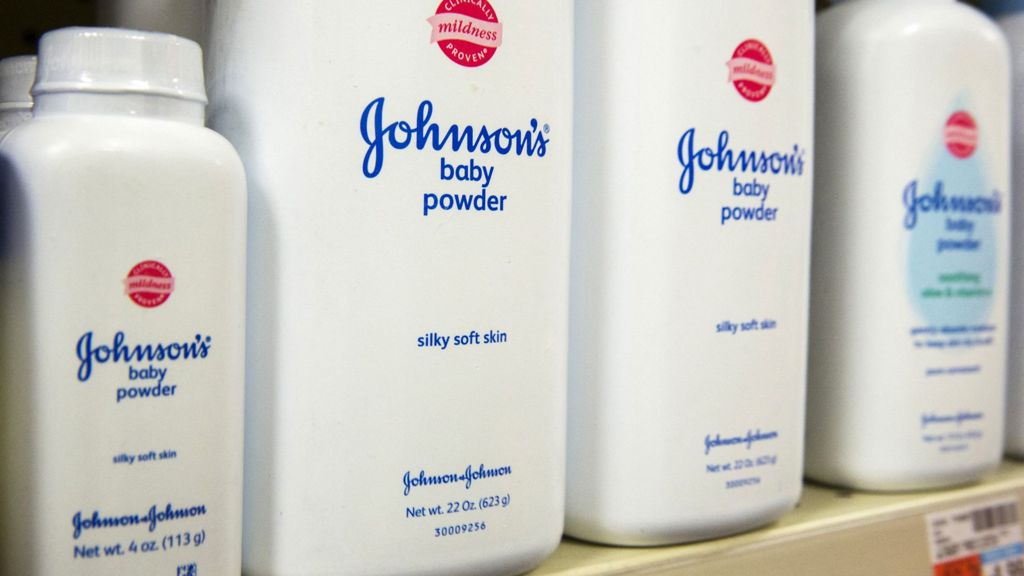
After decades of costly, reputation-damaging legal conflict over allegations that its iconic talc-based baby powder caused ovarian cancer, healthcare conglomerate Johnson & Johnson has tabled a $5.5 billion landmark settlement proposal to put tens of thousands of outstanding U.S. claims to rest. The multi-billion-dollar offer marks the company’s latest attempt to close a chapter of legal wrangling that has hung over the New Jersey-based pharmaceutical and consumer health giant for more than 15 years, even as the firm continues to staunchly deny all allegations of wrongdoing.
Under the terms of the proposal revealed this week, the settlement will cover approximately 76,000 active ovarian cancer claims linked to J&J’s talc products, accounting for the vast majority of all remaining unresolved talc-related litigation in the U.S. Payment terms are structured to ease near-term financial pressure on the company: up to $3 billion will be disbursed next year, with no additional payout obligations due before 2028. For the agreement to move forward, legal representatives for at least 95% of the affected claimants across both state and federal court systems must approve the deal, J&J clarified.
Erik Haas, J&J’s vice president of litigation, emphasized in an official statement that the company maintains all allegations against its talc products are entirely meritless. He noted that J&J has prevailed in the majority of talc-related cases that have gone to trial to date, and remains confident it would win in any further litigation. The decision to settle, he explained, is driven by a strategic goal to move past the long-running dispute rather than any admission of guilt. “This proposed resolution allows the company to put this matter behind it and enable J&J to remain focused on its mission to develop medicines and devices that save lives,” Haas said.
The roots of the current litigation stretch back to 2009, when the first claims against J&J’s talc products were filed. Plaintiffs and their families have long alleged that the company’s talc-based products were contaminated with asbestos, a known carcinogen that naturally occurs in geological seams adjacent to talc deposits, and that this contamination caused plaintiffs to develop ovarian cancer. J&J has repeatedly rejected these claims, maintaining that decades of scientific research confirm talc is safe, does not contain asbestos, and does not cause cancer. As recently as earlier this month, the company secured a major legal victory when a federal judge raised questions about whether individual plaintiffs could prove talc was the direct cause of their cancer diagnoses.
In response to ongoing legal and public pressure, J&J wound down U.S. sales of talc-based baby powder in 2020, and made a full global exit from the product line in 2022, transitioning its entire baby powder portfolio to cornstarch-based formulas. Liability for J&J baby powder operations outside North America now rests with Kenvue, the former consumer health division of J&J that was spun off as an independent publicly traded company in 2022. Kenvue owns a stable of well-known global consumer health brands including Band-Aid, Listerine, and Calpol.