Diplomatic tensions between Israel and the United Kingdom have reached a new low, with Israeli authorities openly considering the expulsion of British representatives from the US-led International Gaza Support Center (IGSC), the multinational body tasked with monitoring the fragile ceasefire agreement between Israel and Hamas.
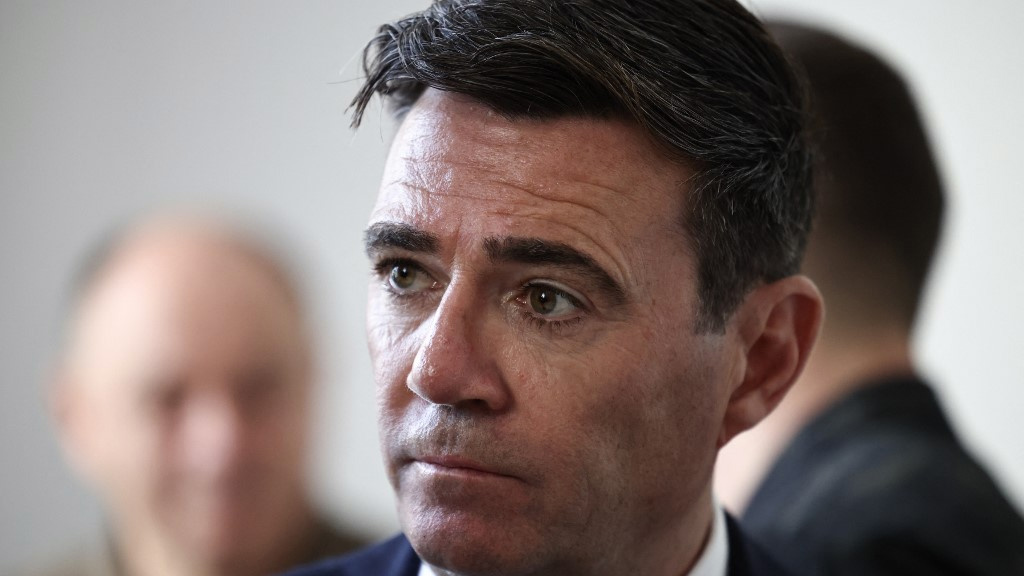
The potential retaliatory move comes in direct response to upcoming planned restrictions from British Prime Minister Andy Burnham’s administration targeting goods produced in illegal Israeli settlements in the West Bank. Multiple sources cited by the Financial Times confirm that Jerusalem is also weighing ejecting representatives from Italy and Germany from the IGSC, expanding a growing pattern of punitive diplomatic action against nations that challenge Israel’s settlement policies.
Established to oversee ceasefire compliance and coordinate humanitarian support for Gaza, the IGSC operates under the leadership of US military personnel, who collaborate closely with the Israel Defense Forces and delegations from more than 30 countries around the world. This is not the first time Israel has taken punitive action against participating states: earlier this week, Israeli officials expelled Dutch representatives from the center after the Netherlands implemented a national ban on settlement goods. Earlier in 2025, Spain was removed from the IGSC over what Jerusalem called Madrid’s “obsessive anti-Israel bias.”
Burnham, who took office as UK prime minister in July 2025 after succeeding Keir Starmer, signaled a sharp shift in British policy toward Israel even before assuming office. Shortly before his inauguration, Burnham issued a public apology for the previous Labour leadership’s early backing of Israel’s military campaign in Gaza and its refusal to support an immediate ceasefire in 2023 and early 2024.
Earlier this month, independent outlet Middle East Eye reported that Burnham’s government is set to unveil a full package of new policies toward Israel in September, headlined by the long-teased ban on illegal settlement goods. According to reporting from MEE, British Foreign Secretary Ed Miliband has been a key driving force behind the tougher measures, holding extensive consultations with British civil society groups to shape the new policy framework.
Israeli Prime Minister Benjamin Netanyahu has already made his administration’s fury at the UK clear in public remarks. In a recent interview, Netanyahu sparked widespread outrage by labeling Britain an “Islamic republic,” complaining that the favorable media coverage Israel received during the 1967 Arab-Israeli war no longer exists in British outlets. “Try to find that now in Britain, which you could call the Islamic republic of Britain,” Netanyahu said.
The British government swiftly rejected the remarks as “completely unacceptable.” Citing analysis from the Financial Times, British officials acknowledge that an expulsion from the IGSC would amount to deliberate diplomatic retaliation, but note that the prospect does not trigger major concern for the UK government.
Public opinion in Britain has shifted sharply against Israel in recent months, with polling data reflecting growing public support for punitive measures against Israeli settlement activity. A YouGov survey published this week found that 50 percent of British adults back a ban on trade with West Bank settlements, while only 16 percent oppose the policy. A June 2025 poll further underscored this shift: 55 percent of respondents opposed Israel’s military actions in Gaza, with just 15 percent expressing support. Among that 55 percent who oppose Israel’s actions, 82 percent said they believe Israel is committing genocide against the Palestinian people in Gaza. The same survey also found that 65 percent of Britons want the UK government to enforce the International Criminal Court’s existing arrest warrant for Netanyahu should he visit British territory.
Already strained during the final months of Keir Starmer’s premiership, bilateral relations between Britain and Israel have collapsed to a new low under Burnham’s leadership, as shifting public pressure and a new policy direction in London bring the two countries into open diplomatic conflict over Gaza and Israeli settlement expansion.