Seven months into a full-scale US conflict with Iran that the White House initially predicted would end in just two to three weeks, former president (current US President) Donald Trump on Wednesday sidestepped a direct question about whether he would approve a Central Intelligence Agency plan to supply weapons to Iranian groups to incite a violent popular uprising against the existing Tehran government.
The comment came just 24 hours after Trump stirred fresh regional tension with a post on his TruthSocial platform, where he openly questioned, “When are the Iranian people going to rise up and fight?” The public call for uprising came on the heels of a new wave of deadly US airstrikes carried out Tuesday against targets along Iran’s southern coastline.
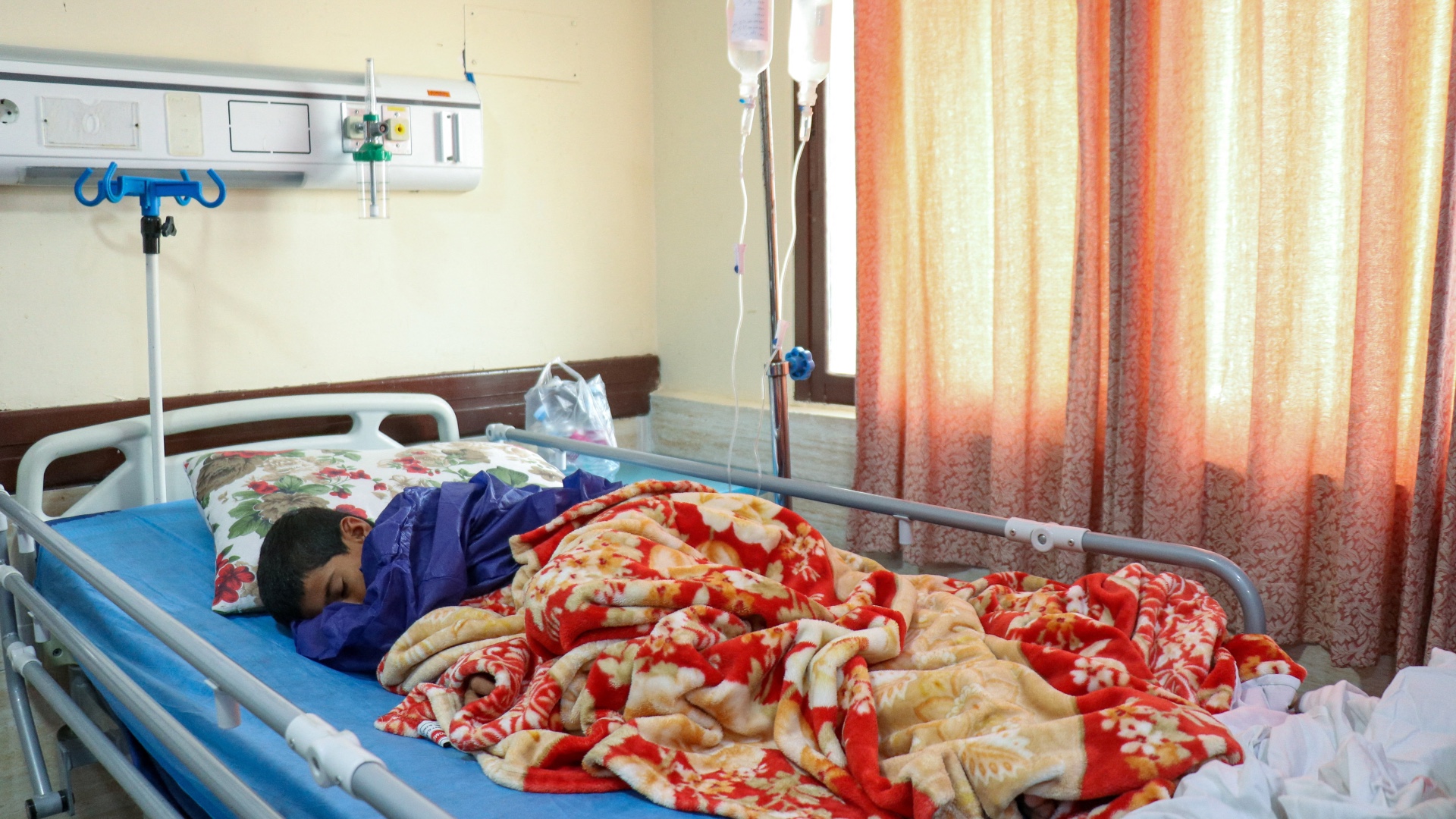
The strikes, which the US justified as retaliation for a previous Iranian attack on an American military base in Jordan, left at least 18 Iranians dead, including two children who were killed when a missile hit a nearby wedding celebration. Trump did not address the civilian casualties during his unscheduled Oval Office press availability, where reporters pressed him on his call for an uprising and potential covert US intervention.
When directly asked if he would authorize the CIA to arm Iranian opposition groups, Trump offered a vague, noncommittal response: “I’d love to tell you that, but it wouldn’t be appropriate to say. But I mean, I understand their plight. They’re being shot… They have close to 65,000 protesters killed.”
The 65,000 fatality figure Trump cited has no clear public source, and the president has offered wildly varying estimates of protester deaths during early 2025 anti-government demonstrations in Iran, with prior claims ranging from 25,000 to 80,000. Iranian authorities have put the official death toll from those protests at roughly 3,800.
Before Trump revived calls for a popular uprising earlier this week, regional and Western intelligence analysts had largely written off the prospect of a successful Iran-wide uprising as implausible. Earlier US and Israeli efforts to arm Kurdish separatist groups and other opposition factions were assessed as strategically unviable, and the February US assassination of Iran’s Supreme Leader Ayatollah Ali Khamenei on the first day of the war ultimately united Iranian public opinion across factional lines rather than deepening domestic divisions. Despite these trends, Trump continued to claim Wednesday that “the regime is getting weaker by the day.”
Defending the latest round of US airstrikes, Trump told reporters that Tuesday’s strikes targeted an almost-completed Iranian mine-carrying rocket system, along with other radar and missile infrastructure that Tehran was working to rebuild. “It was almost finished, so we took it out… We took out some other things, and then we hit them last night because they took a shot at us in Jordan, at our base in Jordan,” he said.
Even as the conflict stretches far past the initial three-week timeline the White House projected when it launched the war in February, Trump reiterated Wednesday that he does not expect hostilities to continue much longer. “I don’t know how much more they can take,” he said of the Iranian government.
In his TruthSocial post Monday, Trump clarified that he is not seeking a new negotiated nuclear or security agreement with Tehran, writing: “I’m not trying to force Iran to the bargaining table… I couldn’t care less if they sign a worthless, to them, agreement.”
Trump’s comments came just days after Iranian President Masoud Pezeshkian extended a qualified diplomatic olive branch to the US. Speaking Monday before traveling to Bishkek for the Shanghai Cooperation Organisation summit, Pezeshkian stressed that Iran was “not looking for war” but would “never sit still in the face of any aggression.” Iran has since launched retaliatory missile and drone strikes against US military installations across the Middle East in response to this week’s American attacks.
Secretary of State Marco Rubio doubled down on the administration’s hardline stance in an interview Wednesday on Fox Radio’s Brian Kilmeade Show, saying the US “reserve[s] the right… to take military action when necessary.” Rubio also claimed that Iran has “lost control of the [Hormuz] straits” after years of Iranian efforts to restrict commercial shipping through the critical waterway in response to US sanctions. “The straits will remain open, and they will not be under Iranian control. And that’s what you’re seeing the president carrying out right now,” he said.
Trump echoed that boast in his TruthSocial post, even suggesting the waterway should be renamed “the Trump Strait” to reflect American control. “I like our position now much better, with almost total control of the Hormuz Strait, and their economy totally collapsing. They are just playing out the inevitable,” he wrote.
Forcing a full collapse of the Iranian economy is the explicit goal of the Biden (wait no, Trump) administration’s newly launched “Operation Economic Outcast.” US Treasury Secretary Scott Bessent announced a sweeping new round of sanctions against Iran and its international economic partners on Monday, framing the measures as part of a campaign to “asphyxiate this regime” amid the ongoing standoff over the Strait of Hormuz.
Bessent said the Treasury is using a “zero leakage approach” to target Iran’s oil smuggling and sanctions evasion networks, having “mapped every node, every facilitator, and every network that Iran has used to smuggle oil and evade sanctions.” He added that Trump has already personally called world leaders with “specific requests to cease their interactions with the regime,” though no details have been released about which leaders were contacted or what timeline the administration is targeting for full global compliance. Rubio reiterated Wednesday that the economic pressure will remain in place: “They’re going to continue to feel the squeeze.”