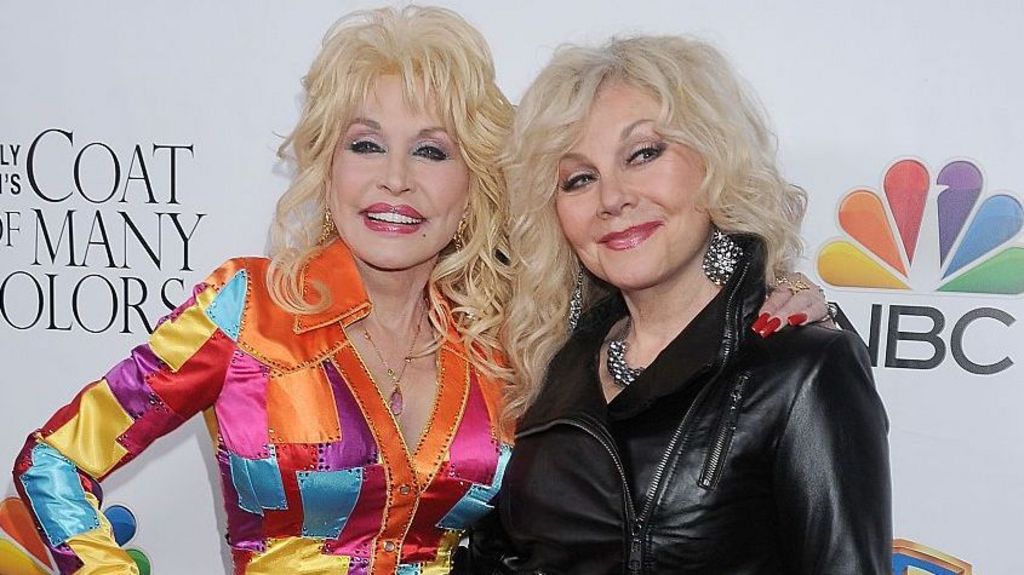
Following the passing of legendary country music icon Dolly Parton on August 25 at the age of 80, global tributes have poured in from fans, public figures, and industry peers across social media and at iconic sites including Nashville’s Country Music Hall of Fame. However, the flood of public mourning has also brought a disturbing wave of unregulated, AI-generated fake content that has caused significant distress to Parton’s family. In a candid Instagram post, Dolly Parton’s sister Stella Parton has issued a public plea calling for an end to what she terms ‘fake AI garbage’, calling on online users to practice greater compassion as the family grieves.
Stella Parton opened her statement by thanking supporters who have extended genuine kindness and respect to her family during this difficult period. She went on to note that the sheer volume of unauthorised AI-generated content and exploitative posts circulating online has been deeply challenging to process. ‘Every human being experiences pain and loss in life and my family is no different,’ she wrote. ‘Sadly, because of the way our lives have been lived in front of the public, we have no choice but to be subjected to incredible pressure and insensitivity from strangers.’
She added that over time, actors who regularly profit from exploiting public grief and tragedy will move on to the next viral cycle of misinformation, but their actions have left lasting harm during a vulnerable time for her family. Stella Parton urged social media users to honor Dolly Parton’s legacy by focusing on her life as a model of tolerance and mutual respect, rather than chasing viral engagement with clever but misleading comments, snarky social media posts, or fake AI-generated content.
Stella Parton’s plea is far from an isolated incident, and joins a growing list of calls from celebrity family members to rein in exploitative AI-generated tributes after a public figure’s death. In October 2025, Zelda Williams, daughter of the late actor Robin Williams, made a similar request asking fans to stop sharing AI-generated deepfake videos of her late father, a plea that was backed by Bernice A King, daughter of civil rights icon Dr Martin Luther King Jr., who also asked users to halt the spread of fake AI content honoring her father. Just over a month later, Amy Redford, daughter of actor Robert Redford, publicly spoke out against unauthorised AI-generated tribute content created after her father’s death in September 2025.
Widespread accessible AI tools that can instantly generate realistic text, images, audio and video have made it trivial for any user to create fake tribute content, and this trend has played out extensively in the weeks following Dolly Parton’s death. Dozens of AI-generated songs, images and videos have spread widely across major social platforms. Even former US President Donald Trump shared an AI-generated fake image of himself standing arm-in-arm with Parton on his Truth Social platform.
Other controversial fakes have included an AI-generated image of Parton without her signature wig and makeup, shared widely on Instagram and X, which users described as ‘incredibly weird’ and a ‘violation’ of the star’s privacy. One particularly viral example on YouTube is an AI-generated track titled a ‘heartfelt fan-made tribute by Miley Cyrus’ (Parton’s goddaughter), sung in Cyrus’ signature vocal style, that has accumulated more than 1.5 million views. While the video carries an AI disclaimer stating it is not an official release from Cyrus or Parton’s team, hundreds of fans have left comments thanking Cyrus for the tribute, unaware the content is artificial. Other viral AI tributes mimicking the styles of other famous singers including Pink and Celine Dion have also drawn millions of views across platforms.
Notably, concerns about the impact of unregulated AI on working artists were raised by Dolly Parton herself years before her passing. In a 2023 interview with *The Hollywood Reporter*, Parton acknowledged that AI held enormous promise for beneficial uses in fields like science and medicine, but admitted the idea of AI replacing human artists scared her. ‘That’s like the mark of the beast. It’s like you can’t remake a person,’ she said. ‘I want to just leave a body of work behind. I think all this stuff can be great, used in the right way. But not to replace voices and writings and not to replace a human being that belongs to God.’