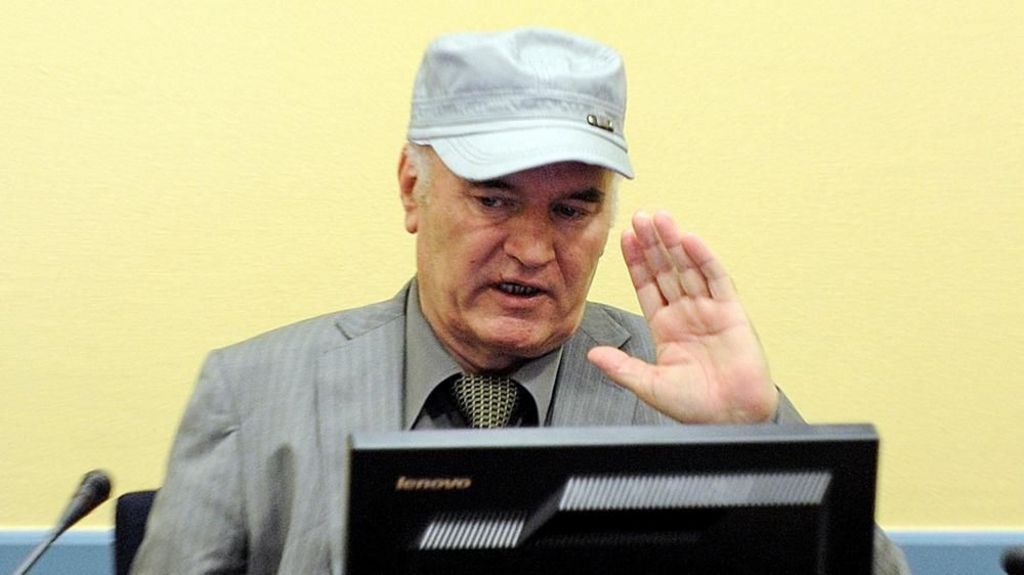
Ratko Mladić, the high-profile Bosnian Serb war criminal convicted of orchestrating genocide and mass atrocities during the 1992–1995 Bosnian War, has died at the age of 84 while serving a life sentence in a United Nations prison in The Hague. The death, first broken by Serbian media outlets, was later officially confirmed by a UN spokesperson, ending a decades-long chapter of international justice proceedings for a man whose actions left an indelible mark on 20th-century European history.
Mladić led Bosnian Serb military forces during the breakup of the former Yugoslavia, when competing ethnic and political factions clashed in a violent conflict that tore apart the Balkan region. Under his command, troops carried out widespread systematic ethnic cleansing campaigns against Bosniak (Bosnian Muslim) and Bosnian Croat civilian populations. His forces also laid a years-long siege around Bosnia’s capital Sarajevo that killed more than 10,000 civilians and combatants trapped in the city, and perpetrated the 1995 Srebrenica massacre, where 8,000 Bosniak men and boys were systematically executed in the worst European atrocity since the end of World War II.
For nearly 16 years after the end of the Bosnian War, Mladić evaded international capture, moving between hiding locations across the Balkan region before he was finally apprehended in a rural area of Serbia in 2011. Following his arrest, he was transferred to The Hague to stand trial before the UN’s international war crimes tribunal. In 2017, the court handed down a full life sentence, finding him guilty on all counts of genocide, war crimes, and crimes against humanity. That conviction and sentence were upheld on appeal in 2021, cementing the legal finding against him for his role in the mass violence.
In the final months of his life, Mladić’s legal team launched an eleventh-hour bid to secure his early release, arguing that his health had declined to terminal levels and that he should be allowed to spend his final days outside of detention. In May 2025, the UN court rejected this request, acknowledging that Mladić’s health condition was “dire” but ruling that he was already receiving appropriate, comprehensive palliative care within the UN detention system. He remained in the facility’s on-site hospital for his end-of-life care up until his death, officials confirmed.