分类: world

  • France moves nuclear-powered carrier toward Hormuz in potential mission, as Trump pauses US effort

    France moves nuclear-powered carrier toward Hormuz in potential mission, as Trump pauses US effort

    PARIS – In a significant escalation of European military positioning in the Middle East, French armed forces announced Wednesday that the country’s flagship aircraft carrier strike group has transited the Suez Canal southward into the Red Sea, paving the way for a possible joint Franco-British security operation in the strategically critical Strait of Hormuz.

    The strait, a linchpin of global energy trade, has been effectively closed since Iran shut down access on March 4, in retaliation for joint U.S.-Israeli airstrikes that killed Iranian Supreme Leader Ayatollah Ali Khamenei on February 28. This closure has already choked off roughly 20% of the world’s daily oil supplies, triggering what the International Energy Agency has described as the most severe global oil supply disruption in modern history. For months, the standoff has paralyzed shipping through the waterway, sending war-risk insurance premiums soaring four to five times above pre-conflict levels and leaving roughly 2,000 commercial vessels stranded in the Persian Gulf.

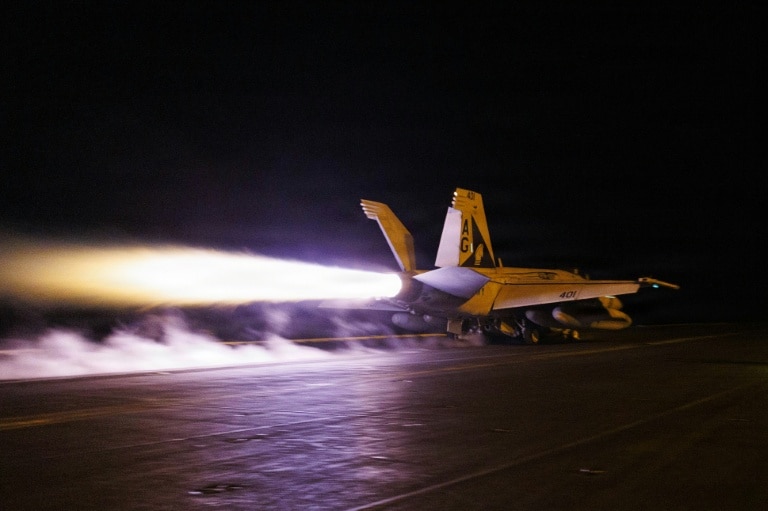
    This southward repositioning of the nuclear-powered Charles de Gaulle – Europe’s most powerful warship and the only nuclear-powered aircraft carrier outside the United States Navy – and its escort vessels brings the strike group closer to the Hormuz chokepoint than it has been at any point since the outbreak of the current conflict. The deployment is the next phase of a broader Middle East mission first announced by French President Emmanuel Macron in a March 3 televised address, one day before Iran closed the strait.

    “Going south of Suez is new for us,” Colonel Guillaume Vernet, spokesperson for the French armed forces chief of staff, told the Associated Press. “Geographically, it’s closer to the Strait of Hormuz and will therefore enable us to react faster, once the conditions are met.” Vernet confirmed that all operational planning for the mission has been finalized and the coalition is prepared to launch operations as soon as preconditions are met.

    The multi-nation coalition, led by France and the United Kingdom with participation from more than 50 additional countries, will not commence operations until two core thresholds are satisfied: a measurable reduction in threats to commercial shipping, and sufficient confidence among global maritime industry stakeholders to resume transits through the strait. Even after these conditions are met, Vernet added, any operational launch will require formal approval from neighboring states bordering the waterway. “Today the Strait of Hormuz is stuck because of the threat, and the insurance premiums are so high. Not a single ship will jeopardize their trip or go there,” he explained.

    This European-led initiative is separate from the U.S.-run “Project Freedom” mission, which was launched Sunday only to be paused by former U.S. President Donald Trump just 48 hours later. Washington has not been involved in Franco-British planning, a structure that military analysts note mirrors the “coalition of the willing” for Ukraine that Macron and current British Prime Minister Keir Starmer assembled early in the Russia-Ukraine conflict. Unlike the U.S. mission, the French-British operation is explicitly framed as conditional and strictly defensive.

    “The French position is the same since the beginning — defensive posture, respecting international law,” Vernet said. He traced the origins of the initiative back to the immediate aftermath of Iran’s strait closure, noting that Macron pushed for a multinational collective effort to restore freedom of navigation in the strait from the earliest days of the crisis. “Right after that, we had the opportunity to build things with different countries,” including the U.K., Italy, the Netherlands and other partner nations, he added. Coordination advanced rapidly following a Paris summit hosted by Macron and Starmer for dozens of participating nations on April 17, with military planners from more than 30 countries finalizing operational details at the United Kingdom’s Permanent Joint Headquarters in Northwood on April 22 and 23.

    The Charles de Gaulle strike group was originally repositioned from the Baltic Sea to the eastern Mediterranean following Macron’s March 3 order, part of what the French presidency called an “unprecedented” mobilization that also includes eight frigates and two Mistral-class amphibious assault ships. France already maintains a persistent military presence in the Gulf: under a long-standing defense agreement with the United Arab Emirates, roughly 900 French personnel are stationed at Al Dhafra Air Base, where French Rafale fighters have been intercepting Iranian drones and missiles targeting the UAE since the outbreak of hostilities on February 28.

    The strike group’s new position in the Red Sea places its 20 embarked Rafale fighters and E-2C Hawkeye early-warning aircraft within striking range of the Strait of Hormuz without entering the Persian Gulf, where the U.S. Navy has enforced a blockade of Iranian ports since April 13. Vernet declined to name a potential timeline for the launch of operations, emphasizing that the repositioning is a pre-emptive measure to ensure the coalition can act quickly when and if operational conditions are met.

  • Russia ignores Ukraine’s unilateral ceasefire and attacks kindergarten

    Russia ignores Ukraine’s unilateral ceasefire and attacks kindergarten

    In a sharp escalation of hostilities just hours after Ukraine enacted its own unilateral ceasefire, Russian forces have launched a coordinated wave of drone and missile strikes across Ukrainian civilian and frontline areas, killing multiple civilians and drawing sharp condemnation from Ukrainian President Volodymyr Zelenskyy.

    Local officials in Ukraine’s northern Sumy region confirmed Wednesday morning that a direct strike on a local kindergarten claimed the life of one adult woman. No children were present on site at the time of the attack, limiting what could have been a far deadlier outcome.

    The breakdown in the temporary truce comes after both Russia and Ukraine announced competing unilateral ceasefires earlier this week, with no shared agreement on terms, duration or independent monitoring. Russia first declared a 36-hour truce spanning May 8 and 9 to coincide with its annual Victory Day commemorations marking the Soviet Union’s 1945 defeat of Nazi Germany, which will be capped Saturday by a traditional military parade on Moscow’s Red Square. Ukraine followed suit, announcing an open-ended ceasefire starting at midnight Tuesday, stating it would respond symmetrically to any Russian actions.

    Zelenskyy accused Russia of outright rejecting the opportunity to de-escalate and save civilian lives in a statement Wednesday morning. “Russia’s choice is an obvious spurning of a ceasefire and of saving lives,” the president said, adding that Ukraine would “decide on our further actions” after receiving updated evening briefings from military and intelligence commanders. Zelenskyy noted that Russian forces had launched “active hostilities and terrorist shelling” across the frontline, alongside dozens of drone and missile strikes targeting populated civilian areas.

    A wave of Russian attacks across Ukraine Tuesday left 27 civilians dead, including 12 people killed in strikes in the southern Zaporizhzhia region alone. Andriy Sybiha, Ukraine’s foreign minister, said the continued aggression laid bare the insincerity of Moscow’s ceasefire call. “Fake calls for a ceasefire on May 9th have nothing to do with diplomacy. Putin only cares about military parades, not human lives,” Sybiha said.

    This year’s Victory Day events in Russia, including the Red Square parade, have been scaled back dramatically, with officials citing a heightened “terrorist threat” from Ukraine. Residents of Moscow and St. Petersburg have also been notified that mobile internet service will be disrupted across parts of both cities during the commemorations for security purposes.

    Since launching its full-scale invasion of Ukraine in February 2022, the Kremlin has worked to shield the Russian public from direct impacts of the war. But in recent months, Ukraine has increasingly demonstrated its ability to strike deep into Russian territory with long-range drones. While these attacks typically cause limited physical damage, they have eroded public confidence and rattled Russian political leadership.

    On Tuesday, Ukraine carried out a strike on the city of Cheboksary, located more than 1,500 kilometers (930 miles) from the Ukrainian border, which killed two people.

    Moscow has not issued any formal response to Ukraine’s ceasefire proposal. Instead, the Kremlin has threatened to carry out a “massive missile strike” on central Kyiv if Ukraine violates Russia’s 8-9 May truce. The Russian Ministry of Defense announced Wednesday that it had downed 53 Ukrainian drones between 21:00 Tuesday and 07:00 Wednesday GMT, but did not clarify whether any of the intercepted drones were launched after Ukraine’s ceasefire went into effect.

  • Pope to inaugurate Barcelona’s Sagrada Familia tower and meet with migrants in June trip to Spain

    Pope to inaugurate Barcelona’s Sagrada Familia tower and meet with migrants in June trip to Spain

    Vatican officials announced Wednesday that Pope Leo XIV will undertake a seven-day pastoral visit to Spain next month, headlined by two major engagements: the inauguration of the iconic central tower of Barcelona’s world-famous Sagrada Familia basilica, and a outreach visit to migrant communities in the Canary Islands.

    The trip, scheduled to run from June 6 to 12, will kick off in Spain’s capital Madrid, where the pontiff is set to hold official meetings with top Spanish government leaders, members of parliament, and King Felipe VI and Queen Letizia. He will also lead an evening prayer vigil with young Catholics, an event that echoes the 2011 World Youth Day gathering hosted in Madrid by the late Pope Benedict XVI, the last pope to travel to Spain.

    From Madrid, the papal tour will move on to Barcelona, where the visit coincides with the 100th anniversary of the death of Antoni Gaudí, the legendary Catalan architect who devoted his life to designing the Sagrada Familia, the world’s tallest church structure. During his time in the city, Pope Leo will celebrate Mass inside the UNESCO-listed basilica and formally open the recently completed Tower of Jesus Christ, the soaring central spire that was secured into its final position in February. This new tower brings the basilica to its planned maximum height of 172.5 meters (566 feet) above the Barcelona skyline, though the Sagrada Familia’s decades-long construction project remains incomplete.

    Spanish bishops also confirmed Wednesday that while Gaudí is currently advancing through the canonization process toward sainthood, the ceremony will not take place during Pope Leo’s visit. This mirrors the 2010 visit of Pope Benedict XVI, who consecrated the still-unfinished basilica during his trip to the site.

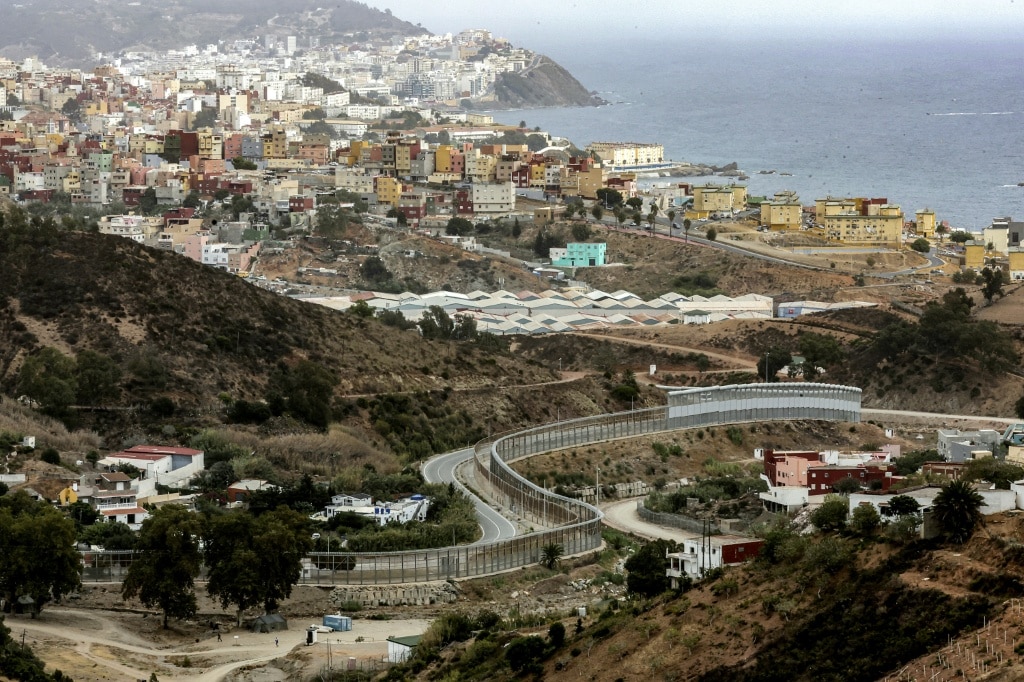
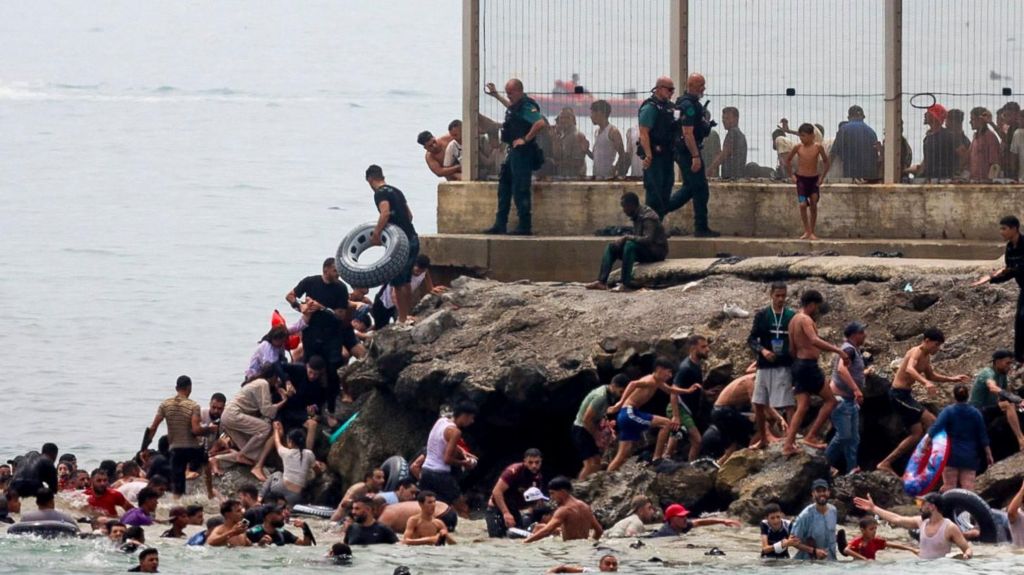
    The final leg of Pope Leo’s trip will take him to the Canary Islands, a Spanish archipelago off the northwest coast of Africa that serves as the primary entry point for migrants traveling from Africa to Europe. The visit fulfills a long-held priority of Pope Francis, Pope Leo’s immediate predecessor, who made outreach to migrants and refugees a defining mission of his papacy. Pope Leo has continued this legacy, consistently calling for dignified treatment of migrants even amid restrictive new migration policies put in place by the Trump administration in his native United States.

    The trip to the Canaries also aligns with the migration agenda of Spain’s current socialist government led by Prime Minister Pedro Sánchez. At a time when many European governments have tightened border controls and expanded deportation programs, Sánchez’s administration has openly championed managed legal migration. The government is currently advancing a sweeping migrant amnesty that would grant legal status to an estimated 500,000 unauthorized migrants currently residing in Spain. The policy has drawn fierce pushback from conservative opposition groups, particularly the far-right Vox party, which has labeled the legalization push an “attack on Spanish national identity.”

    Despite the criticism, the amnesty plan holds broad support from a coalition of backers that includes the Catholic Church and leading Spanish business groups. Sánchez has repeatedly framed the reform as a demographic and economic necessity: Spain’s population is rapidly aging, and the nation requires additional working-age people to sustain its growing economy and fund public social security programs. Currently, roughly 10 million of Spain’s 50 million residents are foreign-born — around one in five people — with the largest share hailing from Latin America and Africa.

    During his time in the Canaries, Pope Leo will first meet with migrant support organizations in Las Palmas, before traveling the next day to meet with migrants at a reception center on the island of Tenerife, where he will also hold separate talks with local aid groups that work with newcomer populations.

    For decades, the Canary Islands, located just 105 kilometers (65 miles) from the African mainland, have been a key transit route for migrants seeking to reach the European Union from West Africa and Morocco. To avoid interception by security forces, many migrants undertake dangerous extended sea journeys that can last days or even weeks. Arrivals peaked in 2024, when nearly 47,000 migrants reached the islands, according to data from Spain’s interior ministry. After the EU struck cooperation deals with Morocco, Mauritania, Senegal and Gambia to curb irregular crossings, arrivals have dropped sharply: just over 2,000 migrants landed in the Canaries in the first four months of 2026.

    Following his Spain trip, Pope Leo — the first U.S.-born pope in history — will travel to another major European migrant entry point: the Italian island of Lampedusa, off the coast of Sicily. That visit is scheduled for July 4, the same date the United States celebrates the 250th anniversary of its Declaration of Independence.

    This report includes contributions from correspondents Naishadham in Madrid and Brito in Barcelona, and is produced by the Associated Press. AP’s religion coverage is supported through a collaboration with The Conversation US, with funding from Lilly Endowment Inc. The AP retains full editorial responsibility for all content.

  • Poland warns Russia is moving from low-cost recruits to professional sabotage cells

    Poland warns Russia is moving from low-cost recruits to professional sabotage cells

    WARSAW, Poland — A new report from Poland’s leading internal intelligence service has drawn urgent attention to a shifting tactic in what Western officials describe as Russia’s ongoing hybrid conflict against Europe, revealing that Moscow is abandoning its reliance on disposable, ad-hoc recruits in favor of building structured, professional sabotage networks tied to organized crime.

    The assessment, published Wednesday by Poland’s Internal Security Agency (ABW), comes amid a historic surge in Russian espionage activity across Central Europe that has matched levels unseen since the end of the Cold War. ABW officials confirmed that the total number of espionage investigations launched in 2024 and 2025 equals the cumulative total of cases opened between Poland’s 1991 post-Soviet independence and the end of 2023, with 62 people arrested on spying charges over the past two years alone.

    For years, European security leaders and law enforcement agencies have warned that Russia is waging an undeclared hybrid campaign against European allies, encompassing everything from arson and infrastructure vandalism to disinformation influence operations. Data from the Associated Press has tracked more than 150 such incidents tied to Moscow that have been confirmed by Western officials since Russia launched its full-scale invasion of Ukraine in 2022.

    Previously, the majority of these operations relied on low-cost, one-time agents recruited spontaneously through online platforms. In many cases, recruited individuals had no idea they were actually working on behalf of Russian intelligence. This model became widespread after Western countries expelled hundreds of Russian intelligence officers in the wake of the 2022 invasion, forcing Moscow to adapt its operational structure. Now, the ABW report confirms a clear strategic shift toward institutionalized, professionalized sabotage activity.

    “Russian intelligence is increasingly using methods typical of special forces — reconnaissance and sabotage — as part of Russia’s undeclared war with the Western world,” the ABW report stated. The document goes on to note that Russia is now actively building complex sabotage cells that draw on closed organized crime networks, prioritizing recruits with existing specialized experience: former military personnel, ex-law enforcement officers, and veterans of the Wagner Group mercenary organization. Russian intelligence has also ramped up in-territory training for these agents, designed to prepare them for coordinated terrorist and sabotage acts, the report added.

    Polish security officials warn that the long-term strategic goal of the Russian Federation remains unchanged: to destabilize Euro-Atlantic institutions from within, split alliance unity, and sow socio-political and economic chaos in individual member states. While Poland is the primary target of these operations, the ABW noted that some activity is also coordinated by Belarusian secret services — which work in close lockstep with Moscow — and even Chinese intelligence.

    The ABW warned that mass surveillance operations being carried out across Poland are laying the groundwork for future diversionary attacks, which the agency calls the most serious threat to national security it currently faces. It added that escalating Russian operations in Poland now accept the very real risk of fatal casualties among civilians and infrastructure workers.

    The shifting threat comes on the heels of a high-profile incident last November that highlighted the danger of these attacks. At that time, explosions and technical malfunctions struck a key railway line used for military and humanitarian aid deliveries to Ukraine, disrupting service for two trains including a passenger service. Polish Prime Minister Donald Tusk described the event as an “unprecedented act of sabotage.” No casualties were reported in that incident.

  • Foreign visitors return to Jewish pilgrimage in Tunisia under tight security

    Foreign visitors return to Jewish pilgrimage in Tunisia under tight security

    Nestled on Tunisia’s Mediterranean island of Djerba, the 2,600-year-old El-Ghriba Synagogue has long hosted one of Africa’s most enduring Jewish pilgrimage traditions. This year, the annual Lag B’Omer gathering welcomed a small but meaningful comeback of international worshippers, held under robust security measures one year after a fatal attack shattered the 2023 event.

    In the 2023 attack, a Tunisian national guardsman opened fire near the synagogue shortly after that year’s festival, killing five people — two French pilgrims and three local security officers. The violence sowed deep anxiety among Tunisia’s small, centuries-old Jewish community and diaspora pilgrims who travel to the site annually. This year, attendees included visitors from France, China, Ivory Coast, and Italy, among them France’s ambassador to Tunisia, a symbolic show of solidarity following the 2023 deaths of two French citizens in the attack.

    Organizers reported roughly 500 attendees for this year’s pilgrimage, which ran from April 30 to May 6. Jewish communities have existed in Tunisia since the Roman era, and the Ghriba gathering remains the centerpiece of religious and cultural life for the country’s long-standing Jewish population. Unlike the sharp decline in international attendance seen in 2024, this year marked the first resumption of cross-border participation, with many diaspora Jews returning to honor their ancestral roots.

    Inside the ancient synagogue, the mood blended quiet devotion and quiet celebration. Worshippers followed long-held traditions: lighting candles, reading sacred Torah texts, and writing personal wishes on eggs that are placed in a holy cave on the site, a custom believed to bring divine blessing. Redj Cahen, a Tunisian-Italian pilgrim who skipped the 2024 gathering, called his return this year deeply meaningful. “We are back, and we are proud to be Tunisian Jews,” he said. “It is a feeling you cannot explain. Only those who come here understand.”

    For decades, the pilgrimage has stood as a powerful symbol of interfaith coexistence in Tunisia, drawing Muslim visitors alongside Jewish worshippers from across the globe. Historically, the event attracted thousands of attendees each year, but numbers plummeted after the 2023 attack — and the site was already targeted in a 2002 al-Qaida truck bombing that killed roughly 20 people.

    To ensure participant safety this year, Tunisian authorities deployed a layered security operation. A visible but unobtrusive security cordon surrounded the synagogue, while intensified checkpoints, barricades, and vehicle searches were set up at all entry points to Djerba island. Extra security personnel were assigned to Hara Seghira and Hara Kebira, the island’s two historic Jewish quarters.

    In a key sign of cautious recovery, the iconic traditional Minara procession was held this year for the first time since the 2023 attack. The Minara — a pyramid-shaped tower crafted from gold and silver — sits at the heart of the synagogue. As part of the tradition, women drape the structure in colorful scarves, a ritual linked to wishes for good fortune, fertility, and marriage. A symbolic auction of artwork and religious artifacts follows, raising funds for the synagogue’s ongoing maintenance. The scarf-decorated Minara is then placed on a cart and paraded through the surrounding streets, accompanied by the rhythm of traditional darbuka drums, communal singing, and the throwing of candy to onlookers before being returned to the synagogue to close the ceremony.

    Local leaders and community members framed the 2025 gathering as a deliberate, gradual step toward normalcy. “This year’s Ghriba pilgrimage marks a gradual return,” said former Tunisian Tourism Minister René Trabelsi. “We are returning little by little.” Trabelsi noted that Tunisian officials prioritized keeping the tradition alive despite ongoing security challenges, emphasizing that the annual event provides critical economic support to Djerba’s local tourism and hospitality sectors.

    Khedir Hnaia, who has worked at the El-Ghriba Synagogue for more than 30 years, expressed hope that the gathering will regain its former vibrancy. “We would like to reflect a good image to the world, to bring back the glory of Ghriba and make it even better than how it used to be,” he said. Haim Haddad, a member of the pilgrimage organizing committee from the Tunisian city of Zarzis, reaffirmed the community’s commitment to their home country. “We need to stand up for our country, we love Tunisia very much and in the same way our country stood up for us we will always stand up for it,” he said.

  • Russia snubs Ukraine’s unilateral ceasefire, firing dozens of drones

    Russia snubs Ukraine’s unilateral ceasefire, firing dozens of drones

    As the full-scale Russian invasion of Ukraine entered its third year, hopes for a temporary halt to hostilities collapsed almost immediately this week after Russia launched a massive overnight drone assault that defied Ukraine’s unilateral ceasefire declaration, Ukrainian authorities confirmed Wednesday.

    Kyiv’s ceasefire, which came into force at midnight on Wednesday, was a reciprocal response to Russia’s own planned two-day truce scheduled for Friday and Saturday to mark the 81st anniversary of Nazi Germany’s defeat in World War II. Ukrainian President Volodymyr Zelenskyy had announced the unilateral pause, warning that any violation of the truce would draw a swift military retaliation from Kyiv’s forces. But the truce was breached before it could even take full hold.

    Ukrainian Foreign Minister Andrii Sybiha confirmed that Russian forces launched 108 drones and three guided missiles across Ukrainian territory, with attacks running continuously through the night and into Wednesday morning. In an official post on social platform X, Sybiha condemned Moscow’s choice to ignore a de-escalatory proposal that had garnered backing from multiple states and global governing bodies. “Moscow once again ignored a realistic and fair call to end hostilities, supported by other states and international organizations,” Sybiha wrote, adding that Russia’s overnight attacks exposed the insincerity of its own upcoming planned May 9 ceasefire. “Putin only cares about military parades, not human lives,” he said.

    In Moscow’s official response to the strikes, the Russian Defense Ministry claimed that it was Ukraine that had violated the truce. The ministry asserted that Russian air defense systems intercepted and shot down 53 Ukrainian drones across multiple Russian regions, the illegally annexed Crimean Peninsula, and Black Sea waters between Tuesday evening and early Wednesday dawn.

    Prior to the launch of Kyiv’s ceasefire, Moscow had given no public indication it would respect the pause in fighting. Analysts and diplomatic observers have held little optimism for any de-escalation of the conflict in the near term, as the war shows no sign of abating and a full year of U.S.-led diplomatic efforts to end the hostilities have produced no breakthroughs.

    The overnight assault comes just one day after a previous round of Russian strikes across Ukraine left at least 22 civilians dead and more than 80 others injured, according to Ukrainian emergency officials. This sequence of events follows a long-established pattern throughout the war: Russia has repeatedly announced short unilateral ceasefires timed for major national and religious holidays, including most recently Orthodox Easter, but these temporary pauses have never led to lasting de-escalation, undermined by deep mutual distrust between the two warring nations.

    In the wake of Russia’s violation of Kyiv’s ceasefire, Sybiha called for the international community to ramp up pressure on the Kremlin. His demands include the imposition of new economic sanctions, broader diplomatic isolation of Moscow, formal accountability measures for alleged war crimes committed by Russian forces, and increased military and humanitarian aid for Ukraine.

    The Associated Press continues ongoing coverage of the Russia-Ukraine conflict, with full reporting available at its dedicated war hub.

  • Two teens arrested after Aussie tourist allegedly stabbed and robbed in Thailand

    Two teens arrested after Aussie tourist allegedly stabbed and robbed in Thailand

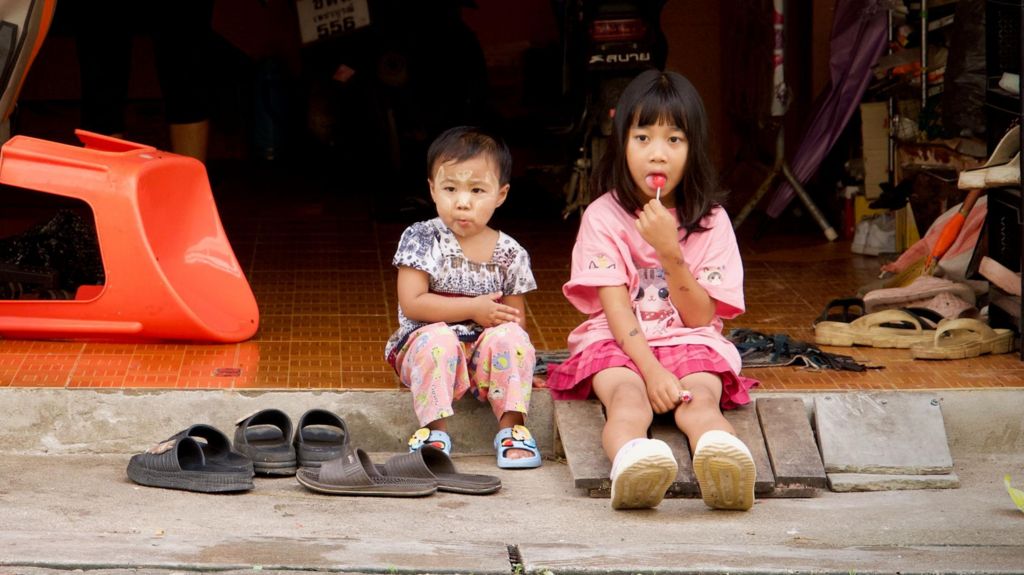
    A violent criminal incident has shaken one of Thailand’s most popular coastal tourist destinations, leaving an Australian visitor injured and thousands of dollars in stolen cash, with two teenage suspects now facing formal armed robbery charges.

    According to official statements from Pattaya Police and local Thai media, the confrontation unfolded on Monday, when 45-year-old Australian national Alikosh Ghulam invited two people he believed were women back to his hotel room in the city. When Ghulam learned the pair were transgender individuals, a heated argument quickly broke out between the two sides, escalating into a brutal attack.

    Witnesses and official accounts confirm one of the suspects forced Ghulam into the hotel’s bathroom before stabbing him in the torso and shoulder with a pair of scissors. The attack left the Australian tourist bleeding heavily and disoriented, before the two offenders fled the scene with approximately $6,000 in cash taken from the victim. After the attack, Ghulam managed to escape and seek emergency medical care for his injuries, then filed an official report with local law enforcement.

    Using security camera footage from the area, investigating officers tracked the two suspects to a high-end condominium located in Pattaya, where they executed an arrest of the two accused, a 16-year-old and a 17-year-old. During the raid on the condominium, police recovered both the scissors used in the attack and the majority of the stolen cash. Law enforcement officials confirmed that both teens have since admitted their involvement in the robbery and stabbing, and have been formally charged with armed robbery.

    In comments following the arrests, Pattaya Police noted that this type of hidden, indoor criminal incident poses a unique challenge to local tourist security. Similar attacks targeting foreign visitors have already harmed Pattaya’s global reputation as a safe, top-tier beach travel destination, officers added, because these crimes take place behind closed doors in private hotel rooms, making proactive prevention far more difficult than street-level crime.

  • Burkina Faso junta secretly detained journalist and others, advocacy group says

    Burkina Faso junta secretly detained journalist and others, advocacy group says

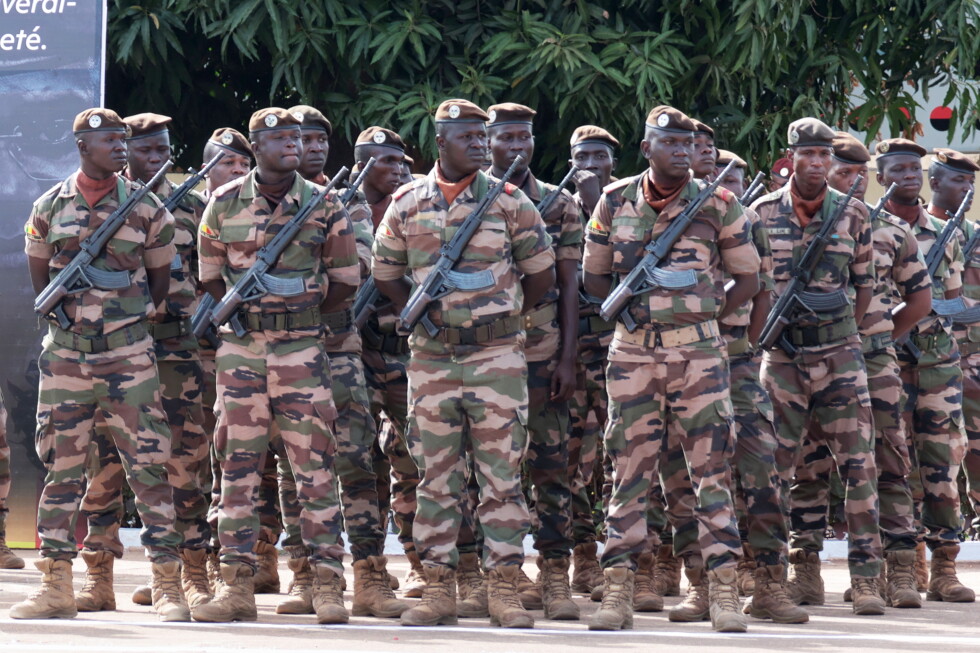
    In a damning new revelation that shines a harsh light on rising authoritarianism in West Africa, global press freedom advocacy organization Reporters Without Borders (RSF) has accused Burkina Faso’s ruling military junta of running an unacknowledged, makeshift detention facility in the nation’s capital Ouagadougou, where a leading investigative journalist and dozens of detainees are held in degrading, abusive conditions. The findings, released Wednesday by RSF, directly contradict official claims about the whereabouts of Atiana Serge Oulon, editor-in-chief of the independent Burkina Faso newspaper L’Evenement.

    Oulon was forcibly removed from his private residence in Ouagadougou in June 2024 by a group of unidentified armed men dressed in civilian clothing. Shortly after the abduction, the junta, which has held power since a 2022 coup led by Captain Ibrahim Traoré, announced that Oulon had been conscripted into national military service to fight the ongoing regional insurgency against Islamic militants. But accounts from former detainees obtained by RSF tell a far different story: as of late 2024, Oulon and as many as 40 other detainees remain imprisoned in a heavily guarded residential compound in central Ouagadougou, cut off from all contact with family, legal representation, and the outside world.

    Detainees held in the facility described systematic mistreatment that violates basic international human rights standards. Former prisoners reported sleeping on uninsulated bare concrete floors, being denied access to clean drinking water and forced to drink water from toilet fixtures, and regular beatings at the hands of guards who use thick ropes and tree branches as weapons. RSF’s investigation also revealed direct ties between the secret detention operation and Traoré’s inner circle: a senior security officer assigned to Traoré personally debriefs detainees before their release, threatening them with severe retaliation if they speak publicly about their experience in the facility.

    Oulon has been a target of junta scrutiny since 2022, when he published a high-profile investigative report exposing alleged embezzlement by a senior army captain, RSF confirmed. As of publication, Oulon’s exact location and current condition remain unknown, and the junta has not responded to repeated requests for comment from RSF after the organization shared its full investigative findings with government officials.

    This revelation is the latest in a growing body of evidence documenting a widespread crackdown on political dissent and independent press under Traoré’s junta. Since seizing power in the September 2022 coup, the military government has shuttered dozens of independent media outlets, targeted critical journalists and opposition figures, and systematically forcibly conscripted dissidents to frontline combat against jihadist insurgents. In an April 2024 report, Human Rights Watch documented that the junta’s sweeping crackdown has created what the organization described as “an atmosphere of terror” across Burkina Faso, severely cutting off public access to uncensored information and eliminating almost all space for political opposition. RSF is now calling for the immediate and unconditional release of Oulon and all detainees arbitrarily held at the secret Ouagadougou facility.

  • Ukraine reports strike as Kyiv’s ceasefire due to begin

    Ukraine reports strike as Kyiv’s ceasefire due to begin

    Hours before Kyiv’s unilateral ceasefire was scheduled to take effect on Wednesday, a wave of coordinated Russian strikes across multiple Ukrainian regions left at least 28 people dead and more than 120 wounded, marking the deadliest assault on Ukrainian territory in weeks and derailing temporary hopes for a lull in fighting.

    Ukraine’s Interior Minister Igor Klymenko confirmed the strikes targeted civilian and infrastructure sites across 10 regions, stretching from the northeastern Chernigiv and Sumy to the southern coastal region of Odesa and the frontline Zaporizhzhia. By late Tuesday, the official death toll climbed one additional fatality in Kramatorsk, the last major Ukrainian-held city in the embattled Donetsk region. The attack on Kramatorsk’s city center killed six people, with Ukrainian President Volodymyr Zelensky condemning it as a deliberate strike on civilian targets. Four people also died in a strike on the central city of Dnipro, carried out just hours before Kyiv’s ceasefire deadline, while 12 were killed in frontline Zaporizhzhia, an attack Zelensky called “absolutely without military justification.”

    Moscow’s actions drew sharp condemnation from senior Ukrainian officials, who accused the Kremlin of deliberate cynicism just days after both sides announced separate unilateral ceasefire plans tied to Russia’s annual May 9 World War II Victory Day commemorations. Russia first called for a pause in fighting to mark the holiday, which the Kremlin has framed in recent years as a ideological extension of the 1945 Soviet victory over Nazi Germany to justify its 2022 full-scale invasion. Kyiv later announced its own separate 36-hour ceasefire set to begin Wednesday, just ahead of Russia’s planned celebrations.

    “With mere hours until Ukraine’s ceasefire proposal comes into force, Russia shows no signs of preparing to end hostilities. On the contrary, Moscow intensifies terror,” Ukrainian Foreign Minister Andrii Sybiga wrote on social media platform X early Wednesday. Zelensky similarly denounced Moscow’s actions as “utter cynicism” for launching deadly attacks while publicly seeking a pause in hostilities. As of early Wednesday, Russian officials had not reported any new Ukrainian strikes in the first hours of Kyiv’s proposed truce, but Ukrainian authorities in southern Zaporizhzhia confirmed that Moscow had targeted local infrastructure overnight.

    In a surprising development that broke a months-long period of quiet diplomatic contact, U.S. Secretary of State Marco Rubio spoke by phone Tuesday with Russian Foreign Minister Sergei Lavrov at the Russian side’s request. A State Department spokesperson confirmed the two discussed U.S.-Russia relations, the ongoing war in Ukraine, and relations with Iran, but neither side released further details on the substance of the conversation. Russia’s foreign ministry confirmed the call added that the pair had discussed scheduling future bilateral contacts, offering no additional context.

    This year’s May 9 Victory Day celebrations in Russia have been significantly scaled back, a shift widely attributed to growing concerns over potential Ukrainian strikes on parade sites. For the first time since the full-scale invasion began, no military hardware will be displayed during Moscow’s main parade, and Russian authorities cut mobile internet access across the capital on Tuesday, with restrictions set to remain in place through Saturday. Ukraine has stepped up long-range retaliatory strikes in recent weeks, targeting Russian oil infrastructure and residential and government sites in Moscow, strikes Kyiv frames as justified retaliation for Russia’s regular missile and drone attacks on Ukrainian cities.

    Temporary unilateral ceasefires have been implemented occasionally during the four-year war, most recently a pause in long-range attacks during Orthodox Easter last month. However, there is little indication that either side is willing to move toward comprehensive peace talks. Moscow has issued non-negotiable demands that Kyiv withdraw all troops from the occupied Donbas region and permanently renounce any future military cooperation with Western allies, terms Kyiv has rejected as equivalent to unconditional surrender.

  • New weapons charges filed against suspect in deadly shooting at Bondi Beach Hanukkah festival

    New weapons charges filed against suspect in deadly shooting at Bondi Beach Hanukkah festival

    SYDNEY, Australia – Australian law enforcement officials have announced 19 new criminal charges against 24-year-old Naveed Akram, the sole surviving suspect in the December 2025 mass shooting at a Hanukkah celebration on Sydney’s iconic Bondi Beach that left 15 people dead. The attack stands as Australia’s deadliest mass shooting in nearly three decades and its worst alleged act of domestic terrorism, prompting three parallel official investigations into the violence and broader systemic issues surrounding it.

    Akram was already facing 59 initial charges, including multiple counts of murder, attempted murder, and engaging in a terrorist act, following the coordinated assault on the Jewish holiday gathering. On Wednesday, court administrative staff confirmed that the additional charges were formally laid on April 15, breaking down to 10 counts of shooting with intent to murder and six counts of discharging a firearm to resist arrest. Three further unlisted charges are included in the new indictment. To date, Akram has not been required to enter a formal plea in the case.

    According to earlier court filings, Akram and his 50-year-old father, Sajid Akram, launched the attack by throwing homemade improvised explosive devices into the crowd of holiday revelers on one of Australia’s most frequented coastal public spaces. None of the thrown devices detonated, investigators confirmed. A larger, fully assembled improvised explosive device draped with Islamic State group flags was later recovered from the trunk of Naveed Akram’s vehicle. The assault ended in a gunbattle with responding police officers, during which Sajid Akram was killed and Naveed Akram was shot and wounded before being taken into custody. Australian federal police have publicly stated the attack was directly inspired by extremist ideology from the Islamic State group.

    Akram made his scheduled court appearance Wednesday via video link from a correctional facility, before Sydney’s Downing Center Local Court. The procedural hearing was focused on debating a court-imposed gag order that bars the public release of identifying information for attack victims and survivors who have chosen to keep their identities private.

    In the wake of the massacre, three separate official inquiries have been launched to unpack the event and prevent similar violence. One probe is focused on examining gaps in communication and coordination between Australian law enforcement and national intelligence agencies in the period leading up to the attack. A separate royal commission—Australia’s highest level of independent public inquiry—has been convened to investigate both the broader circumstances of the Bondi shooting and the prevalence of antisemitism across Australian daily life. The commission released an interim policy report in April that called for immediate tighter national gun control regulations, and kicked off its first round of public evidentiary hearings just this Monday.