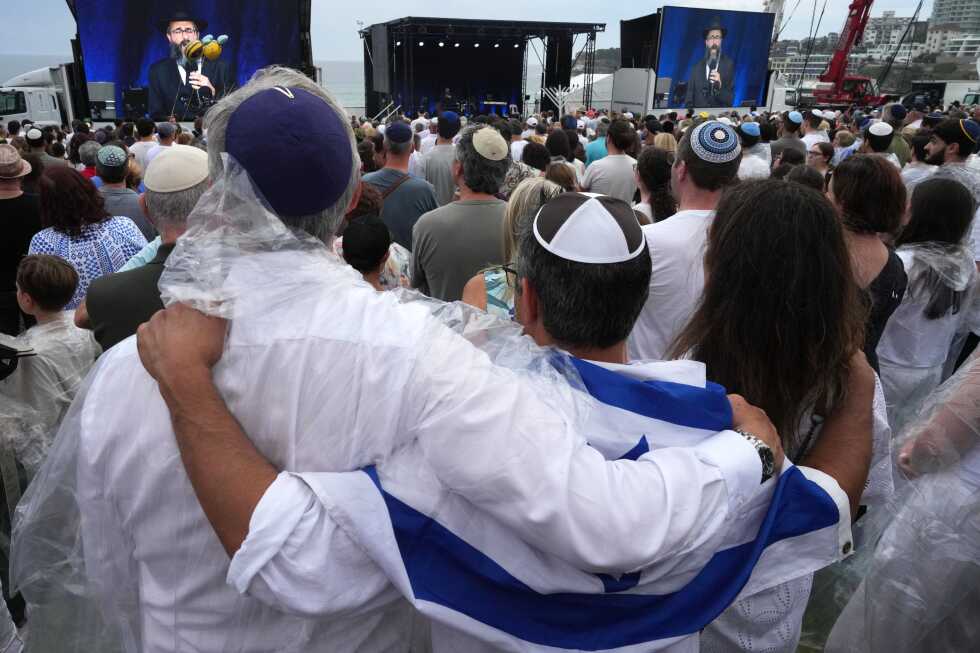
SYDNEY, Australia – Australian law enforcement officials have announced 19 new criminal charges against 24-year-old Naveed Akram, the sole surviving suspect in the December 2025 mass shooting at a Hanukkah celebration on Sydney’s iconic Bondi Beach that left 15 people dead. The attack stands as Australia’s deadliest mass shooting in nearly three decades and its worst alleged act of domestic terrorism, prompting three parallel official investigations into the violence and broader systemic issues surrounding it.
Akram was already facing 59 initial charges, including multiple counts of murder, attempted murder, and engaging in a terrorist act, following the coordinated assault on the Jewish holiday gathering. On Wednesday, court administrative staff confirmed that the additional charges were formally laid on April 15, breaking down to 10 counts of shooting with intent to murder and six counts of discharging a firearm to resist arrest. Three further unlisted charges are included in the new indictment. To date, Akram has not been required to enter a formal plea in the case.
According to earlier court filings, Akram and his 50-year-old father, Sajid Akram, launched the attack by throwing homemade improvised explosive devices into the crowd of holiday revelers on one of Australia’s most frequented coastal public spaces. None of the thrown devices detonated, investigators confirmed. A larger, fully assembled improvised explosive device draped with Islamic State group flags was later recovered from the trunk of Naveed Akram’s vehicle. The assault ended in a gunbattle with responding police officers, during which Sajid Akram was killed and Naveed Akram was shot and wounded before being taken into custody. Australian federal police have publicly stated the attack was directly inspired by extremist ideology from the Islamic State group.
Akram made his scheduled court appearance Wednesday via video link from a correctional facility, before Sydney’s Downing Center Local Court. The procedural hearing was focused on debating a court-imposed gag order that bars the public release of identifying information for attack victims and survivors who have chosen to keep their identities private.
In the wake of the massacre, three separate official inquiries have been launched to unpack the event and prevent similar violence. One probe is focused on examining gaps in communication and coordination between Australian law enforcement and national intelligence agencies in the period leading up to the attack. A separate royal commission—Australia’s highest level of independent public inquiry—has been convened to investigate both the broader circumstances of the Bondi shooting and the prevalence of antisemitism across Australian daily life. The commission released an interim policy report in April that called for immediate tighter national gun control regulations, and kicked off its first round of public evidentiary hearings just this Monday.