分类: world

  • Yemen’s Houthis release mariners held since July ship attack

    Yemen’s Houthis release mariners held since July ship attack

    DUBAI, United Arab Emirates — Yemen’s Iranian-backed Houthi rebels have released eleven international mariners who had been detained since July following a deadly attack on the commercial vessel Eternity C in the Red Sea. The seafarers, comprising nationals from India and the Philippines, were transferred to Omani custody on Wednesday amid ongoing regional tensions.

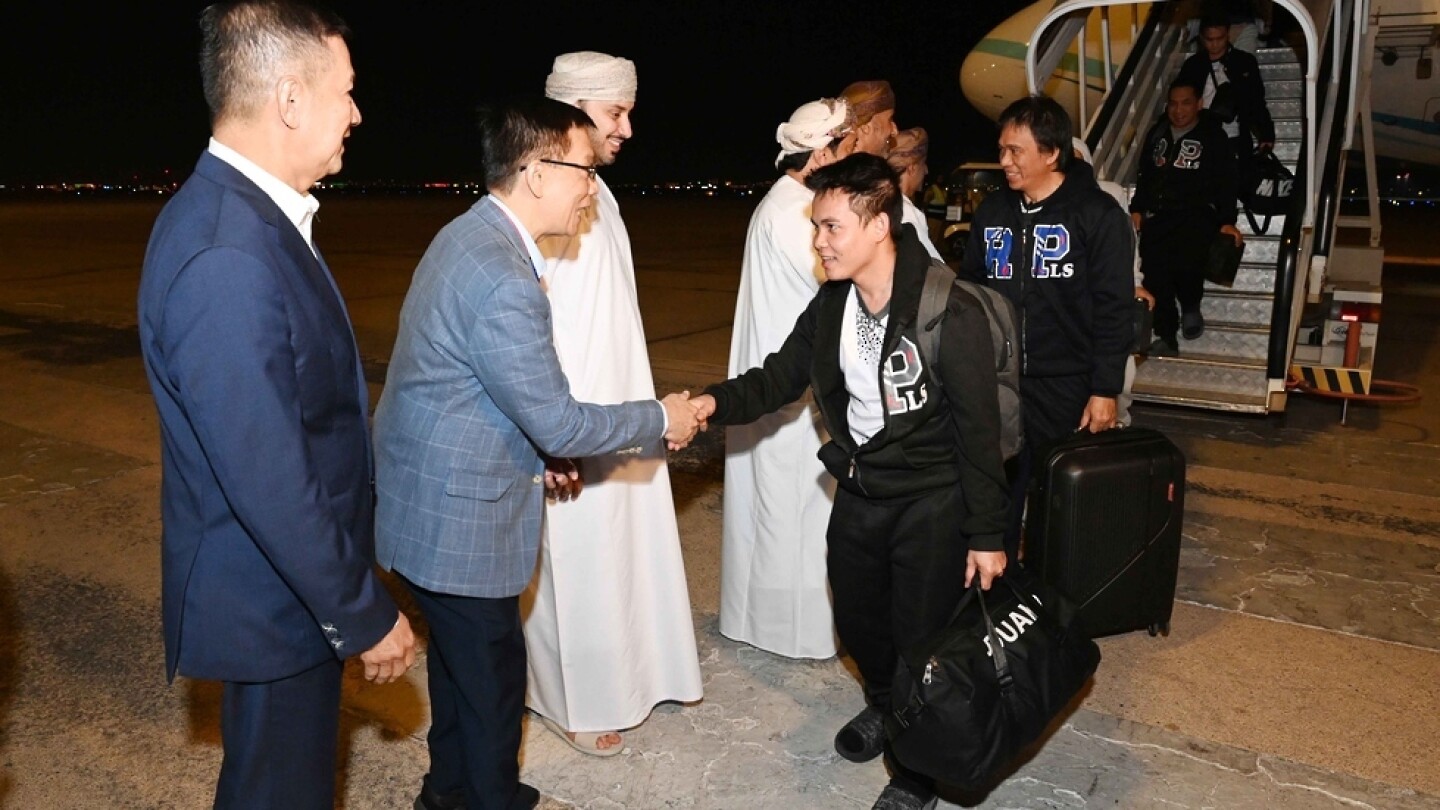
    The release operation involved a Royal Oman Air Force jet that landed in Sanaa, the Houthi-controlled Yemeni capital, before transporting the mariners to Muscat. Omani authorities confirmed receiving the individuals “in preparation for their return to their home countries” and released photographs showing diplomats from both nations greeting the arrivals.

    This development comes despite contradictory narratives regarding the mariners’ status. While the Philippines Foreign Ministry had previously characterized them as “held hostage,” the Houthi leadership maintained the men were “guests, not detainees” who had been rescued after abandoning their damaged vessel. Notably, the rebels’ media channels displayed images of only ten individuals, leaving the whereabouts of the eleventh mariner temporarily unverified.

    The July attack that precipitated this captivity resulted in four fatalities and the eventual sinking of the Eternity C. This incident forms part of a broader pattern of maritime aggression, with Houthi forces having targeted over 100 ships through missile and drone strikes since commencing their campaign, resulting in at least nine mariner deaths and four sunken vessels.

    The timing of this release remains strategically ambiguous, occurring during a period of reduced hostilities following the implementation of a ceasefire in the Gaza conflict. Previous Houthi ceasefires have similarly correlated with pauses in their maritime offensive operations.

  • Sri Lanka counts cyclone cost as death toll hits 465

    Sri Lanka counts cyclone cost as death toll hits 465

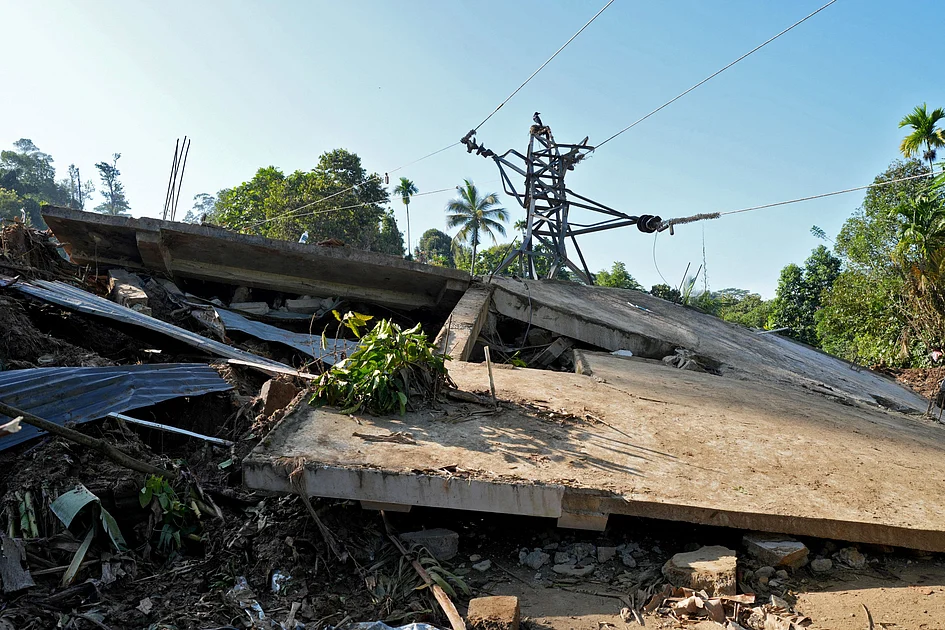
    Sri Lankan authorities have announced a staggering $7 billion reconstruction estimate following the devastating impact of Cyclone Ditwah, which has claimed 465 lives and left 366 individuals missing amid catastrophic mudslides and flooding. Commissioner-General of Essential Services Prabath Chandrakeerthi, overseeing recovery operations, revealed the preliminary assessment while detailing immediate relief measures including $81 payments for home cleaning and $8,100 compensation for families who lost residences.

    The disaster has affected over 1.5 million people nationwide, with approximately 200,000 currently housed in government-operated shelters. While floodwaters in Colombo have begun receding, numerous areas within the central highlands remain completely inaccessible due to damaged infrastructure, hampering rescue and assessment efforts.

    President Anura Kumara Dissanayake emphasized the critical need for international assistance, noting the particularly cruel timing as Sri Lanka continues its fragile recovery from the 2022 economic crisis that resulted in sovereign default on $46 billion of external debt. Despite implementing IMF-mandated austerity measures following a $2.9 billion bailout, the nation now faces compounded challenges.

    In a contrasting development highlighting resilience efforts, Sri Lanka welcomed a luxury cruise ship to Colombo Port this week. The tourism board characterized the arrival as a strategic message reaffirming the country’s operational status and commitment to welcoming international visitors despite ongoing recovery operations.

  • D-Day veteran Charles Shay, who saved lives on Omaha Beach, dies at 101 in France

    D-Day veteran Charles Shay, who saved lives on Omaha Beach, dies at 101 in France

    Charles Norman Shay, the decorated Native American medic who courageously saved lives during the historic D-Day landings at Omaha Beach, passed away peacefully on Wednesday at age 101. His longtime friend and caregiver Marie-Pascale Legrand confirmed his passing at his residence in Bretteville-L’Orgueilleuse, Normandy, where he had lived since 2018.

    Shay, a Penobscot tribe member from Indian Island, Maine, was merely 19 years old when he participated in the largest amphibious invasion in military history on June 6, 1944. His extraordinary bravery under fire earned him the Silver Star – one of America’s highest military honors – for repeatedly entering treacherous waters to rescue critically wounded soldiers from drowning amidst the chaos of battle.

    In 2007, France recognized his valor with the Legion of Honor, the nation’s highest distinction. Shay had become a permanent resident of the Normandy region, living in close proximity to the hallowed shores where nearly 160,000 Allied troops from the United States, Britain, Canada, and other nations commenced the operation that would ultimately accelerate Germany’s defeat within the following year.

    The Charles Shay Memorial organization, dedicated to honoring approximately 500 Native Americans who participated in the Normandy landings, announced on social media that their “hearts are deeply saddened” by the passing of “our beloved Charles Norman Shay.” The group’s statement celebrated him as “an incredibly loving father, grandfather, father-in-law, and uncle, a hero to many, and an overall amazing human being” who leaves behind “a legacy of love, service, courage, spirit, duty and family.”

    For years, Shay conducted traditional sage-burning ceremonies at a memorial site overlooking Omaha Beach – now named in his honor – paying homage to the fallen soldiers. In 2022, he formally passed this solemn duty to Julia Kelly, a Gulf War veteran from the Crow tribe, ensuring the continuity of this sacred tradition.

    The D-Day invasion claimed 4,414 Allied lives, including 2,501 Americans, with over 5,000 wounded. German casualties numbered several thousand. Reflecting on his experience in a March 2024 interview with The Associated Press, Shay demonstrated characteristic humility: “I guess I was prepared to give my life if I had to. Fortunately, I did not have to. I had been given a job, and the way I looked at it, it was up to me to complete my job.”

  • Malaysia says search for flight MH370 to resume in December

    Malaysia says search for flight MH370 to resume in December

    Malaysian authorities have announced the recommencement of search operations for the missing Malaysia Airlines Flight MH370, scheduling the renewed underwater exploration to begin December 30th. This development follows the government’s contractual agreement with marine robotics company Ocean Infinity, finalized earlier this year.

    The Transport Ministry confirmed Wednesday that the sophisticated seabed scanning operations will proceed intermittently across a 55-day period. The search parameters will concentrate on specifically targeted zones identified through advanced data analysis as possessing the highest probability of aircraft detection.

    This renewed initiative stems from the service agreement established between the Malaysian government and Ocean Infinity on March 25, 2025. Official statements emphasize the administration’s continued dedication to resolving one of aviation’s most profound mysteries and delivering conclusive answers to affected families.

    The tragedy of MH370 dates to March 8, 2014, when the Boeing 777 passenger jet vanished during its scheduled flight from Kuala Lumpur to Beijing. The aircraft disappeared from air traffic control radar systems with 239 passengers and crew members aboard, initiating one of the most extensive and costly search operations in aviation history. Previous multinational search efforts covered vast stretches of the southern Indian Ocean but failed to locate the main wreckage, though several confirmed debris fragments have been recovered from various Indian Ocean shorelines over subsequent years.

  • Kenyan MPs accuse British soldiers of sexual abuse and environmental destruction

    Kenyan MPs accuse British soldiers of sexual abuse and environmental destruction

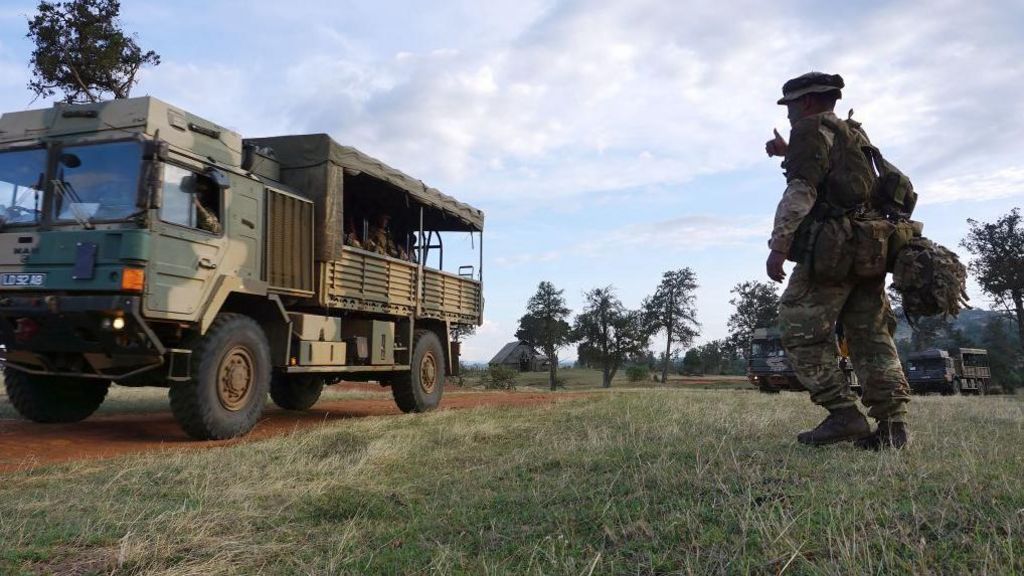
    A landmark parliamentary investigation has exposed systematic human rights violations, sexual crimes, and environmental damage perpetrated by British soldiers during decades-long military training operations in Kenya. The 94-page report from Kenya’s Committee on Defence, Intelligence and Foreign Relations documents harrowing evidence collected over a two-year inquiry into the British Army Training Unit Kenya (Batuk).

    The findings reveal persistent patterns of sexual violence against women from Samburu and Maasai communities, with victims describing attacks while performing daily tasks like fetching water or firewood. The report details particularly brutal incidents, including a 1997 mass gang-rape at knifepoint involving 30 women in Archer’s Post. Additionally, the investigation uncovered numerous cases of abandoned ‘fatherless’ children left by British soldiers who returned home, leaving single mothers facing social stigma and financial hardship.

    Beyond sexual crimes, the committee documented fatal shootings, public brawls, and traffic incidents resulting in civilian deaths. The 2012 murder of Agnes Wanjiru—whose body was discovered in a hotel septic tank after she was last seen with British soldiers—exemplifies the delayed justice process. While a former British soldier was recently arrested in connection with her death after a UK-issued warrant, the extradition process remains contested.

    The environmental impact assessment revealed significant ecological damage, with residents reporting respiratory illnesses, livestock deaths, and miscarriages allegedly linked to military exercises. The committee raised concerns about possible white phosphorus use and documented incidents involving unexploded ordnance that caused severe injuries and fatalities among local communities.

    Despite these allegations, Batuk consistently refused to cooperate with the parliamentary investigation, invoking diplomatic immunity claims. The UK High Commission in Kenya expressed regret that their submissions weren’t fully reflected in the final report while affirming their willingness to investigate allegations ‘under our jurisdiction.’ However, the parliamentary committee found the existing defense cooperation agreement structurally flawed, creating significant obstacles to justice and accountability.

    The report recommends comprehensive reforms including a visiting forces code of conduct, zero-tolerance policies for gender-based violence, enhanced environmental protections, and established mechanisms for child support accountability.

  • Search for missing flight MH370 to resume this month, Malaysia says

    Search for missing flight MH370 to resume this month, Malaysia says

    Malaysian authorities have announced the imminent resumption of the search for Malaysia Airlines Flight MH370, scheduling operations to commence on December 30th. This development marks the latest chapter in what remains one of aviation’s most perplexing unsolved mysteries.

    The Transport Ministry of Malaysia confirmed that Ocean Infinity, a marine robotics company, will undertake renewed seabed exploration activities. The search mission is planned to span 55 days, though operations will be conducted intermittently to accommodate logistical considerations and potential weather challenges.

    This renewed effort follows a suspended search operation earlier this year in April, when adverse weather conditions in the southern Indian Ocean forced the temporary halt of investigative activities. The upcoming search represents continued determination to solve the disappearance that has baffled aviation experts and devastated families for over a decade.

    Flight MH370, operating a Boeing 777 aircraft, vanished during its scheduled flight from Kuala Lumpur to Beijing in March 2014. The aircraft was transporting 239 individuals comprising 227 passengers and 12 crew members when it disappeared from radar contact, triggering the most extensive and costly aviation search in history.

    The upcoming search operation demonstrates ongoing international commitment to resolving aviation mysteries and improving flight safety protocols worldwide. While previous searches have covered vast areas of the Indian Ocean, technological advancements and refined data analysis have created renewed optimism among investigators and family members of those lost.

  • Humanitarians answer Gaza Civil Defense call for help: UN

    Humanitarians answer Gaza Civil Defense call for help: UN

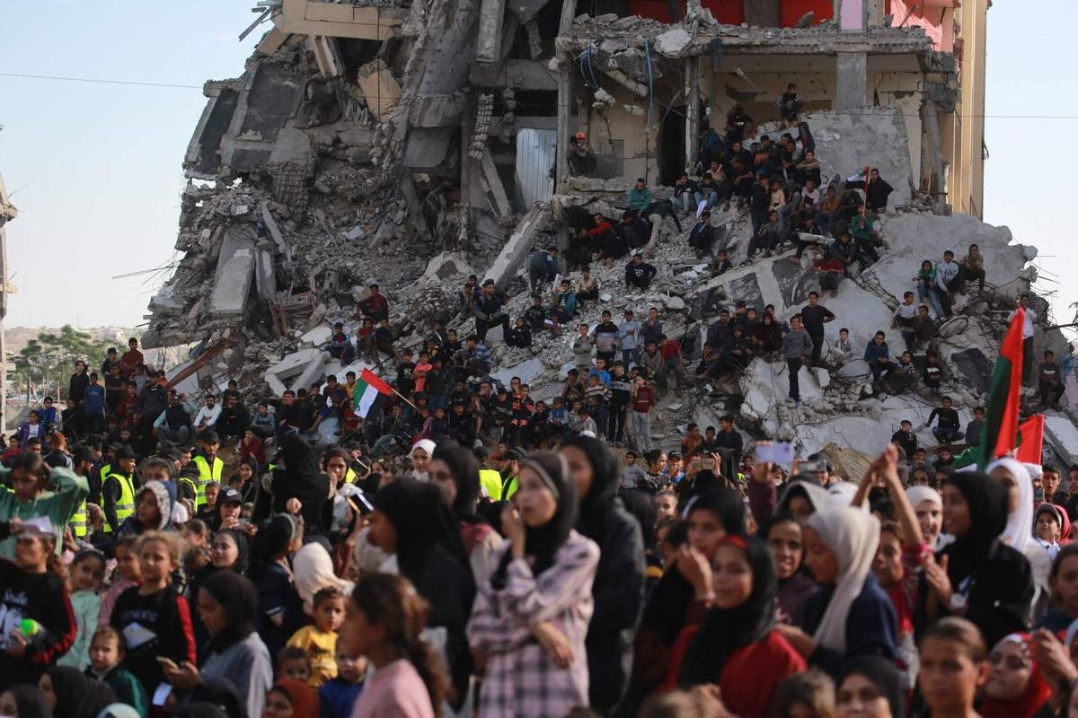
    United Nations humanitarian agencies have responded to emergency distress calls from Gaza’s Civil Defense teams, coordinating rescue operations for injured civilians in the Tufah neighborhood of Gaza City. This intervention comes amid persistent reports of Israeli military operations across all five governorates of the besieged territory.

    The UN Office for the Coordination of Humanitarian Affairs (OCHA) confirmed the rescue mission occurred Monday following an urgent request from local emergency services. While specific details regarding the nature of the emergency remain undisclosed, the operation highlights the critical role international organizations play in mitigating the ongoing humanitarian catastrophe.

    Concurrently, the World Health Organization has successfully facilitated the medical evacuation of 18 critically ill patients alongside 54 companions for overseas treatment. Despite these efforts, WHO officials report that over 16,500 patients still require life-saving medical care unavailable within Gaza’s decimated healthcare infrastructure.

    With winter conditions approaching, humanitarian organizations are intensifying efforts to distribute cold-weather essentials across the strip. Relief partners have already provided tens of thousands of vital items including winter clothing, footwear, blankets, and towels to vulnerable children and families over the past two months.

    OCHA has reiterated its urgent appeal for the opening of all available border crossings and transit corridors to enable patient transfers to the West Bank and facilitate unimpeded access for international emergency medical teams. The office also expressed growing concern about recent Israeli military operations in the northern West Bank governorates of Tubas and Jenin, where reports indicate significant civilian displacement, infrastructure destruction targeting water networks, and the closure of commercial establishments.

    Disturbingly, OCHA documentation reveals that nearly two dozen Palestinian families have been forcibly displaced from their homes in the past 48 hours alone, with their properties subsequently converted into military observation posts.

  • What to know about missing Malaysian Airlines Flight MH370 as search resumes

    What to know about missing Malaysian Airlines Flight MH370 as search resumes

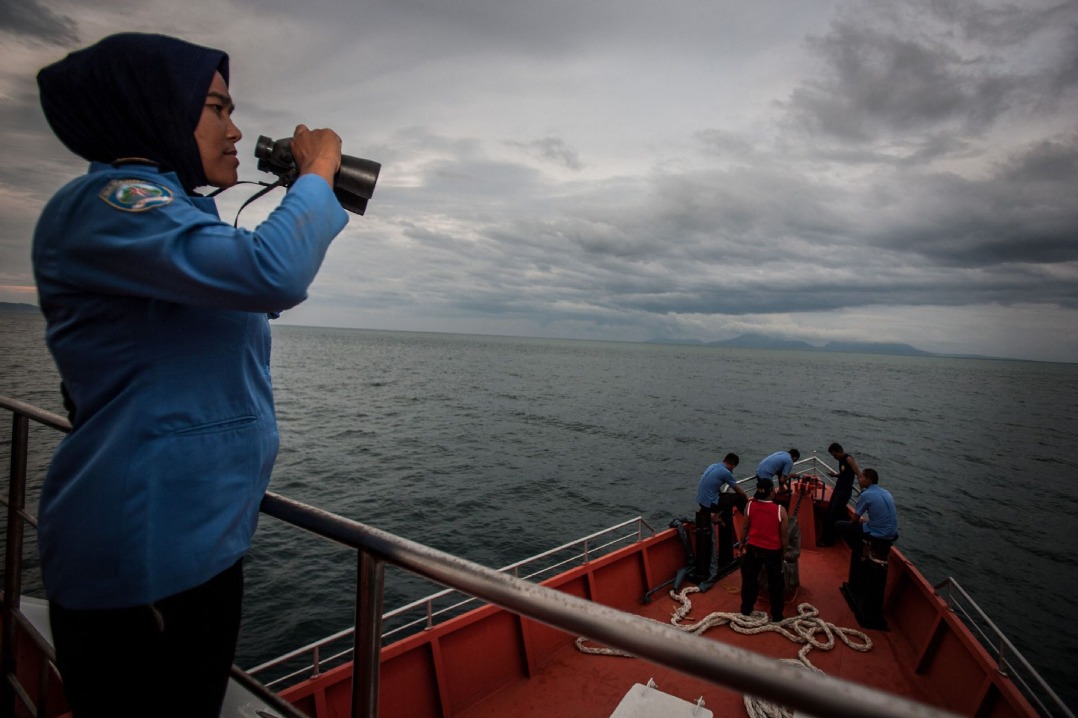
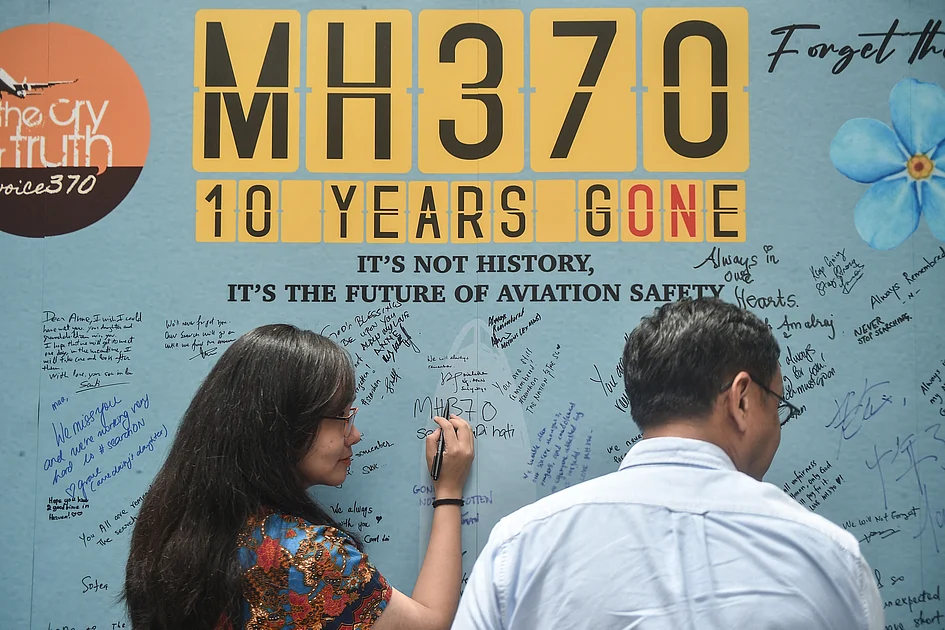
    KUALA LUMPUR, Malaysia — A renewed search operation for Malaysia Airlines Flight MH370, which vanished over a decade ago in one of aviation’s most perplexing mysteries, is set to recommence on December 30. The Malaysian government has authorized American marine robotics firm Ocean Infinity to conduct a final 55-day seabed exploration in a last-ditch effort to locate the missing aircraft.

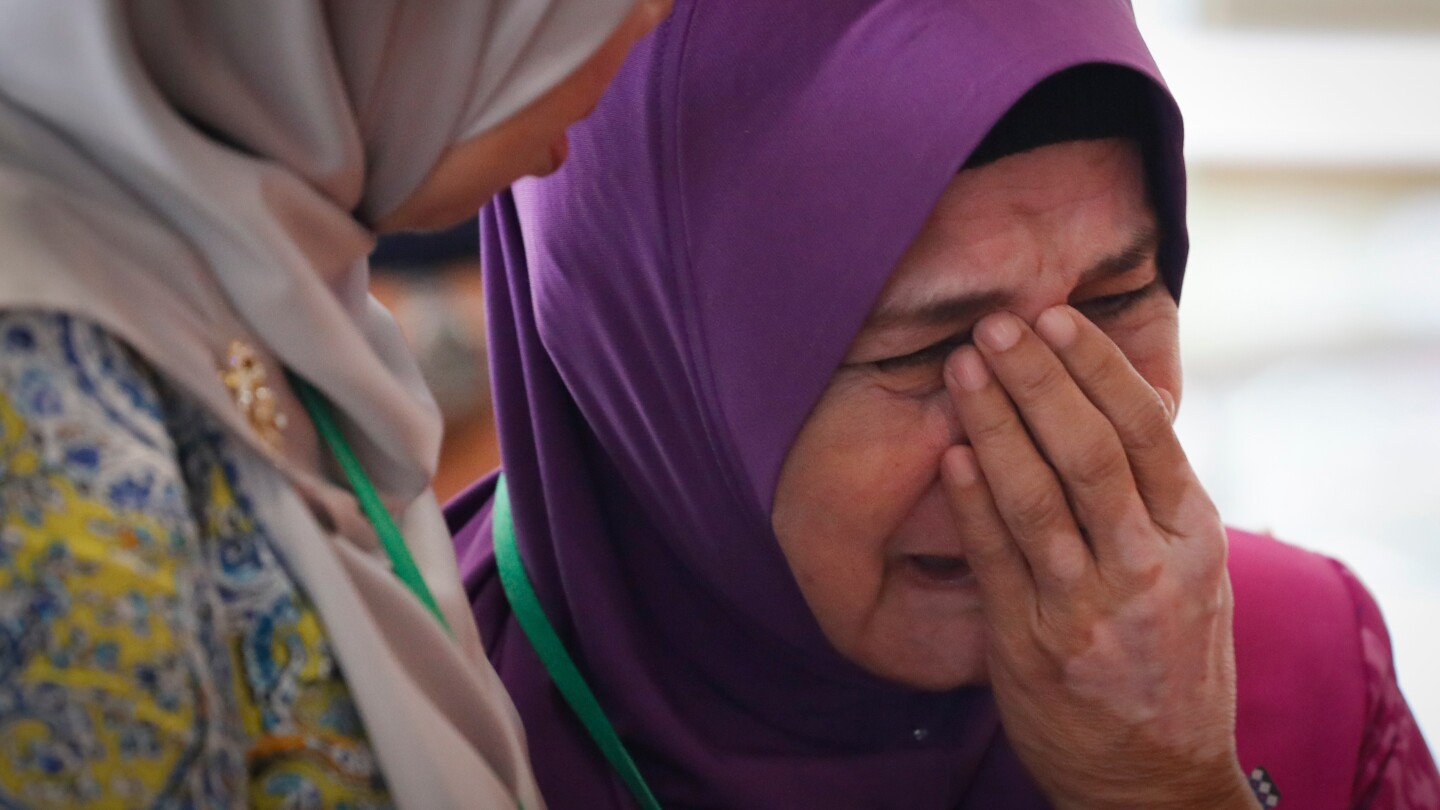
    The Boeing 777 disappeared on March 8, 2014, during its routine flight from Kuala Lumpur to Beijing with 239 passengers and crew aboard. The final communication from the cockpit—’Good night, Malaysian Three Seven Zero’—marked the last verified contact before the aircraft veered off course, disabled its transponder, and ultimately vanished from radar systems.

    Previous multinational search efforts, constituting the most extensive underwater operation in aviation history, scoured approximately 120,000 square kilometers of the southern Indian Ocean between 2014 and 2018. Despite these monumental efforts, only minimal debris fragments—discovered along African coastlines years later—provided tangible evidence of the aircraft’s fate.

    The new search parameters will focus on a targeted 15,000-square-kilometer zone identified through advanced drift analysis and satellite data re-examinations. Ocean Infinity will operate under a ‘no-find, no-fee’ arrangement, with a $70 million compensation package contingent upon successful wreckage discovery. The company has deployed cutting-edge autonomous underwater vehicles and collaborated with oceanographic experts to refine search coordinates.

    Numerous theories continue to circulate regarding the aircraft’s disappearance, ranging from mechanical failure and onboard fire to deliberate human intervention. Malaysian investigators previously eliminated crew and passenger involvement but acknowledged potential ‘unlawful interference’ in their 2018 final report.

    The passenger manifest represented 14 nationalities, with Chinese citizens comprising the majority. Among those lost were technology professionals, artists, and families traveling with young children, creating a multinational tragedy that captured global attention.

    Ocean Infinity’s previous search attempt in April was postponed due to adverse weather conditions. The upcoming operation will employ intermittent search patterns across what experts believe represents the most probable crash site location, leveraging technological advancements unavailable during initial search phases.

  • Deadly floods in Indonesia, Sri Lanka, Thailand and Malaysia kill more than 1,400 people

    Deadly floods in Indonesia, Sri Lanka, Thailand and Malaysia kill more than 1,400 people

    A series of devastating floods and landslides triggered by unprecedented rainfall has plunged multiple Southeast Asian nations into crisis, with the collective death toll surpassing 1,400 across Indonesia, Sri Lanka, Thailand, and Malaysia. The catastrophe has not only resulted in massive human casualties but has also exposed profound economic disparities influencing regional disaster response capabilities.

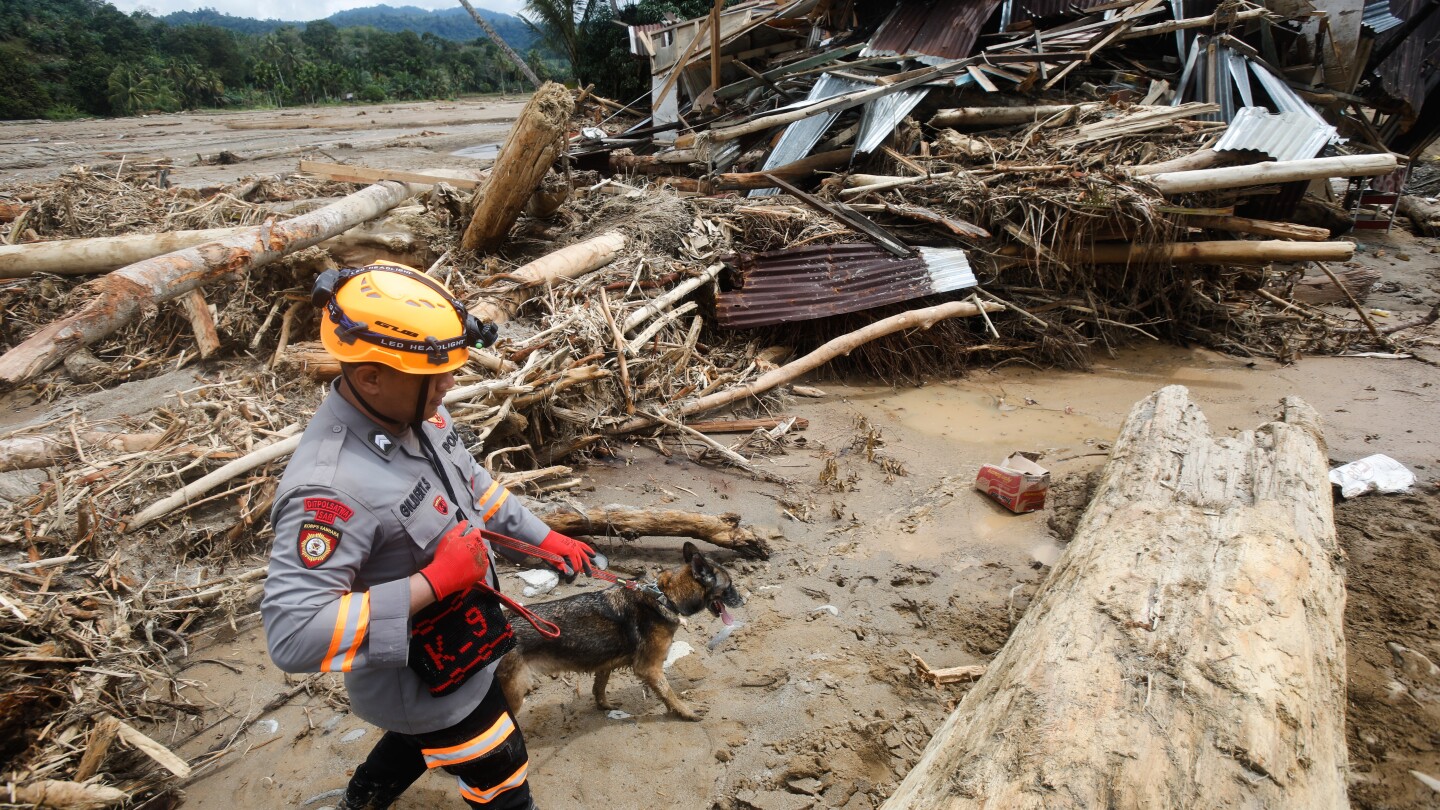
    Indonesia remains the epicenter of the tragedy, reporting a staggering 753 fatalities. Rescue operations face immense challenges as washed-out roads, collapsed bridges, and persistent landslides hinder access to isolated communities in the hardest-hit provinces of North Sumatra, West Sumatra, and Aceh. With approximately 650 individuals still missing and over 1.5 million residents displaced, the National Disaster Management Agency is racing against time amid ongoing power and telecommunications outages. The government has deployed three hospital ships to assist overwhelmed local medical facilities, where approximately 2,600 injured are receiving treatment.

    While Indonesian President Prabowo Subianto has visited affected areas and pledged reconstruction support, his administration has notably refrained from declaring a national emergency or formally seeking international assistance. This stands in contrast to Sri Lanka, where President Anura Kumara Dissanayake has actively engaged diplomatic channels for support.

    The disaster has laid bare stark contrasts in national recovery capacities. Middle-income economies like Indonesia and Thailand have demonstrated stronger fiscal capabilities, mobilizing extensive rescue operations, deploying military assets, and channeling emergency funds. Thailand’s government spokesperson announced the successful restoration of utilities in most southern regions and the disbursement of over $31 million in compensation to affected households.

    Conversely, Sri Lanka, still recovering from a severe economic crisis, faces significantly constrained conditions. With limited resources, foreign exchange shortages, and weakened public services, the island nation’s disaster response remains heavily reliant on external support. Prime Minister Harini Amarasuriya has urgently appealed to international diplomats for relief and reconstruction assistance. The flooding is expected to severely impact Sri Lanka’s economic stability, particularly affecting rice-growing regions and vegetable suppliers, potentially forcing the depletion of scarce foreign currency reserves despite being under an International Monetary Fund bailout program.

    The international community has begun responding with India, Pakistan, and the United Arab Emirates launching relief efforts, while other nations have pledged additional support for the region’s recovery.

  • Myanmar opium cultivation hit highest level in a decade, UN report says

    Myanmar opium cultivation hit highest level in a decade, UN report says

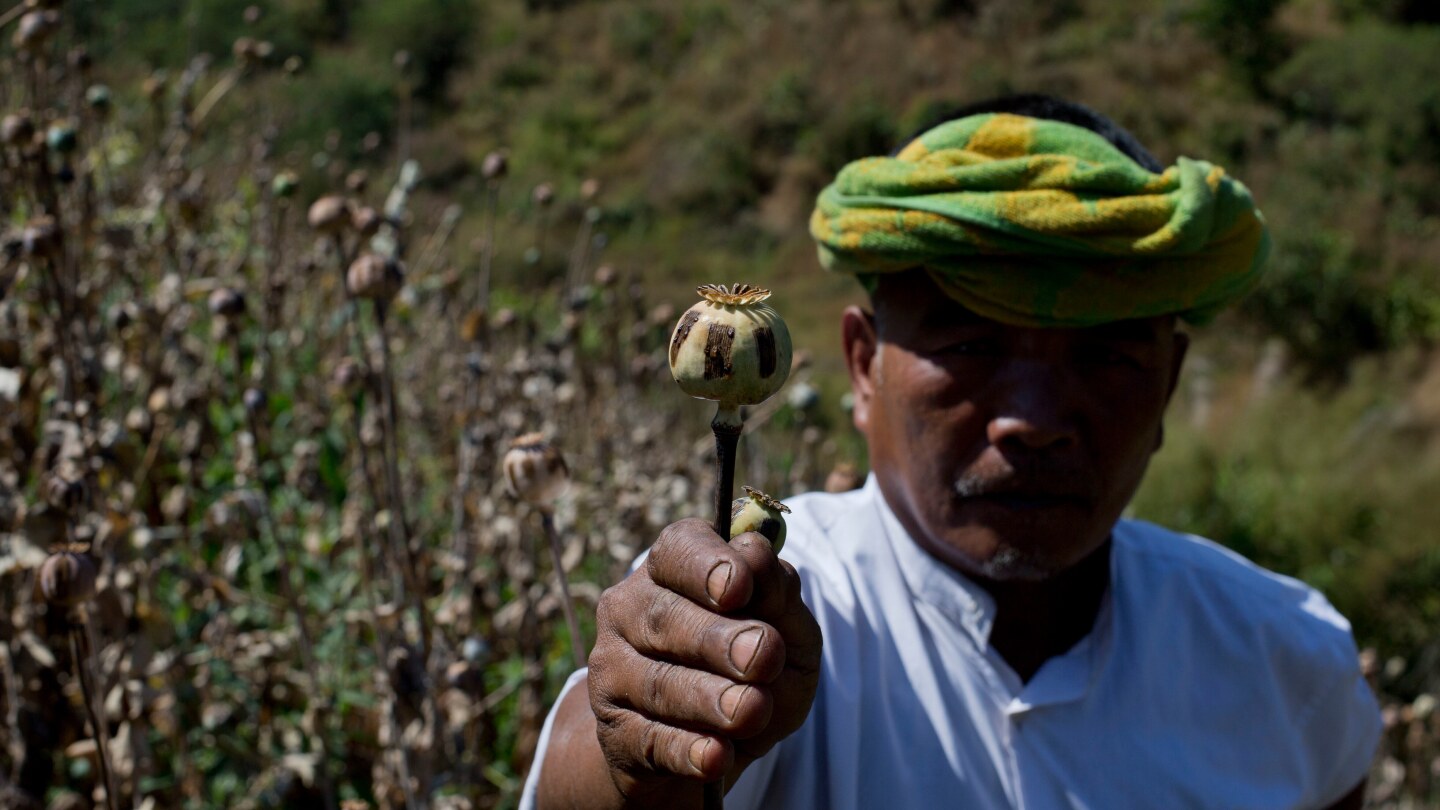
    Myanmar has witnessed a dramatic surge in opium poppy cultivation, reaching its highest level in ten years according to the United Nations Office on Drugs and Crime (UNODC). The 2025 Myanmar Opium Survey reveals cultivation areas expanded by 17% to 53,100 hectares (131,212 acres), solidifying the nation’s position as the world’s primary source of illicit opium following production declines in Afghanistan.

    The report identifies Myanmar’s ongoing civil war, widespread poverty, and economic instability as key drivers behind this expansion. Since the military ousted Aung San Suu Kyi’s elected government in February 2021, farmers have increasingly turned to poppy cultivation as a means of survival. The conflict has created conditions where illicit drug production thrives, with the opium economy now estimated at $641 million to $1.05 billion—representing approximately 0.9% to 1.4% of the country’s 2024 GDP.

    Economic factors have significantly contributed to this growth, with fresh opium prices more than doubling from $145 per kilogram in 2019 to approximately $329 per kilogram currently. Despite a 13% decrease in average yields due to intensifying conflict in some regions, overall production still increased by 1% to about 1,010 metric tons (1,113 tons).

    UNODC Representative for Southeast Asia and the Pacific Delphine Schantz described Myanmar as being at a “critical moment,” noting that “this major expansion in cultivation shows the extent to which the opium economy has re-established itself over the past years—and points to potential further growth in the future.”

    The survey also revealed emerging trends in international drug trafficking, with evidence suggesting Myanmar-sourced heroin is beginning to reach European markets previously supplied by Afghanistan. Several seizures involving passengers traveling from Southeast Asia to Europe indicate growing demand beyond the region to fill the void left by Afghanistan’s production collapse under the Taliban’s ban.

    Myanmar additionally maintains its status as the world’s largest methamphetamine producer, with the synthetic drug being distributed across Asia and the Pacific through various transportation routes. The northeastern region of Myanmar, part of the infamous “Golden Triangle” where Myanmar, Laos, and Thailand converge, continues to be a hub for illicit drug production due to limited government control and the presence of ethnic minority militias involved in the drug trade.

    Schantz emphasized the cyclical nature of the problem, stating: “Driven by the intensifying conflict, the need to survive and the lure of rising prices, farmers are drawn to poppy cultivation. Unless viable alternative livelihoods are created, the cycle of poverty and dependence on illicit cultivation will only deepen.”