分类: world

  • How Iran’s universities became a target of US-Israeli attacks

    How Iran’s universities became a target of US-Israeli attacks

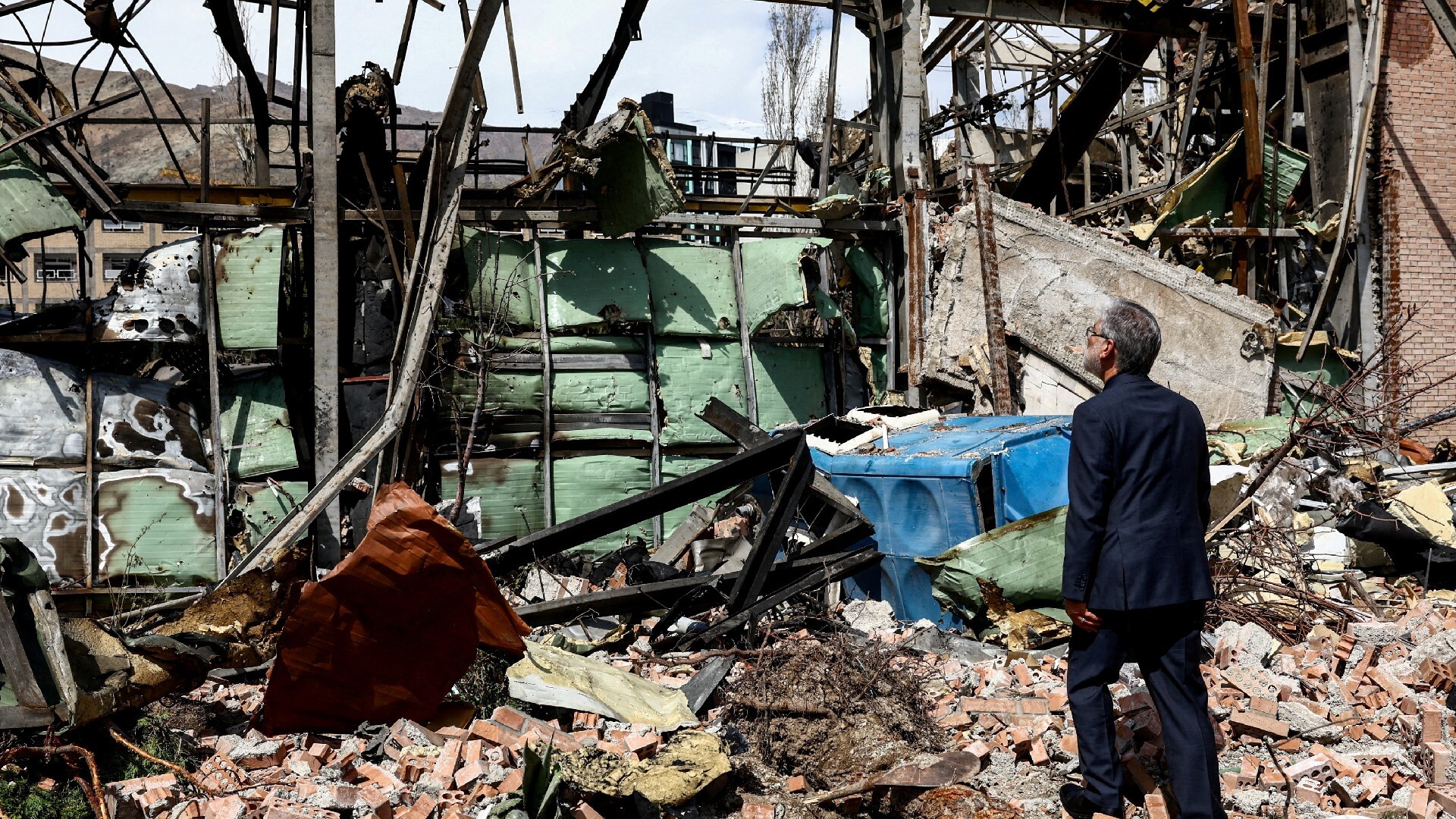
    On April 6, an explosive blast tore through the campus of Sharif University of Technology, Iran’s most elite engineering higher education institution. While no fatalities or injuries were reported in the attack, multiple campus structures suffered severe damage — most critically the building that housed the university’s cutting-edge artificial intelligence research center.

    Widely compared to the Massachusetts Institute of Technology in the United States for its academic rigor and research impact, Sharif University has stood as a cornerstone of West Asian technical education for decades. It counts among its most famous alumni Maryam Mirzakhani, who made history in 2014 as the first woman and the first Iranian to receive the Fields Medal, mathematics’ highest global honor.

    According to the university’s president, the targeted AI center held irreplaceable research datasets, and over the past two years, its team of researchers had dedicated their work to developing and training custom AI models designed for the Persian language. This indigenous research push came as a direct response to decades of U.S. economic sanctions that have cut Iranian researchers off from global AI knowledge sharing and collaborative networks, forcing the community to build its capabilities from scratch.

    Amirhossein, a student who worked at the center, confirmed that nearly all of its specialized equipment was destroyed in the blast. He told Middle East Eye that the center was built to develop open-access data processing tools and knowledge-based platforms for academic institutions across Iran, and emphatically denied that the facility had any military affiliation. “Attacks like this suggest the goal is to push Iran backwards scientifically,” he said.

    Morteza, a 42-year-old PhD candidate in philosophy of science at Sharif, said he could not bring himself to visit the damaged campus to see the destruction firsthand. “Even seeing the images has been very upsetting,” he shared.

    Yet in the immediate wake of the attack, Iranian academics and students — who have already navigated decades of crippling sanctions that disrupted their work long before bombs reached their campuses — have refused to abandon their research and teaching. Classes have resumed via unstable, patchy domestic internet connections, and footage of a mathematics professor setting up his laptop to teach an online lecture from the bomb-damaged ruins of his classroom spread widely across global social media.

    In a public post on X, Iran’s First Vice President Mohammad Reza Aref directly accused the United States of deploying a bunker buster bomb to target the university. He pushed back against claims the attack could cripple Iranian scientific progress, noting: “Trump fails to understand that Iran’s knowledge is not embedded in concrete to be destroyed by bombs; the true fortress is the will of our professors and elites.”

    The April 6 strike on Sharif University is not an isolated incident: it is part of a growing pattern of coordinated attacks targeting Iranian academic and research institutions amid the ongoing U.S.-Israeli military campaign against Iran. Iran’s Ministry of Science and Technology has confirmed that at least 30 university campuses have come under fire, while the British Society for Middle Eastern Studies (BRISMES) has verified that at least 16 universities and dedicated research centers have sustained substantial damage.

    Local Iranian media reported that on March 28, the Iran University of Science and Technology — a 95-year-old institution founded to train the nation’s engineers — was hit in a U.S.-Israeli strike, though full details on casualties and damage have not yet been released. Just one day later, Isfahan University of Technology (IUT), another of Iran’s top-ranked engineering schools, was attacked for the second time. Fars News Agency confirmed that multiple campus buildings were damaged, and four university staff members were wounded in the strike. IUT is renowned for leading development of Iran’s national radar system and designing the country’s first domestically built submarine. In 2015, both Sharif University and IUT ranked among the top 100 universities under 50 years old in the Times Higher Education global rankings, placing 40th and 63rd respectively.

    The wave of attacks extends far beyond engineering institutions. On April 2, a missile strike hit the century-old Pasteur Institute of Iran, a leading public health and vaccine research facility, reducing its core vaccine production laboratories to rubble. Days later, a specialized plasma and laser research laboratory at Tehran’s Shahid Beheshti University was also hit. Earlier in March, an in vitro fertilization (IVF) clinic at Tehran’s Ghandi Hospital was struck in a missile attack; one couple who had been trying to conceive for 10 years told Middle East Eye they still have no information about what happened to their stored fertility samples.

    Strikes have also targeted individual faculty members: Iran’s official Islamic Republic News Agency reported that Dr. Saeed Shamghadri, an associate professor of electrical engineering at IUT, was killed in an air strike on March 22 alongside his entire family.

    Lewis Turner, chair of the BRISMES Committee on Academic Freedom, said the consistent pattern of targeting academic institutions mirrors the destruction of Gaza’s education system during Israel’s ongoing assault on the enclave, where more than 80 percent of the territory’s universities and schools have been destroyed. “There appears to be a widespread disregard for universities’ protected status under international law,” Turner told Middle East Eye. “These actions may well amount to war crimes.”

    Turner warned that the harm caused by these attacks will resonate across Iranian society for generations. “How many generations will be denied access to education because of the damage to university infrastructure?” he asked. “Because of the roles that universities play within society for the progress of knowledge… this kind of destruction is going to have potentially long-term and profound effects on Iranian society.”

    A common thread unites all of the targeted institutions: none have been tied to military programs. Instead, every targeted site hosts leading civilian scientific and technological research centers, a reality that Iranian students and academics have been quick to highlight. “Can someone explain why philosophy of science should be targeted? Is the problem with philosophy or with science itself?” Morteza asked. “It feels like the real target is the ability to think.”

    The current bombing campaign comes on top of decades of harsh economic sanctions that have systematically stifled Iranian academic progress. Sanctions have cut off Iranian researchers from international collaborative projects, blocked students from traveling to attend global academic conferences and exchange programs, and even led to widespread reports of journal editors rejecting research papers from Iranian medical scientists and scholars. Many Iranian researchers also report being unable to pay for international academic society memberships or conference registration fees due to financial restrictions.

    Reza Sohrabi, a research fellow at the University of Tehran, explained that even before the bombing campaign, Iranian academics faced steep barriers to their work, and the conflict has only worsened these challenges. “It’s not easy to study and work and research during a war. I’m trying to produce my thesis and dissertation and other papers,” he said. “But then it’s not easy, because you need various resources such as the internet. I used to go to the library to study, but it is closed because of the war.”

    Asama Abdi, a postdoctoral fellow at the University of Exeter’s Institute of Arab and Islamic Studies, argues that the bombing campaign is a deliberate attempt to complete what decades of sanctions could not achieve: rolling back Iran’s independent technological development. “These universities have long been the backbone of knowledge production in Iran as well as of industrial development, and technological advancement,” Abdi explained. “Whatever technological capabilities could not be disabled and curtailed through sanctions are now being completely annihilated through bombardment. It is a longer, indeed colonial, pattern of attempting to sabotage knowledge sovereignty and technological autonomy, ultimately undermining a country’s long-term capacity to remain sovereign in knowledge production and technological development.”

    Abdi also noted that Iranian universities have long been central spaces for political mobilization, serving as the core of anti-authoritarian and anti-imperialist organizing throughout modern Iranian history — from protests against the U.S.-backed Pahlavi monarchy to widespread anti-government demonstrations in February 2025, where campuses emerged as the main center of protest activity. “Throughout the modern history of Iran, student movements and universities have been the centre of anti-authoritarian and anti-imperialist mobilisations,” she said. “The physical spaces of the universities are also important as it is in these physical spaces where ideas are exchanged, and political imaginaries take shape.”

    Iranian universities have a complicated history of domestic political repression as well: following the 1979 Islamic Revolution, the new government shut down all campuses between 1980 and 1983 in what became known as the Cultural Revolution, expelling all students and faculty who opposed Islamic rule and establishing state-controlled student monitoring groups. During the 2025 nationwide protests, the Iranian government moved all classes online in a move widely interpreted as an attempt to disrupt growing student-led mobilization on campus.

    Abdi argues that the U.S.-Israeli targeting of Iranian academic institutions functions as an extension of this domestic crackdown, eliminating the physical spaces where alternative political ideas can develop. “Israel is continuing a broader crackdown on universities, albeit on a much larger scale, by completely annihilating these spaces,” Abdi said. “This strategy, which can be described as a form of scholasticide similar to what we witnessed with horror in Gaza and now in Lebanon, seeks to foreclose possibilities for political alternatives and political imaginaries, ultimately undermining the prospects for democracy in Iran.”
  • 1 killed, 27 injured as tourist bus plunges into a ravine in Spain’s Canary Islands

    1 killed, 27 injured as tourist bus plunges into a ravine in Spain’s Canary Islands

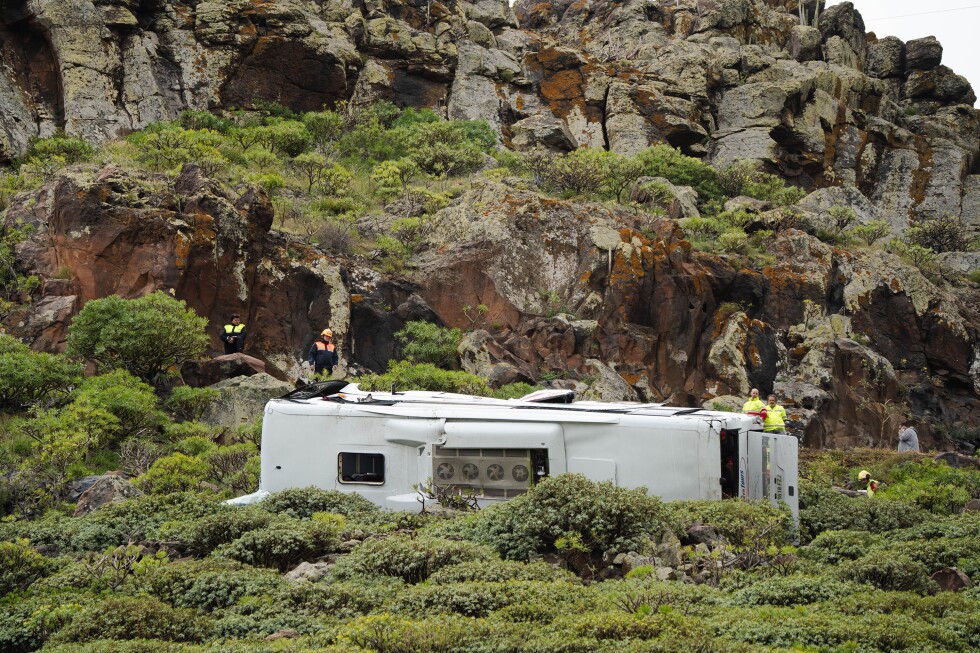
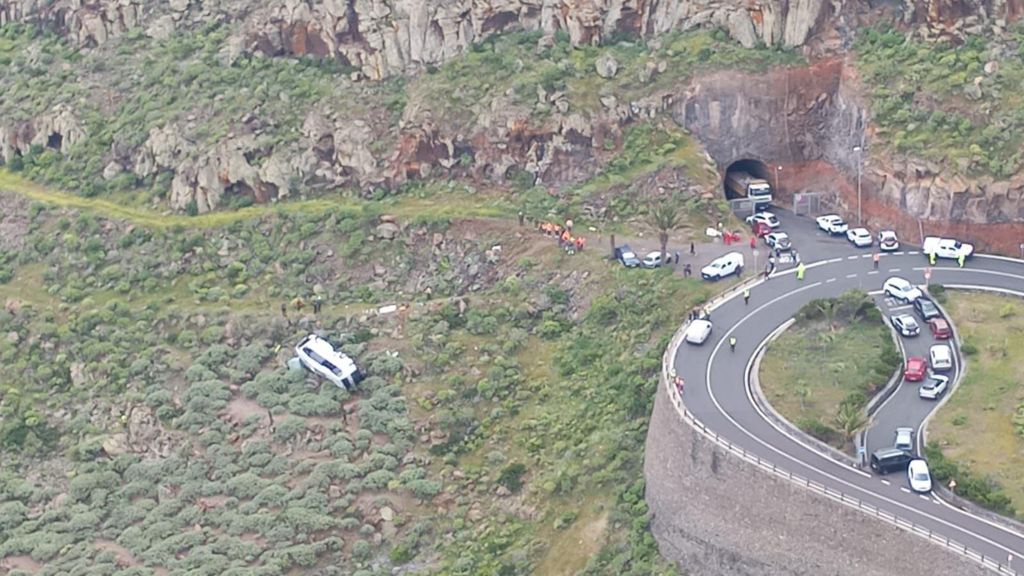
    A devastating transportation incident has shaken Spain’s popular Canary Islands archipelago, after a tourist coach careened off a roadway and fell into a steep ravine on Friday, leaving one person dead and more than two dozen others injured, local emergency response authorities confirmed.

    Emergency services officials added that the vast majority of passengers on board the vehicle were citizens of the United Kingdom. The crash unfolded on La Gomera, one of the eight volcanic islands that form the Canary chain, located in the Atlantic Ocean off the northwestern coast of continental Africa.

    All 27 injured people have been evacuated and transferred to La Gomera’s primary local medical facility, where they are currently receiving ongoing care for a range of injuries sustained in the fall, according to emergency management representatives.

    Famous for its consistently mild, warm climate across all seasons, the Canary Islands have long ranked as one of the most preferred holiday destinations for travelers from the United Kingdom and other Western European countries. La Gomera, one of the archipelago’s smallest inhabited islands, is defined by its dramatic, rugged terrain: the island is marked by towering volcanic peaks, thick ancient forests, and tight-knit villages perched along cliff edges, features that draw tourists seeking quiet, natural getaways but also create steep, winding roadways that can pose navigation risks for large vehicles.

  • One dead after bus carrying British tourists crashes in Canary Islands, officials say

    One dead after bus carrying British tourists crashes in Canary Islands, officials say

    A devastating road accident on the Spanish island of La Gomera, part of the Canary Islands archipelago, has left one British tourist dead and 27 other passengers injured after their charter bus plummeted into a 10-meter ravine, local emergency response authorities confirmed Tuesday.

    All 28 people on board the vehicle were affected by the crash: 27 of the occupants were British tourists visiting the island, with the 28th being the local Spanish driver. According to official statements posted to the social platform X by Canary Islands emergency coordination service 112 Canarias, the fatal victim was one of the traveling British passengers.

    The crash unfolded on the GM-2, a winding mountain road cutting through La Gomera’s rugged terrain, close to the island’s capital city of San Sebastián de La Gomera. Images released by emergency responders show the wrecked bus resting at the bottom of the ravine near a sharp hairpin turn, a common hazard on the island’s narrow mountain routes. Spanish national outlet El Mundo confirmed the bus fell approximately 10 meters from the road surface after losing control at the bend.

    Héctor Cabrera, head of emergency operations for La Gomera, told Spain’s public broadcaster TVE that all the tourists on the bus were staying at a local island resort as part of their visit. Emergency crews were dispatched to the crash site within minutes of the first 911 call, coordinating multi-agency response efforts to extract passengers and transport them to care.

    Of the 27 injured people, three are currently listed in critical condition. Most injured passengers were transported to the island’s main medical facility, Hospital Nuestra Señora de Guadalupe located on eastern La Gomera. However, the two most severely injured patients were airlifted via emergency helicopter to larger, more advanced medical centers on the neighboring island of Tenerife for specialized treatment, 112 Canarias confirmed in their update.

    Fernando Clavijo, president of the Canary Islands regional government, issued an official statement shortly after the crash extending his deepest condolences and full support to the victims of the accident, their families, and the emergency teams that responded to the scene. Investigations into the exact cause of the crash are ongoing, with authorities yet to release details on whether speed, mechanical failure, or weather conditions were contributing factors.

  • The deal to reopen Hormuz is nowhere near done

    The deal to reopen Hormuz is nowhere near done

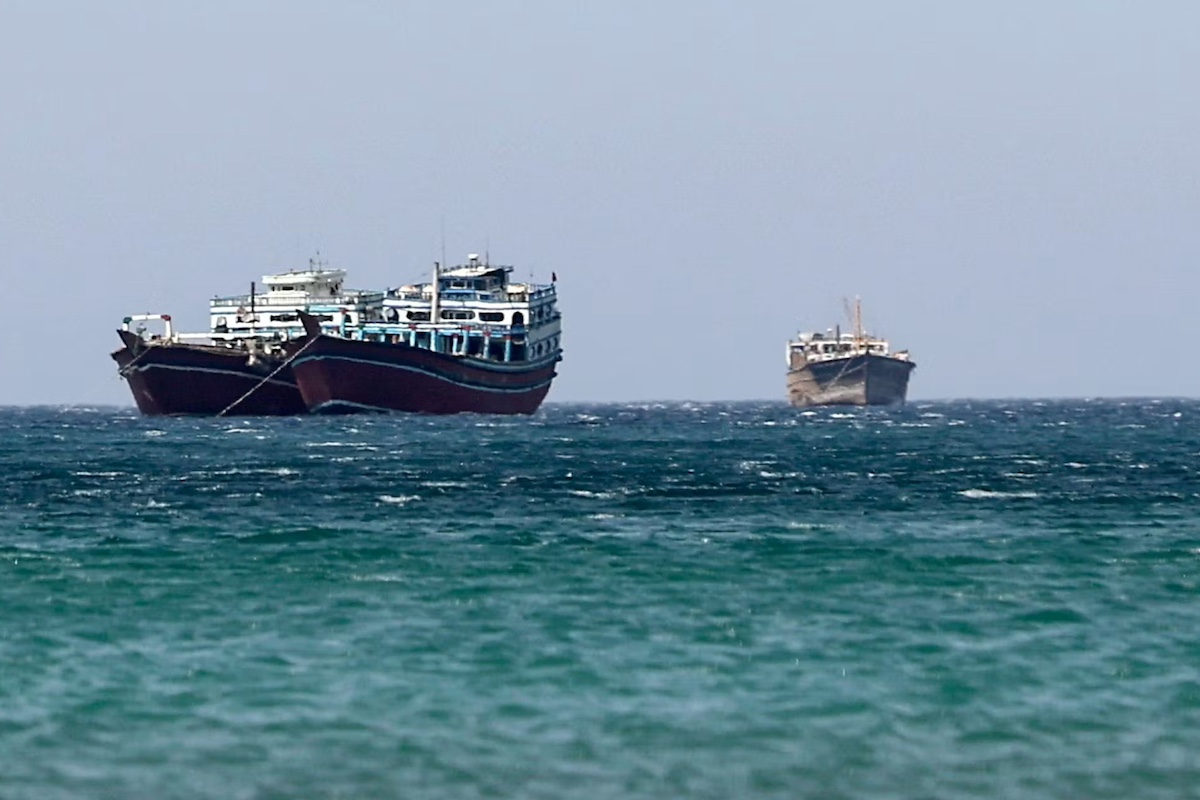
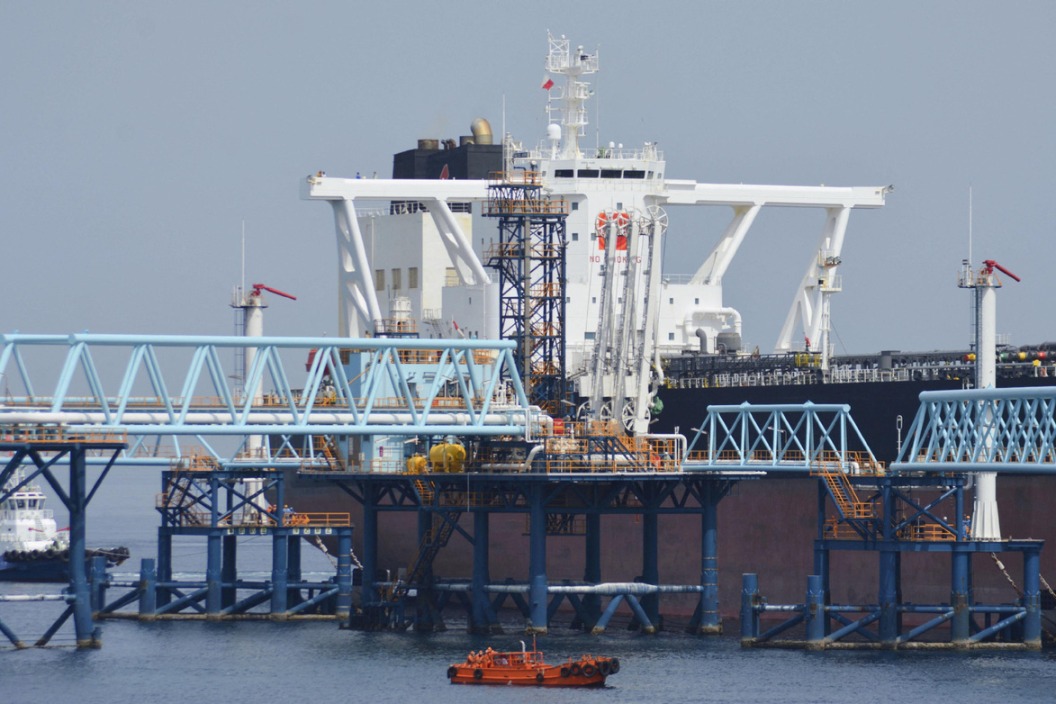
    A U.S.-brokered ceasefire announcement by former President Donald Trump, paired with an Iranian pledge to reopen the critical Strait of Hormuz, sparked immediate market optimism in early April 2026 that global commercial shipping would quickly rebound through the world’s most important oil chokepoint. But that optimism faded within hours, as shipping traffic remained near standstill the following morning, underscoring deep unresolved risks that have paralyzed one of the world’s most vital maritime trade routes.

    The day after the ceasefire declaration, only a small number of vessels, most with direct ties to Iran, completed transits of the 21-mile-wide strait, through which roughly 20% of the world’s daily oil consumption and 30% of global liquefied natural gas trade passes. Most commercial ships anchored waiting in the Persian Gulf stayed in place. Just hours after the ceasefire announcement, Iran backtracked, announcing it would effectively shutter the waterway in response to Israeli strikes on Lebanon, amplifying the already chaotic political messaging around the status of the strait.

    Contrary to popular framing of the crisis as a binary “open vs. closed” dispute, the reality of the current situation is far more nuanced. The strait has never been physically blocked by Iranian forces; instead, commercial shipping has been effectively deterred by a sustained campaign of attacks and credible threats targeting civilian vessels over recent weeks. Those actions have cut daily transits from a historical average of roughly 130 vessels per day to just a handful, and no political declaration is enough to reverse that trend until the underlying threat is eliminated.

    The ceasefire announcement has done more to deepen uncertainty than resolve the crisis, according to security analysts. While Washington has issued blanket statements confirming the strait is “open” to traffic, Tehran’s official messaging has remained deliberately vague. Iranian officials have publicly stated that all vessels must notify Iranian authorities before completing a transit, leading many regional observers to warn this could be a precursor to imposing a toll on commercial passage – a direct violation of established international maritime law.

    This ambiguity is not a minor communications misstep: it is a critical barrier to the resumption of normal shipping activity. Commercial shipping is a risk-sensitive industry, where operators and crew make route decisions based on tangible on-the-ground conditions, not untested political declarations. Given recent attacks on commercial shipping, industry leaders have little confidence that inconsistent political statements will hold in the long term.

    Restoring full commercial traffic through the Strait of Hormuz will require a deliberate two-phase approach, argues Jennifer Parker, an adjunct professor of defense and security at The University of Western Australia and UNSW Sydney, and former director of plans for the 2019 International Maritime Security Construct.

    The first and non-negotiable phase is a material reduction in threat to civilian vessels. This can be achieved through military deployment, diplomatic negotiation, or a combination of the two, but it must meaningfully reduce both Iran’s capability and willingness to target transiting commercial shipping. The second phase is deliberate confidence-building: even if all attacks stop immediately, shattered industry confidence will not rebound overnight, and requires visible reassurance from the international community.

    A core pillar of this reassurance should be limited naval escort operations for commercial vessels, particularly in the initial phase of the ceasefire. Parker notes that the U.S. missed a critical opportunity to signal confidence immediately after the ceasefire by declining to escort U.S.-flagged and U.S.-crewed vessels out of the Persian Gulf. A quick escort mission would have sent a clear signal to global shipping markets, undercut Iranian claims that vessels need Tehran’s approval to transit, and restored early confidence. Instead, U.S. hesitation has allowed Iran to consolidate its control over the waterway, pushing commercial shipping closer to Iranian territorial waters and entrenching its ability to dictate how the strait is used. Given Iran’s stated interest in upholding the ceasefire, it would have been very unlikely to challenge vessels under U.S. naval protection, making this missed opportunity all the more consequential.

    Beyond unilateral U.S. action, a broad international coordinated presence is needed to provide shared maritime surveillance, real-time information sharing, and rapid response capabilities for vessels in the region. This model is not untested: after a wave of Iranian attacks on commercial shipping in 2019, the International Maritime Security Construct (IMSC) was established to deliver just this kind of layered reassurance, focusing on coordination and transparency rather than large-scale convoy operations. Parker, who led planning for the IMSC in 2020, argues a similar, more refined iteration of the framework is needed today. While it is not a permanent solution to regional tensions, it would deliver the clarity and consistent communication that shippers require to resume normal operations.

    Diplomatic coordination is also a critical component of any long-term solution. Clear, unified messaging from the global community, backed by explicit commitments to impose economic consequences for any renewed attacks on commercial shipping, is essential to rebuilding lasting confidence.

    A growing point of international concern is mounting speculation that Iran may seek to impose a formal transit toll on vessels passing through the strait. Under the United Nations Convention on the Law of the Sea (UNCLOS), the Strait of Hormuz is classified as an international strait, which guarantees all commercial and military vessels the unconditional right of transit passage. Imposing a toll on passage would directly violate this core international principle and set a dangerous precedent that could be replicated in other strategic waterways around the globe, from the Strait of Malacca to the Bab el-Mandeb.

    Early indicators already show Iran testing the boundaries of international law: reports of radio communications warning vessels they need Iranian approval to transit, and repeated calls for pre-transit notification, clearly point to an effort to assert greater sovereign control over the waterway. This push must be resisted by the international community. Allowing even limited restrictions or a toll system to take hold would undermine the foundational principle of freedom of navigation that underpins the entire global maritime trade system. Regardless of recent political comments from U.S. leadership, the global community is unlikely to accept any permanent Iranian toll system, and any attempt to impose one should trigger immediate coordinated economic consequences, including targeted sanctions.

    Additional uncertainty has been fueled by unconfirmed reports that Iran has laid naval mines in or near the strait’s transit lanes. Even unsubstantiated claims of mining add to risk calculations that keep ships anchored, underscoring the urgent need for a coordinated international threat assessment. A transparent, public, independently verified assessment of whether the strait has been mined, and any subsequent mine clearance operation, should be an early top priority for any international coalition established to secure the waterway.

    At its core, the current crisis is not about political declarations of the strait being “open” or “closed.” Commercial shipping will only return to the Strait of Hormuz when shippers universally assess the waterway to be safe enough for transit. That outcome will require a sustained period without attacks on commercial vessels, a visible ongoing international commitment to securing the waterway, and clear unified action to uphold the long-established international rules that govern navigation through global straits. Until those conditions are met, the world’s most critical oil chokepoint will remain largely empty, and most commercial ships will continue to wait.

  • The high-stakes diplomacy that led to Pakistan hosting US-Iran peace talks

    The high-stakes diplomacy that led to Pakistan hosting US-Iran peace talks

    In what is being hailed as a unprecedented diplomatic breakthrough for the South Asian nation, Pakistan is preparing to host upcoming peace negotiations between the United States and Iran, just days after Islamabad successfully mediated a two-week ceasefire between the two adversarial powers. With talks scheduled to open this Saturday, Pakistani authorities have already taken extensive security measures across the capital city, declaring a two-day public holiday and deploying roughly 10,000 police officers and security personnel to secure the venue and surrounding areas. While the final confirmation of the talks’ proceeding remains pending, the capital has already entered a state of quiet preparedness, with lowered civilian foot traffic and heightened security patrols across key districts.

    The stakes of these negotiations extend far beyond the immediate parties involved. For the global community, the core priority is securing a permanent end to hostilities and reopening the Strait of Hormuz, the critical maritime chokepoint that carried roughly 20 percent of the world’s total oil supply before the outbreak of the current conflict. For Pakistan itself, however, the risks are deeply personal and potentially devastating. If negotiations collapse and the country is pulled into broader regional conflict, analysts warn Islamabad could face a catastrophic security scenario.

    Abdul Basit, a South Asia security expert at Singapore’s Nanyang Technological University, explains that Pakistan’s 2025 mutual defense pact with Saudi Arabia, a key U.S. regional ally, means Islamabad is already bound to honor security commitments if tensions escalate between Riyadh and Tehran. Combined with long-standing active tensions along Pakistan’s borders with India and Afghanistan, and ongoing counter-insurgency operations in two of its four provinces, a new front of conflict would leave Pakistan facing three heated border zones — a outcome the country cannot militarily or economically sustain, Basit notes.

    Despite these stark risks, the ceasefire breakthrough has sparked widespread celebration across Pakistani public discourse, with viral memes and positive commentary dominating social media platforms. Basit argues that the mediation success is already a victory in its own right: no other global power was able to de-escalate the crisis that brought the region to the brink of full-scale war, and Pakistan’s intervention averted that catastrophic outcome. For a country that has endured years of political instability, a near-debt default just two years ago, and persistent cross-border rivalry with India, this diplomatic win comes at a moment when the nation desperately needs a demonstration of global influence.

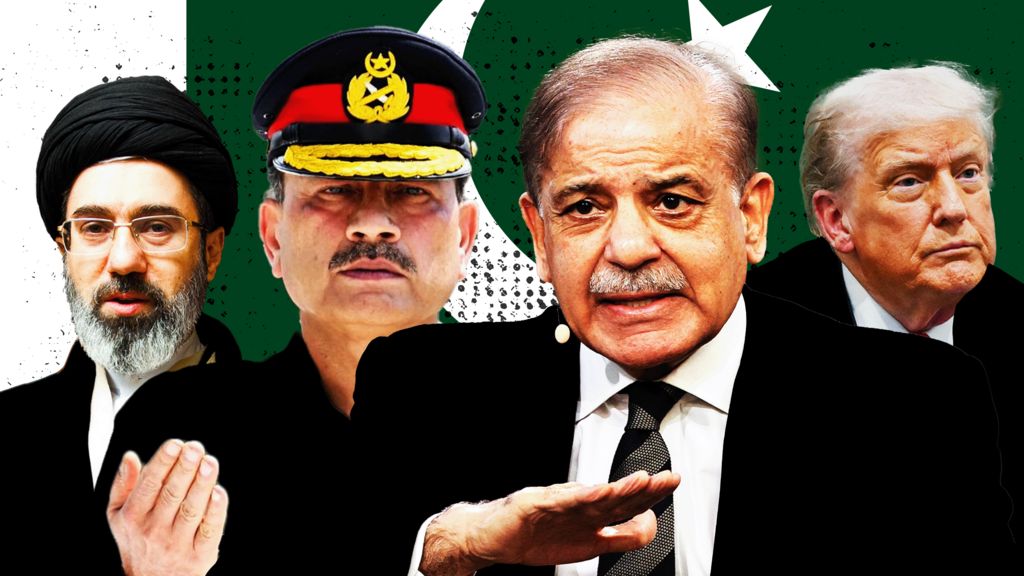
    How did Pakistan pull off this high-profile mediation? Analysts point to Islamabad’s unique diplomatic position: it is one of the few nations that maintains trusting relationships with all three key parties — the U.S., Iran, and the leading Gulf Cooperation Council (GCC) states. Much of the behind-the-scenes work has been led by Pakistan’s powerful military chief, Asim Munir, who has built close rapport with U.S. President Donald Trump, according to ruling Pakistan Muslim League Senator Mushahid Hussain Syed. In a country where the military has long held predominant political influence, Munir is widely considered the most powerful figure in Pakistani public life.

    Soon after Trump began his second presidential term, Munir moved quickly to strengthen bilateral ties, delivering two early high-profile wins for the U.S. administration, according to Maleeha Lodhi, Pakistan’s former ambassador to the United States and United Nations. First, acting on intelligence provided by the CIA, Munir’s forces captured and transferred to U.S. custody the alleged mastermind of the 2021 Kabul airport suicide bombing that killed 13 U.S. service members and more than 170 Afghans during the American withdrawal from Afghanistan. Lodhi notes that Trump publicly expressed his gratitude for the capture in his first address to Congress after taking office.

    The second win, Lodhi says, came when Pakistan confirmed to the Trump administration that it had played a pivotal behind-the-scenes role in de-escalating a major flare-up between India and Pakistan, preventing a wider regional war. Pakistan is also one of the few countries to nominate Trump for the Nobel Peace Prize — an honor the U.S. president has long sought. At a time when Trump’s global tariff war was delivering little political gains at home, the diplomatic wins from Pakistan filled a key need for the White House, Lodhi adds.

    Economic and commercial ties have also strengthened the relationship between the two countries. Pakistan has granted U.S. firms access to its rich reserves of critical minerals, a priority for U.S. national security strategy. In September 2025, Pakistan’s Frontier Works Organisation — a military-run leading critical minerals producer — signed a $500 million investment deal with a U.S. company, a deal that was finalized at the Prime Minister’s residence with Munir in attendance. In January 2026, Pakistan signed an agreement with an affiliate of World Liberty Financial, the cryptocurrency venture co-founded by Trump and his family, to potentially integrate the venture’s stablecoin into Pakistan’s national digital payment system, further deepening ties with the Trump inner circle.

    Despite this close alignment with Washington, Pakistan has maintained a carefully balanced diplomatic stance with Tehran. Islamabad officially condemned the initial U.S.-Israeli strikes on Iran, but also issued a strong condemnation of Iran’s subsequent retaliatory strikes on Saudi oil infrastructure, in line with its security commitments to Riyadh. On 7 April, Pakistan abstained from voting on a United Nations Security Council resolution calling for coordinated international action to reopen the Strait of Hormuz, which Syed described as “one-sided” for failing to note that the U.S. and Israel launched the first strikes. This principled, balanced approach helped Pakistan maintain Iran’s trust, Syed says.

    Pakistan’s civilian leadership has also played a critical role in the reconciliation process, according to former Pakistani Foreign Secretary Aizaz Chaudhry. Over the five weeks leading up to the ceasefire, Prime Minister Shehbaz Sharif and Foreign Minister Ishaq Dar held direct talks with more than a dozen global leaders and senior officials across Washington, Moscow, Beijing, key European capitals, Turkey, Egypt, and leading GCC states including Saudi Arabia and Qatar. On the day the ceasefire was announced, Sharif held what he described as a “warm and substantive conversation” with Iranian President Masoud Pezeshkian, who reaffirmed Iran’s commitment to participate in the Islamabad talks and thanked Pakistan for its mediation efforts.

    Analysts note that Sharif was able to leverage Pakistan’s decades-long close relationship with Tehran, built on shared 920-kilometer border and decades of security cooperation. Former Pakistani ambassador to Iran Asif Durrani explains that both nations share core security concerns, including cross-border militant activity and instability in neighboring Afghanistan. For more than 50 years, both countries have also grappled with the humanitarian consequences of regional refugee flows, creating a foundation of shared experience and mutual understanding. Religious ties have also fostered trust: while Pakistan is a majority Sunni nation, it is home to one of the world’s largest Shia populations, and thousands of Pakistani pilgrims travel to Iran — the world’s largest Shia-majority country — for religious pilgrimage every year.

    Even with all the preparation and diplomatic groundwork, however, uncertainty hangs over the talks as the opening date approaches. The fragile two-week ceasefire is already under growing strain, and it remains unconfirmed whether both the U.S. and Iranian delegations will actually arrive in Islamabad as planned. Chaudhry notes that moving from a temporary ceasefire to a comprehensive long-term peace agreement will be an enormously difficult task, and Pakistan must continue its role as a neutral facilitator moving forward.

    Israeli actions are already undermining the fragile ceasefire, according to Lodhi, pointing to fierce Israeli air strikes in Lebanon Wednesday that killed more than 300 people. Israel has stated that its ceasefire with Iran does not apply to Lebanon, expanding the scope of regional conflict even as talks are set to begin. Pakistani officials share deep concern over this escalation, Lodhi says, and the onus now falls on President Trump to restrain Israeli military action to keep the talks on track.

    For his part, Durrani argues that Pakistan has already done all it can to create the conditions for peace. “As a broker, mediator or facilitator, your job is to take the horse to water. You can’t make it drink,” Durrani says. “It is up to the parties to make use of that opportunity which is provided by Pakistan.”

  • Vietnamese man pleads guilty to possessing protected python parts in Malaysia

    Vietnamese man pleads guilty to possessing protected python parts in Malaysia

    KUALA LUMPUR, Malaysia — A 39-year-old Vietnamese national entered a guilty plea in a Malaysian court on Friday to charges of unlicensed possession of protected wildlife components, according to his defense counsel.

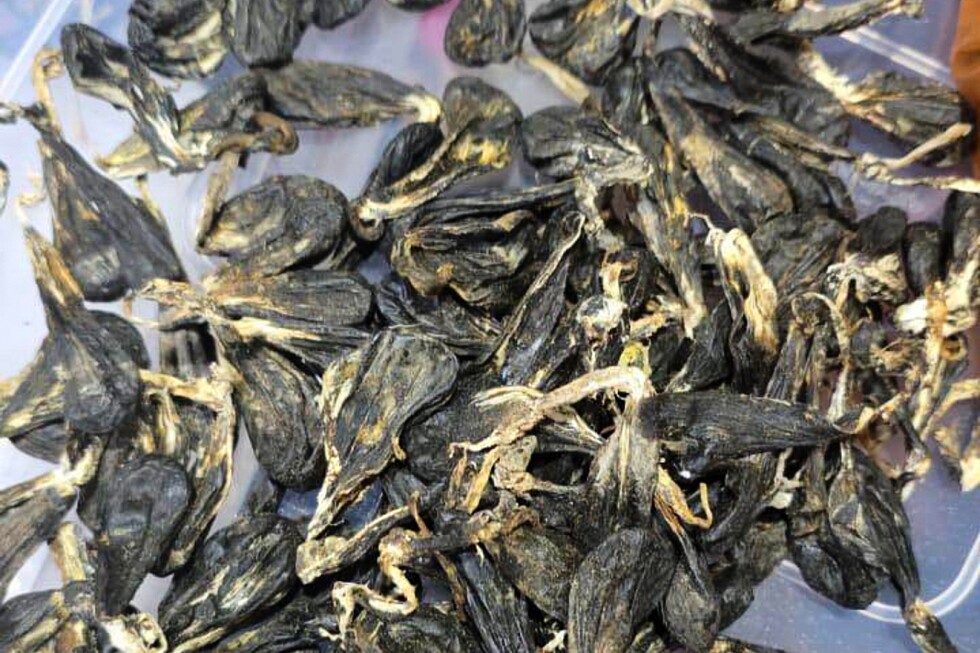
    Hoang Van Thai faces criminal charges linked to a large-scale seizure of contraband carried out early this April, where authorities recovered 1,022 python gallbladders and 195 python tongue sections taken from the reticulated python, a species listed as protected under Malaysian conservation law. The contraband was uncovered during a April 4 raid on a private property in Johor, a southern Malaysian state bordering Singapore.

    The haul of wildlife parts found in the operation totaled an estimated 37 million Malaysian ringgit, equal to roughly $9.3 million. Beyond the python parts that form the basis of Hoang’s charges, the seizure also included bear bile, suspected tiger body parts, primate remains, and animal reproductive organs that investigators have linked to transnational illegal wildlife trafficking networks. To date, authorities have not publicly explained why Hoang faces charges only for the python components, despite the broader range of contraband recovered at the site.

    Reticulated python parts are highly sought after on black markets, driven by persistent traditional beliefs: python bile stored in gallbladders is falsely attributed with unproven medicinal benefits, while python tongues are sold for use in traditional cultural rituals or marketed incorrectly as an aphrodisiac.

    Hoang’s defense attorney, Mohamad Fazaly Ali Mohamad Ghazaly, confirmed to reporters that his legal team has challenged the valuation of the contraband provided by Malaysia’s Department of Wildlife and National Parks, arguing that the agency failed to provide official supporting documentation for the $9.3 million estimated value. He also told the court that Hoang had entered Malaysia last November, was working locally as a driver, and that his two children were enrolled in schools in the country.

    Sentencing in the case has been scheduled for a later date. Hoang faces a maximum penalty of three years imprisonment, a fine, or both penalties if convicted. The court scheduled a April 20 hearing to review Hoang’s immigration status before ruling on a bail application. Prosecutors have formally opposed granting bail, arguing that the massive volume of contraband recovered points to Hoang’s involvement in a coordinated organized criminal operation.

    Vincent Chow, senior advisor for the Johor branch of the Malaysian Nature Society, told local English-language outlet *The Star* that the circumstances of the case suggest Hoang was likely operating as a storage agent for a much larger international trafficking syndicate.

    “Most of the wildlife parts seized had already been processed, and some were even packed for shipment, likely waiting to be moved out to either local black markets or international buyers,” Chow explained.

    Malaysia has long been identified as a critical hub for the global illegal wildlife trade, functioning both as a source country for native endangered species and as a key transit point for contraband moving between Southeast Asian suppliers and consumer markets across East Asia and beyond. Criminal networks exploit the country’s porous borders and logistics infrastructure to move protected animal parts, fueled by persistent unregulated demand for exotic wildlife products.

  • China-US youth forum boosts cross-cultural collaboration in AI era

    China-US youth forum boosts cross-cultural collaboration in AI era

    On April 8, 2026, the “Voices of Future: China-U.S. Youth Education and Cultural Exchange Forum” convened at East China Normal University (ECNU) in Shanghai, bringing together young scholars, educators, and industry experts from both China and the United States to deepen cross-border understanding and map out collaborative pathways for the age of artificial intelligence.

    Co-hosted by ECNU and New York-based China Institute of America, the two-day forum marked a milestone in bilateral people-to-people ties: 2026 celebrates 20 years of sustained partnership between the two institutions. Against the backdrop of growing global uncertainty and rapid technological transformation, attendees delved into a wide range of pressing topics, from the future of youth education and cross-cultural communication to AI-driven innovation and personal development for young people across the two nations.

    Participating experts reached a shared consensus that contemporary global challenges—from regulating artificial intelligence development to advancing the United Nations’ Sustainable Development Goals—demand unprecedented levels of coordination and mutual trust between the next generations of China and the United States. As the foundation for building that lasting mutual understanding, sustained education and cultural exchange between youth from both countries carries not only immediate practical importance but also profound long-term value for the future of bilateral relations.

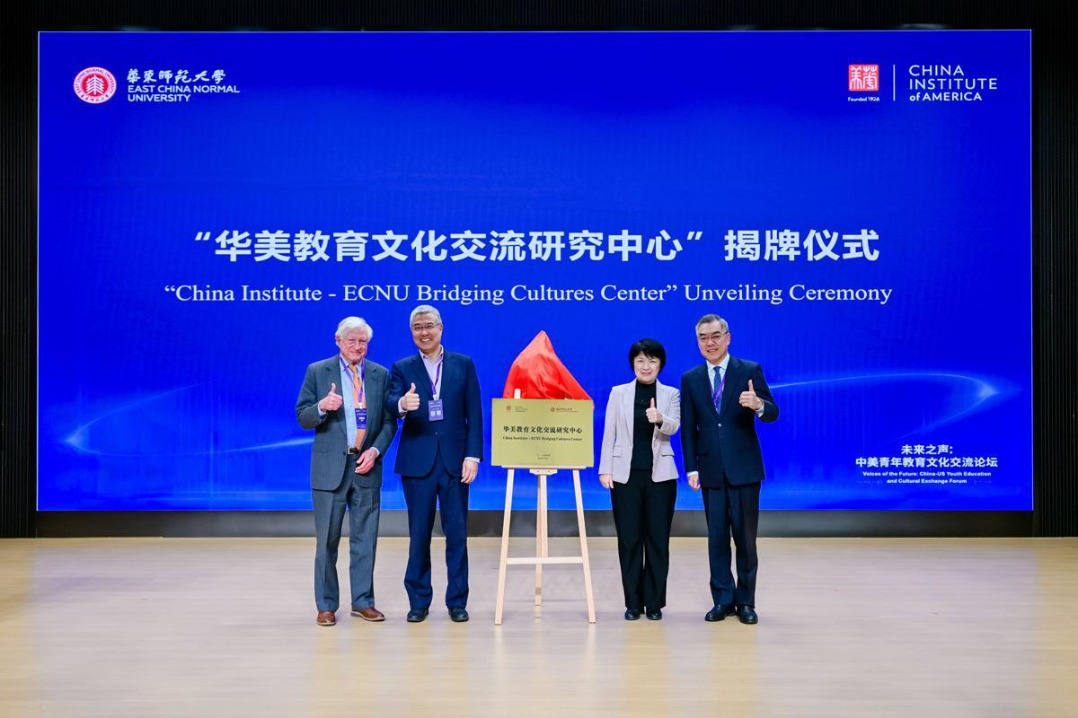
    To mark the 20th anniversary of their collaboration, the forum also served as the launch venue for the new China Institute — ECNU Bridging Cultures Center, based at ECNU’s Shanghai campus. This new institution complements the already established ECNU Center hosted at the China Institute’s New York location, creating a permanent Shanghai-New York dual-center coordination mechanism for cross-cultural exchange.

    Through this dual structure, the two partners aim to build a high-impact, sustainably operated platform for long-term China-U.S. education and cultural collaboration, creating structured opportunities for ongoing engagement that will benefit generations of young people. In a collective show of commitment to cross-border cooperation, youth delegates from both China and the United States issued a joint initiative at the forum’s closing. The declaration calls on young people across both nations to step forward as active participants in people-to-people exchange, enthusiastic promoters of bilateral collaboration, and dedicated practitioners who leverage technology, including AI, for global public good.

  • Japan to release extra 20 days’ oil reserves from May

    Japan to release extra 20 days’ oil reserves from May

    Fresh geopolitical volatility in the Middle East has pushed Japan to expand its emergency oil release, announcing an additional 20 days-worth of national petroleum reserves will enter the market starting next month, Prime Minister Sanae Takaichi confirmed Friday. The move builds on the first round of reserve releases launched in mid-March, as Tokyo continues to shore up energy supply stability amid lingering doubts over the safety of shipping through the Strait of Hormuz.

    The announcement came during a cabinet-level meeting focused on responding to shifting Middle Eastern developments, held nearly two months after a sudden outbreak of regional conflict in late February effectively shut down the critical chokepoint, which handles the vast majority of Japan’s crude oil imports. Despite a recently brokered two-week ceasefire between the United States and Iran, Takaichi noted that Tokyo cannot yet count on a full, smooth return to pre-conflict shipping operations through the strait, one of the world’s most vital energy transit routes.

    Japan first began offloading approximately 50 days of stored reserves to domestic and global markets starting March 16, a preemptive measure designed to offset potential supply disruptions following the strait closure. With this upcoming extra release, Japan will have made a total of 70 days of emergency reserves available to the market in under three months. “We will take every possible measure to ensure a stable supply of crude oil,” Takaichi told reporters following the meeting.

    The prime minister added that by the time the new reserve release begins in May, Tokyo expects to source over half of its total crude oil imports through alternative shipping routes that bypass the Strait of Hormuz, though she declined to specify which alternative suppliers or routes Japan is relying on for this diversification.

    Japan’s energy security framework is uniquely vulnerable to disruptions in Middle Eastern oil supplies: the island nation imports more than 90 percent of its total crude oil from the region, and the overwhelming majority of those imports traverse the Strait of Hormuz. This dependency has forced successive Japanese governments to maintain large strategic petroleum stockpiles and respond quickly to any signs of disruption to global oil transit chokepoints.

  • Humanitarian crisis escalates in Darfur as aid needs soar

    Humanitarian crisis escalates in Darfur as aid needs soar

    As Sudan’s brutal civil conflict enters its third year, having first erupted between the Sudanese Armed Forces and the Rapid Support Forces on April 15, 2023, the Darfur region has become the epicenter of one of the world’s most devastating humanitarian emergencies, with aid organizations warning that growing unmet needs have far outstripped the scale of the global response.

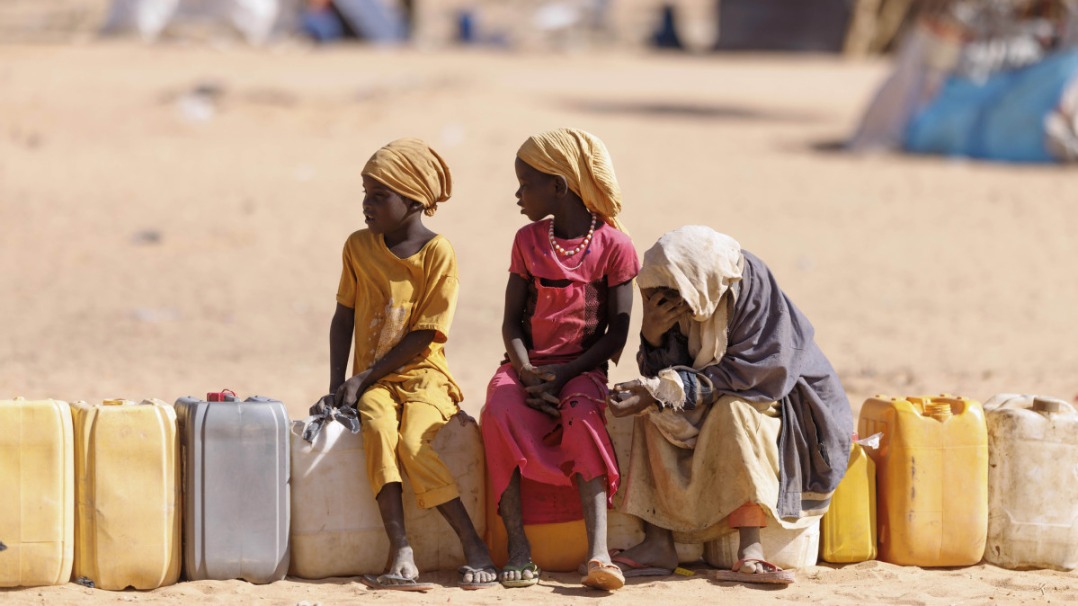
    Data from the International Rescue Committee underscores the staggering scope of the crisis: more than 12 million Sudanese people have been forced from their homes since fighting began, and roughly 34 million people – equal to two-thirds of the country’s entire population – now require urgent life-saving humanitarian assistance. Survivor accounts and on-the-ground reports from humanitarian groups paint a grim picture of daily life in Darfur, where displaced families face repeated cycles of violence, chronic shortages of food and clean water, and almost non-existent access to life-sustaining medical care.

    “The humanitarian situation in Darfur, and across Sudan as a whole, is extremely dire,” explained Ali Almohammed, emergency health manager for Doctors Without Borders (Medecins Sans Frontieres, MSF). He characterized the crisis as driven by four interconnected failures: the complete breakdown of civilian protection, mass population displacement, the widespread destruction of health infrastructure, and a gaping chasm between overwhelming unmet need and the limited aid currently available.

    In extended remarks to China Daily, Almohammed emphasized that women and children bear the brunt of the ongoing conflict, facing amplified risks of disease, severe malnutrition, targeted violence, and total lack of access to essential life-saving care as fighting grinds on with no end in sight. A March 30 MSF report further highlights that danger persists even after civilians escape active frontline combat zones: women and girls face persistent threats of gender-based violence on travel routes, in public markets, while collecting food in agricultural fields, and even within the overcrowded displacement camps that are supposed to serve as safe havens.

    Firsthand survivor testimonies included in the report lay bare the daily terror facing displaced communities. “Every day, when people go to the market, there are four or five cases of rape. When we go to the farm, this happens,” a 40-year-old woman from Sudan’s Jebel Marra region told investigators. Another survivor, sheltering in an internally displaced persons camp near Nyala, described the constant fear that shapes every daily activity: “Our life is so difficult here. We went outside the camp, and when we went outside, they attacked us and they raped us … This is happening to girls, every day — every day, in our area.”

    These accounts reflect a broader protection crisis that compounds existing humanitarian hardship: even the most basic tasks of searching for food, water, and other necessities put vulnerable women and children at heightened risk of further violence, deepening the scale of the emergency.

    According to Almohammed, the most pressing unmet needs are fundamental life-saving support: guaranteed safe access to healthcare, sufficient food supplies, malnutrition treatment, clean drinking water, emergency shelter, essential pharmaceutical stocks, protection services, and mental health support for trauma survivors. Among the most recent wave of people displaced from North Darfur and El Fasher, demand has spiked for emergency trauma care, reproductive health services, and confidential, specialized support for survivors of sexual violence.

    Across Darfur, the region’s already weak health system has been pushed to total collapse. MSF data shows that in the hardest-hit conflict zones, an estimated 70 to 80 percent of all health facilities are either fully shuttered or operating at barely functional levels, crippled by catastrophic shortages of medical staff, essential drugs, vaccines, and life-saving medical equipment.

    Successive waves of displacement from El Fasher and the Zamzam camp have completely overwhelmed already fragile services in host communities such as Tawila, Almohammed explained. “This is not just a question of some shortages,” he said. “It is a structural mismatch between massive needs and a very limited operational response.”

    Children suffer the most acute, long-lasting harm from the ongoing catastrophe. “They are being displaced, exposed to violence, pushed into malnutrition, and cut off from routine healthcare, vaccination, education and protection services,” Almohammed noted. The MSF report quantifies this harm for minors: in South Darfur, 20 percent of all documented sexual violence survivors are under the age of 18, including 41 children younger than five. In Tawila, 27 percent of survivors treated by MSF in late 2025 were also minors.

    Overcrowded emergency shelters, inadequate sanitation, limited food access, and extremely low vaccination coverage have triggered a surge in preventable infectious diseases, Almohammed added, with rising cases of measles, malaria, cholera, and acute respiratory infections across the region. At the same time, conflict-related trauma injuries and life-threatening maternal health complications continue to climb.

    The psychological toll of the conflict is as severe as the physical damage, aid workers warn. “People are not only surviving bombardment, displacement and hunger; many have witnessed killings, lost relatives, and in many cases endured direct violence,” Almohammed said. “Without psychosocial and mental health services, the response is incomplete.”

    MSF stresses that survivors require a full suite of targeted, confidential care: clinical treatment for injuries, emergency contraception, prevention and treatment of sexually transmitted infections, dedicated child protection services, and clear, functional referral pathways for ongoing care.

    As Sudan prepares to mark the third anniversary of the outbreak of war, humanitarian organizations are urgently calling for expanded international support to scale up life-saving assistance and reestablish civilian protection across Darfur. Without immediate, decisive global action, they warn, the crisis will continue to escalate, pushing millions more vulnerable people into life-threatening danger.

  • War in the Middle East: latest developments

    War in the Middle East: latest developments

    Just nine minutes ago, Agence France-Presse released a comprehensive update on the rapidly evolving conflict across the Middle East, bringing together multiple overlapping developments that are shifting regional security and global energy markets.