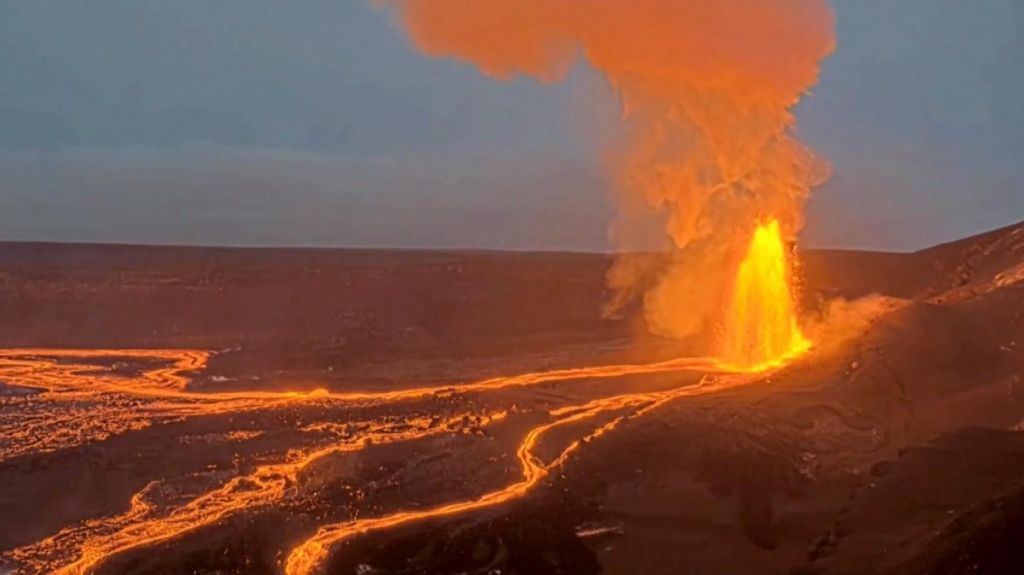
One of the most consistently active volcanic systems on the planet has erupted once again, sending towering plumes of lava hundreds of feet into the air above Hawaii’s Big Island. Kilauea, a shield volcano famous for its frequent, low-explosivity eruptions that draw both scientific curiosity and tourist attention, has entered a new active phase after months of intermittent activity stretching back to late 2000s.
分类: world
-
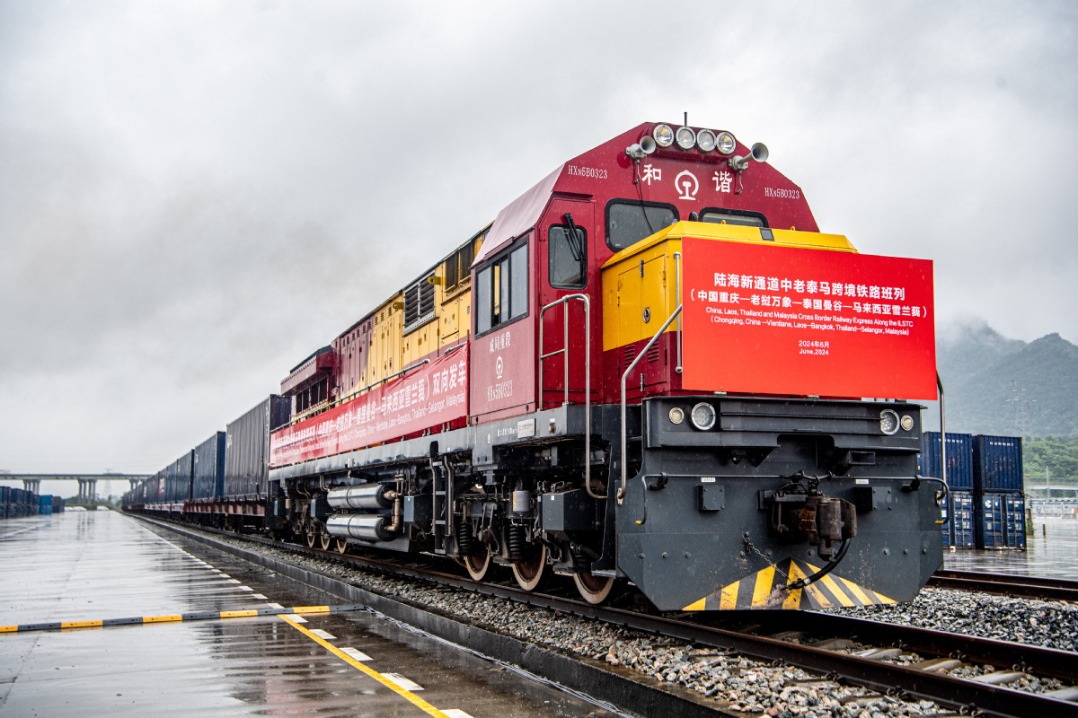
Southeast Asian economies lean toward Beijing
The 2026 annual State of Southeast Asia Survey, released this week by Singapore’s ISEAS-Yusof Ishak Institute, has revealed a striking shift in regional sentiment: a slim majority of Southeast Asian respondents now favor China over the United States in a hypothetical choice between the two leading global economic powers, reversing the narrow lead the US held in 2025’s edition of the poll.
Conducted between January 5 and February 20 of this year among 2,008 respondents across the Association of Southeast Asian Nations (ASEAN), the survey found 52% of participants picked China when asked to choose between the two powers, compared to 48% who selected the US. Stronger support for China was recorded in six ASEAN member states: Indonesia, Malaysia, Singapore, Timor-Leste, Thailand and Brunei.
Beyond the head-to-head preference, the gap in perceived economic influence is far wider. Nearly 56% of ASEAN respondents identified China as the most influential economic power in the Southeast Asian region, a figure that dwarfs the 15.3% who named the US as the leading regional economic force. China also retains its position as the most widely recognized political and strategic power in the region, followed by the US and ASEAN itself.
The survey highlights deep growing unease among Southeast Asian observers about the direction of US leadership under the second Trump administration. More than half of respondents — 51.9% — ranked current US leadership as their top geopolitical concern. Analysts note that shifting policy from Washington has eroded regional confidence in US reliability, with tangible economic and geopolitical fallout hitting Southeast Asian economies.
“This year’s survey suggests that the foundations of US influence in Southeast Asia are gradually narrowing,” explained Joanne Lin, senior fellow and coordinator of ISEAS-Yusof Ishak Institute’s ASEAN Studies Centre and one of the lead authors of the survey. While the result does not signal a total rejection of the US by Southeast Asian nations, it does reflect a growing cautious reevaluation of Washington’s role in the region, Lin noted in commentary published on the institute’s analysis platform Fulcrum.
Scot Marciel, a former US diplomat and senior adviser at consultancy BowerGroupAsia, told a launch webinar for the report that the rising concern stems from dramatic shifts in US foreign policy that have left regional partners uncertain about Washington’s long-term commitments. Examples of US policy actions, including the imposition of sweeping high tariffs and open flouting of established international norms such as interventions in Venezuela earlier this year, have injected widespread uncertainty and triggered direct economic turbulence across Southeast Asian markets, Marciel said.
Notably, Marciel added that the survey concluded before the joint US-Israeli military strikes on Iran, a development that has already created new economic shockwaves for the region and deepened questions about US global leadership. “The US started the Iran conflict along with Israel, which obviously is having a major impact economically on Southeast Asia, and also raising concerns about what kind of role the US is playing in the region and in the world,” Marciel added.
In contrast to the skepticism facing US policy, the survey finds growing optimism about deeper ties with China. More than 55% of respondents expect their country’s bilateral relations with China to improve or improve significantly over the next three years. That figure stands in sharp contrast to the just 32.8% of respondents who forecast an improvement in ASEAN-US relations under the current Trump administration.
Wang Huiyao, founder and president of Beijing-based independent think tank the Center for China and Globalization, attributes the positive sentiment toward China to decades of consistent economic cooperation that has delivered broad-based prosperity across the region. “China has contributed significantly to prosperity in Southeast Asia and Asia generally, and has become the biggest trading partner for all ASEAN countries. And that boom is still continuing,” Wang said, adding that there remains significant room for both China and ASEAN to deepen collaboration across sectors.
The survey also identified key sources of negative sentiment toward the US: 43.4% of respondents cited the US’s regular use of sanctions, tariffs, and coercive trade measures against other nations as a top concern that erodes positive views of Washington. This shift marks a notable move toward geoeconomic anxiety becoming the primary source of regional unease about US engagement in Southeast Asia.
Alongside tracking perceptions of US-China competition, the 2026 survey captured a broad range of other top regional priorities for respondents, including climate change, transnational global scam operations, disputes in the South China Sea, the ongoing political crisis in Myanmar, the Thailand-Cambodia border standoff, and the long-term institutional development of ASEAN itself.
-
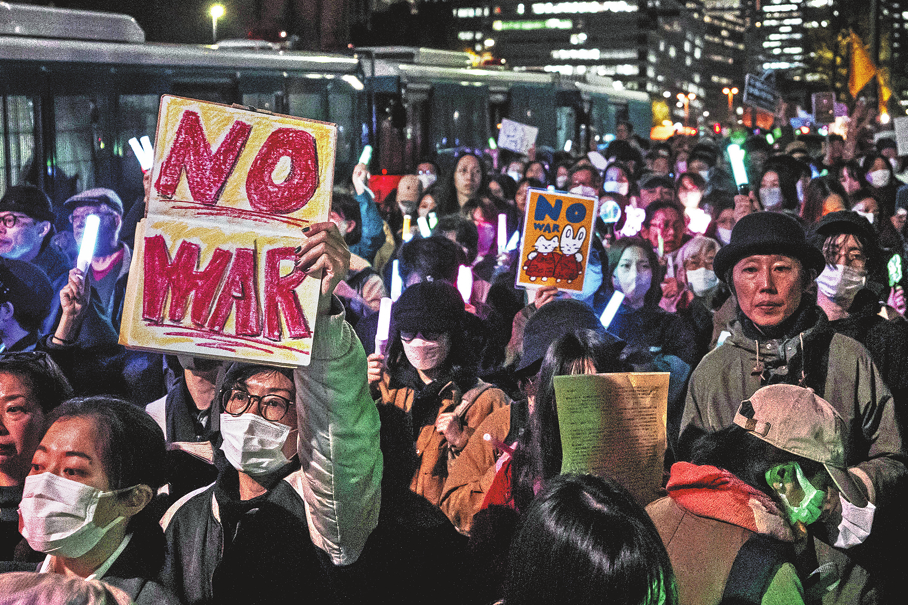
Tokyo rally protests arms export plans
On Wednesday evening, a massive crowd of Japanese demonstrators assembled outside the National Diet Building in central Tokyo, mounting a public rebuke of the current administration’s sweeping military policy changes that threaten to erode the country’s post-WWII pacifist constitutional framework. The demonstration, organized by a coalition of Japanese civic groups opposed to constitutional revision, drew an estimated 30,000 attendees, who carried hand-painted signs reading “Protect Article 9”, “No War”, and “Takaichi Government Step Down Now”, while chanting unified calls to reject constitutional amendments and avert future conflict.
The rally in Tokyo was just the centerpiece of a coordinated national action: according to local Japanese outlet Tokyo Shimbun, parallel demonstrations opposing the government’s policy shifts were held at more than 130 locations across the country the same day, uniting activists, concerned citizens, and constitutional scholars behind a shared goal of safeguarding Japan’s 79-year-old pacifist founding document.
For many protesters, the government’s latest moves directly contradict the core values Japan has embraced since the end of World War II. “As a nation that survived atomic bombings at Hiroshima and Nagasaki, Japan should carry the permanent vow of ‘never waging war again’ as a non-negotiable part of our national identity,” said protester Fujimoto, one of the demonstrators who spoke out against the new policies. Fujimoto noted that the deployment of long-range missiles and the planned rollback of lethal arms export restrictions run directly counter to the pacifist principles codified in the constitution, questioning how offensive weapons can be framed as a legitimate measure of self-defense. “Exporting weapons that will only fuel armed conflicts around the world is simply unacceptable,” she added.
Another protester, Kin, echoed that frustration, arguing that the series of recent military policy changes not only violate the constitution but also reflect a growing pattern of the administration disregarding Japan’s foundational legal framework. “The government is increasingly acting without respect for the principles that have kept our country at peace for decades,” he said.
Japan’s post-war constitution, which entered into force in 1947, earned its reputation as a pacifist founding document through its landmark Article 9, which forever renounces war as a sovereign right of the nation and rejects the threat or use of military force as a tool for resolving international disputes. For nearly 80 years, the document has anchored Japan’s “exclusively defense-oriented” national security policy, limiting the country’s military role and banning most exports of lethal weapons.
But that long-standing framework is now facing unprecedented change under the administration led by Prime Minister Sanae Takaichi. On March 31, the government deployed long-range offensive missiles equipped with “enemy base strike capabilities” to military bases in Kumamoto and Shizuoka prefectures, marking a major break from previous defense policy. Japanese media has also confirmed that the Takaichi administration is on track to revise the country’s “Three Principles on Transfer of Defense Equipment and Technology” and its associated implementation guidelines by the end of April 2026, a change that would open the door to full exports of lethal weapons to foreign nations.
The rapid succession of military policy shifts has sparked widespread anger and alarm across Japanese civil society. Critics warn that the changes amount to a quiet abandonment of Japan’s long-held exclusively defense-oriented policy, and represent a direct threat to the pacifist constitution that has guided the country’s peace and security for nearly eight decades.
-
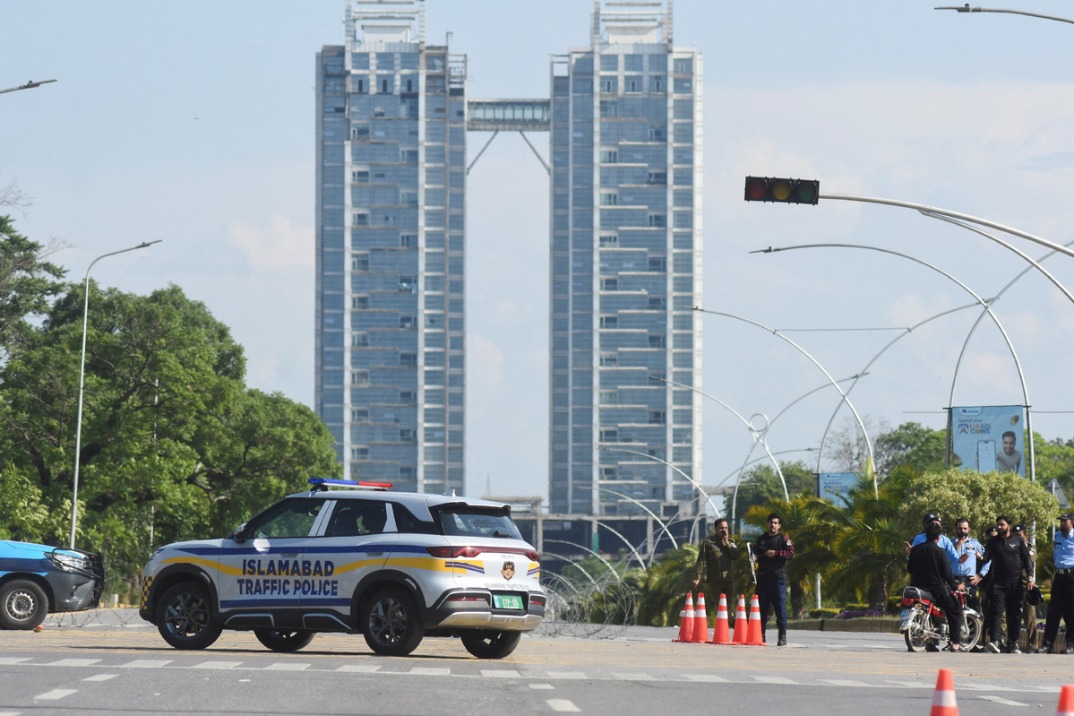
Pakistan prepares for US-Iran talks amid heightened security
As a fragile two-week ceasefire halts weeks of escalating tensions between the United States and Iran, Pakistan has entered the final stretch of rigorous security and logistical preparations to host landmark direct talks between the two rival powers in its capital city of Islamabad, aiming to broker a long-lasting de-escalation of Middle East tensions.
The negotiations, set to open their first round this Saturday, will bring high-level delegations from both sides to the negotiating table. According to Iran’s Students’ News Agency, Tehran’s delegation will be headed by Parliament Speaker Mohammad Baqer Qalibaf, set to meet with U.S. Vice President JD Vance. The White House has confirmed that the American delegation will include senior envoys Steve Witkoff and Jared Kushner, marking one of the most high-profile direct diplomatic engagements between the two nations in recent years.
To guarantee complete safety for all visiting foreign delegates, Pakistani Interior Minister Mohsin Naqvi announced Thursday that a comprehensive, layered security plan has been finalized. Islamabad authorities have rolled out sweeping security arrangements ahead of the talks: a public holiday has been declared for the twin cities of Islamabad and Rawalpindi to streamline logistics, heavily trained police, paramilitary troops, and specialized security agencies have been deployed in line with strict Blue Book VVIP protocol, and dedicated, restricted routes have been mapped out for the delegations’ movement.
Islamabad Police has issued a formal traffic advisory alerting commuters to route diversions along the major Express Highway, while emergency rescue services and city hospitals have been placed on maximum high alert. The Serena Hotel, a five-star luxury property located in Islamabad’s secure Red Zone diplomatic district, has been reserved exclusively for the visiting delegations, and multiple entry points to the capital will remain closed for the duration of the delegates’ stay.
Pakistan’s months of behind-the-scenes diplomatic work made the talks possible. Prime Minister Shehbaz Sharif and Deputy Prime Minister and Foreign Minister Mohammad Ishaq Dar have held extensive consultations with regional leaders and maintained continuous, open diplomatic channels with both Tehran and Washington to bring the two sides to the negotiating table. Analysts note that Pakistan’s longstanding policy of neutrality, paired with its deep, established ties with both Washington and Tehran, gives the country a unique, unmatched ability to facilitate dialogue between the distrustful powers.
Retired brigadier and regional security analyst Tughral Yamin called Pakistan’s success in convening the talks a “remarkable achievement”, noting that just months earlier, bringing two powers with decades of deep mutual mistrust to the same table was widely seen as an improbable goal. “It demonstrates ambition and a willingness to take risks in pursuit of regional peace,” Yamin explained.
While the recently announced ceasefire has created a window for diplomacy, major sticking points remain that will test the negotiators. The future status of the Strait of Hormuz, the critical global maritime chokepoint that carries a large share of the world’s total oil and liquefied natural gas supplies, is one of the most contentious topics on the agenda. Sanctions relief is another core demand for Iran, which has seen its economy and international financial activity severely constrained by long-running U.S. and international sanctions. Disagreements also persist over Iran’s uranium enrichment program: Tehran maintains it has the right to maintain the program for peaceful civilian nuclear energy purposes, while Washington continues to insist on strict enforceable limits on the activity.
Most analysts and diplomatic observers frame the talks with cautious optimism. Both sides have sustained heavy military, political, and economic losses from recent escalating tensions, creating strong mutual pressure to reach a negotiated settlement. Even so, experts warn that the real challenge will be forging a mutually acceptable final agreement, a outcome that will require pragmatism, flexibility, and carefully calibrated concessions from both delegations. Across diplomatic circles, there is widespread hope that these talks will mark a critical turning point toward lasting stability in one of the world’s most volatile regions.
-
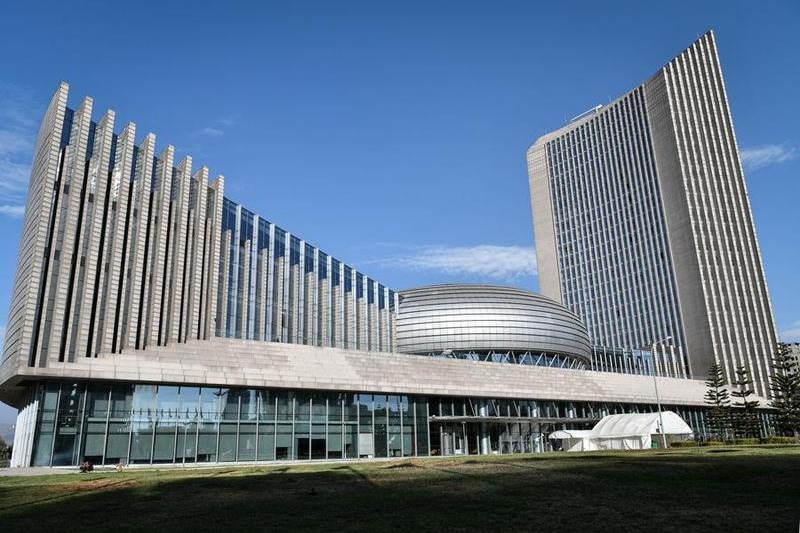
Africa sees Middle East ceasefire deal as test of trust
A 14-day temporary ceasefire between the United States and Iran has sparked cautious hope across the African continent, where policymakers and geopolitical analysts are framing the agreement as a make-or-break trust-building exercise that could reshape global energy security and economic stability for many African nations.
African heads of state and continental institutions have broadly welcomed the pause in hostilities, which comes after weeks of escalating tensions between the two powers that sent shockwaves through global energy markets. For African economies, a durable end to Middle East hostilities would bring much-needed relief: it would stabilize disrupted fuel supply chains, ease upward pressure on already volatile commodity prices, and prevent further damage to key international trade routes that underpin African trade activity.
Yet cautious optimism has been tempered by sharp warnings over the ceasefire’s inherent fragility, coming on the heels of a deadly Israeli air strike in Lebanon that killed more than 200 people just one day before the truce took effect. Analysts warn that escalating violence in connected regional conflict zones could derail the fragile agreement before confidence-building can take root.
Gordon K’achola, founder of the Africa Center for Diplomatic Affairs, emphasized that the two-week truce fills a critical role as a preliminary confidence-building step to test whether Washington and Tehran are willing to work toward a long-term, sustainable settlement after weeks of market-rattling tension. “The 14 days are a trust-building exercise for both sides,” K’achola explained. He added that while the temporary truce creates a vital opening for diplomatic negotiations, its ultimate success hinges on full commitment to halting hostilities from all parties embedded in the broader Middle East conflict. “You can’t have a halfway ceasefire. If it is a ceasefire, it has to be implemented in full,” K’achola said, noting that continued fighting in Lebanon or other regional hotspots could erode faith in the diplomatic process almost immediately.
For African nations, particularly the continent’s large group of net oil-importing countries that have faced months of fuel supply uncertainty, the ceasefire already offers a degree of much-needed economic relief. Beyond the immediate truce, K’achola argued the entire crisis has served as a critical wake-up call for African governments: he urged leaders to accelerate efforts to diversify their national energy portfolios and scale up investment in domestic renewable energy capacity, to insulate African economies from future geopolitical shocks originating in global energy markets.
The African Union released a formal statement on Wednesday affirming that the truce creates a rare opening to de-escalate broader Middle East tensions and reduce the harmful cross-border spillover effects that have already driven sharp increases in fuel and commodity prices across most African countries. The bloc also openly praised the diplomatic work of regional and international mediators who negotiated the terms of the ceasefire.
African Union Commission Chairman Mahmoud Ali Youssouf noted that sustained, inclusive dialogue remains the only path to locking in the tentative progress achieved through the truce, stressing that only continued diplomatic engagement can deliver a durable, comprehensive peace agreement. South African President Cyril Ramaphosa joined in welcoming the ceasefire, calling it an essential milestone toward rebuilding long-term regional stability in the Middle East. “We further call on all countries to respect international law and sovereignty and the territorial integrity of all nations,” Ramaphosa said.
Egyptian President Abdel Fattah El-Sisi also issued a statement Wednesday welcoming the ceasefire, calling on negotiating parties to work toward a permanent agreement that would bring the broader conflict to a close. He expressed hope that the temporary pause in fighting would pave the way for a lasting settlement that restores full security and stability to the Middle East region, and unlock progress toward the development and prosperity that the region’s people have long aspired to.
Looking ahead, K’achola noted that the next two weeks will be a decisive period that will determine whether the tentative ceasefire can evolve into a formal, sustainable peace process. “Every party in this negotiation must walk out feeling that they have had a victory. It has to be a careful give-and-take if this ceasefire is to hold,” he said.
-
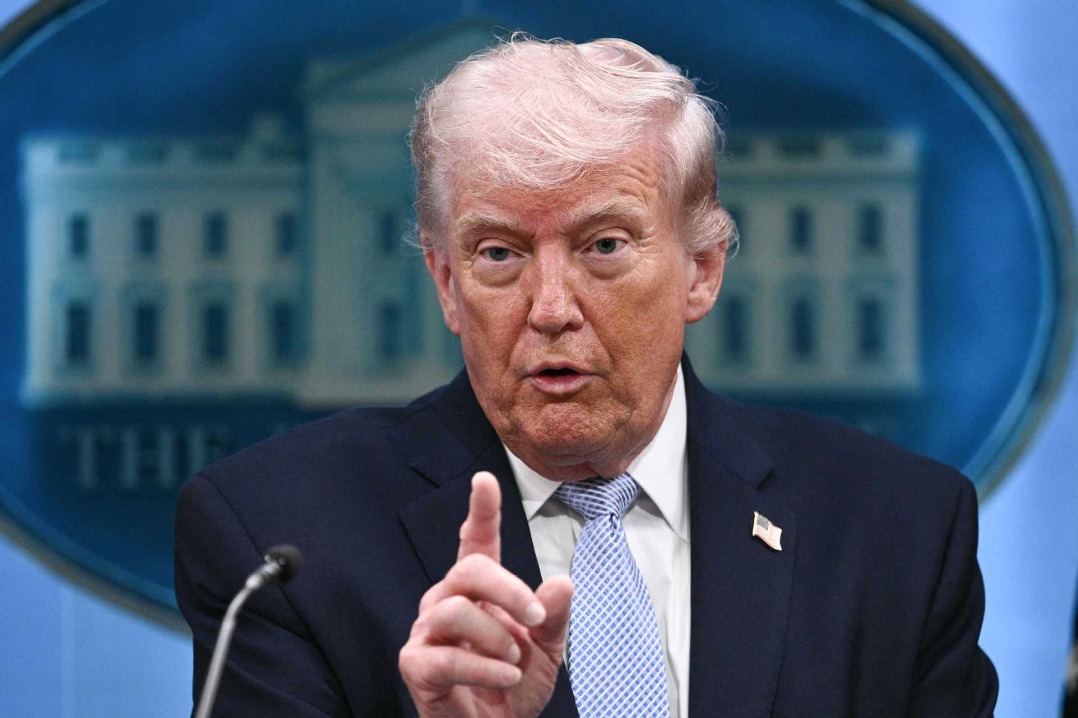
Trump threatens Iran over tanker transit fees in Strait of Hormuz
Fresh geopolitical friction has emerged along one of the world’s most critical energy chokepoints, as former U.S. President Donald Trump has publicly threatened Iran over plans to charge transit fees for commercial tankers passing through the Strait of Hormuz.
The confrontation unfolded in a series of public statements, beginning with comments to ABC News Wednesday, where Trump floated the idea of establishing a U.S.-Iran joint venture to collect tolls from vessels transiting the strategic waterway. He framed the proposal as a mutually beneficial project, describing it as “a beautiful thing” that would generate large revenues for both parties. He doubled down on that framing hours later in a post to his social media platform Truth Social, noting that the U.S. could earn “big money” by supporting traffic management efforts in the strait.
By Thursday, however, Trump shifted to a more confrontational tone, responding to emerging reports of Iran’s planned fee structure. In an explicit public warning posted to Truth Social, Trump stated, “There are reports that Iran is charging fees to tankers going through the Hormuz Strait — They better not be and, if they are, they better stop now!”
Citing The Wall Street Journal’s Thursday reporting, Iran has formally demanded that oil tankers pay a $1 transit fee per barrel of oil carried to cross the strait, which handles roughly 20% of the world’s daily global oil trade and is widely considered one of the most geographically and economically strategic maritime passages on the planet.
The latest developments come amid a fragile ceasefire that took effect in the region Tuesday. As of Thursday, commercial marine traffic through the strait remained severely constrained, according to reporting from The New York Times. Citing data from global ship-tracking firm Kpler, the outlet confirmed that only two non-Iranian oil tankers had completed transits of the strait since the ceasefire went into effect, marking the first such crossings since the truce was agreed. For days prior, the strait had been effectively closed to most non-Iranian commercial traffic, forcing hundreds of tankers to divert to alternative routes and pushing up global energy shipping premiums.
-
Investigators believe antisemitism was motive in vandalism at Israeli restaurant in Munich
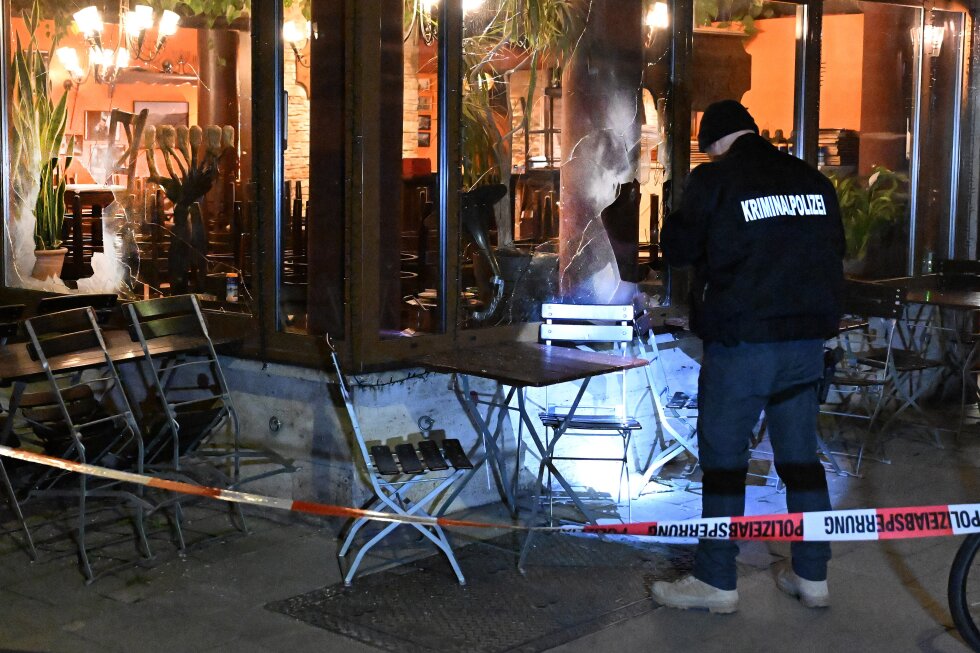
MUNICH — Law enforcement officials in southern Germany have confirmed they are working under the assumption that an antisemitic motive lies behind a destructive overnight attack on an Israeli-owned restaurant in the heart of Munich, local police announced Friday. The incident unfolded in the early hours of the morning, when unknown perpetrators damaged the eatery by shattering its glass windows. No individuals present or nearby were harmed in the attack, authorities confirmed.
Multiple law enforcement sources shared details with German national news agency DPA, noting that the restaurant’s owners identify as Jewish. While official police statements did not publicly name the targeted establishment, photos and footage of the post-attack scene confirm the location as Eclipse Grillbar. According to the restaurant’s official website, it holds the distinction of being Munich’s first fully authentic Israeli dining establishment. Representatives from the eatery did not immediately respond to media requests for comment in the immediate aftermath of the incident.
Investigators’ preliminary assessments indicate the attackers used pyrotechnic devices – most likely commercial fireworks – which were thrown into the restaurant space. The projectiles left three separate broken window panels in their wake. Emergency dispatch received the first report of the attack at approximately 12:45 a.m. local time, and responding officers conducted a immediate sweep of the surrounding area, but were unable to locate any suspects at the scene. As of Friday’s update, the identity of the perpetrator or group of perpetrators remains unknown, and the investigation remains active. Early estimates place the total property damage from the attack at several thousand euros, equivalent to a similar amount in U.S. dollars.
This incident comes against a well-documented backdrop of sharply rising antisemitic incidents across Germany, a shift that followed the October 7, 2023, cross-border attack on Israel by Hamas-led militant groups. During that attack, Hamas fighters killed roughly 1,200 people, the vast majority of whom were unarmed civilians, and abducted 251 additional people to hold as hostages in Gaza. While a two-week ceasefire between Israeli forces and Hamas is currently in effect, and both Israel and the U.S. have carried out targeted strikes against Iranian-linked assets in recent weeks, the broader regional conflict remains tense. Israel has notably ramped up its military offensive against the Iran-backed militant group Hezbollah in southern Lebanon even during the current ceasefire with Hamas, keeping regional tensions elevated and contributing to a polarized environment that has fueled anti-Jewish and anti-Israel sentiment across Europe.
-
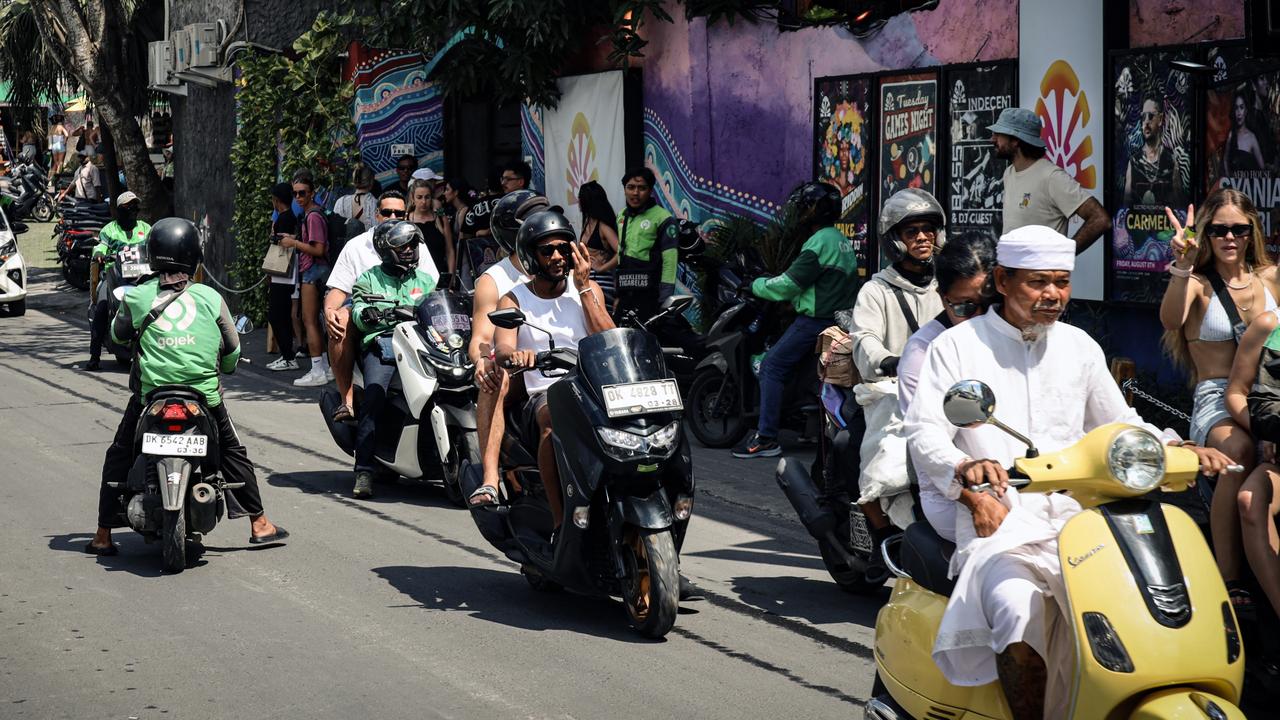
Australian man dies after being found unconscious on balcony at a Bali hotel
A 30-year-old Australian tourist has died in Bali, Indonesia after his girlfriend found him unconscious on their accommodation’s balcony, triggering an ongoing official investigation into the unexpected death. The incident unfolded early Wednesday morning in the popular coastal resort area of Seminyak, with the girlfriend locating the unresponsive man at approximately 4:15 a.m. immediately after discovering him, she alerted hotel management and emergency response teams.
According to official statements from Gede ADI Saputra Jaya, a public spokesman for the Denpasar Police Department, first responders confirmed the victim was still breathing when they arrived at the hotel to render aid. “He was unconscious when taken to Siloam hospital,” Jaya confirmed to local media outlets. Despite emergency medical intervention, the Australian man passed away several hours after being admitted to the hospital.
Investigators have outlined key timeline details from the night preceding the death: the couple had spent the evening at a local bar, returned to their hotel around 1:30 a.m., and engaged in a verbal argument. Following the disagreement, the man told his girlfriend he would sleep on the open balcony, a choice that preceded the morning’s emergency discovery.
As of press time, law enforcement teams have not announced a confirmed cause of death, with the spokesperson noting that officers are still conducting a thorough investigation into the circumstances surrounding the incident. Australia’s Department of Foreign Affairs and Trade has been contacted by media outlets seeking comment on the case, and has not yet released an official statement.
-
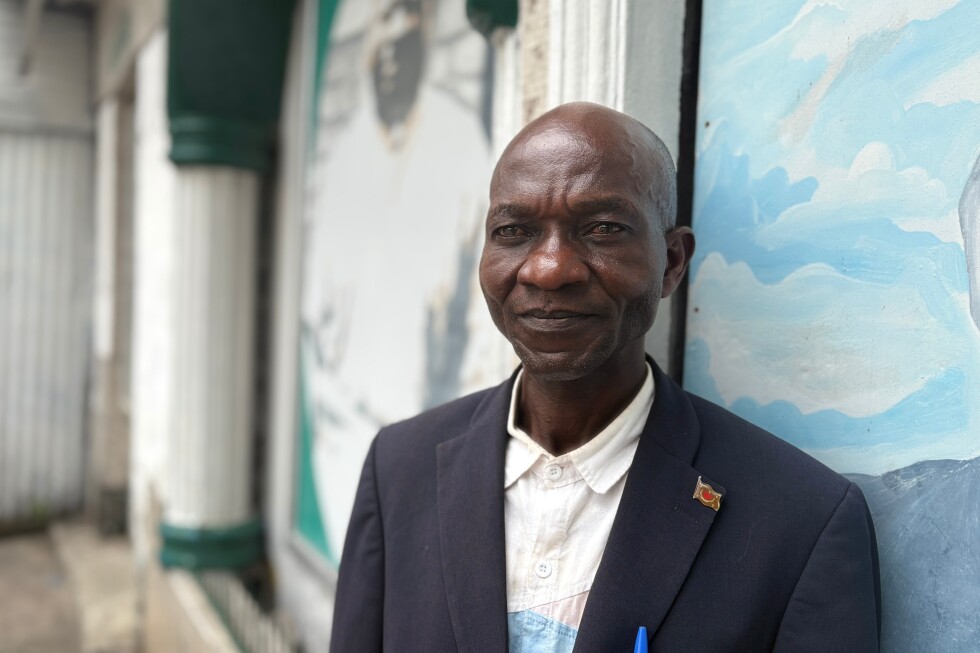
In Congo, an unconventional Christian movement has existential lessons for the troubled nation
KINSHASA, DRC — For half a century, one of the most influential religious and liberation movements in modern African history has operated in relative global obscurity, even as it grew to count millions of followers across the continent and beyond. Its founder, Simon Kimbangu, spent 30 years behind bars, dying in exile after Belgian colonial rulers labeled his work a threat to their rule. Today, as the Democratic Republic of Congo grapples with its worst territorial crisis since independence in 1960, Kimbangu’s legacy of nonviolent, homegrown Black liberation is being reclaimed as a guiding light for the nation.
Kimbangu, a former lay Baptist catechist, launched his ministry in 1921, when what is now the DRC was the personal colony of Belgium’s ruling monarchy, its rubber, timber, and mineral resources plundered to rebuild Europe after World War I. Rejecting colonial representations of God as a white European figure, Kimbangu framed the divine through the traditional Kikongo deity Nzambi, positioning himself as God’s earthly envoy and the Black embodiment of the Holy Spirit. His message of self-determination and spiritual liberation drew tens of thousands of oppressed Congolese plantation workers, who flocked to his base in the small village of Nkamba, southwest of Kinshasa, seeking healing and hope.
Alarmed by the movement’s rapid growth, colonial authorities arrested Kimbangu after just five months of public ministry, charging him with inciting insurrection. Though sentenced to death, Belgium’s King Albert I commuted the sentence to life imprisonment, and Kimbangu was exiled more than 1,600 kilometers to what is now Lubumbashi in the country’s southeast. He died in prison in 1951 at the age of 64, never having tasted freedom after his arrest. Today, only a handful of official photos exist, showing a bald, stern-faced prisoner in plain, austere prison garb.
Against all odds, the movement Kimbangu founded survived and thrived. Officially named the Church of Jesus Christ on Earth Through the Prophet Simon Kimbangu, it is now estimated to have between 6 and 17 million members, most based in the DRC, with congregations as far afield as Belgium. Nkamba, the small village where Kimbangu began his work, is now recognized as the church’s spiritual seat, dubbed the “New Jerusalem” by believers, who make regular pilgrimages there to honor their founder. In 2023, the Congolese government officially designated April 6 a national public holiday, Kimbangu Day, to celebrate his lifelong struggle for African self-consciousness and liberation. Many Congolese now draw parallels between Kimbangu and Nelson Mandela, noting both endured decades of imprisonment for fighting oppression, even as Kimbangu remains largely unknown outside Central Africa.
Distinct from both traditional Christianity and imported African religious movements, the Kimbanguist Church has retained its core founding principles of independence, nonviolence, and equity. It prohibits polygamy, a practice widely accepted in many Congolese communities, prioritizes peaceful conflict resolution, and invests heavily in local schools and community social programs. Unlike many older Christian denominations in the region, it also elevates women to positions of senior leadership, a practice rooted in the critical role Kimbangu’s wife Marie Muilu played in keeping the movement alive during her husband’s three decades of imprisonment. “Women are ministering in the church. They have a key role to play because the church is so thankful for what the wife of Simon Kimbangu did when her husband was in prison,” explained André Kibangudi, a senior church elder. “We should have more female leadership.”
Today, as Congo confronts a devastating armed rebellion in its eastern provinces, Kimbangu’s legacy has taken on new urgency. Since January 2025, the Rwanda-backed M23 rebel group has seized control of Goma, the largest city in North Kivu, and occupied much of the mineral-rich province, displacing hundreds of thousands of civilians and stoking fears of national fragmentation. President Félix Tshisekedi, who has positioned his administration as a champion of Congolese sovereignty, has courted the Kimbanguist movement, and his prime minister, Judith Suminwa, is a member of the church, a reflection of the group’s massive political influence and voter base. Tshisekedi has recently offered U.S. companies unprecedented access to eastern Congo’s untapped mineral reserves, estimated to be worth more than $24 trillion, in exchange for American support to counter the M23 rebellion. The move has drawn fierce criticism from activists and opposition figures, who warn it risks eroding Congolose sovereignty and intensify great power competition for resources in the region, where Chinese firms already dominate mineral extraction.
For Congolese analysts and religious leaders, the current crisis demands a return to Kimbangu’s core values of self-sacrifice and commitment to collective liberation. “The first challenge for African leaders, or Congolese leaders, is that they are not free,” said Bwatshia Kambayi, a prominent Congolese historian and former higher education minister who has drawn parallels between the struggles of Mandela and Kimbangu. “African leaders, they do not realize that they have a slavery mindset. We are independent, but we are not free.” Kambayi argues that today’s Congolese political elite, many of whom prioritize personal wealth over public good, have fallen far short of Kimbangu’s example: “The elite running Congo are poor men who want to live as rich people. This is not the fight of Simon Kimbangu. None of them has reached the level of fighting for people’s freedom, for people’s liberty.”
Kimbanguist pastors across the country echo that sentiment, framing the movement’s nonviolent, community-centered ethos as a model for a nation divided by conflict. “What Congo’s leaders can learn from Kimbangu is that the guy didn’t work for himself. He sacrificed himself to free people who had been in slavery, who had been suffering,” said Paul Kasonga, a Kimbanguist pastor who serves millions of adherents in Mongala province. For ordinary believers, Kimbangu’s message of liberation for all Congolese remains as urgent today as it was a century ago. “The lesson that people can learn from the church is that the prophet, the founding prophet, fought for people’s rights,” said Toussaint Mungwala, a Kimbanguist pastor in Kwilu province who converted to the movement from Catholicism in the 1980s. Even decades after his death, Kimbangu’s unheralded struggle continues to shape the identity and future of the Congolese nation.
-
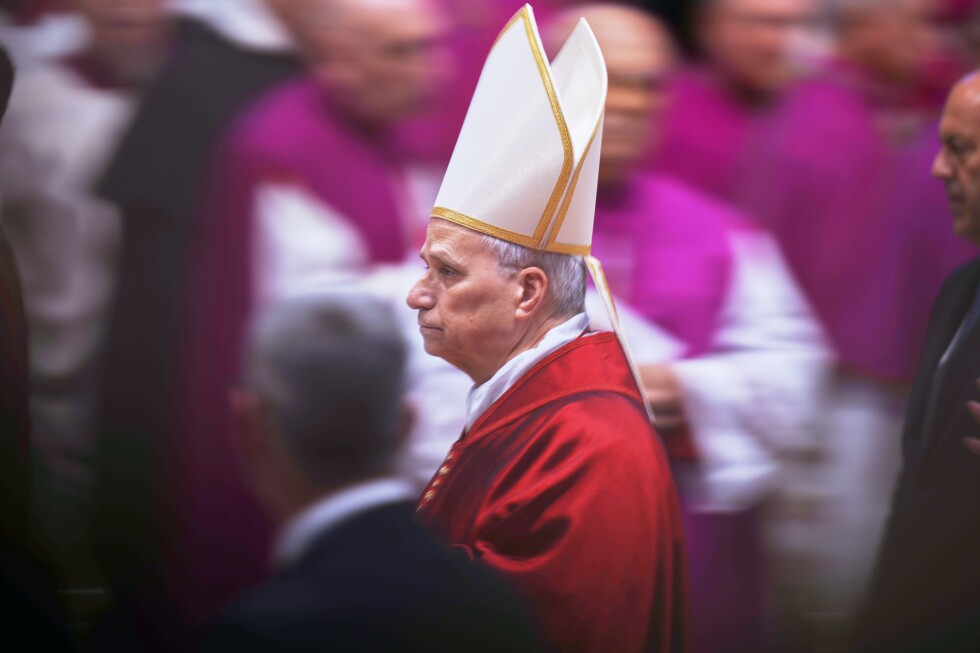
A country-by-country glance at Pope Leo XIV’s trip to Africa
Pope Leo XIV has launched an ambitious, 11-day pastoral tour across four African nations, a demanding itinerary whose scope and complexity echoes the iconic globe-spanning journeys Pope St. John Paul II undertook during his early papacy. Across each stop, the pontiff will center his messages on four core themes: peaceful coexistence between Christian and Muslim communities, the urgent harms of overexploiting Africa’s natural and human resources, systemic corruption, and the global crisis of migration.
The tour kicks off in Algeria, running from April 13 to 15, a stop that carries deeply personal meaning for Pope Leo. The pontiff’s own religious order draws its foundational inspiration from St. Augustine, the 5th-century theological giant who lived, served as bishop, and died in what is today the coastal Algerian city of Annaba, then known as Hippo. Leo will visit the ancient site to pay homage to the saint.
Beyond faith, Algeria’s legacies and modern realities will frame the Pope’s other priorities: a majority Sunni Muslim nation on North Africa’s Mediterranean coast and a former French colony, the country sits at the intersection of interfaith dialogue and migration challenges. Last year, Algeria’s parliament passed a historic law formally branding 132 years of French colonial rule a crime against humanity, calling for restitution of property seized during the occupation to redress centuries of historical harm. During his visit, Pope Leo will honor the memory of migrants who died in shipwrecks while attempting to cross the Mediterranean to Europe, and will make a historic stop at Algiers’ Great Mosque to underscore his call for Christian-Muslim harmony.
From Algeria, the Pope will travel to Cameroon for a three-day visit from April 15 to 18, where peacebuilding will take center stage. On April 16, he will lead a high-profile peace gathering in the northwestern city of Bamenda, featuring firsthand testimony from a Mankon traditional ruler, a Presbyterian moderator, a local imam, and a Catholic nun.
Cameroon’s western regions have been locked in devastating conflict since 2017, when English-speaking separatists launched an insurgency aimed at creating an independent English-speaking state separated from the country’s French-speaking majority. Research from the International Crisis Group estimates the conflict has killed more than 6,000 people and forced over 600,000 residents from their homes. In the country’s north, separate violence linked to Boko Haram militants continues to plague communities, as the extremist insurgency based in neighboring Nigeria has spilled across the border.
Blessed with rich reserves of oil, natural gas, cobalt, bauxite, iron ore, gold, and diamonds, Cameroon’s extractive sector makes up nearly a third of the nation’s total exports, per data from the Extractive Industries Transparency Initiative. But human rights organizations and the Catholic Church have repeatedly warned that almost all revenue from resource extraction flows to foreign corporations and a small domestic elite, with almost no benefit reaching the rural and Indigenous communities that live in immediate proximity to mining and drilling sites. While French and British firms have long controlled the sector, Chinese companies have rapidly expanded their footprint in Cameroon in recent years, particularly in the gold-mining regions of the country’s east.
A 2023 United Nations expert report documented severe human rights abuses and environmental damage from unregulated gold mining in eastern Cameroon, where widespread mercury use poisons waterways and local communities. UNICEF has also found that the gold rush has driven hundreds of children to drop out of school to work in informal, makeshift mines, where they risk their lives for less than a dollar’s worth of ore sold on local black markets.
The third stop on the tour is Angola, where the Pope will stay from April 18 to 21. Roughly 58% of Angola’s 38 million residents identify as Catholic, and Leo will open his visit with prayers at the Sanctuary of Mama Muxima, a revered Marian shrine that ranks among the most important Catholic pilgrimage sites in the country. The original chapel at the site was constructed at the end of the 16th century by Portuguese colonists after they built a fortress at Muxima, which went on to become a key processing point in the transatlantic slave trade: enslaved African people were baptized at the shrine before being forced onto ships bound for the Americas.
Today, Angola ranks as the fourth-largest oil producer on the African continent and among the top 20 global oil producers, according to the International Energy Agency. It is also the world’s third-largest diamond exporter, and holds substantial reserves of gold and critical minerals required for global clean energy technologies. Yet despite its vast natural wealth, 2023 World Bank data shows that more than 30% of Angolans survive on less than $2.15 per day. The country won independence from Portugal in 1975, but immediately descended into a 27-year civil war that only ended in 2002, leaving more than half a million people dead and deep, lasting socioeconomic scars across the nation. Vatican officials confirmed that in Angola, Pope Leo will deliver a message of hope and healing focused specifically on the country’s young people.
The tour will conclude in Equatorial Guinea from April 21 to 23, a small former Spanish colony that was transformed overnight when large offshore oil reserves were discovered in the mid-1990s. Today, oil makes up nearly half of the country’s GDP and more than 90% of its total exports, according to the African Development Bank. But despite this resource windfall, the World Bank’s 2023 report confirms that more than half of the population lives in poverty, with 70% of the nation’s 2 million residents surviving on low incomes.
Equatorial Guinea is an authoritarian petrostate ruled by Teodoro Obiang Nguema Mbasogo, who has held power since 1979, making him the longest-serving sitting head of state in Africa. Obiang and his ruling family face widespread accusations of systemic corruption, human rights abuses, and authoritarian crackdowns: Human Rights Watch and other global rights groups have documented that almost all oil revenue has been siphoned to enrich the Obiang family and close allies, rather than lifting the general population out of poverty. The government also faces repeated accusations of arbitrary harassment, arrest, and intimidation of political opponents, independent journalists, and civilian critics.
Vatican spokesperson Matteo Bruni confirmed that beyond addressing the harms of unregulated resource extraction across the continent, Pope Leo will directly raise issues of systemic corruption and the responsibilities of democratic governance during his tour. This coverage of the papal visit is produced by the Associated Press, which receives funding support for its religion coverage through a collaboration with The Conversation US, via funding from Lilly Endowment Inc. The AP retains full editorial responsibility for all content.