分类: world

  • From rails to world: What we discovered in Zhengzhou

    From rails to world: What we discovered in Zhengzhou

    The remarkable metamorphosis of Zhengzhou from a regional Chinese city into a globally connected economic hub forms the core of an investigative journey undertaken by China Daily. Reporter Xia Ji, accompanied by Indian colleague Ali, documented how strategic rail development fundamentally reshaped the city’s destiny and global positioning.

    Their exploration began at Zhengzhou’s sprawling high-speed railway station, where they observed the seamless movement of passengers and goods that has become the city’s lifeblood. The investigation revealed how Zhengzhou evolved from a traditional railway crossroads into a sophisticated logistics nucleus, with rail infrastructure serving as the primary catalyst for economic expansion and international connectivity.

    The team proceeded to examine the China-Europe Railway Express import market, where commodities from across Eurasia arrive daily. This strategic trade corridor has established Zhengzhou as a critical node in Belt and Road Initiative logistics networks, facilitating unprecedented cross-continental commerce between China and European markets.

    Along the Yellow River basin, the reporters discovered how transportation development harmonizes with ecological preservation and cultural heritage conservation. The investigation demonstrated how rail infrastructure boosted tourism while protecting environmentally sensitive areas adjacent to China’s historic river of civilization.

    The comprehensive analysis concludes that Zhengzhou’s model of transit-oriented development offers valuable insights for urban planning worldwide. The city’s strategic investment in rail networks has generated economic diversification, international trade opportunities, and sustainable urban growth—positioning this once provincial city as a prototype of 21st century connectivity.

  • Somali children are ‘on the edge’ as hunger spreads. UNICEF says Iran war has worsened the crisis

    Somali children are ‘on the edge’ as hunger spreads. UNICEF says Iran war has worsened the crisis

    In the dust-blown outskirts of Dollow, southern Somalia, the Ladan displacement camp embodies a silent catastrophe. Here, the absence of crying children signals profound distress—the most severely malnourished lack even the energy to weep. Thousands of households, having fled a historic drought that decimated four consecutive rain seasons, now inhabit fragile shelters of plastic and torn fabric, their agricultural livelihoods obliterated.

    This humanitarian disaster has been critically intensified by geopolitical turmoil thousands of kilometers away. Aid workers report that conflict in the Middle East has triggered severe supply chain disruptions and sent fuel costs skyrocketing, creating what UNICEF Executive Director Catherine Russell termed a ‘shock to the system’ during her Wednesday visit. With transport expenses potentially doubling on certain routes, the delivery of lifesaving supplies—including therapeutic nutrition, vaccines, and mosquito nets—faces unprecedented uncertainty.

    Compounding this crisis, over 400 health and nutrition facilities across Somalia have shuttered in the past year, primarily due to sweeping U.S. funding cuts. The Somali government now warns that nearly 6.5 million people—approximately one-third of the population—face severe hunger as drought, conflict with al-Shabab militants, and global aid reductions converge.

    At Dollow’s hospital, medical staff confront a harrowing new reality. Nutrition coordinator Liban Roble reports receiving children in ‘extremely critical condition—severely malnourished, weak, and in some cases almost skeletal’ rather than the moderate cases previously typical. Current supplies may only sustain treatment until April’s end, after which Roble warns ‘more children will deteriorate and potentially die.’

    Community leaders confirm assistance has dramatically dwindled since September 2025, leaving therapeutic food for malnourished children as one of the few remaining interventions. According to the Integrated Food Security Phase Classification, 1.84 million Somali children under five are projected to suffer acute malnutrition by 2026, representing a humanitarian crisis of staggering proportions where global and regional conflicts directly threaten survival in one of the world’s most vulnerable regions.

  • Pope Leo XIV makes a rare 1-day visit to glitzy Monaco

    Pope Leo XIV makes a rare 1-day visit to glitzy Monaco

    VATICAN CITY — Pope Leo XIV embarked on a landmark diplomatic journey to Monaco on Saturday, marking the first papal visit to the Mediterranean principality in nearly five centuries. The highly symbolic trip underscores how miniature sovereign states can exert substantial influence on worldwide affairs despite their modest size.

    Vatican spokesperson Matteo Bruni emphasized the significance of small nations in global diplomacy, noting that “in biblical tradition, it is precisely the small entities that frequently play pivotal roles.” The visit provides Pope Leo, the American-born pontiff, with his inaugural opportunity to address broader European audiences through this diplomatic channel.

    Monaco represents one of Europe’s rare constitutional Catholic monarchies where Catholicism remains the official state religion. Prince Albert recently reinforced this religious identity by rejecting legislation to legalize abortion, aligning with Catholic doctrine despite abortion being constitutionally protected in surrounding France. This decision echoes similar stands taken by European Catholic royals, including Belgium’s late King Baudouin, whom Pope Francis previously placed on the path to potential sainthood for his anti-abortion stance.

    Bruni confirmed that “defense of life” would constitute a central theme of Leo’s nine-hour visit, though clarified this would encompass broader contexts including conflict resolution and peace advocacy alongside traditional pro-life positions.

    The itinerary included private meetings with Prince Albert and Princess Charlene at the royal palace, gatherings with Monaco’s Catholic community at the cathedral, and a Mass celebration at the principality’s sports stadium.

    While Monaco is globally recognized for its luxury lifestyle, tax incentives, and Formula Grand Prix, the visit highlighted its substantive diplomatic contributions. The principality actively supports Middle Eastern Christian communities through organizations like the Aliph Foundation, which restores conflict-damaged religious sites, and maintains longstanding partnerships with French-based l’Œuvre d’Orient supporting ecclesiastical projects across 23 nations.

    Environmental cooperation emerged as another key agenda item, with Prince Albert being an established ecological advocate and Monaco hosting regular international environmental conferences. Pope Leo has continued Francis’s legacy of ecological stewardship, making climate discussions a natural component of the bilateral dialogue.

    François Mabille of the French Institute for International and Strategic Affairs observed that Monaco’s voting membership in international organizations complements the Vatican’s observer status, creating synergistic potential for small-state diplomacy on issues ranging from environmental protection to peace mediation.

    The visit, though brief, symbolized the convergence of the world’s two smallest sovereign states addressing humanity’s most pressing challenges, demonstrating how miniature nations can serve as laboratories for peace, social friendship, and responsible governance.

  • The war in Iran sparks a global fertilizer shortage and threatens food prices

    The war in Iran sparks a global fertilizer shortage and threatens food prices

    The ongoing conflict involving Iran has triggered severe disruptions to global fertilizer supplies, creating a cascading crisis that threatens agricultural productivity and food security worldwide. Tehran’s strategic restrictions on maritime traffic through the Strait of Hormuz—a vital passageway handling approximately one-fifth of global oil shipments and nearly a third of fertilizer trade—have precipitated sharp increases in gas prices and critical shortages of agricultural nutrients.

    This supply chain crisis arrives at the most inopportune moment for farmers across hemispheres, coinciding with crucial planting seasons. Nitrogen-based fertilizers, particularly urea, face the most severe constraints due to shipping delays and skyrocketing liquefied natural gas prices. According to CRU Group analysis, approximately 30% of global urea trade has been restricted, with phosphate supplies—essential for root development—also experiencing significant pressure.

    The timing couldn’t be more disastrous, as agricultural expert Raj Patel emphasizes: “The planting season is now. The fertilizer isn’t there.” This shortage hits developing nations with particular severity. Ethiopia, which sources over 90% of its nitrogen fertilizer from the Gulf via Djibouti, faces critical shortages that could devastate harvests.

    Even developed agricultural systems are feeling the strain. In Europe and the United States, where main planting activities are underway, farmers report urgent needs for nitrogen applications to ensure proper crop development. Agricultural engineer Dirk Peters notes that immediate nitrogen application is crucial for crops “to get off to a good start, helping them establish themselves and build up reserves for harvest.”

    The economic implications are profound. While current fertilizer prices remain below peaks seen during the Ukraine conflict, lower grain prices today mean farmers face tighter margins. Many may switch to less fertilizer-intensive crops or reduce application rates, inevitably decreasing yields and potentially driving consumer food prices higher.

    Long-term solutions remain elusive. Major producers like China prioritize domestic supply, while Russian facilities operate near maximum capacity. Even after conflict resolution, analysts predict persistent challenges including heightened insurance costs and security concerns that may deter swift resumption of normal shipping through the Strait.

    This crisis highlights the fragile interdependence of global food systems. As Hanna Opsahl-Ben Ammar of Yara International observes, stable fertilizer supply chains are essential for farmers to produce the food the world relies upon. The current situation may serve as a catalyst for reevaluating agricultural practices, with experts advocating for reduced dependency on imported fertilizers through organic alternatives and agroecological approaches to build more resilient food systems.

  • The Iran war seen through Asia’s eyes

    The Iran war seen through Asia’s eyes

    The escalating conflict in the Persian Gulf has triggered a severe energy crisis across Asia, with the closure of the Strait of Hormuz exposing the region’s critical dependence on Middle Eastern oil supplies. While Europe awaits the delayed impact of disrupted shipments, Asian nations are already experiencing profound economic consequences due to their geographical proximity and heavier reliance on Gulf energy.

    South Asian nations including India, Pakistan, Sri Lanka and Bangladesh are implementing strict fuel conservation measures and rationing systems due to limited strategic reserves. India faces compounded challenges with shortages of Qatari LPG for cooking, disruptions to Gulf air travel, and declining remittances from its nine million migrant workers in the region—previously contributing approximately $50 billion annually to the economy.

    Southeast Asia confronts parallel difficulties: Cambodia witnessed widespread gasoline station closures, Vietnam prepares for aviation cuts, and Malaysia experiences rising fertilizer costs that will soon affect global palm oil prices. The Philippines has declared a national energy emergency, mandating work-from-home measures to conserve fuel.

    Northeast Asian economies face particularly complex challenges. South Korea, which sources 70% of its crude oil and half of its naphtha through the Strait, finds its historic economic ties to the Gulf dating to 1970s construction projects now creating vulnerability. Japan, despite maintaining one of the world’s largest strategic oil reserves capable of sustaining 254 days of consumption, remains critically dependent on Hormuz transit for 90% of its crude imports.

    The crisis has intensified diplomatic pressures on both nations from the United States. The Trump administration has requested military assistance in securing the Strait, creating tension with both countries’ constitutional limitations and public sentiment. Japan’s Prime Minister Sanae Takaichi navigates delicate diplomatic maneuvers, balancing alliance commitments with constitutional restrictions on military deployment.

    Analysts suggest the conflict may accelerate Asia’s transition to renewable energy, though solutions like Mekong River hydropower projects remain controversial due to environmental and social impacts. Meanwhile, China’s response to the crisis represents a significant geopolitical unknown, with some analysts speculating about potential long-term strategic calculations involving global energy supply chains and technological competition.

    The situation highlights how regional conflicts can rapidly transform into global economic crises, particularly when critical maritime chokepoints become contested zones. As Asian nations grapple with immediate energy shortages, the crisis may ultimately accelerate structural changes in energy security policies across the world’s most economically dynamic region.

  • West Bank Palestinians face Israel’s interceptor debris with no protection

    West Bank Palestinians face Israel’s interceptor debris with no protection

    A silent trauma has gripped Hadeel al-Masalmeh, a 23-year-old Palestinian woman who retreats into isolation, refusing to speak after surviving a catastrophic strike that killed her cousin and business partner. The beauty salon they co-owned near Hebron in the occupied West Bank was shattered by missile shrapnel on March 19, claiming four lives including two pregnant women, while Hadeel sustained injuries requiring further surgery.

    Her father, Walid al-Masalmeh, describes his once-cheerful daughter as “a different person” who desperately needs psychological support. “What happened was horrific – a tragedy,” he told Middle East Eye, noting how she remains haunted by everyday noises that trigger memories of explosions.

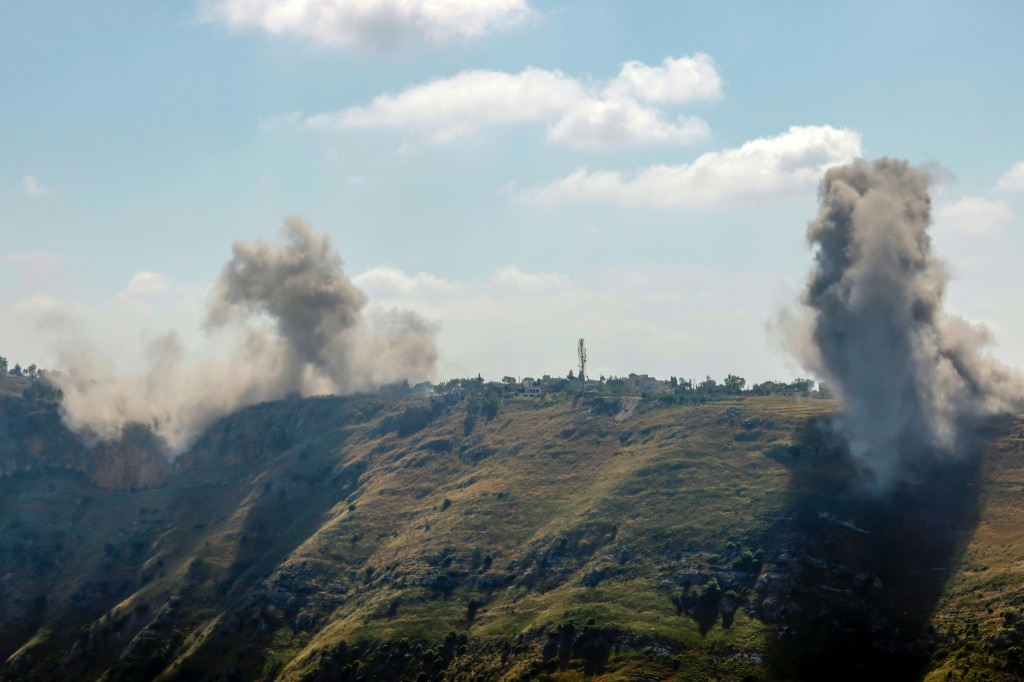
    This personal tragedy reflects a broader crisis across the West Bank where Palestinian communities face falling debris from Israel’s interceptions of Iranian missiles. According to Palestinian police spokesman Luay Irziqat, 198 incidents of falling rocket debris were recorded by March 21, resulting in five fatalities and nine injuries since the US-Israeli campaign against Iran began in late February. Property damage has been documented in at least 27 cases.

    The defensive measures, primarily protecting Israeli settlements and cities, leave Palestinian towns vulnerable to raining shrapnel. Unlike Israeli communities equipped with sirens and Iron Dome protections, West Bank residents receive no warnings and have no access to shelters.

    Settlement expert Jamal Juma asserts this disparity reflects systematic neglect: “Israel has a clear strategic plan based on racism inherent in the Zionist project. They don’t care what happens to Palestinians as a result of rocket fire.”

    The Palestinian Civil Defence has advised residents to limit movement and avoid gatherings, while educational institutions have shifted to remote learning. However, many Palestinians accuse authorities of inadequate protection and support.

    Shadi Muqbel, a resident north of Ramallah, described how missile fragments destroyed his home on March 4, nearly killing his parents. “I’ve already spent 40,000 shekels to repair damage,” he said. “Where are the authorities? Next time, we could be killed by shrapnel, and no one would care.”

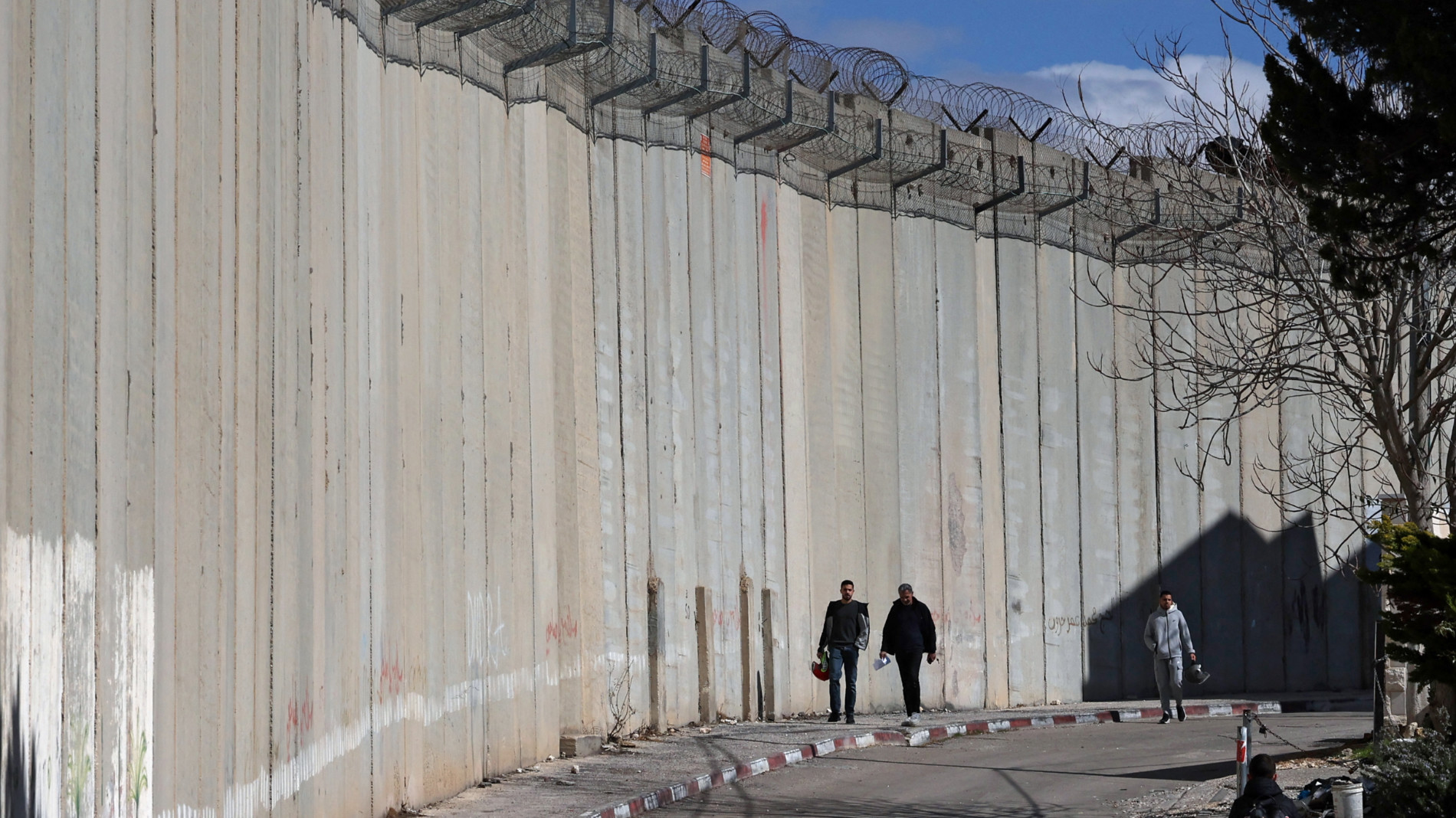
    Complicating emergency response, approximately 1,000 Israeli military checkpoints and iron gates across the West Bank impede ambulance and rescue access. Dalia Nimri, a mother from Rawabi, opposes returning to in-person classes: “We are living in a state of war and facing everything alone, without any protection.”

    As the conflict continues, Palestinians navigate a landscape of invisible threats where safety remains elusive and protection nonexistent, their lives collateral damage in a broader regional confrontation.

  • Conflict in eastern Congo is escalating with use of heavy weapons and drones, UN warns

    Conflict in eastern Congo is escalating with use of heavy weapons and drones, UN warns

    UNITED NATIONS — The United Nations’ acting special envoy for Congo delivered an urgent warning to the Security Council on Thursday regarding the rapidly deteriorating security situation in mineral-rich eastern Congo. Vivian van de Perre reported that the conflict is intensifying and expanding geographically despite previous international pressure that forced Rwanda-backed M23 rebels to withdraw from Uvira in January.

    The UN official highlighted two particularly concerning developments: the conflict’s expansion from North and South Kivu provinces into Tshopo province, and the increasing use of heavy weapons and offensive drones in urban areas that endanger civilian populations and critical infrastructure. Van de Perre, who leads the nearly 9,000-strong UN peacekeeping mission MONUSCO, expressed specific concern about recent incidents affecting Bangoka Airport in Kisangani and areas within Goma town.

    Eastern Congo has endured decades of instability as government forces combat over 100 armed groups, with M23 being the most potent faction. The rebels made significant territorial gains early last year, capturing Goma and other key cities while expanding their control over mineral-rich areas. Van de Perre noted that M23 is now establishing parallel administrative structures in territories under its control, further undermining state authority and complicating humanitarian operations.

    The situation in Ituri province remains alarming according to the envoy, with one rebel group linked to numerous casualties while another has been systematically attacking mining sites. The conflict’s expansion toward Burundi’s border raises the risk of regional conflagration, van de Perre warned.

    Recent diplomatic efforts saw officials from Congo, Rwanda, and the United States meeting in Washington last week to coordinate de-escalation steps. Following her Security Council briefing, van de Perre emphasized to reporters that the “extremely volatile” situation requires implementation of all signed agreements, beginning with an immediate ceasefire followed by reopening airports and restoring freedom of movement for peacekeepers.

    Massad Boulos, senior adviser to President Trump on African and Arab affairs who chaired the council meeting, stated that MONUSCO remains “indispensable to the success of the peace process” and that resolving the eastern Congo conflict represents “a matter of highest priority” for the Trump administration.

  • Cubans face darkest hour as US blockade strangles island

    Cubans face darkest hour as US blockade strangles island

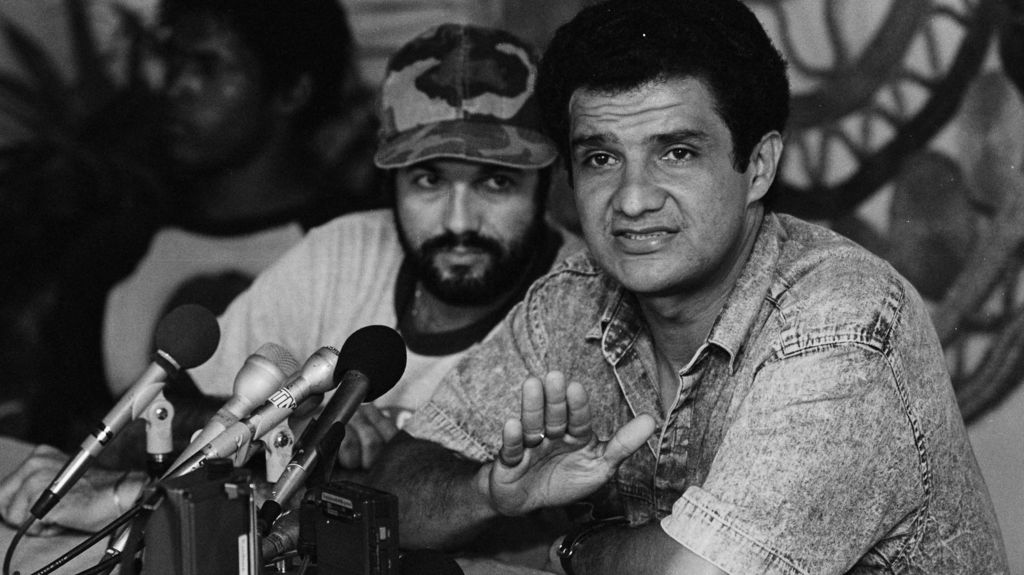
    A sudden power outage plunged a Havana press conference into darkness as Irish rap group Kneecap addressed international aid delegates, creating a starkly symbolic moment that encapsulated Cuba’s escalating crisis. The blackout on March 21, 2026—the third nationwide grid collapse that month—occurred just as the Nuestra America Convoy delivered over 35 tonnes of essential supplies to the island nation struggling under intensified US sanctions.

    The electricity failure exposed the brutal reality of Cuba’s energy shortage, immediately halting transportation, refrigeration, and communications systems. As night fell, Havana became almost entirely dark except for a handful of hotels powered by generators—a visible manifestation of the inequality created by US policies that restrict fuel to state systems while permitting supplies to private entities.

    President Donald Trump’s administration has dramatically tightened the six-decade economic blockade against Cuba, including comprehensive restrictions on oil, finance, and imports. In January 2026, Trump signed an executive order declaring Cuba “an unusual and extraordinary threat” to the United States, while publicly boasting about his ability to “take” the Caribbean nation. These measures have crippled Cuba’s economy and vital public services, with the infant mortality rate more than doubling since the end of the Obama-era détente.

    The humanitarian impact is most acute in healthcare facilities like Havana’s Covadonga hospital (renamed after Salvador Allende), where doctors struggle to maintain services with rationed generators and scarce medical supplies. Hospital director Dr. Milene Vazquez emotionally welcomed the arrival of antibiotics, chronic disease treatments, and other urgently needed medications from the international aid mission.

    Cuban President Miguel Díaz-Canel framed the situation as part of broader global tensions, linking Cuba’s plight to conflicts in the Middle East and describing the struggle as “war and hegemony trying to crush peace and multilateralism.” Meanwhile, Cuban Americans like Danny Valdes of Cuban Americans for Cuba are challenging the narrative that all exiles support the blockade, emphasizing that “solidarity across the Florida Straits is stronger than the politics of blockade.”

    As darkness enveloped Havana, the blackout served as a powerful reminder that resilience in Cuba now means organizing life around unpredictable outages, preserving food during brief power resurgences, and maintaining healthcare amid constant strain—all while facing what many Cubans fear might be impending regime change operations from the United States.

  • Israel extends Al-Aqsa Mosque closure until mid-April

    Israel extends Al-Aqsa Mosque closure until mid-April

    Israeli authorities have prolonged the shutdown of Jerusalem’s Al-Aqsa Mosque, one of Islam’s most sacred sites, until at least April 15th, according to exclusive information obtained by Middle East Eye. This extension marks nearly a month of continuous closure, an unprecedented duration since Israel’s occupation of East Jerusalem in 1967.

    Official communications on Wednesday confirmed that Israeli officials notified the Jordanian-appointed Jerusalem Islamic Waqf, the administrative body overseeing the mosque, about the decision. The timeline beyond mid-April remains uncertain, with no guarantees of reopening. Israeli justification cites public safety concerns stemming from its military engagement with Iran that commenced on February 28th.

    Palestinian authorities and local worshippers strongly contest these claims, alleging that security pretexts mask a strategic effort to solidify Israeli control over the holy compound. This perspective gains traction amid ongoing initiatives to expand Jewish presence at the site while simultaneously restricting Palestinian access.

    The situation presents stark contrasts: while Jerusalem’s Old City remains under near-total lockdown, daily life in other parts of the city continues normally, including large gatherings and religious events. Critics highlight additional concerns regarding Palestinian safety, noting both the absence of adequate air raid shelters and the irony that Al-Aqsa itself contains underground facilities capable of sheltering hundreds during emergencies.

    International condemnation has been swift and widespread. The Palestinian Authority, multiple Muslim nations including Egypt, Jordan, Turkey, Saudi Arabia, Qatar, UAE, Indonesia, and Pakistan, alongside prominent religious leaders, have denounced the closure. Ekrima Sabri, former Grand Mufti of Jerusalem, condemned the measures as ‘unjustified’ and ‘illegal,’ asserting they violate worship freedoms and undermine the Waqf’s administrative authority.

    The Jerusalem Governorate characterized the closure as an ‘unprecedented escalation’ and accused Israel of implementing ‘dangerous Judaisation measures.’ These actions, they argue, constitute severe breaches of international humanitarian law and disrupt the established status quo governing holy sites. Israel’s control over East Jerusalem remains internationally contested, with many legal experts considering it a violation of international law prohibiting permanent changes in occupied territories.

  • What to know as Africans welcome UN vote on slavery reparations but questions remain

    What to know as Africans welcome UN vote on slavery reparations but questions remain

    In a landmark decision with profound historical implications, the United Nations General Assembly has formally designated the transatlantic trafficking of enslaved Africans as “the gravest crime against humanity.” The Wednesday resolution, which garnered overwhelming support with 123 member states voting in favor, has ignited both celebration across Africa and intense global debate regarding the practical implementation of reparations.

    The resolution, championed by Ghana, extends beyond symbolic recognition by urgently calling for “the prompt and unhindered restitution” of cultural artifacts—including artworks, monuments, and national archives—to their African countries of origin without financial charge. Ghana’s Foreign Affairs Minister Samuel Okudzeto Ablakwa characterized the declaration as a crucial advancement in “collective moral awareness” that deepens historical understanding without diminishing other tragedies.

    Despite its non-binding legal status, the resolution represents a significant reflection of evolving global consensus. The African Union immediately endorsed the decision as “an important step toward truth, justice and healing.” However, the voting pattern revealed substantial international divisions: Argentina, Israel, and the United States cast opposing votes, while 52 nations including the United Kingdom and all 27 European Union members abstained.

    The U.S. delegation, through Deputy Ambassador Dan Negrea, acknowledged the historical wrongs of slavery but rejected the notion of legal reparations for “historical wrongs that were not illegal under international law at the time they occurred.” France similarly expressed concerns that the resolution establishes “a hierarchy among crimes against humanity,” potentially creating problematic legal precedents.

    Across Africa and among diaspora communities, the resolution has been met with emotional approval. Erieka Bennett, founder of the Ghana-based Diaspora African Forum, described it as “an answer to the prayers of our kidnapped, oppressed and murdered ancestors” that will energize efforts toward African liberation. Nadege Anelka, a Martinique native who obtained Beninese citizenship through a lineage-based law, viewed the resolution as “fantastic news” that validates personal journeys of reconnection.

    The complex question of reparations implementation remains contentious. While the 2023 Global Reparation Summit in Ghana established a framework for financial compensation, practical modalities remain undefined. Research indicates limited public support for direct payments—a 2021 Pew survey found only 30% of American adults supported reparations for slavery descendants.

    Experts emphasize that reparations advocacy typically extends beyond monetary compensation. According to Professor Olivette Otele of SOAS University of London, reparations advocates “hardly ever” seek only financial restitution but rather comprehensive addressing of interconnected social, political and economic legacies. As analyst Beverly Ochieng notes, Western governments remain unlikely to establish dedicated compensation funds, instead pointing to existing development initiatives in formerly colonized nations.