分类: world

  • At least 16 killed, thousands displaced by gang attack in rural Haiti

    At least 16 killed, thousands displaced by gang attack in rural Haiti

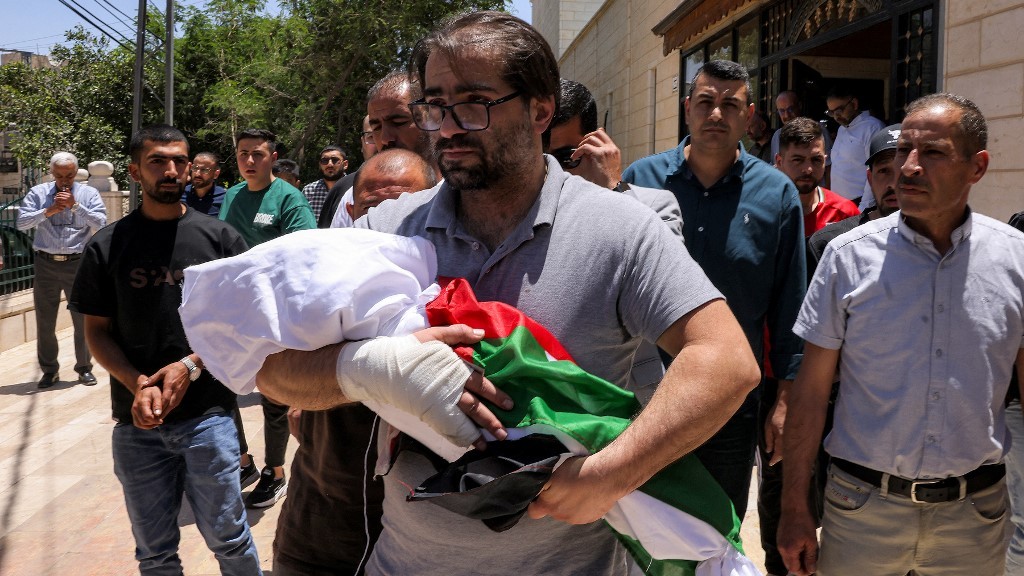
    Haiti’s escalating gang violence has intensified with a series of coordinated assaults in the rural Artibonite region, leaving communities devastated and raising critical questions about security forces’ effectiveness. According to official reports, at least 16 individuals lost their lives during weekend attacks, though local journalists and human rights organizations estimate the death toll could reach 70 victims.

    The Gran Grif gang, designated as a Foreign Terrorist Organization by the United States in May 2023, is believed responsible for the systematic violence that forced approximately 6,000 residents to flee their homes. Witnesses described horrifying scenes as armed assailants descended upon Jean-Denis near Petite-Rivière de l’Artibonite, setting dwellings ablaze and opening fire on civilians attempting to escape the inferno.

    Romain Le Cour Grandmaison, director of the Haiti Observatory at Global Initiative, revealed the attacks demonstrated sophisticated coordination with roadblocks preventing police intervention. Most alarmingly, the violence appears to have been led by a commander known as “Ti Kenken”—a former vigilante leader who switched allegiances to join the criminal organization he once opposed.

    This development exposes the dangerous fluidity between vigilante groups, criminal organizations, and law enforcement in Haiti’s security landscape. The ombudsman’s office confirmed at least 19 individuals sustained gunshot wounds, with many victims remaining unclaimed due to ongoing gang presence in the area.

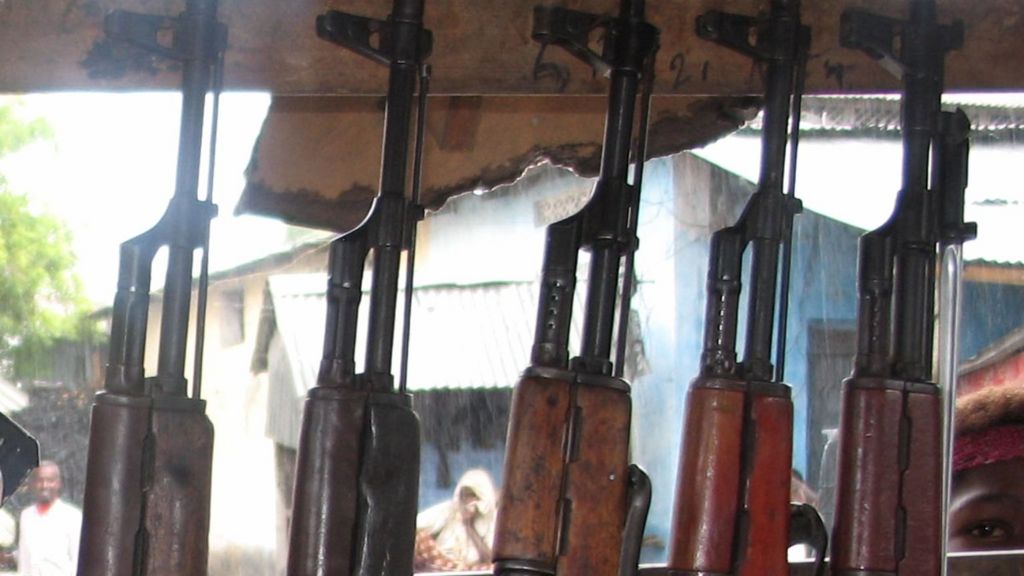
    The recent violence echoes October 2024’s Pont-Sondé massacre where Gran Grif killed over 100 residents, indicating an expanding pattern of rural terror campaigns. Despite the deployment of a multinational police force (MSS) in 2024, security forces have struggled against better-armed gang elements controlling significant territories.

    A new UN-backed Gang Suppression Force (GSF) is scheduled to replace the underfunded MSS with initial deployments expected in April, though experts warn that without addressing underlying governance issues and allegiances shifting within armed groups, sustainable security remains elusive.

  • More than 70 miners killed in South Sudan as government and opposition trade blame

    More than 70 miners killed in South Sudan as government and opposition trade blame

    A devastating attack on mine workers in South Sudan has resulted in at least 74 fatalities, with government and opposition forces exchanging blame for the weekend violence in the mineral-rich Jebel Iraq region southwest of Juba.

    The incident has triggered a wave of condemnation and mutual accusations between rival factions in the conflict-ridden nation. The Sudan People’s Liberation Movement in Opposition (SPLM-IO), representing suspended First-Vice President Riek Machar, issued a strong condemnation of what they described as ‘regrettable, barbaric and unacceptable’ killings, directly accusing government forces of responsibility.

    In response, Central Equatoria state acting governor Paulino Lukudu Obede expressed being ‘shocked and outraged’ by what he termed the ‘brutal and barbaric killing of innocent civilians by rebel forces,’ though he did not specify which rebel group he held responsible.

    The exchange of accusations intensified as Deputy Information Minister David Yau Yau, speaking on national broadcaster, counter-alleged that SPLM-IO fighters were behind the massacre. This created a complex web of claims and counter-claims without clear attribution of responsibility.

    Puok Both Baluang, spokesperson for Machar, challenged the government’s narrative by emphasizing that Jebel Iraq remains under exclusive control of national army forces, thereby implicating them in the killings. The national army has yet to respond to these specific allegations.

    The political context adds layers of complexity to the tragedy. Machar, the opposition leader, has been under house arrest in Juba since March last year and faces serious charges including murder, treason and crimes against humanity, all of which he denies.

    Vice-President James Wani Igga joined in condemning the attack, characterizing it as a ‘heinous massacre’ and highlighting the economic significance of the victims, whom he described as the ‘backbone of our local economy.’ He pledged government action to prevent further violence against civilians and called for a formal inquiry to determine the ‘identity and motives’ of the perpetrators.

    The massacre occurs against the backdrop of South Sudan’s lucrative mineral wealth, particularly gold deposits, which have attracted both legitimate mining operations and widespread illegal mining activities, especially in the Equatoria region where artisanal miners often operate without government approval.

    Baluang’s call for UN bodies to investigate the ‘Jebel Iraq massacre’ and ‘other war crimes’ throughout the country underscores the international dimension of the conflict and the ongoing humanitarian concerns in the world’s youngest nation, which continues to struggle with instability since gaining independence in 2011.

  • Trump tells aides he’s willing to end war with Iran even if Hormuz Strait remains closed: report

    Trump tells aides he’s willing to end war with Iran even if Hormuz Strait remains closed: report

    WASHINGTON — In a surprising shift in US policy framing around the ongoing US-Israeli conflict with Iran, former president and current White House incumbent Donald Trump has privately told his senior aides he is prepared to conclude the military campaign even if the Strait of Hormuz, the world’s most critical chokepoint for global energy trade, remains mostly closed to commercial shipping, multiple senior Trump administration sources told The Wall Street Journal in a report published Monday evening.

    The report, which carried a publication date aligned with the March 31, 2026 update of the original Xinhua News Agency item, outlines that Trump and his inner circle recently completed a strategic assessment of military options. That evaluation found that a large-scale dedicated military mission to fully reopen the strategic waterway would extend the duration of the conflict well beyond the four-to-six week timeline Trump has publicly and privately committed to for the campaign. The need to stick to that truncated timeline has overridden the longstanding US policy priority of keeping Hormuz open to all commercial traffic, according to the sources cited by the Journal.

    The Strait of Hormuz, which sits between the Persian Gulf and the Gulf of Oman, carries roughly one-fifth of the world’s daily crude oil and natural gas shipments, making its continued operation a core pillar of global energy market stability. A prolonged partial closure would likely put sustained upward pressure on global energy prices, raising inflationary pressures across major economies worldwide. This new reported position from Trump marks a notable departure from decades of US foreign policy that has treated unimpeded access to the strait as a non-negotiable national security interest.

  • Experts hail China’s role in Asian energy security

    Experts hail China’s role in Asian energy security

    At the 2026 Boao Forum for Asia Annual Conference held in Hainan last week, regional and international experts united in highlighting China’s decades-long investments in renewable energy development as a game-changing asset to buffer Asian economies against growing global energy volatility, triggered by recent U.S.-Israeli strikes on Iran that have disrupted critical Middle Eastern supply routes.

    The conflict has effectively closed the Strait of Hormuz, a chokepoint that underpins a large share of Asia’s energy imports. According to 2025 data from the International Energy Agency, nearly 90 percent of all liquefied natural gas (LNG) exported through the strait was destined for Asian markets, accounting for more than a quarter of the continent’s total annual LNG imports. This sudden disruption has laid bare Asia’s longstanding structural vulnerability: decades of reliance on fossil fuel imports from the Middle East have left most regional nations exposed to sudden price swings and supply cutoffs driven by geopolitical conflict.

    Mohd Faiz Abdullah, executive chairman of Malaysia’s Institute of Strategic and International Studies, framed the current energy turmoil not as a standalone crisis, but as a symptom of broader systemic instability in the global economy. He noted that China’s advanced research and development in alternative energy positions it uniquely to lead a regional transition away from fossil fuel dependence. “This is where China can come in… to further advocate for the implementation of alternative energy resources,” Faiz explained, adding that China can set a critical example for other nations looking to reorient their national energy strategies.

    Li Xing, a Yunshan Leading Scholar at the Guangdong Institute for International Strategies and adjunct professor at Denmark’s Aalborg University, echoed this assessment, emphasizing that the ongoing crisis has created unexpected new opportunities to deepen energy collaboration across Asia. China made a strategic pivot to renewable energy more than a decade ago, Li pointed out, leaving it far less vulnerable to Middle Eastern supply shocks than most other regional economies. He cited the country’s 15 consecutive years of global leadership in installed wind power capacity as a clear demonstration of this successful transition. “Asian countries should step up their cooperation with China to address infrastructure challenges in renewable energy,” Li said. “In this way, they will not need to rely so heavily on oil imports from the Middle East.”

    Building regional energy resilience through the transition away from volatile fossil fuels emerged as a central topic of discussion across forum panels. Armida Salsiah Alisjahbana, executive secretary of the United Nations Economic and Social Commission for Asia and the Pacific (UNESCAP), framed the current crisis as a catalyst for long-term systemic change. She noted that the turmoil creates a urgent opening to build more resilient regional energy systems and reduce exposure to wild swings in global fossil fuel prices.

    Alisjahbana highlighted China’s outsized capacity to support this transition, from creating new market opportunities and connecting regional business ecosystems to driving inclusive economic growth and job creation through the expansion of clean energy infrastructure. Still, she cautioned that meaningful regional progress requires addressing disparities in development across Asian nations, particularly for smaller, lower-income economies that face greater barriers to scaling renewable energy. Ensuring that energy diversification and regional cooperation help narrow these development gaps, she said, must be a core priority.

    Gao Haichun, co-chair of Jiangsu-based global renewable energy firm Trina Solar Co, added that China has already demonstrated that a large-scale transition to renewable energy is achievable. Today, she noted, 100 percent of China’s annual new electricity demand is met by renewable energy sources, setting a clear benchmark for other Asian nations to follow. Echoing the traditional Chinese proverb that “it is better to teach a person to fish than to give them a fish,” Gao framed renewable energy cooperation as a sustainable model for long-term energy independence. Renewable energy infrastructure such as solar power stations can operate for more than 30 years, she explained, enabling energy self-sufficiency not just for entire countries, but for individual cities, industrial parks, and even households. “If we want to develop renewable energy, especially for Asia, we must form closer cooperation,” Gao emphasized.

  • Czech police arrest a man who claimed responsibility for attack on a Russian center in Prague

    Czech police arrest a man who claimed responsibility for attack on a Russian center in Prague

    PRAGUE — Czech law enforcement authorities have apprehended a foreign citizen who voluntarily surrendered and confessed to orchestrating a Molotov cocktail assault against the Russian House cultural center in Prague. The suspect, whose identity and nationality remain undisclosed by police, turned himself in on Monday.

    According to official statements, the individual admitted to planning the attack since summer 2023. The incident occurred last Thursday evening when multiple incendiary devices were launched at the Russian-state-funded facility. While photographic evidence shows significant window damage and smoke residue on the building’s exterior, the structure avoided catching fire.

    Igor Girenko, director of the cultural center, provided details to Russian state media, indicating that six Molotov cocktails were deployed during the attack, with three failing to detonate. The center, which organizes cultural, educational, and scientific programs while offering Russian language courses, does not hold diplomatic status despite its Russian government funding.

    The incident has triggered diplomatic responses from both nations. Russian Foreign Ministry spokeswoman Maria Zakharova characterized the assault as “barbaric,” while Russia’s embassy in Prague formally requested enhanced security measures for Russian institutions and personnel within the Czech Republic. The Czech Foreign Ministry has simultaneously issued condemnation of the violent act.

    Investigation into the motives and precise circumstances surrounding the attack continues as authorities process evidence and evaluate potential security implications.

  • ‘Felt close to death’: Indian seafarers detained in Iran return home

    ‘Felt close to death’: Indian seafarers detained in Iran return home

    Eight Indian seafarers have finally returned home following a perilous evacuation from Iran, where they were detained for months under allegations of fuel smuggling. Their ordeal highlights the complex intersection of geopolitical tensions and human resilience in conflict zones.

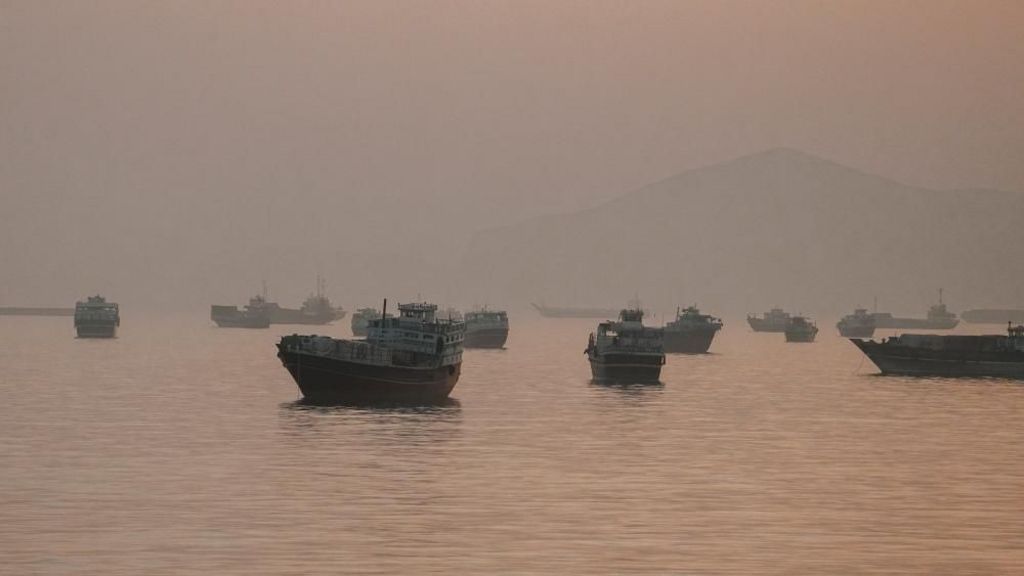
    The sailors were part of an 18-member multinational crew aboard MT Valiant Roar, a vessel operated by Dubai-based Prime Tankers LLC. Iranian authorities seized the ship on December 8th in international waters, claiming it was involved in illicit fuel transportation—an accusation the operating company vehemently denied.

    While eight Indian crew members managed to return home on February 10th, the remaining eight faced extended detention amid escalating Middle East conflicts. Their release orders came on February 27th, coinciding with the onset of military strikes between the US, Israel, and Iran. This timing triggered regional security disruptions that trapped the sailors in Bandar Abbas port, dangerously close to Iranian naval facilities.

    Captain Vijay Kumar described the terror of witnessing missile attacks: ‘We could only watch helplessly as missiles fell around us through the night.’ The situation worsened as Iranian authorities had removed crucial navigation equipment during the seizure, preventing the vessel from relocating to safer waters.

    On March 3rd, the Indian embassy in Tehran executed a daring evacuation, transporting the crew to a hotel in the capital. However, safety concerns persisted as crew members reported buildings shaking from nearby explosions. Chief engineer Anil Kumar Singh revealed, ‘Every moment felt close to death.’

    Their escape route involved a hazardous overland journey to Armenia through active conflict zones, followed by flights via Dubai to Mumbai. The multinational nature of the operation saw coordinated efforts from Indian, Sri Lankan, and Bangladeshi diplomatic missions.

    Personal stories emerged from the trauma, including crew member Masood Alam’s postponed wedding following Eid celebrations. The sailors also raised concerns about unpaid wages and uncertain employment futures with Prime Tankers LLC, whose owner remained unresponsive to inquiries.

    The incident underscores the vulnerabilities of international maritime workers caught in geopolitical crossfires and the critical role of diplomatic intervention in resolving transnational crises.

  • Suriname’s former president Santokhi dies – media

    Suriname’s former president Santokhi dies – media

    The Republic of Suriname has entered a period of national mourning following the announcement of former President Chandrikapersad Santokhi’s passing at age 67. The South American nation’s government confirmed the news through an official statement published on its website this Monday.

    Santokhi, who previously led the country as president, leaves behind a complex political legacy that spanned decades of public service. His tenure coincided with significant economic and social developments within the former Dutch colony, which maintains a unique cultural blend of Caribbean and South American influences.

    The circumstances surrounding his death have not been immediately disclosed, though the government’s formal announcement suggests a peaceful passing. The news has triggered an outpouring of condolences from across the political spectrum, with current government officials praising his dedication to national development.

    Santokhi’s political career was notable for its focus on judicial reform and economic stabilization during challenging periods in Suriname’s history. His administration navigated complex international relationships while addressing domestic concerns about sustainable development in the resource-rich nation.

    The former president’s passing marks the end of an era in Surinamese politics, coming at a time when the country continues to forge its path as one of South America’s smallest but most culturally diverse nations. Memorial arrangements are expected to be announced in the coming days as the country prepares to honor his contributions to public life.

  • Leaders welcome landmark UN slavery resolution

    Leaders welcome landmark UN slavery resolution

    A groundbreaking United Nations General Assembly resolution that formally classifies the trans-Atlantic trafficking of enslaved Africans and the racialized chattel enslavement of African people as the gravest crime against humanity has garnered widespread acclaim from leaders across Africa and the globe.

    Championed by Ghanaian President John Dramani Mahama, the resolution was approved during a recent General Assembly vote, securing 123 votes in favor, 52 abstentions, and only three opposing votes from Argentina, Israel, and the United States. The landmark initiative seeks to secure formal international recognition of the systemic historical injustice suffered by millions of enslaved Africans, advance collective healing, and open constructive global dialogue around reparations for descendants of enslaved people. It reaffirms the urgent necessity of confronting historical harms that continue to impact African communities and people of African descent globally, and frames reparations as a tangible, actionable step toward redressing these centuries-old wrongs.

    Mahmoud Ali Youssouf, chairperson of the African Union Commission, praised the resolution’s passage and commended Mahama’s leadership in advancing the effort. He emphasized that the outcome reflects Africa’s decades-long, principled demand for full global acknowledgment of the trans-Atlantic slave trade and its persisting, intergenerational impacts. “This historic decision marks an important step toward truth, justice and healing, and reinforces the urgent need to address the enduring legacy of slavery,” Youssouf stated.

    Youssouf reaffirmed the African Union’s longstanding call for full recognition of both the historical and ongoing ramifications of slavery, including the pursuit of reparative justice, aligned with the AU’s Agenda 2063 and existing UN General Assembly frameworks. He added that the AU remains committed to partnering with the UN, its member states, and global stakeholders to advance historical accountability and ensure the atrocities of slavery are never forgotten, nor allowed to be repeated.

    Speaking after the vote, President Mahama expressed profound joy at the resolution’s adoption, noting that the multi-year journey from proposal to final approval was only possible through global solidarity among people committed to justice. “I cannot think of a better way to honor our forebears on the day of remembrance than to have the majority of the world’s countries affirm that the trafficking and enslavement of nearly 13 million human beings is, indeed, the gravest crime against humanity,” Mahama shared in a post on the social platform X, ahead of laying a wreath honoring victims of the trans-Atlantic slave trade at New York’s African Burial Ground National Monument on March 24.

    Ghanaian Foreign Minister Samuel Okudzeto Ablakwa framed the resolution’s passage as a meaningful, historic turning point for the global movement for racial justice. “With the adoption of this resolution, we have not simply passed a text. We have affirmed a truth, we have chosen remembrance over silence, dignity over erasure, and shared humanity over division,” he said.

    Ablakwa called the outcome a resounding victory for justice, marking the first time that the full humanity and dignity of enslaved Africans and their descendants has been formally affirmed at this scale by the international community. He extended gratitude to all UN member states that backed the measure, while also acknowledging the divergent positions taken by delegations that did not support it.

    He emphasized that the resolution’s adoption is not the final milestone in the global push for reparatory justice, but rather a critical starting point for sustained global dialogue. “We urge every member state to consider carefully the actions it must take to ensure inclusive and good faith dialogue on reparatory justice,” Ablakwa added.

    Crucially, Ablakwa clarified that the resolution is not aimed at assigning intergenerational blame to nations or communities, nor does it seek to reopen old divisions. Instead, its core goal is to create space for open truth-telling, public education, and a more honest global conversation that allows all nations to move forward together with greater mutual understanding. The resolution also acknowledges the nuance of global history while recognizing the unique, unparalleled horror of the trans-Atlantic slave trade.

    The Caribbean Community (CARICOM), a bloc of Caribbean nations that has long advocated for reparations for the legacy of slavery, also issued a statement welcoming the resolution. CARICOM noted that it has consistently pushed the international community to take decisive action to redress the harmful ongoing legacies of African chattel enslavement and trans-Atlantic trafficking, and pledged to continue collaborative work with global partners to fully implement the resolution’s provisions.

  • Massive US-Israeli strikes hit Iran after Trump threat

    Massive US-Israeli strikes hit Iran after Trump threat

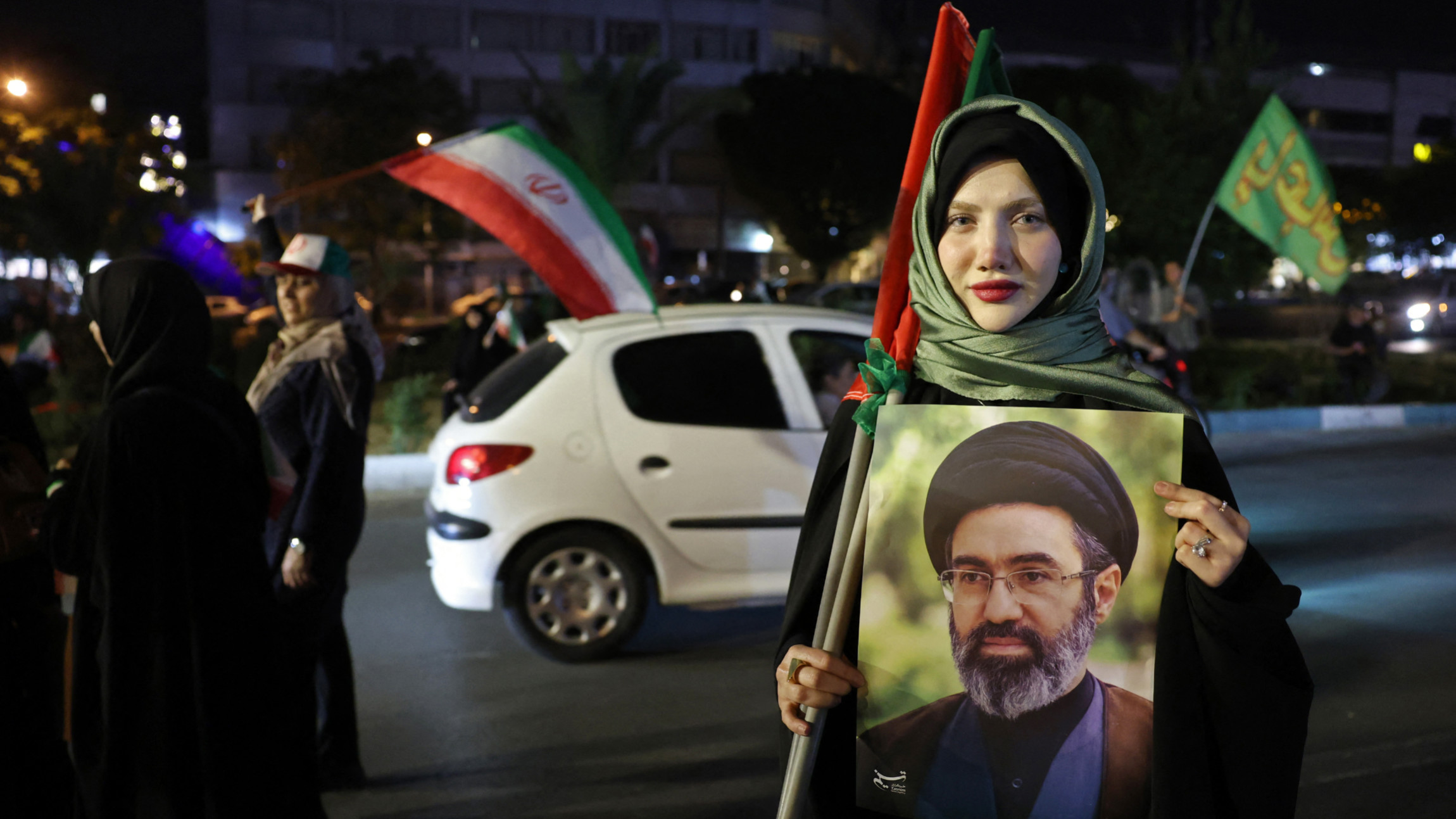
    A significant military escalation has unfolded across the Middle East as coordinated U.S. and Israeli strikes targeted critical infrastructure within Iran. The offensive, which hit military facilities in central Iran and damaged a major religious site in Zanjan, follows President Donald Trump’s explicit threat to decimate Iran’s oil and energy plants if it refuses to capitulate to military pressure and accept a proposed deal.

    Verified video footage captured substantial explosions and towering plumes of smoke in Isfahan, while state media confirmed damage to the Grand Husseiniya, a prominent Shia religious center. Subsequent explosions and widespread power outages were reported in Tehran, where residents described an atmosphere of tense normalcy amidst heightened security. Fatemeh, a 27-year-old dental assistant, encapsulated the public sentiment, stating, ‘When I make it to a cafe table… I can almost believe the world hasn’t ended. And then I go back home, back to the reality of living through war.’

    The conflict’s ripple effects are being felt across the region and global markets. Explosions were reported in Dubai and near Erbil airport in northern Iraq, while air defense systems were activated in Jerusalem and Riyadh. Kuwait’s state oil company reported a ‘direct and malicious’ Iranian attack that set one of its giant crude oil tankers ablaze in Dubair Port. These developments have placed global markets on edge, with particular attention focused on the Strait of Hormuz—a critical maritime channel that Iran has effectively restricted to vessels it doesn’t deem from ‘hostile countries.’

    World oil prices have experienced significant volatility, surging overall since the conflict’s initiation over a month ago with strikes that killed Supreme Leader Ayatollah Ali Khamenei, but fluctuating with each of Trump’s promises of a rapid conclusion. Christopher Dembik of Pictet Asset Management noted, ‘The fog of war continues,’ reflecting market uncertainty.

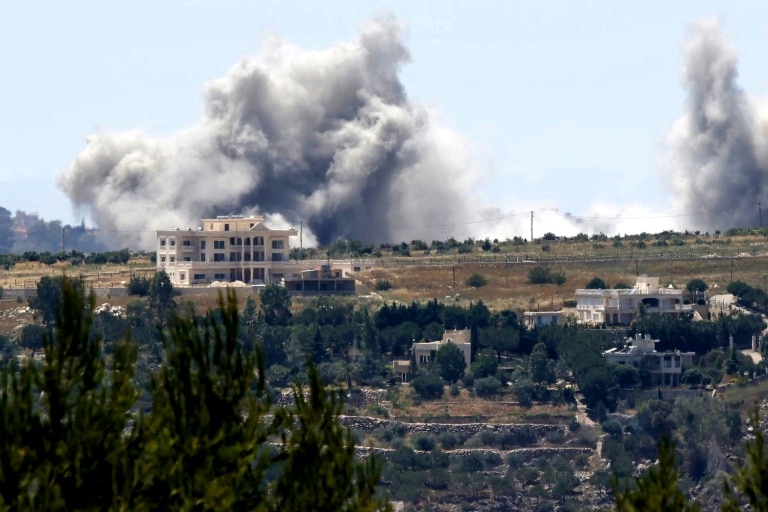
    Israeli Prime Minister Benjamin Netanyahu, Trump’s partner in the offensive, claimed that more than half of the operation’s military objectives had been achieved, though neither leader has provided a specific timeline for the conflict’s conclusion. The war has expanded to southern Lebanon, where Israel reported four additional soldier casualties in combat against Iranian-backed Hezbollah.

    Diplomatic efforts are simultaneously underway, with Pakistan acting as an intermediary. Pakistani Foreign Minister Ishaq Dar was scheduled to travel to Beijing for talks with counterpart Wang Yi on ‘global issues of mutual interest,’ following a Sunday meeting in Islamabad that included foreign ministers from Saudi Arabia, Egypt, and Turkey. Dar stated Pakistan’s readiness to host U.S.-Iran talks in the ‘coming days,’ though Tehran has denied direct contact with Washington, acknowledging only intermediary communication requests.

  • Humpback whale stranded again as its odyssey off the Baltic Sea coast stretches on

    Humpback whale stranded again as its odyssey off the Baltic Sea coast stretches on

    A distressed humpback whale continues to battle for survival in Germany’s Baltic Sea waters, captivating national attention as rescue teams mount persistent efforts to guide the marine mammal back to its natural habitat. The 12-15 meter (39-49 feet) cetacean found itself stranded again Tuesday near Wismar Bay, mere hours after successfully escaping a previous grounding situation.

    The recurring strandings began when the whale first appeared in the region on March 3, with experts speculating it may have pursued herring shoals or become disoriented during migration. The most recent incident occurred when the animal diverted from a path toward open waters and entered a shallow inlet, despite escort efforts by police and Greenpeace vessels.

    Marine biologist Thilo Maack of Greenpeace emphasized the enormous challenge facing the whale: ‘Our objective remains guiding it from Wismar Bay through the Baltic and Danish waters into the North Sea, and ultimately to the Atlantic where it belongs. These animals require depths that simply don’t exist in the Baltic.’

    The whale’s deteriorating physical condition complicates rescue operations. Its skin has suffered damage from prolonged exposure to the Baltic’s low salinity, preventing researchers from attaching tracking devices. Despite visible exhaustion and health concerns, Environment Minister Till Backhaus reported that recent assessments indicate the animal ‘has potential’ for recovery.

    Rescue strategy currently focuses on providing calm conditions for the whale to regain strength, with occasional boat approaches to encourage movement toward deeper waters. The emotional saga has gripped German media and citizens, who await each development in the high-stakes effort to return the magnificent creature to its ocean home.