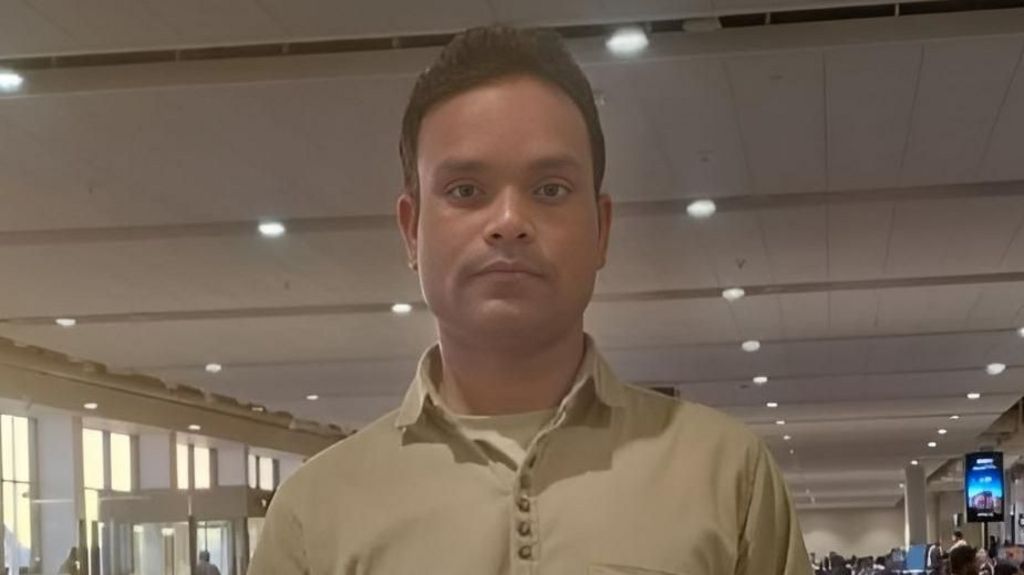
Eight Indian seafarers have finally returned home following a perilous evacuation from Iran, where they were detained for months under allegations of fuel smuggling. Their ordeal highlights the complex intersection of geopolitical tensions and human resilience in conflict zones.
The sailors were part of an 18-member multinational crew aboard MT Valiant Roar, a vessel operated by Dubai-based Prime Tankers LLC. Iranian authorities seized the ship on December 8th in international waters, claiming it was involved in illicit fuel transportation—an accusation the operating company vehemently denied.
While eight Indian crew members managed to return home on February 10th, the remaining eight faced extended detention amid escalating Middle East conflicts. Their release orders came on February 27th, coinciding with the onset of military strikes between the US, Israel, and Iran. This timing triggered regional security disruptions that trapped the sailors in Bandar Abbas port, dangerously close to Iranian naval facilities.
Captain Vijay Kumar described the terror of witnessing missile attacks: ‘We could only watch helplessly as missiles fell around us through the night.’ The situation worsened as Iranian authorities had removed crucial navigation equipment during the seizure, preventing the vessel from relocating to safer waters.
On March 3rd, the Indian embassy in Tehran executed a daring evacuation, transporting the crew to a hotel in the capital. However, safety concerns persisted as crew members reported buildings shaking from nearby explosions. Chief engineer Anil Kumar Singh revealed, ‘Every moment felt close to death.’
Their escape route involved a hazardous overland journey to Armenia through active conflict zones, followed by flights via Dubai to Mumbai. The multinational nature of the operation saw coordinated efforts from Indian, Sri Lankan, and Bangladeshi diplomatic missions.
Personal stories emerged from the trauma, including crew member Masood Alam’s postponed wedding following Eid celebrations. The sailors also raised concerns about unpaid wages and uncertain employment futures with Prime Tankers LLC, whose owner remained unresponsive to inquiries.
The incident underscores the vulnerabilities of international maritime workers caught in geopolitical crossfires and the critical role of diplomatic intervention in resolving transnational crises.