分类: sports

  • World Cup ref from Somalia who was denied entry to the US was about to make history for his country

    World Cup ref from Somalia who was denied entry to the US was about to make history for his country

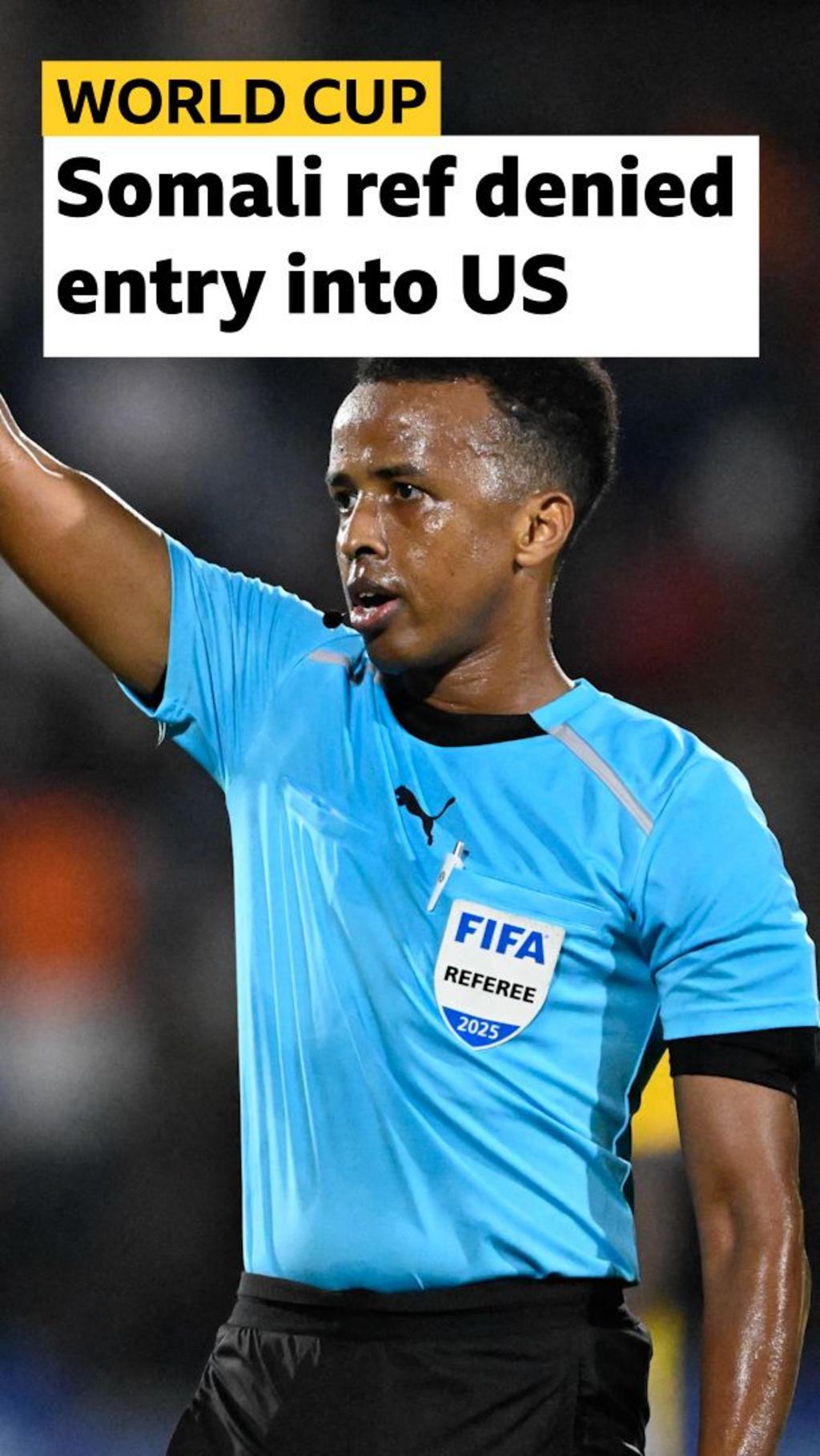
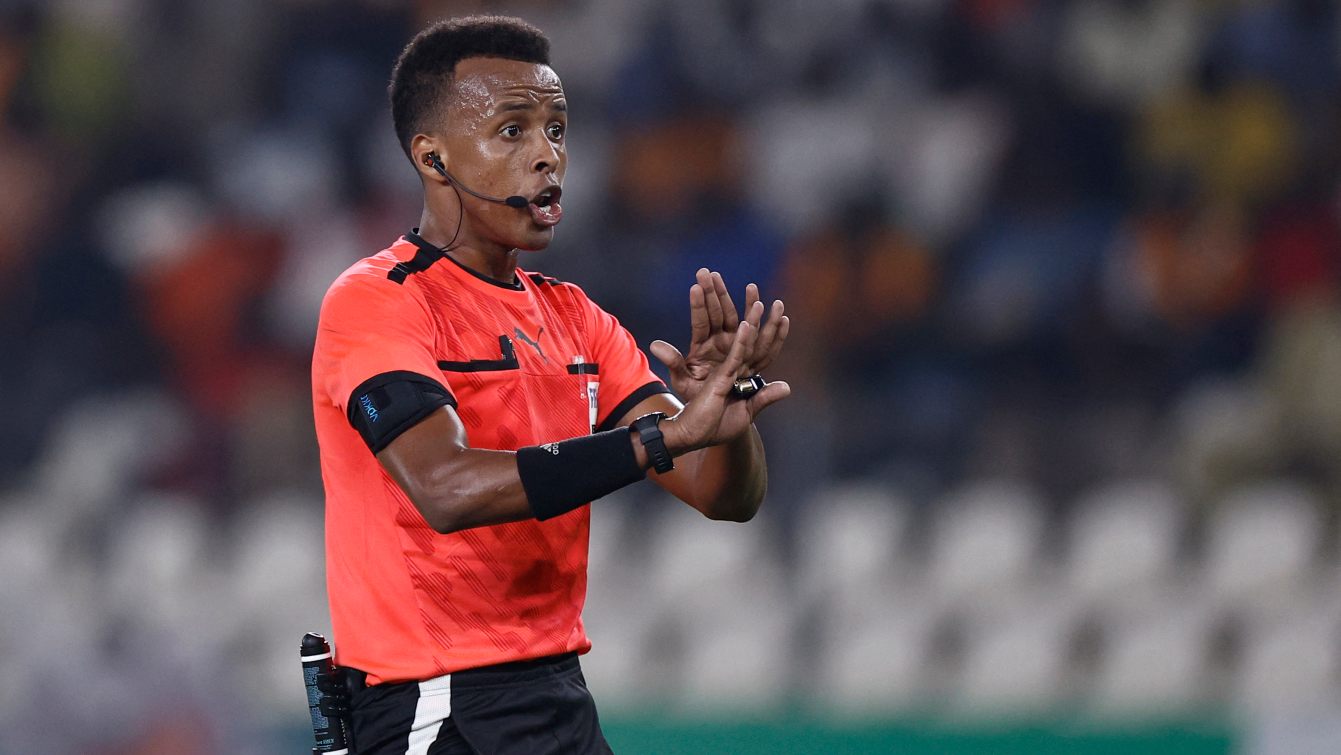
    As the 2026 FIFA World Cup co-hosted by the U.S., Mexico and Canada prepares to kick off this Thursday in the U.S., a historic breaking development has upended expectations for one of Africa’s top soccer officials. Omar Artan, the Somali referee set to become the first official from his conflict-affected East African nation to officiate at a men’s World Cup, has been denied entry to the United States at Miami International Airport and subsequently removed from the tournament’s official roster by FIFA.

    Artan’s path to the World Cup was a story of perseverance against extraordinary odds. Selected for FIFA’s final referee roster two months ago, he had already earned recognition as the African Football Confederation’s 2025 Best Male Referee, and just last month he handled the decisive second leg of the African Champions League final, the continent’s most high-profile club soccer fixture. In a recent interview with Al Jazeera, Artan opened up about the daily challenges he has navigated building his career in Somalia, where ongoing instability in the capital Mogadishu often forced him to change his route to referee training to avoid street explosions. Despite these barriers, he called the World Cup selection his life’s biggest goal, saying “You cannot give up as a referee.”

    Last week, Artan was issued a valid U.S. travel visa through the Somali Embassy in Kenya, which processes the country’s U.S. visa applications. But when he arrived in Miami Saturday to join the global cohort of World Cup referees for their pre-tournament training camp, U.S. Customs and Border Protection (CBP) detained him for additional screening, a step agency officials described as routine for verifying traveler admissibility. Following the inspection, CBP ruled Artan inadmissible to the U.S. citing unspecified “vetting concerns”, and did not elaborate on the nature of those concerns in its official statement. In an unusual detail, CBP did not name Artan in its statement, only referencing a Somali national who is a World Cup referee — a description that applies exclusively to Artan, the only Somali official selected for this year’s tournament.

    The incident follows a pattern of travel restrictions implemented by the Trump administration last year that targeted a list of mostly African nations, including Somalia, with heightened immigration screening and entry limits. Even before Artan’s denial, soccer stakeholders had raised concerns that players, fans and officials from these restricted countries could face entry barriers to the U.S.-hosted World Cup despite holding valid travel visas. As of Tuesday, Somalia’s Ministry of Sports and Youth said it had still not received a formal explanation for why Artan was turned away, and the country’s U.S. embassy has launched urgent diplomatic efforts to reverse the decision and clear Artan to take up his place at the tournament.

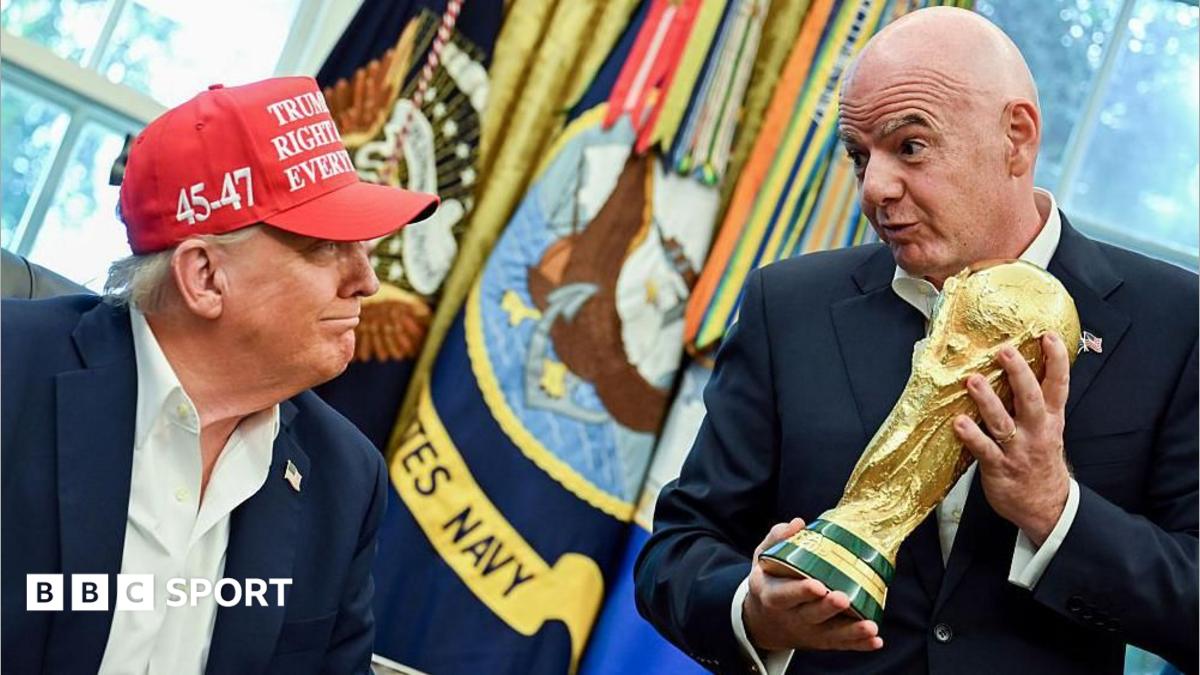
    In a public statement following the denial, FIFA confirmed it would remove Artan from the World Cup roster, noting that host national governments retain final authority over entry and visa decisions for event participants. The governing body added that it had been informed by U.S. authorities that Artan’s admissibility status would not be adjusted in time for the tournament, making it impossible for him to complete required pre-tournament training or officiate any matches. The decision comes amid longstanding close ties between FIFA leadership, including president Gianni Infantino, and the Trump administration, ties that Infantino and FIFA had publicly highlighted as a guarantee of smooth operations for the 2026 co-hosted tournament. Infantino has not issued any public comment on Artan’s case as of press time.

    In a statement released through FIFA, Artan struck a measured, optimistic tone despite the disappointment. “Despite the circumstances, I am in a positive mood and I am focused on the next challenges in my refereeing career,” he said. He thanked FIFA and the African Football Confederation for their support, extended well wishes to his fellow referees ahead of the tournament, and said he looked forward to competing in future global competitions.

  • Iran soccer body claims fans’ tickets for World Cup games in the US have been revoked

    Iran soccer body claims fans’ tickets for World Cup games in the US have been revoked

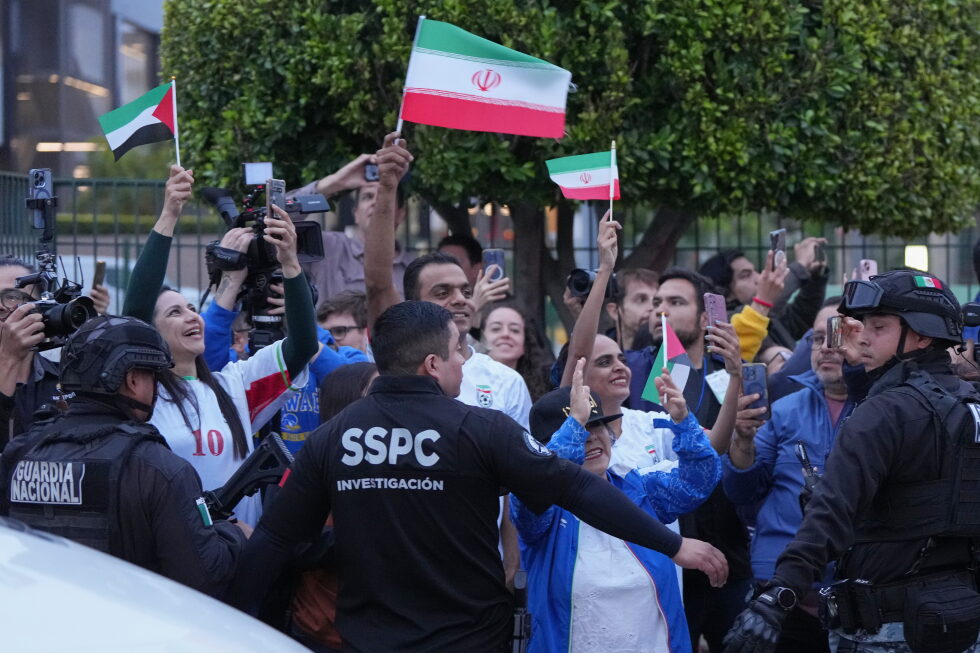
    Just three days before Iran kicks off its 2026 FIFA World Cup campaign against New Zealand at the 70,000-seat SoFi Stadium in Inglewood, California, the Iranian Football Federation announced Tuesday that FIFA has fully revoked its ticket allocation for all three of the team’s group stage matches held on U.S. soil. This development marks a new low in growing frictions between Iranian football authorities, global governing body FIFA, and tournament co-host the United States, tensions that have escalated steadily since U.S. military strikes against Iran in late February.

    Under standard FIFA tournament rules, each of the 48 participating national federations is allocated 8% of the total stadium capacity for every one of its matches, a quota that typically amounts to thousands of tickets per team. These allocations are customarily distributed by federations to their most loyal supporters, who follow the national team across both home and international fixtures. However, in a statement carried by Iran’s semi-official state media, the federation confirmed that it is now unable to release even a single ticket to Iranian supporters following the sudden cancellation of its quota.

    The Iranian federation directly pointed to political interference from the United States, noting that while FIFA holds formal authority over all World Cup ticketing operations, Washington has deliberately moved to block Iranian fans from accessing the host venues. “This incident raises serious questions about the influence of non-sporting and political considerations on the organization of the world’s biggest football event,” the federation said in its official statement. FIFA has not yet issued any public response to the claims, despite multiple requests for comment.

    The revoked ticketing quota is not the only complication Iran has faced in preparation for this tournament, the team’s seventh appearance at a men’s World Cup. Originally, the squad planned to hold pre-tournament training camps in Tucson, Arizona, but those arrangements were scrapped, and the team has instead relocated its base to the Mexican border city of Tijuana. Multiple senior federation officials have also been denied entry visas to the United States for the tournament. Iran is scheduled to face Belgium in Inglewood on June 21, followed by a final group stage match against Egypt in Seattle on June 26.

    U.S. travel restrictions have long complicated access for Iranians ahead of the tournament: Washington has enforced a full travel ban on Iranian citizens since last year, making entry visas for the World Cup all but impossible for fans based inside Iran. It remains unclear how many of the originally allocated tickets had already been sold to members of the Iranian diaspora, including those already residing in the United States, prior to the revocation.

    With the first match just days away, FIFA now faces a tight timeline to resell the roughly 5,600 tickets that had been reserved for the Iran-New Zealand opener. As of Tuesday, the official FIFA ticketing website still showed dozens of field-level seats available for the match, priced at $450 each, though no large blocks of tickets were listed as available.

    The revocation also stands in direct contradiction to public promises made by FIFA President Gianni Infantino back in 2017, when the United States, Canada and Mexico were campaigning for their successful joint hosting bid. At the time, Infantino explicitly stated that unimpeded access for fans and officials is a non-negotiable requirement for any World Cup. “It’s obvious when it comes to FIFA competitions as well (that) any team, including the supporters and the officials of that team, who would qualify for a World Cup need to have access to the country, otherwise there is no World Cup,” Infantino said nine years ago. “That is obvious.”

    Iran’s ticketing dispute is part of a broader pattern of access issues for global football stakeholders ahead of the 2026 tournament, fueled by restrictive U.S. immigration policies. Over the weekend, a FIFA-appointed match referee from Somalia was denied entry to the United States at Miami International Airport, and was subsequently removed from the tournament’s 104-referee roster earlier this week. An Iraqi player was detained for multiple hours upon arrival in Chicago, while a photographer traveling with the Iraqi delegation was barred from entering the country entirely.

    Piara Powar, executive director of the Fare Network, FIFA’s official anti-discrimination monitoring partner, issued a scathing rebuke of the ongoing disruptions Tuesday. “The disruption is such that one has to ask who is running the World Cup. Is it FIFA or is it the U.S. government with its racially charged immigration policies?” Powar said. “Before a ball has been kicked, the sense that this World Cup is anything but the celebration of global humanity a World Cup should be is beginning to take over.”

  • ‘I’ve been diagnosed with severe depression’: Storm stars share personal stories as the club launches historic mental health round

    ‘I’ve been diagnosed with severe depression’: Storm stars share personal stories as the club launches historic mental health round

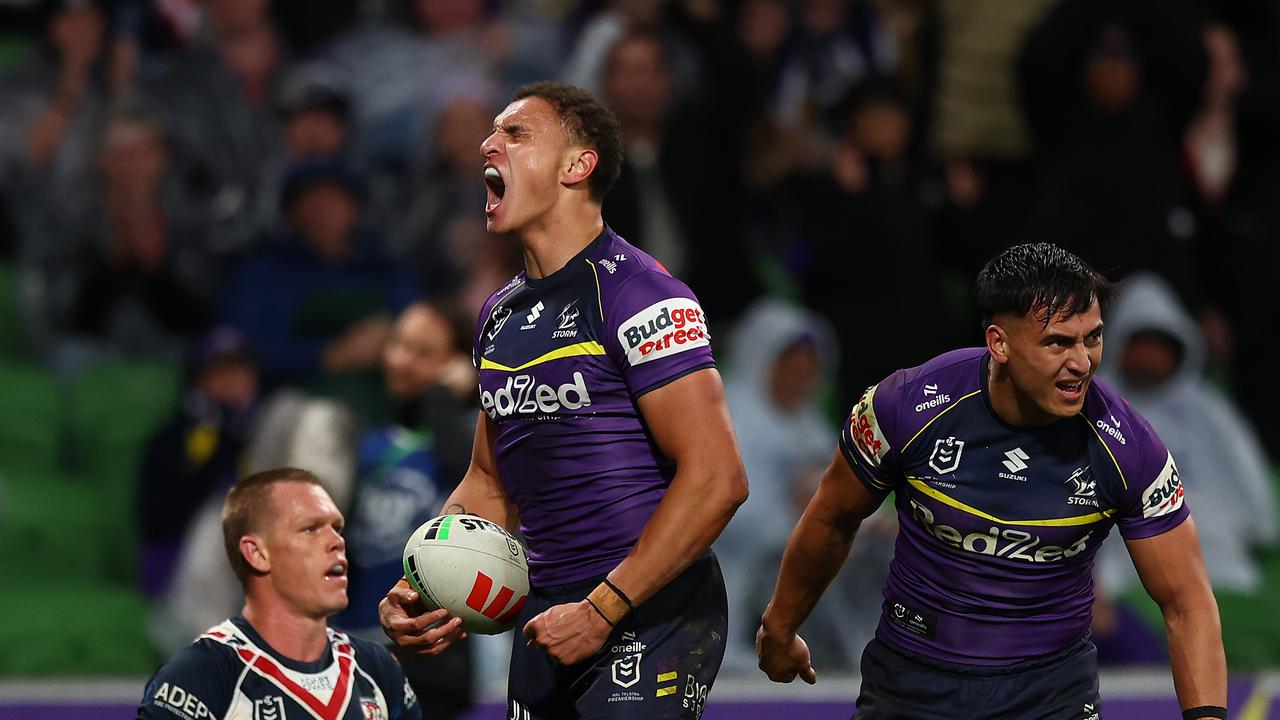
    One of Australia’s most storied and successful professional rugby league clubs is breaking new ground in athlete mental health advocacy, launching an unprecedented national initiative to confront the stigma that still prevents millions of Australians from seeking support for mental health challenges. Top National Rugby League (NRL) players from the Melbourne Storm have opened up about their own raw, deeply personal struggles with anxiety, depression, and public pressure to encourage people across the country to speak up about their battles rather than suffering in silence.

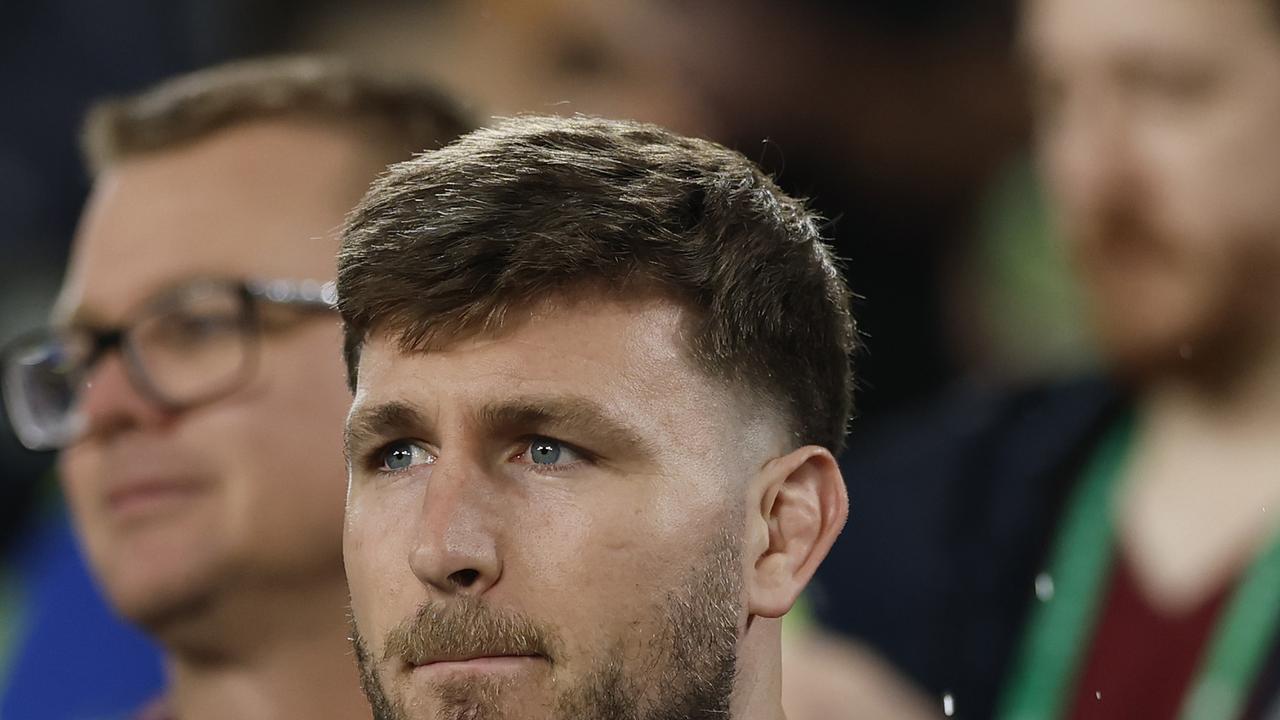
    For veteran prop Josh King, the relentless mental pressure of early career losses and constant public criticism left him brought to his lowest point. Young utility Alec MacDonald experienced unexplained severe stomach cramps during matches that were later traced to untreated performance anxiety, while winger Will Warbrick battled undiagnosed severe depression for a full year before he finally sought help. These are not isolated stories — they are just a sample of the quiet struggles that many elite athletes face off the field, which inspired the club to host its first ever Mental Health Round, branded “Tackle Tough Together”.

    Scheduled to take center stage on June 21 during the club’s Round 16 home match against the Canberra Raiders at Melbourne’s AAMI Park, the event marks the first initiative of its kind for rugby league in Victoria. The day will feature a public march of Storm legends to raise community awareness, free on-site mental health screenings for all attending fans, and fundraising efforts through the sale of commemorative pins, with 100% of proceeds going directly to leading Australian mental health organization Beyond Blue.

    Melbourne Storm Chief Executive Justin Rodski emphasized that the initiative aims to redefine what “toughness” actually means, both in sport and everyday life. “We know that in men’s sport, and for men broadly, the expectation is that you stay tough on the field,” Rodski explained. “But this round is about changing that narrative: real toughness isn’t hiding your pain. Real strength is checking in on your friends, and speaking up when you need help. We want men to feel safe to be vulnerable about the hard times they’re going through, to share what they’re feeling and work through it together.”

    For King, who joined the Storm in 2022 after a brutal start to his career with the Newcastle Knights, the message comes from years of personal experience. The 31-year-old front-rower lost 20 of his first 21 professional matches, collected two consecutive wooden spoons (for the league’s worst performing team), and faced constant public criticism that left him questioning whether he even wanted to continue playing professional footy. “The mental side of the game really had me on my knees for a while there,” King said. “At some point, everyone goes through a stretch where they’re struggling mentally, stuck in a dark place. For me that was early on in Newcastle. I was young, thrown into the first team too early, getting hammered in the press and on social media, and I didn’t know if I belonged here.”

    King eventually recognized he needed to make major changes to protect his mental health, stepping back from social media to cut out constant negativity, starting a regular gratitude practice, and beginning regular sessions with a psychologist. He also credits his volunteer work as a Starlight Children’s Foundation ambassador with changing his whole perspective on life. The Storm recently raised more than AU$100,000 for seriously ill children and their families through the foundation, and King has been volunteering with children’s hospitals since his time in Newcastle. “It sounds selfish, but those kids gave me more perspective than I ever gave them,” King admitted. “I’d be stressing about having a bad game, and there they are fighting for their lives and still smiling every day. Seeing how resilient those kids and their families are, it puts every little problem I have in its place.”

    MacDonald, now in his fifth season with the Storm, says the high-pressure environment of professional rugby league forced him to confront his anxiety early, and that experience sparked a new passion that could shape his post-playing career. “When I started playing top-level footy, the pressure was so intense that my anxiety started showing up physically — I had terrible stomach pains during games that no doctor could figure out for a while,” MacDonald explained. “It turned out I was stuck in fight-or-flight mode all the time, which stopped my stomach from digesting food properly. That forced me to start working on my mental health, and I’m actually grateful for it now. It gave me the tools I’ll have for life.”

    Like King, MacDonald intentionally limits his social media use, regularly deleting all apps for weeks at a time to avoid the constant negativity that comes with public life. Working through his own anxiety also sparked a passion for mental health, and he is currently studying psychology with the goal of one day helping other athletes and ordinary people work through their own struggles. “I never would have imagined I’d be studying this,” he said. “At first it was just about helping myself play better, but now I see how much good it could do to help other people too.”

    Warbrick, the Storm’s young winger, was diagnosed with severe depression at a young age, but hid his struggle for nearly a year because of the stigma around men talking about mental health. “I grew up around the idea that you just crack on and bottle everything up,” Warbrick said. “I didn’t even understand what I was feeling back then. I didn’t know what depression was, it was just a word to me. I tried to handle it on my own for a year, and it ended up taking over everything.”

    Warbrick eventually took the step of seeing a doctor and getting a formal diagnosis, which allowed him to access counseling and psychological support. His message to anyone struggling is simple: don’t try to handle it alone. “You can’t fix this by yourself. The first and hardest step is recognizing you need help, and then asking for it. That’s not weakness — that’s the bravest thing you can do,” he said. “It’s so important that big clubs with big platforms like the Storm are shining a light on this. Mental health is a serious issue, and it needs the attention to get better for everyone.”

    The inaugural Melbourne Storm Mental Health Round is held in partnership with AIA Australia and supported by Beyond Blue, with organizers encouraging all fans and community members to join the movement to “Tackle Tough Together” on June 21.

  • What happened and why?

    What happened and why?

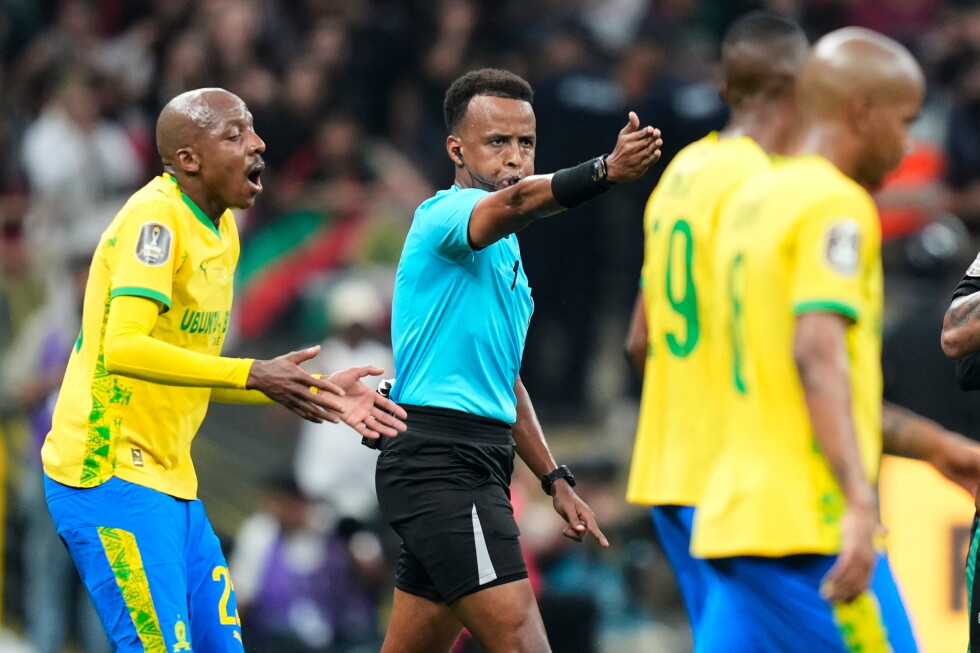
    A historic milestone in global soccer officiating has fallen through at the last minute, after Omar Artan — the Somali referee set to make history as the first official from his country to work at a men’s World Cup finals — was removed from the tournament’s official roster of match officials. The sudden shakeup comes directly after U.S. border authorities denied Artan entry into the country, derailing his preparations for the high-profile global competition. The development was first reported 59 minutes ago under Africa Sport coverage, leaving the international soccer community surprised by the unforeseen barrier that blocked Artan’s once-in-a-lifetime opportunity. No further details on the specific reason for the entry denial or whether a replacement referee has been named have been released as of the latest update.

  • Fifa drops Somali referee from World Cup after US denies entry

    Fifa drops Somali referee from World Cup after US denies entry

    A historic milestone for Somali football has been abruptly cut short, after global football governing body FIFA confirmed that top Somali referee Omar Abdulkadir Artan will not take part in the 2026 FIFA World Cup co-hosted by the United States, Canada and Mexico, following an entry denial from U.S. immigration authorities.

    Artan, who was named the Confederation of African Football’s Men’s Referee of the Year for 2025, was blocked from entering the U.S. upon arrival at Miami International Airport. He has since traveled to Turkey, where he remains currently. U.S. immigration officials have not released any public explanation for their decision to bar his entry.

    In an official statement shared this week, FIFA confirmed that after consultations with U.S. authorities, the referee would no longer be able to train or officiate at the upcoming June-July tournament. The governing body emphasized that it holds no authority over immigration processes in host nations, noting that as is standard for all FIFA events, host governments retain full control over visa approvals and entry decisions. FIFA added that U.S. officials have informed the organization Artan’s denied entry status will not be reversed in the near term.

    Selected as one of just 52 referees for the 2026 World Cup, Artan has a well-established international officiating resume. He has held FIFA referee credentials since 2018, and has overseen matches at the Africa Cup of Nations as well as top-tier domestic competitions in his home country. Somalia is among the Muslim-majority nations that have been subject to strict travel restrictions imposed by the current Trump administration, a policy that dates back to Trump’s first term in office.

    According to reporting from the BBC, a senior advisor for Somalia’s Ministry of Youth and Sports confirmed the entry denial, and stressed that Artan was traveling with all required, valid travel documentation. A Somali embassy official based in Nairobi added that Artan had been issued a diplomatic passport specifically to smooth his travel after he faced prior visa-related complications. The Somali Football Federation has since reached out to FIFA to request urgent clarification on the situation, the BBC reported.

    Andrew Giuliani, who leads the White House Task Force for the 2026 World Cup, defended the decision in comments to BBC World Service, saying “While I can’t go into the derog [derogatory information] on that I can tell you it was the right decision by customs and border patrol and I support that decision.” The entry denial comes months after Giuliani stated the Trump administration could not guarantee non-U.S. citizens would be safe from U.S. Immigration and Customs Enforcement (ICE) raids at World Cup match venues.

    Artan’s exclusion is the latest in a string of visa denials affecting football officials from regions with tense political relationships with the U.S. and its allies in recent months. In April, The Guardian reported that Palestine Football Association (PFA) president Jibril Rajoub and two other PFA officials were denied entry to Canada for the annual FIFA Congress held in Vancouver. Rajoub had been scheduled to address the congress over FIFA’s handling of Israeli football matches held in the Israeli-occupied West Bank, a territory the United Nations recognizes as illegally occupied.

    Following an investigation launched after a 2024 complaint, FIFA issued a ruling that the final legal status of the West Bank remains a complex, unresolved matter under international law, and declined to take any disciplinary action against Israel. In February, multiple pro-Palestinian and human rights groups filed a 120-page complaint with the International Criminal Court against FIFA president Gianni Infantino and UEFA president Aleksander Ceferin, accusing the pair of aiding war crimes through their refusal to suspend Israel from international football competition.

  • Wembanyama stars as Spurs trim Knicks’ Finals lead

    Wembanyama stars as Spurs trim Knicks’ Finals lead

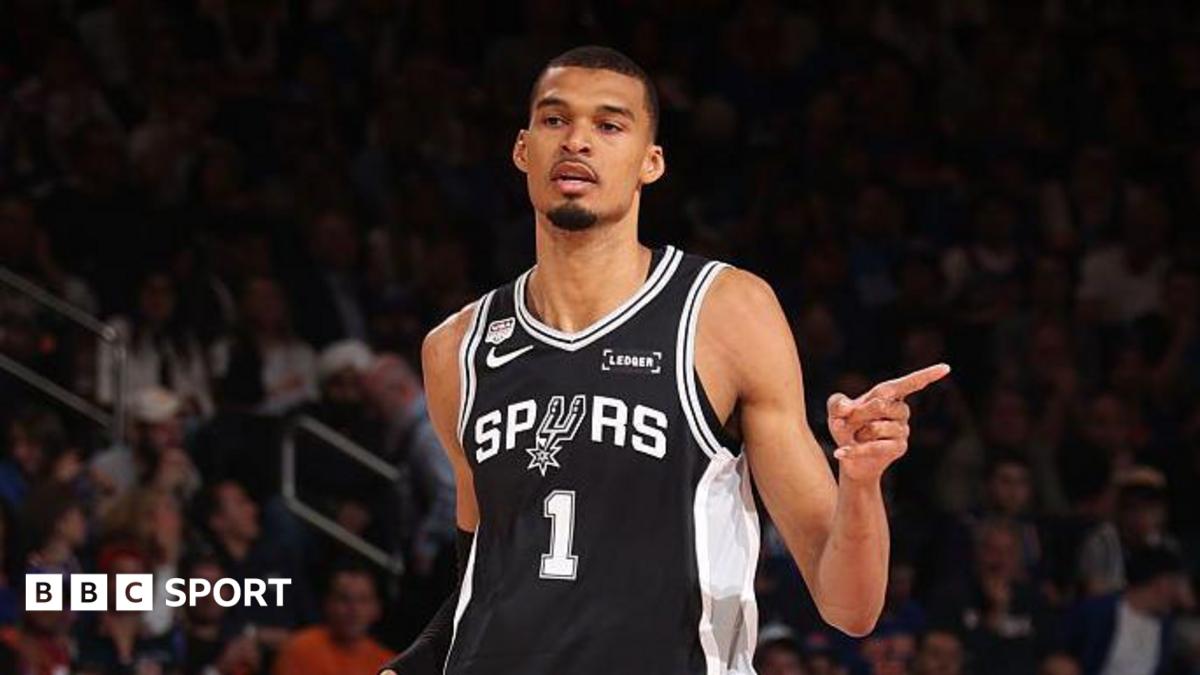
    The 202X NBA Finals took another dramatic twist on Monday, as the San Antonio Spurs secured a nail-biting 115-111 road victory over the New York Knicks at the world-famous Madison Square Garden, cutting the Knicks’ series lead to 2-1.

    At the center of the win was 7-foot-4 generational talent Victor Wembanyama, who bounced back from a costly error-ridden performance in Game 2 to deliver a dominant 32-point outing. The young star added eight rebounds and six assists to his stat line, anchoring the Spurs’ comeback after a slow first half.

    The sell-out crowd at Madison Square Garden, which hosted its first NBA Finals game since 1999, also got a surprising political spotlight: sitting US President Donald Trump, who made history as the first sitting US president to attend an NBA Finals championship series, was loudly booed by attendees when his image appeared on the arena’s big screen during the pre-game national anthem.

    Wembanyama was not alone in securing the critical win for San Antonio. Guard Stephon Castle chipped in 23 crucial points, while reserve Dylan Harper added 13 points off the bench to shore up the Spurs’ second unit. The win was far more than just a single game victory: it kept the Spurs from falling into a 0-3 series deficit, a hole no NBA franchise has ever climbed out of in Finals history.

    For the Knicks, the defeat snapped a 13-game overall winning streak that had carried them through the early rounds of the playoffs, leaving them two wins short of the Golden State Warriors’ all-time playoff winning streak record set in 2017. The Knicks have not claimed an NBA championship since 1973, and their quest to end the 50-plus-year drought now heads to a pivotal Game 4.

    The game unfolded as a back-and-forth battle: New York held a 64-57 lead at halftime, but the Spurs rallied with a 35-point third quarter to flip the score in their favor. With just under two minutes remaining, Castle drained a three-pointer to push San Antonio’s advantage to 111-104. Unlike Game 1, where the Spurs collapsed under a late New York surge, this time San Antonio held firm under pressure. Even after OG Anunoby knocked down a late three-pointer to cut the lead to two points, Castle iced the game with two clutch free throws in the final 10 seconds.

    Anunoby finished the game with 28 points for the Knicks, while point guard Jalen Brunson matched Wembanyama’s output with 32 points of his own.

    Speaking after the game, Wembanyama kept his team grounded despite the much-needed win. “We’ve done what we were supposed to do but the job is absolutely not done,” he said. “We’re not even halfway. The hardest is yet to come.”

    The best-of-seven series will remain at Madison Square Garden for Game 4 on Wednesday, with tipoff scheduled for 01:30 BST on Thursday. After that, the series will travel back to San Antonio for Game 5 on Saturday, scheduled to tip off at 01:30 BST on Sunday.

  • Why super-sized and politicised World Cup comes at a cost

    Why super-sized and politicised World Cup comes at a cost

    As the opening match of the 2026 FIFA World Cup kicks off Thursday at Mexico City’s iconic Estadio Azteca – the first venue ever to host three World Cup opening games – the global football community is gearing up for what FIFA President Gianni Infantino calls “the greatest event humanity has ever seen.” This summer’s tournament, the first 48-team, tri-nation World Cup spread across 16 cities in the United States, Mexico and Canada, is already making history for far more than just its groundbreaking size. From political polarization to exorbitant ticket prices, unresolved security gaps and environmental concerns, this expanded showcase of the world’s most popular sport carries with it a level of contention unseen in any previous World Cup.

    Infantino has framed the first pan-continental iteration of the tournament as the most inclusive, welcoming and unifying edition in the event’s 96-year history. But critics say those superlatives mask deep flaws that have undermined the tournament before a ball is even kicked: it is the most politicized, the most expensive, the most carbon-intensive, and the most commercially lucrative for FIFA itself, which is projected to pull in a record-breaking $9 billion in revenue this year alone.

    The current state of play began eight years ago, when FIFA awarded the 2026 hosting rights to the North American bid, a move crafted to help the governing body rebuild its reputation after crippling 2010 corruption scandals tied to the 2018 Russia and 2022 Qatar World Cups. With most stadium infrastructure already in place across the three countries, the bid was seen as a low-risk, high-reward proposition that would leverage the world’s most valuable commercial sports market to unlock unprecedented broadcasting and sponsorship revenue. That windfall will let FIFA distribute $2.7 billion to global member associations over the next four years, a boost widely viewed as strengthening Infantino’s odds of securing a third term as president in 2027.

    But the first major controversy to erupt has centered on ticket pricing, which has sparked public backlash and even official investigations. Ahead of the 2018 bid, organizers promised final tickets would cost no more than $1,550. When tickets went on sale last December, the most expensive premium seats hit $8,680, with dynamic pricing – a first for World Cup, where ticket costs fluctuate based on demand – pushing costs even higher for popular matches. Leading supporters’ groups called the pricing a “monumental betrayal,” and while FIFA released a limited batch of $60 entry-level tickets, New York and New Jersey officials have launched a formal probe into allegations that FIFA artificially inflated prices and misled fans. Thousands of tickets for matches featuring lower-ranked nations are currently selling below face value on official and secondary platforms, suggesting the governing body overestimated demand for high-priced inventory.

    Off the pitch, other costs have also sparked anger. Regular train fares from New York City to MetLife Stadium, host of the 2026 final, jumped from $12.90 to as high as $150, with New Jersey’s governor blaming FIFA for refusing to subsidize public transport costs. A late policy change that initially banned reusable water bottles from stadiums drew widespread condemnation over public health risks, with 14 of 16 host venues expected to see dangerous summer heat; FIFA walked back the ban days later under intense pressure from fans and politicians, though scientists still warn the governing body’s heat safety protocols remain inadequate to protect players and spectators.

    The tournament’s most intractable challenges, however, stem from its unprecedented entanglement in global politics, amplified by the policies of U.S. President Donald Trump’s second administration. Never before has a host country been engaged in ongoing military conflict with a participating nation: after the U.S. and Israel launched strikes against Iran in February, with a ceasefire holding only nominally since April, Trump initially questioned whether Iran should be allowed to participate, suggesting unqualified Italy should replace the four-time World Cup qualifier. Iran ultimately secured its place in the draw, but the country has accused the U.S. of denying visas to dozens of its backroom staff, imposing harsh entry requirements for matches hosted in the U.S., and revoking all fan ticket allocations for its group stage matches. FIFA has also moved to ban Iran’s pre-revolutionary flag from stadiums, turning Iran’s opening two matches in Los Angeles – home to one of the world’s largest Iranian diaspora communities – into inherently politically charged events. The team relocated its training base from Arizona to Tijuana, Mexico, to avoid ongoing political and travel friction.

    Immigration policies have created even broader barriers to entry. Back in 2017, during Trump’s first term, Infantino warned that a U.S. travel ban on majority-Muslim nations violated FIFA rules and could disqualify the U.S. from hosting. Today, four participating nations – Iran, Haiti, Senegal and Ivory Coast – face full or partial travel bans on their fans under second-term Trump administration policies, with the White House citing security concerns. BBC analysis found fans from more than a quarter of the 48 participating teams face either travel bans, tightened visa restrictions, or extremely high visa rejection rates. Most recently, FIFA confirmed that Omar Artan, set to become the first Somali referee at a men’s World Cup, was dropped from the officials’ roster after U.S. immigration denied his entry visa. The International Sports Press Association has also complained that dozens of accredited journalists have been denied entry visas to cover the tournament.

    Infantino’s close public relationship with Trump has drawn further criticism: last year, he awarded the U.S. president a controversial FIFA Peace Prize during the World Cup draw, drawing condemnation from human rights groups that label the tournament a “bonanza of sportswashing” as Trump leverages the event to boost his political standing, coinciding with the 250th anniversary of U.S. independence. Amnesty International has warned the World Cup risks becoming “a stage for repression,” highlighting abusive U.S. immigration enforcement and the role of Immigration and Customs Enforcement (ICE) in the tournament’s security apparatus, coming off a high-profile fatal shooting of two U.S. citizens during an ICE immigration crackdown earlier this year. The White House World Cup Task Force has pushed back, vowing the tournament will be “the safest, most welcoming sporting event in history,” though a recent partial shutdown of the Department of Homeland Security – the agency leading tournament security – exposed critical planning gaps that officials admit are still being addressed just weeks ahead of kickoff. The recent Ebola outbreak centered in the Democratic Republic of Congo, whose team will play group matches in Houston, Atlanta and Guadalajara, has added an additional public health layer to security planning.

    Even environmental pledges have come under fire. While the use of existing stadiums aligns with FIFA’s goal to cut carbon emissions 50% by 2030, the expanded 104-match tournament spread across three countries has forced teams, fans and media to rely heavily on air travel, leading environmental groups to label it the most climate-damaging World Cup in history. It is projected to generate more than nine million tonnes of carbon dioxide equivalent, almost double the average of the past four World Cups – far exceeding the 3.6 million ton estimate included in the original 2018 bid, which promised the tournament would set new sustainability standards for global sport.

    In host co-host Mexico, challenges are already playing out in plain view: high ticket prices have priced out local fans, ongoing cartel violence has raised security concerns, and teacher protests demanding higher wages have toppled World Cup player statues and threatened to disrupt match play. In the U.S., polls show a majority of average Americans say the tournament is too expensive to attend, and hotel bookings across almost all host cities are well below initial projections, suggesting high costs and political tensions have deterred casual fans. Even for international visiting supporters, turnout is lower than expected: the Football Supporters’ Association projects just 12,000 to 15,000 England fans will attend each of the team’s group matches, a figure leaders call disappointing given pre-tournament excitement.

    As the world turns its attention to Estadio Azteca for the opening match between Mexico and South Africa, the tournament stands at a crossroads. Proponents argue the expanded 48-team format will be a transformative moment for football in the U.S., which last hosted the tournament in 1994, when the event helped propel the sport into the American mainstream. Today, with a thriving domestic MLS and massive U.S. investment in European football, supporters see an opportunity to unlock a trillion-dollar growth market for the global game. But critics warn that the unbridled expansion, commercialization and politicization of this World Cup has created a perfect storm of controversy that could overshadow the on-pitch action. The next five weeks will answer one burning question: will this unprecedented tournament cement football’s place as the world’s most popular sport, or will it collapse under the weight of its own unaddressed challenges?
  • Round 15 team lists: Souths name Jai Arrow in touching act as Ezra Mam remains on the Broncos bench

    Round 15 team lists: Souths name Jai Arrow in touching act as Ezra Mam remains on the Broncos bench

    The National Rugby League community is coming together to celebrate the career of beloved player Jai Arrow, who was forced into early medical retirement earlier this year after a devastating motor neurone disease diagnosis, as Round 15 of the competition opens Thursday with a series of touching tributes planned by both his former and current clubs.

    Arrow’s current club, the South Sydney Rabbitohs, have pulled off one of the most emotional gestures in recent rugby league history, naming the retired forward to their extended bench for Thursday’s clash against the Brisbane Broncos — Arrow’s first professional club. He will wear jersey number 23 for the match, and the club has invited all fans and members to join in honoring his legacy ahead of kickoff.

    The tributes do not end with South Sydney, either. The Broncos, where Arrow launched his NRL career across two seasons before moving to the Gold Coast Titans and ultimately signing with the Rabbitohs in 2021, will also honor the former representative star, with every Broncos player set to display Arrow’s name and original club number on their game jerseys for the matchup.

    The pre-game ceremony will include one particularly poignant moment: Arrow will have the honor of ringing the iconic Rabbitohs Legacy Bell before the match, while players from both the Rabbitohs and Broncos will form a guard of honor to welcome him as he takes the field. The Rabbitohs confirmed the plans in an official statement, calling on supporters to turn out to celebrate Arrow’s career alongside him.

    Beyond the emotional tributes, Round 15 brings a host of team selection changes across the league, largely driven by State of Origin representative commitments and injury updates. For the Rabbitohs, the club will be missing all their Origin-selected stars, plus starting center Campbell Graham who sidelined by a calf injury. Tallis Duncan will shift to the backline to pair with Latrell Siegwalt in Graham’s absence.

    For the Broncos, standout playmaker Ezra Mam will remain on the bench after missing a match-winning opportunity in the final minute against the Titans last week and subsequently being dropped from Queensland’s squad for State of Origin II. Hayze Perham will step into the fullback position to replace Reece Walsh, while backrower Jordan Riki returns to the starting side after recovering from an injury layoff.

    Across other Round 15 fixtures, the Cronulla Sharks will again be without star halfback Nicho Hynes, who remains sidelined by a calf injury for their cross-Tasman trip, with Luke Metcalf held over on the extended bench. For the Dolphins, Trai Fuller will step in at fullback for Hamiso Tabuai-Fidow, while playmaker Isaiya Katoa is set to be released from New South Wales Blues Origin camp to take the field against the Sydney Roosters.

    The Roosters will have Cody Ramsey in at fullback to replace the Origin-bound James Tedesco, with Hugo Savala moving to his preferred halves position to partner Daly Cherry-Evans. Tommy Talau will make his club debut on the wing, filling in for Mark Nawaqanitawase who is with the NSW Origin camp. The Wests Tigers have received a major boost, with winger Taylan May returning to the side after recovering from a shoulder injury as the club chases a much-needed win at Leichhardt Oval.

  • Australia elects to field in 1st one-day cricket international against Bangladesh

    Australia elects to field in 1st one-day cricket international against Bangladesh

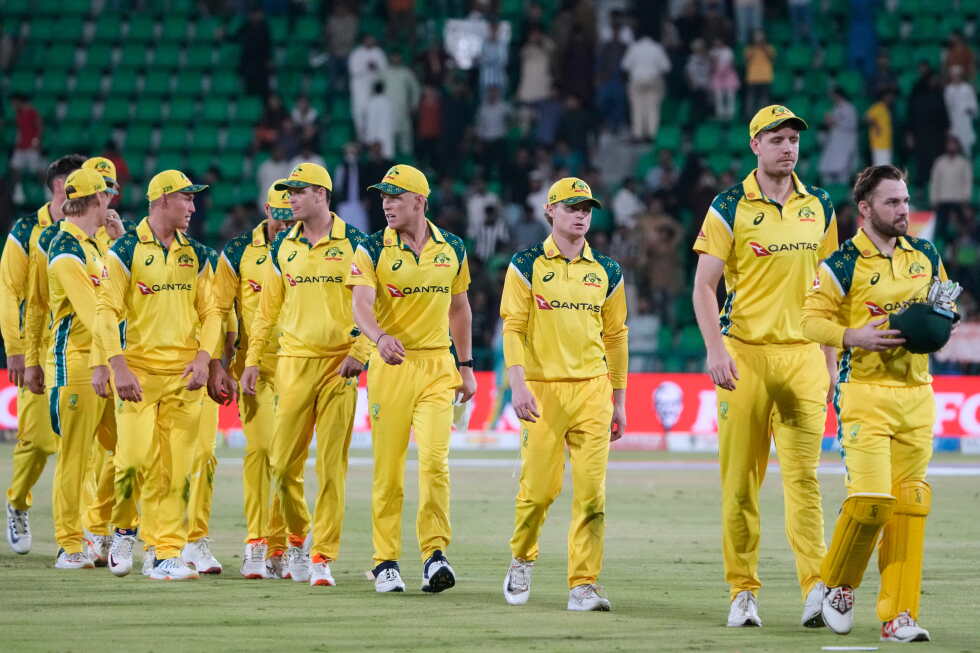
    The first 50-over one-day international between Australia and Bangladesh kicked off in Mirpur on Tuesday, marking the resumption of a bilateral ODI series between the two nations after 15 years. Australia won the pre-match coin toss and opted to take the field first, holding the hosts to bat in the opening fixture of a three-match ODI tour that will also include three T20 games.

    The Australian side is led by wicketkeeper-batter Josh Inglis for the second consecutive tournament, stepping in for regular 50-over captain Mitchell Marsh, who remains sidelined as he recovers from an ankle injury sustained during this year’s Indian Premier League. Star batter Travis Head also opted out of the tour to take personal leave, forcing a reshuffled lineup for the visitors.

    Australia’s most recent series, on spin-friendly wickets in Pakistan last week, ended in a 2-1 defeat, but conditions in Mirpur are set to be drastically different for this series. All three ODIs are being hosted at the Mirpur venue, which is expected to deliver pitches that heavily favor fast bowling over spin. To adapt to these local conditions, Australia’s squad features a pace-heavy bowling attack, including seamers Nathan Ellis and Xavier Bartlett, and seam-bowling all-rounder Cameron Green. The selectors also retained middle-order batter Marnus Labuschagne in the starting XI, despite the batter delivering a series of under-par performances against Pakistan.

    Bangladesh enters this opening match on a strong run of home form. The hosts have won their last four consecutive home ODI series, defeating Sri Lanka, the West Indies, Pakistan and New Zealand thanks to their consistent strategy of preparing pace-friendly wickets. For the first ODI, Bangladesh named a three-man seam attack led by star quicks Taskin Ahmed and Mustafizur Rahman, alongside young talent Nahid Rana. The fixture also marks the long-awaited return of batter Mosaddek Hossain to ODI cricket, who takes the field for the first time in the format since 2022.

    Full starting lineups for the opening match are as follows:
    – Bangladesh: Tanzid Hasan, Saif Hassan, Najmul Hossain Shanto, Tawhid Hridoy, Litton Das, Mosaddek Hossain, Mehidy Hasan Miraz (captain), Taskin Ahmed, Mustafizur Rahman, Nahid Rana, Tanvir Islam
    – Australia: Matt Short, Cooper Connolly, Josh Inglis (captain), Marnus Labuschagne, Alex Carey, Cameron Green, Matthew Renshaw, Liam Scott, Xavier Bartlett, Nathan Ellis, Adam Zampa

  • Spain finalizes World Cup preparations with a 3-1 win over Peru

    Spain finalizes World Cup preparations with a 3-1 win over Peru

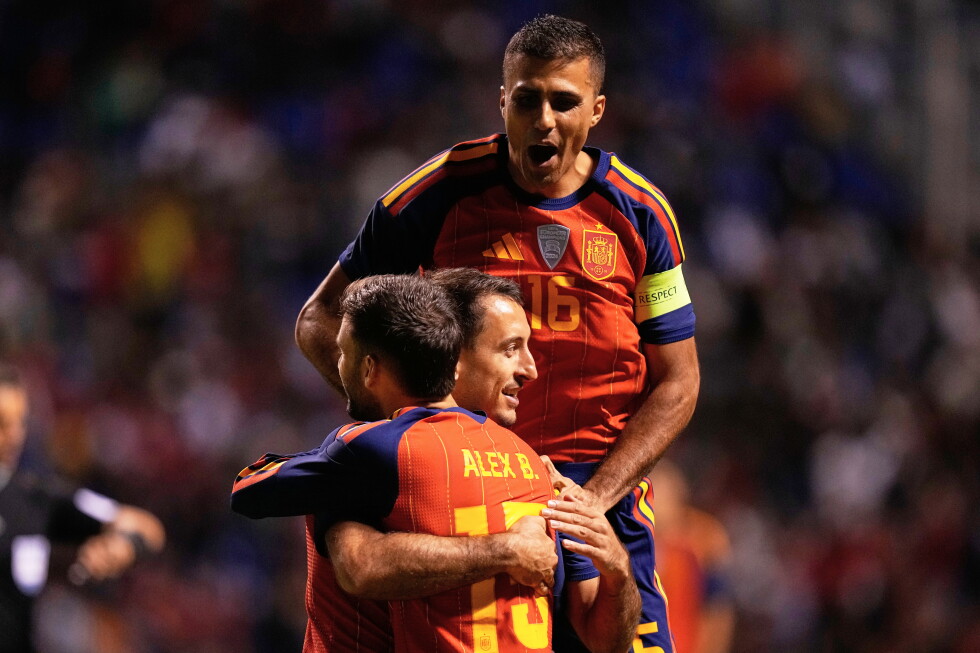
    In a pre-tournament friendly held in Puebla, Mexico on Monday, Spain’s national men’s football team wrapped up its 2025 FIFA World Cup preparations with a convincing 3-1 win against Peru, overcoming the absence of three key first-team players ruled out by injury.

    The match got off to a blistering start for La Roja, with winger Mikel Oyarzabal finding the back of the net inside the opening two minutes to put Spain ahead early. Midfielder Pedri doubled the team’s advantage in the 32nd minute, extending Spain’s lead going into halftime. The home side’s advantage grew further in the 53rd minute, when Peru captain and goalkeeper Pedro Gallese inadvertently turned the ball into his own net, pushing Spain’s lead to an unassailable 3-0.

    Peru, which failed to qualify for the upcoming World Cup finals, got a late consolation goal from forward Jairo Vélez in the 66th minute, which put the final score at 3-1.

    The three injured Spanish stars – Barcelona teenage sensation Lamine Yamal, Athletic Bilbao winger Nico Williams and defender Víctor Muñoz – did not travel to Mexico for the friendly, instead remaining at the team’s training camp in Tennessee to continue their recovery work. Yamal, who is widely regarded as one of the most exciting young talents in global football, has not featured in a competitive match since April 22, when he suffered a left hamstring strain that has sidelined him for months.

    Spanish head coach Luis de la Fuente offered an encouraging update on the trio’s fitness ahead of the tournament, confirming that all three players could be fit enough to feature in Spain’s opening Group C match against Cape Verde, scheduled for June 15 in Atlanta. After their opening fixture, Spain will continue their group stage campaign with a match against Saudi Arabia on June 21, also in Atlanta, before rounding out group play against Uruguay on June 26 in Guadalajara, Mexico.