分类: sports

  • Ghana boss Queiroz no qualms over Partey selection

    Ghana boss Queiroz no qualms over Partey selection

    The controversial inclusion of Villarreal midfielder Thomas Partey in Ghana’s preliminary 2026 World Cup squad has sparked public discussion, with Black Stars head coach Carlos Queiroz making clear he has no misgivings about calling up the player ahead of the tournament.

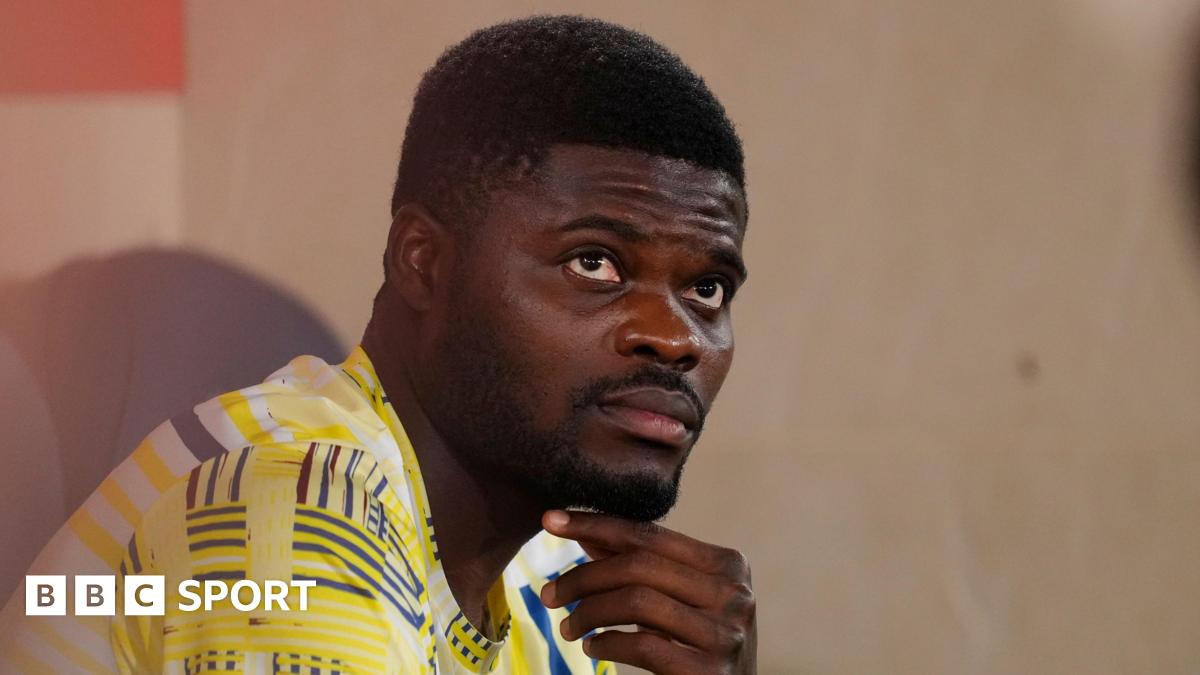
    Partey, a 32-year-old former Arsenal midfielder who left the English Premier League club at the end of his contract last summer, has pleaded not guilty to seven counts of rape and one count of sexual assault. The allegations stem from claims made by four separate women between 2020 and 2022, and his trial is scheduled to begin next year. Two additional rape counts were added to the charges against him back in April.

    Despite the ongoing legal proceedings, Partey has been named to Ghana’s 28-man preliminary squad that is currently in Cardiff for a pre-World Cup international friendly against Wales, set to take place on Tuesday 1 June at Cardiff City Stadium. The match, which will mark Queiroz’s first game in charge of Ghana after he was appointed head coach in April, will be broadcast live across multiple BBC platforms including BBC iPlayer, BBC One Wales, BBC Radio outlets and the BBC Sport website and app.

    When asked directly whether he had any concerns about selecting Partey for the national squad, Queiroz rejected the premise of the question entirely. “If the player is here with me, my answer is clear,” the former Portugal and Real Madrid manager, who previously worked as an assistant to Sir Alex Ferguson at Manchester United, told reporters. “I don’t have any comments about my own decisions. He is here so what are we talking about? This is not for me or you to make a judgement about. Let the events run their normal course; let the river flow and one day when the river meets the ocean we are going to find the truth.”

    Queiroz’s stance aligns with the position already taken by Ghana Football Association president Kurt Okraku, who previously stated that the national governing body stands behind Partey.

    Partey has already begun training with the squad, and most of the team’s European-based players have arrived in Cardiff, including Manchester City forward Antoine Semenyo, who linked up with his teammates over the weekend.

    Ghana, which reached the World Cup quarter-finals in 2010, is drawn into Group L alongside England and Panama for this year’s tournament. The Black Stars will kick off their World Cup campaign against Panama on 17 June, and Queiroz says he is optimistic about his side’s chances ahead of the competition.

    “When you talk about football in Ghana, it is in the blood, it is everything,” he said. “And the talent is here so it is an explosive combination to succeed, which was the first and most important attraction to Ghana. We’re ready to take off and start to fly straight to the World Cup.”

  • Serena Williams to return to tennis at Queen’s Club

    Serena Williams to return to tennis at Queen’s Club

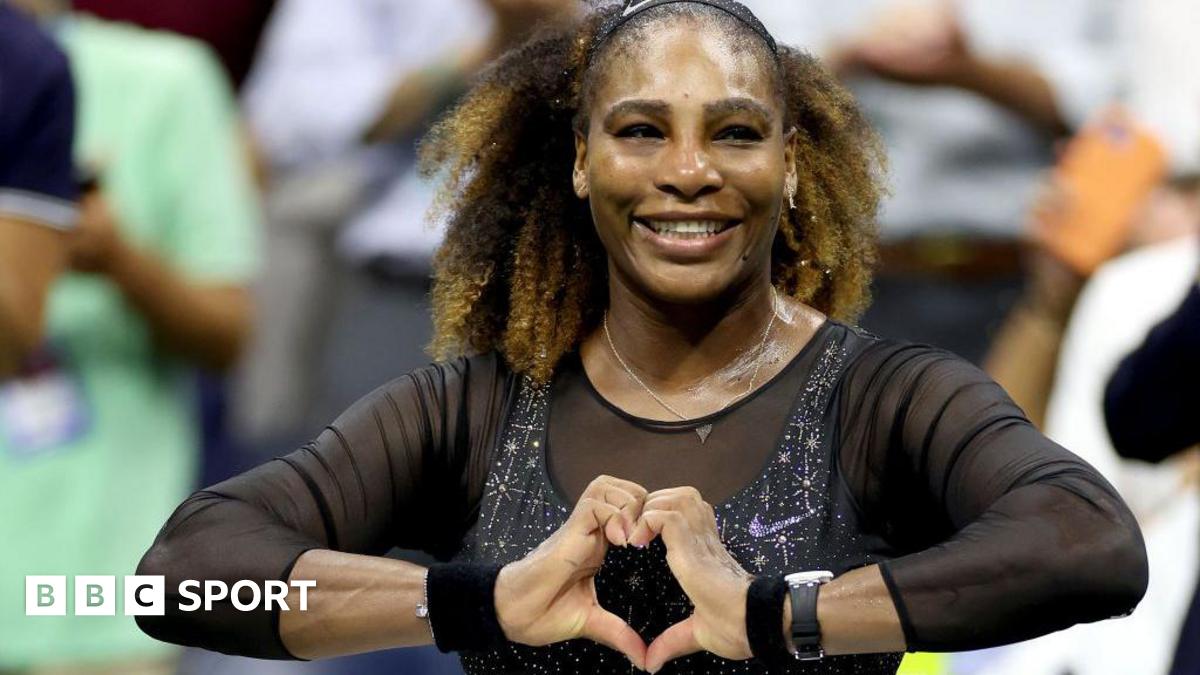
    One of the most decorated athletes in tennis history, Serena Williams, has sent shockwaves through the global tennis community with a long-awaited announcement: she is stepping back into competitive tennis nearly three years after her last professional outing, making her return at the Queen’s Club HSBC Championships later this month in women’s doubles competition. The 44-year-old American icon, who holds 23 Grand Slam singles titles – just one shy of the all-time record held jointly by Margaret Court and Novak Djokovic – has not competed at the top level since her third-round exit at the 2022 US Open, when she signaled she was “evolving away” from the sport rather than formally retiring.

    Williams first teased the news to her millions of fans on social media, posting a clip of herself training on a court with the playful caption “Guess everybody heard the news,” as her phone buzzed nonstop with incoming messages in the background. The 7-time Wimbledon champion followed up with a confirming post, quipping that “Good news travels fast.” In an official statement released through tournament organizers, Williams called Queen’s Club the ideal venue to open this new chapter of her career. “Grass has given me some of the most meaningful moments of my career, and I’m excited to be back competing on one of the sport’s most iconic stages,” she said. The women’s draw of the historic London tournament gets underway on June 8, with Williams granted a wildcard entry into the doubles draw, where she is widely reported to partner 17-year-old rising Canadian star Victoria Mboko.

    Speculation around a potential Williams comeback has been building for months. The first clue emerged back in December, when public records revealed Williams had rejoined the global tennis anti-doping program – a mandatory requirement for any player seeking to return to elite tour competition. Williams initially denied plans for a competitive return, but persistent rumors kept the story alive throughout the first half of 2024. Even men’s tennis great Novak Djokovic tipped off the public about a possible comeback back in March, and the announcement has dominated conversations among players competing at this year’s ongoing French Open in Paris.

    Current and emerging stars of the sport have overwhelmingly welcomed the news of Williams’ return. Former world No. 1 Naomi Osaka, who defeated Williams in the controversial 2018 US Open final to claim her first Grand Slam title, said she is already looking forward to watching the comeback run. “I think it’s good for me. I’ll be very entertained,” Osaka told reporters. American rising star Coco Gauff, who bowed out of the French Open in the third round on Saturday, added that she would jump at the chance to face Williams for the first time in her career, calling the legend an inspiration to a generation of young players.

    WTA Tournament Director and former British tennis pro Laura Robson expressed overwhelming excitement about the landmark comeback, saying “Serena Williams is one of the greatest athletes the world has ever seen, and we’re delighted that she will be making her return to tennis at the LTA’s HSBC Championships.” Robson noted that women’s tennis only returned to Queen’s Club last year after a long absence, making Williams’ participation a historic milestone for the event: “Women’s tennis made a historic return to the Queen’s Club last year and now we have an icon of the game stepping back on to court.”

    Over the course of her legendary career, Williams spent a combined 319 weeks atop the WTA singles world rankings and claimed 73 tour-level singles titles. She also won 14 Grand Slam doubles titles alongside her older sister and long-time doubles partner Venus Williams, who returned to competitive tennis last year after a 16-month break. When Venus announced her own comeback 12 months ago, she said the only thing that could make her return better would be Serena joining her back on tour. That wish is now set to come true at Queen’s Club later this month.

  • Williams, 44, to return to action in Queen’s doubles

    Williams, 44, to return to action in Queen’s doubles

    Nearly four years after stepping away from competitive tennis, one of the greatest athletes in the history of the sport is set to make her long-awaited return. 44-year-old American legend Serena Williams has officially accepted a wildcard into the women’s doubles draw of the Queen’s Club WTA 500 tournament, which kicks off in London on June 8, marking her first professional appearance since the 2022 US Open.

    While tournament organizers have not yet officially named Williams’ doubles partner, widespread tennis reporting points to 19-year-old Canadian rising star Victoria Mboko, a top-10 ranked young player who already called Williams her “idol” in comments after her 2025 French Open run last week. Mboko advanced to the third round of Roland Garros before falling to former Australian Open champion Madison Keys on Saturday, and has openly spoken about the influence Williams has had on her own career.

    Williams first stepped back from professional tennis in 2022, closing out a 27-year career that redefined women’s tennis. Her trophy cabinet boasts a record-breaking 23 Grand Slam singles titles in the Open Era — the second-most of all time behind only Margaret Court’s 24 — alongside 14 Grand Slam doubles titles won alongside her sister Venus, with the pair maintaining a perfect undefeated record in major doubles finals. Across her career, she spent 319 weeks atop the WTA singles world rankings, claimed 73 WTA singles titles, and earned three Olympic doubles gold medals to add to her 2012 London singles gold. She completed a career Golden Slam in both singles and doubles, and won every major singles tournament at least three times. Even after returning from maternity leave following the birth of her first daughter in 2017, Williams reached four Grand Slam finals and climbed back into the world top 10 rankings. Seven of her Grand Slam singles titles came at Wimbledon, the iconic grass-court major that kicks off just three weeks after the Queen’s Club tournament.

    Rumors of a comeback began circulating last year, when Williams’ name unexpectedly appeared on the official roster for tennis anti-doping testing. She initially denied plans to return, but speculation grew dramatically when the International Tennis Integrity Agency added her to its reinstatement list this past February. Williams fueled the rumors this week when she shared a clip of herself walking onto a competitive tennis court on social media, captioning the post: “Guess everybody heard the news” followed by the line “Good news travels fast.”

    In a statement confirming her entry, Williams called Queen’s Club the ideal venue to launch this new chapter of her tennis journey. “Grass gave me some of the most meaningful moments of my entire career,” she said. “I’m incredibly excited to be back competing on one of the most iconic stages in our sport.”

    Off the court, Williams has kept a busy life since retiring from full-time competition: she welcomed her second daughter in 2023, and has become a prominent business voice, most recently stepping into a spokesperson role for weight health company Ro, which distributes GLP-1 weight management medications including Wegovy and Zepbound. Last year, she opened up about losing 14 kilograms over eight months, describing her excess weight as an “opponent” to overcome, and told reporters she was training up to five hours a day to prepare for a half-marathon, building endurance far beyond what she had hit earlier in her life.

    The announcement has already sent ripples through the global tennis community, with many speculating that the Queen’s Club appearance is a precursor to a wildcard entry into Wimbledon, where Williams has claimed seven singles and seven doubles titles throughout her career. Three-time Wimbledon champion and tennis commentator John McEnroe told TNT Sports that a deep run at the All England Club in singles seems like the logical next step for the legend. “If Serena Williams, the greatest of all time, is coming back, she’s not coming back just to enjoy playing,” McEnroe said. “She wants to win another major — that’s the only reason I can think she’d want to play tennis again.”

    BBC tennis correspondent Russell Fuller noted that the full scope of Williams’ comeback plans remains unconfirmed. There has been no official confirmation that she will enter the Wimbledon singles draw, though with the US Open still two months away from Queen’s Club, Fuller suggested that the temptation of a singles run may prove too strong for the still-competitive champion to resist. Other speculation has centered on a possible final doubles pairing with her sister Venus, who will turn 46 the day before the Queen’s Club tournament begins. Regardless of her end goals, Williams’ return is already one of the most highly anticipated storylines of the 2025 grass court season, with fans already lining up to secure tickets to see the legend back in action.

  • Sabalenka to face Osaka, Cobolli into French Open quarters

    Sabalenka to face Osaka, Cobolli into French Open quarters

    The 2025 French Open is set for one of its most anticipated matches in recent years, as two of women’s tennis biggest superstars, Aryna Sabalenka and Naomi Osaka, will face off in the tournament’s first women’s prime-time night match in three years on Monday. The blockbuster round of 16 clash comes as two unexpected underdogs, Italy’s Flavio Cobolli and Russia’s Anna Kalinskaya, have already secured their places in the event’s quarter-finals after dramatic four-set and three-set wins respectively.

    World number one Sabalenka enters the match still chasing her first ever Roland Garros title, still stinging from her heartbreaking three-set defeat to defending champion Coco Gauff in last year’s final. For Osaka, the match marks a career milestone: this is the first time the four-time Grand Slam champion has advanced to the second week of the clay-court major, and the Japanese star has looked far more comfortable on Paris’ red dirt than ever before during her comeback run.

    Monday’s meeting will only be the fourth time the two stars have faced off, and remarkably, every one of their prior matches has come in the round of 16 of elite-level events. Osaka won their first encounter on her way to lifting the 2018 US Open trophy, and the pair did not meet again until this year. Sabalenka has taken both of their 2025 clashes so far: a straight-sets win at Indian Wells, followed by a come-from-behind victory after dropping the opening set at the Madrid Open. The winner of Monday’s match will go on to face either former Australian Open champion Madison Keys or Russia’s rising star Diana Shnaider in the quarter-finals.

    Sabalenka struck a warm tone when speaking about Osaka, who stepped away from the tour in 2023 to welcome her first child. “It’s nice to see her,” Sabalenka told reporters. “She’s a great player, great person. I feel like I really enjoy our battles. It’s high-level matches, and I really enjoy when somebody pushes me to the limit.”

    After returning to the tour, Osaka struggled to recapture her top form initially, but worked her way back to the US Open semi-finals in 2024, her first deep Grand Slam run since she won her second Australian Open title in 2021. Heading into Paris, she set a new goal of proving her ability on slower surface. “I really wanted to make it a goal to do really well on clay and grass,” she said, noting she has never advanced past the third round at Wimbledon. Off the court, Osaka has turned heads in Paris with her eye-catching sequined gold dress, which she has compared to the glowing Eiffel Tower at night, though she hinted she may change her outfit for the prime-time night match.

    The decision to place the clash in the coveted night slot comes after years of criticism of Roland Garros organizers for sidelining women’s matches for prime-time programming. This will mark the first time a women’s match has been scheduled for the primetime night slot since Sabalenka faced Sloane Stephens in the 2024 round of 16. Tournament director Amelie Mauresmo defended the scheduling choice to reporters, saying “I think it was pretty obvious this should be the night’s match.”

    In earlier fourth-round action on Sunday, Kalinskaya pulled off a stunning comeback over 28th seed Anastasia Potapova of Austria, ending Potapova’s run after she had upset defending champion Gauff in the prior round. Potapova twice held a chance to close out the match serving, but could not hold on, falling 6-4, 2-6, 7-6 (10/7). Kalinskaya will next face either the last remaining home hope Diane Parry or Polish qualifier Maja Chwalinska for a place in the semi-finals.

    On the men’s side, Italian 10th seed Cobolli overcame a dramatic late collapse to book his spot in the quarter-finals, beating American qualifier Zachary Svajda 6-2, 6-3, 6-7 (3/7), 7-6 (7/5) on Court Philippe Chatrier. Cobolli held a comfortable 5-1 lead in the fourth set, but suffered a massive nervous wobble that forced the match to a deciding tie-break. He ultimately held on to reach his second ever Grand Slam quarter-final, following his run at Wimbledon last year.

    “The match is never done and today I almost shit in my pants,” a candid Cobolli told reporters after the match. “I’m happy but I’m still nervous.”

    The 24-year-old Italian will next face either fourth-seeded Canadian Felix Auger-Aliassime or Chile’s Alejandro Tabilo for a place in the semi-finals. Auger-Aliassime is now the highest-ranked player remaining in the top half of the men’s draw after world number one Jannik Sinner was upset earlier in the tournament, and Ben Shelton suffered an early exit. The Canadian will aim to reach his first ever French Open quarter-final when he faces Tabilo, who is playing in the round of 16 of a Grand Slam for the first time in his career.

    The remaining fourth-round matches on the men’s side include a clash between former Wimbledon finalist Matteo Berrettini, who is targeting his first Grand Slam quarter-final since 2022, and Sinner’s conqueror Juan Manuel Cerundolo on Court Suzanne Lenglen. Last year’s quarter-finalist Frances Tiafoe will take on another rising Italian star, Matteo Arnaldi, for a place in the final eight.

  • Australia to send more players to England’s PWR

    Australia to send more players to England’s PWR

    As Australia prepares to host the 2029 Women’s Rugby World Cup, national governing body Rugby Australia has launched a strategic partnership with England’s top-flight Premiership Women’s Rugby (PWR), sending elite domestic players to compete in the highly competitive European league to sharpen their competitive edge ahead of the home tournament.

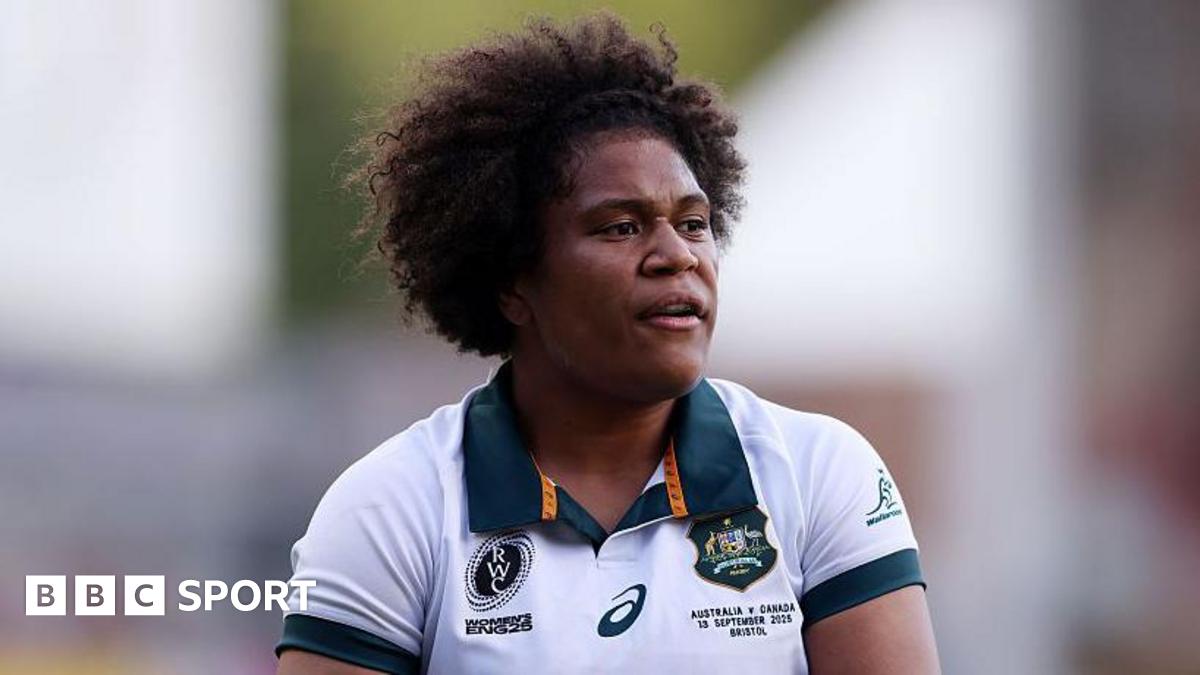
    The initiative marks a deliberate push to lift the Wallaroos, Australia’s senior women’s national side, up the global rankings. Currently sitting ninth in the world ratings, Australia exited the 2025 Rugby World Cup at the quarter-final stage following a lopsided 46-5 defeat to Canada, who went on to reach the tournament final. With 2029’s edition set to be played on Australian soil, Rugby Australia has framed access to PWR’s high-standard competition as a critical stepping stone to reaching its goal of competing deep into the 2029 knockout rounds.

    Tabua Tuinakauvadra, the 23-year-old reigning Wallaroos Player of the Year currently plying her trade with Australia’s ACT Brumbies, is the first player to move under the new partnership. She will join English side Leicester Tigers on a contract that runs through to the end of April 2027, with a pre-agreed arrangement for her to return to Australia annually to compete in the Pacific Four Series international window and the domestic Super Rugby Women competition. Under current PWR scheduling rules, this structure means Australian players will not be available for the closing round of the PWR season or any play-off matches unless the league revises its format in coming years.

    Peter Horne, Rugby Australia’s high performance director, emphasized that the partnership addresses a core development need for the national program. “With a home Rugby World Cup on the horizon, Rugby Australia is committed to exposing the Wallaroos to world-class competition wherever possible,” Horne said. “Gaining consistent match experience in a competition like the PWR will be invaluable for the players’ long-term growth.” Horne’s sentiment has been echoed by several other top rugby nations, which have already established similar pathways for their players to access PWR competition. Wales, Scotland, Canada, and the United States have all moved to send their top international talent to England’s top league in recent years.

    Australia is far from the only nation capitalizing on PWR’s high competitive standard. Following the 2025 Rugby World Cup hosted by England, a large contingent of top players from two-time world champions New Zealand secured PWR contracts after facing limited consistent playing opportunities in their home domestic setup. Ruahei Demant, captain of the world-famous Black Ferns, enjoyed a short-term spell with Bristol Bears Women this season and has already publicly signaled her intention to return to the league in future campaigns.

    The growing influx of elite international talent to the PWR does, however, bring fresh scrutiny to the league’s founding purpose. Initially designed as a development pathway to nurture emerging domestic talent for the England national side, the growing number of overseas recruits has reignited questions around the existing rules requiring PWR sides to field a minimum number of England-qualified players in matchday squads, with observers debating how to balance the benefits of top-tier competition against opportunities for homegrown English prospects.

  • The schoolgirl who became world champion at 14

    The schoolgirl who became world champion at 14

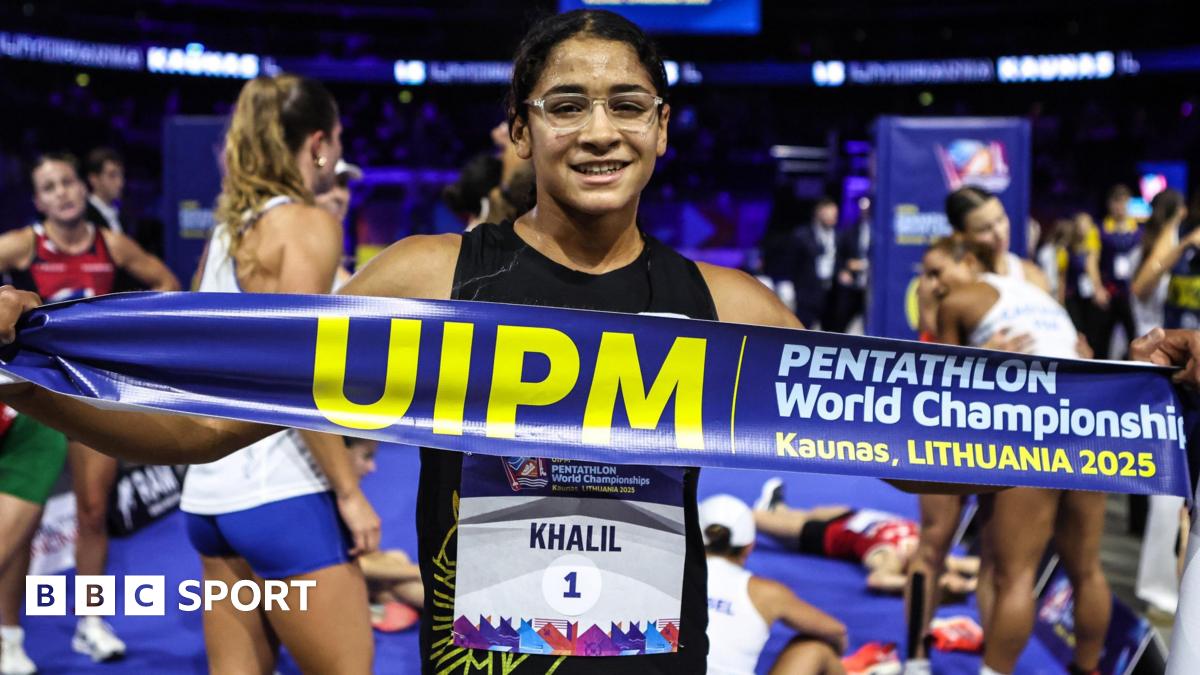
    At just 15 years old, Farida Khalil of Egypt has carved out a place in sporting history that most elite athletes twice her age can only dream of achieving. In a single 2024 season, the teenage phenomenon claimed every major global title in modern pentathlon, sweeping all three youth divisions before stunning the sporting world by taking home the senior women’s World Championship gold in August 2024. The Union Internationale de Pentathlon Moderne (UIPM), the sport’s global governing body, has labeled Khalil’s unprecedented clean sweep the “Farida Slam,” a feat never before recorded in modern pentathlon competition.

    What sets Khalil apart beyond her historic trophy haul is the relentless commitment she brings to a grueling multi-discipline sport that combines fencing, swimming, running, shooting, and a newly added obstacle race. For the young champion, the variety of modern pentathlon is one of its greatest draws. “I love that difference, that I’m not going to stay fixed on one discipline,” Khalil told BBC Arabic in a recent interview. Her rise to the top of global rankings has been a true family effort, with her father Mohamed Abu Hashem serving as her head coach since she began competing.

    Abu Hashem emphasizes that Khalil’s success is no happy accident, but the product of years of deliberate sacrifice and unwavering persistence. “Raising a champion in your home, a world champion, is not easy at all,” he explained. “It’s not about luck. It is persistence, years of effort, endurance and big sacrifices.” Khalil’s daily routine bears this out: she wakes at 5 a.m. long before the sun rises over Cairo, kicking off each day with two hours of swimming, followed by two hours of running, and fits up to 14 hours of total training into most days, with only short breaks for lunch and academic tutoring. While her school is located just north of the Egyptian capital, her packed training schedule means she can only attend classes part-time, but when she does join her peers, her status as the world’s youngest number-one-ranked athlete precedes her. “My friends at school are always proud that they are walking around with a world champion – walking with the youngest girl to become world number one,” Khalil says.

    Khalil’s emergence as modern pentathlon’s breakout new star could not have come at a more pivotal moment for the sport. Just a few years ago, modern pentathlon faced the threat of being removed from the Olympic Games following a high-profile incident at the 2020 Tokyo Olympics, where video emerged of a German coach striking a horse that refused to jump during the show jumping discipline. In response, the UIPM voted in November 2021 to replace show jumping with an obstacle race, a change that would take full effect after the 2024 Paris Olympics. This revamped format was used for the first time at the 2025 World Championships in Lithuania, where Khalil claimed her historic senior gold. The young champion is a vocal supporter of the sport’s evolution, noting that the new discipline brings fresh energy to modern pentathlon for both athletes and fans. “I love the idea that our sport is evolving and becoming more appealing to young athletes like me,” she told Olympics.com.

    Today, Khalil hones her craft at Cairo’s El Shams Sporting Club, where she trains under her father’s watchful eye alongside a new generation of young Egyptian pentathletes. Wearing her black Team Egypt shirt emblazoned with a golden image of the falcon-headed Egyptian sky god Horus, she navigates obstacle courses with incredible speed and agility, springing from metal platforms to swing hand-over-hand across overhead ladders as part of her daily training. Abu Hashem says every minute of his daughter’s schedule is intentional, as the pair work toward a shared big dream of Olympic gold. “We are building a big dream, so every minute has to count. This spirit is what makes Farida different from others all over the world,” he says.

    Khalil’s rapid rise through the competitive ranks began just four years ago, when she started competing in youth championships in 2021. She notched wins so consistently against youth competitors that her team quickly moved her up to face senior competition, where she continued to dominate. “We found we were winning with very competitive scores,” Abu Hashem explained. “I started calculating the world records and found that Farida can break them very easily.” Now, father and daughter have their sights set on gold at the 2028 Los Angeles Olympics, a goal that builds on Egypt’s already impressive legacy in modern pentathlon.

    Egypt first emerged as a global pentathlon powerhouse at the 2018 Youth Olympics in Buenos Aires, where Ahmed Elgendy and Salma Abdelmaksoud claimed men’s and women’s individual gold respectively. Elgendy went on to win Egypt’s first senior Olympic medal in the sport with a silver at Tokyo 2020, then upgraded that to a gold medal and a new world record at the 2024 Paris Games. Just hours before Khalil claimed her historic World Championship gold last August, Egyptian athlete Moutaz Mohamed became the first African man to win an individual world title in the sport.

    “Egypt has become a powerhouse in this sport,” Sherif El Erian, president of the Egyptian Modern Pentathlon Federation (EMPF) and UIPM vice president, told the BBC. “This has come through years and years of hard work. It’s like all of Egypt is training.” Khalil’s breakthrough success has only boosted the federation’s momentum: Cairo will host the 2028 World Championships, which will also serve as an official Olympic qualifying event.

    Off the competition course, Khalil has embraced her role as an inspiration for young athletes across Egypt and beyond. In 2023, UNICEF named her a Shabab Balad (Youth of the Country) champion, recognizing her as “a true inspiration and source of pride” for young people across the nation. Today, she often receives requests for advice from aspiring athletes both inside and outside the world of pentathlon, and she makes time to support anyone who wants to follow in her footsteps. “I am very happy when I see someone who wants to do what I did,” she says. “Of course I help them. I help everyone who needs advice.”
  • Son of Brazil coach Carlo Ancelotti hired to lead Lille in return to Champions League

    Son of Brazil coach Carlo Ancelotti hired to lead Lille in return to Champions League

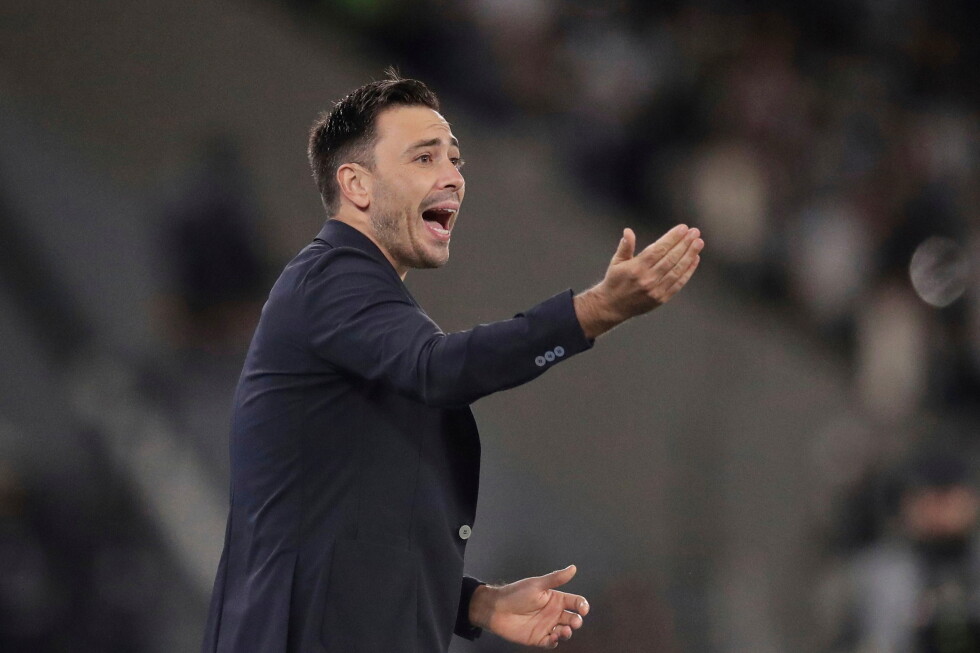
    LILLE, France – In a high-profile coaching announcement made Monday, Ligue 1 side Lille OSC confirmed the appointment of Davide Ancelotti, son of Brazil men’s national team head coach Carlo Ancelotti, as their new first-team manager for the 2025-26 season. The 36-year-old tactician has put pen to paper on a two-year contract that will see him steer the club through its return to the UEFA Champions League, the top club football competition in European soccer.

    Ancelotti steps into the role vacated by Bruno Génésio, who did not receive a contract extension after delivering a third-place Ligue 1 finish that secured Lille’s automatic Champions League qualification for the upcoming campaign. While Génésio led the club to solid domestic results, Lille’s ownership opted for a fresh face to guide the team through their European challenge.

    Davide Ancelotti brings nearly 15 years of top-tier coaching experience across Europe and South America, much of it earned alongside his legendary father. He served as an assistant coach at five different elite clubs – Bayern Munich, Napoli, Everton, and Real Madrid – before joining Carlo Ancelotti’s staff with the Brazil national team during 2026 FIFA World Cup qualifying. After cutting his teeth as an assistant at the highest level of the sport, Ancelotti struck out on his own last year, taking his first full-time head coaching role at Brazilian Serie A club Botafogo. His tenure in Rio de Janeiro ended prematurely, however, with Ancelotti relieved of his duties just five months after taking the job.

    This return to France marks Ancelotti’s first senior coaching role in the country in more than a decade. Over 13 years ago, he worked as a fitness coach at Paris Saint-Germain during Carlo Ancelotti’s 18-month spell in charge of the Parisian giants, giving him early familiarity with French top-flight soccer.

    For Lille, the upcoming Champions League campaign marks a return to the competition after the club’s 2024-25 run saw them reach the round of 16, where they were eliminated by Germany’s Borussia Dortmund. Last season, after dropping into the UEFA Europa League, Génésio’s side once again reached the round of 16, falling to eventual tournament winners Aston Villa. With Ancelotti at the helm, the club will look to build on recent consistent European runs and compete for both domestic and continental honors in the coming seasons.

  • James Milner announces retirement after record-breaking Premier League career

    James Milner announces retirement after record-breaking Premier League career

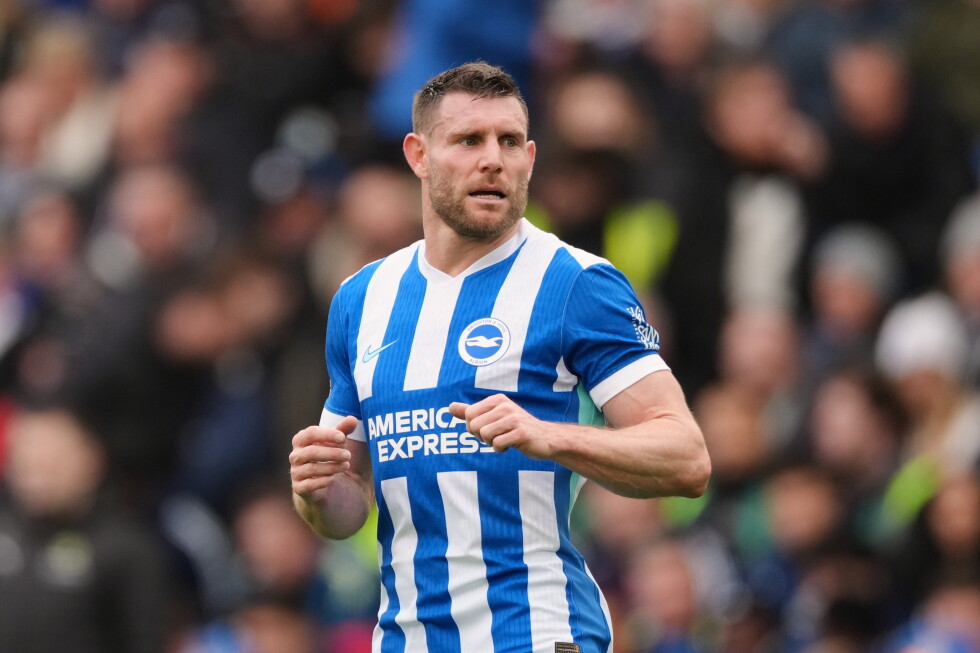
    One of the most enduring and respected figures in English top-flight soccer, James Milner, has formally called time on his iconic 24-year professional playing career, announcing his decision via social media on Monday. The 40-year-old midfielder, who set a new record for the most appearances in Premier League history, departs the sport after 658 top division outings, finishing his final chapter at current club Brighton & Hove Albion. Looking back on a decorated journey that included stints at some of England’s biggest clubs, Milner said the moment to step away felt natural and right.

    Milner’s career is a story of longevity, consistency, and rare adaptability that began when he made his professional debut at age 16 with boyhood club Leeds United. It was at Leeds that he first made history, becoming the youngest goal-scorer in Premier League history at the time, a milestone that signaled the start of a decades-long career filled with accolades. Over the following 24 seasons, Milner went on to wear the kits of top-flight giants Newcastle United, Aston Villa, Manchester City, and Liverpool, before ending his playing days at Brighton. Along the way, he claimed a full collection of major club honors: three Premier League titles, two FA Cups, two League Cups, a UEFA Champions League trophy, and a FIFA Club World Cup.

    At the international level, Milner also represented his home nation England, earning 61 senior caps and featuring for the Three Lions at two European Championships and two FIFA World Cups. In a heartfelt statement posted to his social media channels, Milner reflected on the unexpected path his career has taken, noting he never could have imagined the experiences he would have as a young player coming through the ranks.

    “From fighting for league survival to lifting major trophies, playing in European competitions and representing my country on the world’s biggest stages, I’ve been fortunate enough to enjoy so many unforgettable moments,” Milner wrote. He went on to thank both fans and critics who shaped his journey, adding: “To those who supported me every step of the way, your encouragement meant more than you’ll ever know. And to those who gave me grief along the way, thank you too — you all played your part in making the journey memorable and helping shape me as a player and person.”

    Widely regarded as one of the most professional and versatile players of his generation, Milner leaves the sport as one of the Premier League’s most iconic figures, with a career that set new benchmarks for longevity and consistency at the top of English soccer.

  • Two men charged after teen allegedly bitten during violent Sydney soccer brawl in Revesby

    Two men charged after teen allegedly bitten during violent Sydney soccer brawl in Revesby

    What was supposed to be a routine weekend under-17 boys’ soccer fixture in southwest Sydney turned into uncontrolled violence over the weekend, leaving multiple people injured and two people facing serious criminal charges. The clash unfolded around 3:30 p.m. Saturday at Amour Park, located on Iluka Street in Revesby, between competing sides Revesby Rovers FC and Greenacre Eagles FC.

    According to New South Wales Police accounts, a small on-field disagreement between teenage players rapidly escalated far beyond the pitch, triggering a full-scale pitch invasion that drew more than 30 people—both spectators and players—into a sprawling, chaotic melee. Graphic mobile phone footage captured from the scene shows brawling participants surging across the grass, at one point even catching an innocent bystander walking their dog near the sideline in the middle of the chaos.

    Emergency services were called to the park to respond to the violence, with paramedics treating multiple injured people on scene before transporting two for further hospital care. A 47-year-old man, who suffered minor head wounds in the fight, was taken to Bankstown-Lidcombe Hospital for evaluation and treatment. An 18-year-old man, who was found with a clear bite mark on his back among other injuries, was transferred to Liverpool Hospital to receive care.

    In the hours and days following the incident, officers from the Bankstown Police Area Command launched a full investigation to identify key instigators of the brawl. On Sunday, police arrested a 47-year-old man from Greenacre. He has been formally charged with affray and assault occasioning actual bodily harm, and was granted conditional bail ahead of a scheduled court appearance at Bankstown Local Court on June 25.

    Later the same day, investigators located and took an 18-year-old man into custody, transporting him to Bankstown Police Station for processing. The teen faces serious charges that include affray and possession of a weapon with intent to commit an indictable offence. He was initially refused bail following his arrest, but appeared at Bankstown Local Court on Monday where he was also granted conditional bail, with the same court return date of June 25 set.

    In the wake of the violence, five police officers remained on scene to interview club officials and witness, while a separate senior men’s match scheduled for the park continued in the background. Police confirmed Tuesday that their investigation into the full circumstances of the brawl is still ongoing, and additional charges may be laid as new information comes to light. The incident has renewed calls for greater spectator oversight at junior community sporting events across New South Wales, where violent crowd disturbances at youth matches have become an increasingly concerning issue in recent years.

  • Germany looking for World Cup redemption after successive early exits

    Germany looking for World Cup redemption after successive early exits

    Four-time World Cup winners Germany enter the 2026 FIFA World Cup with a heavy shadow hanging over their campaign: back-to-back humiliating group-stage exits in 2018 and 2022 have left the national soccer program desperate to reclaim its once-unquestioned status as a global powerhouse. Since its 2022 Qatar exit, which marked a new low for German soccer, the team has undergone a major reset. Former head coach Hansi Flick clung to his role for six additional matches after the tournament, but three consecutive defeats ultimately forced his departure, clearing the way for a fresh start.

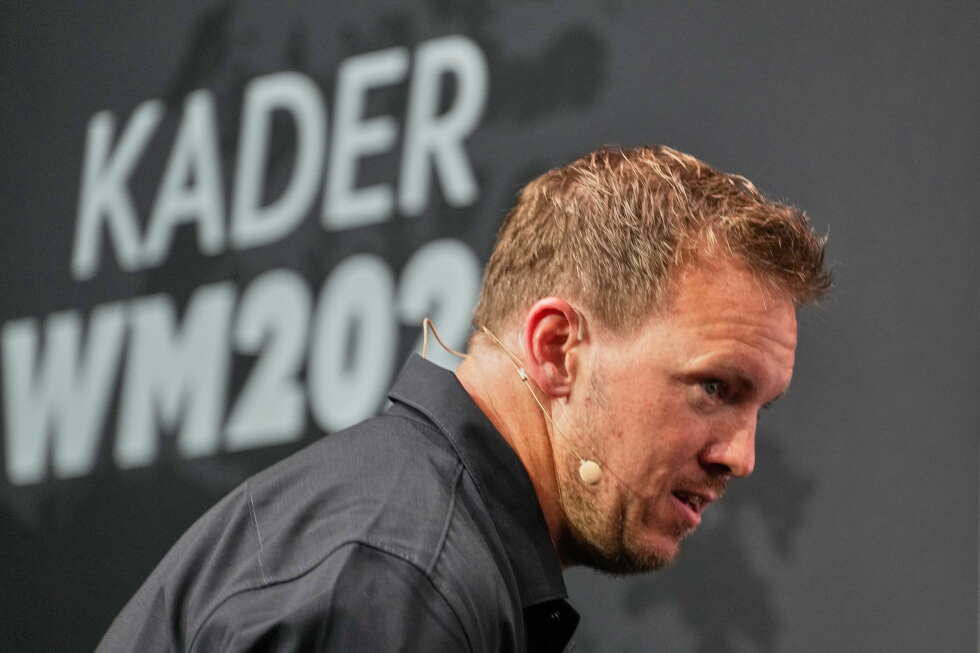
    Enter Julian Nagelsmann, the young, ambitious tactician who took the reins ahead of the 2024 UEFA European Championship, where Germany served as host. Building around a core of dynamic, emerging young talent, Nagelsmann’s rebuild showed early promise: the side bowed out to eventual tournament champions Spain in the quarterfinals, a result the coach said was a narrow defeat, leaving him bullish about Germany’s chances to claim the World Cup title in 2026. That confidence, however, has been paired with a surprising late roster choice that hints at underlying nerves heading into the tournament.

    In a last-minute call that upended earlier plans, Nagelsmann has recalled 40-year-old veteran goalkeeper Manuel Neuer from two years of international retirement, ending widespread expectation that Hoffenheim’s Oliver Baumann would fill the starting number one role after solid performances in qualifying. The decision casts clear doubt on Baumann’s readiness for the biggest stage, but Nagelsmann argues that Neuer’s unparalleled experience — 124 national team caps and a winner’s medal from the 2014 World Cup, where he stood as a key member of Germany’s last title-winning squad — makes the calculated risk worth taking. Neuer is set to become the only surviving member of that 2014 champion squad to feature in 2026, and his inclusion will mark his fifth World Cup appearance.

    Nagelsmann acknowledged that the recall is a significant blow to Baumann, a consistent team player who is not expected to publicly criticize the call, but pushed back against suggestions the move signals a goalkeeper crisis for Germany. “Everyone knows what kind of aura he possesses and the quality he brings to a team,” Nagelsmann said. “We don’t have a goalkeeper problem.” A notable quirk of the selection: Neuer is just over two years older than his 38-year-old head coach, who is making his first appearance at a World Cup as a manager. According to German football magazine Kicker, Neuer’s addition pushes the squad’s average age to 27.98, the oldest German World Cup squad since Rudi Völler’s 2002 roster. Bayern Munich teammate Joshua Kimmich has been named captain of the 2026 side.

    The biggest question hanging over Neuer’s inclusion remains fitness: the veteran has a long history of recurring injuries, and most recently missed Bayern’s German Cup final against Stuttgart with a calf injury. For Germany, the stakes of another early exit could not be higher. The team’s past two World Cup campaigns both crumbled after opening defeats to Mexico (2018) and Japan (2022), a pattern no one in the camp is willing to repeat. Germany kicks off its Group E campaign in Houston on June 14 against tournament newcomer Curaçao, a side that is not expected to pull off an upset. After the opener, Germany will face stiffer tests against Ivory Coast and Ecuador, even if the expanded 48-team World Cup format — which advances 32 teams to the knockout stage — gives the side far more margin for error than in past tournaments.

    While Germany cruised through qualifying, the side has still struggled to match top European heavyweights including France, Portugal and Spain, highlighting gaps that need addressing ahead of the tournament. Defensive solidity is Nagelsmann’s biggest area of concern: the team conceded four goals across two friendly wins in March, edging Switzerland 4-3 and shutting out Ghana 1-0. Jonathan Tah and Nico Schlotterbeck have anchored the central defense in recent outings, with Kimmich — a starting midfielder for his club Bayern Munich — shifting to right back, and either David Raum or Nathaniel Brown filling the left back spot.

    A late injury to experienced winger Serge Gnabry is a blow to the attacking unit, but Nagelsmann has turned down calls to add 19-year-old Cologne prospect Said El Mala to the squad, pointing to elite young attacking talent in Bayern’s Jamal Musiala and Liverpool’s Florian Wirtz as more than enough to cover the gap. The youngest member of the squad, 18-year-old Bayern prospect Lennart Karl, rounds out the attacking options as a surprise wild card selection, having recovered from a hamstring injury in time to earn his spot on the roster. For a team still chasing redemption after two decades without a World Cup title and two humiliating early exits, all eyes will be on whether Neuer’s veteran leadership and a new generation of young talent can finally lift Germany back to the top of global soccer.