分类: sports

  • Trump booed in New York as he becomes first sitting US president to attend NBA Finals

    Trump booed in New York as he becomes first sitting US president to attend NBA Finals

    Months of electric anticipation for the New York Knicks’ first NBA Finals appearance in 27 years reached a fever pitch on Monday at Madison Square Garden, but the historic home game was overshadowed by sweeping security measures and a public split over a surprise high-profile attendee: sitting U.S. President Donald Trump, the first sitting commander-in-chief ever to attend an NBA Finals contest.

    Trump, a Queens native whose relationship with deep-blue New York City has long been fraught, touched down in Manhattan via Marine One after spending the morning at his New Jersey golf club, then traveled to the Garden via a closed motorcade. The massive security detail deployed for his visit shut down all vehicle and foot traffic for blocks around the iconic arena, deployed thousands of NYPD officers and hundreds of Secret Service agents, and strung metal barriers along every surrounding street, forcing ticketholders and fans to endure airport-style security screenings and wait in lines stretching more than two blocks to enter.

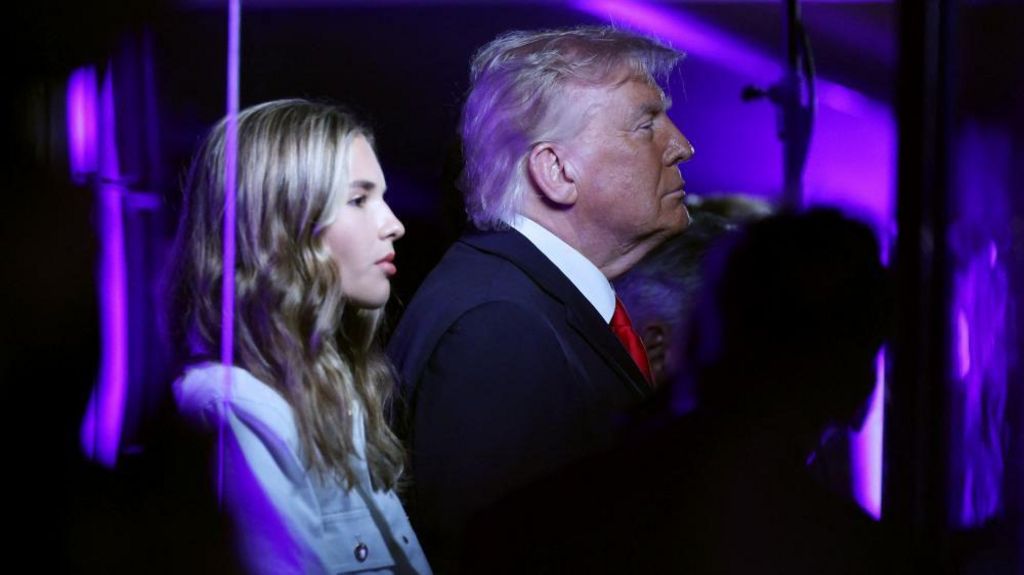
    By the time Trump took his courtside seat alongside his granddaughter Kai, Knicks owner James Dolan, and multiple senior members of his administration—including Transportation Secretary Sean Duffy, Interior Secretary Doug Burgum, EPA Administrator Lee Zeldin, and special envoy Steve Witkoff—frustration was already running high among fans inside and outside the venue. When the arena’s center jumbotron cut to a shot of Trump saluting during the pre-game national anthem, the crowd erupted in loud, sustained boos.

    The security crackdown upended plans across the neighborhood for a night that was supposed to be a once-in-a-generation celebration. Local bars near the Garden, which typically earn massive profits on big game nights, saw foot traffic dry up behind barriers and left many venues nearly empty. The official community watch party planned outside Madison Square Garden was canceled entirely due to the security restrictions, forcing thousands of ticketless fans to relocate to nearby Bryant Park, where crowds packed the streets dressed in the Knicks’ iconic orange and blue to cheer on the team on shared screens and laptops. Even city landmarks including the Empire State Building and One World Trade Center were lit up orange and blue to mark the occasion, but the disruption left many fans irritated.

    “The high security is killing the vibe of the Knicks,” one local resident told the BBC. A 44-year-old fan who watched the game from the Bryant Park watch party, who was 17 the last time the Knicks faced the San Antonio Spurs in the 1999 Finals, called the widespread disruption “very annoying.”

    Not all reaction to the president’s attendance was negative, however. Anthony Pulley, a 43-year-old Knicks fan, acknowledged the inconvenience of the security measures, telling AFP that “it really put a damper on all the watch parties,” but added that “it’s pretty cool he wants to show up and be a part of it.”

    Monday’s game was not lacking in star power beyond the president: New York Mayor Zohran Mamdani was in attendance, along with an A-list roster of celebrities including Timothee Chalamet, Tina Fey, Tracy Morgan, Ben Stiller, Larry David, and Spike Lee, plus local sports legends Derek Jeter and Eli Manning, all filling premium courtside seats.

    The 2025-26 NBA season has marked a stunning turnaround for the Knicks, who have spent decades as one of the league’s worst performing franchises before clinching a spot in the Finals against the San Antonio Spurs. Entering Game 3, the Knicks held a 2-0 series lead, and fans across Manhattan had been celebrating wildly all week. Even when the first two games were played in San Antonio, thousands of fans packed the streets near the Garden, leading to dozens of arrests after crowds climbed lampposts, jumped on food carts, and blocked traffic.

    Tickets for the first home game of the series have broken records for cost, with the cheapest resale tickets listed for upwards of $10,000, and premium seats going for more than $100,000—far above the Knicks’ already league-high standard ticket prices. When asked about the exorbitant costs earlier last week, Trump brushed off the concern, saying “It’s sort of semi-free to watch it on television.” Mayor Mamdani confirmed to reporters Monday that he paid nearly $1,000 for his own ticket to the game.
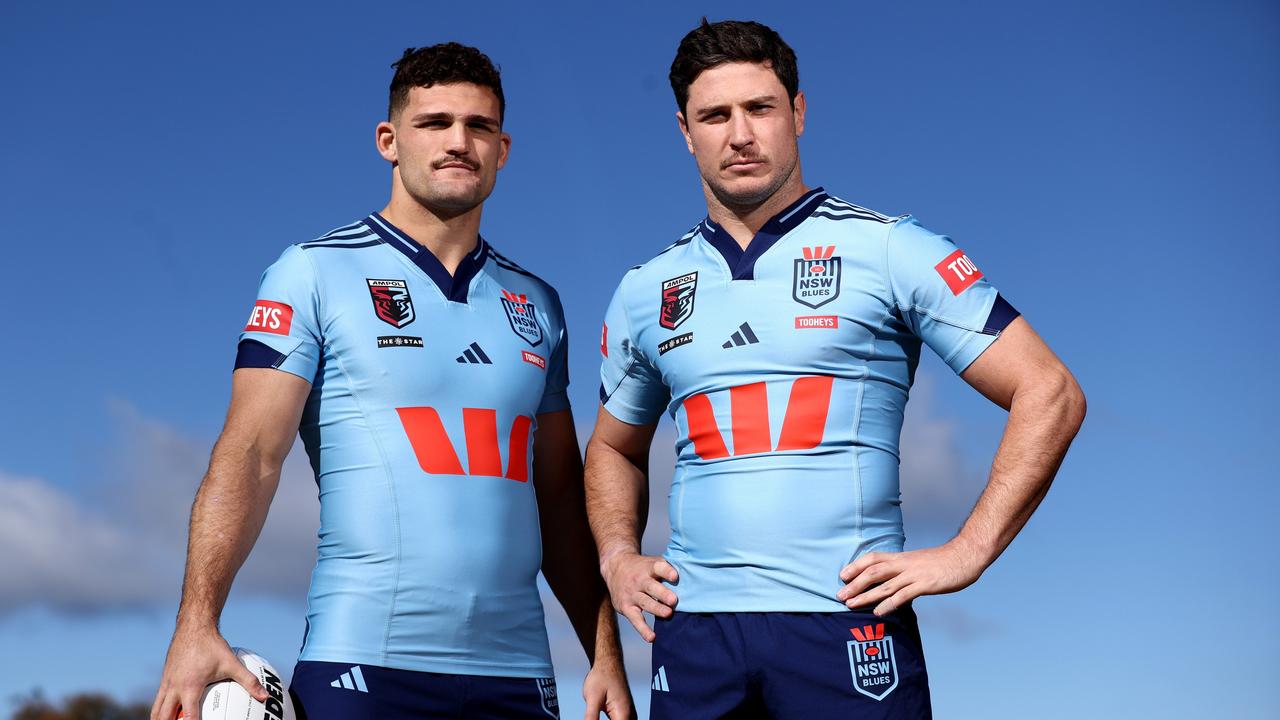
  • ‘I don’t think it’s a risk’: Blues confident in Mitchell Moses’ fitness as star playmaker parks his ego to partner game’s biggest star

    ‘I don’t think it’s a risk’: Blues confident in Mitchell Moses’ fitness as star playmaker parks his ego to partner game’s biggest star

    As State of Origin II approaches at the Melbourne Cricket Ground, NSW Blues star playmaker Mitchell Moses is racing against time to prove his hamstring injury has healed enough to take his place in the starting side alongside Nathan Cleary, with Blues head coach Laurie Daley confirming a final fitness check will happen at Thursday’s team training session.

    Moses’ history of recent soft-tissue injuries has put his spot under the microscope: the Parramatta Eels playmaker was forced to withdraw from the series opener in Sydney just 24 hours before kickoff after pulling his hamstring during post-training extra drills – marking the first time he has suffered a hamstring injury in his professional career. Last year, a calf injury sustained in Origin camp sidelined him for the final two matches of the series, and persistent setbacks have limited him to just 21 total appearances across the 2024 and 2025 NRL seasons, with his last match coming back on May 16.

    Despite Moses’ late injury withdrawal, stand-in halves partner Ethan Strange delivered a breakout performance for NSW in game one, putting in one of the best outings of any player on the field at Accor Stadium after being called in on extremely short notice. Still, Daley opted to turn to the experienced Moses, citing his elite kicking game as a key asset to pair with the in-form Cleary, who many analysts argue is playing the best rugby league of his career after a dominant display against the Tigers in his most recent NRL outing.

    Daley has pushed back against concerns that selecting Moses is a risky call, saying he has full confidence in the playmaker’s recovery. “I don’t think it’s a risk,” the coach told reporters. “He’s ticked every box through the rehab process, and you don’t hold a player of his calibre back over what ifs. We’re confident he’ll get through the session and be right for next week. We’ve also got Ethan, who already proved he’s more than capable, ready to step in immediately if anything goes wrong during the game.”

    Moses will not be required to complete the full training session Thursday, but will need to perform at full match intensity to prove his fitness. Dolphins halfback Isaiya Katoa has been named as emergency cover, but Daley noted that Katoa will still line up for his NRL club this Friday, a sign the coaching staff is optimistic about Moses’ chances of playing.

    “If we had major concerns, we would have named Izzy in our extended 20-man squad already,” Daley explained. “Right now, we’re comfortable with where things stand.”

    For his part, Moses says he is fully confident his body will hold up, and is eager to pull on the Blues jersey for just the second time ever pairing with Cleary in the Origin halves. The two combined for an encouraging performance in last year’s series opener, silencing critics who claimed two specialist halfbacks could not build effective chemistry at the highest level of interstate rugby league.

    The veteran playmaker added that representing his state requires a team-first approach, saying that all star players need to set personal ambitions aside to pursue a collective win. “When you get into this side, you’re surrounded by the best players from every club,” Moses said. “Everyone has an ego – that’s what makes a lot of us good at what we do. But when you pull on this jersey, it’s not about your personal stats or individual glory anymore. It’s about the state, it’s about the team, and doing whatever job the side needs from you. I’m not here to take control, I’m just here to nail my role and help us get the result we need.”

    Moses added that he and Cleary have built strong connection both on and off the field, saying it is easy to work alongside a player of Cleary’s caliber who is in such devastating form.

  • ‘What the team needs’: Laurie Daley explains why he made the ‘hard’ call to drop wrecking ball Haumole Olakau’atu

    ‘What the team needs’: Laurie Daley explains why he made the ‘hard’ call to drop wrecking ball Haumole Olakau’atu

    In a stunning shakeup of the New South Wales Blues side ahead of the upcoming State of Origin II in Melbourne, coach Laurie Daley has delivered a bombshell selection call, dropping one of the sport’s most in-form edge forwards, Haumole Olakau’atu, to clear the way for rookie Dylan Lucas to make his debut. As the Blues aim to close out the 2024 Origin series with a decisive win, the decision has quickly become one of the most talked-about talking points in rugby league this week.

    The selection process unfolded over 24 hours that left fans and pundits speculating: the Blues first named an alphabetized 21-man extended squad on Monday night, with few expecting that Olakau’atu, widely ranked as the best edge forward in the global game right now, would be the one cut from the final 19-player match-day side revealed Tuesday morning. Olakau’atu’s recent form has been nothing short of dominant for his club, the Manly Warringah Sea Eagles: since Kieran Foran took over as head coach, the back-rower has stepped up his game to new heights, notching a match-winning performance in last week’s defeat of South Sydney Rabbitohs where he ran for a game-topping 250 meters. He also featured in the series opener, only coming off the pitch late in the game after suffering cramps — a minor issue that few expected would lead to his full omission from the squad.

    Speaking to reporters after the team announcement, Daley defended the call as a difficult but necessary choice to balance the side for the must-win clash. “It’s always difficult to have those chats [about being dropped], but you’ve just got to make the decision on what you think is in the best interest of the team and what the team needs,” Daley said. “We tried to see whether we could put him on the bench, but just the balance of the side and the balance of the bench with another back-rower there, we felt like we needed a big man. So it’s just one of those hard calls that you’ve got to make. He’s a destructive back-rower, but unfortunately we want to give Dylan a run in this game and I’m sure that he’ll play really well.”

    Lucas, who has enjoyed a breakout season as left edge forward for the Newcastle Knights, narrowly missed out on a match-day spot in Origin I despite being named in the initial squad, a snub that many observers called unfair at the time. Daley said the young forward’s consistent 2024 form earned him the starting spot this week. “I think he’s been in great form all year. His last few performances have been excellent,” Daley noted. “Like with all our young guys, they’re just keen to get out there and keen to play, keen to represent New South Wales. I think you saw how they all performed in game one, so there’s no reason to suggest that Dyl won’t handle it.”

    Olakau’atu’s axing is not the only major change to the NSW side following Monday’s initial squad announcement. Canterbury Bulldogs captain Stephen Crichton has also been ruled out of the clash due to a persistent AC joint injury that has left him unfit for the high-contact intensity of Origin football. Daley explained that after speaking to Crichton following the Bulldogs’ most recent club match, it became clear the centre could not prepare adequately for the game. “He’s been carrying an AC joint injury and he’s a bit banged up,” Daley said. “So he wouldn’t have been able to do a lot of training and in particular contact which is always a concern. He was just in no shape to be ready for an Origin game.”

    Replacing Crichton in the starting centres will be young gun Casey McLean, who already proved his mettle in Origin I when he was unexpectedly thrown into the game early after starting winger Tolu Koula suffered a head knock from a shoulder charge that saw Kalyn Ponga sent off. McLean, who was not expected to see any game time in the series opener, stepped up and delivered a steady performance that impressed the coaching staff. “What Casey did in game one was terrific coming off the bench, and someone that probably wasn’t going to get any game time but was thrust in and then to handle it as well as he did was pretty special,” Daley said. “So there was no hesitation in putting a guy like Casey in. He handled it, so that gives us great belief.” Sydney Roosters winger Mark Nawaqanitawase has been called up to the extended 21-man squad as injury cover for the upcoming match.

  • World Cup nears kickoff after pre-tournament turbulence

    World Cup nears kickoff after pre-tournament turbulence

    The world’s most anticipated football spectacle is just hours away from its opening kickoff this Thursday, with FIFA pinning its hopes on the World Cup’s timeless global appeal to overshadow widespread pre-tournament turmoil. From unprecedented anger over staggering ticket costs to political friction in host nation the United States and the lingering shadow of Middle Eastern conflict, the 2026 edition – the first ever co-hosted by three countries, the United States, Canada and Mexico – has faced one of the rockiest build-ups in modern tournament history.

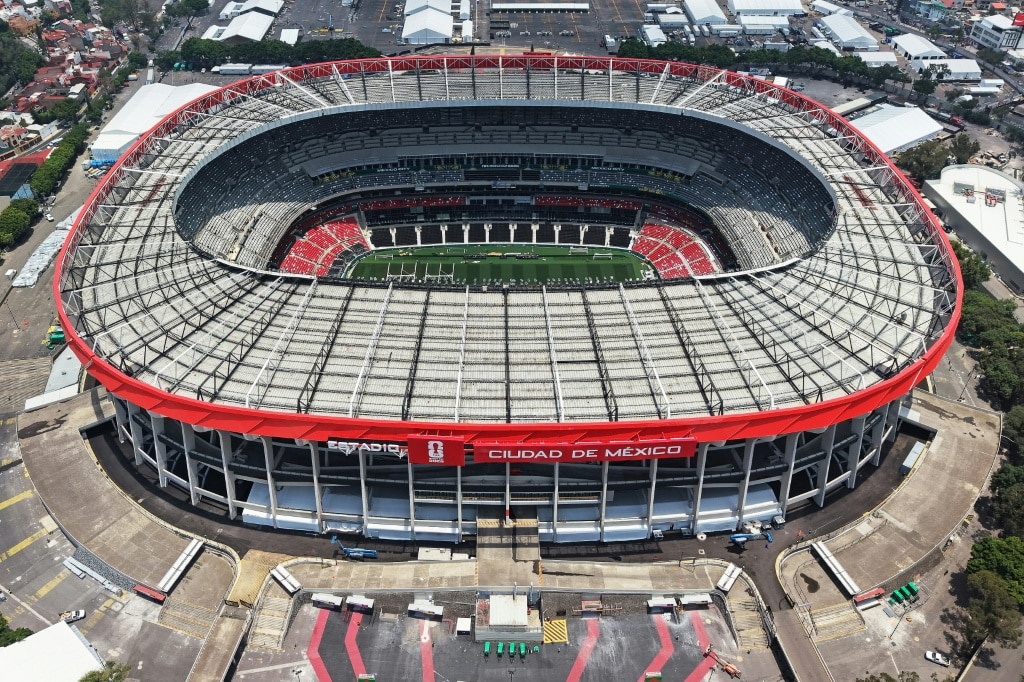
    This year’s World Cup breaks new ground as the largest iteration of the tournament ever staged, with an expanded 48-team field set to bring millions of travelling fans across 16 host venues across the three North American nations. The opening match will launch the nearly six-week event on Thursday afternoon local time at Mexico City’s legendary Estadio Azteca, where co-host Mexico will face off against South Africa. The tournament will wrap up on July 19, with the final contested at New Jersey’s 82,500-capacity MetLife Stadium.

    For football fans around the globe, the on-pitch action promises a slate of historic storylines. At 38, Lionel Messi has the chance to cement his legacy as the undisputed greatest player of all time by leading Argentina to a second consecutive World Cup title. His long-time rival Cristiano Ronaldo, 41, will look to defy age and deliver Portugal’s first ever World Cup crown. Meanwhile, England captain Harry Kane will lead his side’s bid to end the nation’s 60-year wait for a second major title, following their lone 1966 World Cup win. FIFA president Gianni Infantino has already touted the tournament as “the greatest show that the planet has ever seen,” but his upbeat framing has run into significant pushback in the lead-up to kickoff.

    The most fierce backlash has centered on the tournament’s sky-high ticket pricing, which has sparked global outrage that has left FIFA and Infantino scrambling to respond. At the 2022 Qatar World Cup, the most expensive face-value final ticket cost roughly $1,600. This year, the priciest face-value ticket for the 2026 final hits an eye-watering $32,970, a massive markup that has held across all 104 tournament matches. Despite widespread fan demand for the event, thousands of seats remain listed on secondary resale markets, a sign of sticker shock for casual and dedicated fans alike. Even Infantino’s political ally, U.S. President Donald Trump, has publicly pushed back on the costs, admitting to the New York Post he would not pay the $1,000 price tag for tickets to the United States’ opening match against Paraguay in Los Angeles this Friday.

    Beyond affordability concerns, critics have warned that the current political climate in the United States, one of the tournament’s three hosts, could overshadow the football. Human Rights Watch has argued that Trump’s administration’s crackdowns on immigration, public demonstrations and press freedom could frame the entire tournament around “exclusion and fear.” Those concerns gained new traction earlier this week when FIFA confirmed it had removed Somali referee Omar Artan from the tournament’s officiating roster after U.S. border authorities denied him entry to the country. Artan was set to become the first Somali match official to work a World Cup finals, but was turned away upon arrival at Miami International Airport Saturday; FIFA said it had no ability to reverse the U.S. government’s decision.

    The ongoing fallout from recent U.S.-Israel military strikes on Iran has also cast a shadow over the tournament, where Iran is scheduled to play three group stage matches on U.S. soil, kicking off against New Zealand on June 15. Trump initially suggested Iran should withdraw from the tournament for their own “life and safety,” before walking back the controversial comments. In response, Iran relocated its pre-tournament training base from Tucson, Arizona to Tijuana, Mexico, where the team arrived early Sunday. While Iranian players are permitted to travel in and out of the U.S. for their matches, roughly 15 Iranian administrative and coaching staff have been denied U.S. visas, a move Iranian officials have condemned as deliberate, discriminatory treatment.

    On the pitch, the tournament’s most transformative change is the expansion of the field from 32 to 48 teams, a shift that has already sparked debate over whether it will dilute the intensity of the group stage. Under the new format, 72 opening-round matches will only eliminate 12 teams, with 32 sides advancing to the knockout stage – the top two from each of 12 groups, plus the eight best third-place finishers.

    A slate of other new innovations are also making their World Cup debut this year. For the first time, every match will include mandatory cooling breaks midway through each half, a policy designed to counter extreme heat and humidity forecast for many host venues. New on-pitch rules will also require teams to complete substitutions within 10 seconds to cut down on intentional time-wasting, while a new crackdown on on-pitch racist abuse will see players risk a red card for covering their mouth during confrontations with opponents. This year’s final will also make history as potentially the longest ever, after organizers decided to add a Super Bowl-style halftime show headlined by Madonna, Shakira and BTS, stretching the break from the traditional 15 minutes to roughly 25 minutes.

  • Somali referee is dropped from World Cup after turned back at US border

    Somali referee is dropped from World Cup after turned back at US border

    As the 2026 FIFA World Cup, co-hosted by the United States, Mexico and Canada, enters its final days of preparation ahead of Thursday’s opening kickoff, two high-profile border entry denials have reignited long-simmering criticism of U.S. immigration policy, while Mexican authorities move to head off planned protests that could disrupt the tournament’s opening match.

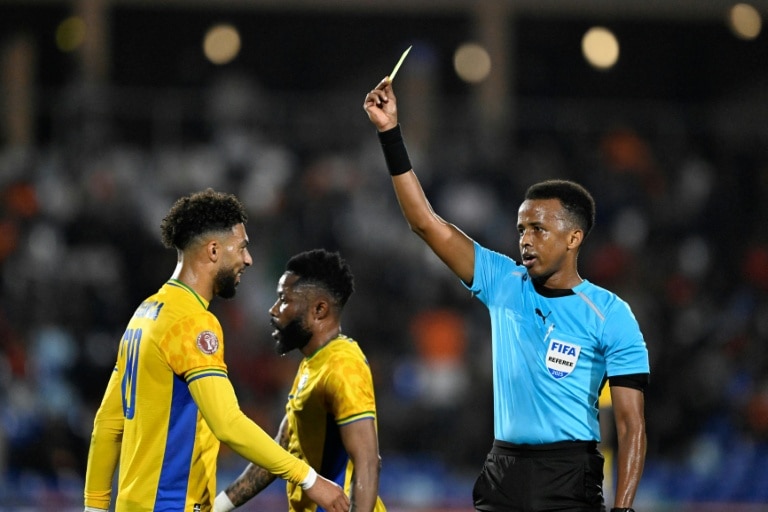
    The most notable disruption came with the removal of Somali referee Omar Artan from the tournament’s official match official roster, after U.S. Customs and Border Protection (CBP) turned him away at Miami International Airport on Saturday over unspecified “vetting concerns.” Artan was set to make history as the first Somali match official to officiate at a men’s World Cup finals, a milestone cut short by U.S. immigration restrictions first implemented under former President Donald Trump’s administration. Somalia remains on the travel ban list rolled out as part of Trump’s sweeping immigration crackdown, a policy that is now directly impacting a major global sporting event hosted on U.S. soil.

    FIFA confirmed the development in an official statement to AFP, noting that the governing body of global football has no authority to override entry decisions made by host nations. “FIFA can confirm that match official Omar Abdulkadir Artan will be unable to train and officiate at the FIFA World Cup 2026 after he was denied entry into the United States,” a FIFA spokesperson said, confirming Artan would play no part in the month-long tournament.

    Artan’s exclusion is not an isolated incident. The Iranian men’s national team has also been caught in a diplomatic and visa storm amid ongoing military tensions between the U.S. and the Islamic Republic, with U.S. authorities refusing to issue visas to 15 members of the team’s support staff. The team has currently set up its base camp in Tijuana, Mexico, after its arrival was delayed by a full week due to the visa logjam. Iranian head coach Amir Ghalenoei publicly criticized the handling of the visa process Sunday, saying that basic ethical and human considerations were overlooked in the lead-up to the tournament. “Usually in these tournaments, before technical matters, ethical and human considerations must be respected — which I think for us it was not the case,” Ghalenoei said.

    South of the border, Mexican authorities are working to secure the opening match between Mexico and South Africa, scheduled to kick off in Mexico City on Thursday. Mexican President Claudia Sheinbaum has vowed to guarantee the tournament runs “in peace and tranquility” after a teachers’ union announced planned demonstrations to demand higher salary raises, raising fears of disruption to the opening game. On June 1, police dispersed protestors near Mexico City’s historic Zocalo square, where authorities have built a massive public viewing screen for the official World Cup fan zone, using tear gas and rubber bullets. Metal barricades now block off all streets surrounding the square, a measure Sheinbaum says is necessary to guard against unapproved provocations.

    Amid the off-field turbulence, the 48 participating teams – expanded from 32 in previous World Cup editions – have begun settling into their base camps across the three host nations for the 39-day tournament, which will conclude with the final on July 19. Five-time tournament winners Brazil, one of the pre-tournament favorites aiming to secure a record-extending sixth title, have been finalizing preparations in New Jersey. Star midfielder Bruno Guimaraes pushed back against what he sees as a lack of respect for the Brazilian side, noting that no other nation can match Brazil’s five World Cup titles. “Nobody else has five stars on their chest. We have great players who play for top teams, like Vini (Vinicius Junior) and Raphinha. We need to give our players the respect they deserve,” Guimaraes told reporters.

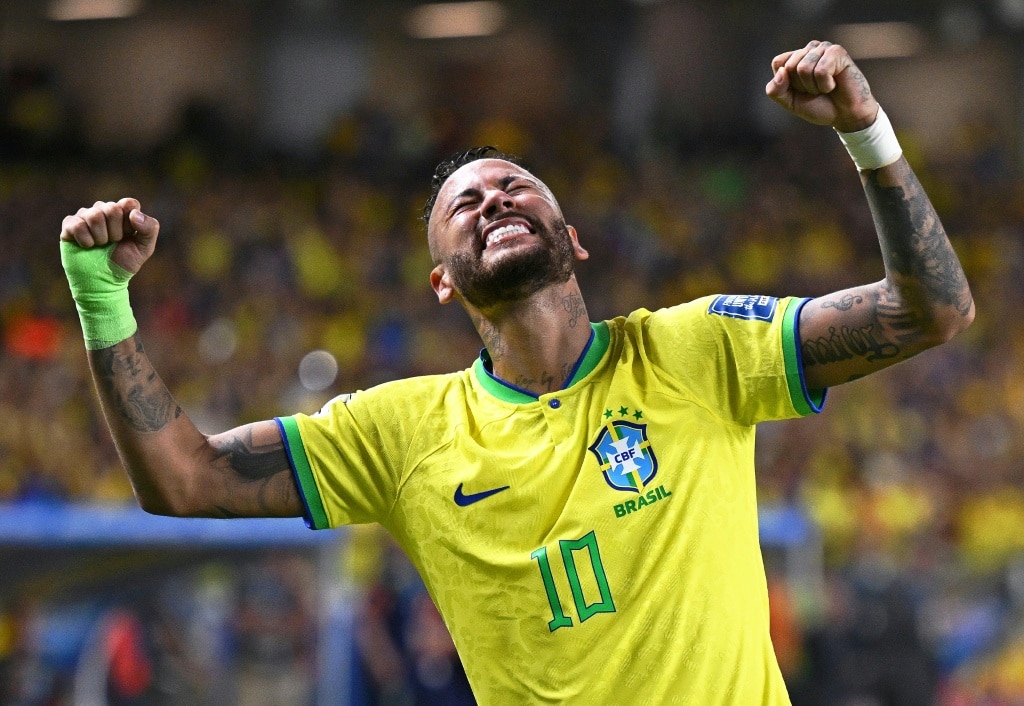
    The Brazilian camp also provided an update on star forward Neymar, the nation’s all-time leading international goalscorer who was recalled to the national side after a two-year absence. The 34-year-old is continuing to recover well from a calf injury, though he remains a doubt for Brazil’s opening group stage match against Morocco this Saturday.

    Over in Europe, 2022 runners-up France – another top contender to lift the trophy this year – wrapped up their final pre-tournament warm-up with a confidence-boosting 3-1 win over Northern Ireland in Lille, with Crystal Palace star Michael Olise netting a hat-trick. The result erased any lingering doubts over the side’s form after an unexpected loss to Ivory Coast in their previous warm-up fixture. Head coach Didier Deschamps will lead the side to their U.S. training base near Boston on Wednesday, ahead of their opening group match against Senegal next Tuesday.

  • Serena Williams to return to tennis in Queen’s doubles on Tuesday

    Serena Williams to return to tennis in Queen’s doubles on Tuesday

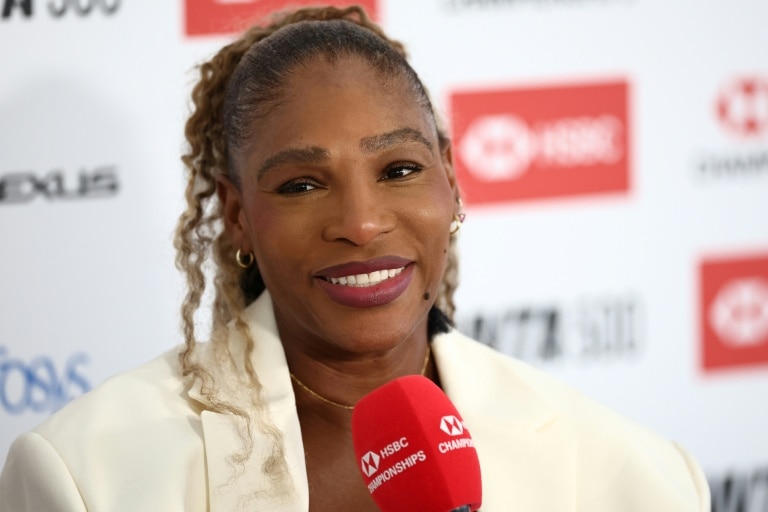
    The global tennis community is buzzing with excitement after organisers at London’s Queen’s Club confirmed that 23-time Grand Slam singles champion Serena Williams will step back onto a professional court for the first time in nearly four years this Tuesday. Williams, who last competed at the 2022 US Open where she signaled she was “evolving away from tennis”, has accepted a wildcard entry into the women’s doubles draw of the pre-Wimbledon warm-up grass-court tournament.

    The 44-year-old American tennis icon will pair with 19-year-old Canadian rising star Victoria Mboko to face third seeds Erin Routliffe and Nicole Melichar-Martinez in their opening match. The unexpected comeback has sent shockwaves through the global sporting landscape, capturing the attention of fans and pundits alike who have followed Williams’ legendary career for decades.

    In her first public comments since announcing her return, Williams revealed the core motivation behind stepping back into competitive tennis: she wants her two young daughters with husband and tech entrepreneur Alexis Ohanian to see her compete before she retires from the sport for good. “It’s really about the kids seeing me play,” Williams told reporters at Queen’s on Sunday. “Olympia is a little bit older, Adira is very young. It’s components like that.”

    Following her appearance at Queen’s Club, Williams is already scheduled to compete in doubles at the Berlin Open, which runs from June 15 to 21. When pressed about speculation that she could extend her comeback to singles competition – particularly at Wimbledon, where she has claimed seven career singles titles – Williams struck a careful balance, neither confirming nor ruling out a potential singles appearance.

    “For singles, I can’t say ‘yeah’ and I can’t say ‘no’,” Williams explained. “Right now, no. I feel like I probably need to train a little bit more if I want to play singles. We will see if I get there and if not, it is not my journey right now.”

    Williams’ return comes as one of the most unexpected developments in men’s or women’s professional tennis in recent years, with the all-time great already cemented as one of the most influential athletes in the history of the sport. Fans around the world are already waiting anxiously to see her back in action this week, with speculation continuing to build around what comes next for the tennis legend.

  • Somali referee axed from World Cup after being denied entry to US: FIFA

    Somali referee axed from World Cup after being denied entry to US: FIFA

    In a development that has sent ripples through the global football community, award-winning Somali referee Omar Abdulkadir Artan will not take part in the upcoming 2026 FIFA World Cup co-hosted by Canada, Mexico and the United States, after U.S. authorities barred him from entering the country, global governing body FIFA confirmed Monday.

    Upon his arrival at Miami International Airport, Artan was refused entry by U.S. immigration officials, a decision FIFA says it has no ability to challenge or reverse. In an official statement provided to Agence France-Presse, a FIFA spokesperson clarified that immigration and visa rulings fall exclusively under the authority of host nation governments, a long-standing policy for all FIFA-sanctioned international events. “FIFA is not involved in host country immigration processes, including visa adjudications, and has been informed by authorities that Mr Artan’s status will not be changed at present,” the spokesperson said. “In line with previous FIFA events, a host government ultimately determines who receives a visa and approved entry into their country.”

    While U.S. officials have not publicly released a reason for the entry denial, Somalia is one of the nations included in the travel restriction policy first implemented by former U.S. President Donald Trump’s administration. Notably, Somali government advisors confirmed Artan held a valid U.S. visa at the time of his attempt to enter the country. Following the rejection, Artan departed the U.S. and returned to Istanbul, where he had been based ahead of World Cup preparations.

    Artan’s selection to the 2026 World Cup roster marked a historic milestone: he was set to become the first Somali referee ever to officiate at a men’s World Cup finals. Named to the 52-person referee panel by FIFA earlier this year, Artan has built a reputation as one of Africa’s most respected match officials. He earned FIFA certification in 2018, has overseen top-tier matches in the Somali national league, officiated at the 2023 African Cup of Nations finals, and was named the Confederation of African Football’s Men’s Referee of the Year in 2025. When his historic selection was announced earlier this year, Somali President Hassan Sheikh Mohamud publicly praised Artan, highlighting his professionalism and framing him as a symbol of inspiration for young Somalis across the globe.

    Senior Somali sports officials have condemned the decision to bar Artan, arguing it undermines core principles of global football. Ciise Aden Abshir, senior advisor to Somalia’s Ministry of Youth and Sports and a former captain of Somalia’s national men’s football team, called the outcome a blow to both Artan personally and the sport’s commitment to fairness. “Denying him entry to the United States and preventing him from officiating scheduled matches harms not only him personally but also undermines football’s commitment to fairness, merit, and the spirit of fair play,” Abshir told AFP. He added that Artan deserves widespread support from the global football community for his trailblazing work to reach the highest levels of the sport.

  • Stokes facing uncertain future as England captain after nightclub incident ‘with rugby player’

    Stokes facing uncertain future as England captain after nightclub incident ‘with rugby player’

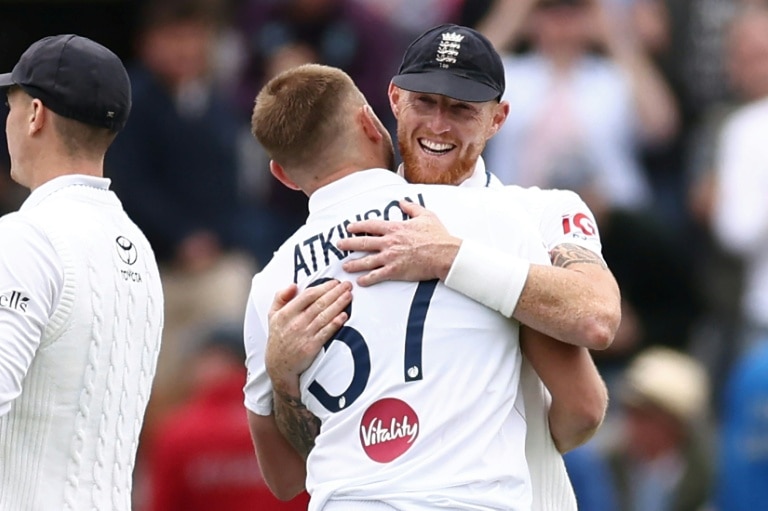
    England men’s cricket captain Ben Stokes is facing an uncertain future in his leadership role after the England and Wales Cricket Board (ECB) launched a formal investigation into a reported early-morning nightclub incident involving the star all-rounder, teammate Gus Atkinson, and a Saracens rugby union academy player, the governing body confirmed Monday.

    The probe was launched within 24 hours of England securing a dominant 115-run victory over New Zealand in the opening Test of their three-match series at Lord’s, a win that was meant to turn the page on the team’s humiliating 4-1 Ashes series defeat in Australia earlier this year. Atkinson, the young pace bowler who sealed the win with a match-winning second-innings haul of 5 wickets for 30 runs, is also under investigation alongside Stokes for violating team protocols.

    The incident unfolded in the early hours of Monday at a London nightclub, where Saracens were hosting an end-of-season party for their squad and staff. The Premiership rugby club later issued a statement confirming that one of their academy players was involved in the altercation, adding that club officials were working to gather full details and coordinating with relevant authorities before taking further action.

    For Stokes, the controversy represents the latest high-profile incident linked to nightclub behavior, marking a repeat of a 2017 incident outside a Bristol venue that saw him charged with affray. He was ultimately cleared of the charge in 2018 after a trial, but missed the entire 2017/18 Ashes tour as a result of the legal process. This new probe also comes against a backdrop of ongoing scrutiny of the England squad’s off-field culture, which first intensified during the January Ashes tour, when social media footage emerged of opening batsman Ben Duckett appearing visibly intoxicated during a mid-series break in Noosa. Though then-England cricket director Rob Key launched an investigation and rejected claims of a systemic drinking culture within the squad, the incident prompted the ECB to introduce a mandatory midnight curfew for all players and staff – a rule that remains in effect as of the New Zealand series.

    The current controversy also carries echoes of a 2023 incident involving Harry Brook, England’s current white-ball captain, who was fined and censured after a late-night nightclub clash with a bouncer ahead of a One Day International in Wellington. Brook had initially claimed he was alone at the venue, only for it to emerge he was accompanied by two teammates, leading directly to the introduction of the current curfew policy.

    If the ECB determines that Stokes violated team rules and strips him of the captaincy, Brook is widely tipped to step into the role for the second Test, scheduled to begin next week at The Oval in London. That would mark a dramatic turnaround for Brook, who only 10 months ago was disciplined for the same type of off-field behavior that now threatens Stokes’ leadership.

    In a post-victory interview after the Lord’s win, 35-year-old Stokes – who had celebrated his birthday during the Test – spoke openly of his desire to celebrate the win with his squad. “I’m not going to lie, I’m very, very happy that we’ve won this week. I knew how big this game was in terms of the result and how it was going to be perceived externally if it didn’t go well,” he said. “I won’t be really happy until I get to share a beer with the boys.”

    The ECB said in its official statement that it is still gathering information about the incident, and will announce the squad for the second Test in due course, leaving cricket fans and pundits waiting for clarity on the future of England’s red-ball cricket leadership.

  • Platini switches to French courts in long-running FIFA feud

    Platini switches to French courts in long-running FIFA feud

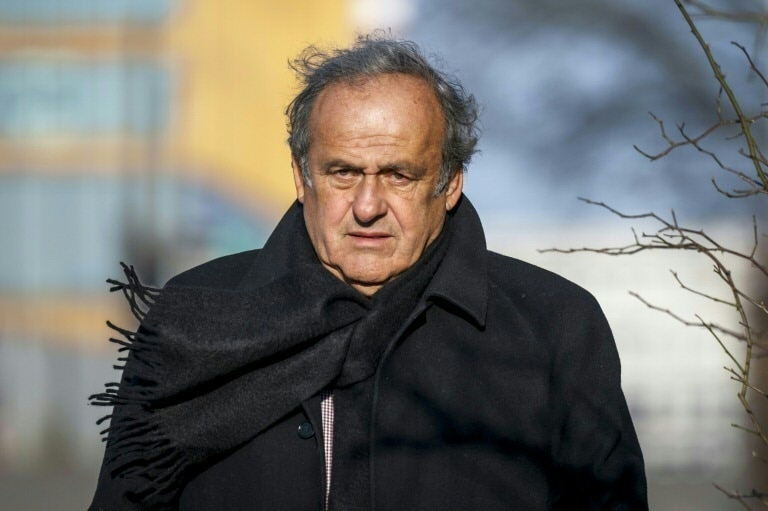
    Just four days before the kickoff of the 2026 FIFA World Cup, a long-simmering power struggle at the top of global football has erupted into a new legal battle. Seventy-year-old Michel Platini, the legendary French footballer who led the organization of the 1998 World Cup on home soil, announced Monday he has launched legal action against current FIFA president Gianni Infantino in French judicial system, marking the latest turn in a feud stretching back almost a decade.

    In an official statement shared with Agence France-Presse, Platini confirmed his legal team has submitted two separate court filings targeting the plot he claims was hatched to keep him from claiming the FIFA presidency he says was promised to him. The French legal system, the statement noted, is now charged with fully unravelling this conspiracy.

    The roots of the conflict stretch back to 2015, when long-time FIFA president Sepp Blatter was forced out of office amid a sweeping corruption scandal. At the time, Platini served as the head of UEFA, European football’s governing body, and was widely seen as the overwhelming favorite to succeed Blatter. But just as his campaign got underway, the former France captain and national team coach was pulled into the expanding scandal, derailing his bid entirely. In his place, Infantino — Platini’s own deputy at UEFA — stepped in and won the FIFA presidency, setting off a years-long bitter feud between the two men.

    Platini’s new legal action names three key figures as defendants: 56-year-old Infantino, and former FIFA officials Marco Villiger and Domenico Scala. He is also calling on French prosecutors to open investigations into former Swiss Attorney General Michael Lauber and other officials from his department. The first filing is a civil lawsuit, which seeks full financial compensation for all harms Platini has endured since the alleged conspiracy blocked his 2015 presidential run. The second is a criminal complaint that pushes for a formal investigation into charges of criminal conspiracy, false accusations, influence peddling, and aiding and abetting influence peddling, all aimed at removing Platini from the 2015 presidential race.

    This is not the first time Platini has turned to the courts to seek redress. He previously filed two separate legal complaints in Switzerland, but neither case ever proceeded to a public trial. For their part, Swiss prosecutors spent years pursuing criminal action against Platini over a $2 million 2011 payment he received from FIFA, but three separate attempts to secure a conviction all ended in failure. Swiss authorities have also opened investigations into Infantino over his use of private jets and three undisclosed closed-door meetings he held with Lauber between 2016 and 2017.

    In his statement Monday, Platini doubled down on his claim that he was the victim of a coordinated unjust plot. “The Parisian investigating judge, along with investigative agencies, police, and gendarmerie, are tasked with uncovering and exposing the internal manoeuvres within FIFA, with the possible complicity of Swiss magistrates, to block the path of the three-time Ballon d’Or winner to the helm of world soccer,” the statement read.

  • FIFA settles $75M transfer claim from former France player Lassana Diarra with no payment

    FIFA settles $75M transfer claim from former France player Lassana Diarra with no payment

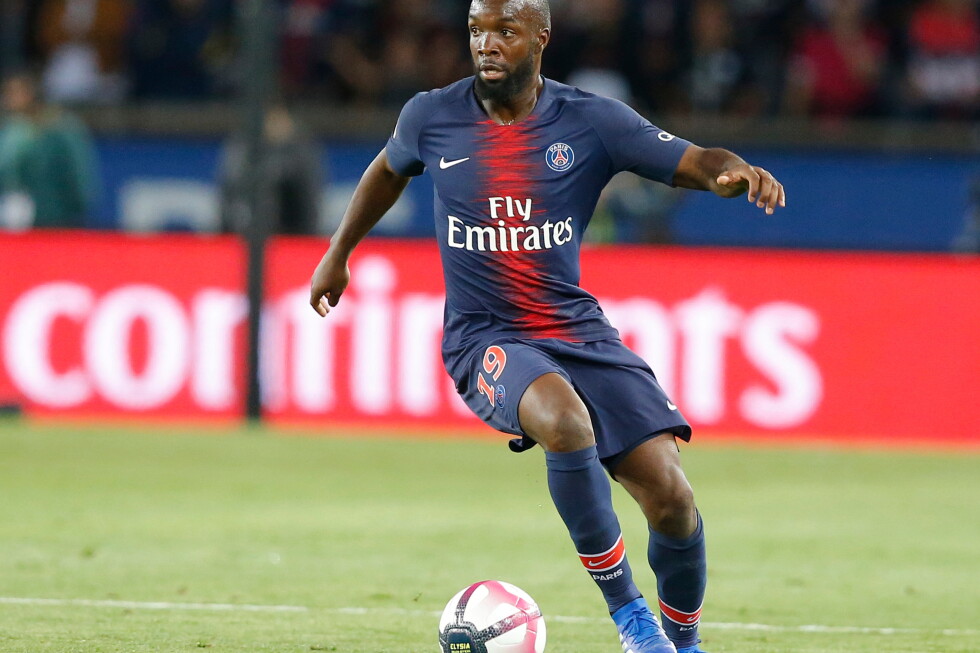
    CORAL GABLES, Fla. – Global soccer governing body FIFA announced on Monday that former French international midfielder Lassana Diarra has ended his 65 million euro ($75 million) damages claim against the organization through a settlement that requires no financial payment from FIFA.

    Diarra, who has played for top European clubs including Arsenal, Real Madrid, and Paris Saint-Germain, originally launched the damages lawsuit against FIFA and the Belgian Football Association last year. The legal action followed a landmark 2024 ruling from the European Union’s highest court that struck down key parts of FIFA’s global transfer regulations.

    In an official public statement, FIFA confirmed that the two sides have reached a global agreement that dismisses all ongoing legal proceedings between Diarra and the organization. The statement also clarified that “FIFA has not made any admission of liability nor payment by way of compensation” as part of the settlement deal.

    As of Monday, it remains uncertain whether this resolution will impact the separate class-action lawsuit that Diarra’s legal team has brought against FIFA growing out of the earlier Luxembourg-based European Court of Justice case. Representatives from Dupont Hissel, the Belgian law firm representing Diarra, have been contacted for additional comment on the settlement terms and the status of the class-action suit.

    This recent legal resolution brings an end to one chapter of a decade-long dispute between Diarra and international soccer’s governing body. The conflict first erupted back in 2014, when Diarra’s contract with Russian top-flight club Lokomotiv Moscow broke down acrimoniously. Following the split, FIFA and the Court of Arbitration for Sport ruled in favor of the Russian side, finding that Diarra had terminated his contract without valid just cause. The ruling imposed a 10.5 million euro ($12.1 million) liability that fell on both Diarra and any new club that sought to sign him after the split.

    That original dispute pushed Diarra to challenge the legality of FIFA’s centralized global transfer system, a fight that ultimately led to his case being heard by the European Court of Justice. In the 2024 landmark decision, judges ruled that core elements of FIFA’s transfer rules violated both European Union competition legislation and the EU’s principle of free movement for workers.