分类: sports

  • Spain’s Luis de la Fuente reconnects with Uruguay coach Marcelo Bielsa at the World Cup

    Spain’s Luis de la Fuente reconnects with Uruguay coach Marcelo Bielsa at the World Cup

    GUADALAJARA, Mexico — Ahead of a do-or-die Group H World Cup clash on Friday, two of soccer’s most respected coaching minds have opened up about their decades-long connection, as European champion Spain and South American powerhouse Uruguay prepare to battle for the top spot in their group at Guadalajara Stadium.

    For Uruguay, the stakes could not be higher: a defeat would almost certainly send the South American side packing from the tournament, while a win would secure their place in the knockout stage. Only three points will be enough for Marcelo Bielsa’s side to avoid an early exit, with a draw leaving their fate hanging on other group results.

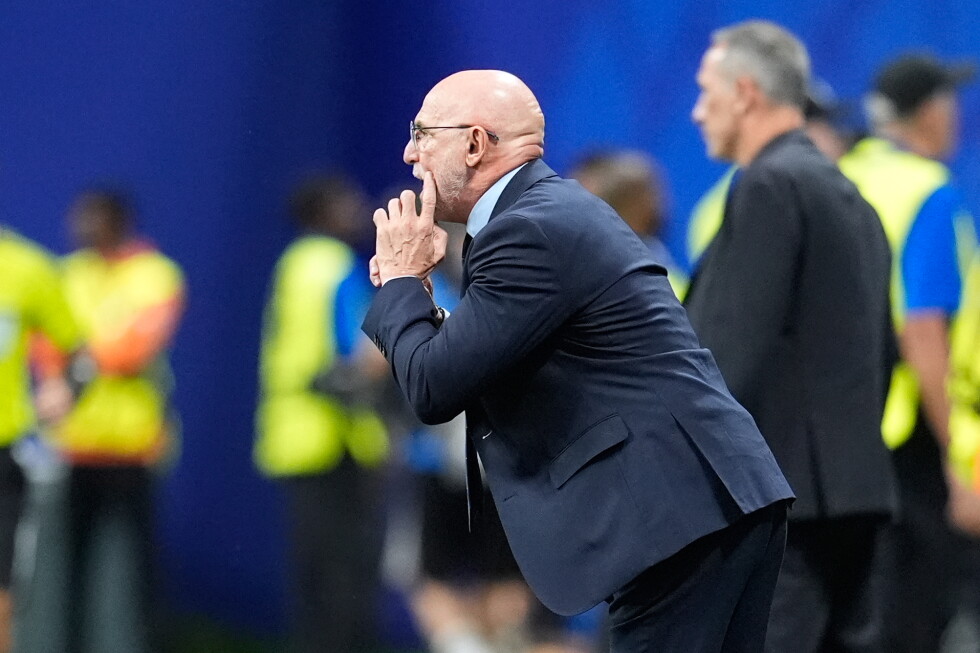
    Spanish manager Luis de la Fuente, 65, has made no secret of his long-standing admiration for his 70-year-old Argentine counterpart, tracing his respect back to a formative period in his coaching career more than a decade ago. In the early 2010s, when de la Fuente was just starting to build his profile in top coaching circles ahead of taking charge of Spain’s youth national teams, he spent five months studying Bielsa’s methods daily when the latter was manager of Spain’s Athletic Bilbao.

    “I’m an admirer,” de la Fuente told reporters on Thursday. “I’ve followed his entire career closely. During his time at Athletic, I went to watch every single training session for five or six months, and I learned more from him than I can say. I have recordings of every one of those sessions. He’s been a true innovator for the modern game in so many ways. I’ve been fortunate enough to stay in touch with him over the years, and we’ve had private conversations about the sport we both love. This is the first time we’ve ever faced each other as opposing managers, and for me that’s an honor and a real pleasure.”

    Bielsa, however, downplayed his influence on de la Fuente’s work, praising the distinct, highly successful style de la Fuente has crafted with the Spanish national side. “It seems to me that the unique brand of soccer he has developed with Spain, and the important work he has done there, doesn’t really reflect my own coaching style,” Bielsa said. “The style of play Spain produces is far more beautiful than anything I have achieved with my own teams. The truth is, what he has accomplished with Spain is genuinely admirable.”

    De la Fuente for his part acknowledged that both coaches have evolved their approaches over the past decade, adapting to the shifting demands of modern men’s soccer. “Marcelo has grown and changed, just like every coach has,” he explained. “Back when I watched him at Athletic, he had the team playing spectacular soccer, but he was very strict about man-to-man marking across the entire pitch. I don’t think he holds to that as strictly today. His greatest strength has always been building his system around the players he has available. You can’t implement a tactical idea if you don’t have the right players to execute it, and he has always understood that better than anyone.”

    Heading into Friday’s match, de la Fuente’s Spain is already well positioned to advance to the knockout round, but only a win will lock in first place in Group H. The Spanish manager confirmed he has already settled on his starting lineup, hinting that the dominant 4-0 win over Saudi Arabia in his side’s second group match meant there was “no invitation to make changes” to the starting eleven. Spain opened their tournament with a 0-0 draw against Cape Verde.

    Young forwards Lamine Yamal and Nico Williams are still expected to see limited minutes, however, after missing extended time with the squad due to injury earlier in the competition.

    Bielsa framed the upcoming match as a do-or-die final for his Uruguayan side, where every small detail will decide the outcome. “This game will be like a cup final,” he said. “You have to take every single detail into account, and the fight for every meter of pitch, every loose ball, will be at maximum intensity.”
  • Against the odds at the World Cup, New Zealand is a win away from its first knockout berth

    Against the odds at the World Cup, New Zealand is a win away from its first knockout berth

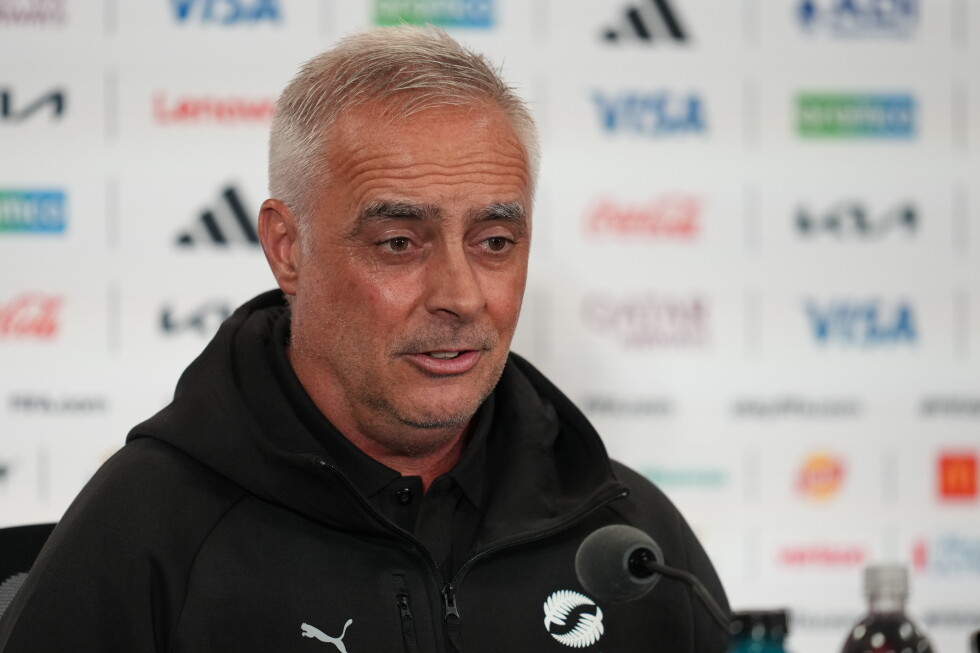
    VANCOUVER, British Columbia – As the final round of group-stage matches at this year’s expanded 48-team FIFA World Cup kicks off, most lower-seeded squads that entered the tournament with high hopes have already seen their knockout-round dreams dashed. But for New Zealand’s All Whites, a shocking twist in Group G has left the underdog side one full 90 minutes away from making history.

  • Brian Brobbey and the Dutch roll in the rain to a 3-1 win over Tunisia to top World Cup Group F

    Brian Brobbey and the Dutch roll in the rain to a 3-1 win over Tunisia to top World Cup Group F

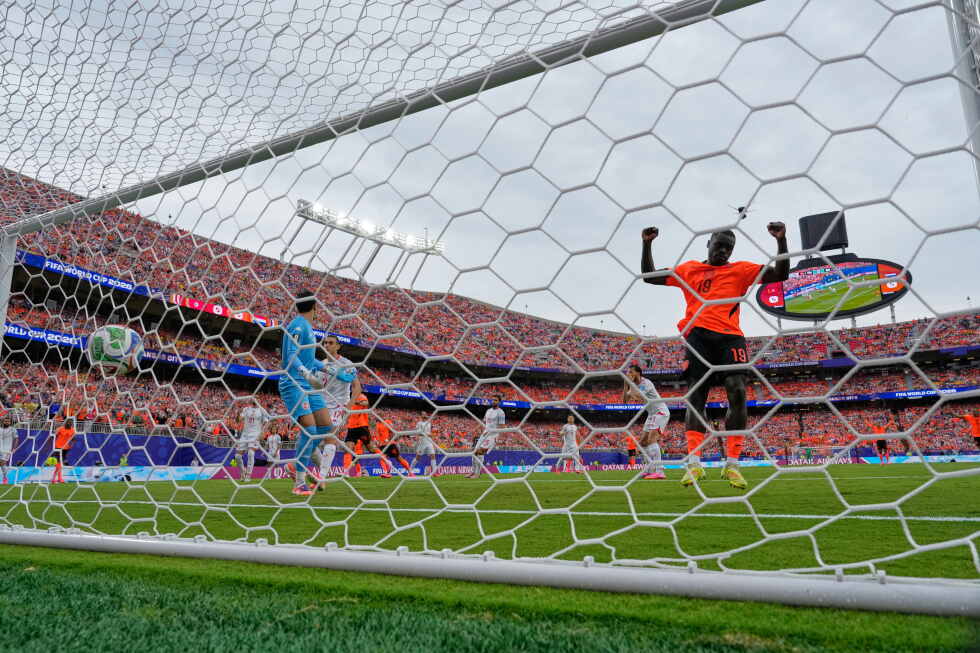
    KANSAS CITY, Mo. — In a rain-soaked Group F World Cup clash at Arrowhead Stadium on Thursday night, the Netherlands secured their spot in the tournament’s knockout round as group winners, riding two Tunisia own goals and a third strike of the competition from Brian Brobbey to a comfortable 3-1 victory.

    Heading into the final matchday of group play, the Netherlands sat level on points at the top of Group F with Japan. However, Japan could only scrape out a 1-1 draw against Sweden in Arlington, Texas, leaving the Dutch side in first place. The result sets up a mouthwatering Round of 16 matchup for Virgil van Dijk and his squad against Group C runner-up Morocco on Monday, while Japan will face a far stiffer test against defending champions Brazil in the first knockout round.

    For Tunisia, the contest was a dead rubber, with elimination already confirmed after two opening defeats. The North African side, branded the Eagles of Carthage, had been in turmoil since the tournament kicked off: they sacked head coach Sabri Lamouchi immediately following a 5-1 opening loss to Sweden, and French manager Hervé Renard stepped in amid widespread reports of internal tension and squad infighting. A 4-0 defeat to Japan in their second match did nothing to reverse the team’s downward spiral, and Thursday’s result extended Tunisia’s winless run across major tournaments to six consecutive matches.

    The chaos that defined Tunisia’s campaign summed itself up in the opening minutes of the match. Denzel Dumfries drove a low cross across the six-yard box, and Tunisian captain Ellyes Skhiri, attempting a clearance to divert the ball away from goal, accidentally deflected it into his own net to give the Netherlands an early lead.

    Brobbey doubled the Dutch advantage just six minutes later, after the Oranje won a free kick 25 yards from goal. The 6-foot-5 Van Dijk, a towering presence in the box, directed a pinpoint header across the goalmouth, where Brobbey was perfectly placed to chip the ball over Tunisia goalkeeper Aymen Dahmen for his third goal of the tournament.

    Tunisia finally got on the board in the 54th minute, when Hazem Mastouri redirected a corner kick past Dutch goalkeeper to cut the deficit to 2-1. But any hopes of a comeback were extinguished eight minutes later, when Jan Paul van Hecke’s header from another Dutch corner glanced off the head of Tunisian’s Anis Slimane and bounced into the back of the net for the Dutch’s third, and second own goal for Tunisia.

    From that point, the Netherlands controlled the remainder of the match, as a steady first-half drizzle gave way to a heavy second-half downpour. Threats of thunderstorms had loomed over the venue all week, and a lightning warning briefly interrupted the pre-match “Oranje fanwalk” for supporters heading to the stadium. Once the all-clear was given, thousands of Dutch fans decked in their iconic bright orange kits packed into Arrowhead Stadium, turning the stands into a sea of orange that drew comparisons to Midwest deer hunting season.

    For the Netherlands, a nation famous for producing football legends including Johan Cruyff and Marco van Basten, this tournament represents another shot at ending a long-running near-miss curse: the Oranje have reached the World Cup final three times in their history, only to finish as runners-up every time, most recently in a heartbreaking extra-time loss to Spain in the 2010 final, earning them the unwanted nickname of the best men’s national side never to lift the trophy.

    Their 2024 campaign got off to a slow start too, with a 2-2 draw against Japan in their opening group fixture. But a dominant 5-1 win over Sweden, with two goals each from Brobbey and Cody Gakpo, has built critical momentum for the side as they enter the knockout stage of the competition. For Tunisia, the final match was just a chance to put a disastrous campaign behind them, ending their World Cup run with three defeats from three matches.

  • ‘We could call it racist’ – Ivory Coast boss sad at Schweinsteiger comments

    ‘We could call it racist’ – Ivory Coast boss sad at Schweinsteiger comments

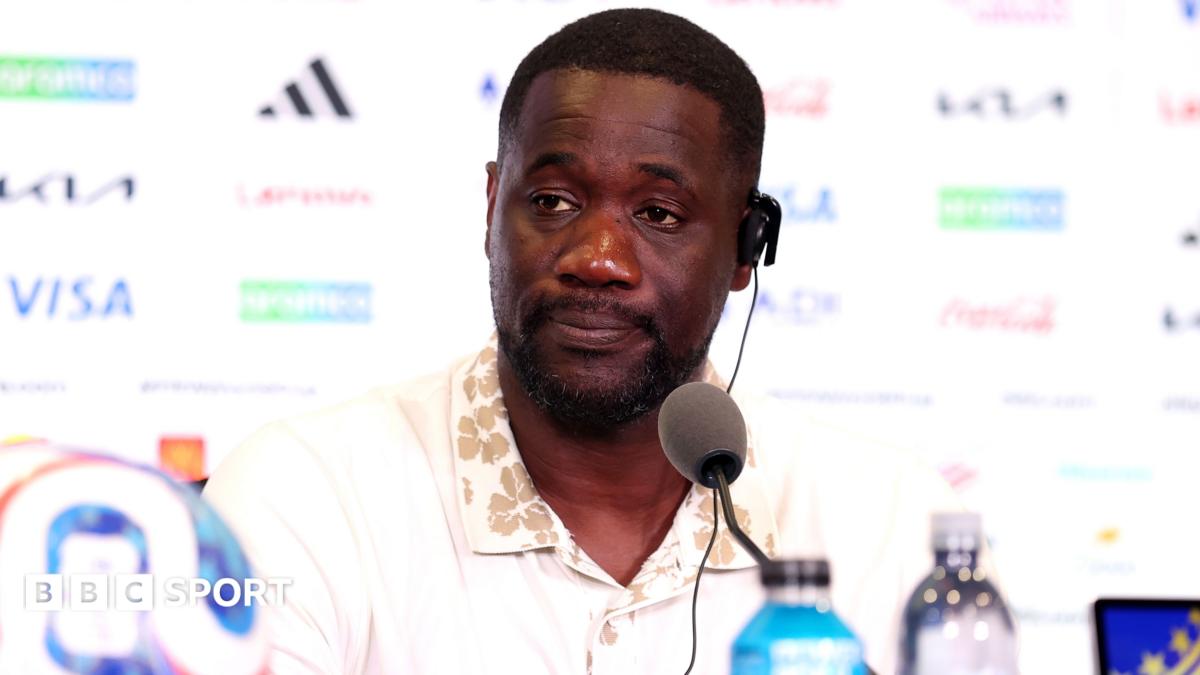
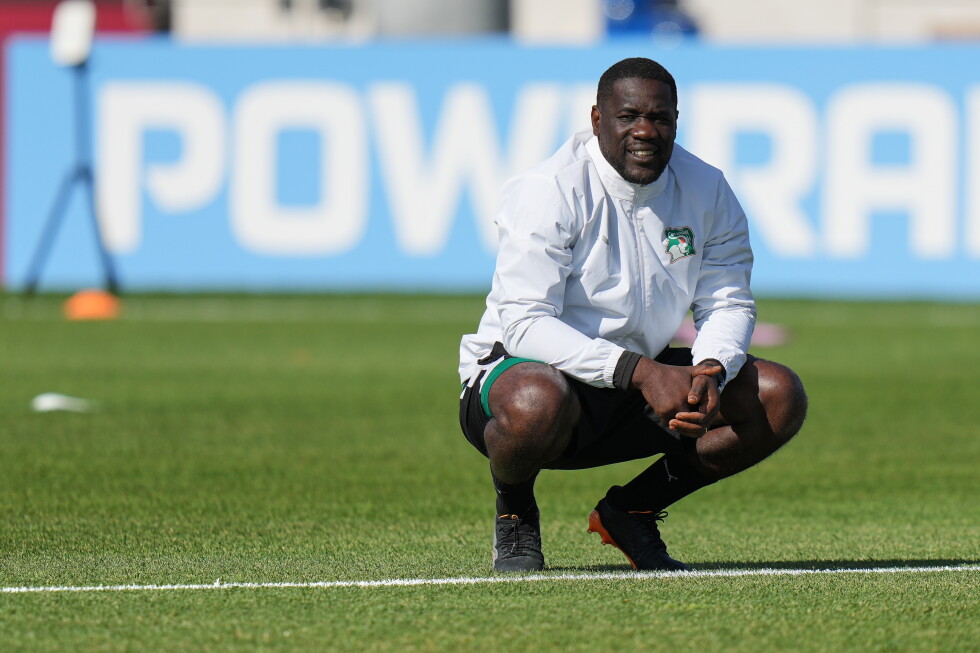
    A major controversy has erupted around the 2026 FIFA World Cup after Ivory Coast men’s national team manager Emerse Fae accused former Germany international midfielder Bastian Schweinsteiger of making potentially racist comments about African football, in the wake of the Elephants’ historic first-ever qualification to the World Cup knockout stage.

    Schweinsteiger, the 2014 World Cup winner with Germany, made the remarks while working as a pundit for German public broadcaster ARD ahead of Germany’s Group E clash against Ivory Coast on June 20. When asked to break down Ivorian playing style, the former Bayern Munich star described the side as playing “a bit African football”, adding it was “a bit unorthodox, a bit wild, a bit perhaps also not so conditioned by tactics” and warned Germany to prepare for their unpredictable approach.

    Those comments drew sharp criticism from Fae after his side secured their spot in the round of 32 with a 2-0 victory over Curacao in Philadelphia on Thursday, which locked in second place in Group E behind Germany. Speaking to reporters after the historic result, the 2023 Africa Cup of Nations-winning manager said he was deeply disappointed by Schweinsteiger’s words, arguing they reflected outdated, harmful stereotypes about African soccer.

    “Schweinsteiger was a very good player; I have always loved him as a midfielder and the way he understood football,” Fae told journalists. “When I heard his comments, I was disappointed in the man. It is odd he would speak that way. We could call it racist, if we were calling a spade a spade. I don’t agree with him, but I have no other solution other than to work with things as they are. All I can show is that on the pitch African teams are not just physical, we are technical and tactical. I can only hope it is a clumsy statement, rather than something going on in his mind. If that’s what he thinks, he is free to do so.”

    Fae also suggested the remarks may have been a deliberate attempt to stir controversy and grab headlines, rather than an offhand mistake. The comments have already sparked debate across German media, with high-profile football figure Jurgen Klopp, former Liverpool manager, declining to weigh in on the dispute when asked during a World Cup appearance in New York on Wednesday.

    “Now you want to carry on the subject. No, no, I have no chance. I have no chance to answer this question,” Klopp told reporters. “Everybody likes it so you bring me in this situation. It’s not my job that everybody likes it, but this is a serious subject, and I don’t even know what is appropriate to say. For African people it’s one thing, for other people it’s another thing, and I’m not here.”

    Despite falling 2-1 to Germany in their final group stage match, Ivory Coast secured their knockout place with earlier wins over Ecuador and Curacao. The Elephants will face either Group F winners France or runners-up Norway in their first knockout round match on June 30 in Arlington, Texas, as they chase further history at this expanded 48-team World Cup.

  • Ivory Coast coach slams ‘racist’ comments made by former Germany star Bastian Schweinsteiger

    Ivory Coast coach slams ‘racist’ comments made by former Germany star Bastian Schweinsteiger

    Ahead of a high-stakes World Cup meeting between Germany and Ivory Coast last weekend, former German international midfielder Bastian Schweinsteiger drew sharp condemnation this week for generalized, stereotype-laden remarks about the African side, with Ivory Coast’s head coach Emerse Faé labeling the comments outright racist.

    Speaking on German public broadcaster ARD as part of pre-match analysis, Schweinsteiger framed what he claimed German players should expect from their upcoming opponent. Describing Ivory Coast’s playing style as “a bit African football, a bit unorthodox, a bit wild, a bit perhaps also not so conditioned by tactics,” he warned the German squad to prepare for an unpredictable matchup.

    The controversy erupted days later, after Faé guided his squad to a historic milestone: a 2-0 victory over Curaçao that secured Ivory Coast’s first-ever spot in the World Cup knockout round in the nation’s history. In his post-match press conference, Faé addressed the widespread criticism of Schweinsteiger’s words, breaking his silence to share his frank perspective.

    Faé acknowledged that the comment could be interpreted as a clumsy misstep that does not fully represent Schweinsteiger’s personal views, but added: “We could call it racist, if we were calling a spade a spade.”

    Schweinsteiger’s remarks had already faced public backlash earlier in the week from sports journalists and commentators, who argued that the description played into long-standing harmful racial stereotypes about African football. German sports commentator Patrick Schnitzler wrote on Instagram that the line reflected “racist prejudices that we are all passing on unnoticed.” Black German journalist Philipp Awounou, writing for Der Spiegel, noted that the characterization leaned on outdated racist tropes with roots in European colonialism, though he added that he did not believe Schweinsteiger himself holds intentional racist views.

    Faé pushed back against the stereotype that Ivory Coast relies only on physicality rather than structured strategy, emphasizing that his side’s run to the knockout round came from a equal mix of tactical intelligence, intentional preparation, and physical strength. He also questioned whether the former player leaned on the familiar harmful trope to generate attention for his new broadcasting career.

    “When I heard his comment, I was disappointed,” Faé said. “Disappointed in the man. It is odd he would speak that way.”

  • Carlo Ancelotti is hitting his stride as Brazil preps for World Cup knockout stage

    Carlo Ancelotti is hitting his stride as Brazil preps for World Cup knockout stage

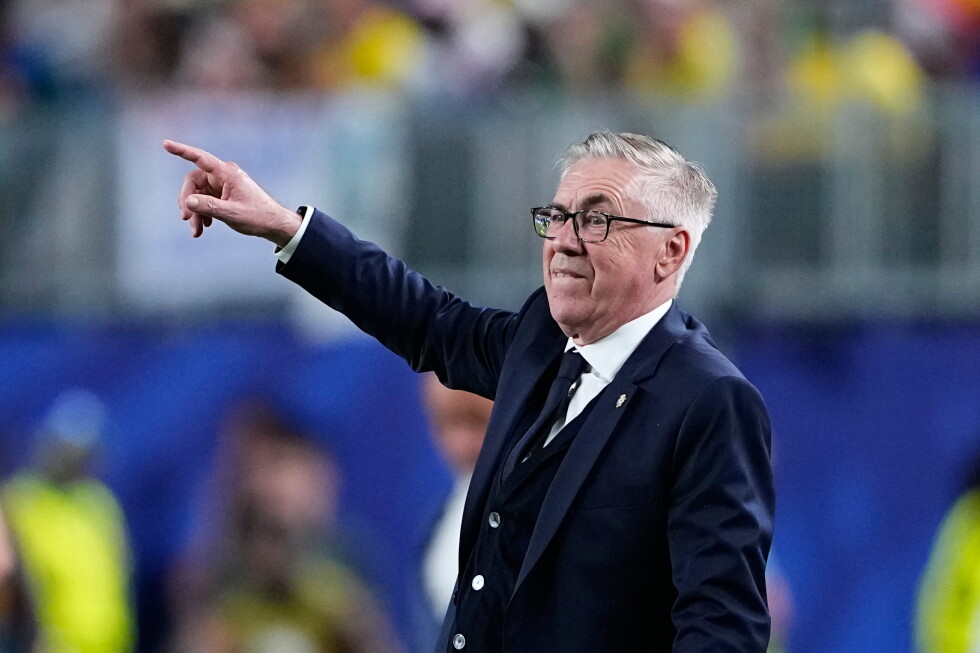
    MIAMI GARDENS, Fla. – When Brazil handed the national team reins to legendary Italian manager Carlo Ancelotti just over 12 months ago, the five-time World Cup champions were chasing an end to a 22-year title drought, and expectations ran high. But the early stages of the tournament were far from smooth for Ancelotti, who faced growing skepticism from Brazilian fans after a underwhelming opening draw with Morocco with an injury-hit squad. That slow start did nothing to win over a fanbase hungry for glory, leaving the iconic club manager fighting to win the public’s trust.

    That narrative has shifted dramatically over the past two matches, however. Two consecutive 3-0 routs — first against Haiti, then against Scotland — have locked Brazil’s spot in the World Cup knockout stage, rebuilt the squad’s confidence, and reignited the nation’s belief that a sixth trophy could be within reach. At long last, Ancelotti appears to have found his rhythm with the world’s most successful men’s national team.

    Ancelotti’s unparalleled track record at the club level, where he claimed five Champions League titles and lifted every major top-flight European trophy with powers including AC Milan and Real Madrid, is exactly what led Brazil’s football federation to recruit him a year ago. It is that same legacy that has long made fans confident in his potential, even amid the rocky start.

    “He’s the greatest manager of all time,” Brazil supporter Luca Scapinelli shared ahead of the team’s Wednesday victory over Scotland. “Five Champions Leagues, he’s won every single big European league. He can bring a lot to the table. We haven’t had a coach this great in forever.”

    The consistent driving force behind Brazil’s unbeaten run in this tournament is Real Madrid winger Vinícius Júnior, a player who spent years failing to replicate his explosive club form for the Brazilian national side — until now. The 20-something star has found the back of the net in every World Cup match so far, notching a brace against Scotland to bring his tournament total to four goals, making him the team’s undisputed offensive standout.

    It is no coincidence that Vinícius is hitting his peak for Brazil under Ancelotti: the 67-year-old manager coached the winger during his four-year tenure at Real Madrid from 2021 to 2025, and played a central role in transforming him from a promising young talent into one of the biggest global stars in the sport. During their time together at the Spanish capital, the pair lifted two Champions League trophies, two La Liga titles, and one Copa del Rey, building a deep working rapport that is now paying dividends for Brazil.

    “It is satisfying because I had no doubt about how he could arrive at this World Cup,” Ancelotti said of his star forward. “For him, it is an honor to play for the national team. He is one of the best in the world, obviously.”

    Vinícius, for his part, credits Ancelotti’s tactical adjustment — shifting him to an unfamiliar position on the pitch — for unlocking his new goalscoring form at the international level. “I need to listen to him more,” Vinícius joked after his brace against Scotland. “For sure when we get to the dressing room, he’ll say he knows a lot about football.”

    From the moment he was first unveiled as Brazil’s head coach, Ancelotti emphasized his longstanding unique connection to the country, and made clear he understood the weight of the expectation that a once-in-a-generation manager could end the nation’s long World Cup drought. That connection is now becoming visible on and off the pitch, just as the tournament enters its decisive phase.

    When Ancelotti’s name was announced to the crowd ahead of the Scotland match, the sea of fans clad in Brazil’s iconic yellow kit greeted him with a thunderous standing ovation, a far cry from the muted reception he received earlier in the tournament. Supporters have highlighted his effort to integrate himself into Brazilian culture as a key point of appreciation: he made a point to learn the national anthem and picked up conversational Portuguese in just a few months on the job.

    “I like that he’s really into Brazilian culture,” said Caio Monteiro, a Brazil fan who traveled from Belo Horizonte for the match. “He wanted to learn the anthem, he wanted to learn Portuguese, and he did in just a few months.”

    Initial pushback against hiring a foreign manager, common among a portion of the Brazilian fanbase, has largely faded in the wake of the team’s strong results. As supporter Humberto Silva, a native of São Paulo, noted, foreign managers are already a staple of top-tier Brazilian club football, and their presence at the international level is simply a reflection of the modern game.

    “If you look at our league in Brazil, all of the best teams have foreign coaches,” Silva said. “That’s just the way it has to be now.”

    With momentum back on their side and their star forward in scintillating form, Brazil now heads into the knockout stage as one of the favorites to lift the World Cup trophy, and Ancelotti has cemented his popularity with the fanbase he once struggled to win over.

  • World Cup what to know: France’s Kylian Mbappé, Norway’s Erling Haaland take center stage

    World Cup what to know: France’s Kylian Mbappé, Norway’s Erling Haaland take center stage

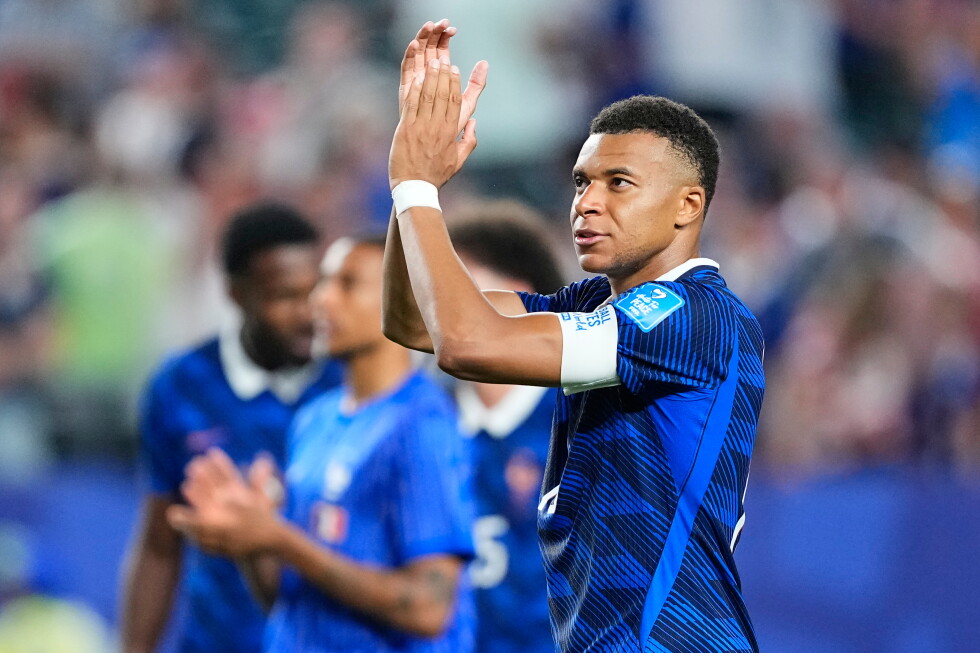
    As the 48-team expanded World Cup enters its final week of group stage play, Friday’s fixture list delivers the kind of star-studded matchup that even casual soccer fans have marked on their calendars for months: a clash between two of the game’s greatest modern strikers, Erling Haaland of Norway and Kylian Mbappé of France, in Foxborough, Massachusetts.

    The highly anticipated Group G showdown carries even more off-pitch context: France head coach Didier Deschamps will miss the fixture after his mother’s recent passing, leaving assistant manager Guy Stéphan to lead the side in his place. Deschamps, who has already announced he will step down from his post after 12 years in charge following this tournament, returned to France this week to be with his family. Stéphan told reporters Thursday that Deschamps remains deeply affected by the loss, and that he would work to maintain normalcy for the squad to honor Deschamps’ trust. Defensive star William Saliba will also miss the match after being rested in training, while forward Marcus Thuram sat out practice as a precaution.

    For Haaland, the Norwegian superstar downplayed expectations ahead of the clash, saying he had little focus on the France game immediately after his side’s opening win over Senegal. But the global soccer community is already hyped for the battle: Haaland has exploded in his first ever World Cup appearance, netting two goals in each of Norway’s opening wins over Senegal and Iraq to put his side on the cusp of knockout stage qualification. Mbappé, meanwhile, has continued to chase history, pushing his all-time World Cup goal tally to 16 – just two goals behind Lionel Messi’s all-time tournament record of 18, after scoring four goals in his first two matches.

    Beyond the headline clash, Friday’s six matches across North America will decide the fates of multiple groups, with several teams facing do-or-die fixtures to keep their knockout stage hopes alive.

    In Group H, European champions Spain will face South American powerhouse Uruguay in Guadalajara, Mexico, with both sides entering the match with high stakes. Uruguay has only earned two draws from its opening two matches against Saudi Arabia and first-time qualifiers Cape Verde, leaving the side relying entirely on a win to guarantee progression to the knockout round. A draw or loss would leave Uruguay’s fate hanging on the result of the final group match between Cape Verde and Saudi Arabia. For Spain, a draw will be enough to secure progression, but a win will lock in the side’s spot as group winners.

    Cape Verde, the tiny African island nation of just 500,000 people, has already turned heads in its first ever World Cup appearance, holding pre-tournament favorite Spain to a scoreless draw in its opener before notching its first ever tournament goals in a 2-2 draw with Uruguay. Now the Blue Sharks have a chance to make history, with a spot in the knockout stage well within their reach when they face Saudi Arabia in Houston Friday evening. A win would guarantee Cape Verde finishes no worse than second in Group H, and even a draw could be enough to see the side advance. Defender Roberto Lopes made the team’s stance clear ahead of the match: “It’s in our hands. We have to go and take it.”

    In Vancouver, British Columbia, both Belgium and New Zealand will face off in a must-win contest, with elimination on the line for the loser. The Group G table will also be finalized on Friday, when Egypt and Iran face off in Seattle to decide who claims the group’s top spot. The fixture comes with an unusual subplot: the match was already scheduled to be Seattle’s official “Pride Match”, coinciding with the city’s annual LGBTQ+ community celebration. Both Egypt and Iran, which rank among the world’s most repressive countries for LGBTQ+ people, attempted to have the public celebrations canceled, but their requests were denied. Iran has also faced unique travel hurdles during this World Cup amid ongoing Middle East conflict, with U.S. officials only recently easing travel restrictions that had previously forced the side to travel only on match days from their Tijuana, Mexico, base camp, allowing them to arrive in Seattle two days ahead of kickoff.

    Other key matches Friday include a do-or-die clash between Senegal and Iraq in Toronto, with both sides still fighting to claim one of the third-place knockout spots that come with the expanded 48-team tournament format. The full slate of Friday kickoffs (all EDT) is: Norway vs France at 3 p.m. on Fox, Telemundo and Peacock; Senegal vs Iraq at 3 p.m. on FS1, Telemundo and Peacock; Uruguay vs Spain at 8 p.m. on Fox, Telemundo and Peacock; Cape Verde vs Saudi Arabia at 8 p.m. on FS1, Telemundo and Peacock; New Zealand vs Belgium at 11 p.m. on Fox, Telemundo and Peacock; and Egypt vs Iran at 11 p.m. on FS1, Telemundo and Peacock.

    Off Friday’s pitch, the tournament already hit a major milestone: with just over half of all 104 scheduled matches complete, the 2025 World Cup hosted across the U.S., Canada and Mexico has already broken the all-time tournament attendance record, hitting 3,605,357 fans – passing the 3,587,538 record set when the U.S. last hosted in 1994.

  • Ivory Coast into World Cup knockout round for 1st time as Pépé scores twice in 2-0 win over Curaçao

    Ivory Coast into World Cup knockout round for 1st time as Pépé scores twice in 2-0 win over Curaçao

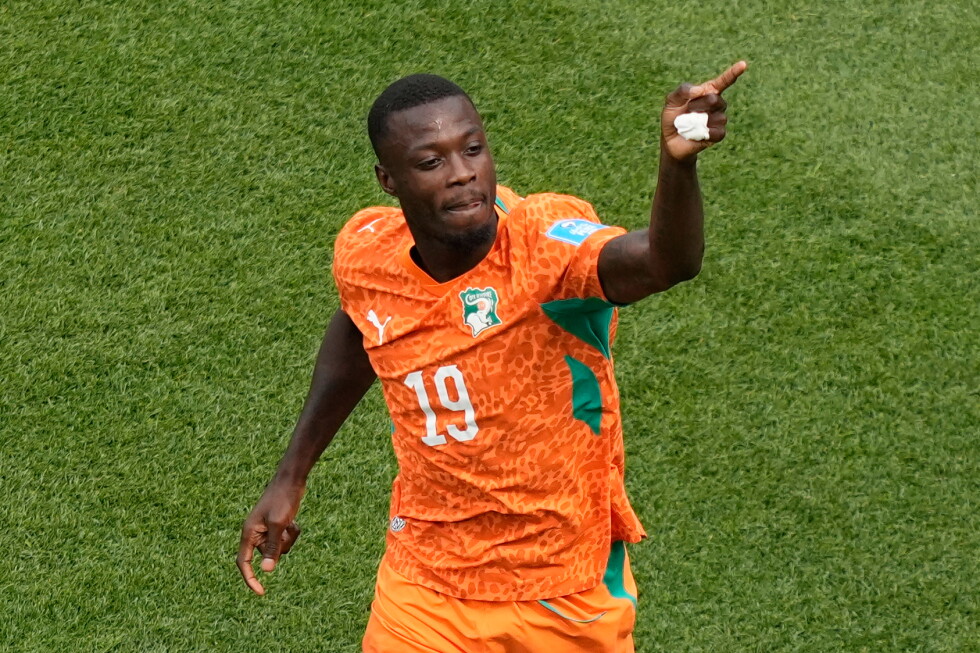
    PHILADELPHIA – In a historic night for West African football, Nicolas Pépé delivered a masterclass performance, scoring in both the first and second halves to lift Ivory Coast to a 2-0 victory over Curaçao on Thursday, punching the Les Éléphants’ first-ever ticket to the World Cup knockout stage.

    This breakthrough marks a milestone for Ivory Coast, which had failed to exit the group stage in its three previous World Cup appearances. The team’s path to the knockout round followed a tense Group E campaign: it opened the tournament with a dramatic 1-0 win over Ecuador at this very same Lincoln Financial Field stadium, then suffered a defeat to Germany in its second group match. Heading into Thursday’s decisive fixture, a draw was all Ivory Coast needed to advance, but the side came out firing from the opening whistle, never letting Curaçao gain a foothold in the match.

    Pépé, currently plying his trade with Spanish La Liga side Villarreal, killed any suspense of a Curaçao comeback just seven minutes into the game. The opening goal came from a Curaçao defensive mistake: the Caribbean side failed to clear a loose ball, which 19-year-old Yan Diomande – a prospect who moved to the United States four years ago speaking no English – intercepted and slotted through to Pépé, who tapped it easily past Curaçao goalkeeper Eloy Room to open the scoring.

    Buoyed by a raucous, home-like crowd at the NFL Philadelphia Eagles’ arena, Ivory Coast held onto its lead through the first half and extended it in the 64th minute. Pépé struck again with a clinical left-footed finish from the far corner of the box, sealing the three points and the historic qualification. Three minutes after his second goal, Pépé was substituted off to rest ahead of Ivory Coast’s upcoming knockout fixture, which is scheduled for June 30 against the runner-up of Group I – either France or Norway. The substitute striker received a standing ovation from the crowd of 68,324 fans, a number that equals roughly 40% of Curaçao’s entire population.

    Curaçao entered the match needing a full victory to advance, and came close to reaching a historic milestone of its own: a win would have made it the smallest nation by population ever to qualify for a World Cup knockout round. The autonomous Caribbean territory within the Kingdom of the Netherlands counts only around 156,000 inhabitants, and its national squad is made up almost entirely of players born and raised in the Netherlands. The Blue Wave came into Thursday’s fixture with momentum, after 37-year-old Room notched 15 spectacular saves against Ecuador to secure a 0-0 draw – the first World Cup point in Curaçao’s history – just three days prior.

    Ivory Coast’s strong connection to the Philadelphia area likely contributed to its warm welcome from the crowd. The team set up its pre-tournament training base in nearby Delaware, held practice sessions at the suburban home of Major League Soccer’s Philadelphia Union, and even played a friendly against the Union’s reserve squad during preparations. This local presence earned the side a growing group of adoptive fans, many of whom packed the stands in Ivory Coast’s iconic orange kit and erupted in celebration after each of Pépé’s goals.

    In team notes, Ivory Coast striker Elye Wahi, who is currently under investigation for alleged betting offenses during his time at French club Nice, came off the bench in the second half after being held out of the starting lineup for the Germany match. When the final whistle blew, Pépé was named Man of the Match for his decisive two-goal performance, capping off a historic night for Ivory Coast football.

  • Ecuador advances to World Cup knockout rounds, beats Germany 2-1 on Plata’s 77th-minute goal

    Ecuador advances to World Cup knockout rounds, beats Germany 2-1 on Plata’s 77th-minute goal

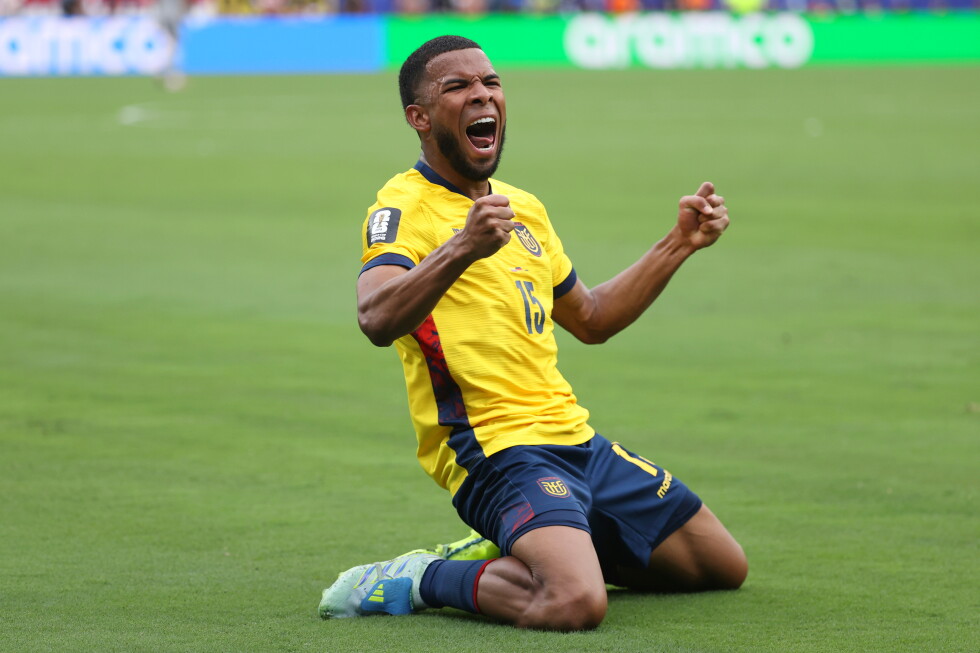
    In a thrilling, unexpected Group E showdown at New Jersey’s MetLife Stadium on Thursday, Ecuador pulled off a dramatic second-half comeback to secure a 2-1 victory over four-time World Cup champions Germany, punching their ticket to the tournament’s knockout round for only the second time in nation’s history.

    Germany, who had already locked in first place in the group with back-to-back wins to open the competition, got off to a blistering start. Just 110 seconds into the match, Leroy Sané netted his 18th international goal to put the European giants ahead early. The play unfolded after Aleksandar Pavlović collected a chested pass, found Florian Wirtz in open space, and Wirtz played a perfect centering pass to Sané inside the penalty area. Controversy briefly surrounded the opening goal, as Sané appeared to make contact with Ecuador’s Pedro Vite off a throw-in, but American referee Tori Penso allowed the goal to stand, despite loud protests from the Ecuadorian side.

    Ecuador did not let the early setback deflate their momentum, and answered back just seven minutes later. When Germany midfielder Felix Nmecha gave away possession cheaply in central midfield, Vite pounced on the mistake and slid a pass through to Nilson Angulo. The young winger dribbled toward goal, and fired a precise strike from just outside the 18-yard box that beat German goalkeeper Manuel Neuer at the far post, scoring Ecuador’s first goal of the 2026 tournament and leveling the score at 1-1.

    The game remained deadlocked through the first half, and an early second-half moment of drama tested both sides. Less than 30 seconds after the restart, Penso initially awarded Germany a penalty after Joel Ordóñez brought down Kai Havertz in the box. But a lengthy VAR review overturned the call, after officials spotted an earlier foul by Sané on Vite in the build-up to the play, wiping out Germany’s chance to retake the lead from the spot.

    The defining moment of the match came in the 77th minute, when Gonzalo Plata—who had already taken a hard blow to the head during Germany’s opening goal—delivered the match-winning strike. After Vite swung in a corner kick, Kevin Rodríguez flicked a header on toward the goal line. Neuer, the 40-year-old German veteran who came out of international retirement to feature in this World Cup, came off his line looking to claim the loose ball. But Plata got a toe to the ball before Neuer could wrap his hands around it, poking it into the empty net to put Ecuador ahead 2-1.

    The upset send Ecuadorian players, staff and the majority of the 80,666-strong crowd—most dressed in the nation’s iconic yellow kit—into wild celebration. Ecuadorian head coach Sebastián Beccacece even ran straight into the stands to share the moment with traveling fans after the winning goal.

    With the three points from the win, Ecuador finished the group stage with four points, enough to claim third place and advance to the knockout round. This marks just the second time Ecuador has moved past the group stage in World Cup history, with their first advance coming back in 2006, when they reached the round of 16.

    For Germany, the loss snapped an 11-game winning streak, leaving the side one win short of tying the national team record set between 1979 and 1980. Germany will now face off in the round of 32 on Monday at Foxborough, Massachusetts, with their opponent expected to be one of Paraguay, Australia or Sweden.

    Thursday’s match also helped the 2026 World Cup set an all-time attendance record. With the crowd at MetLife Stadium, the total tournament attendance through 56 games hit 3,587,539, surpassing the previous record set by the 1994 United States World Cup, which hosted 52 matches and drew a total of just under 3.58 million fans.

  • James doubtful for Panama but England hopeful on Rice

    James doubtful for Panama but England hopeful on Rice

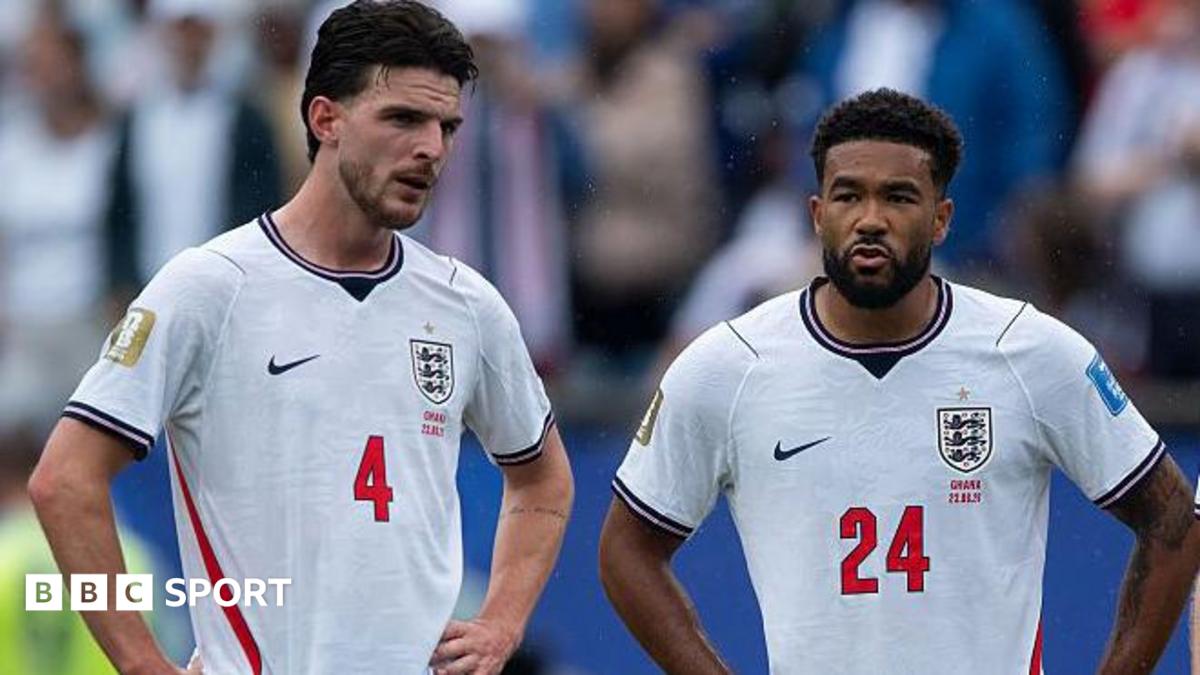
    As England prepares for its decisive final Group L match of the 2026 FIFA World Cup against Panama, two key first-team players have missed the squad’s pre-match training session, casting uncertainty over their availability for Saturday’s kickoff. The most pressing question hangs over 26-year-old starting right-back Reece James, who sustained a hamstring injury during England’s goalless draw with Ghana on Tuesday.

    James, a Chelsea star and a core fixture in manager Thomas Tuchel’s preferred starting eleven that has featured him in both of the Three Lions’ opening two World Cup matches, did not join his teammates for Thursday’s penultimate training session at England’s base in Kansas City. It is still unclear whether the defender will be fit enough to take the field against Panama, either in the starting lineup or as a substitute option when the two sides meet at New York New Jersey Stadium, with the match scheduled to kick off at 22:00 BST.

    Joining James on the absentee list from Thursday’s session was 27-year-old midfield anchor Declan Rice, who left the matchday stadium following the Ghana draw with medical strapping wrapped around his left calf. However, insider sources close to the England camp have indicated that Rice’s fitness status is far less of a concern than James’.

    Even with relatively minor fitness concerns, Tuchel still faces a selection dilemma over whether to start the Arsenal midfielder. Rice currently sits at risk of suspension for the knockout round of 32 after picking up a yellow card in the Ghana match, a factor that could push the manager to rest him for the final group fixture to avoid a suspension before the knockout stage.

    Heading into the final group match, England holds a narrow advantage at the top of Group L. The Three Lions sit above Ghana on goal difference, and hold a one-point lead over Croatia, the side they defeated 4-2 in their opening World Cup fixture. A positive result against Panama will secure England’s place in the knockout round, making fitness updates for the squad’s key stars all the more important ahead of the clash.