分类: sports

  • Spain wins World Cup group, beating Uruguay 1-0 as Muslera’s error sends 2-time champion home

    Spain wins World Cup group, beating Uruguay 1-0 as Muslera’s error sends 2-time champion home

    GUADALAJARA, Mexico — In a dramatic conclusion to Group H play at the FIFA World Cup on Friday, a costly third tournament error from veteran Uruguayan goalkeeper Fernando Muslera handed Spain a narrow 1-0 victory, securing the European champions a spot in the knockout stage and eliminating the two-time World Cup winning South American side.

    With the result, Uruguay exits the tournament winless after three group matches, a disappointing end to a campaign that started with back-to-back draws against Saudi Arabia and Cape Verde that left the side already on the brink heading into the final fixture. Ranked 19th globally by FIFA, Uruguay stands as the highest-ranked nation to be eliminated from this year’s tournament to date. As Group H winners with seven total points, Spain will next face the Group J runner-up — either Austria or Algeria — next Thursday in Inglewood, California, as they chase what would be their second World Cup title, 14 years after their 2010 triumph.

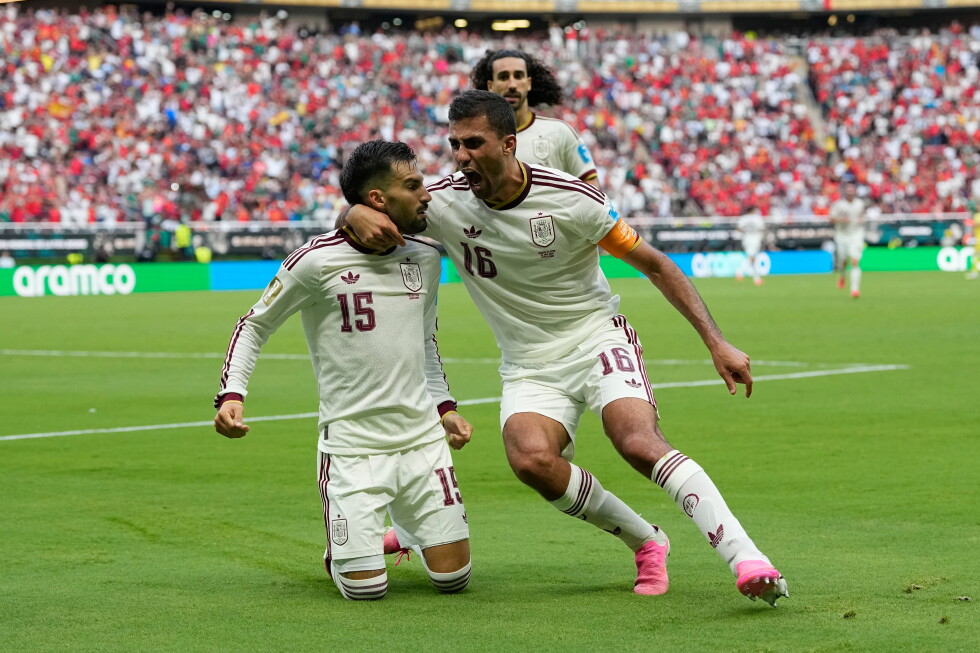
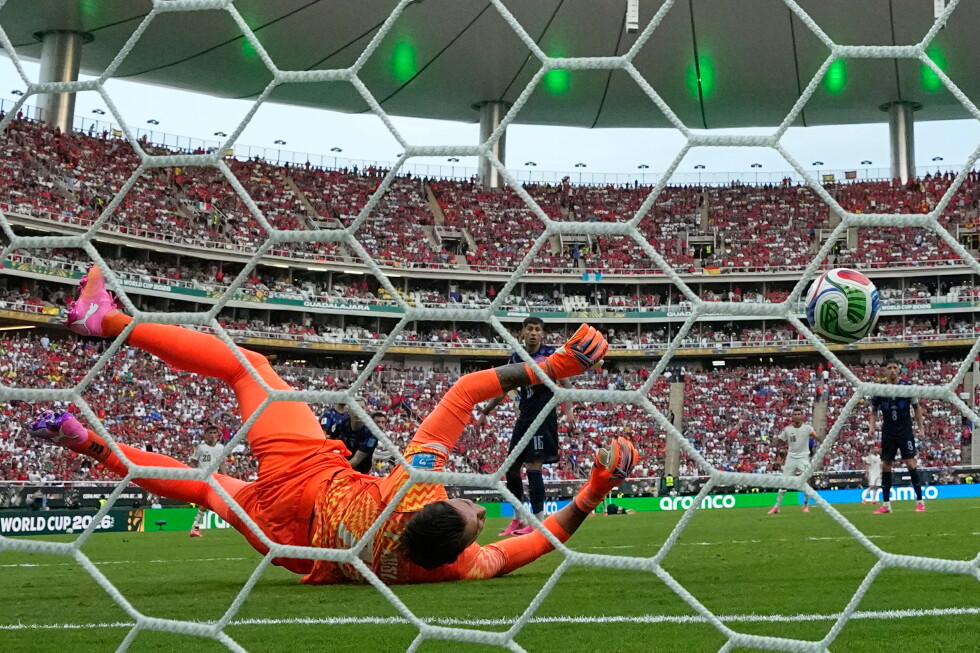
    The decisive moment of the match came in the 42nd minute, when young Spanish attacker Álex Baena fired a shot from inside the 18-yard box. Muslera got a hand to the effort but failed to clear it decisively, with the ball bouncing over the line to give Spain the only goal of the game. The 40-year-old goalkeeper, who had already made two high-profile mistakes across Uruguay’s first two group matches, was substituted by head coach Marcelo Bielsa at halftime following the blunder.

    In the other Group H fixture played Friday, Cape Verde held Saudi Arabia to a goalless draw to claim second place in the group with three points, finishing one point ahead of both Uruguay and Saudi Arabia. Uruguay, which finished third in the standings, failed to accumulate enough points to qualify as one of the eight best third-place teams that advance to the knockout round. Cape Verde’s historic progression marks the first time the small island nation has ever reached the World Cup knockout stage.

    The match, one of the most highly anticipated group stage fixtures of the tournament, produced few clear scoring opportunities for either side. Tensions flared in the closing minutes, after Uruguay’s players loudly appealed for a penalty following a tackle on forward Federico Viñas inside the Spanish penalty area. Tempers boiled over in stoppage time when Uruguay’s Agustín Canobbio was shown a red card for a rough challenge on Spanish defender Paul Cubarsi, requiring his teammates to escort him off the pitch. After the final whistle, Canobbio returned to the field to confront the match referee over the decision.

    Emotions ran high for Uruguay in the final moments: multiple Uruguayan players were seen weeping on the pitch after the final whistle, and sections of fans booed the team as they exited the field for the final time in this tournament. Reports circulating in Uruguayan media before the match revealed underlying unrest in the squad, with multiple players said to be unhappy with the direction of veteran Argentine head coach Marcelo Bielsa.

    For Spain, the road to the final group match has been uneven: La Roja opened their campaign with a surprise 0-0 draw against Cape Verde, before bouncing back with a convincing 4-0 victory over Saudi Arabia to put themselves in position to top the group. It has been 14 years since Spain’s only World Cup title in 2010, and the side has not advanced past the round of 16 in any edition of the tournament since that triumph.

    Spanish star winger Lamine Yamal, who entered the tournament managing a left hamstring injury, turned in another underwhelming performance and was substituted in the 76th minute by Ferran Torres, not lasting the full 90 minutes for the third consecutive group match. The 18-year-old was taken off at halftime against Saudi Arabia and came off the bench in the second half of the Cape Verde fixture.

    Uruguay also suffered a key first-half injury: midfielder Manuel Ugarte was forced off the pitch with an apparent knee injury just moments before Spain scored their winning goal. Ugarte was on the receiving treatment on the grass when Baena found the back of the net, and was eventually carried off the field on a stretcher.

    A crowd of 45,065 fans packed Estadio Akron for the match, including King Felipe VI of Spain. Ahead of kickoff, a moment of silence was held to honor the victims of back-to-back earthquakes that struck Venezuela late Wednesday.
  • Uruguay goalkeeper Fernando Muslera pulled at halftime after his mistake leads to Spain goal

    Uruguay goalkeeper Fernando Muslera pulled at halftime after his mistake leads to Spain goal

    GUADALAJARA, Mexico – In a dramatic halftime intervention that underscored the high stakes of World Cup group stage play, Uruguay manager Marcelo Bielsa made a bold substitution Friday, pulling veteran starting goalkeeper Fernando Muslera after a costly error handed Spain a 1-0 lead heading into the second half.

    Replacing the 40-year-old shot-stopper with Sergio Rochet to open the final 45 minutes, the change came as Uruguay faced immediate elimination from the tournament with a one-goal deficit. The mistake that sealed Muslera’s exit came in the 42nd minute, when he failed to properly clear Álex Baena’s close-range effort. Misjudging the ball’s bounce off the turf, Muslera could not secure a firm grip on the shot, allowing it to slip past him into the back of the net.

    This error marks Muslera’s third consecutive costly blunder across Uruguay’s three group stage matches, a streak of misfortune that has amplified criticism of Bielsa’s decision to recall the keeper to the national side. Muslera had previously retired from international soccer several years ago, before Bielsa invited him back to the squad earlier in 2024 — a call that drew sharp pushback from many Uruguay supporters even before the World Cup kicked off.

    The veteran’s shaky form was already on display in Uruguay’s earlier matches. In a 2-2 draw against Cape Verde last Sunday, a misplaced pass from defender Mathias Olivera left Muslera caught far out of his goal, gifting Cape Verde an easy tying goal into an empty net. In the team’s opening 1-1 draw against Saudi Arabia, Muslera failed to hold onto a cross headed toward goal, letting the opposition convert the loose rebound to earn a share of the points.

    With Uruguay’s World Cup journey hanging in the balance, Bielsa’s last-minute change brings a new goalkeeper into the fray for a do-or-die second half, as the South American side fights to keep their tournament hopes alive.

  • Colombia fans return to Hard Rock Stadium nearly 2 years after chaotic scene at Copa America final

    Colombia fans return to Hard Rock Stadium nearly 2 years after chaotic scene at Copa America final

    MIAMI GARDENS, Fla. – Two years after a chaotic crowd disturbance marred the Copa America final at Hard Rock Stadium, the South Florida venue is preparing to host its first World Cup match featuring Colombia this Saturday against Portugal, with sweeping new security measures and heightened vigilance in place.

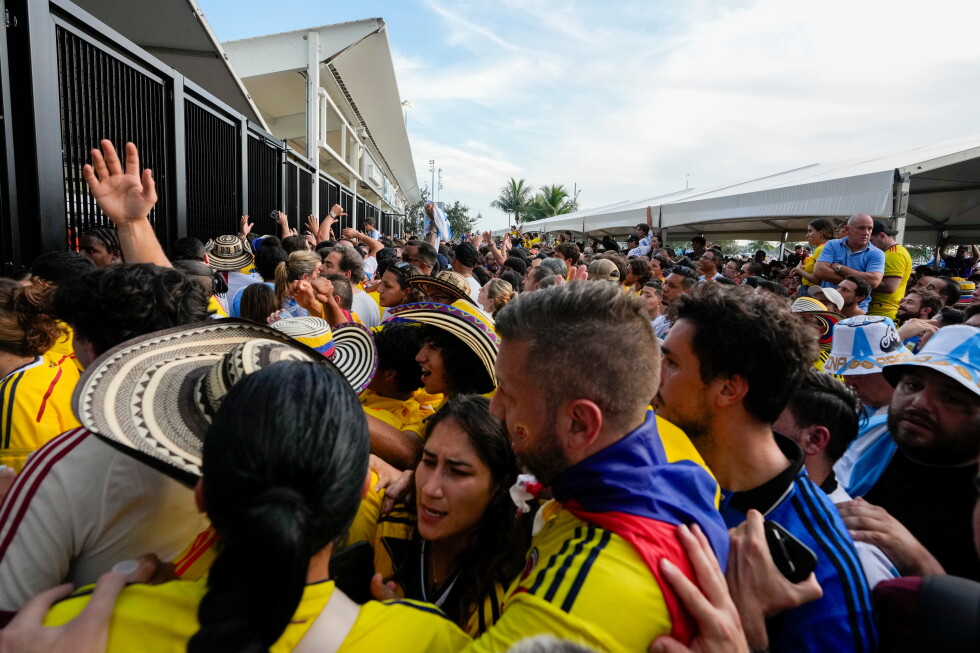
    The 2024 incident saw thousands of ticketless supporters, many waving Colombia’s national colors, breach the stadium’s outer security gates hours before the highly anticipated final between Colombia and Argentina. Videos shared widely on social media captured screaming fans scrambling for safety, with footage showing desperate attempted entries through stadium air vents. Multiple fans were injured in the human rush, as overwhelmed security personnel struggled to regain control of the scene, leaving legitimate ticket holders terrified.

    In the wake of that disaster, public scrutiny intensified over security planning for major soccer tournaments hosted across the U.S. – including last year’s Club World Cup and this year’s 2026 World Cup. Officials used the Miami-hosted Club World Cup matches held last summer as a real-world test for new, layered screening protocols that are now fully implemented for this weekend’s high-stakes group stage fixture.

    Unlike the loose entry protocols in place in 2024, anyone approaching the stadium now must clear three separate checkpoints that cover the entire stadium campus, with parking credentials verified miles before fans reach entry points. Permanent steel fencing lines the entire perimeter of the venue, which is being referred to as Miami Stadium for the World Cup under FIFA’s sponsorship conflict rules. Andrew Giuliani, executive director of the White House World Cup task force overseeing the multiagency security operation, said the stepped-up measures are designed to eliminate any repeat of the 2024 chaos.

    “We’ve built a layered system that every person must pass through step by step,” Giuliani explained. “We’re going to make sure every member of the security team is on high alert specifically for match day. Our goal is simple: we want post-match conversation to be all about what happens on the pitch, not security issues.”

    Giuliani confirmed there will be a substantial federal law enforcement presence across both the stadium and surrounding Miami-area neighborhoods on Saturday, declining to specify whether personnel numbers exceed the heavy deployment already used for the three previous World Cup group matches held in Miami to date. All three prior matches have seen consistent, large police presence with no major incidents.

    For Colombian soccer supporters, both local residents and transplants from the South American nation, Saturday’s match is as much about changing global perceptions as it is about the result on the field. Juan Nicolas, a Bogotá native who was not present for the 2024 disturbance, said the Colombian community is eager to showcase a new image to the world.

    “Now that we’re back here, I do feel a little pressure to show the best version of ourselves, and to show our country in a better light,” Nicolas said. “Colombia is different now. We have so much new to offer the world, and we have to prove that this week.”

    Lucas Gaviria, a Colombian native who studies at Florida Atlantic University, acknowledged that while passionate support is a core part of Colombian soccer culture, a small minority of fans crossed lines in 2024. “We love showing up for our team, but some people take that passion too far,” Gaviria said. “There’s a mindset for some that they have to see the game no matter what, even if they can’t afford a ticket. That’s not who we are as a community.”

    Demand for Saturday’s match has been unprecedented, driven by two major draws: South Florida’s large, tight-knit Colombian community, and the global star power of Portugal’s Cristiano Ronaldo. On resale platform StubHub, available ticket prices currently range from roughly $3,000 to more than $5,000, far above face value. Giuliani emphasized that non-ticket holders will not be allowed to gather near the venue, unlike U.S. college or professional football events where pre-game tailgating is standard.

    “If you don’t have a ticket, you shouldn’t be on site here,” Giuliani said during a January inspection of the stadium during the College Football Playoff national championship. “This is a very different event than a football game. We need all our security resources focused on protecting fans who have legitimate tickets. Non-ticket holders can enjoy the match at official fan festivals or other safe venues across Miami.”

    Hard Rock Stadium officials have declined to comment on the lead-up to Saturday’s match, as the venue remains involved in multiple ongoing lawsuits stemming from the 2024 Copa America incident. The legal claims, which name multiple defendants including stadium management and soccer governing bodies, allege that organizers failed to deploy enough security to handle the anticipated crowd, lacked sufficient Spanish-speaking staff to manage crowd control, and did not protect paying ticket holders from what the suits call “foreseeable criminal activity.”

    For Colombian fans living in the area, the hope is that the 2024 chaos will not be the defining moment for their nation’s global reputation. Nadia Rodriguez, a Bogotá native who now resides in Miami, said the bad incident belongs in the past.

    “There are so many wonderful things Colombia stands for: incredible coffee, stunning landscapes, amazing music, a world-class soccer team,” Rodriguez said. “That darkness from two years ago is in the past, and we’re ready to show the world who we really are on Saturday.”

  • World Cup what to know: Round of 32 to be finalized after final 6 matches of group play

    World Cup what to know: Round of 32 to be finalized after final 6 matches of group play

    After more than two weeks of cross-border group stage play at the expanded 48-team World Cup, the final batch of six matches on Saturday will lock in the full 32-team field for the knockout round, which kicks off just one day later. With most qualification spots already secured, the remaining fixtures bring high drama: teams are jostling for favorable group positions, fighting for their tournament lives, and sitting on the bubble of elimination, waiting for other sides’ results to shape their fate.

    The format shift to 48 teams has added layers of intrigue, and occasional confusion, to the qualification race. Under the new structure, the top two finishers from each of the 12 groups advance, along with eight best third-place teams, creating a wider range of possible outcomes and putting tiebreakers at the center of many teams’ calculations.

    The headline matchup of Saturday’s slate is the Group K showdown between Cristiano Ronaldo’s Portugal and Colombia, held in Miami Gardens, Florida, where kickoff conditions will see temperatures near 30 degrees Celsius coupled with high humidity. Colombia has already locked in its knockout spot, and a win or draw will give it the Group K title. Portugal, meanwhile, needs three points to top the group, but can still move on with a draw — and in some scenarios, even a loss. For Portugal manager Roberto Martinez, securing the group’s top position is a secondary goal: the only priority is advancing.

    “My experience, probably in my first World Cup, I would have said yes [that winning the group matters]. You sit down and you are so inexperienced, you want to plan everything … and then you realize that doesn’t happen in competitions,” Martinez told reporters. In the end, he added, “you have to be able to beat everybody and anybody.”

    Also in Group K, underdog Congo will look to claim its first ever World Cup win and secure a knockout spot when it faces Uzbekistan in Atlanta. Congo shocked tournament observers by holding Portugal to a 1-1 draw in its opening match, earning the country its first ever World Cup point. It has only qualified once before, in 1974 when it competed as Zaire and lost all three of its matches, including a 9-0 defeat to Yugoslavia. “We are very, very happy to have got this first point and first goal for Congo, but we have a final to play tomorrow,” head coach Sébastien Desabre said. “I hope that I’ll get the Congolese people to dream tomorrow a little bit.” A win against winless, point-less Uzbekistan would punch Congo’s ticket to the knockout round, joining the growing contingent of African nations that have advanced in this tournament.

    In Group L, Ghana and Croatia will face off in Philadelphia with everything on the line. Sitting level on four points alongside England, Ghana only needs a draw to secure its first knockout round appearance since it reached the quarterfinals in the 2010 South Africa World Cup. Croatia enters the match with three points, needing a win to guarantee its spot in the Round of 32. “Everyone’s ready, everyone was real happy with the result against England,” Ghana midfielder Antoine Semenyo said. “It’s going to be a tough game tomorrow, but everyone is excited and ready.” England, tied with Ghana at four points, closes its group stage against Panama in East Rutherford, New Jersey.

    One of the most unusual storylines heading into Saturday’s play comes from Group J, where Austria faces Algeria in Kansas City, Missouri. With group leader Argentina already guaranteed the top spot, the bracket structure creates an odd scenario: finishing third could give Austria a far easier knockout matchup than finishing second. The Group J runner-up will face Group H winner, likely reigning European champion Spain, while a third-place finish would set up a game against Group B winner Switzerland, widely viewed as a more manageable opponent. The awkward dynamic echoes the infamous 1982 “Disgrace of Gijon,” where a fixed result between West Germany and Austria eliminated Algeria and led FIFA to mandate simultaneous kickoffs on the final group stage day to avoid match-fixing risks. Austria’s manager Ralf Rangnick rejected any suggestion his side would play for a loss. “No, definitely not. Once we start we will know, but it will not influence our match. If we have a draw tomorrow, we can go on, but we cannot go into a match and just say, ‘We’ll play for a draw.’” Midfielder Konrad Laimer echoed that sentiment: “We go out, we want to win the game. It doesn’t matter who we face.”

    Closing out the day’s slate in Arlington, Texas, defending champion Argentina will face Jordan already confirmed as Group J winners, leaving head coach Lionel Scaloni with a tough call: play 39-year-old star Lionel Messi to let him add to his World Cup scoring record, or rest his star forward to avoid injury ahead of the knockout round. The match is widely expected to see Messi start on the bench, though the player himself has pushed for playing time in past similar scenarios.

    Beyond the storylines of the final matchday, tournament data reveals a surprising trend: scoring first does not guarantee a positive result. Seven different teams have fought back from first-half deficits to secure group stage wins so far, including South Korea’s late 2-1 comeback over the Czech Republic, Algeria’s 2-1 victory against Jordan, and most recently Turkey’s last-second 3-2 win over the United States. Egypt, Germany, Morocco and Ecuador have also rallied from deficits to claim three points.

  • Senegal routs 10-man Iraq 5-0 to boost hopes of reaching World Cup knockout rounds

    Senegal routs 10-man Iraq 5-0 to boost hopes of reaching World Cup knockout rounds

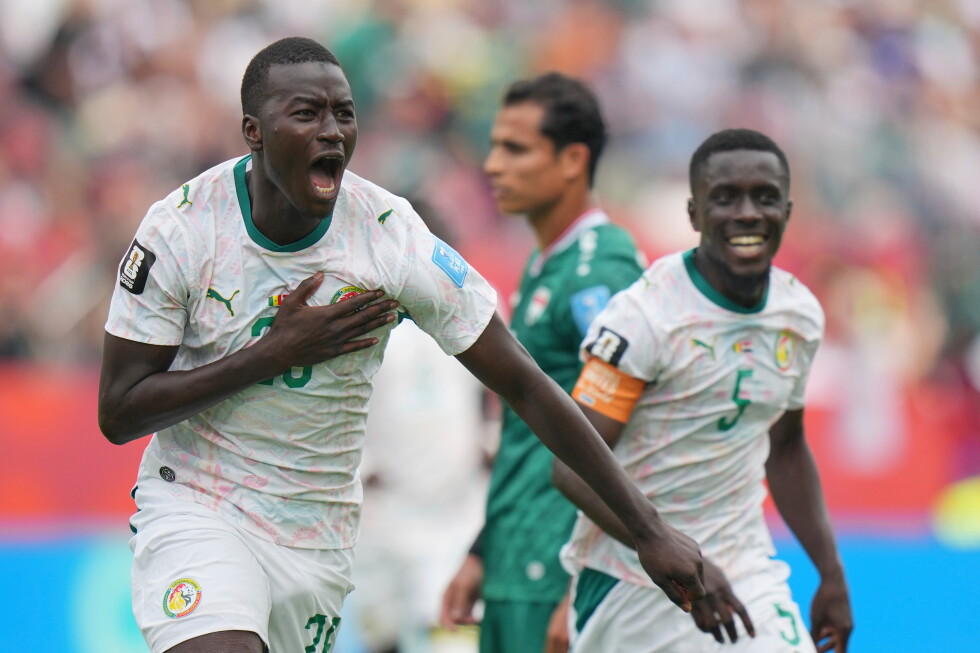
    TORONTO – Heading into their final Group I World Cup group stage match on Friday, Senegal faced a clear and unforgiving mandate: they not only needed a win, but a lopsided, goal-heavy victory to keep their knockout stage hopes alive. By the final whistle, the African side delivered exactly that, tearing through a shorthanded Iraq squad to claim a resounding 5-0 triumph that leaves them on the cusp of advancing to the Round of 32.

    From the opening minutes, Senegal came out pressing aggressively, and they earned their first reward just four minutes into the contest when Habib Diarra found the back of the net to put his side up early. The game’s turning point arrived just nine minutes later, when Iraq defender Rebin Sulaka was shown a straight red card for pulling Sadio Mane’s jersey to stop the winger from breaking away on a one-on-one scoring chance. Left down to 10 men for virtually the entire remainder of the match, Iraq was forced into a defensive rearguard that held firm for nearly 40 minutes after the red card, with Senegal unable to extend their lead until the 56th minute, when Ismaila Sarr slotted home the side’s second goal.

    What followed was a devastating second-half scoring flurry from Senegal. Midfielder Pape Gueye bagged a brace, both goals powerful strikes from just outside the 18-yard box, before substitute Iliman Ndiaye capped off the rout with Senegal’s fifth goal of the night.

    The dominant result leaves Senegal sitting at three points in Group I with a +2 goal differential, currently in third place in the group. With only the eight best third-place teams across all groups earning a spot in the knockout round, Senegal has done everything it can to advance – but now must wait for the remaining six group stage matches across the tournament to conclude to learn their fate. “The job is done, but fate is no longer in our hands,” Senegal head coach Pape Thiaw said in post-match comments. “We have to wait until the other matches are over.”

    Gueye echoed his coach’s sentiment, noting that the team executed the game plan they came into the match with. “We had to score as many goals as possible,” Gueye said. “So there you go.” Diarra, who opened the scoring for Senegal, expressed confidence that the side’s strong result would be enough to see them through to the next round. “They gave us problems, but we solved them,” he said. “We played a great match, both collectively and individually. Now, here we are. I can say we are focused on our next match.”

    For Iraq, the loss brings an early end to their historic World Cup run, marking their first appearance at the tournament since 1986. They exit the competition winless, having failed to pick up a single point across three group stage matches. “I want to apologize for our fans, for our country, these three games,” Iraqi defender Merchas Doski said after the match.

    Even so, Iraq head coach Graham Arnold framed the team’s qualification for the tournament itself as a remarkable achievement. “Hopefully the players will go away from this enjoying the experience of being in the World Cup for the first time in 40 years,” he said, “but also learning from mistakes.”

  • Sri Lanka keep alive Women’s T20 World Cup semifinals hopes after beating Scotland

    Sri Lanka keep alive Women’s T20 World Cup semifinals hopes after beating Scotland

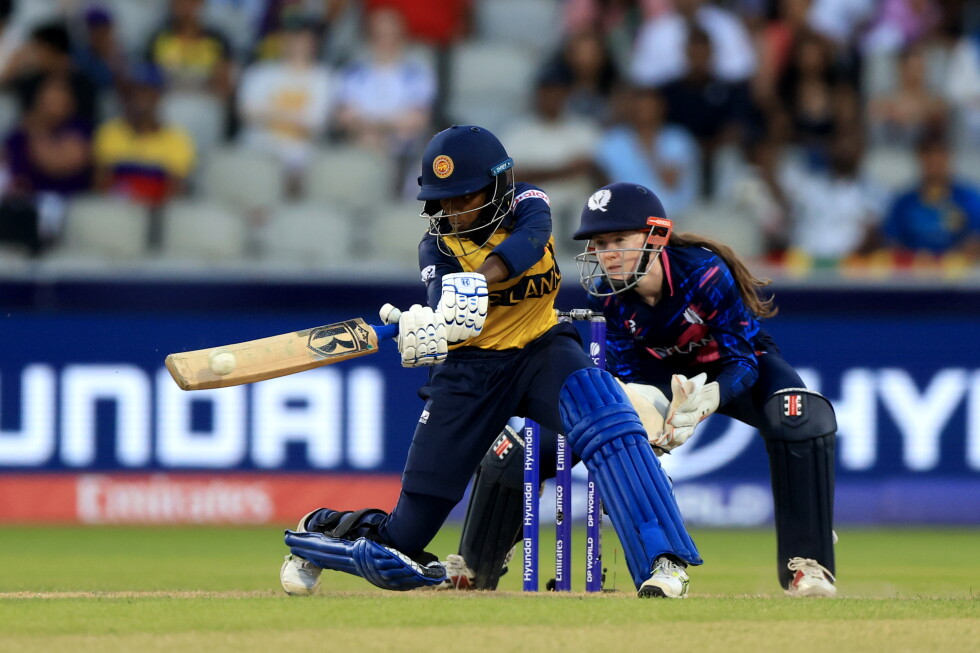
    MANCHESTER, England – A heart-stopping final-over finish at Old Trafford on Friday handed Sri Lanka a narrow three-wicket win over Scotland, keeping alive the underdog side’s slim hopes of reaching the Women’s Twenty20 World Cup semifinals for the first time in tournament history.

    Scotland, appearing in its second consecutive T20 World Cup, posted a competitive total of 151 for 6 after 20 overs. Only top-order batter Sarah Bryce put Sri Lanka’s bowling attack under sustained pressure: stepping in after her sister and Scotland captain Kathryn Bryce fell to leave the side 66-2 in the 10th over, Sarah Bryce hit an unbeaten 47 off 33 deliveries, including a boundary off the final ball of Scotland’s innings to push the team past the 150 mark.

    Chasing a 152-run target to secure victory, Sri Lanka got off to a blistering start: veteran captain Chamari Athapaththu, competing in her 10th T20 World Cup, smashed 33 runs off just 16 deliveries before being dismissed with Sri Lanka at 57-2 in the sixth over. After Athapaththu’s exit, Sri Lanka’s batting lineup slowed dramatically, dragging out the chase and reaching 154 for 7 on the second-to-last ball of the final over.

    The dramatic closing sequence began when Scotland medium-pacer Rachel Slater was tasked with defending seven runs from the six deliveries of the last over. She gave up just one single off each of her first three balls before suddenly pulling up in pain and collapsing to the pitch with a suspected knee injury. Distressed, Slater eventually left the field in tears, forcing Scotland to call on alternate bowler Priyanaz Chatterji to finish the over. Chatterji gave up a single on her first delivery before tailender Sugandika Kumari hit a match-winning boundary to seal the three-wicket victory.

    While the win marks Sri Lanka’s third victory of the tournament — its best ever performance at a single Women’s T20 World Cup — the slow, last-ball finish barely improved the side’s net run rate, leaving its semifinal hopes hanging by a thread. West Indies now holds the upper hand for the second and final semifinal spot in Sri Lanka’s group, and will secure qualification if it beats winless Ireland in its final group match on Saturday.

    For Scotland, the heartbreaking last-over defeat consigns the side to a fifth-place finish in the group, falling short of the fourth-place spot that would have granted direct qualification for the 2028 Women’s T20 World Cup hosted by Pakistan.

    Saturday’s tournament schedule also includes a matchup between the Netherlands and Pakistan, and a group-stage game between already semifinal-qualified England and defending champion New Zealand.

  • France forward Ousmane Dembélé scores a first-half World Cup hat trick in 4-1 win over Norway

    France forward Ousmane Dembélé scores a first-half World Cup hat trick in 4-1 win over Norway

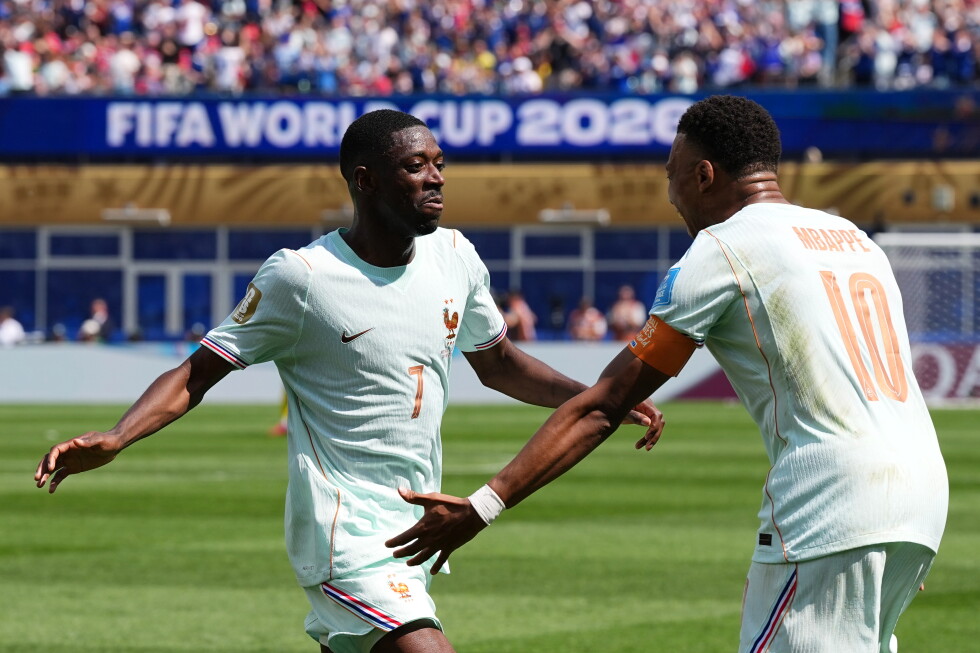
    FOXBOROUGH, Mass. — Ahead of the knockout round of the World Cup, French star Ousmane Dembélé announced himself as a top contender for the tournament’s Golden Boot with a historic first-half hat trick that lifted defending champion France to a 4-1 victory over Norway in the final Group Stage match Friday.

    Dembélé found the back of the net three times in just 25 minutes of the first half, striking in the 7th, 20th, and 32nd minutes. His performance marks the first first-half World Cup hat trick in 30 years; the last such achievement came from Russian forward Oleg Salenko, who netted three first-half goals as part of his iconic five-goal game against Cameroon at the 1994 United States World Cup.

    The match opened with a near-immediate chance for France: Kylian Mbappé broke down the right flank just 21 seconds after kickoff, firing a powerful strike that rattled the crossbar past Norwegian backup goalkeeper Egil Selvik. Dembélé opened his scoring tally soon after, slotting a right-footed shot past Selvik off a perfectly placed feed from his Paris Saint-Germain teammate Mbappé. He doubled his lead 13 minutes later, creating space between three Norwegian defenders at the top of the 18-yard box and curling a left-footed shot beyond Selvik’s diving save attempt.

    Norway quickly pulled one back, as Thelo Aasgaard scored just 14 seconds after the restart following Dembélé’s second goal. But Dembélé restored France’s two-goal advantage less than nine minutes later, completing his first-half hat trick before the break. France rounded out the scoring with a late injury-time goal from young substitute Désiré Doué, capping a dominant performance that pushed the side’s total goal tally to 10 through three group matches.

    Both sides had already secured their spots in the World Cup round of 32 heading into Friday’s match, and Norway head coach Ståle Solbakken made the call to rest 10 regular starting players, including star striker Erling Haaland, to keep his squad fresh for knockout round play. Solbakken explained that the short turn-around between matches made the decision to rest key starters an obvious one.

    “The break that we had from the last game to this game was the shortest of any team. … So it’s a no-brainer,” Solbakken said. “The fans around Norway and also in the arena would have liked to see Erling. But that is not really the issue. We want to proceed as long as we can in the tournament.”

    For France, the match carried an undercurrent of emotion: head coach Didier Deschamps missed the fixture after the recent passing of his mother, Ginette Deschamps, returning to France to be with his family. Assistant coach Guy Stéphan stepped in to lead the side, and fans in attendance displayed a large banner reading “AVEC TOI DIDIER” — “With you Didier” — to show their support for Deschamps. Stéphan confirmed after the match that Deschamps would rejoin the team for training Saturday ahead of the knockout round.

    Dembélé, who claimed the 2025 Ballon d’Or as European football’s top player and now has four goals at this year’s World Cup, was subbed off in the 65th minute to rest, replaced by Bradley Barcola. In his post-match comments, the 28-year-old played down his individual achievement, emphasizing that the team’s focus remains locked on knockout round success.

    “It is a unique moment,” Dembélé said. “But the most important was to finish first of the group in the group stage, and we are focused on the round of 32, which is the most important.” He added: “We want to win all our matches, but we remain focused.”

    Historically, Dembélé’s hat trick ranks among the fastest in World Cup history. The record for the fastest tournament hat trick belongs to Hungarian striker Laszlo Kiss, who scored three goals in just 7 minutes 42 seconds as a substitute against El Salvador at the 1982 Spain World Cup. For hat tricks from the opening kickoff, the record is held by Austrian striker Erich Probst, who netted three goals in 24 minutes against Czechoslovakia at the 1954 Switzerland World Cup.

    Looking ahead, both teams will begin their knockout round campaigns on the same day next week. Norway will square off against Ivory Coast on Tuesday in Arlington, Texas, while France will face off against one of the top third-place finishers from the 2026 tournament group stage in East Rutherford, New Jersey.

    In addition to Dembélé’s three goals, Mbappé extended his strong World Cup form: the French captain now has 16 career World Cup goals and four assists across 17 tournament matches, having already scored two goals in each of France’s prior group wins against Senegal and Iraq, entering the knockout round as one of the tournament’s top offensive threats.

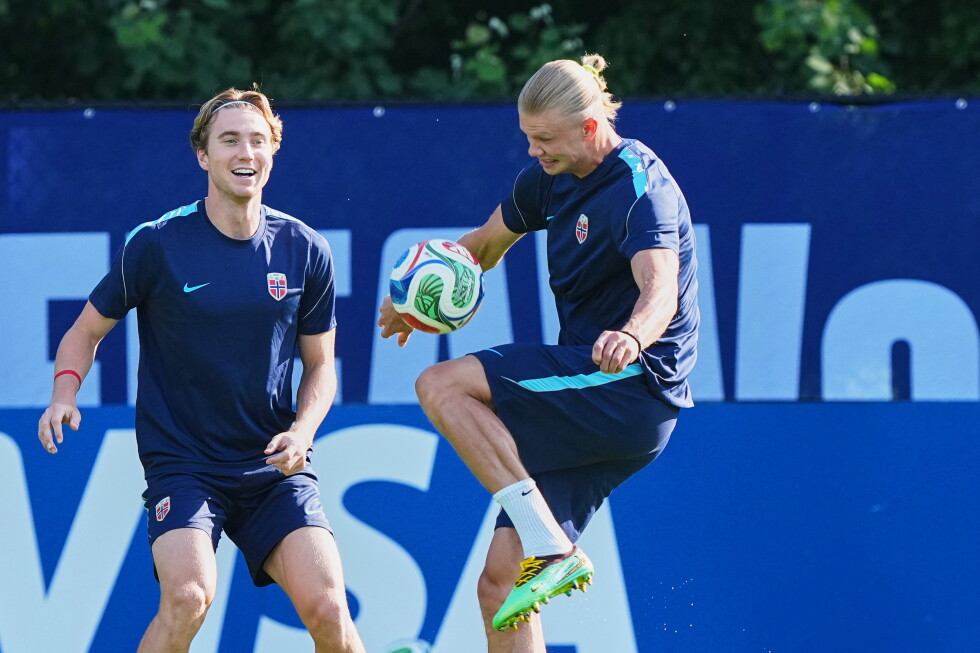
  • Erling Haaland and others not starting for Norway against France at the World Cup

    Erling Haaland and others not starting for Norway against France at the World Cup

    FOXBOROUGH, Mass. — The final Group I match of the men’s World Cup between Norway and France on Friday brings with it two major lineup and coaching disruptions that have reshaped the showdown ahead of the knockout round. The biggest headline coming out of Norway’s pre-match team announcement is star striker Erling Haaland’s absence from the starting 11, one of 10 regular opening-day starters left on the bench by head coach Ståle Solbakken.

    Norway has already locked in its spot in the tournament’s round of 32, which has led Solbakken to rotate his squad heavily to rest key players ahead of knockout-stage play. Only one player who started Norway’s opening group fixture against Senegal on Monday retains his place in Friday’s starting lineup: midfielder Fredrik Aursnes. The sweeping changes also see goalkeeper Egil Selvik get his first start of the tournament, replacing regular starter Orjan Nyland between the posts.

    Despite the rotation, Norway still has a shot at topping Group I: the side only trails group leader France on goal difference, and a win over France would see Norway jump to first place in the group standings. For Haaland, the absence comes mid-tournament in a tight race for the tournament’s Golden Boot. The Norwegian star is currently tied for second on the goal-scoring leaderboard with four tournament goals, level with Brazil’s Vinícius Júnior and France’s own Kylian Mbappé. That puts Haaland just one goal behind leader Lionel Messi of Argentina, who sits atop the rankings with five goals.

    On France’s side of the matchup, all eyes will be on the sideline rather than the starting XI, where the reigning 2018 champions are fielding their full regular starting lineup including Mbappé. But France will be without their iconic head coach Didier Deschamps, who has stepped away from the team temporarily following the recent passing of his mother. The 57-year-old manager is currently back in France with his family to grieve, leaving assistant coach Guy Stéphan to lead the team in Friday’s fixture.

    Stéphan told reporters ahead of the match that he has remained in constant contact with Deschamps, even speaking with him just hours before kickoff. “He is very affected,” Stéphan said of his boss. “I will strive to make the situation as normal as possible and to prove worthy of the trust he places in me.” My thoughts have been with Deschamps and his entire family this week, he added.

    Deschamps, who already confirmed he will step down from his role as France’s head coach after this year’s tournament, has one of the most storied careers in World Cup history. He won the tournament as a player with France in 1998, repeated the feat as head coach in 2018, and led his side to a second-place finish in the 2022 tournament. This match marks his final group-stage appearance at the helm, one he will miss due to family tragedy.

    The stakes of Friday’s match extend beyond group bragging rights, as the final group positions will determine where each team plays their first knockout-round match. The Group I winner will face a yet-to-be-determined third-place finisher from another group next Tuesday in East Rutherford, New Jersey, while the group’s second-place team will take on Ivory Coast the same day in Arlington, Texas.

  • Cape Verde looks to capitalise on World Cup heroics

    Cape Verde looks to capitalise on World Cup heroics

    Against all expectations, the tiny Atlantic archipelago nation of Cape Verde has captured global attention with its standout showing at the 2026 FIFA World Cup, a stage where most football fans wrote off the Blue Sharks as heavy underdogs. Now, the island nation is moving quickly to turn this sudden international spotlight into long-term growth for its homegrown football ecosystem.

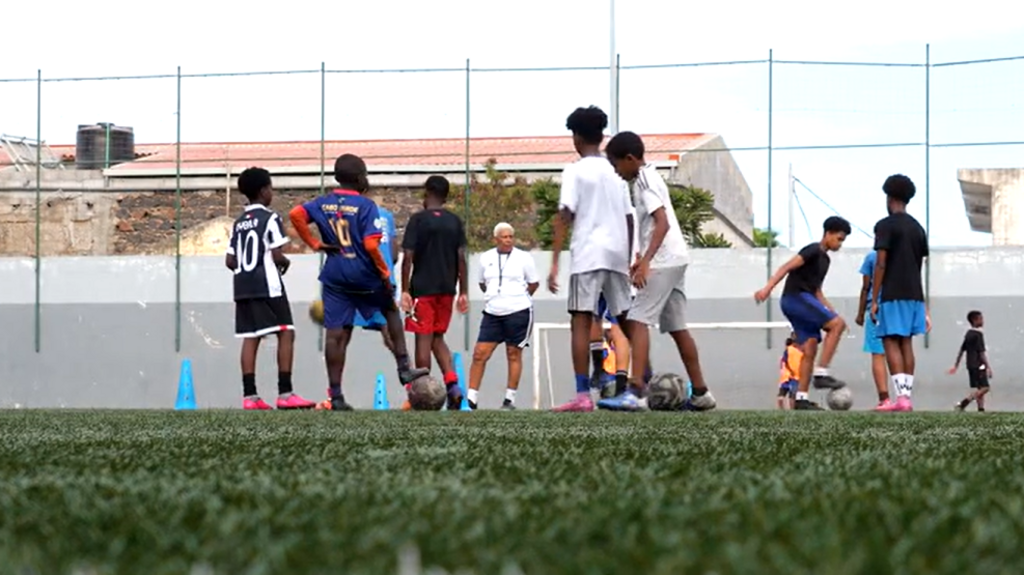
    A team from BBC Africa has traveled to the West African nation to investigate how the country nurtures the emerging football talent that delivered its historic World Cup run. On the ground in Praia, Cape Verde’s capital, reporters met Silveria Nedio, a coach at the Bola Pra Frente Academy, who has helped develop several of the current Blue Sharks squad that competed in the 2026 finals.

    For a nation with a population of just over 590,000, reaching the World Cup finals is already a historic achievement, but it also delivers tangible financial benefits that the country plans to reinvest in the sport. Mario Semedo, president of the Cape Verde Football Federation, confirmed that all prize money earned from the team’s World Cup participation will be directed toward expanding and improving domestic football development programs, from youth academies to grassroots infrastructure across the archipelago.

    The unexpected success of Cape Verde’s national team has already generated increased global interest in the nation’s football culture, creating a rare opportunity to build a sustainable pipeline of talent for future international competitions, industry observers note.

  • How match fixing robbed Algeria in 1982, and changed the World Cup forever

    How match fixing robbed Algeria in 1982, and changed the World Cup forever

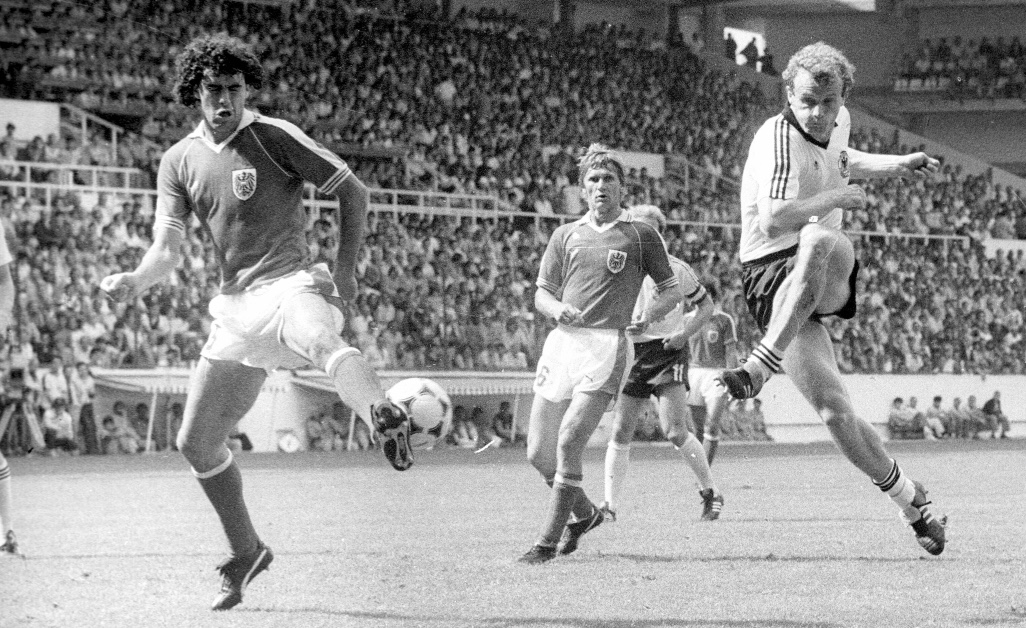
    Forty-one years before modern football’s biggest debates over competitive integrity, a prearranged match at the 1982 FIFA World Cup in Spain permanently altered the structure of the world’s most popular sporting tournament. That controversial fixture, forever remembered as the Disgrace of Gijón, saw West Germany and Austria collude to knock North African underdog Algeria out of the competition in one of the most infamous scandals in World Cup history.

    Algeria, a first-time qualifier making its debut on football’s biggest stage, had already completed all of its Group 2 matches the day before the West Germany-Austria fixture, and sat perched on the cusp of advancing to the tournament’s second round. The two European sides quickly realized a narrow 1-0 win for West Germany would check all the boxes for both nations: as long as Austria did not lose by three or more goals, both sides would move forward at Algeria’s expense, edging the North African side out of second place on goal difference.

    The match opened with genuine energy, as West German striker Horst Hrubesch nodded a close-range shot into the net to put his side up just 10 minutes after kickoff. But after that opening goal, the intensity of the fixture drained away almost immediately. By halftime, the pattern of play had shifted dramatically: players stopped pressing forward, committed barely any tackles, and spent nearly all of the remaining 80 minutes circulating the ball laterally across the pitch or back toward their own half. Every sideways pass drew deafening jeers from the 41,000 fans packed into the Gijón stadium.

    Scottish referee Bob Valentine, who oversaw the match, later recalled recognizing the collusion by the 30-minute mark, but said he had no official framework to act on the unspoken agreement. “I refereed the game in front of me. It’s all I could do,” he told *The Scotsman* in a 2011 interview.

    Spectators and broadcasters caught on within minutes. One on-air commentator urged viewers at home to turn off their broadcasts and fell silent for the rest of the match, while another pundit remarked that even saying the players’ names left “a nasty, nasty taste” in his mouth. The next day, local Gijón newspaper *El Comercio* published its match report in the publication’s crime section, and leading French sports daily *L’Equipe* argued that all 22 players on the pitch deserved to be shown red cards for their conduct.

    Despite widespread public outrage, players and officials from both European nations defended their actions. West Germany’s goalkeeper dismissed criticism, noting he had only faced two routine possessions during the entire match: “What should I have done? Run up front and throw myself on the ball?” Hans Tschak, head of the Austrian FIFA delegation, went even further, framing the collusion as a legitimate tactical choice and unleashing a vulgar, racist tirade against Algerian fans. “If 10,000 ‘sons of the desert’ here in the stadium want to trigger a scandal because of this, it just goes to show that they have too few schools,” Tschak said. “Some sheikh comes out of an oasis, is allowed to get a sniff of World Cup air after 300 years and thinks he’s entitled to open his gob.”

    Benali Sekkal, then-president of the Algerian Football Federation, called the fixture “scandalous and immoral” and submitted an official complaint to FIFA calling for both West Germany and Austria to be suspended from the tournament. FIFA ultimately rejected the appeal, and the two European sides advanced as planned. Neither went on to claim the trophy: West Germany fell 3-1 to Italy in the tournament final.

    Though Algeria was robbed of a historic second-round spot in 1982, the scandal left a lasting positive legacy for the World Cup. In response to public outcry over the blatant collusion, FIFA changed its tournament rules to require all final group-stage matches to kick off simultaneously. That rule remains in place today, eliminating the opportunity for teams to manipulate results based on pre-existing group standings and protecting the competitive integrity of the world’s biggest sporting event.