分类: sports

  • China-US youth pickleball tournament builds cross-cultural ties

    China-US youth pickleball tournament builds cross-cultural ties

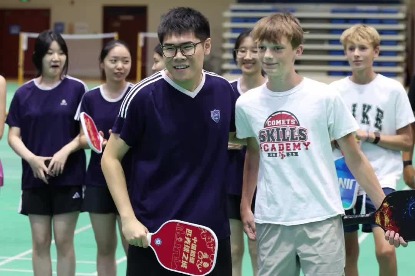
    On Tuesday, a landmark people-to-people exchange event between China and the United States, the 2026 China-US Youth Pickleball Friendship Tournament, was officially held at the University of International Business and Economics in the Chinese capital, Beijing. The on-court competition brought together two distinct groups of young participants: student members of a study tour delegation originating from Iowa, the United States, and teenage athletes from Shijiazhuang Foreign Language School, located in North China’s Hebei Province.

    Organizers of the friendly competition note that the event was designed around a far more ambitious goal than simply crowning a winning team. By bringing young people from the two countries together through the fast-growing, accessible sport of pickleball, the tournament seeks to build a new, informal bridge for cross-cultural connection and dialogue. The initiative focuses on nurturing the next generation of advocates and informal ambassadors for lasting China-US friendship, with the ultimate aim of making a tangible, positive contribution to the long-term development of bilateral relations between the two nations.

  • Infantino’s Middle East playbook: How Fifa boss uses geopolitics on the World Cup stage

    Infantino’s Middle East playbook: How Fifa boss uses geopolitics on the World Cup stage

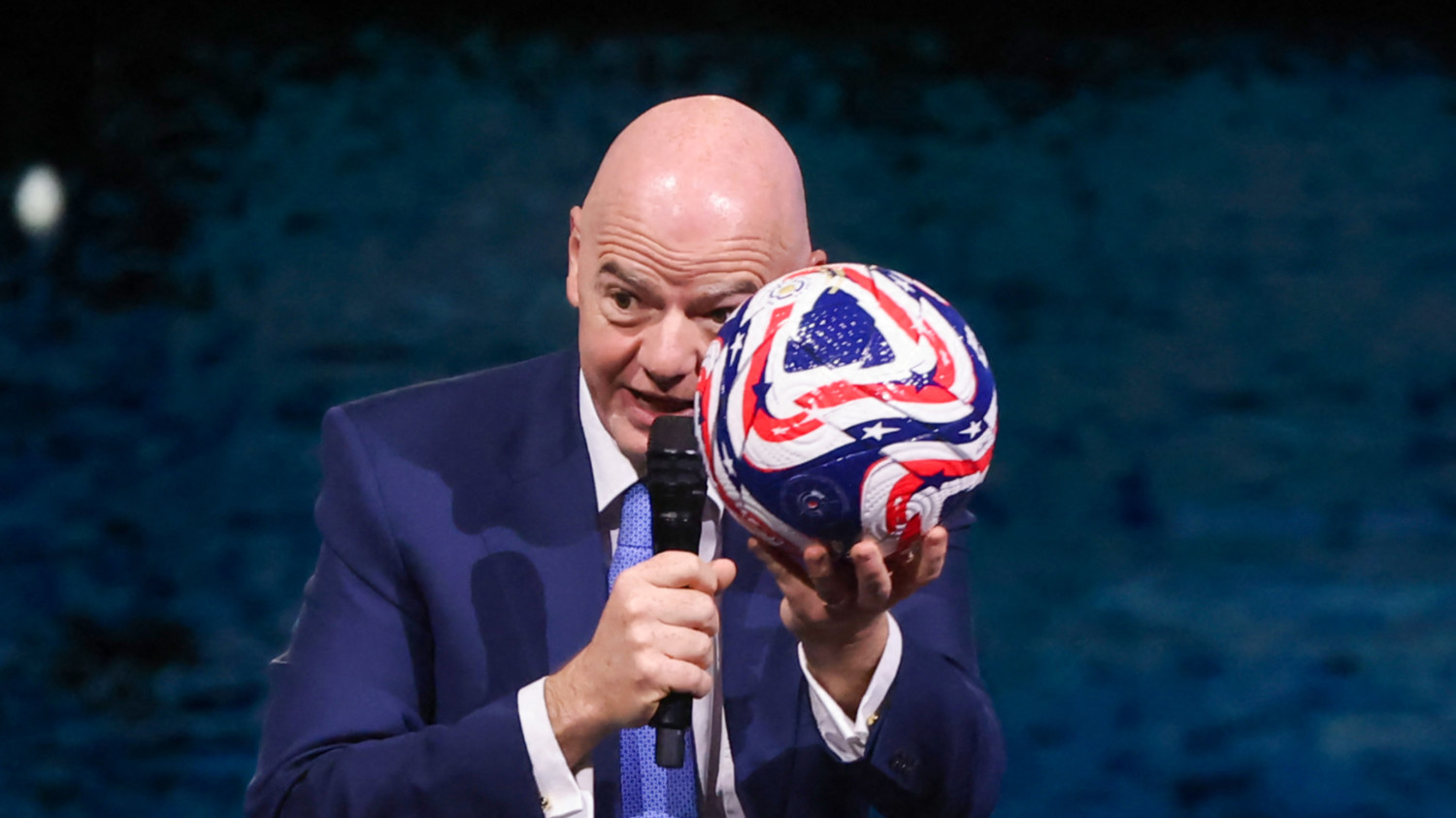
    As the 2026 expanded-format FIFA World Cup kicks off across the United States, Mexico and Canada, 48 national teams are competing across 104 matches to claim football’s most coveted global trophy. At the helm of this six-week sporting spectacle is Gianni Infantino, the Swiss-Italian president of FIFA, who oversees a multi-billion-dollar commercial and athletic empire second only to the Olympic Movement in global reach.

    For years, Infantino has publicly maintained that “politics should stay out of football and football should stay out of politics” — but this mantra has repeatedly collided with reality, nowhere more dramatically than across the Middle East, a region that has shaped Infantino’s tenure and drawn constant criticism of his leadership since he took over as FIFA president in 2016, replacing disgraced former chief Sepp Blatter.

    Infantino’s ties to the Middle East are personal as well as professional: his wife Leena al-Ashqar is Lebanese, and he was granted Lebanese citizenship by former President Joseph Aoun in early 2025. As the 2026 World Cup enters its knockout phase, a deep dive into his actions across the region reveals just how deeply intertwined politics and FIFA leadership have become during his tenure.

    The intersection of U.S. politics and FIFA’s operations came into sharp focus early in Infantino’s presidency. In early 2017, then-U.S. President Donald Trump introduced a travel ban targeting six Muslim-majority nations — Iran, Libya, Syria, Somalia, Sudan and Yemen — a restriction that was later expanded to cover 75 countries during Trump’s second term. By March of that year, Infantino acknowledged the ban could disqualify the U.S. from hosting future World Cups, noting: “Teams who qualify for a World Cup need to have access to the country, otherwise there is no World Cup.” He framed the comment as a general sporting rule rather than a direct rebuke of the Trump administration, a carefully calibrated statement that came just one month before the U.S. officially launched its joint 2026 bid alongside Mexico and Canada, which was awarded to the three nations in June 2018.

    Eight years later, those travel restrictions have created tangible disruptions for the 2026 tournament itself. Iran, whose national side is playing its group stage matches in Los Angeles despite ongoing U.S.-Israeli military action against Iran that has killed thousands of Iranians, has been barred from bringing Iranian fans into the U.S. Iranian head coach Amir Ghalenoei has publicly lashed out at Infantino and FIFA over the unequal treatment, calling his team “the most oppressed one in the whole World Cup.” Ghalenoei revealed that after Iran’s opening match, Infantino visited the squad’s dressing room to inform them they had to leave the U.S. immediately for their training camp in Mexico, adding: “It seems others are doing the planning for us.”

    Other Muslim-majority nations have faced similar entry issues: FIFA-appointed Somali referee Omar Artan was blocked from entering the U.S. over unproven Trump administration claims of ties to suspected terrorist groups. While FIFA ultimately paid Artan his full tournament fee, and UEFA later awarded him a 2026 UEFA Super Cup officiating assignment between Paris Saint-Germain and Aston Villa, the incident highlighted the impact of U.S. policy on the tournament. Iraqi striker Aymen Hussein was detained and questioned for seven hours upon entry to the U.S. before being granted access — and went on to score in Iraq’s opening World Cup match against Norway.

    Critics have repeatedly accused Infantino of currying favor with Trump, a pattern that has played out across the Middle East. In May 2025, multiple FIFA member state delegates staged a walkout of the organization’s annual congress in Paraguay after Infantino arrived hours late, delaying the entire agenda. The delay came after Infantino traveled with Trump on a trip to meet with leaders in Saudi Arabia and Qatar. The incident sparked a public rebuke from UEFA, which accused Infantino of prioritizing “private political interests” over the governance of the sport. Infantino blamed the delay on flight issues, claiming “important discussions took place in regard to the World Cup, and I felt that I needed to be there to represent football and all of you.”

    Trump, who has publicly sought a Nobel Peace Prize, was awarded the first ever “FIFA Peace Prize” by Infantino during the 2026 World Cup draw in Washington D.C. in December 2025. Infantino praised Trump for “exceptional and extraordinary actions to promote peace and unity around the world,” telling the U.S. president “You can always count on my support.” Infantino also attended Trump’s second presidential inauguration in January 2025 and the premiere of a documentary about First Lady Melania Trump, and FIFA maintains a leased office space in New York’s Trump Tower.

    Questions of FIFA’s close ties to Middle Eastern nations with questionable human rights records date back to the 2022 Qatar World Cup, awarded to Qatar in 2010, six years before Infantino took office. The run-up to the first Middle Eastern World Cup was dominated by accusations of sportswashing, driven by reports of widespread migrant worker abuses that killed more than 6,500 migrant workers between 2010 and 2021, many of whom worked on World Cup infrastructure. Critics also raised alarms over extreme summer temperatures, which led organizers to move the tournament to the winter months.

    Facing mounting global criticism, Infantino delivered a controversial 57-minute speech on the eve of the 2022 tournament, declaring: “Today I have very strong feelings. Today I feel Qatari. Today I feel Arab. Today I feel African. Today I feel gay. Today I feel disabled. Today I feel like a migrant worker.” He pushed back against critics, arguing that migrant workers earned higher wages in Qatar than they would in their home countries and claiming labor rights standards matched those of Western Europe. The comments drew fierce condemnation from global human rights groups including Amnesty International, which accused Infantino of ignoring the massive human cost of the tournament and FIFA’s own responsibility for the abuses. Qatari officials dismissed the allegations as racist double standards, but human rights organizations rejected that defense.

    Infantino’s actions around the awarding of future World Cup tournaments have also drawn scrutiny over political maneuvering in the Middle East. The 2030 tournament, marking the centenary of the first World Cup held in Uruguay in 1930, attracted multiple competing bids: a sentimental joint bid from South American nations Uruguay, Argentina, Chile and Paraguay; a European bid from Spain and Portugal that at one point included Ukraine; and a standalone bid from Morocco, which had unsuccessfully bid for the tournament six times previously. Morocco had emerged as a rising football power, reaching the 2022 World Cup semi-finals as the first African nation ever to do so, and winning the 2026 Africa Cup of Nations in a controversial final.

    By late 2024, technical evaluations ranked the joint Morocco-Spain-Portugal bid ahead of other contenders, and in December 2024, an extraordinary online FIFA Congress confirmed Morocco would co-host the 2030 tournament alongside Spain and Portugal, with three ceremonial centenary matches held in South America. But leaked internal messages revealed Infantino had floated the idea of Morocco joining the Spanish-Portuguese bid as early as 2018, contradicting FIFA’s official position that it remained neutral throughout the bidding process. Spanish Prime Minister Pedro Sanchez acknowledged in a message to then-Spanish FA president Luis Rubiales that both Rubiales and Infantino had proposed the idea to him, with Rubiales noting that FIFA’s neutrality meant the coordination should not be made public. FIFA has repeatedly denied Infantino played any role in bid negotiations. While the decision was praised by many for bringing the World Cup to Africa for only the second time after 2010’s South Africa tournament, critics have raised ongoing concerns about Morocco’s human rights record and its occupation of Western Sahara.

    The 2034 World Cup awarding process drew even sharper criticism, when Saudi Arabia was awarded the tournament as the only eligible bidder. Under FIFA’s continental rotation rules, only Asian and Oceanian confederations were eligible to host 2034, after North America hosted 2026 and Europe/Africa/South America co-host 2030. FIFA opened bidding for 2034 with no advance warning in October 2023, setting a tight 25-day deadline. Saudi Arabia immediately announced its bid, part of the kingdom’s broader strategy to rebrand its global image through major sporting investments, and Australia — the only other potential contender — withdrew before the deadline. FIFA pushed delegates to approve both the 2030 and 2034 hosts as a single package, meaning rejecting one would eliminate both. After a brief round of applause, Infantino declared the result “loud and clear” and approved both bids. Infantino argued the World Cup would act as a “catalyst for social improvements and social change” in Saudi Arabia, but a joint statement from 21 leading human rights organizations including Amnesty International and Human Rights Watch condemned the decision as “a moment of great danger” for global human rights.

    Infantino’s tenure has also brought tangible changes for football across the Middle East. In 2018, he lifted a 32-year ban on Iraq hosting competitive international matches, imposed in 1986 during the Iran-Iraq War that forced Iraq to play all home World Cup qualifiers abroad. Iraq has since hosted qualifiers in Basra and Karbala for the 2022 and 2026 tournaments, and qualified for the 2026 World Cup — its first appearance at the finals since 1986.

    In Iran, where women were largely barred from attending football matches after the 1979 Islamic Revolution, Infantino took a public stand after the 2019 death of Sahar Khodayari, an Iranian woman who died by self-immolation after being arrested for attempting to enter a stadium disguised as a man. FIFA set a firm deadline for Iran to lift the ban, with Infantino stating: “Our position is clear and firm. Women have to be allowed into football stadiums in Iran.” The Iranian government has since allowed a limited number of women to attend selected matches at Tehran’s Azadi Stadium, though full access remains restricted with small, limited ticket allocations for women.

    Infantino’s most controversial actions in the region center on the Israeli-Palestinian conflict, where he has faced criticism from all sides. He has attempted to use football as a tool for diplomacy, suggesting during a 2021 visit to Israel that Israel could co-host a future World Cup alongside the United Arab Emirates, noting “nothing is impossible. We need to think big.” The comment came months after the 2020 Abraham Accords, brokered by Trump, normalized relations between Israel and the UAE, and the first UAE club side played in Israel the following year.

    Following the 2023 outbreak of Israel’s military campaign in Gaza that has killed more than 72,000 Palestinians, global calls grew for Israel to be suspended from international football, mirroring the 2022 ban on Russia after its invasion of Ukraine. In early 2026, Infantino called for Russia’s reinstatement to international competition and argued any ban on Israel would be a “defeat.” Months later, FIFA announced it would not sanction the Israeli Football Association for allowing Israeli clubs to play matches in the occupied West Bank, claiming “the final legal status of the West Bank remains an unresolved and highly complex matter under public international law.” Instead, FIFA offered to mediate between the Palestinian and Israeli FAs, a decision that prompted the Palestinian FA to file an appeal with the Court of Arbitration for Sport. FIFA did fine the Israeli FA $185,000 for failing to address repeated incidents of racist and discriminatory abuse by fans of two top Israeli clubs.

    In early 2026, FIFA signed a strategic partnership with Trump’s Board of Peace, a body created to administer post-conflict Gaza that includes no Palestinian representatives. Infantino framed the deal as an effort to “foster investment into football for the purpose of helping the recovery process in post-conflict areas.” Months later, at the 2026 annual FIFA congress, Infantino attempted to orchestrate a public handshake between Palestinian FA president Jibril Rajoub and Israeli FA vice president Basim Sheikh Suliman. Rajoub refused the handshake, exclaiming “We are suffering!” as he left the stage. Susan Shalabi, vice president of the Palestinian FA, later explained that Rajoub told Infantino he “cannot shake the hand of someone the Israelis have brought to whitewash their fascism and genocide.”

    Despite the public rejection, Infantino has pushed forward with plans for a symbolic under-15 youth “peace match” between Israeli and Palestinian teams scheduled for September 2026 in the U.S., according to reporting from The Athletic that has not been confirmed by FIFA. The idea was first proposed by Infantino’s predecessor Sepp Blatter in 2015, but never moved forward after it was rejected by the Palestinian FA, despite support from then-Israeli Prime Minister Benjamin Netanyahu. The Palestinian FA has stated it has no knowledge of the new plans and “rejects any attempt to promote or impose matches with an occupying power that systematically targets Palestinian athletes and sports infrastructure.” The Israeli FA has said it remains willing to use football as a tool to promote normalization and peace in the region.

    As Infantino prepares to run for a fourth term as FIFA president at the organization’s upcoming 2027 congress in Rabat, Morocco, the ongoing tensions between his stated goal of keeping politics out of football and the deep political entanglements of his tenure remain the defining story of his leadership of global football’s governing body.
  • India beats Bangladesh and sets up must-win clash with Australia at Women’s T20 World Cup

    India beats Bangladesh and sets up must-win clash with Australia at Women’s T20 World Cup

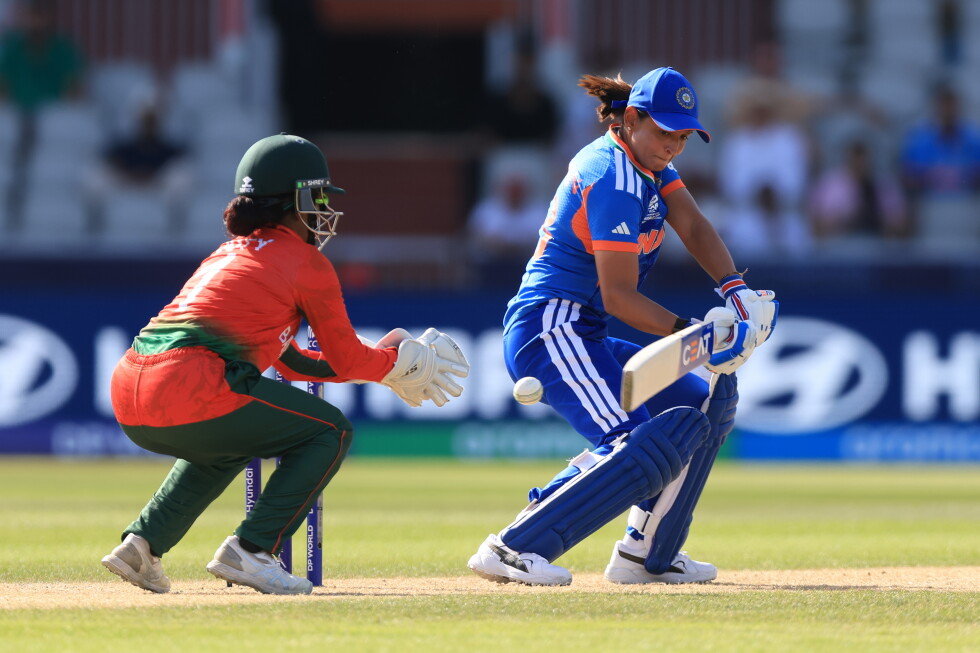
    At Old Trafford in Manchester, England, India has edged closer to a Women’s Twenty20 World Cup semifinal spot after a five-wicket victory over Bangladesh on Thursday, putting the team in position to punch its ticket to the knockout stage with an upset over undefeated Australia this weekend.

    Despite a disjointed, error-riddled fielding performance that saw Indian players drop four early catches and medium-pacer Nandni Sharma receive two official warnings for overstepping the pitch mark, India still restricted Bangladesh to a total of 136 runs for the loss of 8 wickets at the close of the innings. Bangladesh’s struggle to capitalize on India’s fielding mistakes stemmed from a critical gap in its lineup: a lack of power hitters capable of turning small errors into a match-winning big total. The team’s top scorers were Juairiya Ferdous, who notched 33 runs before being caught and bowled by Nandni in the ninth over, and captain Nigar Sultana, who contributed 32 runs before being stumped late in the innings.

    India’s successful chase got off to a flying start thanks to a lucky break for star batter Shafali Verma: Bangladesh wicketkeepers dropped Verma behind the stumps in the very first over, an error that would prove decisive. Verma took full advantage of the second chance, powering India to 63 runs for the loss of just one wicket during the powerplay segment, and hit a 29-ball half-century—her second fifty of the entire tournament. Though she was stumped for 53 runs shortly after reaching the milestone, her early blitz put India firmly in control of the chase. Additional contributions from Yastika Bhatia (23 runs) and Jemimah Rodrigues (26 runs) saw India cross the finish line at 139 for 5 with a full 19 balls left to spare.

    Speaking after the match, Verma expressed mild disappointment with her own performance, saying, “Was sad I got out. Would’ve been happier had I batted through.”

    The win sets up a winner-takes-all final group stage match against four-time unbeaten Australia, scheduled for this Sunday at London’s iconic Lord’s Cricket Ground, which has already sold out all tickets for the highly anticipated clash. Australia has cruised to four wins from four matches so far in the tournament, including a victory over South Africa—the same side that handily defeated India just last week.

    Indian captain Harmanpreet Kaur made her team’s ambitions clear following the win over Bangladesh, stating, “All set for Australia. We’ll get a lot of confidence if we win that.”

    Later the same day, South Africa was scheduled to face off against the Netherlands in their own group stage fixture.

  • Why these two teams will want a draw?

    Why these two teams will want a draw?

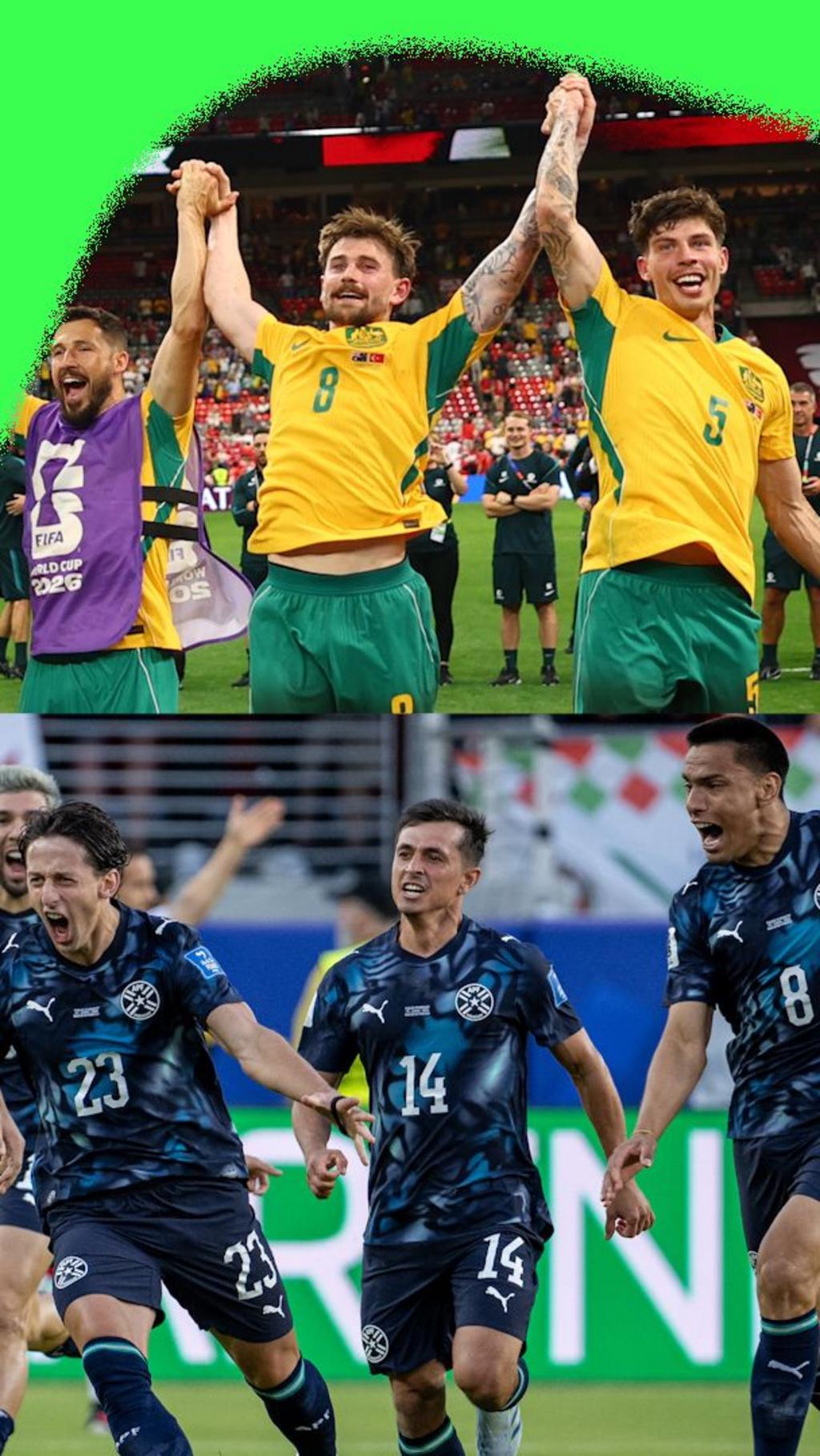
    As the final round of group stage matches at the men’s FIFA World Cup approaches, a familiar and uncomfortable debate has reemerged over tournament format ethics. This time, the focus falls on Group matches pitting Paraguay against Australia, where a mutual draw would send both national sides through to the knockout round of the competition – a scenario that has immediately sparked comparisons to one of the most infamous episodes in World Cup history, the 1982 “Disgrace of Gijon”.

    In that 1982 match between West Germany and Austria, both sides agreed to a narrow 1-0 win for West Germany that eliminated Algeria from the tournament, with both European nations advancing at the North African side’s expense. The match was widely panned for lacking any competitive spirit, as both teams spent 90 minutes going through the motions rather than fighting for a win, leading to widespread outcry and ultimately major reforms to how World Cup group stages are structured.

    Today, decades after that scandal, the same set of circumstances has emerged again: both Paraguay and Australia enter their final group fixture knowing that a tie will guarantee their progression to the next round, while any other result would open the door for a third team in the group to knock one of them out. This controversy has also reignited long-running criticism of the World Cup’s evolving format, particularly recent plans to expand the tournament to 48 teams, which critics argue will only create more frequent scenarios where a mutually beneficial result for two sides creates a huge incentive for match-fixing or uncompetitive play.

    The match, which is set to kick off in the coming days, already faces intense scrutiny from fans, pundits, and governing body FIFA, as observers wait to see whether the two sides will play open, competitive football or opt to preserve their place in the knockout round with a mutually acceptable result. The conversation around the game has once again brought to the forefront long-standing structural flaws in the World Cup’s group stage system that continue to create opportunities for controversy decades after the Disgrace of Gijon shocked the football world.

  • Ecuador defender Piero Hincapié completes permanent Arsenal move while at World Cup

    Ecuador defender Piero Hincapié completes permanent Arsenal move while at World Cup

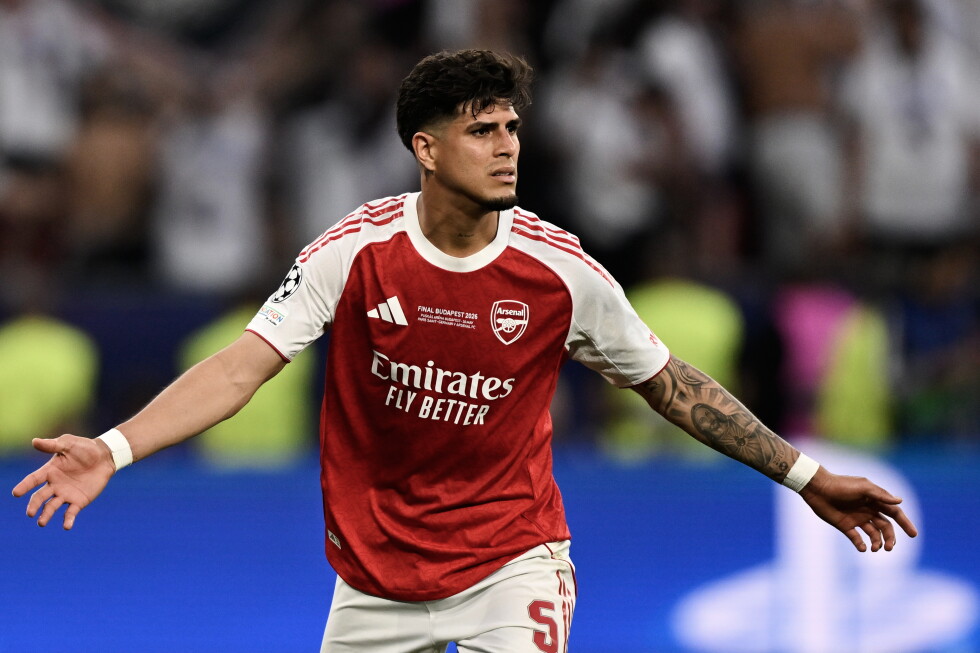
    LONDON – In a transfer announcement timed just days before one of the most high-stakes matches of his international career, Premier League champions Arsenal have finalized the permanent signing of Ecuadorian center-back and left-back Piero Hincapié, the club confirmed Thursday.

    The 24-year-old had joined the Gunners on a season-long loan from German Bundesliga side Bayer Leverkusen for the 2023-2024 campaign, and his performances over the course of the year triggered a clause in the loan agreement that required Arsenal to convert the temporary move into a full permanent contract. Hincapié will officially be listed as an Arsenal player starting next Wednesday.

    Across his debut loan season in North London, Hincapié turned out 39 times for Arsenal in all club competitions, emerging as a key rotational option for manager Mikel Arteta. He spent the majority of his game time sharing starting responsibilities at left back with Italian newcomer Riccardo Calafiori, stepping in reliably for Europa League, domestic cup, and league fixtures when called upon.

    The transfer news lands right in the middle of Hincapié’s 2026 FIFA World Cup campaign with Ecuador, where he has played every minute of the team’s opening two group stage matches. So far, La Tri have recorded a narrow 1-0 defeat to Ivory Coast and a goalless stalemate against Curaçao, leaving them needing a positive result against four-time World Cup champions Germany in their final group fixture to keep their tournament hopes alive.

    Fans across Arsenal’s global supporter base are already looking ahead to Hincapié’s first full season as a permanent member of the squad, as the club prepares for another deep run in both domestic and European competitions next year.

  • How Pochettino has US believing they can be World Cup winners

    How Pochettino has US believing they can be World Cup winners

    When Mauricio Pochettino first floated the idea in March 2026 that the United States men’s national soccer team could lift the FIFA World Cup trophy this summer, the claim was met with widespread skepticism. For decades, the US has been a consistent presence on the world’s biggest soccer stage, qualifying for nine of the last 10 tournaments, including the current edition. But its on-pitch results have rarely matched that consistency: over that 30-year stretch, the Stars and Stripes only advanced past the round of 16 once, reaching the quarter-finals in 2002. The nation’s greatest World Cup achievement remains a semi-final finish at the inaugural tournament in 1930, a distant milestone that has felt far out of reach for generations of American players and fans.

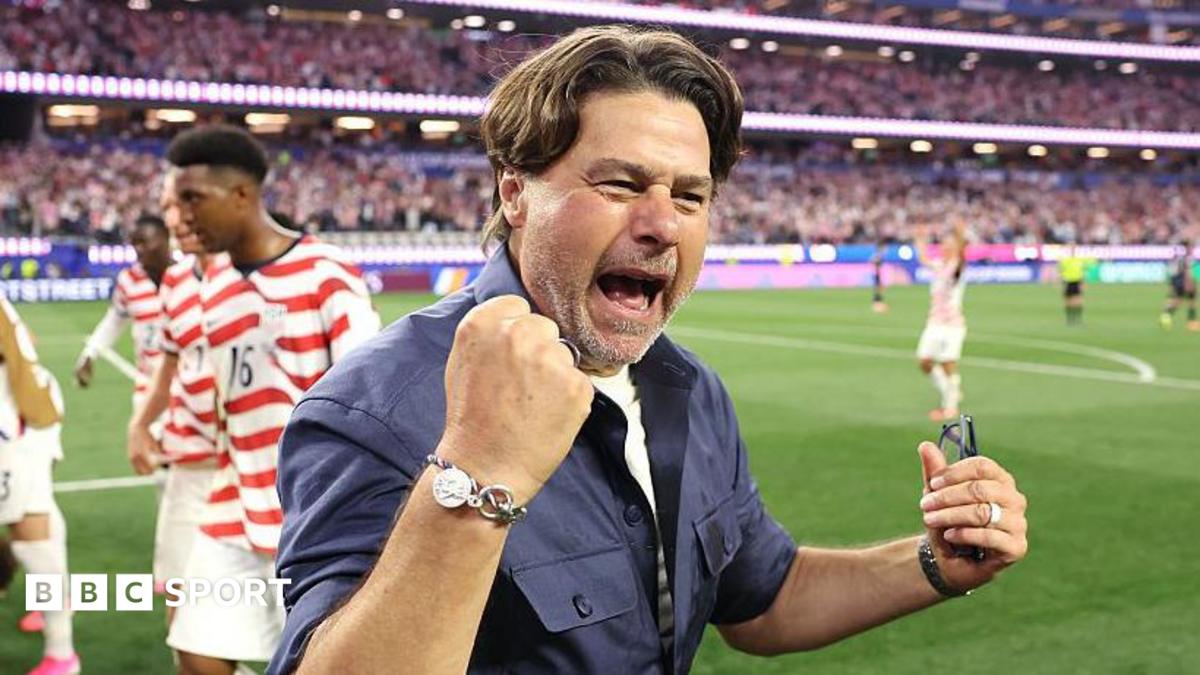
    Seven months on from that bold opening statement, everything has changed. Appointed as US head coach in 2024 on a two-year contract, the former Tottenham Hotspur manager has already steered his new side to back-to-back group stage wins – a 4-1 rout of Paraguay followed by a 2-0 victory over Australia in Seattle – that have secured the team’s place in the knockout rounds. More than that, Pochettino has reshaped the entire identity of the national side, instilling an aggressive, attacking style of play that has caught the eye of neutrals and pundits alike. Now, across the United States, the question Pochettino first posed back in March hangs in the air, asked by diehard soccer supporters and casual new fans alike: Why not us?

    In the immediate aftermath of the win over Australia, Pochettino had to pause his live pitchside interview as thousands of American fans in the stands burst into a spontaneous chant for their manager, their adoration filling every corner of the stadium. That level of public support was far from guaranteed before the tournament: initially, there was widespread uncertainty about the Argentine boss, particularly given his original contract only runs through the end of this World Cup, fuelling persistent speculation he would return to European club management once the tournament concludes.

    Today, however, that skepticism has evaporated. Pochettino has built a cohesive, dynamic squad that blends explosive young homegrown talent with experienced established stars plying their trade in Europe’s top leagues, a mix that has already proven far more competitive than many pre-tournament predictions suggested. He has worked tirelessly to strip away the deep-seated “underdog” mentality that has long defined US soccer at the World Cup, replacing doubt with unshakable belief across the camp. That new mindset is written all over the inside of his temporary hotel office, where motivational slogans are painted on the walls: “why not us?”, “believe, work, compete”, and “now is our time!”

    That energy has clearly transferred to the pitch. In their two opening matches, the US has played with a swagger and aggression that has caught opponents off guard. US forward Tim Weah pointed to Pochettino’s South American coaching roots as a key factor in the shift. “I think he brings that South American spirit that we’ve been missing,” Weah explained. “We’ve always been the good guys, so now it’s kind of nice being on the other end and being the aggressor a bit. It’s fun. Coach Poch is an amazing coach.”

    Alignment between fans, players and staff is what makes underdog teams dangerous at major tournaments, and that unity is already on full display for the US. After beating Australia, the entire squad walked the perimeter of Seattle Stadium to applaud the home crowd, who responded by belting out a full-throated version of John Denver’s *Take Me Home, Country Roads* – a track that is quickly becoming the team’s unofficial victory anthem. Thousands of jubilant supporters poured into the streets of downtown Seattle after the final whistle, still chanting Pochettino’s name long after the match ended.

    “He’s our Braveheart,” one long-time US fan told BBC Sport outside the stadium. “He is the leader who is willing to take us through the fight and the pain until the end. He has brought us a really good era. He doesn’t over complicate it and gives us a very straightforward game to watch.”

    Another supporter, who has followed Tottenham for 16 years, called Pochettino’s appointment a dream come true: “The day he took over the USA was a dream come true for me and look at us now, he wants to win it!”

    Even in Los Angeles, where the US will face Turkey in their final Group D match on Friday, the buzz around Pochettino and his squad is palpable. One American fan, who supports Arsenal, said even casual fans who rarely follow soccer have gotten behind the team – and that Pochettino’s history with Arsenal’s north London rivals Tottenham doesn’t matter anymore. “It feels like even people here who are not big soccer fans are now behind the team, so it is really cool,” they said. “I feel everything Pochettino has done is pretty positive. I like him. I think he is on the way out after this and that does hurt, though.”

    Another fan praised the no-nonsense winning mentality Pochettino has brought to the national program, free from the internal politics that have plagued past US squads. “I think it is good to have a manager like this who comes in without the American politics. He comes in and he just wants to win. Why can’t we win it? Why not us?”

    For his part, Pochettino says the connection he feels with American fans is mutual, even comparing the energy of the US crowd to that of his home nation’s famously passionate supporters. “Argentina have amazing fans, but I think we are matching Argentina,” he said after the Australia win.

    With his contract set to expire at the end of the tournament, speculation has long persisted that Pochettino will leave the post to return to club management in Europe. But the team’s strong start to the World Cup, paired with the overwhelming outpouring of support from the American public, has opened the door to a possible change of plans. Asked about his future earlier this week, Pochettino made it clear the only focus right now is on the current tournament, but he did not rule out extending his stay.

    “Now we’re focused on the World Cup. Then, if we want to stay, we have months to talk, or days or weeks. Because it’s four years until the next World Cup,” he told reporters in a roundtable interview. For Pochettino, the greatest legacy he can leave at this stage is not necessarily a trophy, but a lasting bond between the national team and the American public. “Of course, we want to win. But that is the legacy that we need. Why not be a part of it?”

  • Celebrations as South Africa reach World Cup knockout stages for the first time

    Celebrations as South Africa reach World Cup knockout stages for the first time

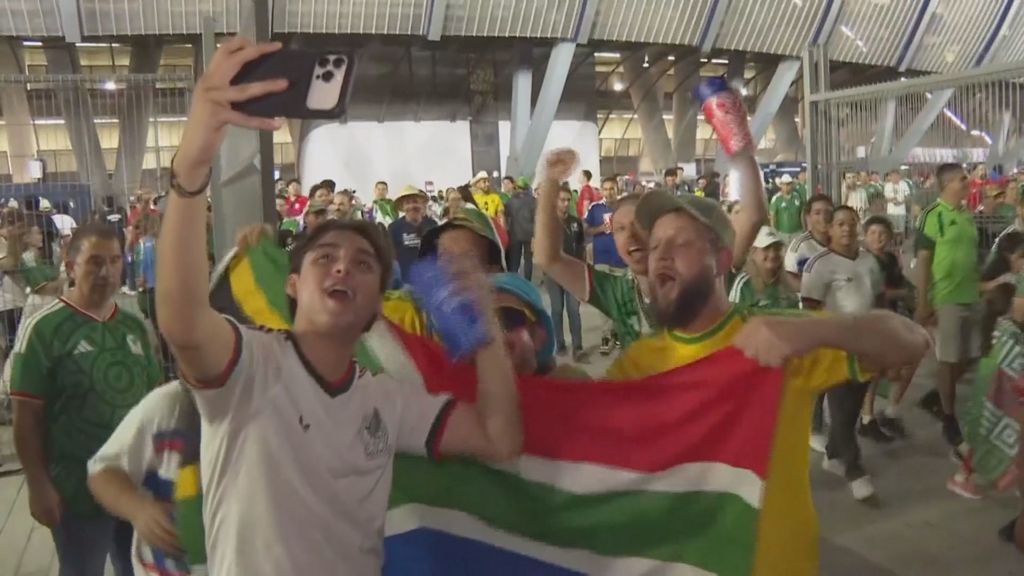
    Football fans across South Africa and the globe are celebrating a landmark moment in the nation’s sporting history, after Bafana Bafana secured a tight 1-0 win against South Korea to book their place in the knockout stages of the FIFA World Cup for the first time ever.

    For decades, South Africa has worked to build its international football profile, even hosting the 2010 World Cup as the first African nation to welcome the global tournament. But until this decisive group stage match, the side had never advanced past the group phase of football’s biggest competition. The narrow, hard-fought win over South Korea unlocked that long-awaited achievement, sending shockwaves of joy through communities back home and among football supporters worldwide who root for underdog success.

    Match observers highlight that the result was built on disciplined defending and a clinical finish that proved the difference when it mattered most. Unlike many of their previous high-stakes outings, South Africa’s side held firm under repeated attacking pressure from South Korea, capitalizing on their one clear opening to find the back of the net and protect their lead through the final whistle.

    In the hours after the final whistle, celebrations erupted across South Africa, with fans gathering in public spaces, sharing messages of congratulations on social media, and hailing the team for making history. This result not only marks a personal triumph for the current generation of players, who have dedicated years to reaching this stage, but also cements a new milestone for African football on the global stage. As the team prepares for their first knockout round tie, expectations and excitement are at an all-time high, with millions waiting to see how far the historic underdog run can go.

  • The World Cup is half over, with 54 of 104 matches complete. And the drama is just getting started

    The World Cup is half over, with 54 of 104 matches complete. And the drama is just getting started

    MIAMI GARDENS, Fla. — The 2026 FIFA World Cup, the largest edition of men’s global soccer championship in history, has passed its official tournament midpoint, with 54 of its 104 total matches completed and 50 still to play before a new champion is crowned at New Jersey’s MetLife Stadium on July 19.

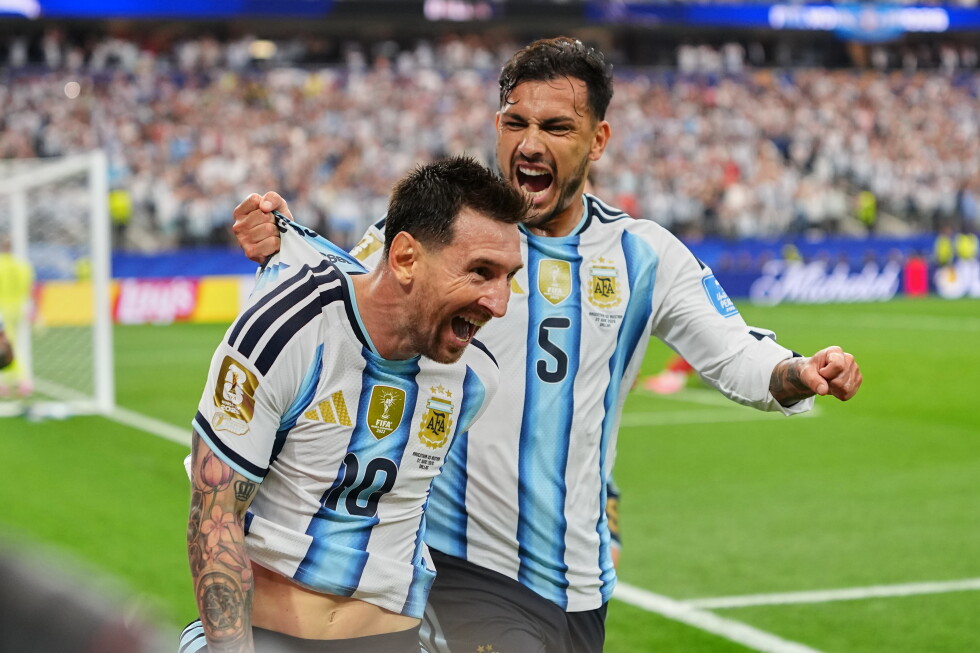
    All three co-host nations of this expanded 48-team World Cup have already secured spots in the knockout Round of 32, a milestone that has set a positive tone for the second half of the competition. Hosts the United States, Mexico, and Canada have all advanced out of group play, while the tournament’s biggest global stars have already delivered unforgettable performances that have fans buzzing. Argentina’s Lionel Messi, who celebrated his 39th birthday on the day of the midpoint milestone, has already netted five tournament goals, putting the 2022 champion in strong position to chase an unprecedented back-to-back World Cup title. France’s Kylian Mbappé, Norway’s Erling Haaland, and Brazil’s Vinícius Júnior are not far behind, each holding four goals so far.

    FIFA has reported that attendance is on track to hit an all-time tournament record, with most stadiums selling out or coming close to full capacity for group stage fixtures. Beyond on-field action, the tournament has already produced heartwarming underdog stories, the most notable of which follows Cape Verde goalkeeper Vozinha, who was able to have his mother attend the tournament to cheer him on — a moment that has resonated with soccer fans worldwide.

    “The best is yet to come,” FIFA President Gianni Infantino told SNTV earlier this week, echoing the widespread expectation that the knockout stage will deliver even more high-stakes drama than the opening group round. Just as in a single match, the second half of the tournament is where titles are won and legends are made.

    As of the conclusion of Wednesday’s matches, 13 teams have officially locked in their Round of 32 positions. Group winners include Mexico (Group A), Switzerland (Group B), Brazil (Group C), the U.S. (Group D), Germany (Group E), and Argentina (Group J). Joining the group winners in knockout contention are France, Norway, Canada, Morocco, Colombia, Bosnia and Herzegovina, and South Africa. For South Africa, this marks the first time the nation has ever advanced to a men’s World Cup knockout stage, sparking widespread celebration among the team and its supporters. “I know how it feels, but it’s very difficult to explain how it feels,” said South African head coach Hugo Broos after the milestone qualification. “I’m very happy for the guys.”

    Seven teams have already been eliminated from group stage contention, confirming they will not reach the Round of 32: the Czech Republic, Haiti, Turkey, Tunisia, Jordan, Qatar, and Panama. With 13 spots filled and seven teams out, 28 teams remain in the hunt for the 19 remaining knockout positions, setting up a series of win-or-go-home final group fixtures in the coming days. Key do-or-die matches include Australia vs. Paraguay, where a victory guarantees advancement; Japan vs. Sweden and Austria vs. Algeria, where the winner of each will claim a spot; and Cape Verde vs. Saudi Arabia, where a win would send the tiny underdog nation into the knockout round. The Group K title will also be decided when Colombia faces off against Portugal.

    For co-host the United States, the path to the final runs almost entirely through the western half of the country. The Americans will open their knockout campaign in Santa Clara, California on July 1. A win there would send them to Seattle for the Round of 16, followed by a quarterfinal berth in Inglewood, California if they continue to win. Only a trip to the semifinals would take the U.S. to Arlington, Texas, and the only match the team would play in the Eastern Time Zone would be the July 19 final itself. The most probable first opponent for the U.S. in the Round of 32 is Bosnia and Herzegovina, with a potential second-round matchup against Egypt looming if both teams advance.

    Once the final group stage matches conclude this Saturday, the single-elimination knockout round gets underway. With the exception of the third-place match after the semifinals, every knockout fixture is do-or-die: lose, and your tournament run ends. Any team that claims the World Cup title will need to win five consecutive elimination matches to lift the trophy.

    One of the biggest storylines of the tournament so far has been a historic surge in scoring. With 161 goals already netted through 54 matches, the 172-goal total record set at the 2022 Qatar World Cup is set to be broken as early as Thursday or Friday — a surge many expected, given the tournament expanded from 64 matches in the previous 20-year format to 104 matches this year. What has stood out more is that the per-game scoring average currently sits at 2.98 goals per match, the highest average the tournament has seen in more than 50 years. For context, the 1982 Spain World Cup averaged 2.81 goals per match, the 1970 Mexico tournament averaged 2.97, and the 1958 Sweden tournament averaged 3.60. The all-time record of 5.38 goals per match set at the 1954 Switzerland World Cup — which included the iconic 7-5 quarterfinal that remains the highest-scoring match in men’s World Cup history — remains out of reach, but this year’s average still marks a major shift toward attacking play.

    By the end of this Saturday, Day 17 of the tournament, 72 matches will be completed, with only 32 remaining. Saturday will also mark the end of the group stage, kicking off the full slate of single-elimination knockout play. After Saturday, the pace of the tournament will slow slightly: only one Round of 32 match is scheduled for Sunday, which pairs South Africa against Canada in Los Angeles. Play will resume daily from Monday through July 8, meaning the tournament will run 27 consecutive match days before the first and only scheduled day off before the final.

    Fans are already holding out hope for a rematch of the epic 2022 World Cup final between Argentina and France, a matchup that remains entirely possible. As the bracket currently stands, the two powerhouses are seeded on opposite halves, which would pit them against each other in the July 19 final if both advance that far. Messi, who has scored all five of Argentina’s goals through two group matches, now holds the all-time record for most men’s World Cup goals with 18 total across his career. When Argentina begins its knockout run, it will essentially play a home game in South Florida: the Round of 32 match will take place in Miami Gardens, just a short distance from the Inter Miami CF stadium where Messi has played since joining MLS three years ago. For France, Mbappé has notched four goals so far this tournament, bringing his all-time World Cup total to 16 — tying him with Germany’s Miroslav Klose for second place on the all-time scoring list, just two goals behind Messi.

  • New Zealand wins toss and bats first in deciding test against England as Stokes returns

    New Zealand wins toss and bats first in deciding test against England as Stokes returns

    The final chapter of a tightly contested Test cricket series between England and New Zealand got underway Thursday at Nottingham’s iconic Trent Bridge, with New Zealand claiming an early tactical edge after winning the pre-match coin toss and electing to bat first. The series currently stands locked at one win apiece, making this match the ultimate decider for bragging rights—and the unusual summer heat forecast for central England could play a defining role in the outcome.

    Temperatures are projected to hit an uncharacteristic 31 degrees Celsius (88 degrees Fahrenheit) for the match, baking the pitch into a firm, dry surface that is widely expected to favor batters over bowlers as the game progresses. This forecast adds an extra layer of context to New Zealand’s decision to take the batting crease first, as the pitch is likely to deteriorate and become more helpful to bowlers in later innings.

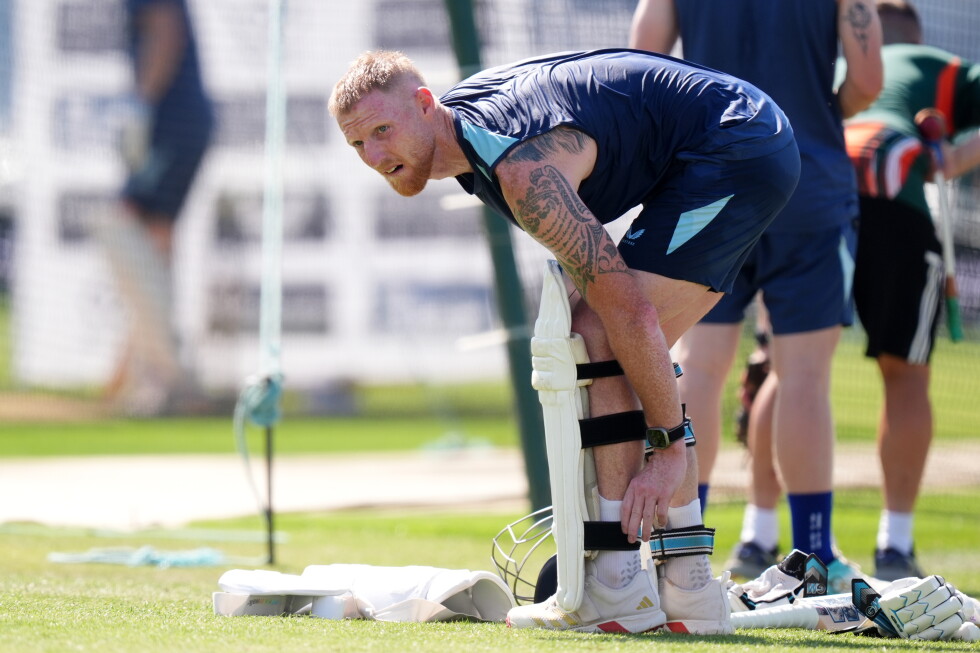
    For the home side England, the match arrives in the wake of off-field disciplinary turmoil that shook the squad just two weeks prior. Following England’s opening Test victory at London’s Lord’s Cricket Ground, captain Ben Stokes and pace bowler Gus Atkinson were sanctioned for breaking team protocol during a post-match night out. The pair were dropped from the squad entirely for the second Test, which New Zealand won by a convincing margin to level the series at 1-1. Now, both Stokes and Atkinson have been recalled to the starting lineup for the decider, with Stokes resuming the captaincy after Joe Root filled in temporarily during the second Test. England have also made two further changes to their side: wicketkeeper Jamie Smith returns following a short period of paternity leave, while young spinner Shoaib Bashir comes into the team in place of fast bowler Sonny Baker.

    New Zealand, on the other hand, have been forced to reshuffle their starting eleven due to a series of injury and workload management issues. The Black Caps will be without two of their key first-team players: fast bowler Matt Henry and middle-order batter Glenn Phillips, both ruled out through injury. Veteran paceman Kyle Jamieson has also been rested from the side, as the team manages his recovery from a recent flare-up of back problems. Stepping into the vacant spots are left-arm spinner Mitchell Santner, and two rookie pace bowlers, Blair Tickner and Ben Sears, who have just seven Test caps between them as a pairing.

    As the first session gets underway at the sun-baked Trent Bridge, both sides are fully aware that every decision and every wicket will carry extra weight, with the series title hanging entirely on the result of this final match.

  • Neymar – the return of Brazil’s forgotten hero

    Neymar – the return of Brazil’s forgotten hero

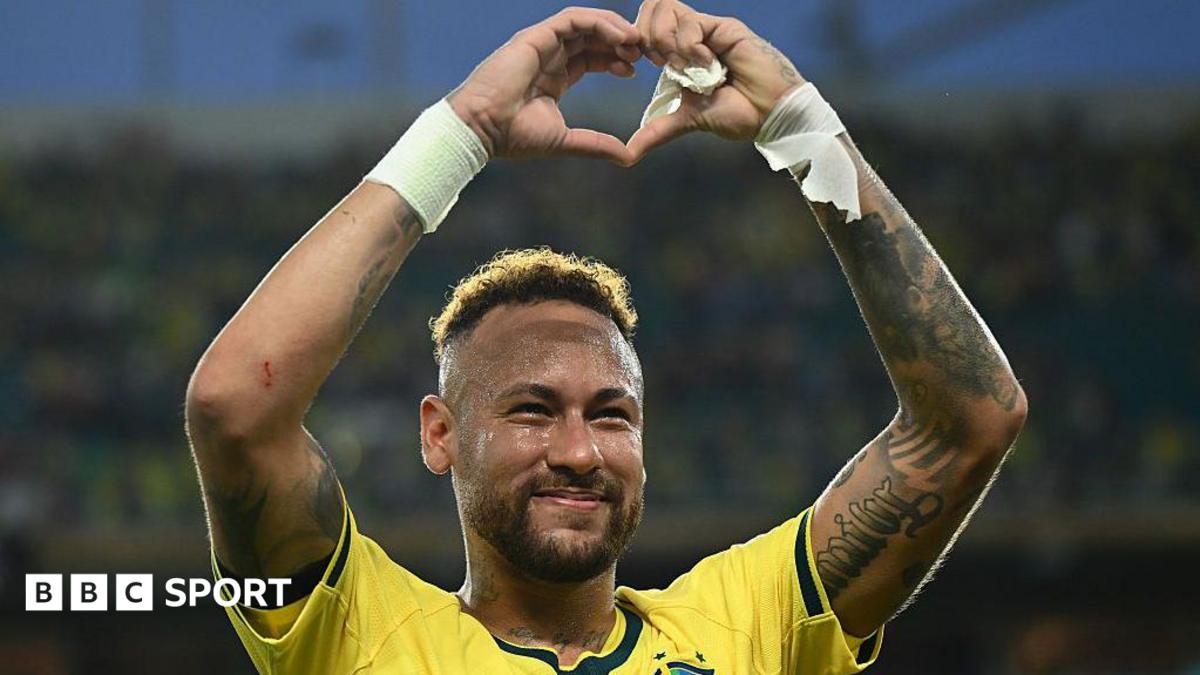
    On a sweltering June evening in Miami Gardens, Brazilian football fans clad in the iconic canary yellow of their national team packed Miami Stadium to the rafters, and their roar was loud enough to reach low-Earth orbit. The object of their unbridled adoration? Neymar, the global superstar making his first appearance for Brazil in nearly three years following a devastating long-term injury. It was a moment that overshadowed even Brazil’s decisive 3-0 Group C victory over Scotland, a result that has left Scotland’s 2026 World Cup campaign hanging by a thread.

    Neymar’s journey back to the international pitch was anything but easy. In October 2023, the forward suffered a torn anterior cruciate ligament and meniscus during a World Cup qualifier, an injury that sidelined him for months and left him starved of competitive match fitness through his recovery. At 34, he is no longer the young, undisputed leading light of the Brazilian national squad that he was at previous tournaments, but his popularity among supporters remains undimmed.

    Brazil dominated the first 75 minutes of the match, with rising star Vinicius Jnr netting two first-half goals before Matheus Cunha added a third late in the second half to seal the win. But long before Neymar stepped onto the pitch, every mention of his name on the stadium’s giant four display screens, every hint of his upcoming substitution, drew deafening cheers that drowned out even the celebrations for Brazil’s goals.

    When Cunha was substituted off in the 76th minute and Neymar finally walked onto the pitch to replace him, the stadium erupted. The star spent just 20 minutes on the pitch, recording 24 touches and one shot on target – a stat line that understates the electric atmosphere his presence created. For the crowd, the moment itself mattered more than the numbers.

    After the match, Brazil manager Carlo Ancelotti defended the decision to bring Neymar into the fold, praising the forward’s relentless work ethic through his recovery. “He trained and worked hard to recover, with professionalism,” Ancelotti told reporters in the post-match press conference. “For this World Cup, I think that he can help the team with his qualities. I think he played well, the few minutes he was on the pitch. Neymar needs no ulterior motivation. Everyone loves him here. He needs no motivation to wear the colours of Brazil. Neymar is still the same, and at 34, he has the same passion he had as a kid.”

    The moment capped a jubilant night for Brazil, who moved to the top of Group C with the three points. As five-time World Cup winners, Brazil have not lifted the sport’s biggest prize since 2002, and the nation is hungry for a sixth title to add to its storied history. Under Ancelotti, the team has struggled for consistency of late, dropping matches to elite sides including Argentina, France and Morocco heading into the tournament, but this dominant display against Scotland offered a glimpse of the attacking swagger the side is capable of.

    For fans leaving the stadium, the biggest talking point was not just the three points or the top spot in the group – it was the return of their beloved hero. One long-time supporter told BBC Sport, “Pele is the best player of all time. No comparison. He won three World Cups for Brazil. Neymar will be among the best ones. He could be in the same level as Ronaldo or Ronaldinho if he wins the World Cup. I think he’s able to open up the field and bring out jogo bonito [play beautifully], as they say. They have to respect who he is and who he once was, because if you don’t, he’ll make you pay, that’s for sure.”

    For Scotland, the result leaves their World Cup dream in tatters, sitting at the bottom of Group C on the brink of elimination heading into the final matchday.