分类: sports

  • Police conduct raids in Germany to investigate possible corruption at Euro 2024

    Police conduct raids in Germany to investigate possible corruption at Euro 2024

    BERLIN — In a high-profile development that has sent ripples through European soccer, German law enforcement carried out a series of coordinated raids across the country on Wednesday, launching an official investigation into alleged corrupt practices tied to the upcoming 2024 European Championship.

    Multiple premises connected to the tournament were targeted during the operation, including the central headquarters of the German Football Association (DFB), Germany’s top governing body for the sport, according to initial reporting from German tabloid Bild. The inquiry specifically centers on Euro 2024 GmbH, the event’s official organizing body, which operates as a joint venture between the DFB and European soccer’s governing body UEFA.

    In a formal joint statement released Wednesday, the Bochum Public Prosecutor’s Office and the North Rhine-Westphalia State Office of Criminal Investigation (LKA NRW) outlined the core of the allegations. Investigations focus on claims of unapproved improper benefits received by a former employee of one of Euro 2024’s host cities. These benefits reportedly include, among other perks, complimentary access to a professional soccer match, provided by senior officials from the tournament’s organizing committee.

    Prosecutors further detailed that organizing officials are accused of granting host cities unprecedented exclusive first-refusal rights to high-demand match tickets. Multiple host cities took advantage of these allocations, and the tickets were distributed for a range of unapproved uses, authorities say.

    Bild, which first broke details of the scale of the raid operation, confirmed that Wednesday’s early-morning action deployed more than 150 law enforcement officers across multiple search sites. The investigation itself targets two suspects: a 66-year-old German citizen and a 46-year-old French national, who are both suspected of involvement in bribery schemes. The reporting adds that the probe has uncovered evidence suggesting thousands of Euro 2024 tickets may have been improperly diverted and allocated internally to hand-picked guests rather than sold to the general public as intended.

    Alongside the DFB headquarters, search warrants were also executed at city hall buildings and municipal government offices across multiple host cities for the tournament, according to Bild’s reporting.

    Prosecutors emphasized that as of Wednesday, the two named suspects have not yet been able to respond publicly to the allegations brought against them. Consistent with German legal procedure, the principle of presumption of innocence remains in effect for all parties involved in the ongoing investigation.

    This developing story is part of Associated Press coverage of international soccer, with full updates available on the AP News soccer hub.
  • World Cup fans sweat through US ‘heat dome’

    World Cup fans sweat through US ‘heat dome’

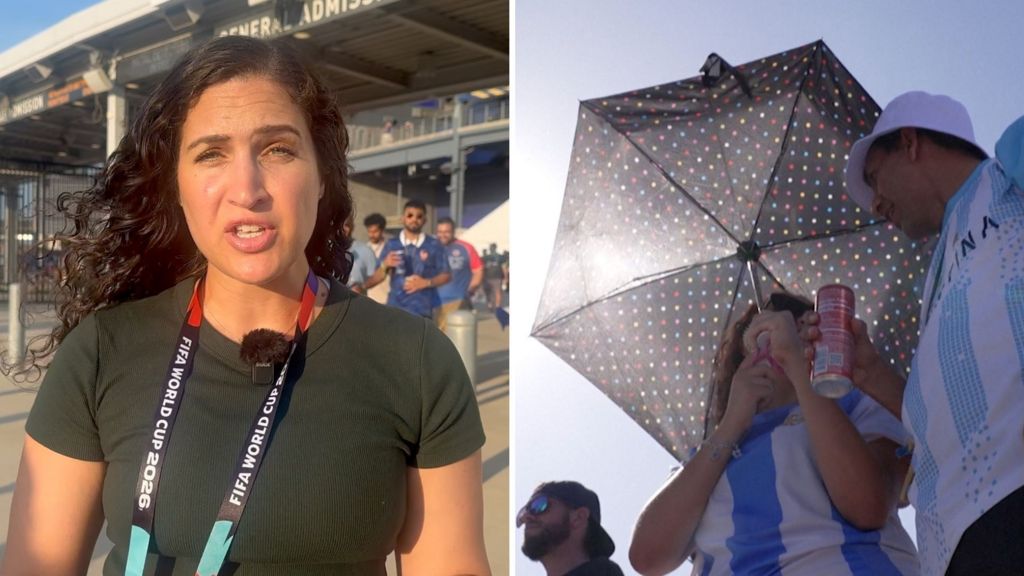
    While the 2022 World Cup captured global attention, millions of soccer fans across the United States gathered to watch matches and cheer on their favorite nations. But this shared excitement came with an unexpected environmental challenge: a powerful heat dome parked over the U.S. East Coast, pushing temperatures to dangerous, record-breaking levels. As thermometers climbed well into the triple digits in many major cities, leaving infrastructure and local residents strained, devoted supporters refused to let the sweltering conditions keep them away from watch parties and public viewing events. A BBC reporting team on the ground traveled through several affected urban areas to speak with these fans, documenting their dedication as they pushed through oppressive heat to share the thrill of the world’s biggest sporting tournament with fellow supporters. Many fans came prepared with portable fans, bottled water, cooling towels and sun protection, huddling in shaded areas whenever possible to avoid the worst of the midday sun. Even as local weather services issued heat advisories warning residents to limit outdoor exposure, these supporters said the once-in-four-years event was worth the discomfort, highlighting the unique community and excitement that only a World Cup can bring. Local organizers of public watch events also adapted, adding extra cooling stations and extending access to indoor spaces to help fans stay safe while still enjoying the matches. The combination of a global sporting spectacle and an extreme weather event created a one-of-a-kind experience for East Coast fans, blending the joy of international competition with the grit of enduring a summer heat wave.

  • Mexico rampant at fortress Azteca – and England could be next

    Mexico rampant at fortress Azteca – and England could be next

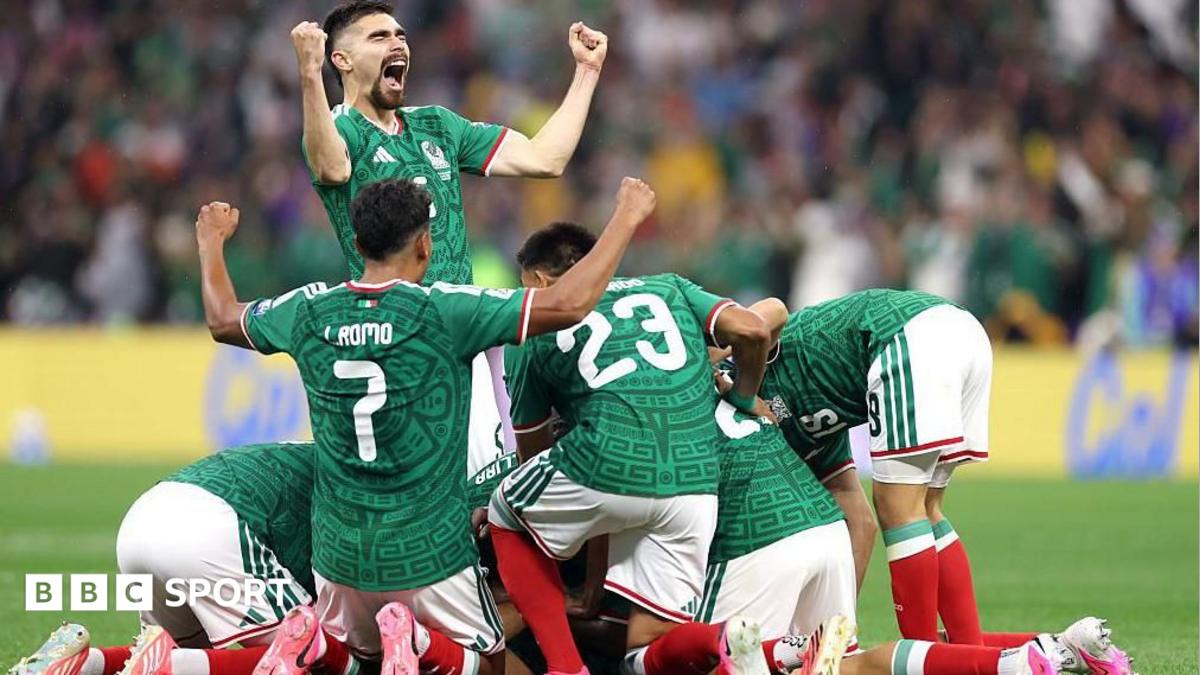
    The 2026 FIFA World Cup on home soil has delivered a historic moment for Mexico, who brushed aside a 10-man Ecuador side to secure their place in the tournament’s knockout round and break a decades-long hoodoo that has held the nation back for generations. Now, El Tri stands just one win away from their first World Cup semi-final appearance, with a potential mouth-watering last-16 clash with England looming at the iconic, intimidating Estadio Azteca — a fixture that has fans across the globe buzzing and three-time World Cup winner England bracing for an almighty challenge.

    Going into the final group stage match, Mexico had already picked up two wins without conceding a single goal, but a confident display against Ecuador cemented their status as one of the tournament’s most dangerous dark horses. The fixture was delayed by an hour after a stormy, lightning-laced evening over Mexico City, but the pause in play did nothing to cool the home side’s momentum. They came roaring out of the gates from the first whistle, with striker Julian Quinones opening the scoring with a blistering, unstoppable strike that left the Ecuador goalkeeper with no chance to save. Veteran Raul Jimenez, a familiar name to Premier League fans from his time at Wolves, doubled Mexico’s lead before halftime, putting the game out of reach before the break.

    For Mexico, the result is far more than just another knockout round qualification: it ends the infamous ‘quinto partido’ curse that has plagued the national team for nearly 40 years. After Mexico reached the quarter-finals (the fifth match of the tournament) as hosts in both 1970 and 1986, every edition between 1990 and 2018 saw the side eliminated in their fourth game, falling at the first knockout hurdle. Their 2022 campaign ended even earlier, with a group stage exit. Now, El Tri have secured that long-elusive fifth match, and their undefeated, four-game run with zero goals conceded has fans dreaming of a first ever World Cup title.

    Standing in the way of a historic run could be England, who face DR Congo in their final group stage fixture later the same day. Should Gareth Southgate’s side progress, they will face a challenge unlike any other at this tournament: a hostile, sold-out Azteca Stadium, where Mexico has built an almost unbeatable record. Across 89 competitive matches at the venue, Mexico has racked up 70 wins, 17 draws and just two defeats, and remains unbeaten in 10 World Cup matches played on its turf. Former Tottenham and Australia manager Ange Postecoglou warned that facing Mexico at home would feel like an entirely different tournament for any visiting side, noting that the entire nation is fully behind the in-form team.

    It is not just the venue that opposing teams need to fear: Mexico’s current squad is delivering the most complete performances the national team has produced in decades. Quinones has emerged as a breakout star, notching three goals in four matches, while 17-year-old Gilberto Mora made history as the second-youngest player to ever start a World Cup knockout match — coming in just 20 days behind Pele’s 1958 record. Defensively, the side has been nearly impenetrable, facing just six shots on target across four group matches without conceding once. Former Nigeria striker Efan Ekoku praised Mexico as disciplined, skilled and tenacious, noting that a home side playing with this sort of momentum is incredibly difficult to stop.

    Celebrations erupted not just across Mexico, but in major cities with large Mexican diaspora communities around the world, including Los Angeles, where thousands of fans gathered for downtown watch parties and set off fireworks after the final whistle. Fans in attendance called this the best Mexican side they have seen in decades, with many saying topping the group and reaching the last 16 far exceeded even their wildest pre-tournament expectations. Many noted the squad’s growing chemistry throughout the tournament, with previously criticized players stepping up to deliver critical performances. One fan summed up the mood, saying “this is a great year to be Mexican” as the team chases history on home soil.

    For England, if they get past DR Congo, the prospect of facing Mexico at the Azteca is daunting, with the home side’s momentum and historic home advantage making them a dangerous opponent. For Mexico, a win in the last 16 would not only extend their run, but would make even the most skeptical fans believe that a first ever World Cup triumph could be on the cards.

  • Hincapie becomes second player sent off for covering mouth

    Hincapie becomes second player sent off for covering mouth

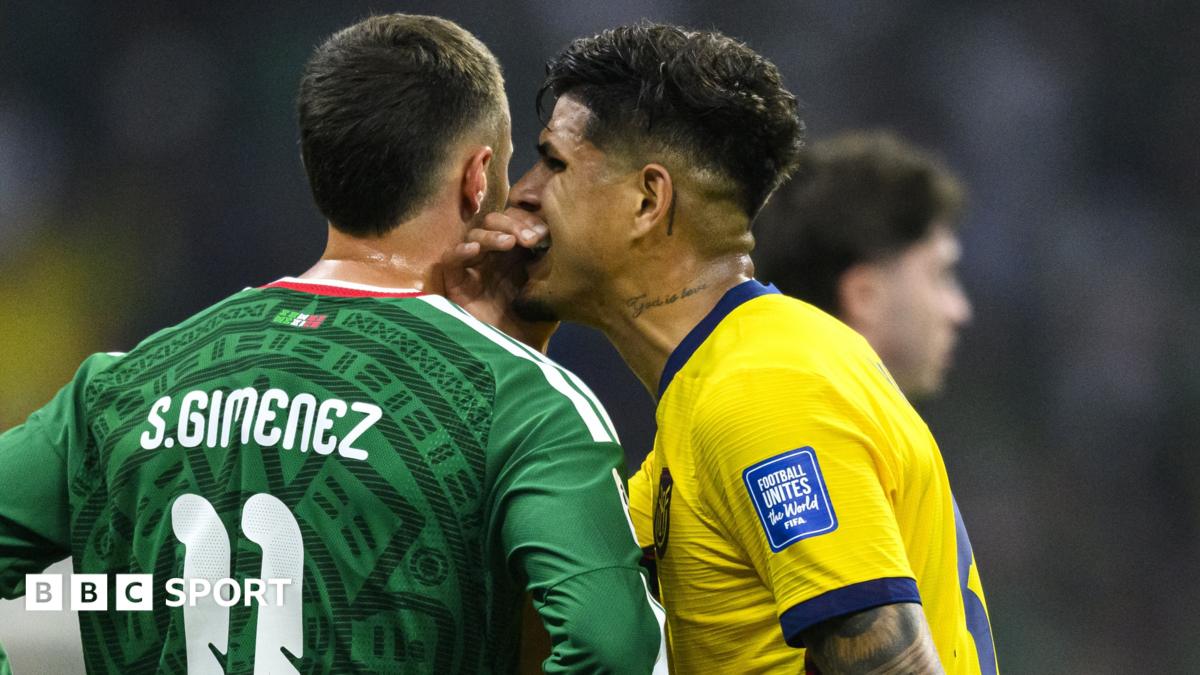
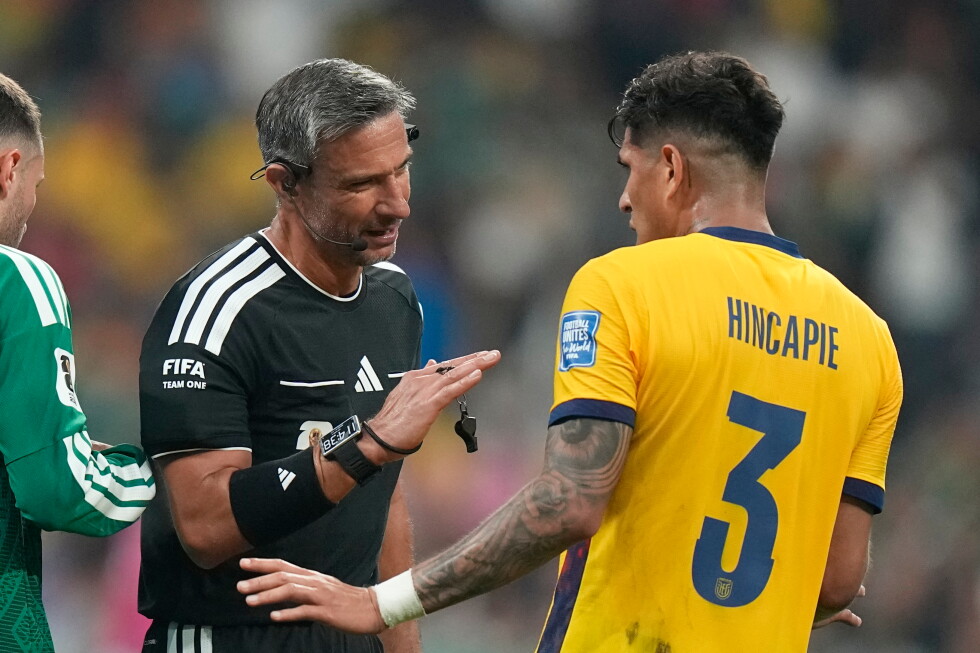
    In a high-stakes 2026 FIFA World Cup group stage match that ended with Ecuador’s exit from the tournament, 24-year-old Arsenal defender Piero Hincapie has made history as the second player to receive a red card under football’s controversial new rule banning mouth covering during confrontations between players. The incident unfolded in second-half stoppage time on Tuesday evening, with Mexico already holding a 2-0 lead that would confirm their progression to the knockout round, as Hincapie entered a heated exchange with Mexico striker Santiago Gimenez and deliberately covered his mouth while speaking.

    Slovenian head referee Slavko Vincic did not witness the interaction in real time, but the Video Assistant Referee (VAR) team flagged the incident and instructed Vincic to review the pitchside monitor replay. Following the review, Vincic showed Hincapie a straight red card, marking just the second time the new rule has resulted in a player dismissal at this year’s World Cup.

    Hincapie’s expulsion mirrors an earlier incident in the group stage that saw Paraguay winger Miguel Almiron sent off for the same offense during a match against Turkey. Unlike Hincapie’s side, however, Paraguay held on to secure a 1-0 win despite the early red card. The ruling has already sparked debate this tournament after England midfielder Jude Bellingham avoided a red card last week despite covering his mouth during an exchange with Ghana’s Jordan Ayew. Refereeing officials have clarified that this discrepancy aligns with the specific wording of the rule: mouth covering is only penalized when it occurs during confrontational interactions, not friendly or casual exchanges.

    Ahead of the 2026 tournament, FIFA Head of Referees Pierluigi Collina laid out the parameters of the new regulation explicitly, explaining that the ban was never intended to target private, amicable conversations between players. The rule was formally approved during a special gathering of the International Football Association Board (Ifab), football’s global law-making body, held in Vancouver back in April. FIFA President Gianni Infantino has repeatedly backed the new punishment, noting that referees should start from the presumption that a player covering their mouth during a confrontation is saying something that violates the sport’s rules of conduct.

    The push for this new regulation gained traction after a high-profile incident during a February Champions League fixture between Benfica and Real Madrid. In that match, Benfica winger Gianluca Prestianni covered his mouth while speaking to Real Madrid star Vinicius Jr. Prestianni was initially accused of racial abuse, which he denied, and handed a provisional one-match ban. After a full investigation by UEFA, the winger was ultimately found guilty of homophobic conduct and issued a six-match ban, three of which were suspended.

    Under the current framework, final decisions on red cards for mouth covering remain at the on-field referee’s discretion, with match officials required to weigh all contextual factors of an incident before issuing a dismissal. For Mexico, the 2-0 win over Ecuador sets up a potential round of 16 matchup against tournament favorite England, keeping their 2026 World Cup title push alive while ending Ecuador’s campaign early.

  • Ecuador’s Hincapié becomes the second player sent off for covering his mouth at the World Cup

    Ecuador’s Hincapié becomes the second player sent off for covering his mouth at the World Cup

    MEXICO CITY – The 202X World Cup has marked another chapter in the enforcement of FIFA’s controversial new conduct rule, with Ecuador defender Piero Hincapié becoming the second player to receive a straight red card for breaching the regulation. The rule, introduced this tournament to crack down on hidden verbal abuse between players, mandates an automatic sending off for athletes who cover their mouths during heated confrontations with opponents.

    Hincapié’s dismissal came in the 95th minute of a tightly contested round of 32 knockout clash on Tuesday, where Ecuador ultimately fell 2-0 to host nation Mexico. The red card was issued immediately after the defender engaged in a tense verbal back-and-forth with Mexican striker Santi Giménez, during which Hincapié covered his mouth – a move that directly triggered the new regulation.

    FIFA rolled out the new rule ahead of the tournament with a clear purpose: to eliminate the longstanding loophole that allowed players to hurl insulting or abusive language at rivals without being caught by match officials or broadcast microphones. By mandating a sending off for any mouth covering during confrontational exchanges, governing body officials hope to deter unsportsmanlike verbal conduct and improve transparency in on-pitch behavior.

    Hincapié is not the first athlete to fall foul of the new regulation. Paraguayan playmaker Miguel Almirón claimed that unwanted distinction last week, when he was sent off during a group stage fixture against Turkey. Almirón’s dismissal sparked widespread debate across global football circles about the rigidity and fairness of the new rule, with pundits split on whether the punishment fits the offense.

    For Hincapié and Ecuador, the red card carries immediate consequences. Ecuador’s exit from the knockout round means their World Cup campaign has already come to a close, but the suspension handed down alongside the red card will extend to the South American side’s next official international match in future FIFA competitions.

    This report was contributed by Jack Little, a student journalist at the University of Georgia’s Carmical Sports Media Institute.

  • Super Rugby set for a longer 17-week regular season and revamped playoffs in 2027

    Super Rugby set for a longer 17-week regular season and revamped playoffs in 2027

    Organizers of the iconic Southern Hemisphere rugby competition Super Rugby have announced sweeping changes to the tournament structure set to take effect in 2027, introducing a longer regular season and a revamped playoff system under a new 10-team framework.

    The reconfigured competition will distribute teams across three Pacific nations: five elite franchises from New Zealand, four from Australia, and one representative side from Fiji, marking an important expansion of the tournament’s footprint in the Oceania region. According to the official timeline revealed Wednesday, the 2027 season will open its doors on February 12, with the championship final scheduled to wrap up the 17-week regular season on June 26. This marks a notable extension from previous season structures, giving fans more consistent top-tier rugby action throughout the early months of the year.

    The playoff round has also been redesigned to create more high-stakes matches while rewarding top-performing regular season teams. Under the new six-team finals format, the sides that finish first and second in the regular season standings will earn a direct bye into the semifinal round, avoiding an extra knockout match. Meanwhile, teams ranked third through sixth will compete in sudden-death quarterfinals to secure the two remaining semifinal spots, creating more exciting knockout drama for rugby audiences.

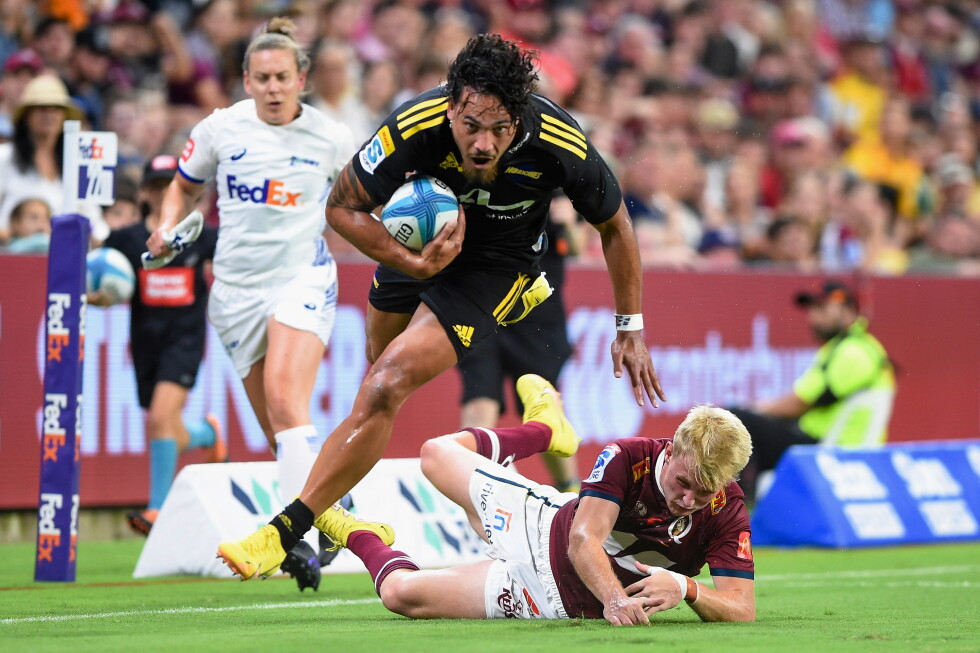
    The announcement comes fresh off the conclusion of the 2026 Super Rugby season, which saw the Wellington-based Hurricanes claim the championship title in dominant fashion. Last month, the Hurricanes delivered a crushing 60-5 victory over the Hamilton-based Chiefs in the 2026 final, capping off a record-breaking campaign for the franchise. Over the course of their 17-match 2026 season, the Hurricanes crossed the try line 113 times, making them the first side in the competition’s entire 30-year history to hit the milestone of more than 100 tries in a single season.

    In related rugby news coming out of New Zealand this week, the country’s national men’s squad has finalized its roster for the opening match of the World Rugby Nations Championship, scheduled to take place this Saturday against France. The team announcement came just days after the conclusion of the 2026 Super Rugby final, giving top club players a tight turnaround to transition from domestic competition to international test rugby.

  • United, free and brilliant – can anyone stop France masterclass?

    United, free and brilliant – can anyone stop France masterclass?

    The 2026 FIFA World Cup in North America delivered one of its most dominant and emotionally resonant displays yet on Tuesday, as pre-tournament favorites France crushed Sweden 3-0 to punch their ticket to the knockout round. The victory was far more than just three points: it was a powerful showcase of team unity, individual brilliance, and a heartfelt tribute to head coach Didier Deschamps, who made his return to the dugout just days after returning home to attend his mother’s funeral.

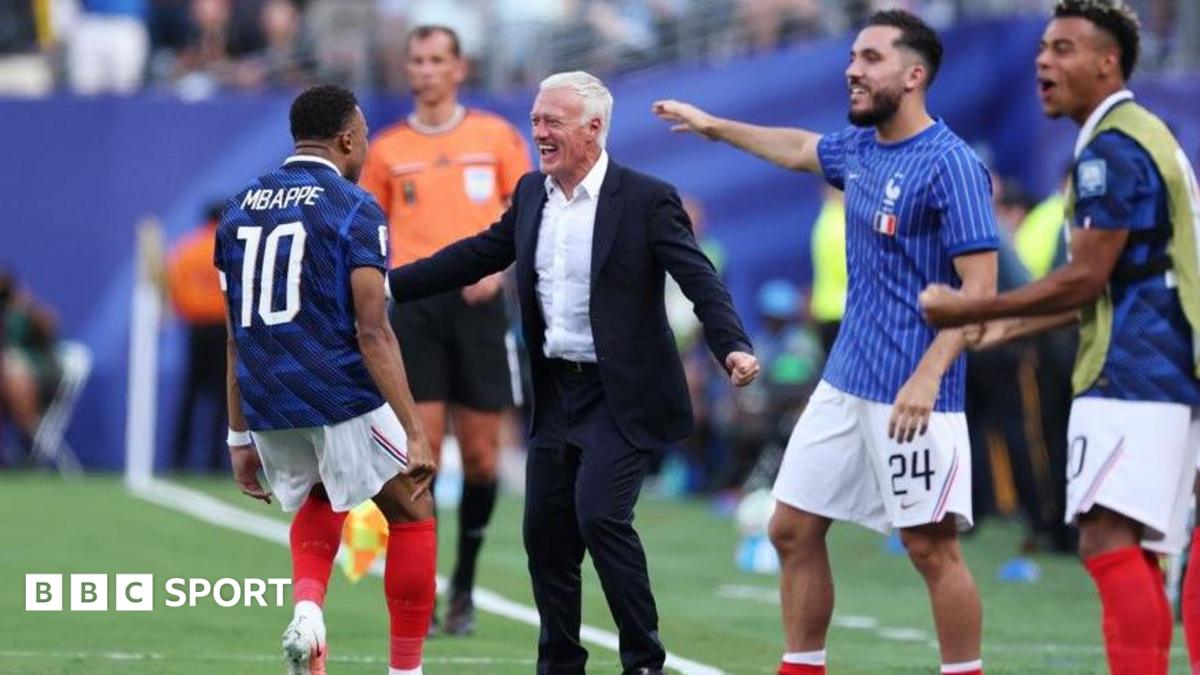
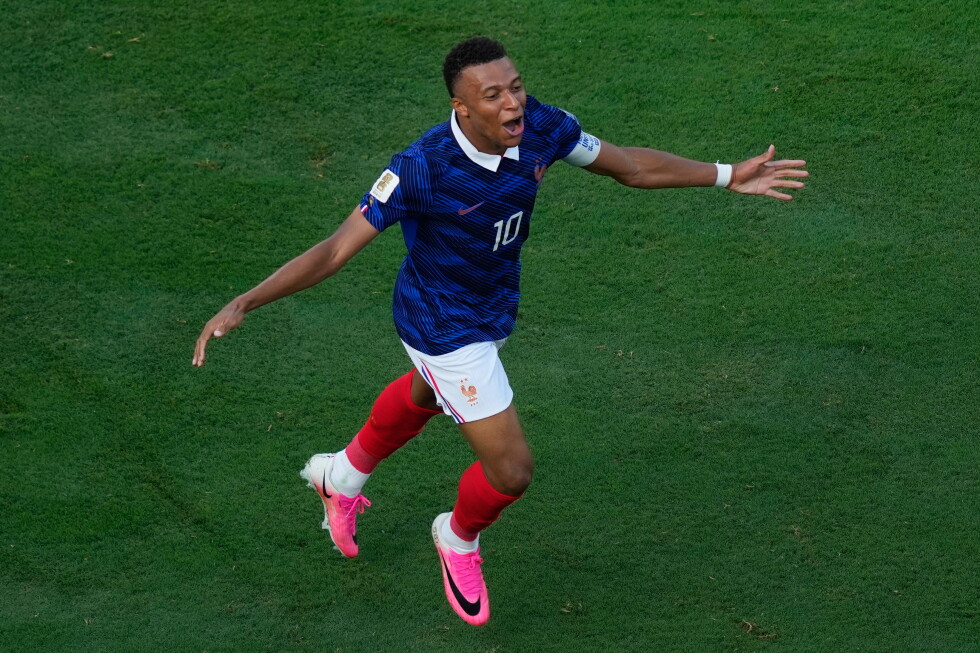
    From the opening whistle, France’s attacking firepower proved too much for a Swedish side fighting to stay in the tournament. It was Kylian Mbappe, the tournament’s standout star, who broke the deadlock with a typically clinical finish. Instead of wheeling away in solo celebration, the Real Madrid forward sprinted straight to the touchline to embrace Deschamps, before the entire squad joined them for a warm group hug. In a moment that captured the tight bond of this French squad, the gesture spoke volumes about the team’s solidarity through a difficult week for their manager.

    After the match, Deschamps highlighted that collective strength as the foundation of France’s success. “This group is united and they delivered when I was not here last week,” he told reporters. “Team spirit doesn’t guarantee you win matches, but without it, you can easily lose. Collective strength comes above everything else.” Midfielder Aurelien Tchouameni echoed that sentiment, adding: “We know the coach is going through a lot right now, we all wanted to give everything to make him as happy as possible.”

    Once the emotional opening settled, France turned on the style in the sweltering heat of New Jersey’s MetLife Stadium. Young winger Bradley Barcola slotted home to double the lead shortly after half-time, before Mbappe grabbed his second of the night, pulling him level with Argentina’s Lionel Messi on six tournament goals at the top of the Golden Boot race. That strike took Mbappe’s career World Cup tally to 18, just one goal behind Messi’s all-time competition record of 19. He has now scored multiple goals in seven separate World Cup matches – three more than any other player in tournament history.

    While Mbappe’s finishing grabbed the headlines, 24-year-old playmaker Michael Olise continued his stunning breakout tournament, notching two assists to take his total to five for the competition. That makes Olise the first player to register five or more assists at a single World Cup since 1994, marking a remarkable rise for a player who began his youth career at non-league Hayes & Yeading United just 18 years ago. Deschamps heaped praise on the former Crystal Palace man after the match: “Michael is playing top-notch football. He is a major influence within the squad, the link between our strikers and midfield. He may be a bit of an introvert off the pitch, but that changes completely when he steps onto the grass.”

    Tuesday’s 3-0 win cemented France’s place in the history books before the knockout stage even begins: Didier Deschamps’ side became the first team ever to score three or more goals in five consecutive World Cup matches. Across their four group-stage games in the United States, France have already found the net 13 times, with individual statistics that outstrip every other contender in the tournament. Ballon d’Or winner Ousmane Dembele has contributed to six goals (four goals, two assists), while his combination play with Mbappe has produced six tournament goals – four from Dembele to Mbappe, two in the reverse direction – the most by any attacking duo since 1966.

    The performance left footballing legends in no doubt about France’s status as the team to beat. Former Arsenal and England striker Ian Wright told ITV Sport: “You cannot stop this kind of ability. France are one of the most clear favourites I have ever seen in a World Cup tournament.” His former Arsenal teammate Patrick Vieira, a 1998 World Cup winner with France, added: “They showed to everyone that they are the team to beat.” Former England defender Gary Neville echoed that assessment, saying: “That starting front four – Mbappe, Dembele, Olise and Barcola – they will cause nightmares for every single defender in this tournament. They are a level above. The rest of the contenders are looking at them thinking ‘that is the standard we have to reach’.”

    Even Sweden manager Graham Potter conceded that his side had been beaten by a truly elite outfit. “It’s no disgrace to go out to this France team,” he said. “I haven’t seen a better team in this tournament.”

    France will now face Paraguay in their round-of-16 tie in Philadelphia on July 4, kicking off at 22:00 BST. If they progress, a quarter-final clash awaits against either co-host Canada or Morocco at Boston’s Gillette Stadium on July 9. Despite the record-breaking form and overwhelming praise from pundits, Deschamps insisted his side would not get ahead of themselves. “Please, slow down,” he said when asked if his side could go all the way to the title. “There is always room for improvement, not everything is perfect. We have reached the round of 16, let’s appreciate that first. We know what is expected of us, we did what we had to do today even if the first 15 minutes were a bit timid. It’s only the round of 16, we have to stay calm.”

    Four years after their penalty shootout heartbreak against Argentina in the 2022 Qatar final, this French side looks more determined than ever to claim a third World Cup title. With their attacking unit firing on all cylinders, and a tight team spirit carrying them through challenging moments, the question on every fan’s mind after Tuesday’s display remains: is there any side in the tournament that can stop Deschamps’ red-hot favorites?

  • World Cup what to know: US looks to win first knockout match in 24 years against Bosnia-Herzegovina

    World Cup what to know: US looks to win first knockout match in 24 years against Bosnia-Herzegovina

    For nearly a quarter-century, the United States men’s national soccer team has carried the weight of a stubborn, unwanted label: perennial underperformers in World Cup knockout matches. That narrative is set to face its biggest test on Wednesday night, when the Americans take on Bosnia-Herzegovina at Levi’s Stadium in Santa Clara, California, aiming to secure their first win in an elimination round fixture since 2002.

    The U.S.’s sole knockout victory in modern history came 24 years ago on June 17, 2002, when the team downed Mexico 2-0 in the round of 16 during the co-hosted tournament in South Korea and Japan. In the three knockout appearances the Americans have made since that upset over their regional rivals, they have walked away winless, a dry spell the entire squad is determined to break this time around.

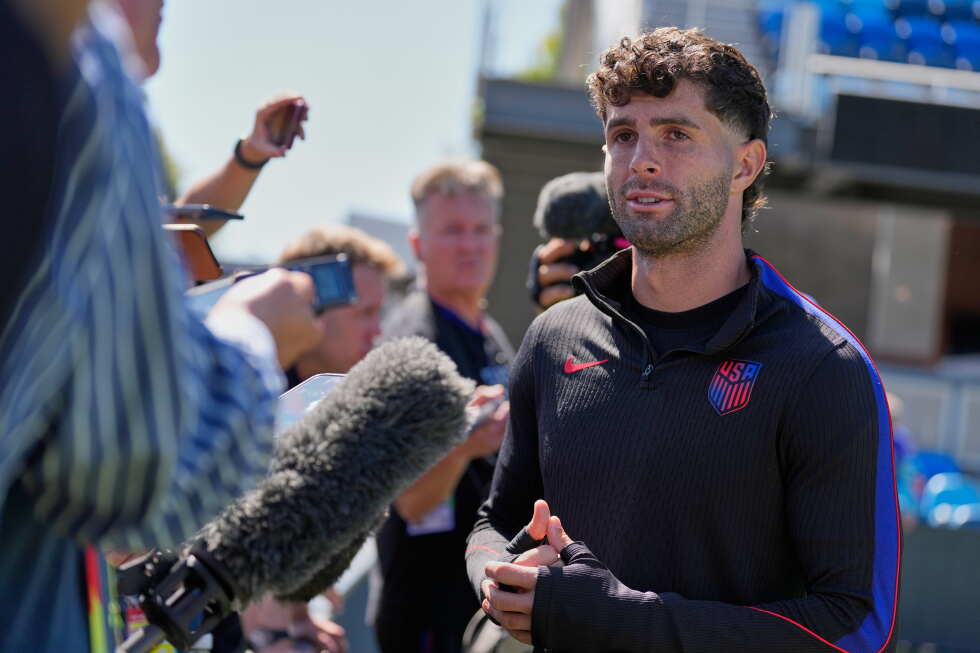
    A major boost for the U.S. camp comes as star playmaker Christian Pulisic confirms he is fit and ready to start. Pulisic was sidelined for the team’s second group stage match with a minor calf injury, and only saw 33 minutes of play off the bench in the final group fixture against Turkey, a 3-2 loss that saw the U.S. still clinch the top spot in their group. “I feel good and ready to go for tomorrow,” Pulisic told reporters ahead of Wednesday’s clash. “We understand what it means, you win or you go home. There definitely needs to be a lot of focus and attention to detail this week. But I think the vibe feels good. We’ve still kept it light and we still are going to be ready to battle once the whistle blows.”

    For head coach Mauricio Pochettino, the build-up to the match included a public apology to the media for his sharp tone following the Turkey loss. Pochettino opened his Tuesday press conference by acknowledging his frustration got the better of him after the defeat, when he called out reporters for failing to celebrate the team’s already locked-in group title. “I want to apologize to the guys that were in my last press conference,” he said. “I was so frustrated. I was disappointed. I thank you and am sorry. It was my problem, not your problem. I was upset after the defeat.”

    Geographically, Wednesday’s match carries a subtle layer of history for U.S. World Cup soccer. The 1994 U.S. host squad advanced out of the group stage and faced eventual champions Brazil at Stanford Stadium, just 15 miles north of Santa Clara, where they fell 1-0. Oddsmakers have installed the Americans as favorites to advance this time around, despite the team’s long-running poor record against European opposition: since returning to the World Cup in 1990 (their first appearance in 40 years), the U.S. has only one win in 21 matches against European sides, with seven draws and 13 losses.

    Wednesday’s round of 32 slate features two other high-stakes fixtures: England will square off against first-time knockout qualifiers Congo in Atlanta at noon EDT, while Belgium will take on Senegal in Seattle at 4 p.m. EDT before the U.S.-Bosnia kickoff at 8 p.m. EDT.

    England heads into their match facing mounting injury trouble at the right back position, with first-choice Reece James sidelined by a hamstring injury and backup Jarrell Quansah picking up an ankle twist in the team’s 2-0 group stage win over Panama. Head coach Thomas Tuchel, however, remains calm under early tournament pressure, confirming that winger Bukayo Saka—who entered the tournament carrying a minor injury—will be fit to start. Tuchel added that both injured defenders are close to returning, a goal that depends on England getting past Congo first. “They’re getting closer and closer,” Tuchel said. “The race was close even to make it into my squad this time. So we need to make sure that we have more matches. That is the main focus, and then that will be very soon.”

    For Congo, this marks the first time the nation has ever advanced to the knockout round of a men’s World Cup. The side pulled off an impressive group stage run, holding powerhouse Portugal to a 1-1 draw before beating Uzbekistan to secure their spot in the round of 32. Head coach Sébastien Desabre said his team is not intimidated by the challenge facing them. “It is true we are looking at a difficult match, but in no way insurmountable,” Desabre said. “We have proven this against teams that were supposed to be superior to us, that we could actually put in a good performance. So we are focusing on our strengths, we are walking our path and once you get to this point in the competition, it’s difficult for everyone.”

    Belgium, meanwhile, is looking to recapture the magic of its 2018 World Cup run, where the side claimed a historic third-place finish before crashing out in the group stage in Qatar four years ago. By topping Group G this year, including a 5-1 blowout of New Zealand in the final group match, Belgium has already exceeded its coach’s minimum expectations. “We wanted to finish first in the group stage and we succeeded,” head coach Rudi Garcia said. “Of course we wanted to win more — we know the story of our World Cup so far. Now it is time for the knockout phase. Senegal is a big team. But, you have to beat them, too, if you want to go far in a World Cup.”

    The round of 32 will continue on Thursday with three more matches: Spain vs. Austria, Portugal vs. Croatia, and Switzerland vs. Algeria, before wrapping up on Friday with Australia vs. Egypt, Cape Verde vs. Argentina, and Colombia vs. Ghana. The round of 16 kick off will begin this Saturday.

  • Mbappé scores twice to tie Messi for World Cup lead with 6 goals, France beats Sweden 3-0

    Mbappé scores twice to tie Messi for World Cup lead with 6 goals, France beats Sweden 3-0

    On a sweltering, low-air-quality Tuesday afternoon at MetLife Stadium in East Rutherford, New Jersey, Kylian Mbappé delivered a career-defining performance that secured France a 3-0 victory over Sweden and etched his name deeper into World Cup history, booking Les Bleus a spot in the tournament’s round of 16 against Paraguay.

    The match kicked off at 5 p.m. with temperatures hitting 32 degrees Celsius (90 degrees Fahrenheit), with thick humidity and poor air quality testing the stamina of every player on the pitch. France dominated possession and chances from the opening whistle, outshooting Sweden 25-7 overall and 15-3 in the first half alone. Mbappé came close to breaking the deadlock in the 32nd minute, his effort clattering off the goalpost, and four minutes later, Michael Olise’s acrobatic bicycle kick from inside the penalty area also hit the woodwork, leaving the French side frustrated going into the final minutes of the first half.

    It was Mbappé who finally broke through in first-half stoppage time, netting a superbly crafted opening goal. After Sweden goalkeeper Jacob Widell Zetterström tipped Olise’s original shot just wide of the post, Olise played a short corner to Ousmane Dembélé, who threaded a pass to Mbappé near the byline. The French superstar pulled off a clinical crossover step to shake off Sweden’s Viktor Gyökeres, then curled a precise diagonal shot from just outside the six-yard box into the far corner of the net, putting France ahead 1-0 going into halftime.

    Les Bleus extended their lead just eight minutes into the second half. When Sweden’s Gustaf Lagerbielke gave away possession deep in his own half, Aurélien Tchouaméni found Olise, who nutmegged Lagerbielke before playing the ball through to Bradley Barcola. Barcola took a calm controlling touch and slotted the ball past Zetterström’s outstretched right hand to make it 2-0.

    Mbappé capped off the win in the 74th minute, putting the final stamp on a masterclass performance. The build-up featured a clever backheel from Mbappé to Barcola, who shifted the ball to Olise, who then played a through ball into the penalty area for the onrushing Mbappé. He settled the ball with one touch and fired it into the far post to secure the 3-0 final score.

    With that goal, Mbappé claimed a new World Cup record: his 10 knockout stage goals are two more than the previous shared record held by Brazilian legends Leonidas and Ronaldo. The two-goal haul was his third in four matches at this tournament, bringing his total goal count at this World Cup to six, tying him with Argentina’s Lionel Messi for the golden boot lead. His career World Cup goal total now stands at 18, just one goal behind Messi’s all-time record of 19.

    After the match, Mbappé deflected praise away from himself, emphasizing the importance of the entire French squad. “I’m very aware of who I am, how I play, what I shall do, but it’s not just about me,” he said via a translator. “The entire team is aware of what should be done. It is a new competition that has started today. We did play well, but we were timid. We could have done better at the beginning.”

    The French star also spoke out in support of head coach Didier Deschamps, who recently returned to the team’s camp after traveling back to France for his mother’s funeral. When Mbappé was substituted in the 85th minute, Deschamps greeted him with a bow to the standing star. “He knows that he will never be alone with us and we will support him,” Mbappé said of the coach.

    As for the brutal playing conditions, Mbappé joked that his immediate focus after the match was not the upcoming round of 16 fixture, but the changing room’s air conditioning: “I’m looking forward to the changing room and the AC.”

    Sweden captain Victor Lindelöf paid tribute to France’s quality after the final whistle, acknowledging his side had fallen to one of the best teams in the tournament. “They are skilled at knowing when to change the pace and increase it, when to possess the ball, when to fall back,” he said via a translator. “If we look at where we were not so long ago — we’re here and we’ve played in the World Cup. We lost against one of the best countries in the world.”

    France, the 2018 World Cup champion and 2022 runner-up, enters this tournament as one of the favorites to lift the trophy, and is now targeting a third consecutive final appearance. They will face Paraguay in the round of 16 on July 4 in Philadelphia, with the winner advancing to a quarterfinal fixture against either Canada or Morocco five days later in Foxborough, Massachusetts. Through four matches, France has outscored its opponents 13-2, with Olise notching five assists to anchor the team’s attack.

    Tuesday’s match at MetLife — the venue for this tournament’s July 19 final — also helped the expanded 104-match World Cup hit a new milestone: the total attendance for the tournament surpassed 5 million, with 80,663 fans filling the stands for the fixture, the majority backing France in blue, with a section of supporters cheering Sweden in yellow at one end of the ground.

  • One Extraordinary Photo: Paraguay celebrates stunning upset of Germany

    One Extraordinary Photo: Paraguay celebrates stunning upset of Germany

    FOXBOROUGH, Mass. – For veteran Associated Press staff photographer Charles Krupa, who has been part of the AP’s global photography team since 1985 and works out of the Boston bureau, the 1994 World Cup match between Paraguay and Germany at Foxborough’s Boston Stadium brought a once-in-tournament lucky break after five games of near-misses.

    Krupa had covered the first five World Cup matches held at the venue, and in every game, the tournament’s most unforgettable, game-changing moments had unfolded at the opposite end of the pitch from his assigned press position. By the time the Paraguay-Germany clash rolled around on Monday, he had all but written off another round of bad positioning – until the final minutes of the match forced penalties, and a historic upset played out right in front of his lens.

    After 90 minutes of regulation time and a scoreless extra time, the two sides headed to a penalty shootout to decide who would advance. Krupa’s pre-planned strategy for the shootout positioned him to focus primarily on the goalkeeper from his vantage point. As penalties went back and forth between the two teams, he captured sharp, clear action shots of saves and goals for both squads. When it came to the decisive match-winning kick, however, things did not go according to his original plan. Germany’s goalkeeper dove low to his right – an angle that put him completely out of clear view for Krupa – while the Paraguayan shot sailed high into the left side of the net, out of the photographer’s ideal frame.

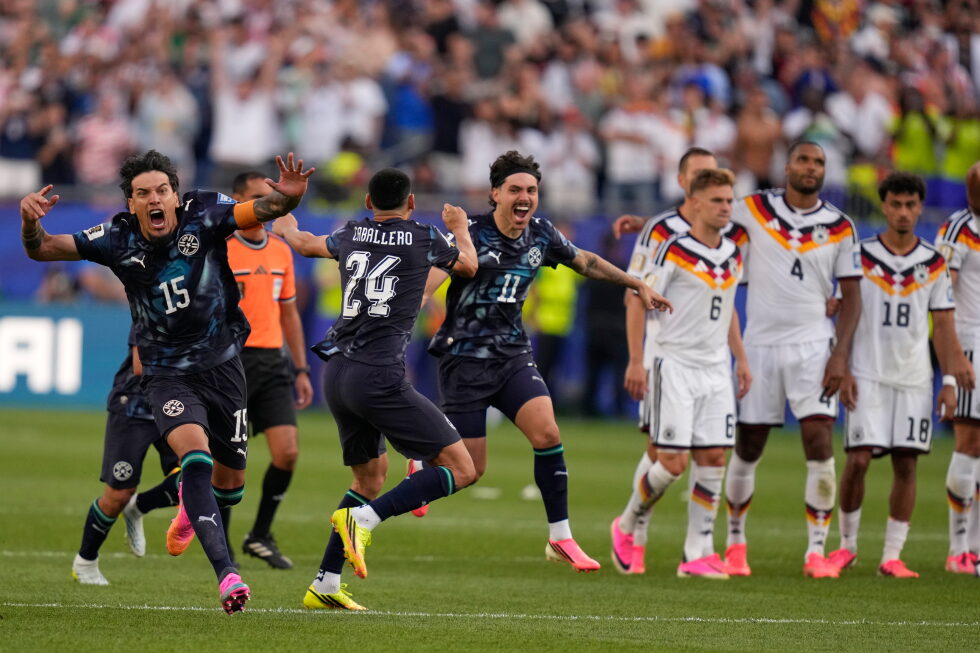
    Quick to pivot, Krupa shifted his focus to the rushing Paraguayan side, who were sprinting directly toward him to celebrate their historic upset win, heading straight for the player who had nailed the winning penalty. In that same frame, the stunned German team stood frozen in silence, their World Cup title hopes dashed by the final kick of the shootout. The resulting single image perfectly captures the sharp, raw contrast between unbridled joy and crushing defeat, the fleeting balance between winner and loser in elite sport. For the first time that tournament, Krupa was positioned on the exact end of the field where the winning celebration unfolded.

    Krupa credits the success of the iconic shot not just to luck, but to pre-tournament planning from his AP colleagues. All photographers had coordinated their assignments in advance for the scenario of a match tied after extra time, and he said guidance from photo editor Tony Hicks and fellow photographer Petr Josek put him in the right position to adapt when the winning kick fell outside of his original plan.

    This behind-the-scenes look is part of AP’s ongoing coverage of the 1994 World Cup, with additional coverage from the tournament available on the AP’s official platforms.